
2027 Best Technical Communication Degrees for Working Adults

Co-Founder and Chief Data Scientist
For many working adults, the question is not whether a technical communication degree could help their career. The harder question is whether the degree can fit around a full-time job, family obligations, and a budget that may already be stretched. A strong program should do more than teach writing. It should help students build workplace-ready skills in documentation, user experience, editing, information design, project communication, and digital content without forcing them to pause their careers.
The career case is also meaningful. The Bureau of Labor Statistics projects a 7% growth in technical writing jobs from 2022 to 2032, which points to continued demand for professionals who can translate complex information into clear, usable content. For adults already working in technology, healthcare, engineering, education, government, or business operations, a technical communication degree can support a move into more specialized writing, content strategy, documentation management, or training roles.
This guide explains how to compare technical communication degrees for working adults, including program formats, admission expectations, coursework, completion timelines, costs, financial aid, support services, accreditation, salary impact, and career options. The goal is to help readers choose a program that is flexible, credible, affordable, and aligned with their next career step.
Key Things to Know About Technical Communication Degrees for Working Adults
- Many programs offer online or hybrid formats, allowing working adults to balance coursework with professional responsibilities effectively.
- Flexible scheduling and accelerated pacing help students complete technical communication degrees faster without sacrificing quality.
- Curricula often include practical skills aligned with employer needs, increasing job placement rates in industries valuing clear, precise communication.
dd
What Are the Best Technical Communication Degrees for Working Adults?
The best technical communication degrees for working adults are usually programs that combine flexible delivery with practical, portfolio-ready coursework. A good fit should let students continue working while building skills they can use immediately in documentation, editing, instructional content, digital platforms, or user support materials.
Working adults should first decide what kind of career move they want the degree to support. Some programs are writing-focused, while others lean toward digital content, user experience, health communication, or information design. The strongest choice is the one that matches both the student’s schedule and the type of work they want after graduation.
| Degree or specialization | Best for | Why it works for working adults |
| Technical Communication and Rhetoric | Professionals who want a broad foundation in technical writing, audience analysis, and communication theory | Often works well in online or part-time formats because much of the coursework centers on writing, research, revision, and document projects. |
| Information Design and User Experience | Adults interested in documentation usability, digital products, help systems, or user-centered content | Connects writing with interface thinking, usability testing, and information structure, which can be valuable in technology-driven workplaces. |
| Professional and Technical Writing | Students who want direct preparation for writing manuals, reports, proposals, policies, and web content | Usually emphasizes applied assignments that can become portfolio samples for internal promotions or job searches. |
| Digital Communication and Media | Professionals seeking broader communication roles involving websites, digital content, multimedia, or workplace platforms | Offers transferable skills for organizations that need communicators who can work across formats and channels. |
| Health and Science Communication | Healthcare, science, public health, or research professionals who need to explain specialized information clearly | Allows adults with subject-matter experience to add communication training without leaving their field. |
How to choose the right program
- Prioritize schedule design: Look for asynchronous online courses, part-time sequencing, evening options, or predictable course rotations if you work full time.
- Check portfolio value: Strong programs should produce usable work samples, such as documentation sets, editing projects, usability reports, content audits, or instructional materials.
- Review faculty and industry connections: Programs with instructors who understand workplace documentation, UX writing, editing, and digital communication can offer more relevant feedback.
- Confirm accreditation and transfer policies: Accreditation affects credibility, financial aid eligibility, and future academic options.
- Compare total cost, not just tuition: Include fees, textbooks, software, commuting, lost work time, and the number of terms needed to finish.
Some working professionals also compare technical communication with other advanced education paths, including an edd degree, especially if their long-term goal involves leadership, training, higher education administration, or organizational development. The better option depends on whether the immediate career target is communication practice, management, teaching, or executive-level leadership.
What Are the Admission Requirements for Working Adults in Technical Communication Degree Programs?
Admission requirements for technical communication degree programs usually focus on academic readiness, writing ability, and evidence that the applicant can succeed in a flexible or part-time format. Working adults may have an advantage when they can show relevant professional experience, especially in writing, editing, training, project coordination, marketing, technology, healthcare, engineering, or other communication-heavy roles.
Nearly 40% of graduate students enroll part-time, so many programs are familiar with applicants who are balancing school with employment. Even so, requirements vary by institution and degree level. Applicants should read each program’s admissions page carefully and contact admissions staff if they have older credits, a nontraditional background, or questions about test waivers.
Common admission requirements
- Completed application: Most schools require an online application, application fee, and basic academic and professional information.
- Prior degree or college credits: Graduate programs typically require a bachelor’s degree. Undergraduate completion programs may require high school completion, prior college coursework, or transfer credits.
- Official transcripts: Schools use transcripts to verify previous coursework, GPA, and degree completion.
- GPA review: GPA expectations still matter, but some programs evaluate applicants holistically and consider professional experience, writing samples, or improvement over time.
- Writing sample or statement of purpose: Technical communication programs often want proof that applicants can write clearly and explain their goals. A strong statement should connect the degree to specific career objectives.
- Resume or professional experience: Work history can help demonstrate readiness, especially for adults with communication, documentation, training, editing, design, or subject-matter expertise.
- Recommendations: Letters from supervisors, managers, professors, or colleagues can speak to writing ability, reliability, collaboration, and professional judgment.
- Standardized test policies: Some programs waive GRE requirements for applicants with strong academic records, relevant work experience, or prior graduate coursework.
- English proficiency requirements: International applicants may need to meet institution-specific language proficiency standards.
Application tips for working adults
Applicants should not treat the statement of purpose as a generic essay. It should explain why technical communication is the right next step, what skills the applicant wants to build, and how the program’s format fits their work schedule. A resume should also highlight communication-related tasks, even if the current job title is not “writer.” Examples include writing procedures, preparing reports, creating training materials, editing documents, managing content, documenting software, or translating technical information for customers or teams.
Adults comparing flexible program models may also review fields with established online options, such as online counseling programs, to understand how schools structure remote coursework, advising, and part-time enrollment for nontraditional students.
What Coursework Is Required in Technical Communication Degree Programs for Working Adults?
Technical communication coursework is designed to help students make complex information clear, accurate, usable, and appropriate for a specific audience. For working adults, the best courses are not abstract writing exercises only. They should connect directly to workplace tasks such as producing documentation, editing content, managing information, improving user support, creating training materials, and collaborating with technical teams.
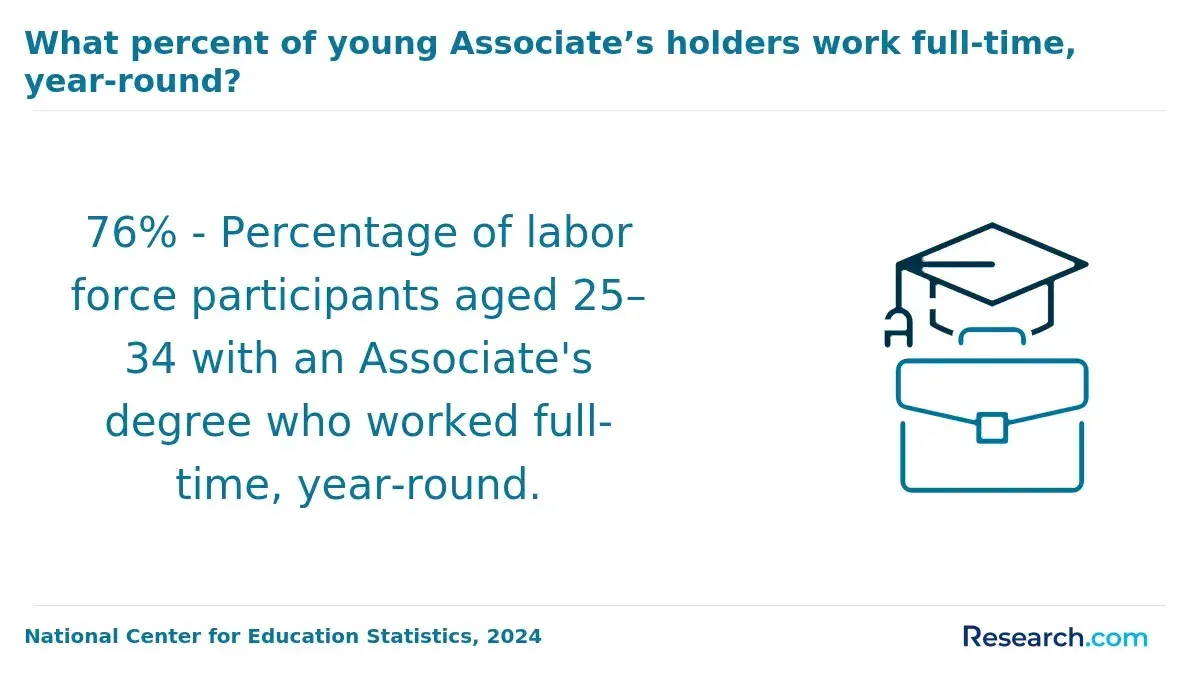
With over 60% of students being adult learners focused on career advancement or switching fields, programs often include flexible formats such as online, hybrid, evening, or part-time courses. Students should still expect steady reading, writing, peer review, project work, and revision. The workload can be manageable alongside employment, but it requires consistent weekly planning.
Typical required coursework
- Technical Writing and Editing: Students learn to write and revise manuals, reports, proposals, instructions, policies, release notes, and other workplace documents. Emphasis is usually placed on clarity, structure, accuracy, and audience needs.
- Information Design and Visualization: This coursework teaches students how to organize complex information using layout, hierarchy, charts, graphics, tables, and visual explanations.
- Project Management: Students learn how communication projects move from planning to delivery, including timelines, stakeholder reviews, version control, budgeting, and team coordination.
- Usability and User Experience (UX) Design: Courses may cover user research, usability testing, task analysis, documentation testing, and improving content based on how real users interact with information.
- Digital Communication Tools: Students may work with content management systems, documentation platforms, collaboration tools, multimedia tools, or other workplace technologies used to create and publish technical content.
- Research Methods: Many programs include methods for audience research, user interviews, content analysis, usability studies, or workplace communication research.
- Professional Ethics and Accessibility: Students may study plain language, inclusive communication, accessibility, intellectual property, data privacy, and responsible communication in technical settings.
What working adults should look for in the curriculum
| Curriculum feature | Why it matters |
| Portfolio assignments | Work samples can help students demonstrate skills to current employers or future hiring managers. |
| Applied projects | Projects based on real workplace problems are often more useful than purely theoretical assignments. |
| Tool exposure | Experience with digital platforms can make graduates more adaptable in documentation, content, and UX roles. |
| Flexible pacing | Part-time and online options help adults continue working while completing required courses. |
| Capstone or final project | A capstone can become a strong portfolio centerpiece and a way to solve a practical communication problem. |
Adult learners comparing career-focused programs may also look at related flexible degrees, such as an mlis degree, because both fields value information organization, user needs, research, and practical documentation skills.
Enrollment Distribution in All Private For-profit Schools

How Long Does It Take to Complete a Technical Communication Degree While Working?
Working adults commonly take longer to finish a technical communication degree than full-time traditional students because they are balancing coursework with employment, family responsibilities, and other commitments. On average, students who juggle full-time work spend between three and six years earning their degree. The exact timeline depends on degree level, transfer credits, course load, program structure, and how consistently the student can enroll each term.
A faster program is not always the better program. Adults should choose a pace they can sustain without risking burnout, poor grades, or missed work obligations. A realistic completion plan is often more valuable than an aggressive schedule that becomes unmanageable after one or two terms.
Factors that affect completion time
- Program format: Online and hybrid programs can make scheduling easier, but flexible formats may still require weekly deadlines, group work, and major projects.
- Course load: Part-time students take fewer classes at once, which reduces weekly pressure but extends the path to graduation.
- Prior credits: Transfer credits, previous college coursework, or approved prior learning may reduce the number of courses required.
- Work schedule: Shift work, travel, seasonal workloads, overtime, or unpredictable deadlines can slow progress.
- Course availability: Some required courses may only be offered in certain terms, so students should review the program sequence before enrolling.
- Accelerated options: Summer courses or shorter terms can shorten the timeline when students have enough time and energy to handle the workload.
How to build a realistic study plan
- Map the full degree before the first term: Ask the program advisor when required courses are offered and whether any prerequisites could delay progress.
- Start with a manageable course load: Working adults often benefit from taking one course first to understand weekly expectations.
- Protect study blocks: Reserve specific evenings or weekend hours for reading, drafting, editing, and discussion posts.
- Use workplace overlap carefully: If allowed, choose assignments that connect to professional projects, but avoid using confidential employer information.
- Reassess each term: Increase or reduce course load based on work demands, family needs, and academic performance.
One professional who earned a technical communication degree online while working described the process as a long but practical commitment. He said the hardest part was “carving out evenings and weekends” while still meeting job deadlines. He also described “a sense of fatigue, but also satisfaction when I completed each course.” For him, self-paced elements helped when work became unpredictable. Although it took nearly five years, he felt the extended timeline was worthwhile because he could apply new skills at work while still progressing toward the degree.
How Much Does a Technical Communication Degree Cost for Working Adults?
The cost of a technical communication degree for working adults depends on tuition rates, enrollment pace, fees, materials, transfer credits, and whether the student attends a public, private, online, hybrid, or campus-based program. Nearly 60% of adult learners pursue these degrees part-time, which can make each term more manageable but may extend the total time in school.
Because costs vary widely by institution, working adults should calculate the full cost of attendance before enrolling. The cheapest per-credit tuition is not always the lowest total cost if the program requires more credits, charges high fees, or offers limited course availability.
Common cost factors
- Tuition rates: Tuition is usually the largest cost. Rates may differ for public and private institutions, undergraduate and graduate programs, and in-state and out-of-state students.
- Program duration: Part-time study can spread payments over more terms, but a longer timeline may also mean more recurring fees.
- Additional fees: Online course fees, technology fees, student service fees, graduation fees, and administrative charges can add to the bill.
- Materials costs: Textbooks, software, subscriptions, and digital course resources may be required. Some programs reduce these costs through digital materials or open educational resources.
- Study format: Online study may reduce commuting, parking, and relocation costs, while on-campus attendance may involve travel and scheduling expenses.
- Transfer credits: Accepted prior credits can reduce both time and tuition, but transfer policies differ by school.
- Lost time or reduced hours: Some students reduce overtime or work hours during demanding terms, which can affect income even if tuition is affordable.
Questions to ask before committing
- What is the total number of credits required to graduate?
- What is the tuition rate per credit, and does it change for online students?
- Are there separate technology, online learning, or program fees?
- How many credits can transfer into the program?
- Are required courses available every term, or could limited availability extend the timeline?
- Does the school offer payment plans, scholarships, grants, or employer billing options?
- Will employer tuition reimbursement apply to this program and delivery format?
Working adults can often reduce out-of-pocket costs through employer tuition reimbursement, scholarships, grants, federal aid, payment plans, and careful transfer-credit planning. The key is to compare the net cost after aid rather than focusing only on the advertised tuition rate.
What Financial Aid Options Are Available for Working Adults in Technical Communication Degree Programs?
Financial aid can make a technical communication degree more realistic for adults who are already managing work, family, housing, transportation, and other expenses. The best approach is usually a combination of funding sources rather than relying on one option. Students should confirm eligibility early, because some aid depends on enrollment level, degree status, academic progress, employer policies, or application deadlines.
Common financial aid options
- Federal Aid: Eligible students may qualify for federal grants, loans, or work-study options by completing the Free Application for Federal Student Aid (FAFSA). Pell Grants and low-interest student loans may be available based on financial need and other eligibility rules.
- Employer Tuition Assistance: Some employers reimburse part or all of tuition for employees who pursue job-relevant education. Policies may require minimum grades, continued employment, preapproval, or repayment if the employee leaves within a certain period.
- Adult Learner Scholarships: Scholarships for nontraditional students may consider financial need, career goals, academic performance, community involvement, or professional experience.
- Grants: State agencies, schools, private foundations, and professional organizations may offer grants that do not require repayment. Awards may be need-based, merit-based, or tied to a specific field.
- Payment Plans: Institutional payment plans can spread tuition across several months, which may help adults avoid paying a full term balance at once.
- Tax Credits: Tax credits such as the Lifetime Learning Credit can reduce the financial impact of continuing education for eligible students.
How to use aid strategically
- Submit the FAFSA early: Even working adults who assume they will not qualify should check, because aid eligibility can depend on several factors.
- Ask the employer before enrolling: Get written details about reimbursement limits, approved programs, grade requirements, and deadlines.
- Search school-specific awards: Departments, graduate schools, and continuing education offices may have scholarships that are not widely advertised.
- Compare loan amounts carefully: Borrow only what is needed after grants, scholarships, employer aid, and payment plans.
- Track renewal requirements: Some aid requires minimum enrollment, GPA standards, or yearly applications.
One professional who completed a technical communication degree while working full time said the financial planning felt intimidating at first. “Applying for financial aid was overwhelming,” she recalled, “but knowing there were multiple options made it manageable.” She used employer tuition assistance along with a payment plan, which helped reduce monthly pressure. “The support lifted much of the stress,” she said, “and allowed me to concentrate on courses without sacrificing my job performance.” Her experience shows why working adults should build a funding plan before the first tuition bill arrives.
What Support Services Help Working Adults Succeed in a Technical Communication Program?
Support services can make the difference between enrolling in a program and finishing it. Working adults often need help with course planning, online learning systems, writing feedback, career transitions, and time management. A flexible program should not leave students to figure out everything alone.
Most useful support services for working adults
- Academic Advising: Advisors help students choose courses in the right order, avoid scheduling conflicts, understand prerequisites, and build a realistic graduation plan.
- Flexible Scheduling: Evening, weekend, asynchronous online, hybrid, and part-time options help students continue working while making academic progress.
- Online Learning Support: Technical help, orientation modules, library access, and learning platform support reduce frustration for students completing coursework remotely.
- Writing and Tutoring Support: Writing centers, editing support, tutoring, and feedback sessions can help students strengthen drafts, manage research projects, and improve academic writing.
- Career Services: Resume reviews, portfolio guidance, interview preparation, job boards, and networking support help students connect degree skills to career advancement.
- Library and Research Help: Adult learners returning to school may need support with databases, citations, research methods, and source evaluation.
- Peer Collaboration: Discussion groups, cohort models, peer review, and team projects can reduce isolation and build professional networks.
- Accessibility and Disability Services: Students who need accommodations should confirm that services are available for online, hybrid, and in-person courses.
Questions to ask about student support
- Are advisors available outside standard business hours?
- Does the program offer online tutoring and writing support?
- Can career services help with technical writing portfolios?
- Is there a required orientation for online students?
- How quickly does technical support respond during evenings or weekends?
- Are courses designed for adult learners, or are they simply campus courses moved online?
Students should evaluate support services before enrolling, not after a problem appears. A program with strong advising, responsive instructors, and practical career support is often a better choice than a cheaper program with limited guidance.
Are Technical Communication Degrees for Working Adults Accredited?
Technical communication degrees for working adults may be offered by accredited institutions, and students should verify accreditation before applying. Accreditation means a school or program has been reviewed by a recognized accrediting body and meets established standards for academic quality, governance, faculty qualifications, student support, and institutional resources.
For working adults, accreditation matters for practical reasons. It can affect federal financial aid eligibility, employer tuition reimbursement, credit transfer, graduate school admission, and employer confidence in the credential. A degree from an unaccredited institution may create problems later, even if the program appears flexible or inexpensive.
What to check
- Institutional accreditation: Confirm that the college or university is accredited by a recognized accrediting agency.
- Program credibility: Technical communication programs may not always have separate programmatic accreditation, so review curriculum quality, faculty expertise, graduate outcomes, and employer relevance.
- Financial aid eligibility: Federal aid generally depends on attending an eligible accredited institution and meeting aid requirements.
- Transfer policies: Credits from accredited institutions are more likely to be considered by other schools, though transfer is never guaranteed.
- Employer recognition: Some employers require degrees from accredited institutions for tuition reimbursement, hiring, or promotion consideration.
Recent trends show a more than 20% increase in adult enrollments in graduate programs over the past decade, which makes quality assurance especially important for adults comparing online and flexible options. Accreditation does not guarantee a job or salary increase, but it helps protect the long-term value of the degree.
Does a Technical Communication Degree Increase Salary for Working Adults?
A technical communication degree can support salary growth for working adults, but it does not guarantee a raise by itself. Median annual salaries range from $55,000 to $85,000 based on experience and job role. Actual earnings depend on industry, location, employer, prior experience, job responsibilities, portfolio quality, and whether the degree helps the employee move into a higher-level position.
The strongest salary impact usually occurs when the degree helps a working adult qualify for specialized work, leadership responsibilities, or a role in a higher-paying industry. Adults should evaluate return on investment by comparing program cost, time to completion, likely career path, and available employer support.
Factors that can influence salary growth
- Industry Demand: Technology, healthcare, engineering, and other information-heavy fields often need professionals who can explain complex products, systems, policies, and processes clearly.
- Role Advancement: A degree may help workers move from general writing or support roles into senior writer, documentation lead, content strategist, UX writer, instructional designer, or project management positions.
- Employer Policies: Some organizations connect education to promotion pathways, salary bands, professional development incentives, or tuition reimbursement programs.
- Experience and Education: A degree is often most valuable when paired with professional experience, subject-matter knowledge, and a strong portfolio of work samples.
- Specialization: Areas such as user experience writing or instructional design may offer stronger earning potential when the student builds relevant projects and tool experience.
How to improve the return on investment
- Choose an accredited program with flexible scheduling to reduce the risk of stopping out.
- Use course projects to build a portfolio tied to target roles.
- Ask your employer whether the degree can support promotion, role change, or tuition assistance.
- Compare total program cost with realistic salary expectations rather than assuming an automatic raise.
- Target electives that match higher-value skills, such as UX content, information architecture, editing, project management, or instructional design.
Adults comparing education options by earnings potential can review broader lists of high paying degrees, but salary should not be the only decision factor. Flexibility, accreditation, career fit, and the ability to complete the program while employed matter just as much.
What Jobs Can Working adults Get With a Technical Communication Degree?
A technical communication degree can help working adults move into writing, editing, documentation, content strategy, UX, training, and communication leadership roles. The best job fit depends on the student’s previous experience. For example, a healthcare worker may move toward health documentation or patient education, while a software professional may pursue UX writing or product documentation.
For adults who already have workplace experience, the degree can be especially useful for advancing beyond entry-level tasks. It can show employers that the candidate understands audience analysis, document design, editing, project workflow, usability, and clear communication across technical and nontechnical teams.
Common career paths
- Technical Writing Manager: Leads documentation teams, manages writing standards, coordinates deadlines, reviews deliverables, and works with stakeholders across product, engineering, compliance, or customer support.
- Information Architect: Organizes complex information so users can find, understand, and apply it. This role may involve navigation systems, knowledge bases, taxonomies, help centers, or structured content.
- Content Strategist: Plans, governs, and improves content across channels. Content strategists often connect business goals with audience needs, brand standards, user experience, and publishing workflows.
- Technical Editor: Reviews technical documents for clarity, consistency, grammar, style, accuracy, and usability. Senior editors may also create style guides and mentor junior writers.
- Corporate Trainer/Instructional Designer: Creates training materials, job aids, e-learning modules, onboarding content, and instructional resources for employees, customers, or technical teams.
- UX Writer or Content Designer: Writes interface text, error messages, onboarding flows, help content, and product guidance designed to improve user experience.
- Documentation Specialist: Creates and maintains manuals, procedures, knowledge base articles, release notes, and internal documentation.
What employers may look for
- Clear writing samples and a polished portfolio
- Experience explaining complex information to nonexpert audiences
- Familiarity with documentation tools, content systems, or collaboration platforms
- Editing judgment and attention to detail
- Ability to work with engineers, product managers, healthcare teams, researchers, or other subject-matter experts
- Understanding of usability, accessibility, and audience needs
Working adults who need a flexible route into these roles may compare online options, including an easiest online degree path, but they should be careful not to choose a program based only on perceived ease. The better choice is a manageable, accredited program that builds credible skills and portfolio evidence.
What Graduates Say About Their Technical Communication Degrees for Working Adults
- : "Choosing to enroll in an online technical communication degree program while working full-time was a game-changer for me. The program cost approximately $15,000, which felt like a worthwhile investment considering the flexibility it offered. Completing the degree significantly broadened my writing skills and helped me secure a promotion within six months. — Arden"
- : "Balancing work and study through a part-time technical communication degree was challenging but rewarding. The average cost of attendance, around $14,000, was manageable with employer tuition assistance. Reflecting now, the degree gave me the confidence to lead documentation projects that I previously only supported, advancing my career steadily. — Santos"
- : "I approached a technical communication degree program as a professional aiming to sharpen my expertise without quitting my job. The tuition, roughly $16,000, was a modest expenditure given the career growth it facilitated. Since graduating, I've been entrusted with more complex projects and have seen a clear trajectory upward in my field. — Leonardo"
Other Things You Should Know About Technical Communication Degrees
Technical communication programs in 2027 offer flexible schedules, online learning options, and practical coursework tailored to the demands of the job market. They emphasize real-world applications by integrating industry tools and technologies, making them adaptable to working adults balancing careers and education.
Yes, many accredited online technical communication degrees provide education quality comparable to traditional on-campus programs. These programs often feature interactive coursework, experienced instructors, and opportunities for peer collaboration. Flexibility and access to resources such as virtual writing labs enhance their suitability for working adults.
In 2027, top technical communication programs for working adults include those from institutions like Arizona State University and Northeastern University. These programs offer flexible online courses, industry-relevant curriculum, and networking opportunities, all designed to accommodate the busy lives of working professionals.
References
- Financial Aid for Communications | Encyclopedia.com https://www.encyclopedia.com/education/news-and-education-magazines/financial-aid-communications-0
- Master of Science in Technical Communication Management https://financialaid.mercer.edu/cost-of-attendance/graduate-and-professional/school-of-engineering/master-of-science-in-technical-communication-mgmt/
- Technical Communications - William Penn University https://www.wmpenn.edu/techincal-communications/
- Financial Aid for Adult Learners: Your Step-by-Step Guide | National University https://www.nu.edu/blog/financial-aid-for-adult-learners/
- MSE - Technical Communication Management | Program Requirements https://engineering.mercer.edu/academic-programs/graduate-programs/technical-communication-management-ms/program-requirements/
- Technical Communication A.A.S. - Career Degree https://www.clcillinois.edu/programs/comdv/technical-communication/technical-communication-aas-career-degree
- Technical Communication Scholarships https://www.collegescholarships.org/scholarships/communications/technical.htm
- The 10 Most FAQs About Technical Writing - How To Become A Technical Writer https://becometechnicalwriter.com/the-10-most-faqs-about-technical-writing/
- What is Technical Communication? Careers in Technical Communication https://www.mastersincommunications.com/faqs/what-is-technical-communication
- To Communicate with Adult Students about Work-Based Learning, Lean Into the Classroom http://newamerica.org/education-policy/edcentral/to-communicate-with-adult-students-about-work-based-learning-lean-into-the-classroom/


