
2027 Business Communications Degree vs Bootcamp vs Certificate: Which Path Leads to Better Career Outcomes?

Co-Founder and Chief Data Scientist
Prospective students comparing a business communications degree, bootcamp, and certificate are really deciding between speed, cost, credibility, and long-term mobility. A degree usually carries the strongest employer signal and the broadest academic foundation, while bootcamps and certificates can help learners build targeted skills faster and at lower upfront cost. The best choice depends on where you are starting, the roles you want, the employers you plan to target, and how much time and money you can invest.
This guide compares the three pathways across the factors that matter most: total program cost, time to completion, starting salary, employer recognition, admissions barriers, curriculum depth, return on investment, job placement, networking, geography, and real graduate perspectives. It also explains where outcome data can be misleading, especially when programs define “placement” differently or rely on self-reported results.
Key Things to Know About Which Path Leads to Better Career Outcomes: Business Communications Degree, Bootcamp, or Certificate
- Degree holders typically earn 20% higher salaries-employers favor comprehensive credentials and offer greater long-term career growth potential compared to certificates or bootcamps.
- Bootcamps excel in rapid job placement-ideal for career changers needing specific digital communication skills with moderate return on investment but limited networking opportunities.
- Certificates suit adult learners seeking skill enhancement-providing flexible, affordable options that improve employability but generally yield lower salary increases and slower advancement.
How Does Business Communications Degree Compare to Bootcamps and Certificates in Total Program Cost and Time to Completion?
A business communications degree usually requires the largest investment of time and money, while bootcamps and certificates are designed for faster, narrower skill development. The right choice depends on whether the learner needs a broad credential for long-term advancement or a quicker way to gain job-ready communication skills.
A traditional Business Communications degree may be a bachelor's program, typically requiring four years of full-time study, or an associate's degree that takes about two years. These programs cover business fundamentals, written and oral communication, organizational communication, marketing, research, and strategic messaging. According to the National Center for Education Statistics (NCES) and the Integrated Postsecondary Education Data System (IPEDS), the average total cost for a four-year public bachelor's degree in related fields ranges from $40,000 to $60,000 for in-state students. Private institutions generally charge more. Part-time enrollment can make the workload more manageable and spread tuition payments over time, but it may also extend the completion date.
Bootcamps are shorter and more intensive. Most last 8 to 26 weeks and focus on practical skills such as corporate messaging, digital content creation, communication tools, and portfolio projects. Platforms such as SwitchUp and Course Report report typical bootcamp costs between $5,000 and $15,000, depending on format, length, and support services. Bootcamps can be useful for learners who already have some work experience or a prior degree and want a faster transition into digital communications or communications-adjacent roles. However, they usually do not provide formal academic credit.
Professional certificates are the most flexible option. Programs from platforms like Coursera, Google Career Certificates, or industry associations may take weeks to months and can be self-paced or instructor-led. Costs can range from free to over $1,000. Certificates work best when the learner needs a specific skill signal, such as social media strategy, business writing, project communication, or analytics. They are less likely to replace a degree for entry-level corporate roles that require a bachelor's credential.
- Degree: Highest cost and longest timeline, but strongest academic breadth and employer recognition.
- Bootcamp: Moderate cost and short timeline, with emphasis on practical projects and fast workforce entry.
- Certificate: Lowest cost and most flexible timeline, best for targeted upskilling or adding proof of a specific competency.
Students comparing affordability across business fields may also review a business administration degree pathway to understand how broader business programs differ in cost and structure. For a parallel example of evaluating cost-effective degree options in another field, readers can explore the AI degree comparison.
What Career Outcomes Can Business Communications Degree Graduates Expect Compared to Bootcamp and Certificate Completers?
Career outcomes differ because each pathway sends a different signal to employers. Degree graduates generally have the broadest access to entry-level corporate roles and advancement tracks. Bootcamp completers may move faster into skills-based positions, especially in digital communications. Certificate completers often use the credential to strengthen an existing resume rather than replace a degree or work history.
Data from the Bureau of Labor Statistics (BLS), the National Association of Colleges and Employers (NACE), and Course Report's annual bootcamp outcome reports suggest that employment rates within six months post-completion tend to favor degree holders, typically 85-90%. Bootcamp and certificate completers see more variable rates, often between 70-85%, with bootcamps showing faster placement in tech-adjacent roles due to focused skills training.
- Median Starting Salary: Business communications degree graduates generally earn $50,000 to $60,000 initially, according to NACE early career surveys. Bootcamp and certificate completers usually start lower, around $40,000 to $50,000, although metropolitan areas with high demand for targeted skills sometimes yield higher pay.
- First Job Titles: Degree graduates are more likely to qualify for roles such as communications coordinator, junior analyst, public relations assistant, marketing communications associate, or entry-level management-track positions. Bootcamp graduates often compete for digital communications specialist, content developer, social media, or campaign support roles. Certificate holders may use the credential to support a promotion, lateral move, or portfolio-based application.
- Advancement Potential: Degrees usually provide stronger access to leadership pipelines because many employers still use bachelor's requirements for promotions, management training, and cross-functional business roles. Bootcamps and certificates can still lead to advancement when graduates build strong portfolios, gain measurable experience, and continue adding relevant skills.
- Outcome Data Caution: Bootcamp outcome data are frequently self-reported and may be influenced by survivorship bias or selective disclosure. Prospective students should look for third-party verification or standardized reporting from organizations like the Council on Integrity in Results Reporting (CIRR).
- What Matters Beyond the Credential: Portfolio quality, internship experience, writing samples, networking, location, industry focus, and interview performance can change outcomes substantially across all three pathways.
Learners thinking beyond entry-level outcomes may also compare how graduate credentials affect career mobility. For example, options such as an executive MBA show how targeted graduate study can support advancement after a first business or communications credential.
Which Business Communications Pathway - Degree, Bootcamp, or Certificate - Offers the Highest Starting Salary for Graduates?
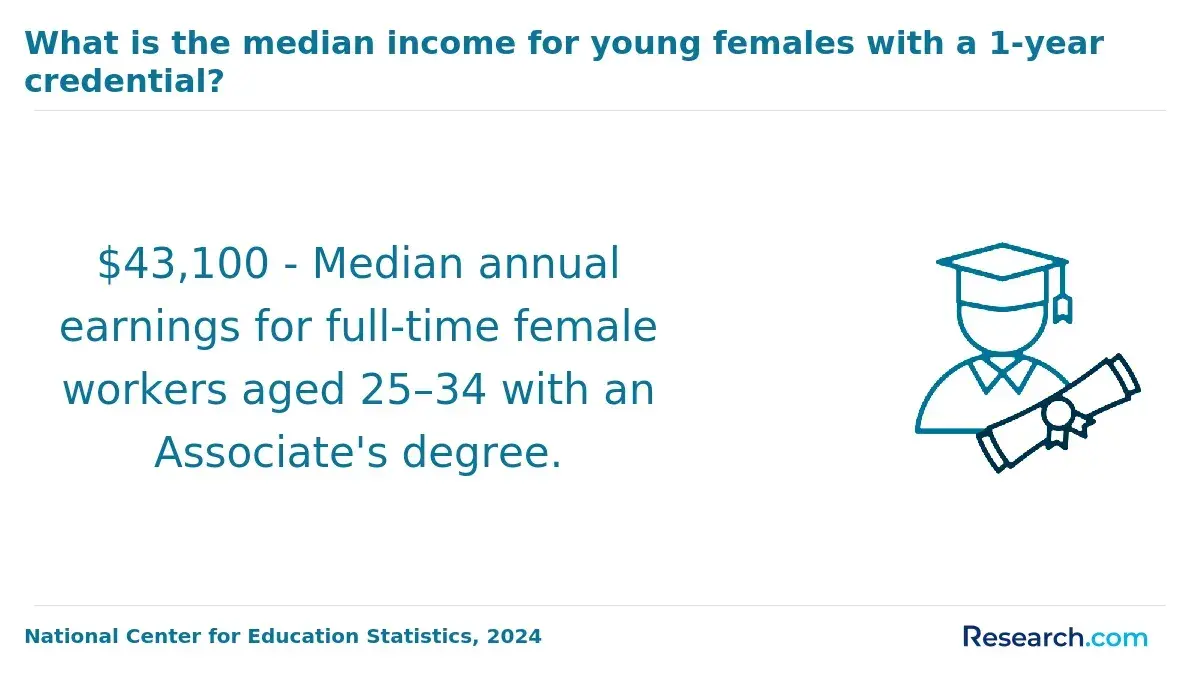
A bachelor's degree in business communications generally offers the highest starting salary range among the three pathways, though individual results vary by market, employer, prior experience, and portfolio strength. Bootcamps and certificates can produce competitive early salaries in specific digital or high-demand niches, but they usually do not carry the same broad salary signal as a degree.
Bachelor's degree holders typically see entry-level salaries from $45,000 to $55,000, reflecting data from BLS, NACE, LinkedIn, and Glassdoor. Employers at large enterprises often prefer degree holders for roles that require business judgment, cross-functional communication, research, stakeholder management, and leadership potential.
Bootcamp completers usually begin with salaries ranging between $40,000 and $50,000. Their strongest opportunities are often with startups, agencies, small businesses, and tech-adjacent employers that need practical skills quickly. A strong portfolio, internship, freelance record, or prior professional experience can help narrow the gap with degree graduates.
Professional certificate holders generally start near $38,000 to $48,000. Certificates are most effective when they supplement an existing degree or work history. For a candidate with no related experience, a certificate alone may not be enough to compete for roles that require a broader business communications background.
- Employer Type: Large corporations often reward degree credentials for structured career tracks, while startups may value immediate skill demonstration more heavily.
- Industry Sector: Tech, finance, and healthcare can pay more when communications work involves complex products, regulated information, or high-stakes audiences.
- Job Title: Roles with “manager,” “specialist,” or “analyst” in the title may have higher salary bands and more formal credential expectations.
- Geographic Market: Urban areas with competitive labor markets tend to offer higher salaries, but they also attract more applicants.
The salary advantage of a degree is not guaranteed, but it is often stronger over time because degree holders may have easier access to leadership, strategy, and management-track roles. Bootcamp and certificate graduates can improve their earnings by documenting measurable results, building a portfolio, pursuing internships or contract work, and targeting employers that openly use skills-based hiring.
One business communications degree graduate described the value this way: “The degree opened doors I didn't expect-especially in corporate settings-and gave me a confidence boost when negotiating my first offer.” That experience reflects a common advantage of formal education: it can help candidates pass initial screening, explain their preparation clearly, and negotiate from a stronger position.
How Do Employers Actually Evaluate Business Communications Credentials: Does a Degree Still Outrank a Bootcamp or Certificate?
In many business communications hiring processes, a degree still outranks a bootcamp or certificate as a general credential. However, the gap narrows when a candidate can show a strong portfolio, relevant experience, writing ability, campaign results, analytics skills, or industry-specific knowledge.
- Credential Weighting: Employers in business communications tend to favor formal degrees, especially bachelor's degrees, when they use automated screening systems or standardized job requirements. This preference is strongest in regulated sectors, government, education, healthcare, finance, and large enterprises.
- Sector Differences: Large corporations and government agencies often maintain degree requirements because they rely on consistent hiring standards and compliance processes. Startups, agencies, consulting firms, and technology-adjacent employers may give more weight to practical skills, portfolios, and recent project work.
- Skills-Based Hiring: Some leading tech companies and federal agencies have pledged to reduce degree barriers and evaluate skills more directly. Even so, a posted “degree preferred” requirement may still influence recruiter decisions, especially when applicant pools are large.
- Portfolio Evidence: For non-degree candidates, a portfolio is not optional. Hiring managers want to see writing samples, internal communications examples, campaign briefs, social content, analytics dashboards, presentations, or case studies that demonstrate real communication judgment.
- Career Mobility: Labor economics research indicates that degree holders generally have stronger access to higher initial salaries and leadership tracks. Bootcamp and certificate graduates can compete in niche roles, but may face promotion ceilings if the employer’s advancement policies require a degree.
Practical Advice: Choose a degree if your target roles are in government, corporate communications, healthcare, finance, higher education, or management-track business positions. Choose a bootcamp or certificate if you need faster, focused skills for digital communication, content operations, social media, or a role where portfolio proof matters more than formal academic screening. Learners comparing flexible advanced credentials in other fields can also review options such as an online PsyD.
What Are the Admission Requirements and Academic Barriers for Business Communications Degree Programs Versus Bootcamps and Certificates?
Degree programs usually have the most formal admissions requirements. Bootcamps and certificates are generally easier to enter, which can make them more accessible for working adults, career changers, and learners who do not want to wait for a traditional admissions cycle.
- GPA and Academic Records: Accredited business communications degree programs often require a minimum high school GPA, usually between 2.5 and 3.0, along with prerequisite courses such as English or introductory business classes. Bootcamps and certificate programs typically place less emphasis on prior academic performance and more emphasis on readiness, motivation, or baseline skills.
- Standardized Tests: Many traditional undergraduate degrees still request SAT or ACT scores, although test-optional policies are becoming more common. Bootcamps and certificates rarely require standardized test results.
- Letters of Recommendation and Essays: Universities may use essays, recommendations, and personal statements to evaluate academic fit and persistence. Bootcamp and certificate applications are usually shorter and may focus on goals, availability, and basic eligibility.
- Application Timelines: Degree programs often follow fixed seasonal admissions cycles. Missing a deadline can delay enrollment by months. Bootcamps and certificates often use rolling admissions, open enrollment, or multiple start dates throughout the year.
- Selectivity as a Signal: Competitive degree admissions can serve as a quality signal to employers. Because many bootcamps and certificates are less selective, learners must evaluate the provider more carefully by reviewing curriculum, instructor qualifications, completion support, outcome transparency, employer partnerships, and learner reviews.
Access for Non-Traditional Learners: Bootcamps and certificates can reduce barriers for adults balancing employment, caregiving, finances, or a career transition. Lower admissions barriers do not automatically mean lower value, but they do place more responsibility on the learner to verify quality before enrolling.
One professional who completed a business communications bootcamp said the simple application process made the decision realistic while working full time and managing family responsibilities: “The application was straightforward-no essays or letters, just a clear focus on my goals.” For learners who need to start quickly, that accessibility can be a major advantage.
How Does Curriculum Depth Differ Between a Business Communications Degree, a Bootcamp, and a Certificate Program?
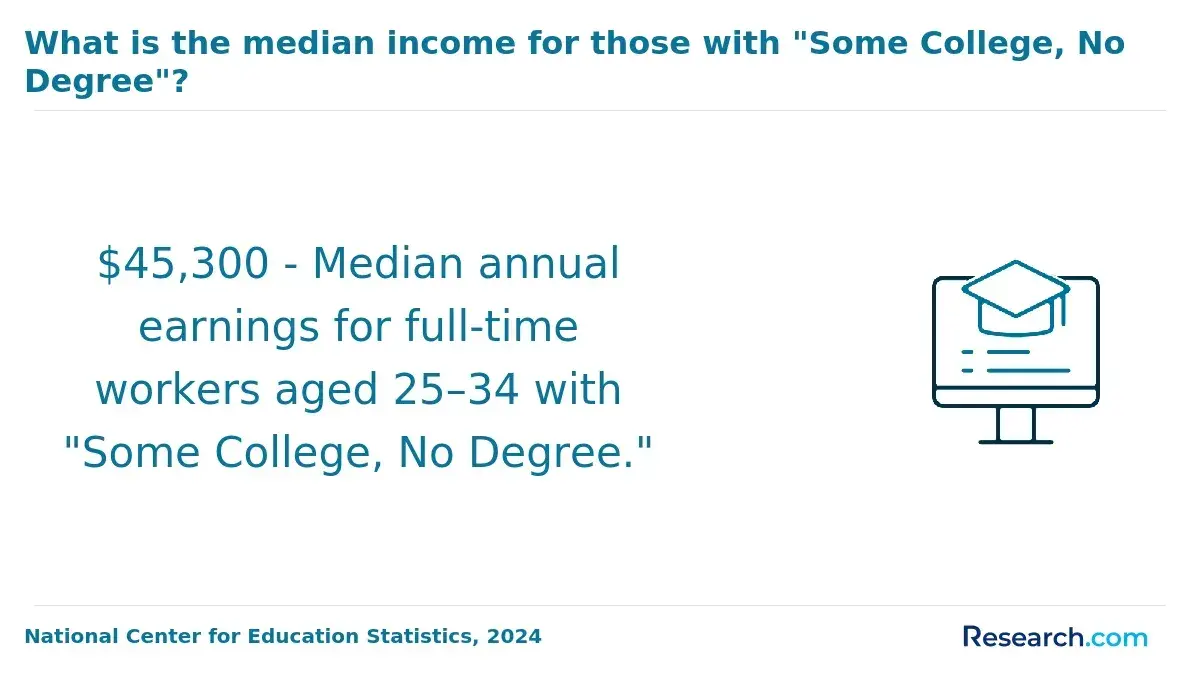
Curriculum depth is one of the clearest differences among the three pathways. A degree provides the broadest academic and professional foundation. A bootcamp compresses applied skills into a short, project-heavy format. A certificate focuses on a specific tool, competency, or topic area.
- Degree Programs: Business communications degree programs typically combine general education, business coursework, communication theory, research methods, organizational behavior, marketing concepts, public relations, professional writing, and electives. Many include capstone projects, internships, presentations, or research assignments. This depth builds transferable thinking and communication skills, but it takes longer before students see workforce outcomes.
- Bootcamps: Bootcamps usually emphasize hands-on work: writing briefs, creating content, building campaign materials, using digital tools, practicing stakeholder communication, or assembling a portfolio. The trade-off is that bootcamps often skip broader theory, liberal arts coursework, business foundations, and extensive electives.
- Certificate Programs: Certificates range from beginner credentials offered by providers like Google or Coursera to advanced professional certifications from industry organizations. They are useful for proving a defined skill, but their labor market value depends heavily on the issuing body, the learner's prior experience, and employer familiarity with the credential.
A degree is best for learners who want long-term flexibility across communications, marketing, management, public relations, human resources, or business operations. A bootcamp is better for learners who need a portfolio and fast skill conversion. A certificate is strongest when it fills a specific gap, such as business writing, analytics, social media strategy, presentation design, or communication technology.
Which Business Communications Path Produces the Fastest Return on Investment: Degree, Bootcamp, or Certificate?
Bootcamps and certificates often produce the fastest short-term return on investment because they cost less and take less time. A degree may produce stronger long-term ROI, especially for learners who are early in their careers and can benefit from decades of credential-based salary growth.
ROI should include both direct costs, such as tuition, fees, books, and materials, and opportunity costs, which represent income lost while studying. Opportunity cost can change the financial picture dramatically. A full-time degree may be manageable for a recent high school graduate, but financially difficult for a mid-career professional who would need to leave a stable salary.
- Recent High School Graduate: With little to no prior income loss, this learner has lower opportunity cost. A degree may create better cumulative earnings over five and ten years, despite higher upfront cost. Bootcamps and certificates can still reach breakeven quickly, but may not provide the same long-term salary ceiling.
- Mid-Career Professional: Leaving a $50,000 annual salary to retrain means four-year degree programs often exceed $200,000 in opportunity costs alone. For this learner, a bootcamp or certificate may produce faster ROI because it can be completed quickly or part time with less income disruption.
- Part-Time Learner: Studying while employed reduces opportunity cost. Certificates and bootcamps may deliver a quick payback if they lead to a promotion, new responsibilities, or a higher-paying lateral move. A degree can still be worthwhile if the learner needs it for management eligibility or a long-term credential requirement.
This analysis, drawing on NCES cost data, NACE salary benchmarks, and bootcamp outcomes, shows that ROI depends more on the learner's starting point than on the credential alone. A degree is often the stronger long-term investment for early-career learners. Bootcamps and certificates are often better for working adults who need targeted skill gains without pausing employment.
How Do Business Communications Bootcamps and Certificate Programs Compare to Degree Programs on Job Placement Rates?
Job placement comparisons are useful only when the data is transparent. Degree programs, bootcamps, and certificate providers often define “placement” differently, so headline percentages can be misleading without context.
- Reporting Variability: Bootcamp job placement rates may be self-reported and may not always be independently verified. Programs reporting through the Council on Integrity in Results Reporting (CIRR) provide more standardized and audited figures. Degree programs commonly use IPEDS graduate outcome surveys, institutional career services reports, or alumni surveys.
- Definition of Placement: Some bootcamps may count any broadly related employment as placement, including contract, freelance, part-time, or roles that do not require specialized business communications training. Degree programs may define placement more narrowly, such as full-time employment related to the major or continued education.
- Certificate Program Limits: Certificate providers may not track placement consistently, especially when the certificate is self-paced, low-cost, or designed for professional development rather than job entry. Stronger providers should be able to explain completion rates, learner outcomes, employer recognition, and career support.
- Career Services Quality: Placement outcomes improve when programs offer employer partnerships, resume coaching, mock interviews, portfolio reviews, alumni referrals, internship access, and targeted job search support. A lower-cost program without career services may require the learner to do more independent networking.
- Questions to Ask: Prospective students should ask how placement is defined, whether the data is audited, what percentage of graduates responded to surveys, which job titles are included, whether salaries are median or average, and how long graduates took to find work.
Summary Insight: Degree programs often have more established reporting systems and employer relationships, while reputable bootcamps can offer competitive placement in targeted roles when their data is transparent. Certificate outcomes vary widely by provider, learner experience, and career support. Learners comparing flexible education options in other areas can also review related pathways such as MFT programs.
What Role Does Networking and Alumni Access Play in Business Communications Degree Programs Versus Bootcamps and Certificates?
Networking can strongly influence business communications outcomes because many roles depend on referrals, internships, project visibility, and professional reputation. Degree programs usually offer the deepest long-term networks, while bootcamps and certificates vary depending on cohort structure, employer partnerships, and provider reputation.
- Degree Programs: Business communications degree programs generally provide the most extensive networking infrastructure. Students may access alumni associations, faculty connections, career fairs, internship offices, student media, professional organizations, employer panels, and campus recruiting. The strength of the network depends on the institution's reputation, location, alumni base, and employer relationships.
- Bootcamps: Bootcamps often create smaller, more immediate networks through cohorts, instructors, mentors, and career coaches. These networks can be especially useful in local tech, agency, digital marketing, or startup ecosystems. However, bootcamp alumni networks are usually younger and smaller than university networks.
- Certificate Programs: Certificate providers, including Google Career Certificates or Salesforce Trailhead, may offer online communities, forums, hiring portals, or badge-based professional visibility. Industry association certificates can provide stronger access to professional groups and hiring managers. Many certificates, however, focus more on skill acquisition than relationship-building.
For learners who need referrals, internships, or access to large employers, a degree network may be a major advantage. For learners targeting a specific niche, a bootcamp with strong employer partnerships may be more immediately useful. For certificate learners, networking often requires extra effort through LinkedIn, professional associations, local business groups, and portfolio sharing. Comparable affordability research in other fields, such as physics programs, can also help students think about how program structure affects long-term opportunity.
How Does Geographic Location Affect Which Business Communications Pathway - Degree, Bootcamp, or Certificate - Leads to Better Outcomes?
Location affects salaries, employer preferences, networking access, and the practical value of each credential. A bootcamp may perform well in a city where it has strong employer partnerships, while a degree may carry more weight in regions where hiring managers are less familiar with bootcamp credentials.
Large metropolitan areas, such as San Francisco, New York, and Seattle, offer higher salaries and denser employer networks. These markets can favor bootcamp graduates when programs maintain close relationships with local employers in tech, media, digital marketing, or business services. The risk is that bootcamp outcomes can be highly local; relocating away from the program's employer ecosystem may reduce the value of its network.
Mid-sized and smaller markets often place greater value on traditional degrees and recognized certificates. Employers with smaller hiring teams may rely more heavily on familiar credentials, especially when they do not regularly recruit from bootcamps. In these regions, a degree can offer broader credibility across industries and job types.
Remote work has changed the equation by allowing candidates from all pathways to apply for roles connected to major labor markets. That flexibility can improve access, but it also increases competition because applicants are no longer limited to one city or region.
- Market Concentration: Bootcamp outcomes are often strongest where the provider has direct local employer relationships.
- Credential Familiarity: Degrees and well-known certificates may travel better across regions than newer bootcamp credentials.
- Remote Competition: Remote roles can expand opportunity but require stronger portfolios, clearer communication samples, and more disciplined job search strategies.
- Relocation Risk: Moving away from a bootcamp's strongest market may weaken access to referrals and placement support.
- Strategic Check: Before enrolling, review local job postings, alumni locations, employer partners, salary ranges, and how often target employers list degree requirements.
Recent data from Course Report shows over 70% of bootcamp graduates find employment within six months in markets where programs sustain robust industry partnerships, emphasizing the importance of geographic alignment in career planning.
What Do Business Communications Industry Professionals and Hiring Managers Actually Prefer When Reviewing Resumes?
Hiring managers usually prefer the candidate who can reduce risk: someone with credible training, strong writing, business judgment, relevant samples, and evidence of results. A degree can help a resume pass the first screen, but it does not replace a strong portfolio or practical experience.
Enterprise and Government: Large corporations and government bodies typically maintain formal degree requirements as initial screening filters. This supports standardized hiring, compliance, and confidence that candidates have foundational knowledge. Despite public statements since 2020 signaling a move away from strict degree mandates, actual hiring data indicates only gradual shifts in the credential profiles of new hires in these sectors.
- Startups and Skills-First Employers: These organizations often care most about work samples, speed, adaptability, and measurable results. A bootcamp or certificate can be persuasive when paired with a portfolio, internships, freelance work, or relevant campaign experience.
- What Recruiters Look For: Clear writing samples, business presentations, campaign plans, internal communications examples, social media work, analytics summaries, and evidence of audience awareness can matter as much as the credential itself.
- Industry Trends Since 2020: Many employers have relaxed degree requirements in job postings, but degrees still function as signals of persistence, broad preparation, and readiness for structured corporate environments.
- How to Research Real Preferences: Candidates should review LinkedIn profiles of recently hired employees, compare job descriptions across employers, conduct informational interviews, and ask recruiters which credentials actually influence screening decisions.
- Best Resume Strategy: Degree holders should highlight internships, projects, and business outcomes, not just coursework. Bootcamp and certificate graduates should place portfolio evidence, tools, measurable achievements, and relevant work experience near the top of the resume.
What Graduates Say About Which Path Leads to Better Career Outcomes: Business Communications Degree, Bootcamp, or Certificate
- : "Choosing the Business Communications degree was one of the best decisions I made-especially when considering long-term career growth and networking access. Employers clearly favor candidates with a degree on their resume, which helped me secure higher salary outcomes right after graduation. The investment was substantial, but the return has proven well worth it as I continue to climb the career ladder. — Aries"
- : "Reflecting on my journey through the Business Communications bootcamp, I appreciate how tailored and efficient this path was for my learning style. The job placement rates for bootcamp graduates tend to be impressive, and employers often recognize the practical skills gained here. For those seeking a faster route to employment without sacrificing quality, this option offers a strong return on investment and a solid career foothold. — Massimo"
- : "My experience pursuing a Business Communications certificate was quite eye-opening-especially regarding employer credential preferences and pathway fit for different learner profiles. While the salary outcomes may not be as high initially as with a degree, the certificate allowed me to enter the workforce quickly and build experience. For anyone balancing work or other commitments, this path offers a reliable way to enhance skills without an overwhelming time or financial commitment. — Angel"
Other Things You Should Know About Business Communications Degrees
Degree holders in business communications typically experience more consistent long-term career growth because degrees provide a comprehensive foundation valued by many employers. Bootcamp and certificate completers may enter the workforce faster but often face slower upward mobility unless complemented by further education or experience. Over time, degree holders tend to have better access to senior roles and leadership positions within organizations.
During recessions or tight labor markets, business communications degree holders generally maintain more stable employment due to the credibility and depth of their qualifications. Bootcamps and certificates, while valuable for skill acquisition, may not provide the same level of job security or preference among employers. However, certificates focusing on high-demand digital communication skills can offer some advantage in niche roles despite economic downturns.
Business communications degrees come from accredited institutions, ensuring standardized academic quality and wider recognition by employers. Bootcamps vary widely in accreditation, with some affiliated with reputable organizations but many lacking formal accreditation. Certificates generally hold legitimacy when issued by recognized universities or professional bodies, but unaccredited programs can carry less weight in the job market.
References
- High-Paid Certifications That Employers Value in 2026 https://www.sprintzeal.com/blog/high-paid-certifications
- Digital Marketing Degree vs Bootcamp vs Certificate https://www.springboard.com/blog/business-and-marketing/marketing-degree-vs-bootcamp/
- How to Show Communication Skills on Your Resume https://www.careerkit.me/blog/how-to-show-communication-skills-on-your-resume
- College Degree vs. Bootcamp ROI https://oboe.com/learn/college-degree-vs-bootcamp-roi-cs5335/certification-pathways-college-degree-vs-bootcamp-roi-3
- What Hiring Managers Really Want to See on Your Resume - Per Sé Group https://www.persegroup.com/what-hiring-managers-really-want-to-see-on-your-resume/
- Home https://www.husson.edu/online/blog/2023/03/communications-vs-business
- The Current Landscape of Alternatives https://www.amacad.org/publication/complex-universe-alternative-postsecondary-credentials-and-pathways/section/5
- CourseCareers https://coursecareers.com/blog-posts/online-courses-vs-bootcamps-vs-college-which-path-gets-you-job-ready-faster-in-2026
- The Ultimate Guide to Choosing the Right Business or Marketing Degree: A Pathway to Success https://urbeuniversity.edu/blog/the-ultimate-guide-to-choosing-the-right-business-or-marketing-degree-a-pathway-to-success
- Top 15 Highest Paying Business Degree Jobs in 2025 UK & Global Guide https://apexlearning.org.uk/highest-paying-business-degree-jobs-2025-2026/


