
2027 How to Compare Business Communications Degree Programs Effectively

Co-Founder and Chief Data Scientist
A business communications degree is worth comparing carefully because programs with similar names can prepare students for very different outcomes. One may focus on corporate messaging and public relations, while another may emphasize digital media, analytics, technical writing, or leadership communication. For working adults, transfer students, and first-time college students, the right choice depends on more than the major title: accreditation, schedule, tuition, curriculum design, career support, and expected outcomes all matter.
This guide explains how to compare business communications degree programs in a practical way. It covers accreditation, specializations, course quality, online versus campus formats, GPA expectations, tuition, licensure considerations, placement rates, salaries, and graduate perspectives. It also keeps the focus on decisions students actually face: which program fits their goals, schedule, budget, and career plans. According to the National Association of Colleges and Employers, 65% of employers now prioritize communication skills when hiring business graduates, which makes program quality and applied skill development especially important.
Key Benefits of Comparing Business Communications Degree Programs Effectively
- Check program accreditation and school reputation to ensure your degree is recognized by employers and meets industry standards, boosting your career credibility.
- Compare curriculum focus and specializations, aligning coursework with your career goals in marketing, corporate communication, or digital media management.
- Evaluate tuition costs against career outcomes, noting that graduates in business communications report a 15% higher employment rate within six months than general business majors.
What Types of Accreditation Should a Business Communications Degree Program Have?
Accreditation should be one of the first filters when comparing business communications degree programs. It affects credit transfer, federal financial aid eligibility, employer recognition, and graduate school options. Nearly 80% of employers prefer candidates who have graduated from regionally accredited institutions, so students should verify accreditation before comparing tuition, courses, or career outcomes.
Accreditation types to check
- Institutional accreditation: This applies to the college or university as a whole. It is the baseline credential students should confirm because it signals that the institution meets recognized academic and administrative standards. It also commonly affects whether credits transfer and whether students can use federal financial aid.
- Programmatic accreditation: This applies to a specific school, department, or program. In business-related fields, organizations such as the Accreditation Council for Business Schools and Programs (ACBSP) may be relevant. Students should verify the accreditor directly through the school and the accreditor’s database rather than relying only on marketing pages. The International Communication Association (ICA) is better understood as a professional association, so students should distinguish between true accreditation, membership, affiliation, and curriculum alignment.
- Career preparation recognition: Some programs highlight preparation for certifications, professional exams, or workplace competencies. These recognitions are not always formal accreditation, but they can still be useful if they are tied to clear outcomes, employer partnerships, portfolio projects, internships, or industry-standard tools.
How to use accreditation in your decision
Do not treat accreditation as a bonus feature. Treat it as a minimum requirement. If a program lacks appropriate institutional accreditation, students may face problems transferring credits, qualifying for aid, entering graduate programs, or explaining the credential to employers. If a program claims specialized accreditation, ask which organization granted it, what part of the institution it covers, and whether it is current.
Students comparing communications programs with adjacent online fields can also review how accreditation is discussed in related areas, such as online AI degree options, because the same basic rule applies: verify the institution first, then evaluate the program.
What Specializations Are Offered in Business Communications Degree Programs?
Specializations help determine what kind of work a business communications degree prepares you to do. A general program may build broad writing, presentation, organizational communication, and business literacy skills. A specialized track can make the degree more targeted for roles in public relations, corporate communication, digital strategy, or technical communication. Graduates with specialized communication skills demonstrate a 15% higher likelihood of employment within six months, so concentration choice can matter when entering the job market.
Common business communications specializations
- Corporate Communication: This track focuses on employee communication, executive messaging, stakeholder communication, change management, brand voice, and crisis response. It fits students interested in internal communications, HR communication, corporate affairs, or organizational leadership support roles.
- Digital Media Communication: This specialization emphasizes social platforms, digital content strategy, multimedia storytelling, audience engagement, and online reputation. It is useful for students targeting digital marketing, social media management, content production, or brand communication roles.
- Public Relations: Public relations programs typically cover media relations, reputation management, campaign planning, event communication, press materials, and public-facing messaging. This path fits students who want to work with agencies, nonprofits, corporations, public institutions, or advocacy organizations.
- Technical Communication: Technical communication prepares students to translate complex information into clear instructions, manuals, help content, reports, training materials, and documentation. Graduates may work in technology, healthcare, manufacturing, software, science, or regulated industries.
How to choose a specialization
Start with job postings, not just course titles. If the roles you want ask for writing samples, media relations, analytics tools, content management systems, or technical documentation experience, look for a concentration that builds those specific skills. Also review whether the program requires a portfolio, internship, campaign project, capstone, or client-based assignment. These experiences often matter more to employers than the name of the specialization alone.
Students who are considering communication-heavy careers outside business may also compare related people-focused fields, including accredited online counseling degree pathways, to understand how different programs approach listening, messaging, ethics, and professional interaction.
How Can You Compare Courses Across Business Communications Degree Programs?
Course comparison is where students can see whether a business communications program is practical, current, and aligned with their career goals. Program brochures often use similar language, but the required courses, assignments, software exposure, and capstone expectations can differ substantially. Data from the National Center for Education Statistics shows that about 68% of students complete their degree within six years, which makes it important to choose a curriculum you can realistically finish and use professionally.
What to review before enrolling
- Required core courses: Look for a strong foundation in business writing, professional speaking, organizational communication, persuasion, ethics, intercultural communication, and communication strategy.
- Applied assignments: Strong programs require work products that resemble real professional tasks, such as communication plans, press releases, executive briefings, crisis response memos, presentations, digital campaigns, reports, or technical documents.
- Course sequencing: A good curriculum builds from fundamentals to advanced application. Introductory writing and communication theory should support later coursework in strategy, leadership, analytics, campaigns, or capstone projects.
- Elective flexibility: Electives should allow students to shape the degree toward public relations, digital media, management, technical writing, marketing, or another career direction.
- Faculty background: Review whether instructors have communication research experience, business experience, media experience, or professional practice in relevant industries. Faculty expertise can influence the usefulness of assignments and feedback.
- Workload and credit requirements: Compare total credits, accelerated options, term length, synchronous meeting requirements, writing intensity, and group project expectations. These details affect whether the program fits a working student’s schedule.
Red flags in the curriculum
- Few writing-intensive courses despite the program’s communications focus.
- No portfolio, internship, capstone, or applied project requirement.
- Outdated course descriptions that do not mention digital communication, audience analysis, or current workplace tools.
- Too many broad survey courses and too few advanced skill-building courses.
- No clear connection between electives and career paths.
Students comparing interdisciplinary options may also look at how information-focused programs, such as a library science degree, structure research, documentation, user communication, and information organization coursework.
Breakdown of Private Fully Online For-profit Schools

What Scheduling Options Are Available in Business Communications Degree Programs?
Scheduling can determine whether a student finishes the degree or stops out. Business communications students often include working adults, transfer students, parents, military-affiliated learners, and students building experience through internships or part-time jobs. The best schedule is the one that allows consistent progress without creating unrealistic weekly demands.
Common scheduling formats
- Daytime classes: These are traditional on-campus courses offered during standard weekday hours. They work best for full-time students who want regular in-person access to faculty, classmates, campus organizations, advising, and career events.
- Evening and weekend courses: These formats are designed for students with daytime work or caregiving obligations. They can be useful for working professionals, though students should confirm how often classes meet and whether group projects require additional coordination outside class.
- Fully online programs: Online formats may be asynchronous, synchronous, or a mix of both. Asynchronous courses offer the most schedule control, while synchronous courses provide more live discussion and immediate interaction. Students should check whether exams, presentations, or group meetings require fixed attendance times.
- Hybrid programs: Hybrid programs combine online coursework with in-person meetings. They can offer useful face-to-face engagement while reducing commute time, but students should confirm campus visit frequency before enrolling.
Questions to ask about scheduling
- Are courses offered every term, or only once per year?
- Can students attend part time without delaying graduation too much?
- Are internships, practicums, or capstones available online or locally?
- Are live sessions required, recorded, or optional?
- What happens if a required course conflicts with work hours?
Students should avoid choosing a program based only on the word “flexible.” True flexibility means predictable course availability, clear deadlines, accessible advising, reasonable workload expectations, and enough scheduling options to stay enrolled through busy work or family seasons.
What Are the Pros and Cons of Online vs Campus-Based Business Communications Degrees?
Online and campus-based business communications degrees can lead to similar academic outcomes when they are properly accredited and built around strong curricula. The main differences are not usually the degree title, but the learning environment, networking style, schedule structure, and student support model. Recent data shows that more than 40% of higher education students have enrolled in at least one online course, which makes online study a mainstream option rather than an unusual alternative.
Online business communications degrees
- Pros: Online programs can be easier to fit around full-time work, caregiving, military service, or geographic limits. Students often benefit from recorded lectures, digital libraries, discussion boards, and the ability to complete writing-heavy assignments during the hours they work best.
- Cons: Online students may need to be more proactive about networking, asking for feedback, joining student groups, and building relationships with faculty. Programs with limited live interaction can feel isolating, especially for students who learn best through discussion and immediate response.
- Best fit: Online study is often strongest for self-directed students who need flexibility and are comfortable communicating through digital platforms.
Campus-based business communications degrees
- Pros: Campus programs provide regular face-to-face discussion, easier access to student media or communication clubs, in-person presentations, networking events, career fairs, and spontaneous interaction with faculty and peers.
- Cons: Fixed schedules, commuting, housing costs, and daytime course requirements may make campus study harder for working adults or students with family obligations.
- Best fit: Campus study often works well for students who value structured routines, in-person collaboration, and immediate access to campus-based opportunities.
How to decide between formats
Choose based on how you learn and how you will build experience. For a communications degree, interaction matters, but it does not have to happen only in a classroom. Online students can still build strong portfolios, complete internships, join virtual events, and network through professional associations. Campus students can benefit from stronger local connections and more frequent presentation practice. The better option is the one that lets you participate fully, complete applied work, and maintain steady progress.
A graduate who completed an online business communications degree described the trade-off clearly: “I had to weigh working full-time with attending classes; the online option let me study evenings, which was essential.” He also noted the downside: “I sometimes wished for more live discussions and real-time feedback to deepen connections.” His experience reflects the central decision: online programs can solve scheduling problems, but students may need to work harder to create networking and engagement opportunities.
How Do GPA Requirements Vary Among Business Communications Degree Programs?
GPA requirements vary by institution, degree level, selectivity, and admissions model. Some business communications programs use a clear minimum GPA, often around 3.0, while others evaluate applicants more broadly. A lower GPA does not always rule out admission, but it can affect whether a student is admitted directly, admitted conditionally, or asked to provide stronger supporting materials.
Common GPA policy differences
- Firm minimums: Some programs set a required GPA and do not review applicants below that threshold except under special circumstances. These policies are common in more selective programs or upper-division admission models.
- Flexible review: Other programs consider work experience, transfer credits, recommendations, writing samples, leadership experience, military service, or professional achievements along with GPA.
- Holistic admissions: Holistic review allows applicants to explain academic challenges, career goals, and evidence of readiness. A strong personal statement or professional background may help offset a weaker academic record.
- Conditional admission: Some schools allow students with lower GPAs to begin on a probationary or provisional basis. These students may need to earn specific grades in initial courses to continue in the program.
- Transfer-student rules: Transfer applicants may face separate GPA rules based on completed college credits, major prerequisites, or prior institution type.
What applicants should do
Students should not rely only on the advertised minimum. Ask admissions staff for the average GPA of admitted students, whether conditional admission is available, and which materials carry the most weight if your GPA is below the preferred range. If the program requires writing-intensive coursework, a polished writing sample or strong grade in a recent English, communication, or business course can help demonstrate readiness.
How Can You Compare Tuition Across Business Communications Degree Programs?
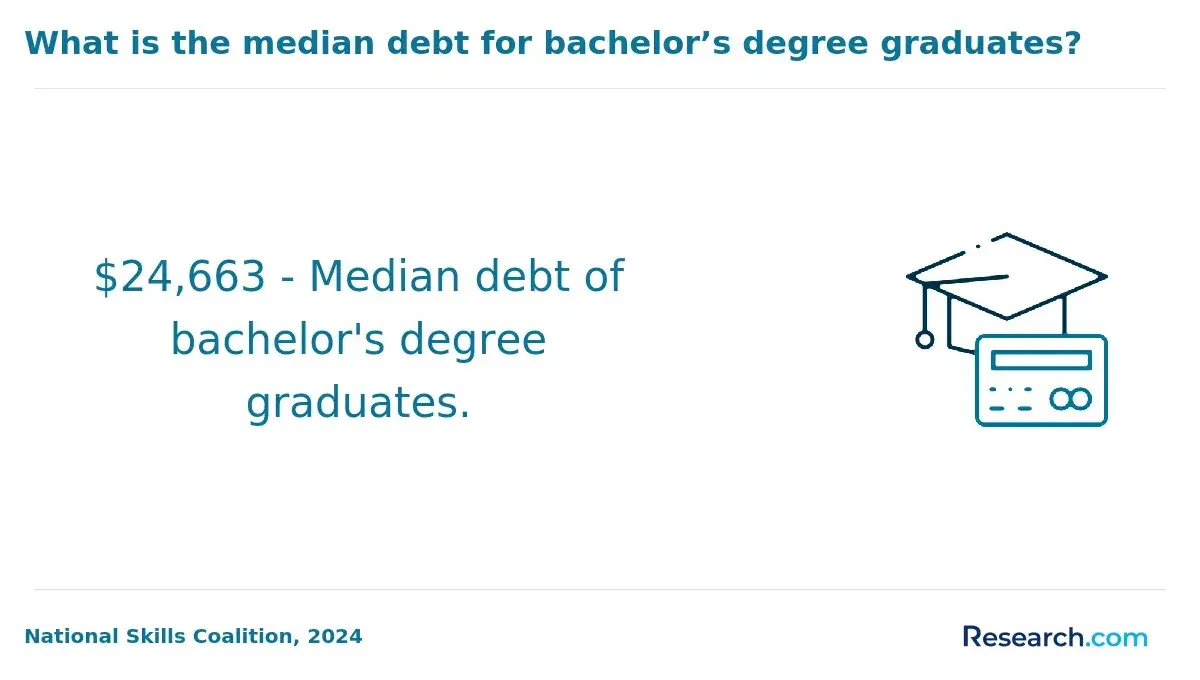
Tuition comparison should focus on total cost, not just the advertised per-credit rate. In 2022, the average student loan debt for bachelor's degree holders in the U.S. was nearly $30,000, so even modest price differences can matter over the length of a degree. Students should compare what they will actually pay after fees, transfer credits, grants, scholarships, employer benefits, and time to completion.
Costs to include in your comparison
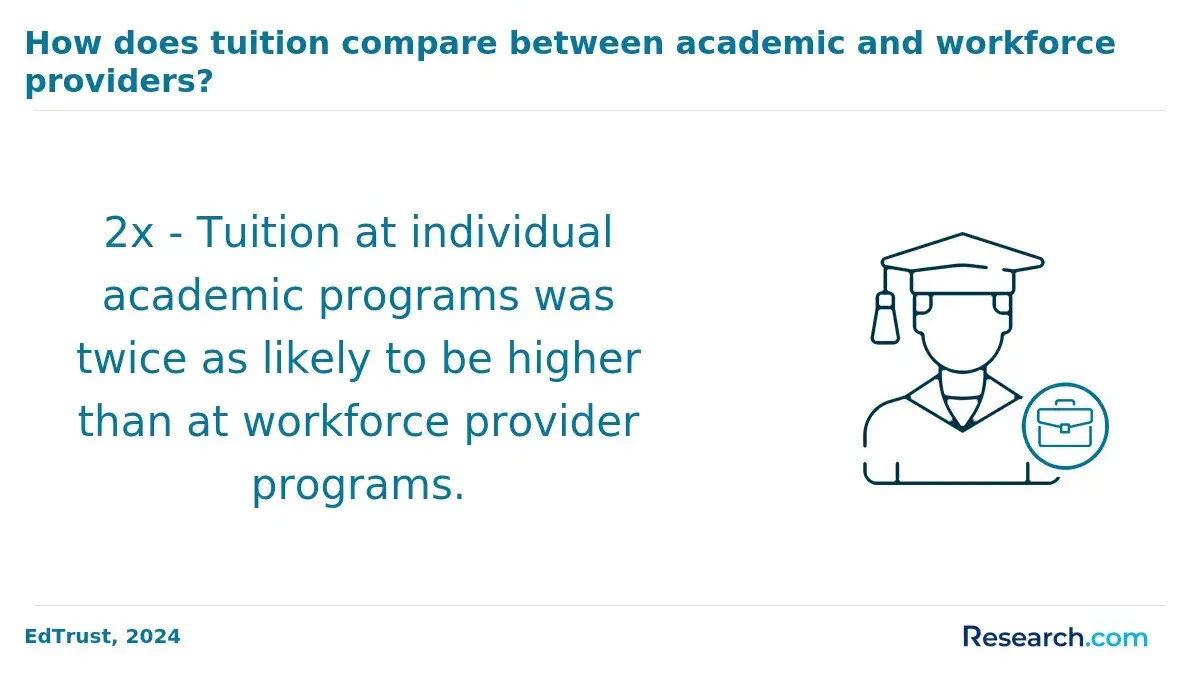
- Total program cost: Multiply tuition by the full number of credits required for graduation, then subtract accepted transfer credits if applicable. A program with a lower per-credit rate may still cost more if it requires more credits.
- Cost per credit: This is useful for an initial comparison, but it should not be the only number you use. Confirm whether rates differ for in-state, out-of-state, online, part-time, or upper-division students.
- Mandatory fees: Review technology fees, student service fees, graduation fees, online course fees, lab fees, transcript fees, and portfolio or assessment fees. These can materially change the final cost.
- Books and materials: Communications programs may require textbooks, style guides, software subscriptions, media tools, or presentation equipment. Ask whether open educational resources are used.
- Financial aid: Compare grants, scholarships, federal aid eligibility, payment plans, and institutional aid. Aid that does not need to be repaid usually changes value more than a small tuition discount.
- Employer tuition benefits: Working students should confirm whether their employer reimburses tuition and whether the program, accreditation, grades, or course load must meet company rules.
- Time to completion: A program that accepts more transfer credits or offers year-round courses may reduce total cost by helping students graduate sooner.
Students comparing business-related programs should also ask how much is a business degree online so they can benchmark tuition, fees, and affordability against similar online business education options.
How to judge value, not just price
The cheapest program is not automatically the best value, and the most expensive program is not automatically stronger. Compare cost against accreditation, curriculum quality, internship access, portfolio development, advising, career services, alumni outcomes, and schedule flexibility. A higher-cost program may be reasonable if it offers stronger support and clearer career pathways, but students should require evidence before paying more.
One graduate explained the decision this way: “It wasn't just about the sticker price. I had to consider fees that caught me by surprise and whether my employer's tuition assistance would cover enough. What really helped was looking at alumni salary data, which gave me confidence that paying a bit more upfront would pay off later.” Her experience shows why students should build a full cost worksheet before committing.
Does a Business Communications Degree Meet Licensure Requirements?
A business communications degree usually does not lead directly to a state license in the way that nursing, teaching, accounting, counseling, or social work programs might. However, licensure can still matter if a student plans to pair communications with a regulated profession, move into a credentialed role, or use the degree as part of a broader career transition. Approximately 25% of occupations in the U.S. require licensure or certification, so students should confirm requirements early if their target career is regulated.
What to verify
- Whether the target job is licensed: Roles in public relations, corporate communication, marketing communication, internal communication, and technical writing generally do not require state licensure. Related roles in education, healthcare, law, finance, or counseling may have separate requirements.
- Accreditation requirements: Some certifications or graduate programs require degrees from properly accredited institutions. Institutional accreditation is especially important if the business communications degree will be used for further study.
- Curriculum alignment: If you plan to pursue a certification, ask whether courses cover the exam topics or professional competencies. Do not assume a communications degree automatically satisfies certification requirements.
- Supervised experience: Regulated fields often require supervised hours, practicums, or clinical placements. A standard business communications degree may not include these components.
- State-by-state rules: Licensure rules can vary by state. Students planning to work in a regulated field should check the relevant state board before enrolling.
For most students, the practical question is not “Will this degree license me?” but “Will this degree support the next credential, role, or graduate program I want?” Ask admissions and advising staff to document how the program maps to your specific career path.
Which Business Communications Programs Have the Best Career Placement Rates?
The business communications programs with the best career placement rates are usually those that combine accredited coursework, applied projects, internships, employer relationships, career coaching, and transparent outcomes reporting. Some top accredited business communications programs for job placement report graduate employment rates exceeding 85% within six months after graduation, but students should verify how each school defines and measures placement.
How to evaluate placement claims
- Official outcome data: Look for published graduate employment reports, survey methodology, response rates, and timelines. A placement rate is more useful when you know who was counted and what types of jobs were included.
- Relevant employment: Ask whether placement includes jobs related to communications, business, marketing, media, or public relations, or whether it includes any employment at all.
- Internship access: Programs with strong internship pipelines can help students gain experience before graduation. Internships are especially valuable in communications because employers often want writing samples, campaign experience, and evidence of professional judgment.
- Employer partnerships: Schools with active relationships in corporate communication, PR agencies, nonprofits, media organizations, technology companies, or local businesses may provide stronger routes into entry-level roles.
- Alumni networks: Review where alumni work, what titles they hold, and whether the program facilitates alumni mentoring, portfolio reviews, or networking events.
- Career services: Strong programs help students prepare resumes, LinkedIn profiles, writing portfolios, interview responses, and job-search strategies tailored to communications roles.
Questions to ask career services
- What percentage of graduates work in communications-related roles?
- How soon after graduation are outcomes measured?
- Which employers have recently hired graduates?
- Are internships required or optional?
- Do students graduate with a portfolio reviewed by faculty or employers?
Students balancing job outcomes and cost can also compare affordable online bachelor’s degree options while reviewing placement data. Affordability matters, but it should be weighed alongside evidence that graduates are finding relevant work.
How Do Salaries Compare Across Business Communications Degree Program Graduates?
Salary outcomes for business communications graduates vary by role, industry, location, experience, portfolio strength, and employer type. On average, salaries range from $45,000 to $85,000 annually, but students should interpret that range carefully. A graduate entering an assistant-level role in a nonprofit will likely see a different starting salary than a graduate moving into corporate communications, technology, finance, or public relations management.
Factors that influence salary
- Job role: Entry-level positions such as communications assistant, marketing coordinator, or junior content specialist are often closer to $45,000. More experienced roles in corporate communications, public relations management, or strategic communication can surpass $80,000.
- Industry: Finance and technology employers often pay more than nonprofits or government agencies. However, lower-paying sectors may offer mission alignment, stability, public service benefits, or valuable early experience.
- Location: Salaries are often higher in metropolitan areas like New York City or San Francisco, but cost of living can offset some of the increase. Students should compare local wages with housing, commuting, and tax considerations.
- Experience: Early-career graduates usually earn less than professionals with five or more years of experience. Salary growth often depends on measurable skills such as campaign management, writing quality, leadership communication, analytics, stakeholder management, and crisis response.
- Portfolio and tools: Students with strong writing samples, presentation experience, digital campaign work, analytics familiarity, or technical documentation samples may compete more effectively for higher-paying roles.
How to compare salary data by program
Ask each school for alumni salary data by degree level, graduation year, job title, and industry if available. Broad averages are helpful, but role-specific outcomes are more useful. Also compare salary outcomes against tuition and debt. A program that leads to similar salary outcomes at a lower net cost may offer a stronger return, while a more expensive program should be able to show stronger employer access, alumni outcomes, or career support.
Students considering flexible study formats can also compare online degree programs to understand how format, workload, and career goals may affect the path to advancement.
What Graduates Say About Comparing Business Communications Degree Programs Effectively
- Vino: "Before pursuing a Business communications degree, I was overwhelmed by the endless options and the steep costs attached to most programs. Knowing the average cost of attendance was a big concern, I sought out a program that balanced quality education with affordability. Completing the degree has been a game-changer for me, opening doors to leadership roles I never imagined."
- Ian: "Deciding on a Business communications program required reflecting deeply on what I wanted to achieve professionally and the financial burden I was ready to take on. The relatively lower tuition fees significantly influenced my choice, making it a practical investment. Now, having graduated, I can see how the coursework and network opportunities gave me a solid foundation for my career growth."
- Gerry: "The impact of a Business communications degree on my career trajectory is undeniable, but choosing the right program was not easy, especially with varying costs across schools. Cost was a major factor for me, as I compared programs to find one that delivered strong outcomes without excessive tuition. Finishing the degree boosted my confidence and professional credibility in a competitive job market."
Other Things You Should Know About Business Communications Degrees
In 2027, internships or practical experience components are critical in business communications degrees. They provide real-world skills and networking opportunities, crucial for career readiness. Evaluating programs with strong partnerships with industry leaders can significantly enhance employment prospects post-graduation.
In 2027, a strong alumni network can significantly enhance your learning and career opportunities. Consider the network's size, reach, and success in industries you're interested in. This connection can provide mentorship, job placement data, and networking opportunities, helping you make an informed decision about the program's potential return on investment.
In 2027, consider the faculty's professional background and research focus to ensure alignment with your career interests. Faculty with industry experience can offer practical insights, while those with published research contribute to academic rigor. Evaluate their involvement in student development and current industry connections.
References
- Master's in Communication Salaries by Career and Position (2025 Update) https://www.mastersincommunications.com/faqs/masters-in-communication-salary
- Choosing a Career Path: Communication vs. Business Degree https://online.maryville.edu/blog/communication-vs-business-degree/
- Marketing Communications Salary: What Can You Expect to Earn? https://online.sbu.edu/blog/marketing-communications-salary
- Business Communications - Chestnut Hill College https://www.chc.edu/academics/programs/business-communications-aadp/
- Pros and Cons of Earning an Online Associate Degree in Business Administration https://campus.edu/blog/business/pros-and-cons-of-earning-an-online-associate-degree-in-business-administration
- MBA Programs: AACSB vs. ACBSP vs. IACBE Accreditation https://www.onlineeducation.com/business/faqs/who-accredits-mba-programs
- Career Opportunities with a Communications Degree https://www.lemon8-app.com/@samsramblings/7456957061264327211
- Certification https://www.iabc.com/events-and-education/certification
- Business, Leadership, and Communication | Columbia College https://www.columbiasc.edu/business-leadership-and-communication
- Master’s in Communications Salary and Careers https://teach.com/online-ed/communications-degrees/online-masters-communications/salary-and-career-outlook/


