
2027 How Much Does a Business Communications Degree Program Cost? Tuition, Fees & Total Expense Breakdown

Co-Founder and Chief Data Scientist
The real cost of a business communications degree is rarely limited to the tuition number shown on a college website. Students also have to plan for mandatory fees, course materials, software, housing, transportation, internship costs, and charges that may appear only after enrollment. That matters more now because tuition for business-related programs has increased by over 25% in the past five years, making early cost estimates easier to underestimate.
This guide is for students comparing business communications programs in 2026, including online, on-campus, full-time, and part-time options. It explains what belongs in a realistic budget, where costs usually rise, which expenses are avoidable, and what questions to ask before committing to a school.
Key Benefits of Knowing the Business Communications Degree Program Cost in 2026
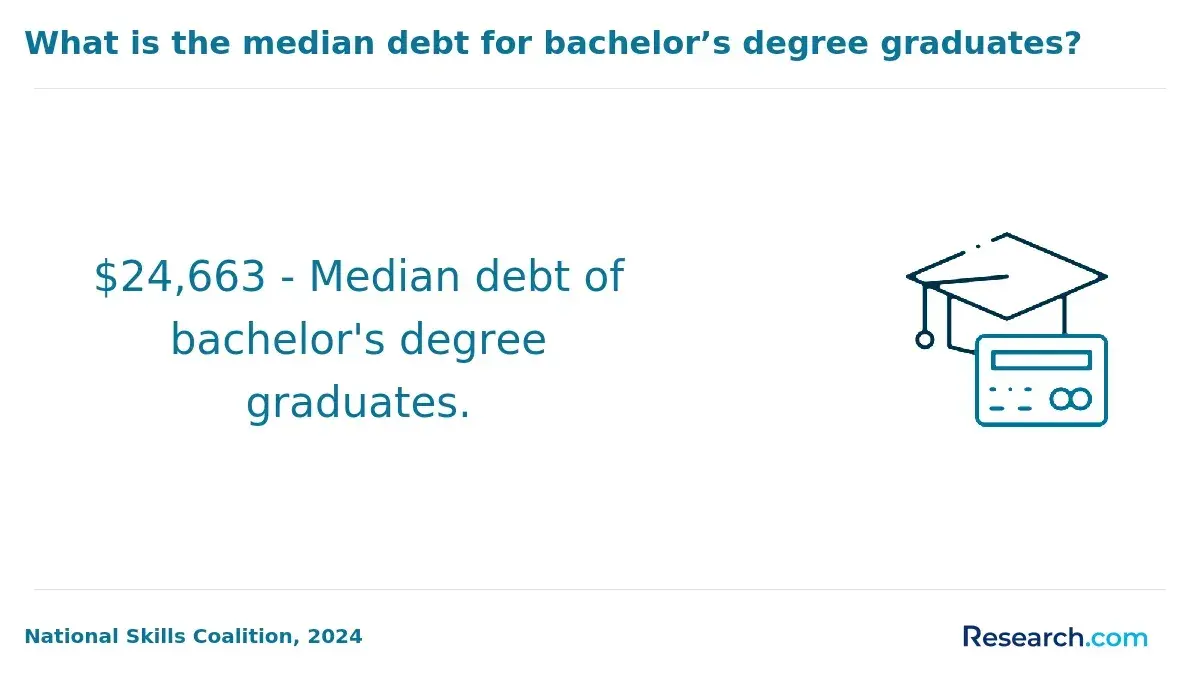
- Knowing the total cost of a business communications degree helps students plan finances effectively and avoid unexpected debt, which averaged $30,000 nationally in tuition and fees in 2024.
- A detailed expense breakdown clarifies costs like books, technology, and supplies, enabling targeted budgeting beyond tuition alone.
- Understanding each cost component allows comparison between institutions, promoting informed decisions tailored to academic and financial needs in the business communications field.
What Expenses Are Included in the Full Cost of a Business Communications Degree?
The full cost of a business communications degree includes tuition, institutional fees, learning materials, technology, living expenses, transportation, and any program-specific requirements. Tuition is usually the largest line item, but it is not the only cost that determines affordability.
A practical 2026 budget should include the following categories:
- Tuition and mandatory fees: Tuition commonly ranges from $10,000 to $40,000 annually depending on the school, residency status, degree level, and delivery format. Mandatory fees can add several hundred to a few thousand dollars each year for technology, student services, library access, facilities, and campus activities.
- Books, supplies, and technology: Textbooks, online access codes, productivity software, presentation tools, and other course materials typically cost around $1,200 annually. Business communications students should also plan for reliable internet access and a computer capable of handling writing, video, presentation, and collaboration platforms.
- Special course-related fees: Some programs charge extra for workshops, portfolio reviews, industry certification preparation, assessment tools, or communication labs. These fees are not always obvious in the published tuition rate, so students should ask for a program-level cost sheet.
- Housing, food, and transportation: Students who relocate or study on campus should budget for room and board, which average $10,000 to $15,000 annually but vary by location. Commuters and online learners may spend less on housing, but they still need to account for food, utilities, internet, local transportation, and occasional travel.
- Internship and career preparation costs: Business communications often emphasizes professional experience. Students may need business attire, transportation to internship sites, portfolio hosting, conference fees, or travel for interviews and networking events.
Students comparing timelines may also want to review a 1 year masters program online, since shorter programs can change the balance between tuition, living costs, and lost work time.
What Is the Average Total Cost of a Business Communications Degree Program in 2026?
In 2026, the average total cost of a business communications degree program typically ranges from $20,000 to over $50,000. The final amount depends heavily on whether the student attends a public or private institution, qualifies for in-state tuition, studies online or on campus, and enrolls full time or part time.
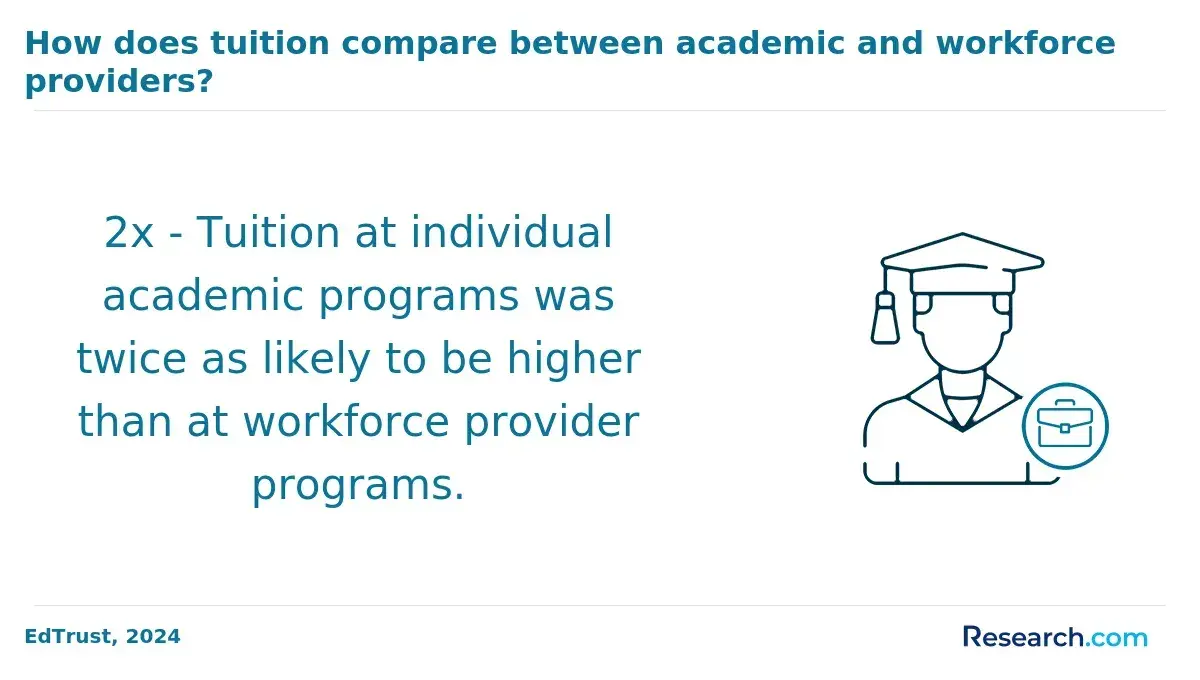
For a full bachelor's program, tuition and fees at public institutions for in-state students usually fall between $20,000 and $35,000. Out-of-state students and students at private institutions often face costs exceeding $50,000. These estimates do not always include textbooks, software, technology fees, housing, meals, transportation, and personal expenses, which can add an additional $10,000 to $15,000 annually.
Online programs may reduce housing and commuting costs, but they are not automatically cheaper. Some charge the same tuition as campus-based programs, while others add online learning or technology fees. When comparing online options, students should review total program pricing, not just per-credit tuition; broader affordability research on business administration degree online cost can also help students understand how business-related online programs structure tuition and fees.
Regional pricing also matters. Schools in the Northeast and West Coast often have higher costs than many schools in the Midwest or South. Accreditation, institutional reputation, student support services, and internship access can also influence price. Students considering related paths may compare easy online degree programs, but they should still evaluate academic quality, transfer policies, and career relevance before choosing a lower-cost option.
What Mandatory Fees Do Schools Charge for a Business Communications Program in 2026?
Mandatory fees are required charges added to tuition. They fund services and infrastructure that support enrollment, technology access, student life, academic advising, libraries, and campus or online operations. For business communications students, these fees can materially change the true cost of attendance.
Common mandatory fees for business communications programs in 2026 include:
- Technology fees: These support learning management systems, communication platforms, software licenses, online testing tools, cybersecurity, and help desk services. They are especially important in courses that use digital media, analytics, presentation tools, or virtual collaboration.
- Student services fees: These may fund academic advising, career counseling, tutoring, mental health services, library access, student organizations, and campus events. For career-focused majors, access to advising and career services can affect internship and job-search outcomes.
- Campus facilities fees: These cover classrooms, computer labs, meeting spaces, media rooms, and other shared facilities. Online students should confirm whether they pay campus facilities fees even if they do not regularly use campus resources.
- Assessment or testing fees: Some institutions charge for proctored exams, writing assessments, placement tests, or communication competency evaluations. These charges may appear by course or by term.
Mandatory fees typically range from $500 to $1,200 annually, depending on the institution and enrollment status. About 90% of four-year colleges charge fees for technology or student services, so students should assume these costs may apply unless the school clearly states otherwise.
Before enrolling, ask the financial aid or bursar's office whether fees are flat-rate, per-credit, per-term, or program-specific. Students considering a fastest masters degree should be especially careful because shorter timelines may compress fees into fewer terms but can still require substantial upfront payments.
Are There Additional Program Fees for the Business Communications Major in 2026?
Yes. Some business communications programs charge additional major-specific fees beyond general tuition and university-wide fees. These costs are tied to the tools, experiences, and assessments used in communication, media, branding, public relations, corporate messaging, and digital strategy coursework.
Students should check for the following possible charges before enrolling:
- Specialized lab fees: Programs with media production, digital communication, analytics, or presentation labs may charge for access to hardware, studio space, editing tools, or specialized platforms.
- Software costs: Students may need subscriptions or licenses for editing, design, presentation, collaboration, analytics, or data tools. Annual fees typically range between $100 and $500 when not included in tuition or institutional access.
- Certification preparation fees: If the curriculum includes professional credentials like the Certified Business Communicator, students may pay for preparation materials, registration, practice tests, or exam administration.
- Equipment and supplies: Programs may require a laptop that meets specific technical standards, a headset, webcam, microphone, presentation clicker, or other communication tools. These can involve upfront expenses of several hundred dollars.
- Fieldwork and practicum expenses: Internships, client projects, field assignments, and practicum requirements may create travel, parking, professional clothing, or portfolio costs that are not included in tuition.
National data suggests that these supplementary fees can add up to approximately 10-15% of overall tuition costs for communication-related degrees. That makes it important to ask whether quoted tuition includes program fees, software access, practicum charges, and required technology.
How Much Do Required Supplies or Equipment Cost for a Business Communications Major?
Required supplies and equipment for a business communications major usually center on writing, presentation, collaboration, media, and digital communication tools. Students should expect these expenses even in online programs, because most coursework depends on reliable technology.
Common required or strongly recommended items include:
- Computer: A dependable laptop or desktop is usually necessary for writing, editing, research, presentations, video meetings, and multimedia assignments. A typical computer costs between $500 and $1,200, depending on specifications and whether the student already owns suitable equipment.
- Software subscriptions: Programs such as Microsoft Office, Adobe Creative Cloud, video meeting platforms, project management tools, and communication platforms such as Zoom or Slack may be required. Annual costs generally range from $100 to $300, though some schools include licenses through student accounts.
- Basic office supplies: Notebooks, pens, folders, planners, flash drives, and presentation materials are usually modest expenses, often under $50 per year.
- Database and communication tool access: Some courses require databases, media monitoring tools, analytics platforms, or specialized communication software. These may be included in tuition, covered by library access, or billed separately.
To reduce costs, students should ask whether the school provides free or discounted software, laptop loan programs, cloud storage, library equipment rentals, or virtual lab access. Buying the wrong device or paying for software the institution already provides is a common budgeting mistake.
What Are the Typical Living, Food, and Travel Expenses for Business Communications Students?
Living, food, and travel expenses can equal or exceed academic fees, especially for students attending school in high-cost cities. These costs depend on location, housing choice, transportation access, lifestyle, and whether the student studies online, commutes, or lives near campus.
Students should plan for these categories:
- Housing: Rent, utilities, deposits, renter's insurance, and household supplies often make housing the largest non-tuition expense. Urban areas tend to cost more than suburban or rural locations, and living alone usually costs more than sharing housing.
- Utilities: Electricity, water, heating, internet, and phone service can add a few hundred to over a thousand dollars annually, depending on local rates and whether utilities are included in rent.
- Groceries: Food expenses average between $3,000 and $5,000 per year. Meal planning, shared cooking, and limiting convenience purchases can reduce this category substantially.
- Dining out: Campus meals, coffee, delivery, and restaurant spending can quietly increase the budget. Students should separate necessary food costs from discretionary dining when estimating expenses.
- Local transportation: Commuting costs depend on whether the student uses public transit, drives, bikes, or walks. Annual commuting and daily travel expenses can range from around $1,000 to $2,500.
- Travel for internships or breaks: Students may need to travel for internships, interviews, networking events, holidays, or family responsibilities. Airfare, rideshares, fuel, lodging, and professional event costs can vary considerably.
One business communications student said the hardest part was not tuition but predicting monthly bills. Rent was fixed, but utilities changed by season, food costs varied by schedule, and internship travel required saving in advance. Meal planning, public transportation, and a flexible monthly budget helped her stay on track.
Her main lesson was practical: "Adjusting my spending habits was tough at first, but it taught me valuable financial skills that apply well beyond college."
Do Business Communications Programs Require Internships or Residencies that Add Cost?
Many business communications programs include internships, practicums, client projects, or short residencies. These experiences can strengthen a student's portfolio and professional network, but they may also add costs that are not obvious in the tuition estimate.
Approximately 60% of such programs mandate internships for completion. Placements may be with marketing agencies, corporate communications departments, public relations firms, nonprofits, media organizations, or internal communication teams. Residencies may involve on-campus workshops, intensive seminars, presentation assessments, or collaborative projects.
Potential internship or residency costs include:
- Transportation: Fuel, public transit, rideshares, parking, or travel to an off-site placement can add up over a term.
- Housing: Students placed away from home or campus may need temporary housing, especially for summer internships or required residencies.
- Professional clothing: Business communications roles often involve meetings, presentations, or client-facing work, which may require workplace-appropriate attire.
- Technology and tools: Some placements expect students to bring a laptop, headset, portfolio materials, or specialized software access.
- Insurance or administrative fees: Some schools charge experiential learning fees or require liability insurance for certain placements.
These expenses may add several hundred to thousands of dollars to the total cost. Students should ask whether internships are paid, whether local or remote placements are available, whether the school offers stipends, and whether an existing job can count toward the requirement when duties align with program outcomes.
Are Online Business Communications Programs Cheaper Than On-Campus Programs in 2026?
Online business communications programs can be cheaper than on-campus programs, but the answer depends on the school's pricing model and the student's living situation. The biggest savings usually come from reduced housing, commuting, relocation, and campus-related expenses, not always from lower tuition.
Some online programs charge the same tuition as on-campus programs. Others use separate online tuition rates, flat-rate pricing, or per-credit pricing. Students should also check for online learning fees, technology fees, remote proctoring fees, and software costs. A low tuition rate can become less attractive if required fees are high or if the program takes longer to complete.
Online study may be more affordable for students who can stay employed, avoid relocation, live with family, or complete coursework without commuting. However, online students still need reliable internet, a suitable computer, software access, and a quiet place to study. They may also need to travel for internships, residencies, presentations, or campus-based requirements.
On-campus programs may cost more because of housing, meals, parking, and local living expenses, but they can offer easier access to campus media labs, networking events, faculty, student organizations, and local internships. The better financial choice is the format that provides the strongest combination of total cost, flexibility, completion timeline, and career support.
How Much Does a Full-Time Business Communications Program Cost Compared to Part-Time?
Full-time and part-time enrollment can lead to different total costs even when the per-credit tuition rate is the same. Full-time study usually requires larger payments each term but may reduce the number of semesters a student pays fees, rent, transportation, and other recurring expenses. Part-time study spreads tuition over a longer period, which can help cash flow but may increase cumulative costs.
Full-time business communications programs
- Tuition pace and completion time: Full-time students usually take 12 to 15 credits each semester, allowing degree completion in about two to three years. This can mean higher upfront tuition bills but fewer total terms of enrollment. Public universities charge approximately $15,000 to $25,000 annually, while private institutions may be more expensive.
- Fees and supplies: Some schools charge flat fees that make full-time enrollment more efficient on a per-credit basis. Books, software, and technology equipment typically range from $1,000 to $1,500 annually for all students.
- Work and living costs: A heavier course load can make part-time employment harder, which may increase reliance on savings, loans, or family support. The advantage is a shorter overall timeline and potentially fewer years of living and commuting expenses tied to school.
Part-time business communications programs
- Tuition pace and program length: Part-time students typically enroll in 6 to 9 credits per semester, extending study duration to four or more years. Per-credit tuition may match full-time rates, but longer enrollment can increase the total amount paid in recurring fees and materials.
- Fees and supplies: Some universities prorate fees for part-time students, while others charge per term or per credit. Technology and course material costs remain similar to full-time students, typically adding $1,000 to $1,500 annually.
- Work and commuting costs: Part-time schedules may allow students to keep working and reduce immediate financial pressure. However, longer timelines can increase cumulative commuting, software, and living costs.
Students comparing full-time vs part-time business communications degree cost 2026 should calculate both the per-term bill and the total cost through graduation. Those evaluating faster career pivots may also review quick degrees with high pay, while keeping in mind that speed should not replace accreditation, program quality, or career fit.
What Hidden Fees Increase the Cost of a Business Communications Program in 2026?
Hidden fees are charges that students often miss when they focus only on tuition. They may be small individually, but they can create budget gaps, delay registration, or increase borrowing if students do not plan for them.
Common hidden or overlooked fees include:
- Late registration fee: Students who enroll or pay after a deadline may be charged $50 to $200. Missing deadlines can also delay course access, financial aid processing, and registration priority.
- Library and printing fees: Some schools charge for printing, copying, interlibrary loans, overdue materials, or expanded digital resource access. Communication majors who submit reports, portfolios, and presentation materials may use these services frequently.
- Lab consumables: Courses with media production, software applications, or presentation labs may charge for materials and usage. These fees may exceed $100 per semester in some programs.
- Exam or certification fees: Program-related assessments, proctored exams, writing evaluations, or industry certifications such as project management or technical writing may require separate payment.
- Parking and transportation costs: On-campus students should account for parking permits, daily parking, transit passes, fuel, tolls, and rideshares. These can amount to several hundred dollars annually.
- Graduation and transcript charges: Students may encounter fees for graduation applications, regalia, official transcripts, replacement IDs, or diploma processing.
The best way to uncover these costs is to ask for a full cost-of-attendance estimate and a program fee schedule before enrolling. Students comparing education investments with workforce outcomes may also review the highest paying trade school careers list to put degree costs in a broader career and earnings context.
What Graduates Say About the Cost of Their Business Communications Degree
- Valentino: "Choosing to pursue a business communications degree was a significant investment, especially considering the average cost of attendance. However, the flexible learning options helped me balance living expenses by allowing me to work part-time while studying. The return on investment has been impressive, as I quickly landed a role that values my communication skills and offers great career growth."
- Zev: "Reflecting on my time studying business communications, the cost was something I carefully planned for, knowing that managing living expenses alongside tuition would be challenging. The program's practical approach made the learning experience engaging and directly applicable, increasing my confidence in the workplace. Ultimately, the ROI was worth it, as I'm now in a position where my salary comfortably covers my costs and more."
- Grayson: "From a professional standpoint, investing in a business communications degree requires balancing the financial commitment with everyday living expenses. The coursework was rigorous but rewarding, providing skills that translated into better job prospects. Considering the overall investment, the ROI has exceeded my expectations by accelerating my career advancement sooner than I anticipated."
Other Things You Should Know About Business Communications Degrees
Yes, online business communications programs often cost less than on-campus options in 2027. Many online programs offer reduced tuition rates, and students save on commuting and housing expenses. Additionally, online courses provide flexible schedules, allowing students to work and study simultaneously, further managing expenses efficiently.
Starting at a community college is a common strategy to save on tuition costs before transferring to a four-year institution for a business communications degree. Community colleges typically have lower per-credit costs. However, students should verify transfer agreements to ensure all credits apply toward their intended major.
In 2027, students pursuing a business communications degree may encounter unexpected costs such as technology fees for online resources, increased costs for books and materials, and additional expenses for networking events or workshops not covered by tuition. These can add several hundred dollars to the overall expense.
References
- Degrees https://www.griffith.edu.au/study/degrees/bachelor-of-communication-bachelor-of-business-1703
- Online and on-campus colleges | University of Phoenix https://www.phoenix.edu/blog/cost-of-online-vs-traditional-college.html
- Incoming Undergraduate Cost For Fall 2025 and Spring 2026 https://www.colorado.edu/bursar/costs/undergraduate
- estimated living costs https://www.eebu.uk/sys-nd/138.html
- WU (Vienna University of Economics and Business) https://www.wu.ac.at/en/programs/masters-programs/business-communication/application-admission-1
- Online Communication Degree https://www.snhu.edu/online-degrees/bachelors/ba-in-communication
- Tuition and Fees Estimator for Full-time Programs - Registrar's Office https://www.algonquincollege.com/ro/pay/fee-estimator/
- Hidden Costs of Studying Abroad: What Every Student Should Know https://gradright.com/hidden-costs-of-studying-abroad-what-every-student-should-know/
- Business Communication | Stevenson University https://www.stevenson.edu/academics/undergraduate-programs/business-communication/
- Student living costs in the UK 2025 - Save the Student https://www.savethestudent.org/money/student-budgeting/what-do-students-spend-their-money-on.html


