2027 Can a Fashion Design Degree Lead to Remote Jobs?

Co-Founder and Chief Data Scientist
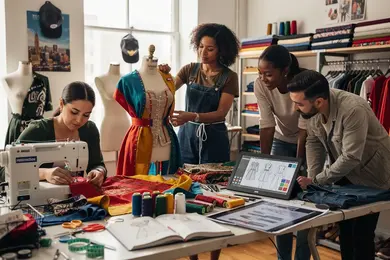
The rise of remote work has extended into creative industries, including Fashion Design, where digital competencies are increasingly essential. Degrees in Fashion Design now commonly include training in industry-standard software such as Adobe Illustrator, CLO3D, and pattern-making CAD systems, equipping graduates to contribute effectively from any location. Programs often integrate digital lab environments and project delivery models that mirror real-world virtual collaboration.
According to the U.S. Bureau of Labor Statistics, 18% of fashion-related occupations reported telework capabilities in early 2024, highlighting shifting employer expectations toward distributed teams in creative roles. This article explores how a Fashion Design degree can prepare graduates for remote careers and helps assess if those opportunities fit individual professional goals.
Key Points About Fashion Design Degrees That Lead to Remote Jobs
- Digital fashion illustration and remote merchandising roles demand proficiency in software like Adobe Illustrator and data analytics, reflecting a shift where practical tech skills outweigh traditional studio work for employability.
- Employers seek candidates with hybrid experience, balancing design acumen with remote collaboration; this narrows opportunities for graduates without internships or freelance portfolios demonstrating independent project management.
- Growth in online course enrollment reported by the National Center for Education Statistics highlights accelerating access to remote skill-building, yet extended time and cost commitments often challenge adult learners balancing education with economic pressures.
Is it possible for Fashion Design graduates to work remotely?
Remote work opportunities for fashion design graduates remain limited due to the industry's reliance on hands-on collaboration, physical prototyping, and studio-based activities. Nonetheless, the integration of digital tools and virtual platforms has introduced more hybrid work models, enabling some tasks to be completed remotely. This shift is primarily seen in roles that emphasize digital skills over physical product handling.
Positions such as digital illustrators, technical designers using CAD software, and social media managers for fashion brands increasingly accommodate remote or hybrid arrangements. These roles focus on digital garment specifications, trend analysis, and marketing efforts that can be managed from a home workspace while maintaining communication through collaborative technologies.
Graduates aiming for remote work should prioritize building strong capabilities in these specific digital functions and adaptability to blended work environments. Although fully remote positions remain relatively rare, hybrid roles combining studio and remote responsibilities offer a practical route for sustained employment.
Employers expect candidates to balance creative production with virtual teamwork, which means that graduates who lack hands-on experience or digital fluency may face challenges securing these opportunities. Therefore, realistic expectations about the blend of remote and in-person demands are crucial when planning a career path in fashion design.
What are the typical entry-level remote positions for new Fashion Design graduates?
Entry-level remote opportunities for new fashion design graduates do exist, though these roles typically emphasize digital proficiency and collaboration more than traditional hands-on studio work. Many of the available jobs merge creativity with technical support functions, fitting well within remote or hybrid models.
Below are five common remote fashion design assistant jobs aligned with early-career entry-level remote roles for fashion design graduates.
- Fashion Illustrator: Primarily focused on creating digital sketches, mood boards, and visual concepts using software, this role accommodates remote workflows since it revolves around computer-based tasks and virtual team interactions.
- Technical Designer Assistant: Involving detailed development of tech packs and garment specifications, this position requires coordination with manufacturers and developers, making remote communication typical for managing these processes across different locations.
- Social Media Coordinator: This job supports managing brand presence via content creation, scheduling, and follower engagement. The inherently digital nature of this role enables flexible remote arrangements or hybrid setups.
- Trend Research Analyst: By gathering and analyzing consumer behavior and fashion trends through online data, this function is well-suited for remote work since it depends on digital research rather than in-person design activities.
- Product Development Assistant: Supporting product lifecycles through documentation and sample tracking, this role increasingly employs cloud-based tools, facilitating remote involvement especially in initial product phases.
These positions depend heavily on digital tools and effective virtual communication, making them viable entry points into the industry for graduates willing to adapt to remote workflows. While some design-intensive roles still require onsite presence, these remote fashion design assistant jobs help build foundational experience outside of conventional studio environments.
For those exploring additional educational options alongside these roles, the cheapest online MSW programs illustrate how remote learning is a growing trend across disciplines, reflecting similar workforce transformations.
Are there senior-level remote positions for Fashion Design professionals?
Senior-level remote jobs for fashion design professionals are relatively rare compared to tech-centered roles, but do exist, mainly as hybrid positions combining remote and onsite responsibilities. These high-level remote positions in the fashion design industry often reflect the collaborative and tactile nature of the work, requiring periodic physical presence alongside virtual engagement.
Below are five senior roles often offering remote or hybrid options.
- Creative Director: This role leads the artistic vision for brands or collections and can partly work remotely using digital tools for ideation and communication. However, onsite involvement remains crucial for hands-on tasks like sourcing and team leadership events.
- Fashion Product Manager: Overseeing product lifecycles, these managers coordinate design, manufacturing, and marketing, leveraging remote communication platforms extensively while attending key meetings and factory visits in person.
- Senior Textile Designer: Focused on fabric design and patterns, this position benefits from digital drafting tools allowing remote collaboration on research and approvals, though some engagement with suppliers still necessitates onsite presence.
- Fashion Merchandising Director: Responsible for product strategy and sales analysis, this director balances data-driven remote planning with in-person coordination with sales teams and buyers to align distribution efforts.
- Visual Merchandising Manager: While actual installation of store displays requires physical presence, much of the conceptual development, presentations, and vendor discussions are conducted remotely or through hybrid arrangements.
While full remote roles are limited by the hands-on demands of fashion design, many senior positions incorporate digital tools such as CAD and project management platforms to enable flexible arrangements. Students considering these pathways should weigh how hybrid models impact workflows and team dynamics. Those interested in accelerating their qualifications may explore an accelerated bachelor's degree online to enter this adaptable segment of the workforce more rapidly.
Which industries hire the most remote workers with Fashion Design degrees?
Remote opportunities for fashion design graduates exist across several sectors that embrace flexible workflows, though fully remote roles remain limited in traditional hands-on fashion design. The following industries represent the primary employers of remote talent with fashion design degrees, reflecting shifting workflows and the integration of digital tools.
- Fashion e-commerce and retail technology: This sector hires graduates to work on digital product development, virtual try-ons, and online marketing content. Remote roles often emphasize collaboration on design concepts through virtual platforms rather than physical garment production.
- Graphic design and digital media: Employers in this field focus on areas such as branding, textile pattern digitization, and digital illustration. These roles leverage software and project management tools that support remote or hybrid work arrangements, enabling creative contributions that complement fashion knowledge.
- Wholesale and production consulting: Remote positions here concentrate on strategic tasks like trend forecasting, sourcing, and quality control. Employers prioritize design strategists and planners who can coordinate through virtual meetings rather than hands-on garment construction.
- Advertising and marketing agencies: Agencies serving fashion and lifestyle brands recruit for remote roles centered on campaign visual development, styling concepts, and product imagery. These positions blend creative styling input with digital content delivery, requiring strong communication within distributed teams.
- Education and online content creation: This area offers remote work opportunities through curriculum development, online teaching, and tutorial production. Roles emphasize industry expertise and communication skills over physical craftsmanship, fitting well with remote and asynchronous working models.
How do salaries differ for remote vs on-site roles in Fashion Design?
Salary comparisons between remote and on-site roles in fashion design highlight consistent differences shaped by employer geography-based compensation models. On average, professionals in remote fashion design roles earn between 5% and 15% less annually than their on-site peers. This pattern reflects widespread pay adjustments aligned to local cost of living and regional market conditions, as employers seek to balance distributed team budgets without inflating payroll expenses excessively.
In contrast, specific specialized positions within fashion design-such as technical designers, 3D garment modelers, or sustainability consultants-often avoid these reductions due to talent scarcity. Firms offering remote work in such niche areas generally maintain pay rates close to on-site levels to secure qualified candidates. Those analyzing on-site vs remote fashion design pay rates should note these nuances as critical factors influencing compensation structures across the discipline's diverse subfields.
Remote job seekers with a fashion design degree must weigh the practical salary tradeoffs within this landscape carefully. While remote roles offer broader accessibility, observed pay differences often reflect employer strategies rather than universal undervaluation. Evaluating subfield demand and employer policies provides key context for informed career decisions, much like considerations relevant in fields such as social work, where choices around the easiest MSW to get into correlate with market realities and compensation expectations.
What are the common challenges of working remotely with a Fashion Design degree?
Remote work in fashion design presents distinct operational and collaborative challenges shaped by the field's reliance on hands-on processes and timely interactions. Below are several core obstacles that remote fashion design professionals often encounter and strategies to address them.
- Maintaining real-time collaboration: Fashion design demands immediate feedback during sketching and prototyping, which is difficult to replicate virtually. Delays in communication can lead to errors and slow iterative cycles, making it critical to adopt synchronous digital collaboration tools and clear workflows.
- Data security concerns: Handling sensitive design files and client information remotely increases exposure to cybersecurity risks. Professionals must rigorously follow security protocols and utilize encrypted networks to safeguard intellectual property.
- Proximity bias in career opportunities: Remote workers may be overlooked for critical projects or promotions as managers favor on-site employees. A proactive approach in visibility and consistent communication is necessary to mitigate this bias.
- Access to specialized equipment: Certain design stages require physical tools and fabrics that are hard to obtain remotely. Developing partnerships with local studios or investing in home-based equipment can partially alleviate this limitation.
- Time zone coordination challenges: Collaborating across global teams complicates scheduling, potentially leading to asynchronous workflows and delayed responses. Efficient time management and overlapping work hours are essential to minimize disruptions.
One fashion design professional recounted that working remotely meant "constantly juggling feedback deadlines across different time zones" and struggling with the lack of immediate tactile access to materials. He mentioned moments where "waiting days for physical samples slowed the design process and made it harder to meet client expectations."
Despite these obstacles, he emphasized the importance of mastering digital tools and establishing proactive communication channels to maintain project momentum and professional credibility in a dispersed work setting.
Are there certifications that can improve remote hiring outcomes for Fashion Design graduates?
Certifications offer targeted expertise that can shape remote hiring outcomes for fashion design graduates by attesting to critical technical or sustainability skills often required in virtual roles. Here are five key credentials that align with employer priorities in remote fashion design careers.
- Certified Apparel Professional (CAP): This certification targets operational knowledge within apparel production, emphasizing quality management and supply chain processes. Holding CAP signals to remote employers that a candidate understands compliance and industry standards necessary for managing remote design and sourcing tasks.
- Adobe Certified Expert (ACE) in Fashion Software: ACE validates proficiency in industry-standard design tools, particularly Adobe products crucial for digital fashion illustration and technical specifications. Remote roles demand self-sufficient digital skills, and an ACE credential confirms readiness to independently execute design workflows.
- Technical Design Certification (AAFA): Offered by the American Apparel & Footwear Association, this cert focuses on technical design and product development protocols. It reassures remote employers about a candidate's capability to handle detailed garment specifications and quality audits from a distance.
- Sustainable Fashion Professional Certificate: With sustainability increasingly integral to fashion brands, this certification from the Global Fashion Agenda demonstrates knowledge of ethical production and environmental impact. It enhances attractiveness for remote roles tied to brand responsibility and supply chain transparency.
- Pattern Making Certification (FIT): The Fashion Institute of Technology's program concentrates on fundamental garment construction skills. Professionals with this certification show mastery over an essential technical area valued by employers looking for remote workers who can troubleshoot design-to-production issues independently.
Many hiring managers in remote fashion design roles especially value credentials that combine creative talent with technical or compliance expertise. For graduates exploring pathways such as most affordable online MBA programs to broaden their management or business skillset, integrating one of these specialized certifications can significantly affect employability and initial salary negotiation leverage.
How can Fashion Design degree students increase the chances of landing remote roles?
Increasing the chances of landing remote roles with a fashion design degree requires strategies tailored to the unique demands and communication styles of virtual work. Below are key approaches that address employability and practical challenges remote employers prioritize.
- Develop a versatile digital portfolio: Craft a portfolio demonstrating a broad skill set from concept ideation to finalized designs, highlighting adaptability to digital tools and virtual collaboration. Including detailed briefs and mood boards showcases design thinking and the self-direction vital for remote work.
- Leverage remote-focused job platforms: Targeting remote-specific job boards and fashion-oriented sections on mainstream platforms enhances visibility to employers actively seeking remote talent. Engaging in niche Slack and Discord groups also uncovers unadvertised opportunities and peer insights often missed on larger sites.
- Demonstrate strong asynchronous communication: Employers value candidates who can articulate ideas clearly without real-time supervision. Prepare work samples with video walkthroughs or screen shares, and expect task-based assessments that allow independent problem-solving.
- Build a professional and consistent digital presence: Maintaining active, curated profiles that reflect both creativity and professionalism helps establish credibility. Networking within specialized remote communities aligns with emerging hiring practices in remote fashion design roles.
- Adapt to evolving remote workflows: Familiarity with virtual collaboration platforms and flexibility regarding work styles underpin success in remote jobs. Staying updated on industry expectations helps graduates meet hiring standards and optimize productivity.
Those seeking to improve remote job prospects with a fashion design degree should consider how targeted, practical adjustments in portfolio presentation and communication can significantly enhance employability. For complementary educational routes on earning potential online, consider exploring short certificate programs that pay well online to supplement your skill set.
How do remote Fashion Design roles impact long-term career trajectory and promotions?
Remote fashion design roles reconfigure traditional career advancement paths by emphasizing project outcomes and communication over physical presence. Without informal office interactions, hierarchical progression becomes less predictable, often hinging on consistent delivery, digital collaboration, and cross-time-zone teamwork.
Tools like Slack and Trello serve dual roles as both workflow trackers and venues for showcasing dependability and initiative. Performance assessments prioritize adherence to deadlines, creativity in addressing design challenges, and the capacity to coordinate asynchronously with diverse teams. Consequently, remote fashion designers must proactively provide updates and cultivate strong digital communication to sustain career momentum.
- Routine milestone reporting to affirm accountability.
- Developing clear, frequent communication to ensure consistent visibility.
- Engaging with mentors and peers via online platforms for professional growth.
- Adapting quickly to new software and digital collaboration environments.
While slower informal networking can delay certain promotional opportunities, individuals who excel in self-management and remote initiative may find accelerated advancement prospects within decentralized organizational structures.
Is a remote career in Fashion Design sustainable for the next decade?
Remote work in fashion design faces inherent limitations due to the discipline's tactile demands, including fabric selection, fittings, and physical sample creation. While advanced digital tools such as 3D garment simulation, virtual reality prototyping, and AI-driven trend analysis have enhanced the feasibility of remote collaboration, these technologies primarily support early-stage design and concept development rather than complete project execution.
Consequently, larger fashion houses often expect designers to integrate remote work with on-site responsibilities, especially for tasks requiring direct material interaction. The sustainability of remote careers in fashion design will likely center on hybrid models and roles within start-ups, freelance platforms, or consultancies that embrace flexibility.
Employers prioritize candidates who excel in digital communication and project management while adapting to evolving tech workflows. Given economic shifts and the need for agility, continuous upskilling in relevant software and networking remains critical for professionals aiming to sustain career momentum amid fluctuating corporate attitudes toward fully remote arrangements.
Asked about his experience, a fashion design professional who completed a fully online bachelor's program explained that transitioning to remote roles required a steep learning curve in mastering virtual collaboration tools and adjusting expectations around hands-on tasks.
"It's one thing to design on my laptop," he noted, "but conveying fabric texture or fit without physical samples means I've had to find creative solutions and develop stronger visual communication skills." He added that maintaining industry connections remotely also demanded more proactive outreach than anticipated, emphasizing the ongoing challenges of independence alongside emerging digital possibilities.
What Graduates Say About Fashion Design Degrees That Lead to Remote Jobs
- Caleb: "After earning my degree in fashion design, I found that employers placed significantly more emphasis on my portfolio and internship experiences than the degree itself when hiring for remote roles. Working remotely as a junior designer allowed me to collaborate with international teams, but it also meant I had to be extra disciplined about communication and time management-skills I quickly developed on the job."
- Dennis: "My fashion design degree was a solid foundation, but breaking into a remote position required certifications and freelance projects to prove my capabilities beyond the classroom. I've enjoyed the flexibility of working remotely, especially in creative tasks like trend forecasting and digital catalog design, though I recognized early on that advancement can be slower without access to traditional in-house networking."
- Thomas: "The transition from my fashion design program to a remote role wasn't seamless; I had to pivot into related areas like product development and sourcing to find steady work. Remote work gave me faster entry into the workforce, but I noticed employers here often prioritize practical experience over formal credentials, which pushed me to constantly update my skills and maintain a strong, relevant portfolio."
Other Things You Should Know About Fashion Design Degrees
The program's curriculum and teaching methods greatly influence whether students can adapt to remote roles. Degrees emphasizing digital skills like CAD, 3D modeling, and virtual prototyping better prepare graduates for remote opportunities, as these tools are essential for remote collaboration.
Programs that rely heavily on in-person studio work or physical garment construction might limit hands-on remote readiness until additional self-directed digital training is pursued. Evaluating the balance between traditional techniques and emerging technologies in the coursework is critical when choosing a program with remote work possibilities in mind.
Remote fashion design work often comes with ambiguous boundaries between work and personal time, especially in fast-paced or deadline-driven projects. Unlike creative roles with fixed studio hours, remote positions may require availability for meetings across different time zones or last-minute design revisions. This can reduce flexibility despite the "remote" label. Prospective remote workers must prioritize strong self-management skills and consider whether they can handle periods of intense workload without the structured environment typically found on-site.
Yes, prioritizing interdisciplinary skills such as digital marketing, e-commerce, and UX/UI design can substantially improve a fashion design graduate's appeal for remote roles. Employers increasingly value designers who understand the end-to-end product lifecycle, including customer engagement and online retail trends. This skill diversification lessens dependence on traditional design-only roles, which are less frequently remote, and better aligns with hybrid job models that combine creative and business functions. Students should weigh adding complementary disciplines to their studies or personal development plans.
References
- 10 fashion jobs shaping the future of the industry https://www.collarts.edu.au/collarts-life/news/blog-10-fashion-jobs-shaping-the-future-of-the-industry/
- The Fashion Design Institute https://www.thefashiondesigninstitute.com/us/en/accreditations
- Studying fashion design offers many career opportunities. https://siba.edu/fashion-design-creativity-and-opportunity/
- Fashion Design Career Opportunities: Your Guide to Industry Success https://nifglobal.college/blog/from-student-to-stylist-fashion-design-career-opportunities-explained/
- Find Fashion Design jobs for remote work experts & freelance professionals | Cad Crowd https://www.cadcrowd.com/jobs/fashion-design
- From Runway to Remote: The Best Remote Fashion Jobs Hiring Now https://www.virtualvocations.com/blog/remote-jobs/from-runway-to-remote-the-best-remote-fashion-jobs-hiring-now/
- Certificate in Fashion Design — ACADEMY OF FASHION & STYLING https://www.academyoffashionandstyling.com/fashion-design
- Understanding Fashion Industry Career Progression https://ibtalentsearch.co.uk/understanding-fashion-industry-career-progression/
- Navigating the World of Remote Communication Design: Challenges and Best Practices | Chitkara University https://www.chitkara.edu.in/blogs/navigating-the-world-of-remote-communication-design-challenges-and-best-practices/