
2027 Which Fashion Design Degree Careers Offer the Best Return Without Graduate School?

Co-Founder and Chief Data Scientist
Rising tuition and mounting student debt force many prospective fashion design students to reconsider the value of graduate school. With the average bachelor's degree graduate in creative fields earning around $50,000 annually within five years, the question remains whether obtaining an advanced degree substantially boosts income enough to justify extra costs and lost time.
Several key fashion design roles offer competitive pay and career growth based solely on a bachelor's degree, avoiding lengthy graduate programs. This article explores which fashion design degree careers offer the best financial return without graduate school, helping students target paths that balance earnings and education investment.
Key Benefits of Fashion Design Degree Careers That Offer the Best Return Without Graduate School
- Strong early salary growth in fashion design careers, often exceeding 5% annually, enhances long-term return on investment for bachelor's degree holders without graduate study.
- Stable demand and expanding industry sectors provide consistent job opportunities, supporting financial security and career advancement for fashion design graduates.
- Accessible entry requirements allow graduates to enter the workforce quickly, minimizing educational costs and maximizing earning years without needing graduate education.
Which Fashion Design Careers Offer the Best Return Without Graduate School?
Evaluating return on investment (ROI) in fashion design careers helps prospective students focus on roles that combine strong salary potential, career longevity, and advancement without the need for graduate school. The U.S. Bureau of Labor Statistics reports a median annual wage of about $77,450 for fashion designers in 2022, illustrating varied earning opportunities across different positions. Below are fashion design careers with the best return without graduate school, balancing these essential factors.
- Apparel Designer: Apparel designers create clothing and accessories, focusing on design concepts, fabric choices, and production oversight. Working mainly for established brands or retailers, they often find steady career growth and advancement opportunities, such as moving into design director roles, all attainable with a bachelor's degree.
- Textile Designer: These specialists develop fabric patterns and textures valued in fashion, home decor, and industrial sectors. Textile designers benefit from a consistent demand that supports stable employment and increasing responsibilities, providing a solid return for those without advanced degrees.
- Technical Designer: Bridging creative design and production, technical designers translate concepts into specifications ensuring quality and fit. Their critical role in manufacturing-related processes offers job security and upward mobility, emphasizing strong long-term ROI without requiring graduate education.
- Fashion Merchandiser: Combining style awareness with business insight, fashion merchandisers evaluate market trends and guide product selection in retail environments. This blend of creativity and commercial strategy fosters promising career paths in buying, planning, and retail management sectors for bachelor's degree holders.
What Are the Highest-Paying Fashion Design Jobs Without a Master's Degree?
Evaluating earning potential in fashion design careers without pursuing a master's degree is essential for students looking to maximize returns on their bachelor's education. The U.S. Bureau of Labor Statistics reports that fashion designers earn a median annual wage close to $79,740, highlighting solid opportunities for graduates. Below are some of the highest-paying roles in this field that typically do not require graduate education.
- Fashion Designer: Earning between $60,000 and $100,000 annually, fashion designers create original apparel and accessories. Those working with leading brands or luxury markets often reach the higher end of this range, leveraging creativity and industry knowledge.
- Technical Designer: With salaries ranging from $65,000 to $95,000 per year, technical designers focus on garment construction and fit. Their critical role in translating creative ideas into manufacturable products makes them highly valued across apparel companies.
- Product Developer: Managing the lifecycle of fashion items, product developers typically earn $70,000 to $105,000 annually. Their skills in overseeing production timelines and budgets are essential for successful product launches.
- Merchandiser: Fashion merchandisers make between $60,000 and $100,000 per year by analyzing trends and consumer behaviors to optimize sales. Their combination of business insight and creativity drives profitability in retail environments.
These positions demonstrate that bachelor's degree holders in fashion design can secure well-compensated careers without needing a master's degree. Exploring these opportunities further may help prospective students find rewarding paths aligned with their financial goals.
Which Industries Offer High Salaries Without Graduate School?
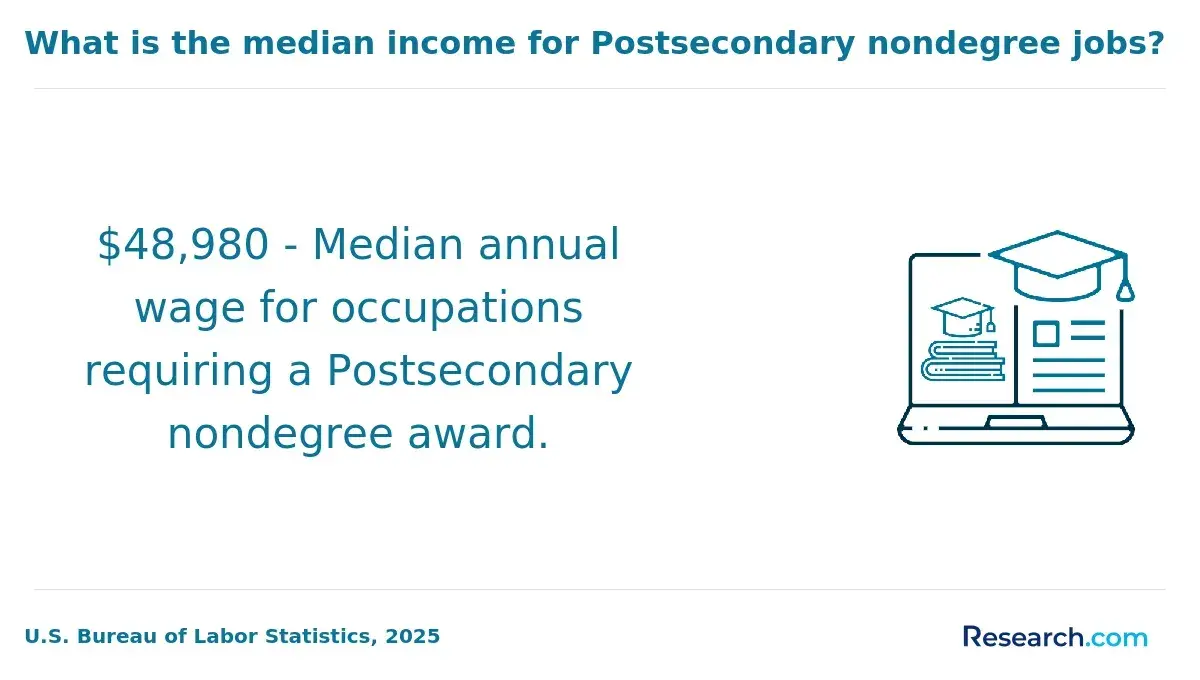
Choosing the right industry greatly influences salary levels for individuals holding a bachelor's degree in fashion design. According to the U.S. Bureau of Labor Statistics, wage differences across creative sectors can be striking, with some industries offering nearly twice the compensation of others. Below are several industries known for offering strong earning potential without requiring graduate-level education.
- Apparel Manufacturing: This industry thrives on producing diverse clothing lines from mass-market to luxury brands. Fashion design expertise is crucial here for blending creativity with efficiency, often resulting in salaries between $70,000 and $90,000 for experienced professionals.
- Retail Sector: Especially within high-end and specialty fashion outlets, this sector values design skills applied to merchandising and trend forecasting. Salaries typically range from $60,000 to $85,000, driven by the need to effectively appeal to consumers and increase sales.
- Fashion Marketing and Advertising: Agencies specializing in promoting fashion brands reward creativity coupled with strategic business insight. Compensation in these roles generally varies from $65,000 to $95,000, reflecting the sector's appreciation for design-driven marketing strategies.
- Entertainment Industry: Including costume design for film and television, this niche area offers salaries that often reach from $60,000 to $100,000. Its demand for practical design skills and project-based work produces competitive pay without necessitating advanced degrees.
A fashion design degree graduate shared that entering the apparel manufacturing field was initially overwhelming due to the fast pace and high expectations for innovation. He recalled, "It was challenging to balance creative vision with production demands, but seeing my designs materialize on a large scale was incredibly rewarding."
Over time, he emphasized how building practical skills and adapting to industry trends boosted his confidence and earning potential, underscoring that success in these industries often depends on perseverance and real-world experience rather than further schooling.
What Entry-Level Fashion Design Jobs Have the Best Growth Potential?
Selecting entry-level roles with clear advancement pathways is crucial for building a successful career in fashion design. Studies show that professionals who start in specialized positions experience nearly 20% higher promotion rates within five years. Below are some promising entry-level jobs that foster essential skills and open doors to leadership opportunities.
- Assistant Designer: Assisting senior designers with sketching and fabric choices offers hands-on involvement in the creative process. This position provides a solid technical foundation and often leads to senior designer or creative director roles.
- Textile Buyer: Managing fabric sourcing and vendor relations deepens market knowledge and negotiation skills. Experienced buyers frequently move up to senior buyer or merchandise manager positions, expanding their influence across product lines.
- Fashion Merchandiser: Analyzing trends and overseeing product launches cultivates both strategic thinking and creativity. Career growth often progresses toward brand development and management roles within fashion companies.
- Production Assistant: Coordinating garment manufacturing and quality control helps develop operational expertise. This role can pave the way to positions like production manager or operations director, critical in large-scale fashion businesses.
Gaining relevant experience through these roles enhances industry connections and skill diversity. For students balancing creative ambitions with practical education, exploring an engineering degree online may also complement their understanding of materials and product development in fashion design.
What Skills Increase Salary Without a Master's Degree?
Refining specific skills beyond formal studies can significantly boost salary potential for those holding a bachelor's degree in fashion design. Recent surveys show that 69% of hiring managers prioritize skill proficiency over formal education alone, driving higher wage opportunities. Below are several key abilities that notably enhance earning power in the fashion industry.
- Digital Design Expertise: Proficiency with tools like Adobe Illustrator, Photoshop, and CAD enables designers to produce accurate and polished designs more quickly. This efficiency lowers development costs and increases value to employers, often translating into better compensation.
- Market and Trend Awareness: Understanding consumer behavior and forecasting upcoming fashion trends allows professionals to develop in-demand products, boosting sales and profitability, which employers recognize financially.
- Effective Communication and Negotiation: Clear dialogue with manufacturers, suppliers, and clients smooths project workflows and controls expenses. Skilled negotiation directly improves budgeting outcomes, impacting salary positively.
- Project Coordination: Overseeing schedules, resources, and teamwork enhances productivity and timely product launches. Such leadership qualities can position individuals for higher pay.
- Entrepreneurial Drive: Initiating innovations in design or marketing and identifying new business opportunities contribute to company growth and often result in increased personal earnings.
A professional with a fashion design degree shared that early in her career, the biggest challenge was proving her value without advanced degrees. She emphasized how mastering digital tools not only accelerated her workflow but also gave her the confidence to negotiate better rates. "Learning to read market trends changed everything," she noted, reflecting on several projects where anticipating shifts led to product hits.
She also described how enhancing her communication skills helped resolve conflicts with suppliers, easing pressure and improving profit margins. These experiences underscored that developing these skills required persistence but ultimately allowed her to grow financially, proving salary growth isn't solely tied to further schooling.
What Certifications Can Replace a Master's Degree in Fashion Design Fields?
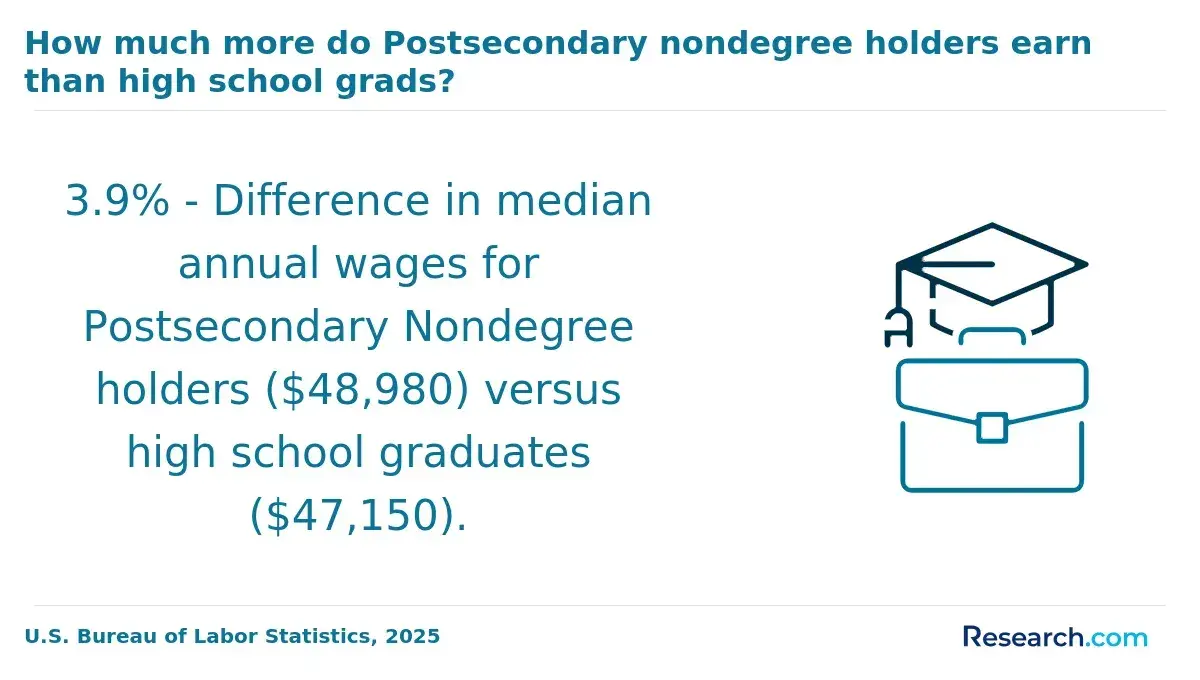
Certifications serve as valuable credentials for fashion design professionals seeking to boost their credibility and career growth without attending graduate school. Studies indicate that industry-recognized certifications can lead to an average salary increase of 12%, emphasizing their advantage in hiring and wage advancement. Below are several key certifications that can effectively enhance career prospects within fashion design fields.
- Certified Apparel Technical Designer (CATD): This credential focuses on advanced garment construction and quality assurance, equipping designers with skills to oversee product development and maintain fit standards, which are highly valued in the industry.
- Adobe Certified Expert (ACE): Specializing in Photoshop or Illustrator, this certification validates proficiency in essential digital tools used by fashion illustrators and CAD professionals, boosting creative output and workflow efficiency.
- Sustainable Fashion Professional (SFP): With increasing emphasis on eco-friendly practices, this certification highlights expertise in sustainable materials and ethical production methods, aligning professionals with brands committed to environmental responsibility.
- Fashion Production Management Certificate: Concentrating on manufacturing oversight, supply chain logistics, and cost management, this credential supports designers who engage with operational and production functions.
- Color Certification by the International Association of Color Consultants/Designers: This specialized certification enhances knowledge in color theory and application, critical for fabric selection and branding strategies within fashion design.
Can Experience Replace a Graduate Degree for Career Growth?
Professional experience often plays a crucial role in career advancement within many fashion design fields, with employers frequently prioritizing demonstrated skills, on-the-job learning, and proven performance over formal graduate credentials. Practical experience allows individuals to build design acumen, establish industry connections, and showcase tangible results that can rival academic achievements.
This is particularly true in roles that emphasize creativity, technical ability, and portfolio strength, where real-world accomplishments carry significant weight. Consequently, many professionals find that a strong portfolio and a track record of success can open doors that might otherwise require advanced degrees.
However, relying solely on experience can present challenges, especially for entry into higher-level positions where specialized knowledge or theoretical frameworks provided by graduate education are valued. Certain niche areas like fashion forecasting or sustainability consulting often prefer or require advanced degrees as a baseline credential.
Experience tends to hold the most value in environments focused on innovation and practical outcomes, such as startups or smaller firms, whereas larger corporations and luxury brands may maintain stricter expectations for formal education.
Ultimately, the balance between on-the-job learning and advanced education depends on targeted career paths and industry segments within fashion design, though some professionals may still search for the easiest PhD to get when considering long-term academic or leadership progression.
What Are the Downsides of Not Pursuing a Graduate Degree?
Many fashion design professionals weigh the benefits of further education against the costs and time involved. A 2020 survey by the National Association of Colleges and Employers found candidates with graduate degrees earn about 20% more on average than those with only bachelor's degrees in creative industries. This statistic highlights some career implications of avoiding graduate school. Below are key limitations that may arise when stopping at a bachelor's degree in fashion design.
- Slower Career Advancement: Those without graduate study often face more gradual progress toward specialized or senior positions. Graduate programs provide advanced technical skills and strategic insights favored for leadership roles, meaning bachelor-only holders might spend longer demonstrating their readiness for promotion.
- Limited Access to Specialized Fields: Niche sectors such as fashion research, textile innovation, and high-level brand development commonly seek candidates with advanced academic credentials. Not pursuing graduate education can reduce entry to these career tracks and the cutting-edge knowledge they require.
- Competitive Hiring Disadvantages: Employers frequently view graduate degrees as signals of expertise, impacting starting salaries and job opportunities. This competitive gap can be a barrier for those with only undergraduate credentials, affecting long-term earning potential and professional standing.
- Networking Constraints: Graduate programs often provide access to influential industry leaders and expansive alumni networks. Forgoing this collegiate network can limit connections vital for collaborations, freelance work, and securing prominent projects in the relationship-driven fashion industry.
- Reduced Career Flexibility: Graduate education fosters critical thinking and specialization that can enhance adaptability in a fast-evolving market. Without such training, professionals might find fewer opportunities to pivot careers or engage in academic research later on, which are important considerations in career planning.
Prospective students interested in related creative fields might also explore a video game designer degree as an alternative pathway offering strong salary potential without necessarily requiring graduate education.
How Can You Maximize ROI With a Fashion Design Degree?
Return on investment (ROI) in education measures the balance between the cost and time spent obtaining a degree and the career benefits and earning potential it provides. For a fashion design bachelor's degree, the median annual wage for fashion designers was about $76,000 in 2022, according to the National Center for Education Statistics, highlighting solid earning potential when the degree is strategically leveraged. Here are practical strategies to maximize ROI with a fashion design degree.
- Specialize Within Curriculum: Choosing a niche such as sustainable fashion, technical apparel, or costume design can set graduates apart in competitive job markets. Specialization develops unique skills highly valued by employers, improving long-term salary prospects without additional graduate education.
- Gain Hands-On Experience: Internships and cooperative education programs offer practical exposure that accelerates career growth. Relevant experience strengthens professional networks and enhances marketability, key for those seeking best strategies for career growth in fashion design without graduate school.
- Develop Business and Digital Skills: Combining design expertise with marketing, merchandising, and e-commerce knowledge opens doors to diverse roles like brand management or fashion tech. These positions generally provide better compensation and stability in the industry.
- Network and Build a Personal Brand: Engaging actively with industry professionals and fashion communities through social media and portfolio websites expands opportunities. This strategy helps stay current with trends and connect with influential companies, boosting career momentum.
- Target High-Value Employment Locations: Seeking jobs in metropolitan areas or at prestigious companies often correlates with higher salaries and benefits, further increasing ROI. Strategic geographic choices impact long-term earning potential significantly.
For those considering further education options beyond the bachelor's degree, exploring options like an MBA AACSB online can complement a fashion design background by enhancing management skills and career advancement opportunities.
When Is Graduate School Worth It for Fashion Design Careers?
Deciding whether to pursue graduate school in fashion design depends heavily on your career objectives, industry demands, and the potential return on investment. Data reveals that professionals with graduate degrees in creative fields earn about 20% more than those with only bachelor's degrees after a decade.
This earning boost highlights the importance of advanced expertise in competitive areas. Students must weigh these factors carefully to determine if additional education aligns with their goals and offers meaningful career advancement.
Graduate school benefits for fashion design careers are most pronounced when targeting specialized positions requiring technical knowledge not covered in undergraduate programs. Roles linked to textile innovation, sustainable design, or fashion technology often necessitate this level of expertise. Leadership tracks in major fashion firms and regulated sectors like luxury brand consulting frequently prefer candidates with master's degrees.
Additionally, those aiming for research-focused or academic careers gain access to unique opportunities through advanced study. For prospective students keen on maximizing value, consulting resources like cheapest online colleges can help identify cost-effective pathways. Understanding when to pursue a master's degree in fashion design ensures educational investments support targeted professional success.
What Graduates Say About Fashion Design Degree Careers That Offer the Best Return Without Graduate School
- Caleb: "Choosing not to pursue graduate school after my fashion design degree was initially daunting, but it allowed me to enter the industry faster and focus on gaining hands-on experience. I maximized my degree by building a strong portfolio and networking aggressively within local fashion circles. This approach gave me a competitive advantage and demonstrated that practical skills often outweigh additional credentials in this field."
- Dennis: "Reflecting on my journey, skipping graduate school was a strategic decision that pushed me to refine my technical abilities and stay adaptable in a constantly evolving market. I invested time in internships and freelance projects, which helped me understand market demands better and build a professional reputation. The impact of my fashion design degree was profound, opening doors that didn't require further academic qualifications but a real passion for innovation."
- Thomas: "My career in fashion design took off because I prioritized developing a unique aesthetic and mastering essential software skills instead of enrolling in graduate studies. I believe the best return from my degree came from immersing myself in industry trends and collaborating on diverse projects early on. This proactive mindset proved invaluable, reinforcing that success often stems from experience and creativity rather than formal education beyond a bachelor's."
Other Things You Should Know About Fashion Design Degrees
Networking plays a critical role in fashion design careers, especially for those who do not pursue graduate studies. Building strong relationships with industry professionals can lead to job opportunities, mentorships, and collaborations. Attending industry events, joining professional associations, and maintaining an active online presence are effective ways to expand your network.
In 2027, a well-curated portfolio is essential for fashion designers bypassing graduate school, showcasing creative skills and design versatility. It serves as practical evidence of capability, often influencing hiring decisions more than academic qualifications.
Internships provide practical experience and exposure to real-world industry practices, making them highly valuable. They often serve as a stepping stone to permanent employment by helping graduates develop relevant skills and professional connections. Completing internships during or immediately after a bachelor's degree can significantly improve job prospects.
Continuous learning through workshops, online courses, and self-study helps fashion design professionals stay current with industry trends and technologies. This ongoing skill enhancement can improve job performance and open doors to new roles. Staying adaptable and informed is key to long-term career success without graduate school.
References
- The Best Fashion Design Jobs Around The World https://www.businessoffashion.com/articles/workplace-talent/the-best-fashion-design-jobs-around-the-world/
- Is Fashion School Worth It? - GLAM OBSERVER https://glamobserver.com/is-fashion-school-worth-it/
- The Fashion Design Institute https://www.thefashiondesigninstitute.com/us/en/accreditations
- Top 10 High-Paying Design Jobs Without a Degree (2025 Guide) https://designarcacademy.com/top-10-high-paying-design-jobs-you-can-get-without-a-degree-2025-guide/
- Top 10 Skills Every Fashion Design Student Must Learn https://www.voguefashioninstitute.com/top-10-skills-every-fashion-design-student-must-learn/
- Investing in Creativity: B.Des Fashion Design Fees & Career ROI https://www.msruas.ac.in/blog/investing-in-creativity-understanding-the-fees-for-bdes-in-fashion-design
- Fashion Designing Courses After Graduation for Creative Experts https://jims.in/blogs/fashion-designing-courses-after-graduation
- 8 Unique Fashion Jobs That Pay Well https://successfulfashiondesigner.com/unique-fashion-jobs/
- 12 Tips On How to Be a Fashion Designer Without a Degree https://www.thefashionstudenthub.com/blog/12-tips-on-how-to-be-a-fashion-designer-without-a-degree
- Fashion Certificate vs Degree: Best Path for Your Career https://www.pearlacademy.com/blog/fashion/fashion-certificate-vs-degree


