
2027 What Job Postings Reveal About Fashion Design Careers: Skills, Degrees, and Experience Employers Want

Co-Founder and Chief Data Scientist
What do employers really seek when hiring for fashion design roles? Beyond creativity and style, job postings reveal a clear demand for specific technical skills, relevant degrees, and hands-on experience that can set candidates apart. Recent data shows that nearly 65% of job listings for fashion design positions require proficiency in both digital design tools and fabric knowledge. As competition intensifies, understanding these criteria becomes essential for prospective and current students aiming to succeed in this evolving field. This article examines job postings to uncover the skills, degree expectations, and experience levels employers prioritize in fashion design careers, helping readers align their qualifications accordingly.
Key Things to Know About Skills, Degrees, and Experience Employers Want
- Employers emphasize proficiency in technical skills like CAD and textile knowledge alongside creativity and trend awareness, reflecting the blend of artistry and technology in fashion design roles.
- Most postings require at least a bachelor's degree in fashion design or related fields, with 65% also seeking 2-5 years of industry experience, highlighting a preference for educated and practiced candidates.
- Analyzing job postings reveals industry standards, enabling students to align education and internships with employer expectations, thereby improving job readiness and career planning strategies.
What Do Job Postings Say About Fashion Design Careers?
Job postings offer a direct view into the practical demands of fashion design careers, often highlighting a preference for candidates with hands-on abilities such as proficiency in design software, pattern making, and garment construction. While a formal degree in fashion design or a related field is frequently mentioned, it is not always mandatory. Real-world experience plays a crucial role, with about 68% of job listings requiring two to five years of industry-related work. This focus on practical skills and experience underscores employers' priority on applicants who can effectively translate creativity into finished products.
Patterns in job postings reveal consistent expectations for a combination of technical skills and soft skills like creativity and teamwork across various roles. However, requirements vary depending on specialization; for example, technical design roles demand advanced knowledge of computer-aided design tools, whereas conceptual positions emphasize innovation and trend awareness. Employers clearly seek candidates who demonstrate both artistic vision and collaborative abilities, reflecting the multifaceted nature of fashion design work and the importance of adaptable skill sets.
What Skills Are Most Requested in Fashion Design Job Postings?
Job postings consistently highlight a set of key skills required for fashion design careers that employers consider essential for success. Notably, over 70% of listings emphasize strong computer-aided design (CAD) skills, reflecting the growing reliance on digital tools in the design process. These postings provide valuable insight into the essential fashion design skills employers seek today.
Below are the most frequently requested skills in fashion design job postings:
- Proficiency in Design Software: Mastery of programs like Adobe Illustrator, Photoshop, and CAD software is critical. These tools allow designers to produce detailed digital sketches and technical drawings, which are foundational to modern fashion creation.
- Effective Communication: Fashion design is a collaborative discipline requiring clear communication with product developers, suppliers, marketers, and clients. This skill ensures that design ideas are accurately conveyed and realized.
- Trend Awareness: Employers look for designers who can analyze and integrate current fashion trends and consumer preferences. This ability helps keep collections fresh and competitive within the fast-moving fashion market.
- Technical Garment Knowledge: Understanding materials, stitching, and pattern-making bridges the gap between concept and production. Designers with practical garment construction insights contribute valuable input to manufacturing processes.
- Creativity and Originality: Innovative thinking and unique style development are at the heart of fashion design jobs. This skill supports brand identity and helps designers stand out in the marketplace.
For students and professionals interested in advancing their expertise to meet these demands, exploring options such as an online master program can provide targeted training that aligns with employer expectations.
What Degrees Do Employers Require for Fashion Design Careers?
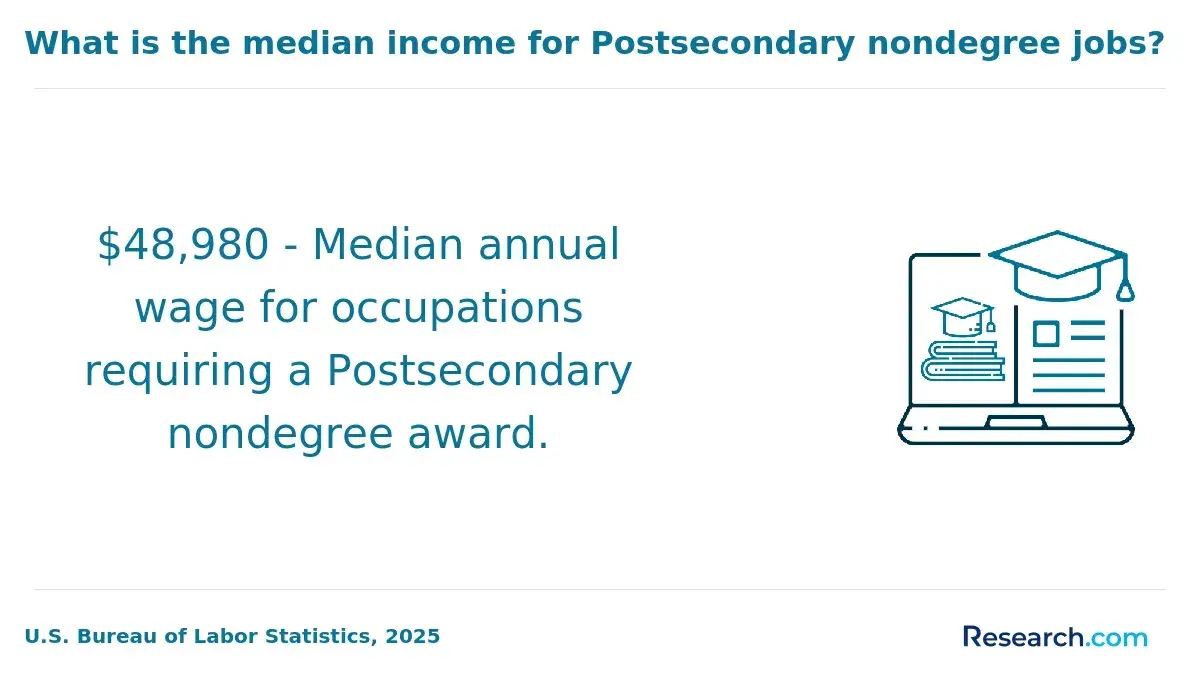
Job postings for fashion design careers typically outline degree requirements based on the complexity of the role and industry standards. While many positions require a bachelor's degree as a foundational credential, higher-level roles often expect advanced education or specialized certifications. These expectations also shift depending on the fashion sector and employer priorities.
According to a 2023 report from the National Association of Colleges and Employers, nearly 72% of fashion design job listings specify a bachelor's degree as the minimum qualification.
Common degree requirement patterns in fashion design roles include the following:
- Bachelor's Degree Entry: Most entry-level positions require a bachelor's degree, usually in fashion design, textile design, or a related discipline, as it provides essential knowledge of design theory and garment construction.
- Advanced Degrees Preferred: Specialized or leadership roles such as creative directors often look for candidates with master's degrees or professional certifications in areas like sustainable fashion or fashion technology to demonstrate deeper expertise.
- Industry Variation: Luxury brands and high-end fashion companies tend to emphasize formal education more strictly, whereas fast fashion and retail sectors may accept associate degrees combined with practical experience and portfolios.
- Flexible Alternatives: Some employers consider equivalent professional experience in lieu of formal degrees, especially within innovative or tech-driven areas of the fashion industry.
When asked about degree requirements, a fashion design degree graduate shared that navigating these expectations was challenging but rewarding. He recalled, "While earning my bachelor's, I constantly worried whether my portfolio alone would be enough for certain roles, but I realized that completing my degree opened doors that experience alone wouldn't." He emphasized the rigorous process of balancing practical projects with academic assignments and how advancing his education gave him confidence to pursue senior creative positions despite the competitive landscape.
How Much Experience Do Fashion Design Job Postings Require?
Fashion design job postings in the United States outline varied experience expectations based on the seniority and focus of each role. Employers rely heavily on these requirements to filter candidates who demonstrate both technical skill and creative aptitude. Experience demands generally rise in line with career advancement.
Below are common patterns related to the average years of experience needed for fashion design roles:
- Entry-Level Roles usually seek candidates with little to no professional experience, targeting recent graduates or those moving from internships or academic projects into their first paid positions.
- Mid-Level Positions often require approximately two to five years of relevant experience, emphasizing management of design projects and collaboration with production and marketing teams along with some design specialization.
- Senior and Advanced Jobs typically demand five or more years in the industry, highlighting leadership capabilities, a robust portfolio, and overseeing entire design processes, including mentoring junior staff.
- Specialized Experience matters for niche roles like textile or technical designers, where specific expertise can outweigh total years worked.
- Freelance and Contract Work prioritizes project-based accomplishments over continuous employment duration to assess suitability.
For prospective students considering their fashion design career paths, comparing experience requirements alongside educational opportunities can be useful. For example, those exploring flexible learning options might look into the most affordable online school counseling degrees as a reference for accessible education models in other fields.
What Industries Hire Fresh Graduates With No Experience?
In several industries, employers are willing to hire fresh graduates in fashion design who lack formal professional experience, valuing creativity and a readiness to learn. Entry-level jobs often emphasize adaptability and fundamental technical skills, signaling openness to mentoring and on-the-job development. Statistics show that nearly half of new fashion design graduates find their first positions within six months, many of which require minimal prior experience.
Industries that typically recruit inexperienced candidates include:
- Apparel and Retail: These sectors are among the top employers for recent graduates, frequently seeking junior designers, assistants, and production coordinators. Both fast fashion and luxury brands prioritize fresh perspectives alongside the ability to support merchandising and design initiatives.
- Textile and Manufacturing: Entry-level roles here often involve fabric selection, quality control, and design support. These positions provide valuable exposure to material characteristics and production workflows, paving the way for specialization.
- Media and Entertainment: Costume design assistant and styling positions ensure collaborative, creative environments where new graduates contribute alongside experienced professionals. These roles help build practical experience within dynamic teams.
- Quality Assurance and Internships: Textile firms and fashion companies frequently offer internships in materials development and quality assurance. These opportunities serve as essential stepping stones for graduates entering the industry.
A fresh graduate shared that breaking into the industry without prior experience was initially daunting, especially navigating interviews where storytelling about potential mattered as much as technical knowledge. She recalled, "It felt overwhelming at first, but I learned a lot by accepting internships that required me to adapt quickly and work closely with mentors." These experiences helped her build confidence, allowing her to embrace the learning curve and contribute meaningfully in entry-level roles.
Which Industries Require More Experience or Skills?
Certain sectors within the fashion design field are notably more demanding when it comes to experience, specialized training, and advanced skills. Job postings in these industries often reflect heightened expectations by requiring candidates to demonstrate strong portfolios, certifications, or several years of relevant work. For instance, data from a 2023 survey shows that 45% of positions in luxury and costume design call for a minimum of five years of professional experience, underlining the selectiveness of these markets.
The following key industries illustrate where employers expect elevated expertise and qualifications:
- Luxury Fashion Houses demand multi-year backgrounds in high-end apparel creation. These roles require not only creativity but also a deep understanding of fabric selection, craftsmanship, and trend analysis at an expert level.
- Entertainment and Costume Design often prioritize candidates with specialized education or hands-on experience in film, theater, or television costumes. Employers look for proof of skill in translating artistic concepts into unique, character-driven designs, sometimes requiring certifications or detailed portfolios.
- Technical and Performance Apparel sectors emphasize knowledge of innovative materials and functional textiles. Candidates with expertise in material science or technical integration frequently have an advantage as employers seek designers who balance aesthetic appeal with practical performance.
These industries' heightened criteria highlight the importance of advanced proficiency and niche skills in fashion design roles beyond general market expectations.
Which Credentials Are Most Valuable for Fashion Design Careers?
Employers evaluating candidates for fashion design careers prioritize specific credentials that demonstrate both foundational knowledge and technical skills. Academic qualifications, specialized certifications, and sometimes licenses all play key roles in influencing hiring decisions by signaling a candidate's preparedness for industry demands.
The following credentials are commonly valued by employers and frequently appear in job postings for fashion design positions:
- Bachelor's Degree: A bachelor's degree in fashion design, textile design, or a related field provides essential knowledge of design principles, garment construction, and current industry trends. This academic credential is often a minimum requirement for entry-level and mid-level roles.
- Technical Certifications: Certifications in computer-aided design (CAD) software such as Adobe Illustrator or Optitex demonstrate proficiency with tools vital to modern fashion workflows. Employers seek these certifications to ensure candidates can efficiently translate concepts into digital formats.
- Textile and Sustainability Credentials: Credentials related to textile science or sustainable fashion practices indicate expertise in fabric properties, ethical sourcing, and environmentally responsible manufacturing. These qualifications reflect a candidate's commitment to innovation and industry standards.
- Licenses in Specialized Fields: While less common, licenses may be required in niche areas like costume design or manufacturing compliance. Such licenses confirm formal approval to operate in regulated environments, providing employers confidence regarding safety and risk management.
These credentials help employers verify education, technical abilities, and specialized knowledge, supporting informed hiring decisions in the competitive field of fashion design.
Are Salaries Negotiable Based on Experience?
Salary levels in fashion design job postings vary notably based on a candidate's experience, educational background, and the complexity of the role. Employers often set ranges that accommodate entry-level applicants but extend higher for those with substantial experience or advanced qualifications. Industry data shows professionals with five or more years of experience in fashion design earn approximately 25% to 40% more than less experienced peers, illustrating how experience significantly influences pay. This highlights that salaries negotiable based on experience in fashion design careers reflect how employers value proven skills and relevant education.
Experience plays a crucial role in salary flexibility within job postings, with entry-level roles typically featuring fixed or narrow salary bands and limited negotiation scope. In contrast, senior or specialized positions offer broader pay ranges, reflecting an employer's willingness to adjust compensation based on individual expertise. Employers design these structures to attract a wider candidate pool while factoring in the complexity of responsibilities such as project management or leadership. For prospective students exploring related fields, understanding these trends alongside earning a respected game design and development degree can offer useful perspective on how experience influences pay in fashion design jobs.
How Can You Match Your Resume to Job Descriptions?
Job postings serve as essential tools for tailoring your resume to meet specific employer expectations in fashion design careers. Nearly 75% of resumes are filtered out by applicant tracking systems (ATS) before reaching a human recruiter, making strategic alignment with job descriptions critical. Careful analysis of postings helps identify what skills and qualifications to highlight when matching your resume to fashion design job descriptions.
Here are key strategies to effectively align your resume with what employers want in this competitive field:
- Interpret Job Priorities: Focus on the qualifications and experiences emphasized in the posting. This guides which sections of your resume deserve the most detail and prominence, ensuring your application clearly addresses what hiring managers prioritize.
- Align Terminology: Use precise language and keywords from the job description, especially regarding software, tools, and design techniques. This improves ATS compatibility and signals that you understand industry-specific language.
- Highlight Relevant Experience: Showcase professional achievements, internships, or projects that demonstrate skills directly related to the role. Measurable outcomes linked to your work resonate strongly with employers.
- Prioritize Credentials: Emphasize degrees, certifications, or credentials mentioned in the posting. For those looking to strengthen their academic background in related fields, resources like the online masters urban planning programs can offer complementary education relevant to design and development principles.
By applying these strategies, fashion design candidates can craft resumes that clearly reflect the key skills employers want in fashion design resumes, enhancing their chances of advancing through both ATS filters and hiring manager reviews.
What Should You Look for When Analyzing Job Ads?
Job ads provide a clear reflection of employer expectations in fashion design careers, outlining the specific skills, education, and experience required. Thoroughly analyzing these ads allows prospective students to identify the key competencies that hiring managers prioritize. For instance, a 2022 survey by the National Association of Colleges and Employers found that 78% of creative industry recruiters value relevant work experience and technical expertise above other factors.
Key elements to focus on when reviewing job postings include:
- Responsibilities: Look for descriptions of daily tasks such as fabric selection, garment construction, trend forecasting, and digital sketching. These details help clarify the breadth and depth of the role.
- Qualifications: Most roles specify a minimum education level, often a bachelor's degree in fashion design, textiles, or a related discipline. Some may reference specialized credentials or recommend further study similar to an MLIS degree.
- Experience Level: Note whether positions seek entry-level candidates or those with years of experience working in design studios or fashion houses. This affects the expected skill set and responsibilities.
- Technical Skills: Essential software knowledge such as CAD programs and Adobe Creative Suite is frequently listed, alongside traditional design expertise and fabric knowledge required to manage production.
- Soft Skills: Employers emphasize creativity, communication, and teamwork abilities. These qualities foster successful collaboration and innovation in the fashion design environment.
What Graduates Say About Skills, Degrees, and Experience Employers Want
- Caleb: "As a fresh graduate, I found job postings to be invaluable guides in identifying roles that truly matched my skills and interests in fashion design. They helped me understand what employers expect from entry-level candidates, especially in areas like technical skills and portfolio presentation. Exploring a variety of ads gave me confidence to target positions that fit my background and career goals."
- Dennis: "After gaining a few years of experience in fashion design, I started using job ads strategically to propel my career forward. I looked for openings that called for specific expertise I had honed, such as sustainable design or digital illustration, allowing me to make informed decisions about potential new roles. Job postings became more than just listings-they were a lens through which I viewed evolving industry demands and positioned myself accordingly."
- Thomas: "Throughout my professional journey in fashion design, job advertisements have shaped the way I adapt and grow within the industry. The detailed requirements and trends highlighted in these ads helped me stay current and sharpen the skills that employers highly value. I see them as an ongoing resource that informs not only where but how I contribute creatively and commercially."
Other Things You Should Know About Fashion Design Degrees
Job postings in fashion design often highlight a balance between academic qualifications and practical skills. While a degree can be a basic requirement, employers place significant emphasis on hands-on experience with design software, pattern making, and fabric knowledge. This combination shows that theoretical learning must be complemented by real-world application to succeed.
Employers frequently look for candidates with experience in internships or assistant roles at fashion brands or design studios. Experience with technical tools like Adobe Illustrator, Photoshop, CAD programs, and familiarity with garment construction techniques are particularly valued. Demonstrable project involvement in collections or fashion shows also strengthens an applicant's profile.
Yes, job ads often specify specialized skills based on the role's focus, such as textile innovation, sustainable design, or digital fashion. For example, roles centered on knitwear may seek knowledge of specific fabric types and manufacturing processes, while roles in accessory design may emphasize skills in materials sourcing and prototyping. This specialization reveals the diverse expertise within fashion design and how employers tailor requirements accordingly.
In 2027, fashion design job postings increasingly emphasize practical skills over academic qualifications. Employers prioritize proficiency in software like Adobe Illustrator, pattern-making, and textiles. While a degree in fashion design is beneficial, demonstrable hands-on experience and a robust portfolio can outweigh formal education in showcasing a candidate's capabilities.
References
- Framework in Your Fashion Job Search - GLAM OBSERVER https://glamobserver.com/why-you-absolutely-need-a-framework-in-your-fashion-job-search/
- Closing the Pay Gap: Empowering Designers with Effective Salary Negotiation Strategies https://designerhiring.com/closing-the-pay-gap-empowering-designers-with-effective-salary-negotiation-strategies/
- Career Opportunities in the Fashion Design Industry - Artemisia College https://www.artemisiacollege.com/blog/fashion-design-career-opportunities/
- Interview tips for fashion designers https://www.retailappointment.co.uk/career-advice/finding-a-job/interview-tips-for-fashion-designers
- How to Negotiate a Higher Salary in Fashion https://www.businessoffashion.com/articles/workplace-talent/how-to-negotiate-a-higher-salary-in-fashion-industry-employee-insider-advice-careers-junior-manager-hr/
- Top 10 Fashion Designer Certifications | ResumeCat https://resumecat.com/blog/fashion-designer-certifications
- How To Tailor Resume To Job Description (7 Tips With Example) | Resumonk Articles https://www.resumonk.com/articles/how-to-tailor-resume-to-job-description
- 10 Careers in Fashion https://stadio.ac.za/10-careers-fashion
- Key Skills for Becoming a Successful Fashion Designer https://www.ifaparis.com/the-school/blog/key-skills-for-becoming-successful-fashion-designer
- 3 Tips for Tailoring Your Resume to a Specific Job Listing https://sopa.tulane.edu/blog/3-tips-tailoring-your-resume-specific-job-listing


