
2027 Can You Get a Management Bachelor's Degree After 30?

Co-Founder and Chief Data Scientist
Imagine juggling a full-time job, family obligations, and the desire to earn a bachelor's degree in management after turning 30. Many adults face this challenge-balancing responsibilities while seeking career advancement. According to the National Student Clearinghouse, nearly 40% of bachelor's degree earners today are aged 30 or older, reflecting a significant trend toward adult learners resuming higher education.
This article explores the realities and strategies for obtaining a management bachelor's degree as an adult, outlining how to navigate program options, transfer credits, financing, and time commitments effectively to achieve career goals without sacrificing existing responsibilities.
Key Things to Know About Getting a Management Bachelor's Degree After 30
- Admission options favor transfer credits and prior learning assessments-over 60% of adult learners reduce time-to-degree this way-helping balance speed with rigorous management curriculum requirements.
- Financial aid, employer tuition reimbursement, and flexible payment plans lower costs; nearly 70% of adults cite family commitments as a key factor in program selection, favoring online or hybrid options.
- Graduates over 30 report a significant earnings boost-up to 20% higher within five years-validating the investment despite delayed degree completion compared to traditional students.
Can You Really Get a Management Bachelor's Degree After 30?
Recent data from the National Center for Education Statistics (NCES) reveals a significant rise in enrollment among adult learners aged 25 and older in bachelor's degree programs, including those focused on management. Earning a management bachelor's degree as an adult learner over 30 is becoming increasingly common as colleges redesign curricula and offer flexible schedules tailored to adults balancing work, family, and other responsibilities. Returning to college after 30 is not only feasible but a growing trend, with millions of adult students successfully completing their degrees each year. This article explores crucial aspects of this journey-time commitments, financing strategies, career impact, program types, and support systems-to help readers transition from curiosity to confident decision-making.
- Enrollment Trends: The adult learner population in bachelor's programs has expanded notably, especially in fields like management that align with leadership and career advancement opportunities.
- Program Flexibility: Institutions increasingly offer evening, weekend, online, and hybrid formats, enabling adult students to manage studies alongside their existing life commitments.
- Financial Considerations: Adult learners often combine employer tuition assistance, federal aid, and flexible payment plans to afford their education, making it essential to understand these options thoroughly.
- Career Impact: Completing a bachelor's degree in management can unlock promotions, salary increases, and career pivots, driving many adults to pursue this path despite the challenges.
- Support Systems: Universities bolster adult student success with resources such as academic advising, mentoring, and veteran services that address their unique needs.
For those seeking an easiest online degree path, flexible management programs provide an accessible route to advancing education and career goals in the United States.
Why Are More Adults Over 30 Pursuing a Management Bachelor's Degree?
Data from the Lumina Foundation and the National Center for Education Statistics (NCES) document a growing number of adults over 30 pursuing a bachelor's degree, with management-related fields increasingly popular. This rise reflects broader workforce trends as more adults return to higher education seeking credentials aligned with career advancement and skill development. The benefits of earning a management bachelor's degree for adult learners extend beyond knowledge-they open doors to leadership roles and higher earning potential in a competitive job market.
Key drivers behind this trend include:
- Career Transitions: Adults shift careers or upskill to stay relevant, gaining leadership, strategic planning, and organizational abilities applicable across industries.
- Employer Tuition Benefits: Many workers access employer-sponsored tuition assistance or reimbursement, making education financially viable alongside work responsibilities.
- Layoffs and Economic Uncertainty: The post-pandemic economy's layoffs and restructuring motivate adults to enhance qualifications for greater job security.
- Online Program Availability: Accredited online and hybrid management programs offer flexibility, allowing adult learners to balance study with family and work.
- Wage Premiums: Management degree holders typically earn higher salaries, providing a compelling return on investment for credential seekers.
Post-pandemic workforce shifts such as remote work and digital transformation have made management fields more accessible to career changers over 30. Robust institutional support for adult learners now includes credit for prior learning and flexible scheduling, confirming this pathway as a strategic choice. For those exploring fast, career-focused credentials, resources like 1 year MSW programs online no BSW spotlight the growing range of accelerated options, illustrating how higher education adapts to adult learners' needs.
What Are the Most Common Challenges Adults Over 30 Face When Pursuing a Management Degree?
Time Constraints: Adult learners often must balance demanding work schedules, family care, and coursework, leaving scarce time to focus on studies. Responsibilities such as child care or elder support reduce available hours for attending classes or completing assignments.
Financial Pressures: Many adults over 30 face increased financial burdens including mortgages, childcare costs, or supporting relatives. These obligations heighten concerns about tuition affordability and may force reduction in work hours, risking income loss and adding stress.
Technology Gaps: Returning students sometimes struggle to keep pace with modern learning platforms, digital collaboration tools, and software essential for today's management programs, especially if they lack recent experience with technology.
Imposter Syndrome: Adults may doubt their academic abilities or feel out of place among younger classmates, eroding confidence. This psychological barrier can cause disengagement or reluctance to request help, hindering academic progress.
Academic Bureaucracy: Navigating complex systems for credit transfer, registration, financial aid, and institutional policies can be overwhelming. Without clear guidance, adult learners risk delays or obstacles that impede timely degree completion.
Research from the Bill & Melinda Gates Foundation and Complete College America confirms these challenges commonly contribute to adult learner stop-out patterns in management degree programs. While significant, these hurdles are manageable-strategies like effective time management, leveraging employer tuition benefits, technology training, peer support, and targeted advising can ease these burdens and enable success.
Most adults pursuing a management degree juggle two or three of these issues simultaneously, which makes recognizing the shared nature of these struggles vital. This awareness alleviates feelings of isolation and self-blame, empowering learners to persist with greater confidence.
Reflecting on these barriers, a professional who returned to complete his Management bachelor's degree after 30 shared that initially "it felt overwhelming trying to balance work deadlines and family events with coursework deadlines." He recalled how technological aspects "were intimidating at first-learning to navigate the online platform took time." However, after reaching out for academic support and connecting with peers, he found "knowing others faced the same struggles made a huge difference." This encouragement helped him "overcome doubts and keep going," ultimately earning his degree and opening new career paths.
What Types of Management Bachelor's Degree Programs Are Best Suited for Adults Over 30?
Adult learners pursuing a bachelor's degree in management over 30 can select from diverse program formats tailored to their varying needs.
- Fully Online: These programs offer complete flexibility by allowing students to study remotely without campus visits-ideal for working adults and parents balancing schedules. Institutions like Western Governors University (WGU) and Southern New Hampshire University (SNHU) have developed strong infrastructures supporting flexible management bachelor's degree programs for adults over 30.
- Hybrid: This approach blends online coursework with occasional in-person meetings, providing some face-to-face engagement while maintaining schedule adaptability, often scheduling on-campus sessions during evenings or weekends.
- Evening and Weekend On-Campus: Suitable for those who prefer direct interaction with instructors and peers, these programs offer classes outside traditional business hours to accommodate working adults.
- Competency-Based Education (CBE): CBE assesses students on demonstrated skills rather than time spent in class, allowing motivated individuals such as military veterans or professionals with prior experience to accelerate completion by leveraging existing knowledge.
- Accelerated Cohort Models: These intensive, peer-supported programs move students through structured curricula quickly, aligning well with those focused on fast-tracking their degree within a set timeline.
Evaluating these formats helps adult learners find the best fit for their lifestyle, learning preferences, and career goals. For those exploring options, programs like Arizona State Online also offer frameworks for the best online management degrees for adult learners. Additionally, exploring related fields through an online PsyD program can also broaden educational pathways available to career changers.
How Long Does It Take to Earn a Management Bachelor's Degree After 30?
Completing a bachelor's degree in management after age 30 varies significantly depending on enrollment status, prior credit, and program structure. Full-time adult learners generally finish within four to five years, while part-time students often take six or more years due to balancing work and family. Prior learning credits-including PLA, CLEP exams, and military transfers-can reduce this timeframe by a year or more, recognizing knowledge gained outside traditional classrooms. Accelerated or competency-based programs are increasingly used, enabling learners to advance through mastery rather than fixed semesters, which suits adults managing multiple responsibilities. Nearly 40% of adult management students pursue these fast-track options, reflecting growing demand for adaptability.
To estimate your completion time, factor in your transferable credits, weekly course load capacity, and program type. For instance, with 30 to 60 credits recognized and full-time enrollment in an accelerated program, finishing in about two years is feasible. Starting from zero credits with part-time study could extend completion to four to six years.
- Enrollment Status: Full-time study averages four to five years; part-time can significantly extend the timeline based on hours available.
- Credit Transfer: PLA, CLEP, and military credits reduce required courses, effectively shortening degree length.
- Accelerated Formats: Competency-based options speed completion by focusing on skills mastery over time spent.
- Personal Availability: Weekly study hours and life commitments influence how quickly courses can be taken.
- Current Trends: Approximately 40% of adult management learners choose accelerated programs to graduate sooner.
One professional who completed her management degree after age 30 described the journey as challenging yet rewarding. "Balancing work, family, and school felt overwhelming at times," she recalled, "but using prior military credits and enrolling in an accelerated program helped me stay on track." She emphasized that the flexibility to learn at her own pace was crucial, allowing her to graduate sooner than expected without sacrificing quality. Reflecting on her experience, she hopes to encourage others that with proper planning, earning a management degree later in life is both achievable and transformative.
How Can Adults Over 30 Pay for a Management Bachelor's Degree?
Federal Financial Aid: Adults over 30 can access Pell Grants and federal student loans regardless of age, provided they meet FAFSA requirements related to enrollment, income, and citizenship. Subsidized loans have interest covered while in school, whereas unsubsidized loans accumulate interest immediately. Many mistakenly believe aid is only for younger students, but FAFSA eligibility focuses on other factors, not age.
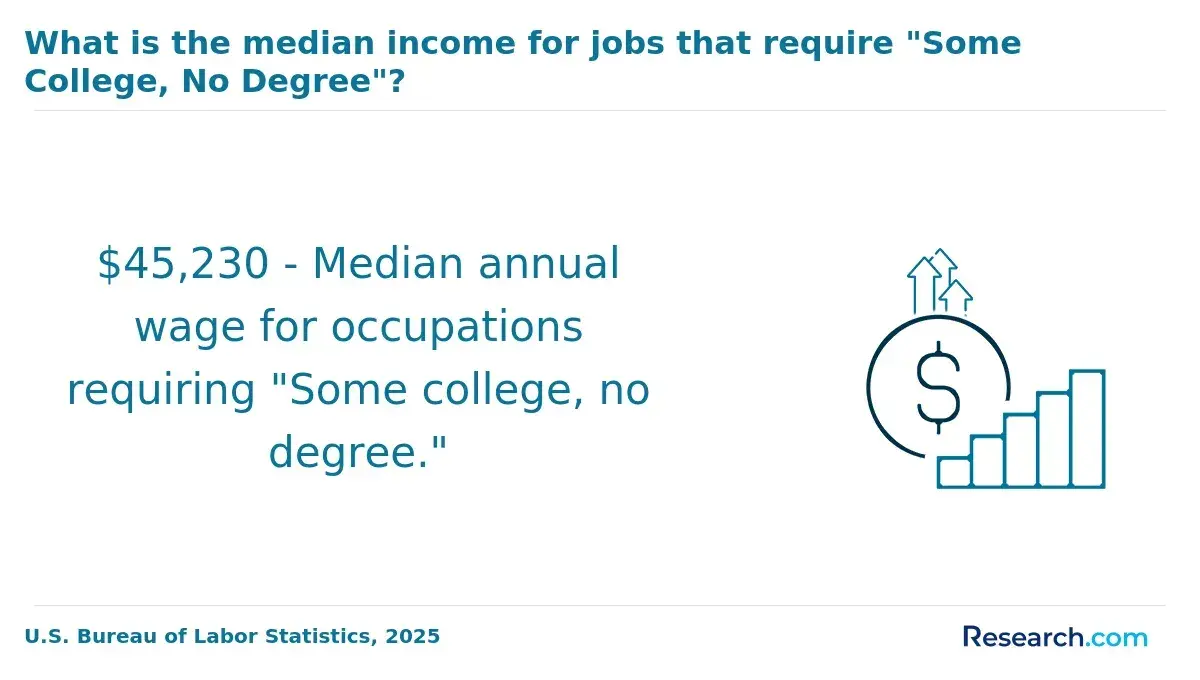
Employer Tuition Assistance: Many companies encourage continuing education by reimbursing tuition expenses. These programs usually require employees to remain with the employer for a certain period after receiving benefits. Contacting human resources helps clarify available options and eligibility criteria.
State Adult Learner Grants and Scholarships: Several states offer financial support aimed at nontraditional students returning to education. These programs often target adults 30 and older, though age caps may apply. Some focus specifically on degree completion for working adults.
Professional Association Scholarships: Organizations linked to Management, such as the American Management Association, may provide scholarships based on leadership, career ambitions, or industry experience-valuable for career changers and returning learners.
Income-Share Agreements (ISAs): ISAs fund education upfront in exchange for a portion of future income over a set time, avoiding traditional loan interest or principal accrual. Terms vary widely, so understanding conditions is essential before committing.
Tuition Cost Considerations: Online and public programs usually cost less than private, on-campus offerings. The National Center for Education Statistics reports that over 40% of undergraduates participate in online learning-highlighting flexible, affordable pathways suitable for adults balancing multiple commitments.
Will Employers Respect a Management Bachelor's Degree Earned After 30?
Employers consistently value a management bachelor's degree awarded by a regionally accredited institution, regardless of whether the degree was earned before or after age 30. Data from SHRM and the National Association of Colleges and Employers (NACE) confirm that hiring managers prioritize the credential itself over the graduate's age or time spent completing the program. This respect for adult learners reflects the growing recognition of their professional maturity and real-world experience.
- Employer Preference: Hiring professionals commonly view candidates who earn their management degree later in life as having greater work ethic, leadership potential, and industry insight compared to younger graduates.
- Industry Requirements: In sectors like healthcare administration, corporate project management, and supply chain management, a bachelor's degree is often a strict minimum credential. Completion at any age meets these mandatory thresholds equivalently, ensuring no disadvantage for graduates earning their degree past 30.
- Resume Focus: Resumes and credential verifications reflect only the awarded degree without indicating the graduate's age or how long the study required, emphasizing the degree's authentic value.
- Positive Employer Attitudes: Perseverance in returning to education as an adult signals strong commitment, often seen as an asset by employers seeking dependable leadership talent.
- Recent Trends: LinkedIn Workforce Insights reports a 25% increase in professionals aged 30 and above earning business-related bachelor's degrees over the past five years, highlighting growing demand for mature candidates with formal qualifications.
This body of evidence reassures adult learners and career changers that a management bachelor's degree earned after 30 is fully respected and competitive in today's job market-combining credentials with lived experience to meet employer expectations.
How Does Prior Work Experience Factor Into a Management Bachelor's Degree Program After 30?
Prior work experience credit for management degree programs plays a critical role for adult learners over 30-often accelerating graduation by converting real-world skills into academic credit. Many colleges value professional experience beyond traditional coursework and offer paths to evaluate and award credit accordingly.
- Prior Learning Assessment (PLA): Students provide documented evidence of work experience, training, and skills through essays, interviews, examinations, or portfolios to demonstrate alignment with college-level learning outcomes. Accredited institutions like Charter Oak State College and Thomas Edison State University have strong PLA services granting up to 30 or more credits. According to the Council for Adult and Experiential Learning (CAEL), adult learners typically earn 20 to 30 credits via PLA, substantially shortening degree timelines.
- Portfolio Evaluation: Organized collections of work samples, project descriptions, and professional certifications are reviewed to connect practical management skills with course requirements. Faculty interviews or exams often accompany portfolio reviews to verify competencies.
- CLEP and DSST Exams: These standardized tests assess college-level knowledge in business and management fields. Passing CLEP and DSST exams yields credits for introductory and some advanced courses-with DSST covering specialized management topics and CLEP addressing foundational areas like principles of management.
- ACE-Recommended Credit: The American Council on Education (ACE) recommends credit for many professional certifications in management roles, including project management and human resources credentials. Institutions accepting ACE guidance allow experienced professionals to waive specific classes based on earned certifications.
Admissions offices evaluate work experience not as an educational gap but as a valuable academic asset by requiring clear documentation, relevance to management competencies, and alignment with degree outcomes. Adult management students can enhance their applications by emphasizing leadership, strategic planning, and team supervision roles. This approach to prior work experience credit for management degree programs helps shorten time-to-completion and provides a flexible pathway.
For those seeking an accelerated route without sacrificing quality, exploring affordable programs and credit for experience is key-see options like the online MBA under $35k for additional financing strategies and program types.
What GPA and Admission Requirements Apply to Management Bachelor's Programs for Adult Learners?
A variety of admission requirements typically apply to management bachelor's programs designed for adult learners, especially those aged 30 and above. These programs recognize the unique circumstances facing adult students and adapt their criteria accordingly-emphasizing flexibility and prior experience.
- Minimum GPA: Many programs consider a minimum cumulative GPA of around 2.0 to 2.5 from previous postsecondary coursework. However, institutions with open or rolling admissions-often serving adult learners-may waive strict GPA requirements entirely, focusing instead on professional experience or other factors.
- Standardized Test Waivers: Students over 25 frequently qualify for waivers on SAT or ACT scores, acknowledging that standardized tests may not reflect an adult learner's current capabilities or potential for success in management studies.
- Letters of Recommendation: While not always required, letters of recommendation-often from employers or instructors-can strengthen an application by attesting to an applicant's work ethic, leadership skills, and academic readiness.
- Personal Statement: A well-written personal statement or essay is common, providing applicants the chance to explain their motivation, career goals, and how a management degree fits with their life plans. This is especially important when GPA or traditional academic records are less strong.
- Residency and Transfer Credit Policies: Many programs credit prior college courses, military training, or professional certifications-helping adult learners shorten time-to-degree. Residency requirements typically expect at least 30 credits completed at the conferring institution.
- Academic Renewal and Conditional Admission: For students with a low GPA from earlier college attempts, some schools offer academic renewal or grade forgiveness to exclude poor grades from GPA calculations. Conditional admission tracks allow students to prove their ability through successful completion of initial coursework.
Prospective students should assess their admissibility honestly to identify programs aligned with their academic profile, as GPA requirements for adult management bachelor's programs vary widely. Many institutions prioritize flexibility and holistic review, making a degree attainable even after earlier academic challenges. Work-life balance is enhanced in such programs, which is critical for parents reentering the workforce or veterans seeking to leverage prior experience.
Those exploring related fields may also compare pathways and costs with an environmental engineering degree online to understand diverse options in affordable, flexible education.
How Do Family and Work Responsibilities Affect Completing a Management Degree After 30?
Adult learners over 30 face considerable hurdles completing a management bachelor's degree due to caregiving duties and full-time employment. Responsibilities like childcare or eldercare reduce available study time and complicate scheduling, while steady employment provides income but limits flexibility and adds stress. These combined pressures often delay or interrupt progress in degree programs.
Successful adult students often rely on proven time management strategies to navigate these challenges. Methods such as the Eisenhower Matrix help prioritize tasks by urgency and importance, while block scheduling secures dedicated study periods within busy days. Many find that studying during early mornings or late evenings maximizes focus and reduces distractions.
Workplace accommodations-like flexible hours or tuition support-significantly ease the balance between job and study. Family involvement in sharing household responsibilities can also free up critical time for coursework. Additionally, institutions offering campus childcare and emergency financial aid reduce barriers, preventing enrollment disruptions.
Before enrolling, a thorough assessment of one's support network is essential. Engaging with an institution's adult learner services office can uncover specific resources and assist in planning a sustainable approach to completing a management degree.
- Caregiving Demands: Responsibilities toward family members limit study opportunities, requiring strategic time management to maintain progress without burnout.
- Employment Challenges: Full-time work ensures financial stability but restricts available study hours, making efficient prioritization critical.
- Time Management Strategies: Techniques like the Eisenhower Matrix and block scheduling help adult learners allocate scarce time effectively.
- Support Systems: Employer flexibility, family assistance, and institutional services such as childcare and emergency aid are key factors enabling degree completion.
- Proactive Planning: Reviewing personal supports and collaborating with campus adult learner offices enhances chances of successful degree attainment.
What Campus and Online Support Services Help Adults Over 30 Succeed in a Management Program?
Research from the National Student Clearinghouse and Complete College America reveals that increased advising intensity significantly boosts adult learner completion rates in management programs. Key support services tailored to adults over 30 are vital to their academic success and timely graduation-especially for career changers, military veterans, transfer students, and parents balancing family and work.
- Dedicated Adult Learner Advisors: These advisors specialize in helping non-traditional students navigate course selection, time management, and institutional policies, providing personalized assistance to overcome common obstacles faced by working adults.
- Prior Learning Assessment Offices: Recognizing professional experience and certifications earned outside academia can shorten degree paths and reduce costs, making this service crucial for those with a rich background in the workforce.
- Evening and Weekend Tutoring: Flexible tutoring schedules accommodate busy adults juggling jobs and family, ensuring they receive academic support without conflicting with daytime responsibilities.
- Virtual Library Access: Robust online resources offer remote learners the ability to conduct research and complete assignments efficiently, supporting study needs regardless of physical location.
- Career Services for Career Changers: Specialized counseling, resume workshops, and interview preparation tailored to adults help ease transitions into new roles within management fields.
- Peer Networks for Non-Traditional Students: Communities of adult learners foster connection, encouragement, and collaboration-factors linked by research to higher persistence and graduation rates.
Before committing to a management program, inquire specifically about the availability and quality of these support mechanisms. Their presence often correlates with higher completion rates and can make the difference in successfully earning a degree while managing life's other demands.
What Graduates Say About Getting a Management Bachelor's Degree After 30
- Regine: "Returning to school after 30 felt daunting, but the financial support options made it manageable and relieved a lot of pressure. I truly appreciated that the program was accredited-it gave me confidence that my degree would be respected in the job market. Graduating has opened doors I never expected, and I'm now thriving in a leadership role that aligns perfectly with my ambitions."
- Farah: "The program's accreditation was a major factor in my decision to enroll, and I quickly saw the value in how it prepared me for real-world challenges. Financial assistance helped me stay focused on my studies without constant worry about expenses. After completing the degree, I secured a fulfilling professional career that balances well with my personal life-a rewarding outcome that makes every late-night study session worthwhile."
- Logan: "Studying management after 30 was a turning point to advance my career, and the financial support options provided crucial relief during my transition. I was impressed by the thoroughness of the curriculum, supported by program accreditation, which ensured I was learning industry-relevant skills. Today, I've leveraged my degree to earn promotions and broaden my professional network in ways I hadn't imagined."
Other Things You Should Know About Management Degrees
Yes, many institutions offer accelerated management programs tailored to adults over 30. These programs often provide options to earn credit for prior work experience and military service, reducing the time needed to graduate. Such flexibility helps working adults and career changers complete their degrees more efficiently while balancing personal and professional responsibilities.
A common misconception is that returning to school later in life is too difficult or not worthwhile. In reality, many adults over 30 succeed academically and benefit from their life experience during coursework. Another myth is that employers prefer younger graduates, but many employers respect mature students who show commitment and relevant experience alongside their degree.
Adults over 30 should consider programs that offer flexibility, such as online or evening classes, to fit around existing commitments. Evaluating program accreditation, faculty expertise, and support services for adult learners is also critical. Additionally, checking if the program recognizes prior learning and provides career services can help ensure the degree supports specific career goals.
References
- How a Business Degree Built for Adults Accelerates Career Momentum https://www.marian.edu/blog/2026/01/how-a-business-degree-built-for-adults-accelerates-career-momentum.php
- Adult and Transfer Admission https://www.utoledo.edu/admission/transfer-adult-student/adult/requirements
- Common challenges faced by an MBA student - AEEN https://www.aeen.org/common-challenges-faced-by-an-mba-student/
- How Long Does It Take to Get a Business Administration Degree? - Team Academy https://teamacademy.nl/how-long-does-it-take-to-get-a-business-administration-degree/
- Mature students: university and funding https://www.gov.uk/mature-student-university-funding
- The Biggest Challenges for Business School Students | EU Business School https://www.euruni.edu/blog/the-biggest-challenges-for-business-school-students/
- Top 19 Bachelor Degree Programs for Working Adults | NEIT https://www.neit.edu/blog/degrees-for-working-adults
- When employers drop degree requirements, here's what happens https://standtogether.org/stories/future-of-work/employers-are-removing-degree-requirements-heres-why
- Montreat College | Adult Management Degree in North Carolina https://www.montreat.edu/online/management/
- Bachelor in Management https://www.kozminski.edu.pl/en/programs/undergraduate-programs-bachelor/bachelor-management


