
2027 Is an Online Management Bachelor's Degree Worth It?

Co-Founder and Chief Data Scientist
Consider a professional with a non-business background aiming to enter management but constrained by a full-time job and personal commitments. Traditional programs may prove impractical due to rigid schedules. Online management bachelor's degrees offer flexibility-77% of students report improved work-life balance while studying. Yet questions about credibility, networking, and career outcomes persist.
This article examines the value of online management degrees by exploring program quality, industry recognition, and employment prospects. It aims to guide readers in assessing whether an online management bachelor's degree aligns with their career goals and life circumstances for a successful transition.
Key Things to Know About the Value of an Online Management Bachelor's Degree
- An online management bachelor's degree supports flexible scheduling and credit transfer options, benefiting working parents, veterans, and professionals balancing education with life goals.
- Accredited programs often cost less than traditional degrees while offering military benefits, yielding a strong long-term return on investment through higher earning potential.
- Employers increasingly recognize online management degrees-graduates report improved career advancement opportunities and compatibility with graduate studies in business-related fields.
What Are the Real Costs of Earning an Online Management Bachelor's Degree, and How Do They Compare to On-Campus Programs?
Tuition per credit hour for online management bachelor's programs generally ranges from $300 to $600, according to IPEDS data and the College Board's Trends in College Pricing report. In comparison, on-campus programs often charge between $400 and $900 per credit hour, varying by public or private institution. This makes online options more affordable or cost-competitive, especially at public universities.
Accredited institutions such as Fort Hays State University, Western Governors University, Southern New Hampshire University, Arizona State University Online, University of Florida Online, and University of Central Florida Online offer tuition rates below the national average for online bachelor's degrees in management.
- Tuition Per Credit Hour: Online programs often provide lower tuition costs, making them attractive for working parents and mid-career professionals seeking cost-effective advancement.
- Fees: Online learners pay technology fees between $50 and $150 per semester, while on-campus students face fees for campus facilities, transportation, and student activities, which can be higher overall.
- Required Technology: A reliable computer, high-speed internet, and sometimes specialized software are necessary, with typical upfront costs of $500 to $1,000.
- Indirect Costs: On-campus students incur housing, meal plans, and commuting expenses often adding thousands yearly. Online students study from home, reducing these costs but possibly increasing utility or workspace expenses.
Considering the financial factors of earning an online management bachelor's degree includes understanding the difference between sticker price and net price. Sticker price reflects full tuition and fees before aid, whereas net price accounts for scholarships, grants, and employer tuition assistance, often lowering costs by 30 to 50 percent or more. Federal aid, state grants, and institutional scholarships play crucial roles in affordability. Transfer credits from military service or previous coursework can also shorten time and investment required.
For those weighing options, exploring programs and costs with careful cost comparison of online vs on-campus management bachelor's degrees is essential. For a deeper look into related fields, the best college degrees can guide decisions about future career pathways.
What Is the Return on Investment (ROI) of an Online Management Bachelor's Degree Over a Career Lifetime?
Return on investment (ROI) in higher education measures the financial benefits of earning a degree compared to the total costs involved. For an online management bachelor degree, ROI involves assessing tuition, fees, and other expenses against projected lifetime earnings in management careers. The Georgetown University Center on Education and the Workforce provides benchmarks showing that graduates in management-related fields earn substantially more over their lifetimes than those with only a high school diploma.
Similarly, the PayScale College ROI Report offers detailed estimates of payback periods and long-term salary gains linked to specific programs, including online management bachelor degree career earnings. To calculate ROI, add the total cost of the degree-including tuition, technology fees, and books-and compare it with the expected increase in annual salary after graduation. Multiply this annual salary gain by a career span of 40 years, then subtract the total costs to estimate net lifetime earnings.
Many affordable online management programs enable students to repay initial debt within ten years due to steady mid-level management salaries, which frequently exceed national averages.
- 10-Year ROI: Online management degrees from low-cost institutions usually generate positive returns within a decade, outperforming the national average ROI for all bachelor's degrees that typically take longer to recoup.
- 20-Year ROI: Over twenty years, these programs offer cumulative earnings considerably higher than bachelor's degree holders in less specialized fields.
- Affordability: Online formats lower costs such as commuting and housing, enhancing net ROI compared to traditional programs.
Beyond financial returns, an online management bachelor's degree delivers important non-monetary benefits like improved job satisfaction gained through leadership roles, enhanced career mobility stemming from versatile skills, and increased professional credibility recognized by employers. These factors significantly boost overall degree value and should be weighed alongside salary data when evaluating ROI.
Prospective students should also explore financial aid strategies, transfer credit policies, and employer perceptions to make informed decisions. For those seeking cost-effective options, researching inexpensive masters degrees can provide additional context on affordable pathways in higher education.
How Do the Salary Outcomes for Online Management Bachelor's Graduates Compare to Those With Traditional Degrees?
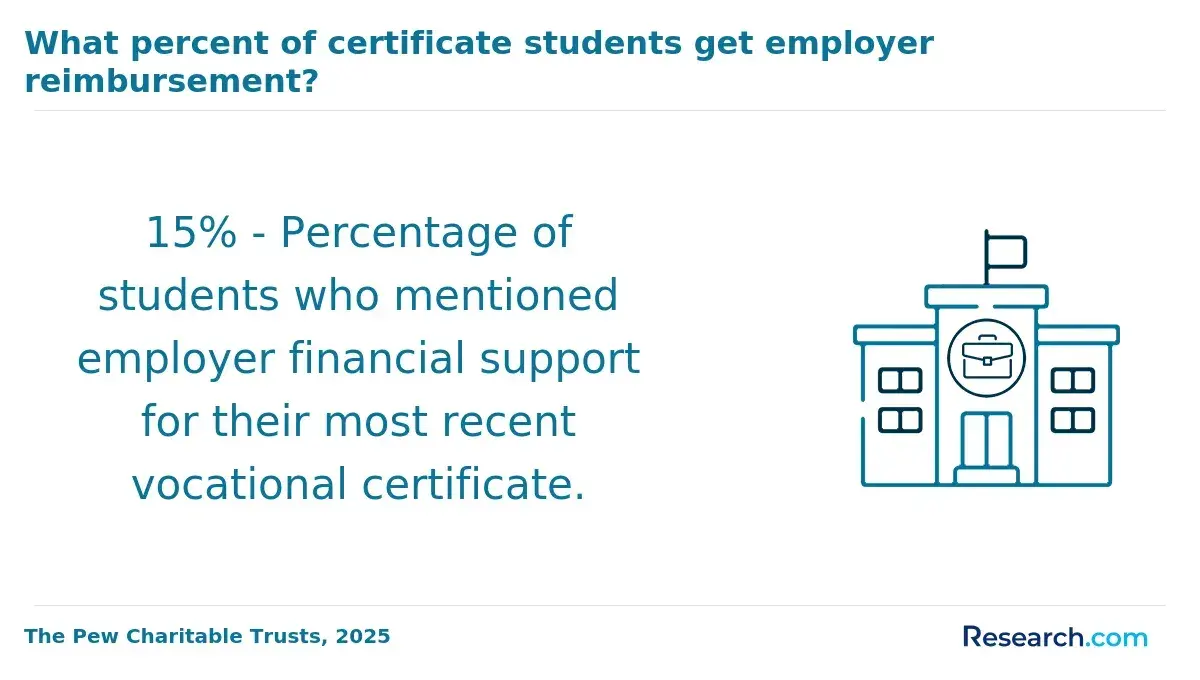
Graduates of accredited online management bachelor's programs typically start their careers with median salaries between $45,000 and $55,000, which aligns closely with figures for on-campus graduates from many public universities. Mid-career earnings-usually reached after five to ten years-tend to range from $75,000 to $90,000, reflecting the benefits of experience and skill development rather than the mode of degree delivery.
- Median Starting Salary: Online program graduates generally earn entry-level salaries comparable to traditional students, highlighting that employers value credentials regardless of the format.
- Mid-Career Earnings: Professionals with several years in the field often see income growth into the $75,000 to $90,000 range, influenced heavily by accumulated expertise and leadership roles.
- Institutional Outcomes: Data from sources like IPEDS and transparency reports reveal employment rates exceeding 80% within six months post-graduation for budget-friendly, regionally accredited online schools, underscoring strong labor market acceptance.
What Career Paths and Job Opportunities Are Available to Online Management Bachelor's Degree Graduates?
Graduates holding an online management bachelor's degree can pursue diverse career opportunities with varying educational and certification requirements. Roles such as
- Business Manager involve overseeing operations, team coordination, and executing business plans, typically requiring only a bachelor's degree, though credentials like PMP can enhance advancement.
- Human Resources Specialist positions emphasize hiring, employee relations, and regulatory compliance; entry-level roles usually demand a bachelor's but certifications like SHRM-CP improve job prospects.
- Sales Manager jobs focus on leading sales efforts and crafting growth strategies, often requiring experience alongside a bachelor's degree-with sectors like technology and e-commerce fueling ongoing demand.
- Operations Analyst positions, which typically need a bachelor's plus familiarity with analytics tools.
- Financial Analyst roles frequently combine a management background with finance coursework, while advanced certifications such as CFA or an MBA support senior-level opportunities.
The U.S. Bureau of Labor Statistics forecasts 5% to 10% growth across these business and financial fields over the coming decade, particularly in human resources and operations management, signaling strong job security for degree holders. Career opportunities with an online management bachelor's degree expand when students select concentrations such as entrepreneurship, healthcare management, or supply chain, allowing them to tailor skills for in-demand roles and improve long-term advancement.
For those weighing costs and options, exploring financial aid and transfer credit policies is vital. Prospective students can also research the best online EdD programs as part of a broader educational strategy aimed at maximizing career outcomes and return on investment.
What Student Support Services Do Online Management Bachelor's Programs Provide to Promote Success and Retention?
Online Management bachelor’s programs provide a wide range of student support services designed to improve academic success, engagement, and retention in a flexible learning environment. These typically include:
- Academic Advising: Personalized academic advising helps students develop tailored course plans, understand degree pathways, and efficiently apply transfer credits. This one-on-one support proves vital for balancing coursework alongside personal and professional life commitments.
- Tutoring Centers: Many online management programs offer virtual tutoring services that provide targeted help on challenging subjects. These sessions, either individual or group-based, reinforce comprehension and boost academic performance.
- Writing Labs: Online writing labs assist students in honing communication skills critical for management coursework. They provide constructive feedback on papers, reports, and essays to enhance clarity and academic rigor.
- Mental Health Counseling: Telehealth-based mental health services offer accessible support to manage stress, anxiety, and other emotional challenges. Licensed counselors available via phone or video help students maintain overall well-being throughout their studies.
Data from the National Survey of Student Engagement (NSSE) and institutional reports reveal that robust student support correlates strongly with higher retention and on-time graduation rates. Such services are especially critical for working parents, veterans, and mid-career professionals seeking a structured approach to degree completion.
Is an Online Management Bachelor's Degree Respected by Employers and Recognized Across Industries?
Surveys from the Society for Human Resource Management (SHRM) and Gallup reveal growing acceptance of online management degrees by employers, especially when programs have regional or national accreditation. In sectors such as business administration, finance, and human resources, candidates with online degrees are regarded as equally qualified compared to those with traditional campus degrees, since hiring often centers on skills and outcomes rather than delivery format.
Nonetheless, certain specialized leadership roles or industries requiring strict certifications might still prioritize traditional degrees or in-person experience. Despite these exceptions, prominent companies including Deloitte, IBM, and Amazon actively seek talent from reputable online management programs, focusing heavily on applicable skills and relevant work history over how the education was delivered.
Prospective students should carefully research how potential employers in their field view online credentials. Checking institution-reported employment data and confirming program accreditation can strengthen a graduate's competitiveness. This targeted approach helps balance concerns about lingering stigma with practical career advancement strategies.
- Employer Acceptance: SHRM and Gallup findings demonstrate that most employers value accredited online management degrees comparably to on-campus ones, especially in business-related fields.
- Industry Variation: While many sectors treat online and traditional degrees equally, specialized leadership or highly regulated careers may still favor traditional educational paths.
- Major Recruiters: Leading firms like Deloitte, IBM, and Amazon openly consider applicants with online management credentials, prioritizing proven skills and work experience.
- Accreditation Importance: Obtaining degrees from accredited programs with transferable credits increases trust among employers and graduate schools.
- Informed Choices: Evaluating employer preferences within the targeted industry ensures the selected program aligns with long-term career goals.
What Accreditation Standards Should an Online Management Bachelor's Program Meet to Be Considered Legitimate?
Accreditation is a vital factor when choosing an online management bachelor's degree, as it directly affects credit transferability, employer recognition, and graduate school eligibility. Regional accreditation holds higher prestige than national accreditation because it offers broader acceptance and more flexible credit transfers. In contrast, national accreditation typically applies to vocational or religious institutions and may limit recognition and transfer options.
The U.S. Department of Education officially recognizes six regional accrediting agencies for evaluating legitimate colleges and universities:
- HLC: Higher Learning Commission
- SACSCOC: Southern Association of Colleges and Schools Commission on Colleges
- NECHE: New England Commission of Higher Education
- MSCHE: Middle States Commission on Higher Education
- NWCCU: Northwest Commission on Colleges and Universities
- WSCUC: WASC Senior College and University Commission
Prospective students can verify a program's accreditation status through trusted databases maintained by the Council for Higher Education Accreditation (CHEA) or the U.S. Department of Education (ED). These tools ensure the institution meets national quality standards.
Although no accreditation is exclusively tailored to management bachelor's degrees, some business schools maintain programmatic accreditation from the Accreditation Council for Business Schools and Programs (ACBSP) or the Association to Advance Collegiate Schools of Business (AACSB). Such accreditations signal enhanced academic quality and can improve reputation and career prospects.
Attending an unaccredited or lapsed-accreditation program entails serious risks, including loss of eligibility for federal financial aid, difficulties transferring credits, and limited employer acceptance. Approximately 85% of employers now prefer candidates holding degrees from regionally accredited institutions, underscoring the importance of accreditation in the job market.
How Long Does It Take to Complete an Online Management Bachelor's Degree, and What Factors Affect the Timeline?
The typical online bachelor's degree in management requires approximately 120 semester credits, generally completed over four years following a traditional academic calendar. However, the actual time-to-completion varies widely due to factors affecting duration of online management degree programs, including course format, enrollment intensity, prior credits, and program flexibility. Many online programs incorporate accelerated course formats to help students finish sooner.
Accelerated formats commonly compress 16-week semesters into intensive eight-week sessions, enabling year-round enrollment. For instance, Southern New Hampshire University's online management degree employs eight-week courses throughout the calendar year, allowing motivated students to graduate in about 2.5 to 3 years. Another significant pathway is competency-based education (CBE), which focuses on skill mastery rather than seat time.
Western Governors University offers CBE programs where students progress by demonstrating competency, often finishing in under two years. Year-round study options further shorten timelines by eliminating long breaks and reducing opportunity costs related to delayed employment or advanced degree entry.
Working parents, military veterans leveraging transfer credits, and mid-career professionals should carefully weigh their personal circumstances, balancing course load intensity with life responsibilities. Prior credits from previous college coursework, military training, or work experience can substantially reduce the total required credits, accelerating completion.
Reducing time-to-degree minimizes both direct tuition expenses and the lost income associated with postponing full-time work or career advancement. For those comparing financing options, researching affordable programs like those listed at online MBA no GMAT low cost can highlight cost-efficient pathways.
- Credit Requirements: Typically, an online management bachelor's degree involves about 120 credits, usually completed over four years but modifiable by program design and student pace.
- Accelerated Courses: Eight-week course formats offered year-round allow students to finish sooner by taking more intensive classes without losing instructional quality.
- Competency-Based Education: Programs like those at Western Governors University let students advance by demonstrating skills, often shortening time-to-degree significantly.
- Transfer Credits: Previous college credits, military training, or work experience can reduce total required coursework, speeding up completion.
- Personal Circumstances: Factors such as work commitments, family responsibilities, and learning preferences influence whether a student pursues a faster or more extended timeline.
What Financial Aid, Scholarships, and Tuition Assistance Are Available for Online Management Bachelor's Students?
Financial aid options for online management bachelor's degree students can substantially ease the cost of education. Using FAFSA and College Board data highlights four primary types of aid worth exploring early during enrollment to maximize benefit.
- Federal Pell Grants: These need-based grants help low- and moderate-income students and require no repayment. They are awarded based on FAFSA information and can cover a considerable portion of tuition expenses.
- Direct Subsidized and Unsubsidized Loans: Provided by the federal government, subsidized loans do not accrue interest while you study, but unsubsidized loans begin accruing interest immediately. Both have flexible repayment options and competitive rates.
- Institution-Specific Scholarships: Many colleges offer scholarships specifically for online management students. Examples include the AMBA Online Management Excellence Scholarship, awarding up to $5,000 annually based on academic merit and leadership; the National Society of Leadership and Success Scholarship, giving $1,000 to $3,000 for active members pursuing online management degrees; and the California College Grant Program, offering up to $4,000 for eligible in-state online students.
- State Grant Programs: These grants support residents enrolled in in-state online institutions, often with eligibility tied to residency and enrollment status.
Completing the Free Application for Federal Student Aid (FAFSA) as soon as possible after October 1 is critical since most federal aid, state grants, and many scholarships depend on it and are awarded on a first-come, first-served basis.
Combining financial aid sources-grants, scholarships, employer tuition assistance programs, and federal work-study opportunities-is key to reducing out-of-pocket costs. Tuition assistance programs for management students in the US often help working professionals balance education with career advancement. Work-study allows students to earn income while gaining relevant experience.
For military veterans, recent graduates, working parents, or mid-career professionals, layering these options strategically makes pursuing an online management bachelor's degree more affordable and achievable. Prospective students should also research comparable accredited programs such as ASHA approved online speech pathology programs to understand financial aid dynamics across disciplines.
What Are the Admission Requirements for Online Management Bachelor's Degree Programs?
Online management bachelor's programs differ significantly in their admissions criteria based on institutional selectivity. More competitive programs often expect applicants to hold a minimum GPA of around 3.0 from high school or previous college coursework. In contrast, open-enrollment schools typically have more flexible standards, accepting students with GPAs closer to 2.0 or simply requiring a high school diploma or GED.
All programs mandate a high school diploma or equivalent, such as a GED. Some selective institutions may request SAT or ACT scores, but many online management degrees now offer test-optional policies, easing the application process for those who opt not to submit standardized test results.
Prerequisite courses vary widely. Competitive programs often require foundational subjects such as mathematics, English, or introductory business classes. Open-access schools generally have minimal to no prerequisites, broadening access for diverse applicants.
- GPA Requirements: Competitive programs generally require 3.0 minimum; open-access schools maintain lower or no strict thresholds.
- High School or GED: Essential for all applicants; GED is widely accepted as equivalent.
- Standardized Tests: Some selective programs ask for SAT/ACT scores; many accept test-optional applications.
- Prerequisite Coursework: May include math, English, or business basics for competitive programs.
- Admissions Timeline: Rolling or continuous admissions are standard in online management degrees, offering flexibility advantageous for working adults and career changers.
- Strengthening Applications: Applicants with weaker qualifications can improve competitiveness by completing community college courses, earning professional certificates, or submitting strong letters of recommendation.
How Should Prospective Students Evaluate and Choose the Right Online Management Bachelor's Degree Program for Their Goals?
Choosing an online management bachelor's program involves careful examination of several vital factors to match your educational and career objectives.
- Accreditation: Ensure the program holds regional accreditation and endorsements from recognized business education organizations to guarantee credit transfer, employer respect, and federal aid access.
- Cost and ROI: Look beyond tuition to include technology fees, proctored exam charges, textbooks, and any mandatory campus residencies. Utilize resources like the U.S. Department of Education's College Scorecard to evaluate net costs and graduates' earning potential.
- Program Format and Flexibility: Choose programs with schedules and delivery methods that accommodate work, family, or military duties without sacrificing learning quality.
- Career Outcomes Data: Investigate graduate employment rates, typical roles, and relationships with employers to assess the program's effectiveness in preparing students for management careers.
- Student Support Services: Confirm availability of advising, tutoring, career counseling, and technical help crucial for successful online study.
- Transfer Credit Policies: Verify acceptance of prior coursework, military training, or certifications to shorten time and reduce costs toward your degree.
Comparisons become more precise when using tools such as the IPEDS Data Center and institution-specific net price calculators. To progress toward enrollment, consider these actions:
- Schedule: Set up meetings with admissions counselors to get detailed program information and uncover hidden expenses.
- Request: Obtain personalized net price quotes that incorporate financial aid and transfer credits.
- Review: Track financial aid deadlines and eligibility to optimize funding opportunities.
- Audit: Assess previously earned credits or service records to confirm transferability and avoid duplication.
- Set: Choose your enrollment timeline thoughtfully to align with your personal and professional commitments.
What Graduates Say About the Value of Their Online Management Bachelor's Degree
- Reign: "Choosing the online management bachelor's degree program was a deliberate decision to balance my full-time job and studies. The affordability of the program made it accessible without burdening me with student debt-an investment that paid off as I secured a promotion within a year. This degree truly empowered me to take on leadership roles confidently."
- Yousef: "Reflecting on my journey, the online management bachelor's degree offered unmatched flexibility that suited my hectic schedule as a parent. The program's practical curriculum and cost-effective nature provided great value-making every dollar and hour worthwhile. Professionally, it opened doors to new opportunities and expanded my network significantly."
- Logan: "My experience in the online management bachelor's degree program was deeply professional-from the structured coursework to the real-world skills I gained. The cost was reasonable compared to traditional programs, delivering impressive return on investment through enhanced career prospects. This degree transformed my approach to leadership and strategic thinking in the workplace."
Other Things You Should Know About Management Degrees
Online management bachelor's programs typically use learning management systems to deliver coursework, combining video lectures, reading materials, discussion boards, and quizzes. Students can often access content asynchronously, allowing flexibility for those balancing work or family commitments. Interaction with instructors and peers usually occurs through virtual office hours, group projects, and forums, providing a collaborative environment despite the remote format.
In 2027, common concentrations for an online Management bachelor's degree include Human Resource Management, Operations Management, Project Management, and Marketing. These specializations allow students to tailor their education to align with specific career goals and industry demands.
Online management programs often accept a significant portion of transfer credits from accredited institutions, commonly up to 60-75% of the total degree requirements. Military veterans and working adults may also receive credit for prior learning experiences, such as professional certifications or workplace training, through portfolio assessments or standardized exams. However, transfer policies vary by school, so verifying specific credit transfer limits is essential before enrolling.
Time management and staying motivated are among the most common challenges for online management students, especially for those balancing career and family. Technical issues and feelings of isolation can also impact the online learning experience. Developing a disciplined study routine, actively engaging in virtual classes, and utilizing available support services like tutoring or counseling can help students overcome these obstacles.
References
- Quality Standards and Accreditation of Distance Education Programs in a Pandemic - OJDLA https://ojdla.com/articles/quality-standards-and-accreditation-of-distance-education-programs-in-a-pandemic
- 10 Career Paths to Explore After an Online BA - Parul University https://paruluniversity.online/blogs/career-options-after-online-ba-degree/
- Are Online Degrees Accredited? How to Identify Quality Distance Learning Programs https://www.umassglobal.edu/blog-news/online-degrees-accredited-identify-quality-distance-learning-programs
- A Guide to Accredited Online Business Administration Programs https://www.aiuniv.edu/degrees/business/articles/a-guide-to-accredited-online-business-administration-programs
- Criteria for Accrediting Computing Programs, 2025 - 2026 - ABET https://www.abet.org/accreditation/accreditation-criteria/criteria-for-accrediting-computing-programs-2025-2026/
- How to Choose the Right Online Degree Program for Your Goals https://thestartupmag.com/how-to-choose-the-right-online-degree-program-for-your-goals/
- What accreditations matter for online business schools? https://online.edhec.edu/en/what-accreditations-matter-for-online-business-schools/
- Is an Online Degree Worth It? Pros and Cons Explained https://manavrachnaonline.com/blogs/is-an-online-degree-worth-it-prons-cons/
- Are Online Degrees Respected by Employers? https://www.collegetransitions.com/blog/are-online-degrees-respected-by-employers/
- ROI of Online Degrees in 2025: Cost, Benefits, Career Impact https://www.pwmedharthi.com/blogs/guide/roi-of-online-degrees


