
2027 How to Finish an Online Management Bachelor's Degree Faster

Co-Founder and Chief Data Scientist
Many students juggling full-time jobs and family responsibilities find it challenging to finish an online management bachelor's degree promptly. Lengthy program durations often lead to higher costs and delayed career advancement-an issue intensified by the fact that nearly 40% of online bachelor's degree students take more than six years to graduate. The extended timelines can diminish motivation and increase financial strain. This article explores proven strategies to cut down completion time, including maximizing transfer credits, leveraging prior learning assessments, and selecting accelerated course formats. It aims to equip working adults and career changers with actionable guidance to finish their degrees faster and advance professionally.
Key Things to Know About Finishing an Online Management Bachelor's Degree Faster
- Leverage transfer credits from community colleges and earn prior learning assessments to reduce required coursework-up to 30% of credits can typically be transferred in online management degrees.
- Enroll in accelerated courses and year-round terms-many programs offer 5 to 8-week classes that condense material, allowing completion up to 25% faster than traditional semesters.
- Optimize financial aid opportunities including employer tuition assistance and military benefits-these resources ease costs and encourage faster progression through degree requirements.
What Are the Fastest Management Online Bachelor's Degree Programs Available Today?
The speed at which students complete an online management bachelor's degree depends heavily on specific program features and institutional policies. Key factors that accelerate progress include credit load, transfer policies, self-paced formats, and accelerated schedules. Programs allowing heavier course loads or offering 8- to 12-week accelerated sessions help students finish degrees faster than traditional semester systems. Generous transfer credit policies-accepting community college credits, military training, professional certifications, or exams like CLEP-can significantly reduce required coursework. Self-paced programs let students move through content at their own speed, eliminating delays between terms.
- Accelerated Term Programs: Schools operating on shortened academic terms, such as 5- to 8-week courses, enable multiple terms annually-sometimes six instead of the typical two or three-supporting faster degree completion.
- Credit-By-Examination Programs: These programs allow students to earn credits by passing exams like CLEP or DSST, bypassing introductory courses and reducing overall credit load.
- Competency-Based Education (CBE): CBE focuses on demonstrated mastery rather than seat time, letting students advance after proving competencies through assessments and portfolios at their own pace.
Program lengths vary-traditional online management bachelor's degrees typically take four years, while accelerated formats can cut completion to two or three years. Accreditation remains critical for recognized credentials and financial aid eligibility but does not inherently affect speed. Working adults seeking the fastest online management bachelor's degree programs should verify current offerings and transfer policies directly with schools, as these often change.
For those exploring top accelerated management degree programs online, also consider related fields to broaden career options-for instance, an AI degree online can complement your management expertise and fast-track career growth.
How Does Transfer Credit Acceptance Accelerate Your Management Degree Timeline?
Transfer credit evaluation plays a vital role in shortening the completion time for an online management bachelor's degree by recognizing academic work previously completed. When transfer credits are accepted, students avoid repeating general education or major courses-accelerating their path toward advanced management topics and graduation.
- Articulation Agreements: Numerous institutions establish formal articulation agreements with community colleges or other universities to define clear credit transfer pathways. These agreements expedite the evaluation process by pre-approving specific courses as equivalent, allowing students to apply them directly toward their management degree requirements.
- Credit Equivalency Reviews: For courses not covered by articulation agreements, universities complete credit equivalency reviews. Admissions or registrar offices assess how transfer courses compare to their own curriculum-examining content, level, and relevance to management studies-to determine which credits transfer.
- Maximum Transfer Credit Limits: Most schools set a cap on transfer credits-commonly between 60 and 90 semester credit hours of the typical 120 required for a bachelor's degree. Awareness of this limit helps students plan how many prior credits count, potentially halving their remaining time, especially when entering with an associate degree or professional coursework.
- Examples of Time Savings: Community college graduates transferring an associate degree can often apply two years of credits toward their bachelor's, effectively cutting their remaining timeline in half. Students with prior relevant coursework or professional training may shorten degree completion by avoiding duplication of foundational classes. Policies on transfer credit vary widely; therefore, prospective students should consult their institution's registrar or admissions office for precise guidance to maximize credit acceptance. Working adults and career changers benefit greatly by understanding these transfer credit policies for online management degrees to accelerate their educational goals efficiently. For those exploring accelerated educational paths, there are also affordable options across different fields including engineering-consider reviewing online engineering degree programs as part of a broader strategy for completing degrees faster.
Can Prior Learning Assessment (PLA) Help You Finish Your Management Degree Sooner?
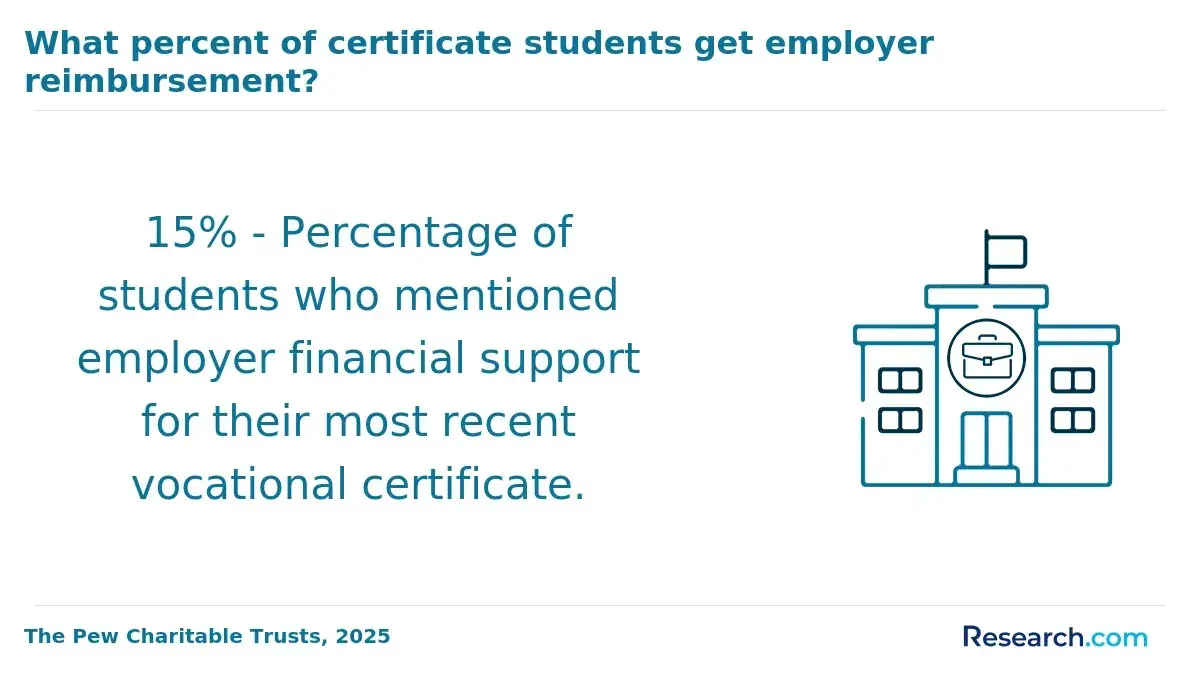
Prior Learning Assessment (PLA) offers a valuable way for students to convert prior knowledge and experience into college credit-potentially speeding up completion of an online management bachelor's degree. PLA acknowledges learning gained through work, training, military service, or independent study, allowing students to bypass some required courses.
- Portfolio Assessment: Students prepare a detailed portfolio showcasing relevant work experience, professional training, certifications, and projects tied to management topics such as leadership and organizational behavior. Faculty review these portfolios to assess whether the documented learning aligns with course objectives.
- CLEP Exams: The College-Level Examination Program provides standardized tests in areas like business fundamentals and management principles. Earning passing scores can grant credit without enrolling in corresponding classes.
- DSST Exams: These tests cover subjects including business ethics and organizational structures, offering additional opportunities to earn credit by demonstrating mastery of course material.
- Military Credit: Veterans or service members may receive credit for military training, leadership development, and technical courses, which frequently apply toward management degree requirements.
- Challenge Exams: Some institutions allow students to take faculty-designed exams to prove competency in specific courses and earn credit directly.
Prior learning most often recognized for PLA credit in management includes leadership and supervisory experience, project management, budgeting, financial acumen, and strong communication skills. Certifications or documented professional achievements in these areas enhance a student's ability to qualify for credit.
Credit acceptance policies vary widely. Students should consult academic advisors or admissions staff and carefully study their target schools' PLA guidelines before applying. When constructing a portfolio, it is important to clearly map experiences to course outcomes and include tangible evidence such as work samples, evaluations, or performance records to strengthen the application.
A professional who undertook an online management bachelor's degree shared that navigating PLA was both challenging and rewarding. "I was juggling a full-time job and family commitments," he recalled, "so the ability to translate years of hands-on experience into credit was a game changer." He described the portfolio preparation as "detailed and time-consuming," but emphasized how linking real-world projects to academic criteria boosted his confidence. "It wasn't just about saving time-I felt my experience was finally recognized as legitimate learning." This process helped him reduce course load and graduate sooner than anticipated.
How Can CLEP and DSST Exams Cut Down Your Management Degree Completion Time?
CLEP and DSST exams serve as credit-by-examination options that can significantly accelerate management degree completion with CLEP DSST credits by allowing students to bypass certain courses. These exams often cover foundational topics like business fundamentals, principles of marketing, information systems, plus general education subjects such as English composition, college algebra, and social sciences.
- Registration Process: Candidates register through authorized centers-including colleges or military education offices-with most registrations handled online via official CLEP and DSST portals.
- Exam Fees: Typically, exam costs range from $80 to $130, with some military or institutional programs providing financial assistance.
- Score Requirements: Institutions usually require passing scores aligned with the American Council on Education's recommendations, often between 50 and 60 for CLEP tests, while DSST benchmarks vary.
- Credit Awarding: Successful exams translate into college credits that correspond to specific courses within management programs, reducing the number of classes needed.
- Advisory: Students should consult both their target school's accepted CLEP and DSST exams list and the ACE credit recommendation guide before registering to ensure credit transferability.
Those interested in accelerating their studies might also explore options like a finance degree online to complement their management coursework and broaden career opportunities.
What Is the Role of Accelerated Course Formats in Finishing a Management Degree Faster?
Accelerated courses condense the same material from a traditional 15-week semester into 5, 6, or 8 weeks, increasing the pace and intensity of learning. This structure demands quick comprehension, frequent assignment submissions, and more regular assessments, putting significant cognitive pressure on students. To succeed, learners need excellent time management and self-discipline-breaking projects into daily goals helps maintain steady progress and prevents falling behind. Frequent communication with instructors and classmates can also offer crucial support and clarification.
Before enrolling, students should honestly assess their personal and professional situations, especially work hours and family responsibilities. Those with unpredictable schedules or heavy caregiving duties may find accelerated formats challenging to balance alongside these commitments.
Many online management programs offer back-to-back accelerated terms throughout the year, enabling continuous enrollment without breaks. Students can therefore move rapidly through their coursework and graduate sooner than traditional calendars allow. Data from the National Center for Education Statistics reveals a 12% rise over the past five years in adult enrollment in compressed courses, highlighting their growing appeal among degree seekers aiming for faster completion.
- Condensed Learning: Accelerated courses cover the same content in less than half the time, requiring quicker information processing and increased engagement.
- Cognitive Load Management: The fast pace necessitates strong focus and effective scheduling to absorb material without burnout.
- Readiness Assessment: Careful evaluation of work and family obligations ensures students can dedicate sufficient energy to demanding terms.
- Continuous Enrollment: Successive accelerated terms allow uninterrupted progress year-round.
- Rising Demand: Growing enrollment in compressed programs reflects their effectiveness for accelerated degree paths.
When I spoke with a professional who completed her online management degree through accelerated terms, she described the experience as intense but rewarding. She noted how critical it was to create a structured daily routine given the "nonstop flow" of coursework and tight deadlines. Initial weeks tested her resilience, especially balancing a full-time job and family, but her sustained effort paid off by enabling early graduation. She emphasized that accelerated formats "push you harder, but also prepare you better" for real-world management challenges, making the faster degree timeline a worthwhile investment of discipline and focus.
How Does Enrolling Full-Time vs. Part-Time Affect Your Management Degree Timeline?
- Full-Time Enrollment: Taking 12 to 15 credits per semester speeds up degree completion. For instance, with 60 credits left, enrolling full-time at 15 credits per term means finishing in about four semesters-roughly two years. This option suits those who can focus heavily on their studies without risking burnout.
- Part-Time Enrollment: Students selecting 6 to 9 credits per semester extend their timeline. Using 60 remaining credits, taking 6 credits each term could stretch graduation to 10 semesters or five years. This route offers flexibility for professionals, military members, and caregivers who juggle multiple commitments but requires patience for degree completion.
- Financial Aid Implications: Aid eligibility often depends on credit load, with many grants, scholarships, and loan deferments requiring at least half-time status, usually 6 credits per semester. Full-time students may receive larger aid packages but must maintain satisfactory academic progress (SAP) to keep funding.Part-time students might face smaller aid amounts but can better balance work and studies, reducing risks of withdrawal or academic difficulties that affect SAP.
Balancing Speed with Sustainability: Moving quickly through a management degree can reduce living expenses and enable earlier career advancement. However, heavy course loads might strain working adults, potentially impacting grades and well-being. Conversely, part-time study allows a manageable pace for those working or with family duties, ensuring steady progress without overwhelming pressure.
Are There Self-Paced Management Online Degree Programs That Let You Move at Your Own Speed?
Self-paced bachelor's degree programs in management often use competency-based education (CBE) models to allow students to move through coursework at their own speed. This mastery-driven approach emphasizes demonstrating skill and knowledge over traditional credit hours or semester pacing. Students advance by passing assessments or completing projects that confirm understanding, enabling them to test out of familiar material and accelerate degree completion.
Institutions like Western Governors University and Capella University are well-known for offering management degrees with this flexible format. Their curricula focus on specific competencies students must master before progressing-giving them more time on challenging topics and less on content they already know.
Success in self-paced management programs depends on strong self-discipline and excellent time management skills. Without fixed class times and deadlines, students must proactively organize their study schedules, maintain motivation, and consistently meet personal goals.
Not all management degree programs provide a competency-based option, so prospective students should ask admissions advisors directly whether a self-paced CBE path is available. Confirming this upfront helps ensure the program fits individual learning styles and completion goals.
- Competency-Based Model: Progress requires mastery of targeted skills, enabling students to bypass known material through assessments.
- Institution Examples: Schools like Western Governors University offer management degrees with self-paced formats.
- Self-Discipline Required: Success depends on students' ability to manage time and stay motivated without fixed schedules.
- Admission Advice: Verify CBE availability with admissions before applying to align program choice with your learning style.
What Academic Resources Help Online Management Students Complete Their Degree on Time?
Online academic support plays a vital role in helping students accelerate degree completion, especially for those juggling work or other commitments. Proactively engaging with these degree completion resources for online management students can prevent course failures or withdrawals-setbacks that often extend time to graduation.
- Academic Advisors: Maintaining regular communication with academic advisors ensures students have an up-to-date degree plan. Advisors assist in selecting appropriate courses each term, monitoring academic progress, and navigating university policies to avoid missing essential requirements.
- Tutoring Services: Many institutions offer specialized tutoring for management coursework, including quantitative subjects like statistics and finance. Early use of tutoring services can clarify challenging concepts before they become obstacles to passing classes.
- Writing Centers: Strong writing skills contribute significantly to success in management programs. Writing centers provide personalized feedback on assignments and guidance on effective report structuring, improving writing quality to meet course standards.
- Library Access: Digital libraries and research databases provide crucial access to scholarly articles, textbooks, and case studies for coursework and projects. Familiarity with these resources supports more efficient research and reduces time spent locating credible information.
- Orientation Programs: Participating in online orientation sessions introduces students to campus systems, available tools, and study strategies tailored for remote learners. These programs build a foundational understanding that eases adjustment to an accelerated online management degree.
- Digital Resource Libraries: Access to curated collections of videos, tutorials, and practice exercises helps reinforce learning beyond class hours. Such resources are particularly beneficial for working adults balancing studies with other responsibilities.
By actively leveraging these academic support options, students stay aligned with their academic goals and mitigate delays to graduation. Similarly, exploring opportunities such as transfer credit evaluations and prior learning assessments can further shorten the path to a management degree. For those considering additional credentials, exploring certification programs can complement management studies and enhance career prospects.
How Does Choosing the Right Management Program's Curriculum Structure Impact Your Graduation Speed?
Choosing the right management program's curriculum structure significantly influences how quickly you can earn your degree. Different programs vary widely in the balance of core requirements, electives, prerequisite chains, and general education clusters-each factor can either accelerate or slow your path to graduation. This balance is especially important when exploring accelerated management bachelor's degree curriculum options.
- Core Requirements: Programs with a high number of mandatory core courses often offer less scheduling flexibility. You must complete all these classes before advancing, which can extend your timeline if courses are offered infrequently or have strict sequencing.
- Electives: Having more electives allows you to tailor your schedule and leverage course availability. Programs with a diverse range of electives may enable faster degree completion by letting you bypass narrowly focused or hard-to-find courses.
- Prerequisite Chains: Lengthy prerequisite chains create natural bottlenecks even in accelerated formats. Delays often occur if you cannot enroll in advanced courses without finishing a series of lower-level classes. This is crucial in management programs with specialized tracks and directly impacts the overall impact of management program curriculum on degree completion time.
- General Education Clusters: Some institutions group general education requirements into clusters to be taken concurrently or interchangeably. This structure can speed progress by reducing rigid course ordering but varies widely by school.
Before enrolling, prospective students should carefully map out their entire degree plan using the institution's official catalog or degree audit tool. This planning is essential for identifying potential bottlenecks and strategizing around course availability. Degree requirements may also change, so always confirm with your academic advisor to avoid surprises that could delay graduation. Those seeking an affordable option may also explore the affordable library science degree online as a resource for understanding cost-effective degree pathways.
Can Summer and Winter Sessions Help You Finish Your Online Management Degree Early?
Enrolling in summer and winter sessions offers a strategic way to earn extra credits beyond the traditional fall and spring semesters, accelerating progress in an online management degree. These inter-sessions are typically shortened-lasting 4 to 8 weeks-allowing students to complete courses more quickly. Most schools limit credits during these terms to between 6 and 9, which can meaningfully increase yearly credit accumulation and reduce overall time to graduation.
Tuition for inter-sessions may vary-some institutions charge a different rate per credit hour, while others maintain consistent pricing year-round. Financial aid often remains available during these sessions, but students should verify with their financial aid office to ensure eligibility, especially since some aid requires full-time enrollment across all terms.
Courses best suited for inter-sessions are usually electives, general education classes, or prerequisites that adapt well to an accelerated schedule without heavy reliance on in-person collaboration. Core major courses that demand extensive group work or intensive study may be less practical in a shortened format.
Because inter-session policies differ widely by institution and program, confirming specific offerings annually is essential to maximize these opportunities.
- Credit Limits: Summer and winter terms often allow 6-9 credits, letting students significantly boost yearly course loads and shorten degree timelines.
- Tuition Variability: Costs may differ from regular semesters, with some schools charging per credit or applying flat fees; understanding these differences aids in budgeting.
- Financial Aid Availability: Federal and school-based aid frequently applies-students should confirm requirements and eligibility for inter-session enrollment.
- Course Suitability: Electives and general education courses fit compressed schedules better than intensive core management classes requiring extensive interaction.
- Institutional Differences: Each academic year, students must check their program's inter-session options and policies to plan effectively.
What Financial Aid Options Are Available to Help Online Management Students Graduate Without Delay?
Financial challenges often cause students to postpone finishing their degrees, making it vital for online management students to utilize all financial aid opportunities to stay on track.
- Federal Grants: These need-based awards from the government do not require repayment. Students must submit the Free Application for Federal Student Aid (FAFSA) annually, with early and prompt filing necessary due to limited funding for some grants.
- Institutional Scholarships: Colleges frequently provide scholarships targeted at management students that consider academic performance, leadership, or financial need. Exploring your school's scholarship portal and applying before deadlines can increase your chances of receiving aid.
- Employer Tuition Assistance: Many working adults qualify for tuition reimbursement or financial support via employer programs. Coordinating with human resources and completing courses within specific timeframes are often required to access these benefits.
- Military Benefits: Active service members, veterans, and their families can benefit from programs like the GI Bill, which covers substantial tuition expenses. Contacting your institution's veteran affairs office helps clarify eligibility and application steps.
Additional scholarships from professional groups and private organizations supplement institutional awards-regularly searching these sources is recommended. Maintaining a minimum credit load is typically mandatory to keep financial aid, connecting back to enrollment strategies discussed previously. Staying informed about these requirements supports uninterrupted progress toward degree completion.
What Graduates Say About How to Finish an Online Management Bachelor's Degree Faster
- Reign: "The acceptance of transfer credits truly accelerated my journey through the online management bachelor's degree-knowing that my previous coursework counted made me feel valued and kept me motivated. The option to take CLEP and DSST exams was a game changer and helped me graduate faster than I ever imagined possible. I appreciated how the accelerated course formats were structured for busy professionals like me who needed flexibility without sacrificing quality."
- Yousef: "Choosing the right curriculum within the program allowed me to tailor my studies toward leadership and strategy, which directly aligned with my career goals. The self-paced nature relieved so much pressure-I could focus deeply when life allowed and move quickly when time freed up. Financial support options were also a big help, making it manageable to invest in my education without the stress of overwhelming debt."
- Logan: "Completing the management bachelor's degree online opened doors to several professional opportunities that I might not have accessed otherwise. The learning assessments were rigorous but fair, helping me apply theoretical concepts to real-world workplace challenges. I found the program's focus on practical skills really valuable for progressing in my career, and the experience left me feeling confident and prepared."
Other Things You Should Know About Management Degrees
Employer tuition reimbursement programs can fast-track your degree by covering costs for accelerated courses, summer sessions, or additional credits. Maximize this benefit by planning courses aligned with your job to minimize time and optimize skill acquisition.
Effective time management for online Management students involves creating a consistent study schedule that fits around work and personal commitments. Breaking coursework into small, manageable tasks and using tools such as digital calendars or apps to set deadlines helps maintain steady progress. Prioritizing assignments based on due dates and difficulty ensures that students stay on track without feeling overwhelmed.
A strong GPA can open opportunities for enrolling in accelerated courses or advanced classes, which are sometimes restricted to students demonstrating high academic performance. Keeping a good GPA also makes students eligible for academic honors and scholarships that may cover tuition for additional credits. Furthermore, universities may allow students with strong GPAs to test out of certain subjects, shortening the path to degree completion.
Certain professional certifications-such as the Project Management Professional (PMP) or Certified Manager (CM)-can sometimes satisfy course requirements through prior learning assessments or credit transfer. These certifications reflect practical experience and knowledge relevant to the Management field, making them valuable for accelerating degree completion. Students should consult their academic advisors to identify which certifications qualify for credit at their institution.
References
- College Credit by Examination (CLEP https://www.dantes.mil/clep/
- How to choose the right management training programme https://lifetimetraining.co.uk/insights/how-to-choose-the-right-management-training-programme/
- CLEP and DSST Exams: How to Graduate College Early - Peterson's https://www.petersons.com/blog/clep-and-dsst-exams-how-to-graduate-college-early/
- Can You Transfer Credits From a Completed Degree? https://www.edvisorly.com/student-guides/can-you-transfer-credits-from-a-completed-degree
- Picture an Online Degree at Your Own Pace https://www.snhu.edu/about-us/newsroom/education/picture-an-online-degree-at-your-own-pace
- Top MBA and PGDM College in Hyderabad, Telangana, India - IPE https://www.ipeindia.org/why-choose-management-courses-after-graduation-career-scope/
- Can I Finish My Degree Online? What to Know Before You Decide https://learn.neumann.edu/neuperspectives/can-i-finish-my-degree-online-what-to-know-before-you-decide
- How the College Credit Transfer Process Works and How it Can Be Improved | ACE Blog https://ace.edu/blog/how-the-college-credit-transfer-process-works-and-how-it-can-be-improved/
- Taking Online Courses over Winter Break https://straighterline.com/blog/taking-courses-over-winter-break
- Can I get financial aid for an online degree? | edX https://www.edx.org/resources/can-i-get-financial-aid-for-an-online-degree


