
2027 Can You Get Financial Aid for an Online Administration Bachelor's Degree?

Co-Founder and Chief Data Scientist
Affording an online administration bachelor's degree often raises questions about eligibility for financial aid, especially for working adults balancing careers and education. Many assume that online programs have limited funding options compared to traditional campus degrees.
However, with average tuition costs ranging from $15,000 to $30,000 annually, understanding aid opportunities is crucial. Recent data shows that only 60% of online administration students apply for financial aid, missing vital support. Exploring grants, loans, employer assistance, and scholarships can substantially offset expenses.
This article examines available financial aid for online administration bachelor's degrees and guides readers to make informed funding decisions before enrolling.
Key Benefits of Financial Aid for an Online Administration Bachelor's Degree
- Financial aid significantly reduces upfront tuition costs, making online administration bachelor's degrees more affordable for many students, who otherwise might struggle to pay full price.
- Access to grants and scholarships expands educational opportunities, allowing diverse populations to pursue administration degrees without financial barriers.
- By supplementing loans with aid, students can minimize debt accumulation, easing post-graduation financial burdens and improving long-term economic prospects in administration fields.
Can You Get Financial Aid for an Online Administration Bachelor's Degree?
Financial aid is commonly available for students pursuing an online administration bachelor's degree, often on par with aid offered to traditional on-campus learners. Many accredited schools that provide online programs participate in federal and state financial aid initiatives, helping to make education more affordable for eligible individuals.
According to the National Center for Education Statistics, over one-third of college students took at least one online course in 2018, highlighting the growing acceptance of online education and its associated funding.
This demonstrates that the shift toward virtual learning has not limited students' ability to access financial support. Understanding these trends helps clarify what students can expect when seeking financial assistance for their online studies.
Access to aid for an online administration bachelor's degree depends largely on several important eligibility requirements for online administration bachelor's financial aid. Enrollment status is crucial, as most programs require students to be at least half-time to qualify for federal funding.
Additionally, the institution offering the program must be authorized to distribute federal aid, a status that most reputable online schools maintain. Maintaining satisfactory academic progress and demonstrating financial need are also general conditions affecting eligibility.
For students interested in advancing further, exploring doctoral programs available online may offer additional financial aid opportunities and educational pathways.
Do Online Administration Bachelor's Programs Need to Be Accredited for Financial Aid?
Accreditation is essential for students seeking federal financial aid in online administration bachelor's programs, as it validates the program's quality and eligibility for aid.
Over 85% of federal financial aid recipients attend institutions accredited by agencies recognized by the U.S. Department of Education (USDE) or the Council for Higher Education Accreditation (CHEA), underscoring the importance of accreditation for financial access.
Understanding the key accrediting agencies can clarify accreditation requirements for online administration bachelor's financial aid eligibility.
- Middle States Commission on Higher Education (MSCHE): Recognized by both USDE and CHEA, MSCHE accredits institutions in the mid-Atlantic region. This endorsement assures students their programs meet federal standards, enabling access to federal financial aid.
- Higher Learning Commission (HLC): Serving the central United States, HLC is acknowledged by USDE and CHEA for confirming institutional quality. Accreditation by HLC helps ensure eligibility for federal student loans and grants for online administration students.
- Southern Association of Colleges and Schools Commission on Colleges (SACSCOC): Accredited by USDE and CHEA, SACSCOC oversees schools in the southern U.S., making its recognition essential for financial aid qualification at these institutions.
- Western Association of Schools and Colleges Senior College and University Commission (WSCUC): Responsible for accrediting schools in California and Hawaii, WSCUC is recognized by USDE and CHEA. Programs accredited by WSCUC meet requirements for federal aid access.
- Accrediting Commission for Schools, Western Association of Schools and Colleges (ACS WASC): Although primarily for secondary and adult schools, ACS WASC also accredits select higher education programs, holding USDE and CHEA recognition that supports financial aid eligibility.
Prospective students can enhance affordability by confirming their online administration bachelor's program is accredited by one of these recognized agencies. Accreditation not only affects financial aid access but also ensures their degree retains value in the job market.
For those exploring cost-effective graduate options in related fields, an MLIS degree might also be worth considering.
Are International Students Eligible for Aid for Online Administration Bachelor's Degrees?
Access to financial aid is a critical concern for international students enrolled in online administration bachelor's programs. Many face obstacles related to eligibility for traditional U.S. aid, which can affect their ability to finance their education. Approximately 5% of online undergraduate students are international, underscoring the importance of understanding these funding challenges.
Key financial aid considerations include:
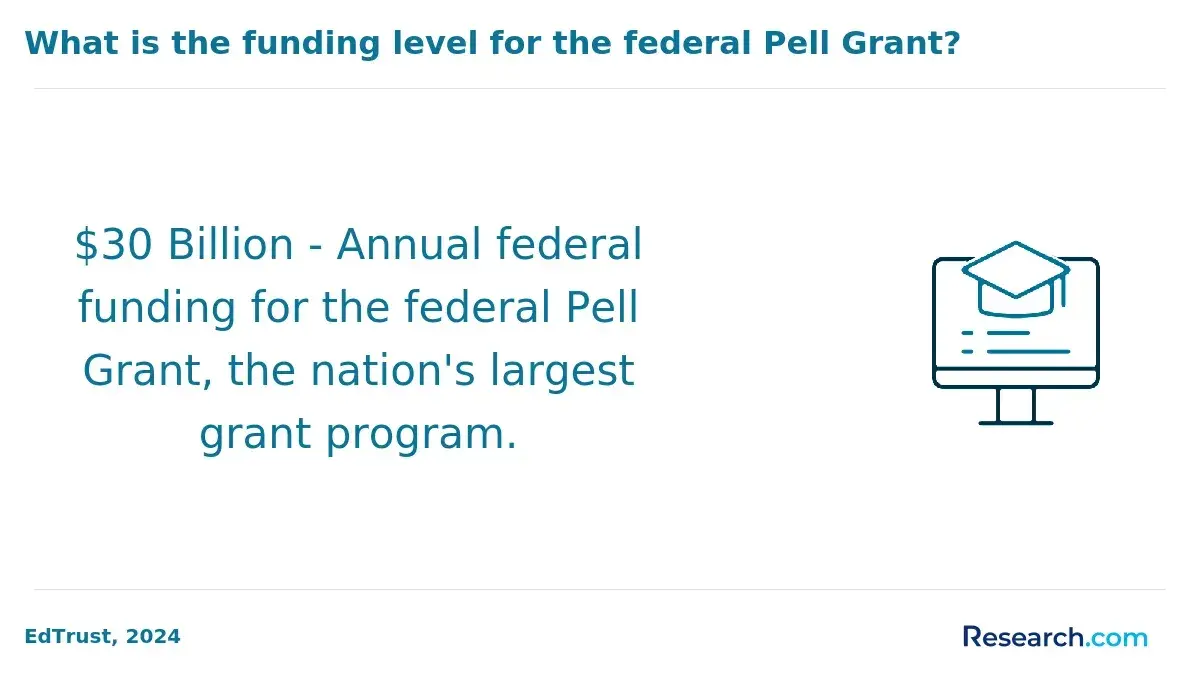
- Federal Aid Restrictions: International students are typically excluded from federal grants and loans, such as Pell Grants, limiting their access to these common resources. This makes alternative funding sources essential for managing tuition costs.
- Institutional Scholarships: Some colleges offer scholarships or grants specifically for international or online learners, though the amount and availability vary widely by school. These aid options often require direct inquiry with the institution's financial aid office.
- Alternative Funding: Private scholarships from foundations and corporations, as well as financial support from students' home countries or private lenders, can help offset expenses. These avenues may focus on certain fields of study or applicant nationalities.
- Visa and Residency Impact: Students' visa status and physical location during their studies can influence eligibility for certain scholarships or aid programs. Those studying online from outside the U.S. might not qualify for funds intended for on-campus or visa-holding students.
- Program-Specific Opportunities: Some online administration bachelor's programs develop unique grants or partnerships targeting international enrollees, making thorough research and direct communication with schools important for uncovering such options.
An international student pursuing an online administration bachelor's degree in the U.S. shared their experience with financial aid: "It was frustrating at first to learn that I couldn't apply for federal student aid like my American classmates. I had to spend months searching for outside scholarships and asking each school about their international funding."
"The toughest part was balancing time zones and paperwork from home while staying focused on my coursework. Still, the financial aid office was supportive once I reached out directly, which made a big difference." This insight highlights both the challenges and the potential for guidance when navigating aid eligibility as an international learner.
What Types of Financial Aid Are Available for Online Administration Bachelor's Degrees?
Knowing the different financial aid categories can help students reduce the costs of an online administration bachelor's degree and make education more affordable. Exploring these options also allows for smarter planning, especially when considering how to pay for tuition and related expenses.
Below are key types of financial aid relevant to students pursuing these degrees.
- Federal Aid: This includes grants and work-study programs provided by the U.S. government. Grants often do not require repayment and ease tuition burdens, while work-study opportunities enable students to earn income through part-time jobs related to their education.
- State Assistance: Many states offer their own grants or scholarships tailored to residents enrolled in online or traditional institutions within the state. These funds help reduce out-of-pocket expenses and often complement federal aid programs.
- Institutional Support: Colleges and universities frequently provide aid for students in online administration programs through grants or tuition discounts. This support depends on the school's resources and can lessen tuition costs directly.
- Military Benefits: Veterans and active service members may qualify for education benefits that cover tuition partially or fully, along with additional assistance for educational expenses related to their studies.
- Scholarships and Grants: Various scholarships and grants targeted specifically for online administration students can significantly offset costs, making it crucial to research these as part of evaluating financial aid options for online administration bachelor degrees.
Are There Scholarships for Online Administration Bachelor's Degrees?
Financial aid options are vital for students pursuing an online administration bachelor's degree, as tuition and fees can still be a substantial barrier. In fact, nearly 86% of undergraduates receive some form of financial assistance, such as grants, scholarships, or work-study programs.
Scholarships for online administration students come in various forms and help ease the cost burden. These awards can be based on achievement, financial circumstances, or program-specific criteria.
- Institutional Scholarships: Many colleges and universities offer scholarships directly to students enrolled in administration programs, rewarding qualities like leadership, academic excellence, or unique skills applicable to administration roles.
- Merit-Based Awards: These scholarships recognize strong academic performance or special accomplishments, providing financial incentives to students demonstrating high achievement.
- Need-Based Assistance: Some scholarships prioritize applicants with demonstrated financial need, ensuring that cost does not prevent capable students from pursuing their education.
- Program-Level Funding: Specific scholarships target administration disciplines, aiming to attract and retain students who show promise in this field, often available to both on-campus and online learners.
- Eligibility for Online Learners: Online students typically qualify for the same scholarships as those studying in person, reinforcing that the distance format does not limit access to financial aid.
A professional who completed her online administration bachelor's degree shared that the scholarship process was initially intimidating due to the seemingly complex criteria and competition. However, she found that persistence and thorough research unveiled several opportunities, some not widely advertised.
She recalled feeling relief and gratitude when awarded aid, which not only made the financial aspect manageable but also boosted her confidence in pursuing a demanding online program. Her experience underscores the importance of exploring various scholarship options early and applying to those aligned with one's background and strengths.
Can You Take Out Student Loans for an Online Administration Bachelor's Degree?
Student loans remain a crucial source of funding for those pursuing an online administration bachelor's degree, offering flexible borrowing options to help cover tuition and related costs. These loans are widely used across higher education, with nearly 43% of undergraduate students in the U.S. relying on borrowed funds to finance their studies, according to recent data from the National Center for Education Statistics.
The availability of student loans makes higher education more accessible by spreading the cost of attendance over time. This financial aid option is especially significant for students enrolled in online programs where upfront payments might pose a barrier.
Overall, loans contribute substantially to making online administration degrees attainable for many learners nationwide.
Federal student loans serve as the main borrowing avenue for students in online administration programs, provided their institution participates in federal financial aid programs. These loans generally feature fixed interest rates, income-based repayment plans, and protections like deferment, making them a relatively safe and manageable option.
In contrast, private loans, offered by banks and other lenders, often require credit checks and cosigners, with variable interest rates and fewer borrower safeguards. Regardless of loan type, individuals are responsible for repayment, typically after leaving school or reducing enrollment.
Access to loans for online learners typically aligns with that for on-campus students, though verifying the program's accreditation and financial aid eligibility is essential before borrowing.
How Does Employer Tuition Assistance Work for Online Degrees?
Employer tuition assistance plays a crucial role for working students pursuing an online administration bachelor's degree by helping to ease the financial burden while balancing career and education.
With many employers investing in workforce development, these benefits encourage employees to gain relevant skills that directly support their professional growth. Nearly 55% of employers in the U.S. now provide some form of tuition assistance or reimbursement, highlighting its increasing importance.
Key aspects of employer tuition assistance include:
- Program Structures: Assistance programs vary widely, typically offering a fixed annual amount or covering a percentage of tuition costs. Some employers directly pay the educational institution, while others reimburse employees after course completion.
- Eligibility Requirements: Employees usually must meet specific criteria such as a minimum length of service or a strong connection between the degree and their current or future roles within the company.
- Reimbursement vs Direct Payment: Reimbursement plans require submitting proof of successful course completion and grades, whereas direct payment reduces upfront expenses but may involve more administrative steps.
- Workforce Development Goals: Employers design tuition assistance to develop employees' skills in ways that benefit both the individual and the company, ensuring education aligns with organizational priorities.
- Policy Variability: Each organization's policies differ on coverage limits, eligible expenses, and course restrictions, so students should carefully review their employer's specific terms before enrolling.
Does Financial Aid Cover Full Tuition for Online Administration Bachelor's Programs?
Many students pursuing an online administration bachelor's degree often ask whether financial aid can cover their full tuition due to the rising costs of higher education and the appeal of flexible online programs.
According to the National Center for Education Statistics, about 45% of undergraduates report an unmet financial need, highlighting the gap between aid received and actual education expenses. These realities shape expectations around full tuition financial aid options for online administration degrees.
Several key factors influence the availability and extent of financial aid coverage:
- Limited Full Coverage: Full tuition coverage through financial aid is uncommon. Most programs offer partial aid aimed at reducing costs but rarely cover every dollar of tuition, especially when additional fees or variable pricing are involved.
- Multiple Aid Sources: Financial aid for online administration degrees typically comes from a mix of federal grants, state support, institutional aid, and private scholarships. These components combine to lessen the overall financial burden, though they usually do not eliminate it entirely.
- Institutional Variability: Different types of schools-public, private nonprofit, and for-profit-vary in their financial aid offerings and tuition structures. Some institutions provide more generous grants for online students, but this is not guaranteed across the board.
- Partial Support Emphasis: Aid packages are generally structured as supplements rather than full payments to encourage shared responsibility and ensure program sustainability, meaning students often need additional funding sources or out-of-pocket payments.
Students should approach financing their degree with realistic expectations and explore all available options to manage their educational investment effectively.
For those interested in career prospects after graduation, exploring fields related to high paying jobs in forensic psychology may offer insight into complementary or alternative career paths.
When Should I Apply for Financial Aid for Online Programs?
Timing plays a crucial role when applying for financial aid for an online administration bachelor's degree. Students need to coordinate their financial planning with enrollment cycles to optimize funding opportunities.
Federal aid applications like the Free Application for Federal Student Aid (FAFSA) open annually on October 1 for the following academic year, making early submissions essential.
According to the National College Attainment Network, nearly 25% of students who delay their applications miss out on some form of financial aid, highlighting the importance of early awareness for those considering online administration programs.
Financial aid deadlines vary significantly across institutions, making it important to research financial aid deadlines for online administration students well in advance. Many colleges align aid timelines with their academic calendars, though some schools use semester or quarter systems, or offer rolling admissions.
Early planning improves access to limited funds and allows for smoother budgeting. For students exploring options, including online associate degree programs that sometimes serve as stepping stones, understanding these timing differences can enhance financial aid outcomes.
How Long Does It Take to Get Approved for Financial Aid?
Many students pursuing an online administration bachelor's degree seek clarity on how long financial aid approval takes, as the timing directly impacts their course enrollment and ability to plan tuition payments. Understanding these timelines helps students align their budgeting and class registration effectively.
According to the National Association of Student Financial Aid Administrators (NASFAA), federal aid approval typically spans two to six weeks, though experiences can differ widely depending on the situation. This variability often influences when students decide to finalize their financial plans and commit to their studies.
The time required for financial aid approval varies due to differences across colleges, the type of aid requested, and the complexity of each student's financial background. Some institutions have automated processes that accelerate decisions, while others face delays caused by heavy application volumes or staffing constraints.
Federal aid usually follows a consistent schedule, but state and institutional grants can add layers of verification and lengthen wait times. These factors combine to create diverse financial aid timelines for online administration programs, making it important for students to check with their schools about specific expectations.
What Graduates Say About Financial Aid for an Online Administration Bachelor's Degree
- John: "Applying for financial aid was a game-changer for me because I needed support balancing my job and studies without taking on more debt. I was able to secure a combination of federal grants and scholarships specifically for online Administration bachelor's degree students. This aid didn't just ease my financial burden-it allowed me to focus on excelling academically and ultimately opened doors to management roles I hadn't previously considered."
- Denise: "I took a reflective approach when searching for financial aid, wanting to find options that aligned with my long-term career goals in administration. I found that employer tuition assistance programs were invaluable, complementing the federal student loans I qualified for. The financial aid made pursuing this degree online feasible and made it clear that investing in education can yield significant professional growth over time."
- Ezra: "The reason I applied for financial aid was simple: to make my online Administration bachelor's degree attainable without overwhelming debt. I relied mainly on work-study opportunities which helped me gain practical experience alongside my coursework. Receiving aid not only lightened the cost but also reinforced my commitment to advancing my career with the skills I developed throughout the program."
Other Things You Should Know About Administration Degrees
Yes, changes in enrollment status, such as dropping from full-time to part-time, can impact your financial aid eligibility. Many aid programs require maintaining a minimum credit load, so reducing credits might lower the amount you qualify for or cause a loss of aid altogether.
In 2027, to obtain financial aid for an online administration bachelor's degree, students must complete the FAFSA form, demonstrate financial need, be enrolled in an accredited program, and meet satisfactory academic progress. Eligibility also considers citizenship status and, sometimes, enrollment in a certain number of credit hours.
Withdrawing from courses can lead to a reduction or requirement to repay financial aid funds. Schools often perform a Return of Title IV Funds calculation, which may require returning some aid if you withdraw before completing a certain percentage of the term.
Yes, maintaining satisfactory academic progress is typically required to keep receiving financial aid. This includes meeting minimum GPA standards and completing a required percentage of attempted courses each semester or term.
References
- Guide to Employers Who Subsidize Online Education https://www.onlineeducation.com/features/employers-who-subsidize-higher-ed
- Employer Tuition Assistance Guide 2026: Get College Paid For https://marketingcollege.org/how-to-use-employer-tuition-assistance/
- Guide to Financial Aid for Online Students https://www.onlineu.com/resources/financial-planning/financial-aid
- Types of Financial Aid for Online Colleges https://www.umassglobal.edu/blog-news/types-financial-aid-online-colleges
- Accreditation Still Matters for Online Degrees | All Education Schools https://www.alleducationschools.com/blog/online-school-accreditation/


