
2027 Is an Online Administration Bachelor's Degree Worth It?

Co-Founder and Chief Data Scientist
Imagine juggling a full-time job while aiming to shift careers into administration without relocating or sacrificing income. An online administration bachelor's degree promises flexibility-but is it truly worth the investment? Recent data from the National Center for Education Statistics shows a 35% increase in enrollment in online administration programs over the past five years, reflecting growing demand for remote learning options in this field.
This article evaluates the value of an online administration bachelor's degree-examining job prospects, salary potential, accreditation, and program quality to help readers make an informed decision about their educational path.
Key Things to Know About the Value of an Online Administration Bachelor's Degree
- An online administration bachelor's degree offers flexible scheduling and transfer credit options, benefiting working parents, military veterans, and mid-career professionals pursuing long-term life goals.
- Accredited programs typically cost less than traditional degrees, with many military-friendly schools offering tuition assistance to reduce debt and improve return on investment.
- Graduates often experience stronger employment prospects in management roles and higher salaries, meeting employer standards and enhancing eligibility for graduate studies.
What Are the Real Costs of Earning an Online Administration Bachelor's Degree, and How Do They Compare to On-Campus Programs?
Tuition costs per credit hour for online administration bachelor's programs generally range from $250 to $600, according to IPEDS and the College Board's Trends in College Pricing report. This is often lower than on-campus programs, which average between $350 and $800 per credit hour.
Accredited online programs such as Southern New Hampshire University, Western Governors University, Fort Hays State University, and Columbia Southern University offer tuition rates below the national average-sometimes under $300 per credit hour-making them competitive choices for many.
- Tuition Per Credit Hour: Online programs benefit from reduced facility and administrative costs, which typically translates into lower per-credit tuition fees compared to traditional campuses.
- Fees: Online learners usually pay technology or platform fees ranging from $50 to $150 per term. On-campus students face additional campus facility, parking, and activity fees that can exceed $500 each semester.
- Required Technology: Essential investments include a reliable computer, high-speed internet, and necessary software. These one-time or annual expenses range from $500 to $1,200 depending on existing equipment.
- Indirect Costs: On-campus attendance requires commuting, housing, meal plans, and materials, adding thousands to total costs. Online learners avoid many of these but may have home study space and printing expenses.
The financial investment for online administration bachelor's programs often appears lower upfront, but the actual net price-after factoring in grants, scholarships, and financial aid-can vary significantly. Prospective students should use net price calculators and consult aid offices for tailored estimates. Military veterans, in particular, might access specific assistance programs that greatly reduce expenses.
By examining all cost components, students engaged in a cost comparison of online versus on-campus administration bachelor's degrees can determine realistic overall expenses. Online degrees frequently provide a more affordable path without sacrificing accreditation and career outcomes. To learn more about choosing the easiest degree to get online and how it relates to cost-effectiveness, explore specialized resources that help weigh these factors effectively.
What Is the Return on Investment (ROI) of an Online Administration Bachelor's Degree Over a Career Lifetime?
Return on investment (ROI) in higher education evaluates the financial benefits graduates gain relative to the costs of earning their degree. For an online administration bachelor's degree, this involves weighing tuition, fees, and time spent against earnings across a career lifetime. The Georgetown University Center on Education and the Workforce notes that bachelor's degree holders typically earn over $1 million more during 40 years than those with only a high school diploma, highlighting substantial long-term economic advantages.
The PayScale College ROI Report offers discipline-specific insights into administration degree value by calculating net program costs against early- and mid-career salaries. Low-cost online administration programs often deliver attractive ROI by reducing expenses while providing credentials that support career advancement.
A 10-year ROI calculation subtracts degree costs from cumulative earnings within the first decade, while a 20-year view captures sustained salary growth and long-term impact on career earnings-a useful approach for those considering online administration bachelor degree career earnings.
- 10-Year ROI: Online administration degrees with lower fees frequently show positive returns within 10 years post-graduation as administrative roles offer steady salary increases.
- 20-Year ROI: Graduates usually realize a financial gain surpassing the national average for all bachelor's degrees, reflecting mid-career salary boosts reported by PayScale.
- Cost Comparison: Online programs typically have lower tuition than traditional on-campus degrees, decreasing student debt and facilitating early financial recovery.
- Earnings Potential: Administration graduates often enter middle-management or specialist roles, with income rising alongside experience and additional certifications.
Beyond monetary returns, an online administration bachelor's degree fosters job satisfaction, professional credibility, and career mobility-key factors influencing long-term career resilience. These qualitative benefits are especially important for adults reentering higher education, military veterans converting service credits, or mid-career professionals seeking advancement.
Additionally, exploring financial aid options and transfer credit policies at affordable institutions can optimize the overall value of the degree. Prospective students interested in affordable pathways might consider the cheapest online LPC programs as a related example of accessible education models that balance cost and career outcomes.
How Do the Salary Outcomes for Online Administration Bachelor's Graduates Compare to Those With Traditional Degrees?
Graduates holding online administration bachelor's degrees often start with salaries similar to those of their on-campus peers, with median entry-level pay typically between $45,000 and $55,000 annually, according to data from PayScale and LinkedIn Salary Insights. By mid-career-around ten years post-graduation-earnings generally rise to a range of $65,000 to $85,000.
Variations in salary are more strongly influenced by factors such as the graduate's experience, the reputation and accreditation of the institution attended, geographic location, and the specific administration specialization chosen.
- Median Starting Salary: Entry salaries for online and traditional graduates align closely, suggesting that employers value skills and credentials over delivery mode.
- Mid-Career Earnings: Compensation grows with experience, and specialized fields like healthcare or human resources administration often command higher wages within this range.
- Institutional Reputation: Schools with verified industry connections and transparent graduate outcomes, including data shared via IPEDS, tend to facilitate better employment rates and salary progression.
- Geographic Market: Urban and high-demand regions typically offer more competitive salary packages compared to rural areas.
What Career Paths and Job Opportunities Are Available to Online Administration Bachelor's Degree Graduates?
Graduates holding an online administration bachelor's degree have access to diverse career options across various sectors. Roles typically requiring only the bachelor's degree emphasize management and organizational support.
- Office Manager: responsible for daily office functions, supervising staff, and enforcing organizational policies without the need for additional certification.
- Human Resources Specialist: handles recruitment, employee relations, and benefits management; while a bachelor's degree is sufficient, certifications such as the SHRM-CP enhance career advancement.
- Operations Manager: oversees teams and workflows, aiming to improve efficiency and manage budgets; although a bachelor's degree is commonly enough, employers may prefer candidates with experience or credentials like PMP.
- Administrative Services Manager: directs support services including facilities and records management, often benefiting from experience or project management certifications.
- Management Analyst (Consultant): evaluates organizational structures to suggest improvements; generally requiring a bachelor's degree, with advanced degrees offering further growth opportunities.
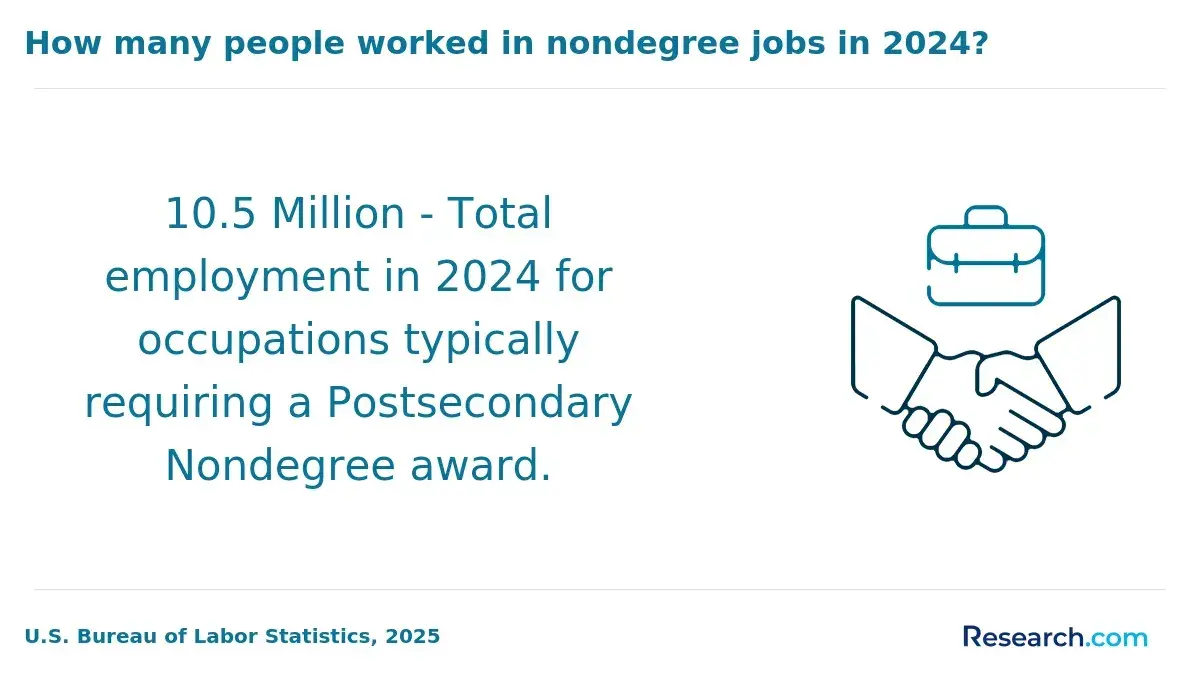
The Bureau of Labor Statistics forecasts faster-than-average growth (5% to 10%) for roles like operations managers and human resources specialists, indicating strong demand for skilled administration graduates. Selecting a concentration within an online administration bachelor's degree program-such as healthcare management, nonprofit leadership, or project management-can refine your expertise and expand your job prospects.
Concentrations aligned with industry certifications, like human resources or supply chain management, often improve employability and support long-term career goals. For those comparing costs and programs, exploring options like online cybersecurity degree programs may offer additional context.
What Student Support Services Do Online Administration Bachelor's Programs Provide to Promote Success and Retention?
Comprehensive student support is essential for online administration bachelor's programs, boosting both retention and successful degree completion. Programs that feature strong support infrastructures tend to report higher graduation rates, as confirmed by data from the National Survey of Student Engagement and institutional records.
- Academic Advising: Advisors provide personalized guidance with course planning, degree requirements, and transfer credit assessment, helping students navigate their academic journey while balancing external commitments.
- Tutoring and Writing Labs: Virtual support sessions strengthen core skills and adapt to diverse schedules, making academic assistance accessible regardless of geography or time zone.
- Mental Health Counseling: Confidential telehealth services address stress and anxiety, promoting emotional well-being that directly influences academic persistence and success.
- Career Services: Programs excelling in career support coordinate internships, assist with job placement, and prepare students for professional opportunities through resume and interview coaching.
- Alumni Mentorship Networks: Connecting current students with graduates in administration roles fosters valuable networking, career advice, and professional growth.
- Employer Partnerships: Collaboration with administration-sector employers opens pathways for practical experience, internships, and recruitment, bridging academic learning with workforce demands.
Is an Online Administration Bachelor's Degree Respected by Employers and Recognized Across Industries?
Employer surveys from organizations such as the Society for Human Resource Management (SHRM) and Gallup reveal increasing acceptance of online bachelor's degrees in administration when earned from accredited institutions. This acceptance reflects the rising quality and rigor of online education programs, alongside widespread adoption of remote learning methods by employers.
Many industries now regard online credentials as equal to traditional campus degrees, especially in fields like business administration, healthcare management, and human resources. Prominent companies including Deloitte, Amazon, and JPMorgan Chase actively seek candidates holding online administration degrees, emphasizing accreditation and demonstrated skills over the mode of instruction.
The recruitment practices indicate a growing trust in the value of reputable online programs, particularly when paired with relevant workplace experience. However, certain sectors such as government administration or specialized corporate roles may still favor traditional degrees due to a preference for established institutional reputation or hands-on training.
For prospective students, it is crucial to research employer preferences within their target industries and to verify the accreditation of any program under consideration. Attention to program quality, available networking, and career services can further improve employment prospects. By carefully evaluating these factors, students can make informed decisions that align with their professional goals and enhance career advancement opportunities.
- Employer Confidence: Survey data from SHRM and Gallup show rising employer trust in online administration degrees from accredited programs, reflecting broader acceptance of online education.
- Field Parity: Sectors such as business, healthcare, and human resources typically treat online degrees as equivalent to campus degrees, enabling fair access to jobs and promotions.
- Recruiter Support: Large organizations like Deloitte, Amazon, and JPMorgan Chase actively recruit online graduates, highlighting the practical acceptance of these qualifications.
- Contextual Preferences: Certain industries still prefer traditional degrees for specific roles, although this bias is declining as online program quality advances.
- Strategic Selection: Prospective students should assess employer attitudes and prioritize accredited, reputable programs to maximize career outcomes in their chosen fields.
What Accreditation Standards Should an Online Administration Bachelor's Program Meet to Be Considered Legitimate?
Accreditation serves as a critical benchmark for the quality and legitimacy of online administration bachelor's degree programs. Regional accreditation is generally preferred over national accreditation because it offers greater credit transferability, higher acceptance by employers, and eligibility for most graduate schools in administration-related fields. National accreditation is often more specialized or vocational, which may limit its recognition outside specific contexts.
The six regional accrediting bodies recognized by the U.S. Department of Education (ED) are:
- HLC (Higher Learning Commission): Covers institutions in the central United States.
- SACSCOC (Southern Association of Colleges and Schools Commission on Colleges): Accredits schools in the southern states.
- NECHE (New England Commission of Higher Education): Oversees New England institutions.
- MSCHE (Middle States Commission on Higher Education): Serves mid-Atlantic region schools.
- NWCCU (Northwest Commission on Colleges and Universities): Accredits schools in the Pacific Northwest.
- WSCUC (WASC Senior College and University Commission): Covers California and Hawaii.
Prospective students should verify a program's accreditation status through the Council for Higher Education Accreditation (CHEA) or the U.S. Department of Education databases before enrolling, ensuring the institution maintains current and valid accreditation.
Some administration programs hold specialized programmatic accreditation from organizations like the International Accreditation Council for Business Education (IACBE) or the Accreditation Council for Business Schools and Programs (ACBSP), which focus on business and management quality standards and enhance career readiness.
Attending an unaccredited or lapsed-accreditation institution risks ineligibility for federal financial aid, transfer credit difficulties, and poor employer or graduate school recognition. According to the National Center for Education Statistics, about 6% of students nationwide enroll in institutions currently at risk of losing accreditation-underscoring the need for thorough research before committing.
How Long Does It Take to Complete an Online Administration Bachelor's Degree, and What Factors Affect the Timeline?
Typically, an online administration bachelor's degree requires about 120 credit hours and is designed to be completed in four years when following a traditional semester schedule. This timeframe assumes students take roughly 15 credit hours per semester and attend only during the fall and spring terms. However, how long it takes to complete an online administration bachelor's degree can vary substantially depending on factors such as course load, transfer credits, and program structure tailored to the student's pace and circumstances.
Many online programs now offer accelerated eight-week course formats that allow students to focus on fewer classes at a time while earning more credits annually. When combined with year-round enrollment options during summer and winter intersessions, motivated students can finish in two to three years.
Competency-based education (CBE) pathways further expedite progress by enabling students to demonstrate mastery rather than accumulate seat time, especially benefiting those with prior knowledge or relevant work experience. Institutions like Western Governors University and Southern New Hampshire University report average completion times closer to 2.5 years, reflecting these flexible models.
Faster completion decreases both tuition expenses and the opportunity cost of delayed full-time employment-critical considerations for working parents, military veterans converting service credits, and mid-career professionals seeking advancement. Prospective students should also consider accreditation standards, transfer credit policies, employer perceptions, and graduate school compatibility to fully assess long-term return on investment.
For those interested in accelerated graduate options, programs such as a master degree in 6 months may complement administration bachelor's studies for faster career growth.
- Credit Requirements: Standard administration bachelor's degrees typically involve 120 credits, which usually take about four years of full-time study. This serves as the baseline for planning your academic timeline.
- Accelerated Courses: Programs offering eight-week terms allow students to complete more courses annually, often reducing the degree time to two or three years with year-round study.
- Competency-Based Education: CBE lets students advance by demonstrating skills and knowledge, ideal for those with relevant professional experience or prior learning, speeding up graduation.
- Year-Round Enrollment: Continuous enrollment, including summer and winter sessions, increases credit accumulation each year, allowing motivated students to graduate faster.
- Impact on Costs and Employment: Faster completion decreases overall tuition expenses and opportunity costs related to postponing full-time work, crucial for working parents and mid-career professionals.
What Financial Aid, Scholarships, and Tuition Assistance Are Available for Online Administration Bachelor's Students?
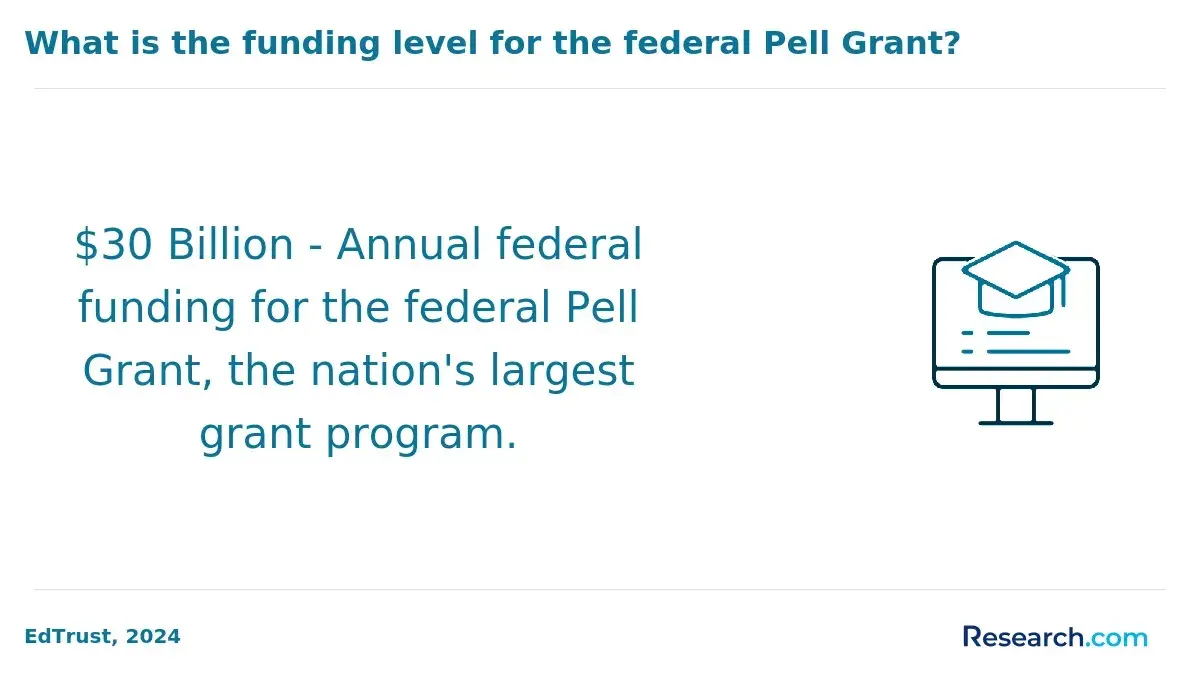
Financial aid for online administration bachelor's students includes several primary categories designed to reduce education costs effectively. Federal Pell Grants provide need-based aid that does not require repayment and are awarded through the Free Application for Federal Student Aid (FAFSA), covering a substantial portion of tuition for eligible students.
Direct Subsidized and Unsubsidized Loans also require FAFSA; subsidized loans have government-paid interest during enrollment, while unsubsidized loans accrue interest from disbursement with borrowing limits set by federal guidelines. Many colleges offer scholarships targeting online administration students. Notable examples include the Online Administration Excellence Award, which requires maintaining a minimum GPA and demonstrating leadership skills, with awards ranging from $1,000 to $3,000 annually.
Depending on residency, students may qualify for state-funded grants that support online learners. Some states provide special initiatives for adult learners or military veterans pursuing administration degrees. The FAFSA process is essential for accessing federal aid-it involves submitting detailed financial information annually to determine eligibility for grants, loans, and work-study programs. Applying early in the award cycle maximizes funding chances since some aid is awarded on a first-come, first-served basis.
Additional scholarships for online administration students include the National Society of Leadership and Success Scholarship, which requires active membership and leadership demonstration, and the Adult Learner Grant, intended for working professionals returning to education with awards typically from $500 to $2,500.
Students seeking financial aid options for online administration bachelor's degrees under $10,000 should consider layering aid sources. Combining federal grants, institutional scholarships, employer tuition reimbursement programs when available, and federal work-study can significantly lower out-of-pocket expenses. For those interested in continuing education, exploring pathways like the quickest online masters degree might enhance long-term career prospects while managing costs.
What Are the Admission Requirements for Online Administration Bachelor's Degree Programs?
Admission standards for online administration bachelor's programs vary widely based on the institution's selectivity. Competitive programs generally expect a minimum high school GPA between 2.5 and 3.0, reflecting a more rigorous academic threshold. Conversely, open-enrollment schools tend to have more lenient requirements, often not enforcing GPA minimums to broaden access.
- High School Diploma or GED: Nearly all programs require proof of high school completion or equivalent credentials, such as a GED. Official transcripts might be requested to verify this.
- Standardized Tests: Many institutions have adopted test-optional policies, easing entry for non-traditional students and adult learners. However, selective programs might encourage submitting SAT or ACT scores to strengthen applications.
- Prerequisite Coursework: Foundational classes in English and math, sometimes including social sciences, are frequently expected. Competitive programs often require prior academic performance in these areas or placement exam results.
- Admissions Flexibility: Rolling or continuous admissions allow candidates to apply year-round without strict deadlines-a significant advantage for working adults, veterans, and those changing careers.
- Strengthening Applications: Prospective students with weaker academic records can enhance their chances by completing community college courses, obtaining relevant certifications in business or management, and submitting strong recommendation letters.
How Should Prospective Students Evaluate and Choose the Right Online Administration Bachelor's Degree Program for Their Goals?
Prospective students should evaluate online Administration bachelor’s degree programs by focusing on accreditation, curriculum quality, and career alignment to ensure the program meets both academic and professional goals. They should also compare:
- Accreditation: Choose programs accredited regionally or nationally to ensure rigorous academic standards and smooth credit transferability.
- Cost and ROI: Look beyond sticker tuition prices. Factor in hidden expenses such as technology fees, costs for proctored exams, textbooks, and any mandatory residency requirements. Use official net price calculators to gauge your actual financial commitment, and balance these costs against expected salary benefits after graduation.
- Program Format and Flexibility: Prioritize programs offering asynchronous courses or scheduling options that accommodate working adults, parents, or military veterans. Verify how the curriculum aligns with your personal timeline and family or job responsibilities.
- Career Outcomes Data: Evaluate graduation rates, employment placement statistics, and employer reputation through trusted sources like the U.S. Department of Education's College Scorecard and the IPEDS Data Center to compare programs objectively.
- Student Support Services: Ensure access to essential resources including tutoring, academic advising, career counseling, and technology assistance-services vital for success in online learning environments.
- Transfer Credit Policies: Investigate how many previous college or military credits a program accepts to shorten your pathway and reduce costs.
Schedule informational interviews with admissions staff to clarify program specifics; request personalized net price estimates for accurate budgeting; review financial aid deadlines to avoid missing funding opportunities; audit your existing transfer credits to understand their applicability; and set a firm enrollment date to stay motivated throughout the admission process.
What Graduates Say About the Value of Their Online Administration Bachelor's Degree
- Major: "I chose the online administration bachelor's degree program because it allowed me to balance work and study without sacrificing my job performance. The affordability of the program was a big factor for me-investing less upfront meant a higher return once I advanced to management roles. This degree truly accelerated my career growth by opening doors to leadership positions I hadn't considered before."
- Douglas: "Reflecting on my journey, the online administration degree provided a flexible learning environment that adapted to my busy lifestyle. The cost was reasonable compared to traditional programs, and I've already seen a clear financial benefit in terms of salary increases. Beyond money, the practical skills I gained gave me newfound confidence and credibility at work."
- Ezra: "Professionally, earning my administration degree online was a game changer-I was able to upskill without pausing my career. What stood out most was how the curriculum focused on real-world applications that I could immediately implement. While the program was affordable, the biggest return came from the meaningful impact it had on my leadership abilities."
Other Things You Should Know About Administration Degrees
In 2027, online administration bachelor's programs utilize advanced technologies like virtual reality and AI-driven platforms to enhance engagement. Coursework is delivered through interactive modules that allow students to participate in simulations, group projects, and live discussions, providing a comprehensive and immersive educational experience.
Students in online administration bachelor's programs can often choose from specializations such as healthcare administration, public administration, business management, human resources, or nonprofit leadership. These concentrations focus coursework on the specific skills and knowledge required in each field, providing targeted expertise alongside core administration principles. Selecting a specialization can enhance career prospects by aligning education with industry demand.
Many online administration bachelor's programs accept a significant amount of transfer credits from accredited institutions, commonly ranging from 30 to 90 semester hours depending on the school and program policies. Additionally, some programs recognize prior learning, including military training, professional certifications, or workplace experience, which can accelerate degree completion. Prospective students should verify transfer policies and provide detailed documentation to maximize credit acceptance.
An online administration bachelor's degree from an accredited institution holds the same weight as a traditional degree in graduate school admissions. Graduates are typically eligible to pursue advanced degrees such as a Master of Public Administration or an MBA with a focus on management. However, students should ensure their undergraduate program meets prerequisites required by specific graduate programs to avoid any barriers to enrollment.
References
- Are There Any Scholarships for Online Students? A Complete Guide to Funding Your Online Degree | University of the People | https://www.uopeople.edu/blog/are-there-any-scholarships-for-online-students/
- The Safest Way to Finance an Online Bachelor’s Degree in 2026 https://www.collegetransitions.com/blog/how-to-finance-an-online-bachelors-degree/
- Online vs. Traditional Business Administration Degrees: What’s Best for You? | UAGC https://www.uagc.edu/blog/online-vs-traditional-business-administration-degrees-whats-best-you
- Financial Aid For Online Colleges https://www.affordablecollegesonline.org/financial-aid/financial-aid-for-online-colleges/
- Online BBA vs. On-Campus BBA: What You Should Know Before You Choose | CourseCompare.ca https://www.coursecompare.ca/online-bba-vs-on-campus-bba/
- Online Bachelor's Degree in Business Administration: Your Best Decision | EU Business School https://www.euruni.edu/blog/online-bachelors-degree-in-business-administration-your-best-decision/
- B.Sc Degrees Online 2025 - Best Course After 12th | Compare Top Programs https://b.sc/guides/accreditation-explained
- The Importance of Accreditation for Online BBA Degree Programs https://www.dypatilonline.com/blogs/the-importance-of-accreditation-for-online-bba-degree-programs
- Online Education vs. On-Campus Tuition: How ACE Online Degree Programs Help Keep Your Costs Down | ACE Blog https://ace.edu/blog/online-education-vs-on-campus-tuition-how-ace-online-degree-programs-help-keep-your-costs-down/
- A Guide to Accredited Online Business Administration Programs https://www.aiuniv.edu/degrees/business/articles/a-guide-to-accredited-online-business-administration-programs


