
2027 Different Types of Administration Bachelor's Degrees: Specializations, Careers, and Salaries

Co-Founder and Chief Data Scientist
Many students face uncertainty when choosing an administration bachelor's degree specialization that aligns with their career goals. For example, selecting between public administration and healthcare administration can significantly affect future job roles and earnings.
According to the U.S. Bureau of Labor Statistics, employment in management occupations, which includes many administration graduates, is projected to grow 8% through 2032. This article will explore various administration degree specializations, outline potential career paths, and provide salary insights. Understanding these options helps prospective students make informed decisions tailored to their professional aspirations.
Key Things to Know About Different Types of Administration Bachelor's Degrees
- Administration bachelor's degrees commonly specialize in areas like healthcare, business, or public administration, tailoring skill sets for industry-specific leadership roles.
- Graduates often pursue careers as operations managers, human resources specialists, or policy analysts, with sector-dependent job functions and advancement opportunities.
- Median salaries for administration-related roles vary widely, with business administration averaging around $65,000 annually and healthcare administration exceeding $90,000 in many regions.
What Are the Different Types of Administration Bachelor's Degrees?
Bachelor's degrees in administration come in various program formats, each designed to fit different structures, pacing, and delivery preferences. Nearly 40% of undergraduate administration programs offer online or hybrid options, highlighting the demand for flexible learning pathways. These diverse formats allow students to select an approach that aligns with their lifestyle and educational goals.
Understanding the types of administration bachelor's degree programs is essential for prospective students exploring specializations and career paths. Here is an overview:
- Traditional On-Campus: This full-time format usually takes four years to complete, featuring in-person classes, campus involvement, and direct interaction with faculty. It suits students who prefer structured schedules and face-to-face learning.
- Accelerated Programs: These condense the four-year timeline into two to three years by offering intensive courses or year-round enrollment. Accelerated formats are ideal for motivated individuals aiming to enter the workforce faster.
- Online Programs: Designed for maximum flexibility, online degrees allow students to complete coursework remotely via digital platforms. This format is especially popular among working adults balancing professional and personal responsibilities.
- Hybrid Programs: Combining online and on-campus elements, hybrid programs let students attend some classes in person while completing others virtually, balancing flexibility with direct engagement.
- Part-Time Studies: Part-time options extend the duration of study, limiting credits per semester to help students manage jobs or family demands alongside their coursework.
The range of types within administration bachelor's degree programs includes numerous administration bachelor's degree specializations, allowing students to tailor their education. For those interested in accelerated learning opportunities beyond undergraduate degrees, exploring 1-year master's programs can be a valuable next step.
What Specializations Are Available in a Administration Bachelor's Degree?
Administration bachelor's programs often include a variety of specializations that allow students to tailor their education to specific career aspirations. Nearly 60% of students opt for degrees with focused tracks, highlighting the demand for specialized skills in today's workforce.
Choosing a specialization can enhance a student's expertise and better prepare them for graduate studies or direct entry into the job market. Below are some popular specializations within administration programs.
- Human Resource Management: This specialization develops skills in recruiting, employee training, and managing workforce relations. Students study labor laws, conflict resolution, and employee development to support organizational goals.
- Healthcare Administration: Focusing on healthcare facility operations, this track covers healthcare laws, insurance, and patient care systems. It prepares students for the complexities of managing hospitals, clinics, and other medical institutions.
- Financial Administration: This area emphasizes budget planning, financial reporting, and investment strategies. It's ideal for students seeking proficiency in fiscal management and economic principles within organizations.
- Public Administration: Concentrating on government and nonprofit sectors, this specialization addresses public policy, governance, and community development. Skills gained here are essential for managing public resources effectively.
- Project Management: Students learn to plan, execute, and oversee projects, with a focus on risk management, leadership, and resource allocation vital for cross-industry success.
Admission requirements for online administration master's programs for non-majors often focus on foundational academic qualifications and relevant experience to ensure students are prepared for graduate-level coursework. Understanding these online administration master's admission criteria for non-majors is essential for a smooth application process.
For those exploring prerequisites for non-administration graduate programs online, reviewing these standards early can guide academic planning. Prospective students interested in expanding their education beyond administration might also consider programs like the engineer degree online, which offers alternative paths to advance technical careers.
2026 Update: Skills Signals Employers Expect From Administration Graduates
For this 2026 refresh, we added guidance on how students can judge whether an administration bachelor’s program helps them prove practical, workplace-ready skills beyond the degree title or specialization.
- Courses that build skills in budgeting, operations, project coordination, policy analysis, or organizational communication.
- Opportunities to use common business, data, scheduling, or records-management tools in class projects.
- Internships, capstone projects, or simulations tied to offices, agencies, nonprofits, healthcare settings, or corporate teams.
- Faculty or career services support for creating a portfolio of reports, presentations, process maps, or administrative plans.
- Optional certificates or electives that match your target path, such as human resources, public service, healthcare operations, or nonprofit management.
- Clear examples of how graduates translate classroom experience into interview-ready skills.
Checking these signals can help students compare administration programs more realistically and choose one that supports both career entry and long-term mobility.
What Entry-Level Jobs Can I Get With a Administration Bachelor's Degree?
A bachelor's degree in administration equips graduates with skills applicable to diverse entry-level roles, helping them launch their careers in various industries. Nearly three-quarters of business and administration graduates secure jobs within six months after finishing their studies, indicating strong workforce readiness.
Below are some common starting positions for those holding this degree.
- Management Trainee: Entry into this role involves assisting with daily business operations and learning supervisory techniques. It cultivates leadership abilities and sharpens problem-solving skills crucial for moving up within organizations.
- Human Resources Assistant: These professionals participate in recruitment efforts, maintain employee documentation, and support benefits administration. This position helps develop interpersonal communication and conflict management expertise.
- Administrative Assistant: Focused on coordinating office activities such as scheduling and correspondence, this role enhances organizational skills and proficiency with workplace technology.
- Project Coordinator: Serving as a communication bridge between teams and project managers, coordinators track deliverables and deadlines. The job boosts planning, time management, and collaboration capabilities.
- Marketing Assistant: Supporting promotional campaigns and conducting market research, this position encourages creativity and analytical thinking in digital and traditional marketing contexts.
A professional with a bachelor's degree in administration shared that stepping into their first role was both exciting and challenging. "Navigating the transition from academic projects to real-world tasks required quick adaptation," they explained.
They recalled the initial uncertainty of managing multiple responsibilities simultaneously but emphasized that relying on foundational skills learned during their studies was invaluable. This gradual growth in confidence through hands-on experience helped them realize the broad potential of their degree in different organizational settings."
What Industries Pay the Most for Administration Graduates?
Graduates with a bachelor's degree in administration often find that certain industries offer notably higher compensation. For example, financial managers in these sectors earn median salaries well above national averages, reflecting strong demand for strategic leadership skills.
Below are some of the highest paying sectors for administration graduates in the United States.
- Finance and Insurance: This sector commonly employs administration graduates as financial managers, risk analysts, and insurance underwriters. Positions here require expertise in financial analysis, risk mitigation, and compliance with regulations, aligning with skills developed during administration programs.
- Healthcare: Hospital administration and healthcare management roles offer competitive pay. Graduates may coordinate patient services, manage resources, and navigate regulatory frameworks, emphasizing leadership and operational proficiency in a complex environment.
- Information Technology (IT): As IT firms expand, administration professionals are increasingly valued for project management, business analysis, and operations coordination. Proficiency in technology integration and problem-solving helps drive process improvements in this fast-growing industry.
Those exploring administration degree salary by industry in the United States may also consider specialized pathways, such as online cybersecurity master's programs, which combine administration skills with technical expertise to enhance earning potential.
What Is the Average Salary for Administration Bachelor's Degree Graduates?
Salary levels for administration bachelor's degree holders fluctuate based on multiple factors such as industry, experience, and specialized skills. Early-career professionals often see starting salaries ranging from $45,000 to $55,000 annually, though this figure varies widely.
Several key considerations influence these earnings.
- Industry Impact: Salaries differ notably by sector. Those employed in corporate management or finance usually earn more than peers in nonprofit or public service roles.
- Experience and Certification: Additional professional credentials and time in the workforce often lead to higher wages, particularly when advancing into leadership roles.
- Geographic Location: Urban areas with greater living costs typically provide bigger compensation packages, reflecting regional economic conditions.
- Skill Trends: Proficiency in digital tools and data analytics is increasingly valued, enhancing salary potential for graduates who develop these abilities.
- Market Variability: Economic cycles and local job market dynamics can cause fluctuations in salary growth and availability of opportunities.
One professional with an administration bachelor's degree shared her experience navigating the job market. She recalled facing uncertainty when starting her career, realizing that securing the right position took persistence and adaptability. "The job hunt was more challenging than I anticipated, and I had to continuously upskill to stand out," she explained.
Over time, she found that embracing emerging technologies and earning certifications played a crucial role in advancing her salary. Reflecting on her journey, she noted, "The degree opened doors, but staying proactive about growth truly determined my earning trajectory."
How Do Salaries Compare Across Administration Specializations?
Earnings within different administration specializations can vary significantly depending on the chosen focus. For example, professionals in healthcare administration tend to earn a median annual salary of about $104,000, which is notably higher than the approximately $65,000 median salary reported by those in general business administration roles. This variation underscores the impact that selecting a particular administration path can have on one's financial outlook.
Several factors influence these salary differences, including the specific skills required, industry demand, and the nature of the job duties. Healthcare administration often requires expertise in medical policies, insurance, and regulatory knowledge, which makes these positions more specialized and typically better compensated.
Additionally, high-growth sectors such as technology and finance drive higher salaries due to their complex regulatory frameworks, while roles focused on routine tasks or nonprofit work might offer lower pay but bring other forms of job satisfaction. Leadership responsibilities and strategic planning tasks also tend to correlate with higher earnings in administration careers.
Are Salaries Different for Online vs On-Campus Administration Graduates?
Research indicates that salaries for graduates holding administration bachelor's degrees earned online versus on-campus tend to be very similar. Both paths typically include comparable coursework designed to build equivalent skills in management, communication, and organizational leadership.
Employers increasingly accept online degrees as carrying the same academic weight as traditional programs, especially from accredited institutions. A recent survey by the National Association of Colleges and Employers found that starting salaries for online graduates in administration-related fields were within 5% of those for on-campus graduates, highlighting this close parity.
Salary differences that do exist often relate to factors beyond the mode of study. Graduates from on-campus programs may benefit from direct networking opportunities, internships, and hands-on experiences that boost practical skills and professional connections, potentially leading to higher starting salaries or quicker advancement.
On the other hand, online graduates bring strengths such as self-discipline and adaptability, qualities valued in remote or hybrid workplaces. Additionally, industry demand, regional job markets, and an individual's experience influence earnings, sometimes outweighing the degree format. Specializations within administration, like healthcare management or human resources, may also impact salary regardless of how the degree was obtained.
Do Costs Vary Across Administration Bachelor's Degree Programs?
Tuition and fees for administration bachelor's degree programs vary widely, influenced by several important factors. For example, average annual tuition at public four-year institutions generally ranges between $10,000 and $12,000, while private colleges often charge more than $35,000. These cost differences highlight key considerations for students exploring administration bachelor's degree tuition and fees comparison.
Key factors influencing costs include:
- Institution Type: Public universities usually offer lower tuition, especially for in-state students, compared to private institutions that often have higher fees due to additional resources and prestige.
- Program Format: Online administration bachelor's degree programs can be less expensive, benefiting from reduced overhead, but some online programs with strong reputations may cost as much or more than traditional on-campus options.
- Credit Requirements and Length: Programs requiring more credit hours or longer completion times tend to have higher tuition expenses. Accelerated degrees may lower costs by shortening the enrollment period.
- Specialization Tracks: Specialized programs that incorporate extra technology fees, experiential learning, or unique resources can increase overall tuition compared to more general administration bachelor's degree offerings.
- Geographic Location: Colleges in urban areas with higher living costs may reflect these expenses in their tuition and fees, affecting overall program costs.
Understanding these variables can help prospective students make informed decisions regarding cost differences in administration bachelor's degree programs. Those interested in related fields or comparable educational methods might also explore specialized offerings such as master's in crypto programs, which often feature distinct pricing and format considerations.
What Financial Aid Options Are Available for Administration Students?
Students pursuing a bachelor's degree in administration have access to multiple financial aid options to help offset tuition and related expenses. According to the National Center for Education Statistics, about 85% of undergraduate students in the U.S. receive some form of financial aid, making support widely available.
Below are key types of aid often used by administration students.
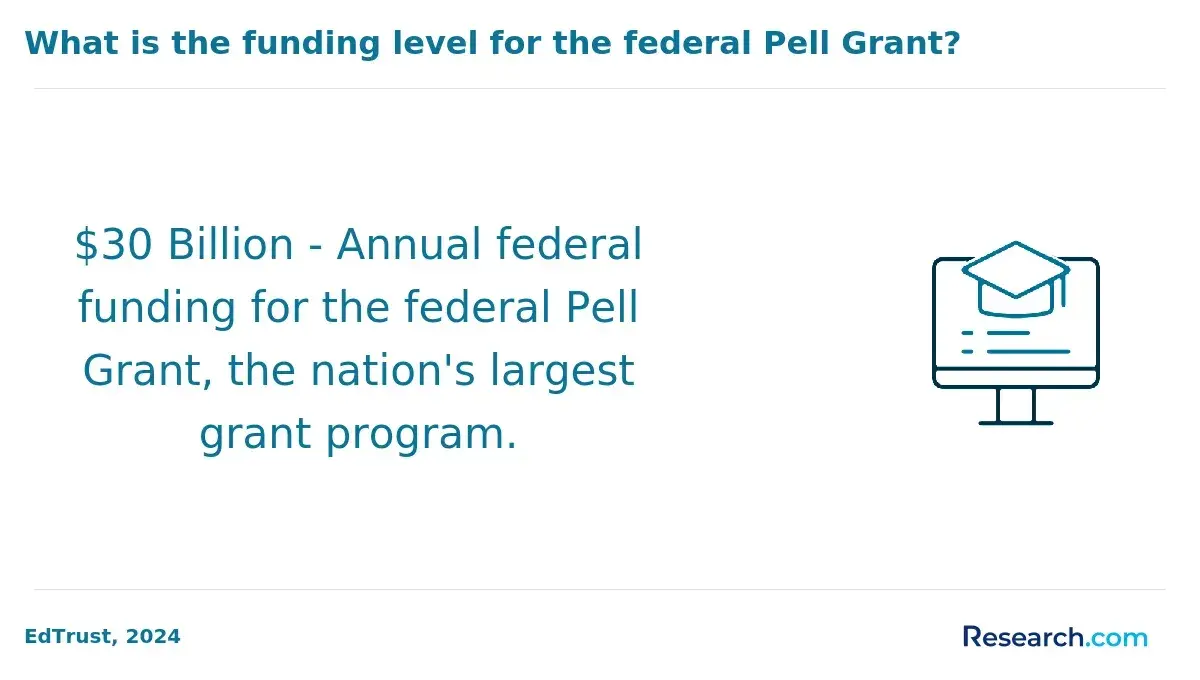
- Federal Grants: These include the Pell Grant, which is need-based and does not require repayment. It assists low- and moderate-income students by covering tuition and fees, helping reduce the overall cost of education.
- Student Loans: Federal loans such as Direct Subsidized and Unsubsidized Loans offer low interest rates and flexible repayment plans. These loans provide accessible funding but must be repaid after graduation or upon leaving school.
- Scholarships: Merit- and need-based scholarships for administration bachelor's degrees are offered by universities, private organizations, and professional associations. Scholarships reward academic achievement, leadership, and community involvement, easing financial burdens.
- Work-Study Programs: Federally funded programs allow students to work part-time on or off campus. This provides valuable work experience while helping students earn income to fund their studies.
- State and Institutional Aid: Many states and colleges provide specialized grants, scholarships, or tuition waivers, often targeted at in-state residents or high-achieving students in administration programs.
Exploring these financial aid options thoroughly can make obtaining an administration degree more affordable. For those considering further education, it is helpful to compare available resources and also explore quick master's degrees online after undergraduate studies to advance their careers.
What Factors Should I Consider When Selecting a Administration Degree?
Selecting the ideal administration bachelor's degree requires weighing various academic and personal considerations to find the best fit for your future. Nearly two-thirds of students prioritize programs that closely match their career aspirations.
Below are essential factors to help guide your decision.
- Academic Interests: Pinpoint which areas of administration, such as healthcare, education, or business, appeal most to you. This clarity can steer you toward specializations that align with your passions.
- Specialization Options: Different programs offer focuses like project management, nonprofit leadership, or human resources. Understanding available tracks helps ensure your studies match your intended career path.
- Program Format: Consider whether on-campus, online, or hybrid formats fit your lifestyle and commitments. Flexibility and interaction levels vary among these options, affecting your overall learning experience.
- Career Alignment: Research how specific specializations connect to job roles and industries you want to enter. Choosing a degree that opens relevant professional opportunities is key to long-term success.
- Long-Term Goals: Evaluate potential for advancement and salary growth in your chosen field. Prioritizing programs that support these objectives can maximize your return on investment post-graduation.
What Graduates Say About Different Types of Administration Bachelor's Degrees
- Graham: "I chose an administration bachelor's degree specialization because I wanted a diverse skill set that could open doors in multiple industries. This degree gave me the tools to excel in project management and strategic planning, allowing me to quickly move into leadership roles. Since graduating, my salary has grown significantly, reflecting the value employers place on this versatile education."
- Ada: "Pursuing an administration bachelor's degree was a thoughtful decision driven by my goal to enter the corporate finance sector. The program's focus on organizational behavior and financial analysis helped me land my first role and establish credibility with senior managers. Looking back, the degree played a key role in accelerating my career growth and boosting my earning potential."
- Raphael: "When I enrolled in the administration bachelor's program, I hoped to build a solid foundation for a career in human resources. The comprehensive curriculum equipped me with essential leadership and communication skills, which made a noticeable difference in my ability to manage teams effectively. Ultimately, this degree not only enhanced my professional confidence but also positively impacted my salary trajectory."
Other Things You Should Know About Administration Degrees
Yes, a bachelor's degree in administration often serves as a foundation for management roles across various industries. Graduates typically gain skills in leadership, organizational behavior, and strategic planning, which qualify them for supervisory and mid-level management positions. With experience and further professional development, they can advance into higher management roles.
Yes, professional certifications can enhance a bachelor's degree in administration. Certifications such as Certified Manager (CM), Project Management Professional (PMP), and Certified Administrative Professional (CAP) can improve job prospects and potential salaries, making graduates more competitive in the job market.
In 2027, administration bachelor's degree specializations include business management, healthcare administration, public administration, and nonprofit management. Each offers tailored curricula to prepare students for specific sectors, integrating critical thinking, leadership, and management skills pertinent to industry demands.
References
- The Ultimate Guide to Choosing a Business Administration Degree https://www.businessmole.com/the-ultimate-guide-to-choosing-a-business-administration-degree/
- Everything You Need to Know About a Bachelor's degree in Business Administration, Management and Operations https://www.tun.com/schools/everything-you-need-to-know-about-a-bachelors-degree-in-business-administration-management-and-operations/
- 10 Highest Paying Jobs with a Business Administration Degree | Nexford University https://www.nexford.edu/insights/highest-paying-jobs-with-business-administration-degree
- Business Administration Degree Cost: What You’ll Pay and Why – Cost Brief https://costbrief.com/business-administration-degree-cost-what-youll-pay-why/
- What type of programs give a degree in Business Administration? - Answers https://www.answers.com/education/What_type_of_programs_give_a_degree_in_Business_Administration


