2027 Can You Get Into a Fine Arts Degree Master's Program with a Low GPA? Admission Chances & Workarounds

Co-Founder and Chief Data Scientist
Consider an aspiring artist with a 2.5 GPA aiming for a fine arts master's degree. Despite a strong portfolio, the low GPA raises concerns about admission eligibility. Recent data shows that less than 40% of fine arts master's applicants with below a 3.0 GPA receive offers, reflecting the competitive nature and academic expectations of these programs.
Many candidates struggle to balance creative skill with academic criteria, making this a common obstacle. This article explores realistic admission chances for low-GPA applicants and suggests strategic workarounds, including portfolio emphasis and alternative credentials, to improve prospects in fine arts graduate admissions.
Key Things to Know About Getting Into a Fine Arts Master's Program with a Low GPA
- Admissions committees often assess portfolios and creative potential more heavily than GPA, allowing applicants with low GPAs to demonstrate skill and vision through strong artistic work.
- Gaining relevant experience via internships, exhibitions, or assistantships can compensate for academic shortcomings by showcasing practical commitment and professional growth.
- Some programs offer conditional or preparatory courses to improve academic standing, increasing chances by proving readiness and motivation despite a low GPA.
What Is the Minimum GPA for Fine Arts Master's Programs?
Minimum GPA requirements for fine arts master's programs vary widely depending on the institution and the competitiveness of the program. While some programs may accept candidates with GPAs as low as 2.5 or 2.7 on a 4.0 scale, many of the more competitive programs commonly set the minimum GPA near 3.0. Nationwide data on average GPA expectations for graduate fine arts admissions indicate that 3.0 is the most frequently cited baseline for admission into these advanced degrees.
The stated minimum GPA is often a starting point rather than an indicator of what is needed to remain competitive in the applicant pool. Typically, programs attract candidates with GPAs above 3.5, so applicants with lower GPAs must be aware that they may face stronger competition. For students exploring practical pathways into a fine arts master's program with below-average undergraduate GPAs, additional strengths become essential.
Many prospective students also consider pursuing an online masters degree to build credentials or explore alternative routes toward graduate education.
How Do Graduate Schools Evaluate a Low Undergraduate GPA?
Undergraduate GPA remains an important element in graduate admissions, serving as a preliminary indicator of academic readiness. However, graduate schools often recognize that a low GPA does not fully capture an applicant's potential, especially for fine arts master's programs where creativity and diverse skills weigh heavily. Admissions committees evaluate multiple factors to gain a comprehensive understanding of candidates with lower academic performance.
Key aspects considered include:
- Academic Performance Trends: Admissions officers look for an upward trajectory in grades over the course of the undergraduate career. An improving GPA can signal resilience, growth, and increasing mastery of the subject matter, which helps offset earlier academic struggles.
- Professional Experience: Relevant work history, internships, or creative portfolios demonstrate practical skills and a strong commitment to the field. Fine arts programs often value hands-on experience that complements formal education.
- Letters of Recommendation: Strong endorsements from professors, mentors, or professionals provide insight into an applicant's abilities, work ethic, and promise. These letters can affirm potential beyond what GPA scores reflect.
- Standardized Test Scores: Some programs consider GRE or other standardized test results to balance a weaker GPA. Strong test scores can validate academic capability and readiness for graduate-level work.
By weighing these elements, schools can form a more holistic view, improving the assessment of applicants' true potential for success in fine arts graduate studies. For prospective students interested in how graduate schools assess low undergraduate GPA for fine arts master's programs, exploring online courses may help strengthen academic foundations and enhance relevant skills.
Factors influencing admission decisions with a low GPA in fine arts graduate schools extend beyond transcripts to encompass the whole portfolio of achievements and capabilities.
Can Work Experience Compensate for a Low GPA in Fine Arts Graduate Programs?
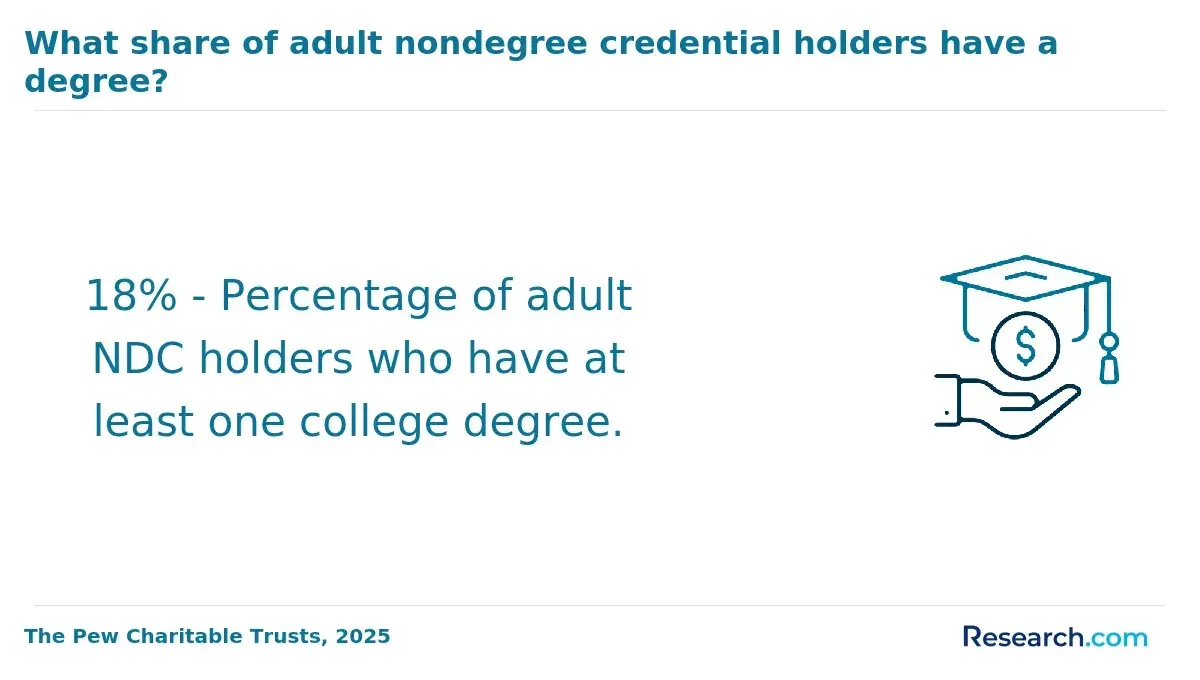
Graduate programs in fine arts frequently take a holistic approach to admissions, assessing applicants beyond their GPA by valuing professional experience. A 2022 survey found that around 30% of those admitted with GPAs under 3.0 had influential work experience or exhibition histories that significantly impacted their acceptance. Below are key ways such experience can enhance an application.
- Portfolio Development: Practical projects demonstrate skills that grades alone may not capture, giving the admissions committee a clearer view of an applicant's artistic abilities.
- Professional Networking: Connections with mentors, galleries, or collaborators often provide strong recommendations, which add credibility beyond academic performance.
- Exhibition History: Participation in public shows or juried exhibitions signals commitment and artistic maturity, helping to build a compelling narrative.
- Technical Proficiency: Hands-on experience with studio techniques or digital tools reflects mastery that complements or surpasses classroom learning.
- Creative Growth: Diverse projects highlight adaptability and innovation, qualities valued in graduate studies that show an artist's evolution.
A graduate of a fine arts master's program shared his experience of gaining admission despite a low GPA. He described the anxiety of fearing his academic record would overshadow his talent. However, he focused on highlighting years of gallery exhibitions and collaborative projects in his application, which clearly illustrated his dedication and growth as an artist. "The admissions committee seemed genuinely interested in my creative journey and the practical challenges I overcame," he recalled. His story shows how emphasizing real-world accomplishments and persistent effort can tip the scales in favor of applicants whose grades don't fully reflect their potential.
Do Certifications Improve Admission Chances for Low GPA Applicants?
Certifications can improve admission chances for low GPA applicants in fine arts master's programs, but their influence varies across admissions committees. Studies show that approximately 40% of admissions officers view relevant certifications as a positive factor, particularly for candidates with weaker academic scores. These credentials provide additional validation of skills that transcripts alone may not clearly demonstrate.
Incorporating certifications can subtly enhance an applicant's profile, complementing other materials submitted during the review process. While GPA remains a primary criterion in fine arts graduate program acceptance, certifications allow applicants to highlight expertise and a commitment to their craft beyond grades. They showcase practical abilities, subject-matter knowledge, and ongoing professional development, helping paint a more comprehensive picture.
Applicants with low GPAs are encouraged to combine certifications with strong portfolios and personal statements to strengthen their case. For those interested in fields with lucrative prospects, exploring degrees that make the most money alongside fine arts options may also be worthwhile.
Can Taking Additional Undergraduate Courses Raise Your Admission Chances?
Applicants with lower undergraduate GPAs often pursue additional coursework to strengthen their academic records and improve admission chances for fine arts master's programs. A 2021 National Student Clearinghouse report found that nearly 40% of students who completed post-baccalaureate coursework experienced a significant GPA increase in those classes, which positively influenced their graduate school applications. Here are several important factors to consider when taking extra courses to enhance admission prospects:
- Grade Replacement Impact: Some institutions allow new grades to replace older, lower grades in GPA calculations. This policy can substantially raise your overall GPA, making your academic record more competitive for fine arts graduate programs.
- Upper-Level Coursework: Taking advanced courses related to your intended specialization shows your ability to manage higher-level study and helps demonstrate readiness for rigorous graduate work.
- Subject Relevance: Enrolling in courses closely tied to fine arts-such as studio art, digital media, or art history-signals to admissions committees a genuine commitment to the field and focused preparation.
- Recent Academic Performance: Strong grades in recently completed courses often carry more weight than older performance, indicating current skills and dedication to your discipline.
By leveraging these considerations, applicants with a low GPA may find that carefully chosen extra undergraduate coursework improves their ability to gain admission into competitive fine arts graduate programs. Additionally, those exploring alternative online options might consider programs like an online masters MFT, which also value supplementary coursework and demonstrable academic growth.
Ultimately, the benefits of extra coursework for low GPA fine arts graduate programs extend beyond GPA boosts; they highlight your academic improvement, determination, and preparedness for master's-level study.
What Is Conditional Admission for Fine Arts Master's Programs?
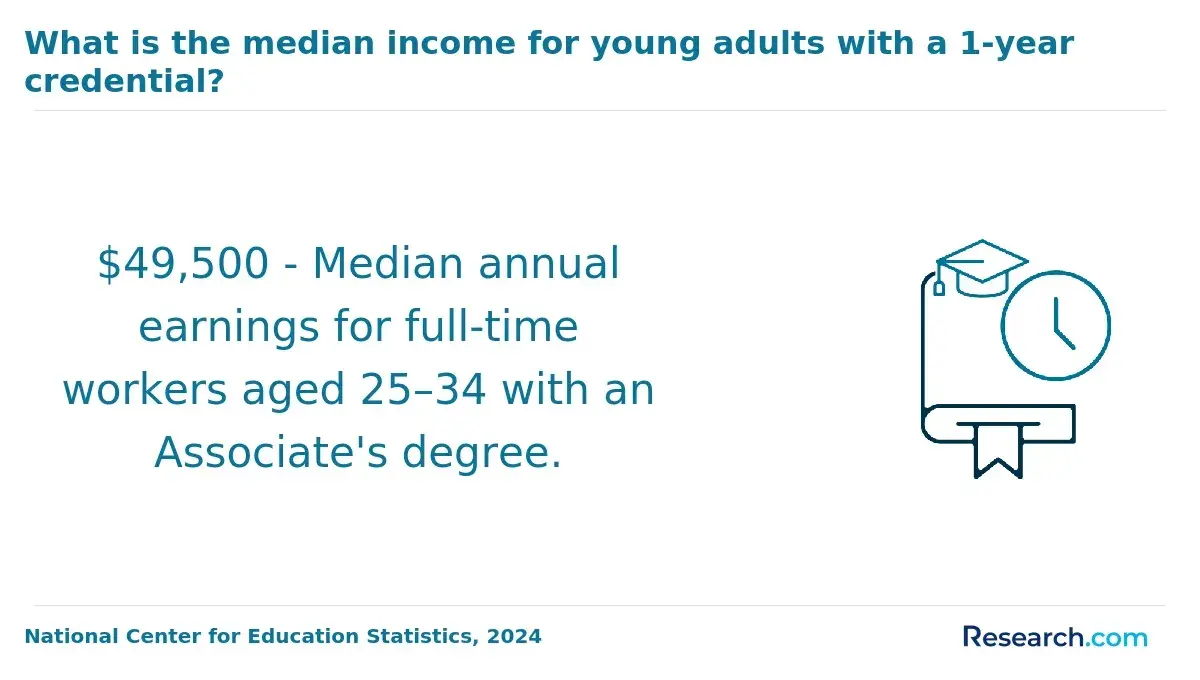
Conditional admission in Fine Arts master's programs lets applicants who fall short of standard academic criteria, such as GPA thresholds, still access graduate study based on demonstrated potential. Around 20-30% of graduate programs across fields offer some form of provisional or conditional acceptance to broaden opportunities for students with varied academic backgrounds. The following points summarize key features of conditional admission:
- Academic Performance Requirements: Students are typically required to achieve and maintain a minimum GPA during their first semester or year to continue in the program, ensuring a baseline level of success.
- Course Completion Conditions: Applicants may need to complete specific prerequisite or remedial courses before earning full admission status, reinforcing foundational knowledge.
- Time Limits: Conditional status generally applies for a predetermined period, after which academic progress is reviewed to determine eligibility for full enrollment.
- Progress Evaluation: Regular assessments, such as faculty evaluations or portfolio reviews, monitor whether students meet program expectations and standards.
This admission pathway balances academic standards with flexibility, giving candidates with below-average GPAs a structured chance to prove their readiness while safeguarding the quality and rigor of advanced Fine Arts education.
Are Online Fine Arts Master's Programs Easier to Get Into with a Low GPA?
Admissions criteria for online fine arts master's programs vary greatly based on the school's reputation, accreditation, and program competitiveness. On average, online graduate programs tend to admit approximately 10-15% more students than their traditional on-campus equivalents, but this does not necessarily translate into guaranteed admission for applicants with lower GPAs. Several factors influence how accessible these programs are to individuals with less-than-ideal academic records. Consider the following key points:
- Admission Standards: Some programs maintain strict GPA requirements, limiting opportunities for low-GPA candidates, while others place greater value on creative potential and professional experience.
- Program Selectivity: More competitive programs offer fewer openings and prioritize applicants with higher academic and artistic benchmarks.
- Applicant Pool Size: Online programs often attract a broader and more diverse applicant base, which can increase competition but also offer alternative pathways through holistic review.
- Experience Requirements: A strong portfolio or significant professional accomplishments may compensate for a weaker GPA by demonstrating readiness and talent.
When discussing this topic, a professional who was admitted to an online fine arts master's program despite a low GPA shared her experience. She explained that her journey was marked by uncertainty and persistence; "I worried my GPA would automatically disqualify me." However, she emphasized how carefully preparing her portfolio and gathering meaningful letters of recommendation turned the tide. Admissions staff seemed genuinely interested in her creative voice and professional growth. She reflected, "It wasn't just about numbers-showing my commitment and passion made all the difference." Her story highlights that while challenges exist, strategic preparation and a strong artistic narrative can open doors even in selective settings.
Can a High GRE Score Offset a Low GPA for Fine Arts Master's Programs?
A high GRE score can significantly improve the chances of admission into fine arts master's programs for applicants with below-average GPAs. Admissions committees often consider standardized test scores to assess a candidate's analytical and verbal skills, which are crucial for graduate-level study. Recent data show that approximately 25% of fine arts applicants with GPAs under 3.0 who submitted strong GRE scores were admitted, highlighting the importance of test results in balancing academic shortcomings.
The following key factors illustrate how different GRE components can help offset a low undergraduate GPA.
- Quantitative Scores: Strong quantitative scores highlight your problem-solving and critical thinking skills, helping to compensate for weaker undergraduate performance and demonstrating your capacity for analytical rigor.
- Verbal Scores: High verbal scores indicate advanced reading comprehension and communication abilities, which are essential for effectively articulating artistic concepts and conducting research.
- Analytical Writing: This section assesses your ability to construct coherent arguments and express ideas clearly. A solid score reassures admissions committees of your graduate-level writing proficiency.
- Overall Test Performance: A well-rounded GRE profile demonstrates academic readiness and determination. When combined with other strengths, it can partially offset a low GPA and strengthen your application.
What Is a Post-Baccalaureate Program for Low-GPA Students?
Post-baccalaureate programs are academic pathways designed to help low-GPA students strengthen their records and improve their applications for graduate admission. These programs provide targeted support to bridge academic gaps and demonstrate readiness for advanced study. Key features of post-baccalaureate programs include:
- Academic Enhancement: Students retake relevant courses to raise their GPA and show tangible improvement in academic performance, which is vital for fine arts graduate admission committees.
- Prerequisite Completion: These programs offer foundational or missing coursework from undergraduate studies, ensuring applicants meet specific program requirements for master's in fine arts.
- Research Opportunities: Participation in research or creative projects helps build portfolios or artistic resumes that align with graduate-level expectations and showcase increased commitment.
- Graduate Preparation: Workshops on application strategies, portfolio development, and interview skills help students present themselves successfully in admissions processes, enhancing their chances despite earlier academic weaknesses.
For low-GPA applicants seeking admission to fine arts master's programs, post-baccalaureate study improves fine arts graduate admission chances by providing a structured pathway to demonstrate growth and academic readiness. Complementing these programs with additional resources like an accelerated cyber security program or other professional training can also broaden career prospects for graduates from diverse backgrounds and interests.
Does GPA Impact Starting Salary After a Fine Arts Master's Degree?
Employers may consider undergraduate GPA when hiring for entry-level fine arts positions, but it generally holds less weight compared to practical skills and creative work. Research indicates that graduates with GPAs above 3.5 can earn about 8% more initially than those below 3.0, though this advantage decreases as professional experience accumulates. Several other important elements also shape starting salaries among fine arts master's graduates:
- Employer Emphasis: Hiring managers often prioritize portfolios and hands-on experience, so a lower GPA may have limited impact if artistic talent and creativity are strong.
- Field of Study: Certain specialized fine arts disciplines with higher market demand may offer better salary opportunities regardless of academic record.
- Professional Experience: Internships, freelance projects, and exhibitions provide tangible proof of skills, frequently improving salary outcomes more than grades alone.
- Graduate Degree Credentials: Obtaining a master's degree itself can boost earning potential and help overcome a modest undergraduate GPA by validating advanced knowledge and dedication.
What Graduates Say About Getting Into a Fine Arts Degree Master's With a Low GPA
- Heather: "Despite my low GPA, I was pleasantly surprised by how affordable many fine arts master's programs can be, especially compared to other graduate degrees. I found that a strong portfolio and passion often mattered more than numbers alone. This degree has truly opened doors for me in the creative industry."
- James: "Reflecting on my journey, the challenge was definitely overcoming the stigma of a low GPA when applying to fine arts master's programs. I learned that persistence and showcasing my unique artistic voice were crucial. The cost was manageable through scholarships, and the degree significantly strengthened my opportunities as a professional artist."
- Veronica: "Having a GPA below the typical cutoff was intimidating at first, but the fine arts master's program I enrolled in emphasized practical skills and innovation over grades. The investment was well worth it, as the program elevated my career prospects and expanded my professional network considerably. I would advise others not to let a low GPA discourage them."
Other Things You Should Know About Fine Arts Degrees
While digital media proficiency can strengthen your application by demonstrating diverse skills and adaptability, admission primarily hinges on the quality and uniqueness of your creative portfolio, personal statements, and recommendations. Schools value innovative thinking and artistic vision, sometimes more than technical skills.
A compelling personal or artist’s statement can significantly offset a low GPA by providing a deeper understanding of your artistic vision, motivation, and potential. Highlighting unique experiences or insights in the statement can make your application stand out to admissions committees in 2027.
Strong letters of recommendation from fine arts professionals or faculty familiar with your work can greatly enhance your application. These letters provide insights into your artistic abilities and work ethic beyond grades. They are especially valuable when addressing a low GPA by emphasizing your strengths.
Yes, a strong portfolio can significantly enhance your admission prospects for a fine arts master's program, even if you have a low GPA. In 2027, schools often prioritize creative potential, which can be showcased through a well-curated portfolio, overshadowing less favorable academic records.
References
- Top Online MFA (Master of Fine Arts) Programs for 2025 https://www.onlinemastersdegrees.org/best-programs/fine-arts-mfa/
- MFA (Master of Fine Art) - Blended Delivery | West Dean https://www.westdean.ac.uk/degrees-and-diplomas/mfa-master-of-fine-art-blended
- Most Popular Master of Fine Arts Online 2025 https://www.onlineu.com/degrees/mfa
- Faculty of Graduate and Postdoctoral Studies | University of Manitoba - Fine Art (MFA) https://umanitoba.ca/graduate-studies/admissions/programs-of-study/fine-art-mfa
- Are non-degree courses a viable option to offset a low master's GPA? https://academia.stackexchange.com/questions/160656/are-non-degree-courses-a-viable-option-to-offset-a-low-masters-gpa
- How Arts Programs Profit Students and Schools - Gray DI https://www.graydi.us/blog/gray-insights/the-artists-are-not-starving-how-arts-programs-profit-students-and-schools
- Art - Master of Fine Arts https://illinoisstate.edu/academics/master-fine-arts/
- Standards & Guidelines » CAA Guidelines https://www.collegeart.org/standards-and-guidelines/guidelines/mfa
- How To Get Into Grad School With A Low GPA https://www.affordablecollegesonline.org/college-resource-center/grad-programs-that-accept-low-gpa/
- How To Get into Grad School With a Low GPA https://www.princetonreview.com/grad-school-advice/how-to-get-into-grad-school-with-low-gpa