
2027 Can You Get Into a Gerontology and Aging Degree Master's Program with a Low GPA? Admission Chances & Workarounds

Co-Founder and Chief Data Scientist
Applying to a master's program in gerontology and aging with a low GPA can feel discouraging, especially given the field's competitive nature. Many candidates worry that their academic record will not reflect their passion for supporting an aging population, which is crucial as the U. S. older adult population is expected to double by 2050.
Admissions committees often weigh GPA heavily, yet some programs consider professional experience and personal statements. This article examines realistic admission chances for applicants with lower GPAs and outlines practical strategies to strengthen applications, helping prospective students better navigate entry into gerontology and aging master's programs despite academic setbacks.
Key Things to Know About Getting Into a Gerontology and Aging Master's Program with a Low GPA
- Admissions committees assess applicants holistically, valuing relevant experience and strong letters of recommendation alongside GPA in gerontology and aging master's programs.
- Strengthening your application with practical experience, such as internships or volunteer work in elder care, can significantly boost your admission chances despite a low GPA.
- Some programs offer conditional or probationary acceptance to candidates with lower GPAs, providing an opportunity to prove academic capability through initial coursework.
What is the minimum GPA for gerontology and aging master's programs?
Minimum GPA standards for gerontology and aging master's programs vary notably by institution and the competitiveness of each program. While policies differ, many U.S. programs cite a minimum undergraduate GPA of 3.0 on a 4.0 scale as a common benchmark for admission consideration.
This baseline reflects typical minimum GPA requirements for gerontology and aging master's programs in the US but should not be seen as a fixed rule across all schools.
It is important to distinguish between the minimum GPA and the GPA typically needed to be a competitive applicant. Most admitted students often exceed the minimum threshold, with average GPAs closer to 3.3 or higher. This gap illustrates how the minimum GPA requirement functions primarily as an initial filter rather than a guarantee of acceptance.
Prospective students interested in gerontology and aging graduate degrees who want to strengthen their admissions profile might also explore accelerated alternative pathways, such as a medical assistant accelerated program, to build relevant experience and credentials.
How Do Graduate Schools Evaluate a Low Undergraduate GPA?
Graduate schools consider undergraduate GPA an important factor when reviewing applicants, but it is only one part of a holistic admissions process. Schools recognize that a low undergraduate GPA impact on gerontology and aging master's admission can stem from various challenges and do not necessarily reject candidates with lower academic performance.
Instead, they carefully evaluate additional aspects of the application to gauge potential success in graduate studies. Below are key considerations admissions committees often use:
- Academic Performance Trends: Admissions committees look closely at upward trends in grades, especially in courses related to gerontology and aging. Consistent improvement signals resilience and growing mastery of relevant material.
- Professional Experience: Work or volunteer roles, particularly within aging services or gerontology-related fields, provide practical skills and demonstrate genuine commitment to the discipline beyond academics.
- Letters of Recommendation: Strong, personalized letters from professors or employers can highlight qualities like motivation, critical thinking, and dependability, which may not be fully captured by GPA alone.
- Standardized Test Scores: Solid GRE or other test scores can help offset a low GPA by providing additional evidence of academic capability and readiness for graduate coursework.
Applicants with concerns about their GPA might also explore flexible study options like online DNP programs without dissertation, which sometimes offer alternative pathways or less restrictive admission criteria. Understanding graduate school evaluation criteria for low GPA applicants in gerontology and aging can help prospective students craft applications that address their unique strengths and experiences.
Can work experience compensate for a low GPA in gerontology and aging graduate programs?
Graduate programs in gerontology and aging often evaluate applicants through a holistic admissions process, where professional experience is considered alongside academic records. Research indicates that approximately 30% of applicants with low GPAs gain admission if they present substantial work experience relevant to aging. The following points illustrate how such experience can enhance an application.
- Practical Skills: Direct interaction with older adults highlights applied expertise, which can demonstrate capability beyond what GPA alone reveals.
- Demonstrated Commitment: Longstanding employment in aging care illustrates passion and dedication, qualities highly regarded in graduate study.
- Professional References: Recommendations from supervisors familiar with the candidate's work provide credible validation of their skills and potential.
- Leadership and Teamwork: Experience leading projects or collaborating within teams signals preparedness for the collaborative and challenging nature of graduate programs.
- Relevant Knowledge: Engagement with current issues, policies, and trends in aging shows a depth of understanding that extends past textbook learning.
A graduate of a gerontology and aging master's program shared insights about this balance between GPA and experience. He recalled feeling anxious about his low undergraduate grades but found reassurance as he compiled a detailed portfolio of his decade-long involvement in elder care programs.
"The admissions committee seemed to value how much I had worked hands-on, not just the numbers on my transcript," he explained. Highlighting leadership roles and community projects, he crafted essays that emphasized growth and practical learning. Reflecting on the process, he noted, "It was about showing who I was beyond academics - they wanted to see my story, my motivation, and my readiness to contribute meaningfully to the field." This perspective underscores how meaningful work experience can effectively complement academic records in gaining entry to these programs.
Do certifications improve admission chances for low GPA applicants?
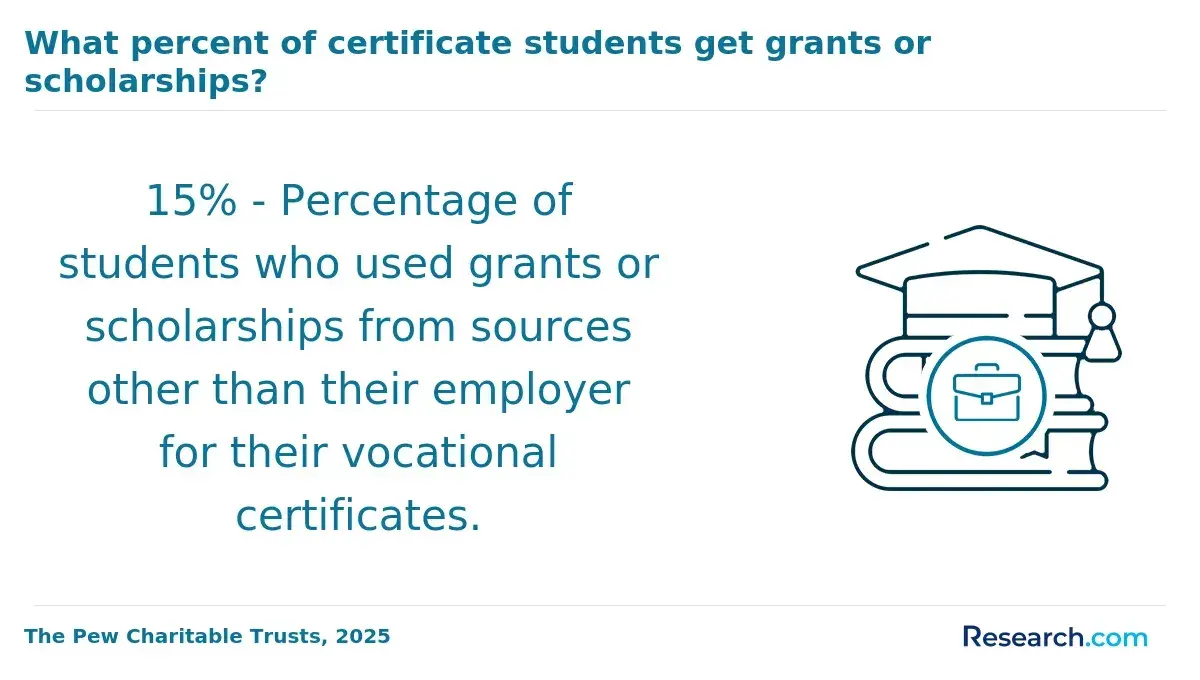
Certifications can significantly boost admission chances for low GPA applicants in gerontology and aging master's programs. Data indicates that candidates with relevant certifications are approximately 15% more likely to be favorably considered than those without such credentials.
This edge helps applicants with lower academic metrics to stand out, improving their overall competitiveness during the selection process. Therefore, certifications present a practical way to enhance an application even when GPA is below average.
These certifications demonstrate specialized knowledge and practical skills that often reflect professional commitment and field familiarity, which admissions committees value alongside academic records. While GPA remains a critical factor, certified candidates benefit from a more holistic review, where personal statements and relevant experience also gain weight.
For those exploring options, pursuing certifications related to aging services or public health can be a strategic step. Additionally, students interested in expanding their credentials might explore DNP online programs that align with this career path.
Can taking additional undergraduate courses raise your admission chances?
Applicants with lower GPAs often pursue additional undergraduate courses to strengthen their academic record when applying for gerontology and aging master's programs. A 2022 study by the National Association of Graduate Admissions Professionals found that nearly 40% of applicants who completed extra coursework experienced a positive impact on their admission outcomes. Several key factors determine how effectively these courses can raise your admission chances.
- Grade Replacement Impact: Some programs allow new grades from additional courses to replace earlier low grades in GPA calculations, while others average all attempts. Understanding this policy can clarify how much your academic profile improves.
- Upper-Level Coursework: Courses taken at the junior or senior level carry more weight than lower-division classes. Success in advanced subjects related to aging demonstrates academic maturity and readiness.
- Subject Relevance: Selecting courses connected to gerontology, psychology, biology, or public health showcases focused preparation and genuine interest in your field of study.
- Recent Academic Performance: Admissions committees value strong grades from recent classes as evidence of your current abilities and commitment, especially when overcoming earlier academic challenges.
Besides improving admission prospects to gerontology and aging graduate programs, taking supplementary coursework can also signal persistence and adaptability. For example, exploring pathways like fast-track LPN programs online may offer additional healthcare experience relevant to aging studies, enhancing your application further.
What is conditional admission for gerontology and aging master's programs?
Conditional admission allows students who do not fully meet traditional entry requirements-often due to a lower GPA-to enroll in gerontology and aging master's programs under certain stipulations. This method helps institutions expand access while preserving academic integrity, with around 30-40% of graduate programs nationwide offering some form of tentative or provisional acceptance. Key elements of conditional admission include the following:
- Academic Performance Requirements: Students must achieve and maintain a minimum GPA, typically about 3.0, during their initial coursework to remain enrolled in the program.
- Course Completion Conditions: Applicants may need to finish prerequisite or remedial classes designed to build foundational knowledge before progressing to standard graduate courses.
- Time Limits: There is usually a set timeframe-commonly one or two semesters-for meeting all conditions, after which failure to comply can lead to removal from the program.
- Progress Evaluation: Ongoing assessments by faculty or advisors monitor students' academic progress to ensure they satisfy benchmarks needed for full admission.
Through conditional admission, students with less competitive undergraduate records gain an opportunity to prove their capacity for graduate-level success in gerontology and aging studies, offering a practical route to continuation while maintaining program standards.
Are online gerontology and aging master's programs easier to get into with a low GPA?
Admission standards for online gerontology and aging master's programs vary widely depending on factors such as the institution's accreditation, program competitiveness, and selectivity. While some online programs report acceptance rates near 60%, on-campus equivalents may admit only around 40%, suggesting online options might offer somewhat broader access. Several important factors influence admission chances for applicants with lower GPAs, including:
- Admission Standards: Many programs adopt a holistic review approach, valuing work history, recommendation letters, and personal essays alongside GPA.
- Program Selectivity: More competitive programs, whether online or in-person, typically enforce higher GPA thresholds and stringent admission criteria.
- Applicant Pool Size: Online programs often attract larger and more varied applicant groups, which can both heighten competition and create opportunities for those with unconventional backgrounds.
- Experience Requirements: Professional experience can sometimes compensate for a lower GPA, as some programs prioritize real-world skills and knowledge.
One professional who enrolled in an online gerontology and aging master's program despite her low GPA shared that the journey was challenging but rewarding. She explained how she emphasized her meaningful work experience and sought strong recommendation letters to offset academic shortcomings.
"There were moments when I doubted if my application would stand out, but the holistic review worked in my favor," she reflected. Preparing a compelling personal statement helped her communicate passion and dedication beyond grades. Her experience highlights that while a low GPA may pose hurdles, focusing on other application elements can open doors in online gerontology and aging graduate education.
Can a high GRE score offset a low GPA for gerontology and aging master's programs?
High GRE scores can play a crucial role in offsetting a low undergraduate GPA for applicants to gerontology and aging master's programs. Standardized test scores offer a consistent measure of academic skills, helping admissions committees evaluate candidates whose GPAs might not fully reflect their potential.
A 2022 survey found that over 30% of applicants with GPAs below 3.0 were admitted primarily due to strong GRE results. Below are key areas where GRE performance can influence admissions decisions:
- Quantitative Scores: High scores in quantitative reasoning indicate strong analytical and numerical abilities. These skills are essential for gerontology research involving statistics and data analysis.
- Verbal Scores: Excellent verbal scores demonstrate strong communication and comprehension skills, critical for interpreting research literature and writing graduate-level papers.
- Analytical Writing: A solid writing score reflects critical thinking and the capacity to develop coherent arguments, vital for thesis writing and academic discourse.
- Overall Test Performance: Consistently high scores across all GRE sections showcase well-rounded academic readiness, providing reassurance to admissions committees even when GPA is low.
What is a post-baccalaureate program for low-GPA students?
Post-baccalaureate programs are academic pathways for students with low undergraduate GPAs who want to enhance their credentials for graduate school admission. These programs are designed to improve academic records and prepare applicants more effectively. Key elements of these programs include:
- Academic Enhancement: Students retake or complete new courses to raise their cumulative GPA, demonstrating improved academic performance and dedication.
- Prerequisite Completion: These programs allow students to fulfill any missing foundational courses required by gerontology and aging master's admission, ensuring they meet eligibility standards.
- Research Opportunities: Access to research projects offers practical experience that strengthens graduate applications by highlighting relevant skills and knowledge.
- Graduate Preparation: Advising, test preparation, and workshops are often provided to help students navigate the graduate application process and present themselves as competitive candidates despite past academic challenges.
By addressing academic weaknesses and fulfilling necessary prerequisites, post-baccalaureate programs for gerontology and aging master's admission offer a practical route to strengthen graduate applications with post-baccalaureate coursework in gerontology and aging. These programs are especially helpful for prospective students committed to demonstrating their readiness for advanced study beyond their undergraduate record.
For those researching options, exploring online schools no application fee can be a cost-effective starting point in pursuing further education opportunities.
Does GPA impact starting salary after a gerontology and aging master's degree?
Employers may initially weigh undergraduate GPA as an indicator of academic effort or reasoning skills when hiring for entry-level roles in gerontology and aging, but its sway on starting salary tends to diminish after earning a relevant master's degree.
Studies indicate the difference in starting pay between those with GPAs under 3.0 and those over 3.5 is often less than 5% once the graduate degree is completed. Factors beyond GPA commonly play a more decisive role in salary outcomes. Key influences include:
- Employer Emphasis: Many organizations focus more on graduate qualifications and applicable abilities than on undergraduate GPA when determining salary offers.
- Field Of Study: Specialized expertise in gerontology and aging increases marketability, helping offset concerns about earlier academic performance.
- Professional Experience: Relevant internships or work often carry more weight than GPA in proving readiness and can lead to higher starting salaries.
- Graduate Degree Credentials: Completing a master's demonstrates advanced knowledge and dedication, frequently resulting in better compensation regardless of undergraduate grades.
What Graduates Say About Getting Into a Gerontology and Aging Degree Master's With a Low GPA
- Elizabeth: "Getting accepted into a gerontology and aging master's program with my low GPA felt almost impossible at first, but the affordable tuition options made pursuing my passion manageable. The flexibility of the program allowed me to balance work and study efficiently, which was crucial. Now, I'm thrilled to see how this degree has opened doors to meaningful roles where I can make a real difference in elder care."
- Aurelie: "Reflecting on my journey, the challenge of a low GPA was daunting when applying to gerontology and aging programs, but I learned that emphasizing my professional experience was just as important. The investment in this degree was significant, yet the knowledge I gained truly expanded my understanding of aging populations and community needs. This education has been invaluable in my ongoing work supporting aging adults with compassion and evidence-based strategies."
- Sonja: "Professionally, the gerontology and aging master's degree has elevated my career beyond what I anticipated, despite my low GPA posing an initial hurdle during admissions. I found the program's focus on evidence-based research and ethical practices incredibly aligned with my goals. While the cost was a consideration, the long-term benefits in expertise and career advancement have more than justified my decision."
Other Things You Should Know About Gerontology and Aging Degrees
Hands-on experience in healthcare, social services, or aging-related community programs is highly valued by admissions committees. Volunteering with eldercare facilities or participating in relevant internships can demonstrate commitment and practical knowledge. Such experiences often provide context that a low GPA might not reflect.
Applicants should use their personal statement to explain any circumstances that contributed to their low GPA and emphasize lessons learned or growth achieved. Highlighting motivation for gerontology and aging study, career goals, and relevant experiences can mitigate concerns about academic performance. Admissions committees appreciate honesty and a clear sense of purpose.
Recommendation letters can significantly influence admissions in 2027. They provide insights into an applicant's character, work ethic, and potential, offering a counterbalance to a low GPA. Highlighting strong, relevant skills through these letters can enhance your application.
References
- Can strong research experience and recommendations offset low GPA for Master's application in Germany? https://academia.stackexchange.com/questions/210392/can-strong-research-experience-and-recommendations-offset-low-gpa-for-masters-a
- Gerontology Careers: Outlook, Opportunities, and Salary https://online.maryville.edu/online-bachelors-degrees/general-studies-healthcare/careers/gerontology-careers/
- Post-Master's Certificate in Gerontology https://hign.org/post-master-s-certificate-gerontology
- Study MS in Gerontology in Germany https://www.studyeurope.in/ms-in-gerontology-in-germany/
- Is Work Experience Required for Graduate School? - Graduate Programs for Educators https://www.graduateprogram.org/blog/is-work-experience-required-for-graduate-school/
- Gerontology: Management of Aging Services MS https://www.umb.edu/academics/program-finder/gerontology-management-of-aging-services-ms/
- 10 Most Affordable Master’s In Gerontology Online - GradSchoolHub.com https://www.gradschoolhub.com/affordable/online/masters/gerontology/
- Online Gerontology Master's Degree & Graduate Certificate https://www.idea.edu/program/gerontology
- Program Options https://www.msvu.ca/academics/graduate-studies-at-the-mount/family-studies-and-gerontology/program-options/


