
2027 Highest Level of Software Development Degree You Can Achieve: Academic Progression Explained

Co-Founder and Chief Data Scientist
Many aspiring software developers face uncertainty about the highest academic qualifications necessary to advance in their careers. With the U. S. Bureau of Labor Statistics projecting a 25% growth in software development jobs between 2021 and 2031, understanding educational pathways becomes essential. Nearly 40% of software developers hold a bachelor's degree, but advanced roles often require higher credentials.
This article clarifies the academic progression from associate degrees to doctorates in software development. It outlines the significance of each level and guides readers in choosing the right path to achieve their professional and educational goals in this competitive field.
Key Benefits of the Highest Level of Software Development Degree
- Holders of the highest software development degrees demonstrate advanced expertise, enabling them to design complex systems and innovate cutting-edge solutions in a rapidly evolving field.
- These graduates often assume leadership roles in tech firms or academia, influencing curriculum development, mentoring, and shaping industry standards.
- Research opportunities associated with top-tier degrees foster innovation, contributing to groundbreaking software advancements and offering enhanced career flexibility and higher earning potential.
What is the highest level of software development degree you can earn?
The highest level of software development degree you can earn is the Doctor of Philosophy (PhD) in Computer Science or Software Engineering, focused on software development. This advanced academic degree in software development represents the peak of scholarly achievement and requires extensive research, coursework, and a dissertation that contributes original knowledge or innovation to the field.
This highest degree is best suited for individuals pursuing careers in academia, advanced research, or senior leadership within technology development. The typical academic pathway starts with a bachelor's degree in software development or a related discipline, followed by a master's degree that builds deeper technical expertise and research abilities.
Those aiming for roles such as university professors, principal investigators, or lead developers pushing technological boundaries often pursue this advanced academic degree in software development. The National Science Foundation notes that fewer than 2% of computer science graduates achieve this doctoral level, underscoring its exclusivity.
For professionals exploring graduate education options, relevant fields may intersect with online speech language pathology programs, which share similarities in evolving research methodologies and advanced learning frameworks.
What are the admission requirements to the highest level of software development degree?
Admission to the highest level of software development study, such as doctoral programs, is highly competitive due to the advanced expertise and research skills required. Nearly 60% of doctoral candidates in computing hold master's degrees with GPAs of 3.5 or above, reflecting the rigorous standards. Grasping these graduate program entry criteria for software development enables applicants to prepare strategically and improve their chances of acceptance.
The typical admission requirements for the highest level of a software development degree include:
- Prior Degrees: A completed bachelor's or master's degree in computer science, software development, or a closely related discipline is essential to demonstrate foundational knowledge.
- Academic Achievement: Applicants usually need a strong GPA, commonly between 3.0 and 3.5, highlighting consistent high performance during previous studies.
- Professional or Research Experience: Relevant industry experience or prior research work indicates commitment and capability in the field, strengthening the application.
- Standardized Tests: Many programs require GRE scores, although some may waive this requirement based on the applicant's qualifications.
- Research Proposal: A detailed outline of intended study focus and objectives shows clarity of purpose and readiness for independent research.
- Letters of Recommendation: References from academic or professional mentors who can vouch for the applicant's skills and potential are critical.
- Interview: An interview assesses motivation, communication skills, and fit with the program's culture and goals.
Applicants interested in advanced degrees should also explore accelerated graduate pathways; for example, 1 year MSW programs online exemplify how accelerated formats can fast-track professional credentials alongside further education.

What core subjects are studied in the highest level of software development degree?
Doctoral or terminal degrees in software development focus on advanced research, theoretical frameworks, and leadership skills that extend beyond the applied knowledge typical in undergraduate or master's programs. These programs demand a deep engagement with complex problems, original contributions to the field, and preparation for roles in academia or high-level innovation leadership.
Recognizing the advanced subjects in software development doctorate programs helps prospective students align their academic goals with the expertise required for such careers.
The highest level software development degree curriculum usually includes core subjects that integrate theory and practical implications critical for pushing the boundaries of technology and research. These subjects cultivate a comprehensive understanding essential for long-term success in both academic and technical leadership positions.
- Advanced Algorithms and Complexity: Focuses on the mathematical underpinnings and optimization techniques for algorithms, emphasizing scalability and novel efficiency strategies crucial for cutting-edge research.
- Software Systems Architecture: Covers the design of large-scale, distributed, and fault-tolerant software infrastructures, highlighting integration and maintainability in complex environments.
- Research Methods in Software Engineering: Develops expertise in qualitative and quantitative methods essential for producing reliable, reproducible scientific findings in software development.
- Formal Methods and Verification: Introduces rigorous mathematical approaches to ensure software correctness and dependability, a key area in safety-critical and high-assurance systems.
- Artificial Intelligence and Machine Learning: Explores advanced theoretical models and practical applications of AI, focusing on innovation at the intersection of these technologies and software development.
- Leadership and Ethics in Technology: Examines the responsibilities involved in leading software projects and teams, integrating ethical principles and societal impact considerations into technology development.
For those considering diverse career paths after completing a highest level software development degree curriculum, options can include roles in academia, research institutions, or advanced industry positions.
Students exploring options in counseling fields might also find relevant pathways by reviewing MFT programs online, which offer flexible routes for professional development alongside technology careers.
How long does it take to complete the highest level of software development degree?
When pursuing the terminal degree in software development, understanding the expected time commitment is vital for balancing academic and personal goals. The duration of such programs can significantly impact planning, especially for those juggling work or other responsibilities. This makes an accurate grasp of typical timelines essential for prospective students.
Doctoral studies in software development usually require four to six years of full-time dedication. Those enrolled full-time often complete coursework and research within about four years. Part-time students, who may be working professionals, frequently need additional time-sometimes six years or longer-due to reduced academic loads and external commitments.
The extensive research and dissertation phases are crucial components that predominantly determine the program's length. Producing original research, conducting experiments, and defending a dissertation demand significant effort and flexibility. Students' backgrounds also play a role; those with strong prior academic preparation in related fields might progress more swiftly through foundational coursework and research planning.
Professional obligations further influence completion time. Many candidates balance employment with their studies, which can extend the timeline. Independent research progression varies widely depending on the complexity of the topic and individual circumstances, contributing to the variability in degree completion length.
National academic data reflect these trends, showing that while doctoral programs prioritize in-depth study and innovation, the pace is shaped by enrollment status, research demands, prior preparation, and outside commitments.
What skills do you gain at the highest level of a software development degree?
At this advanced stage of a software development degree, students deepen their expertise beyond foundational and graduate studies by honing highly specialized skills. The focus shifts toward fostering independent thought, leading complex projects, and tackling multifaceted challenges in both research and industry settings.
- Advanced Analytical Thinking: Learners develop the ability to break down intricate problems, craft innovative algorithms, and construct sophisticated software architectures tailored to address pressing real-world demands.
- Research and Problem-Solving: Emphasis is placed on conducting original investigations, critically assessing current technologies, and designing novel solutions that push the boundaries of the discipline.
- Strategic Decision-Making: Students sharpen their capacity to make informed, long-term choices regarding software design, resource allocation, and emerging technologies.
- Leadership: Training includes managing development teams, guiding colleagues, and effectively coordinating collaborative ventures.
- Communication: Graduates refine their skills in conveying complex technical concepts clearly and persuasively to a broad range of audiences, including those without technical backgrounds.
- Ethical judgment: There is a strong focus on professional responsibility, covering critical issues such as data privacy, security, and the societal consequences of software deployment.
These capabilities develop through rigorous, self-directed projects that require producing new insights and contributing knowledge to advance the field of software development.
The professional I spoke with, who completed the highest level in software development, reflected on the process as transformative yet demanding. He described moments of intense frustration when navigating uncharted research problems, often feeling isolated but motivated by the prospect of innovation.
"It wasn't just about coding; it was about leading ideas and convincing others of their value," he shared. Balancing technical depth with strategic oversight challenged him to grow beyond familiar roles, illustrating how this level cultivates not only expertise but resilience and adaptability essential for impact in evolving tech environments.
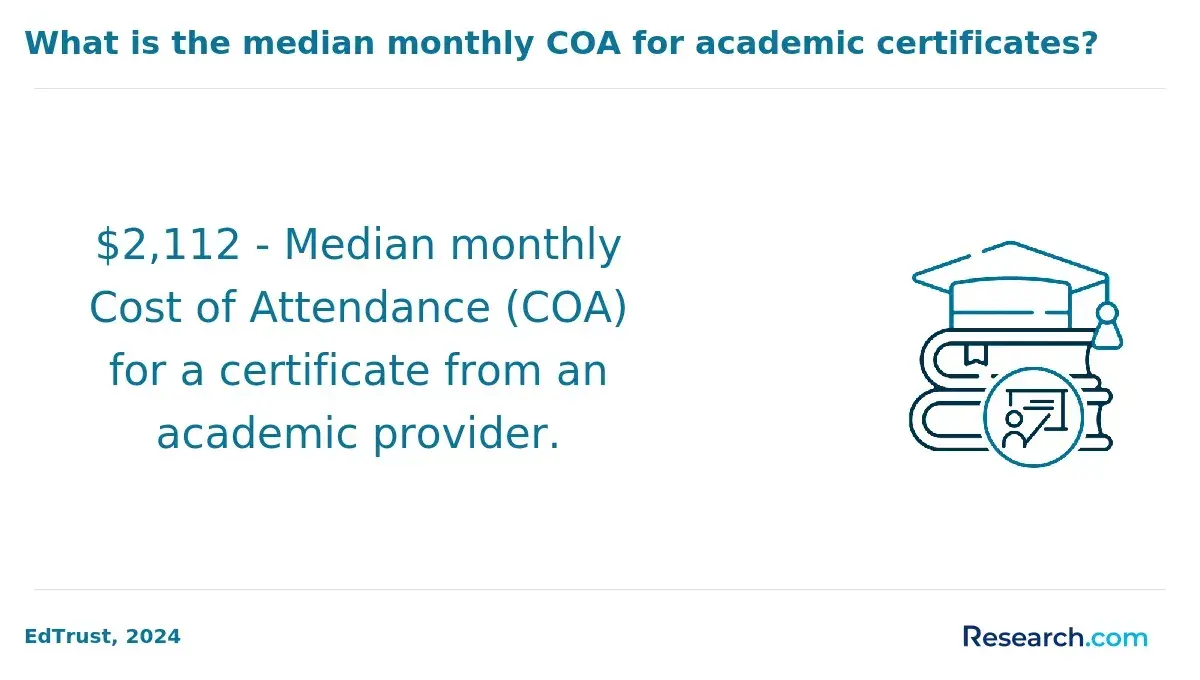
What certifications can you get with the highest level of software development degree?
Professional certifications play an important role in enhancing the qualifications of graduates who hold the highest level of software development degree, typically a doctoral degree such as a PhD or Doctor of Science. These credentials provide practical recognition of specialized skills and leadership capabilities that extend beyond academic research and innovation.
For those interested in pursuing advanced software development certifications, several options stand out as valuable complements to doctoral training. These certifications not only validate technical mastery but also emphasize applied expertise and project leadership, which are critical in both industry and academia.
- Certified Software Development Professional (CSDP): Offered by the IEEE Computer Society, this certification demonstrates adherence to rigorous professional standards in software engineering. It bridges the gap between theoretical knowledge gained through doctoral research and the practical demands of development roles, reinforcing a graduate's technical proficiency.
- Project Management Professional (PMP): Recognized widely across industries, PMP certification highlights advanced organizational and leadership skills. It equips doctorate holders to manage complex projects effectively, aligning with the strategic and managerial competencies developed during their highest-level studies.
Those pursuing top certifications after software development degree often find enhanced career prospects in senior research and development positions, consultancy, or academic leadership. Research such as the IEEE Software Engineering Salary Survey confirms that holding certifications alongside a doctoral degree can increase earning potential and professional recognition.
While doctoral programs in software development do not typically mandate certification, obtaining these qualifications can significantly strengthen a candidate's profile in a competitive job market. Graduates looking to lead technological innovation or contribute to academia benefit from credentials that showcase both their advanced knowledge and applied skills.
For a broader view on career outcomes linked to advanced technical education, see the best degrees to make money. This resource provides insight into how specialized qualifications, like those in software development, align with lucrative career paths.
What careers are available for graduates with the highest level of software development degree?
For students pursuing terminal degrees in software development, recognizing the career trajectories available is vital for setting clear professional objectives. Recent research highlights a surge in demand for experts skilled in artificial intelligence and cybersecurity, signaling expanding opportunities for highly educated professionals. This context frames the diverse roles graduates with the highest qualifications often embrace.
- Research Scientist or Principal Engineer: These individuals drive innovation by developing cutting-edge technologies and refining software methodologies, often working within advanced research labs or tech companies.
- Technical Director or Chief Technology Officer: Leadership positions where professionals oversee strategic software initiatives and guide multidisciplinary teams to align technology with organizational goals.
- Academic Professor or Lecturer: Focused on education and research, these roles allow graduates to contribute to advancing knowledge and training the next generation of software developers.
- Policy Advisor or Analyst: Specialists who influence regulatory and ethical standards around software, cybersecurity, and digital frameworks, often collaborating with government or industry bodies.
Graduates in these pathways benefit from a blend of deep technical expertise and essential soft skills such as communication and project management, which doctoral programs emphasize. These capabilities empower them to lead complex projects and shape the future of technology both commercially and academically.
When I spoke to a professional who completed the highest level of software development degree, she shared how the journey was both demanding and transformative. "Balancing research, coursework, and personal life was certainly challenging," she reflected, "but the experience deepened my problem-solving skills and expanded my perspective on the industry."
She emphasized that earning this degree opened doors to leadership roles she hadn't previously considered, giving her the confidence and qualifications needed to impact technology strategy at senior levels. Her story illustrates that beyond technical mastery, the process fosters resilience and strategic thinking essential for career advancement.
What is the average salary for graduates of the highest level of software development degree?
Salary outcomes are a critical factor for students pursuing terminal or doctoral-level software development programs, given the substantial investment of time and finances involved. Industry trends indicate that the highest degree in software development salary potential is growing, reflecting increased demand for advanced expertise and research capabilities. This context leads to a more detailed examination of average salary figures and contributing factors for doctorate graduates.
- Early-Career Earnings: Graduates holding a doctorate in software development often begin with salaries around $90,000. These starting salaries recognize specialized skills and the potential to contribute to complex technological projects early in their careers.
- Long-Term Earning Potential: With experience, salary prospects improve significantly, frequently exceeding $150,000. This progression is especially notable for individuals moving into leadership, research, or highly specialized technical roles.
- Industry Variation: Compensation levels vary notably by sector; those employed in finance, aerospace, or artificial intelligence typically achieve higher salaries compared to counterparts in educational or public sectors. This discrepancy highlights the influence of industry priorities on salary outcomes for doctorate holders.
- Leadership and Specialized Roles: Advanced degrees open pathways to leadership positions and consultancy roles that generally command superior pay. The doctorate credential signals an ability to innovate and lead, factors that contribute to a rising salary premium in software development careers.
Understanding the average salary for software development doctorate graduates is essential for evaluating the return on investment of such programs. Students seeking cost-effective education options may explore resources on cheap online colleges that accept FAFSA to help manage educational expenses while aiming for high-level credentials.
How do you decide if the highest level of software development degree is right for you?
Choosing to pursue the highest credential in software development, like a doctoral degree, requires thoughtful deliberation due to its demanding time and financial commitments. Fewer than 2% of graduates in computing fields continue to this level, reflecting its specialized scope and intensity. Careful reflection on key considerations can clarify if this path fits your professional and personal goals.
Important factors to weigh include:
- Career Goals: Determine if your ambitions involve leadership, academic roles, or advanced research positions where deep expertise is essential.
- Research Interests: Consider whether you are passionate about innovating technically or developing new approaches within software development.
- Financial and Time Investment: Assess your ability to dedicate several additional years and resources, balancing these demands with current responsibilities.
- Prior Academic Preparation: Ensure you have a solid grounding in both theoretical knowledge and practical skills to thrive in rigorous doctoral studies.
- Long-Term Professional Benefits: Reflect on whether the degree's specialization and industry influence align with your desired career impact.
Is pursuing the highest level of software development degree worth it?
For professionals aiming to advance their careers in software development, pursuing a doctorate can significantly enhance expertise and leadership prospects. Research indicates that computer and information research scientists with doctoral degrees earn median salaries over $140,000, reflecting strong industry demand for advanced skills.
Holding the highest academic credential opens avenues to engage in innovative research, influence technology strategies, and assume senior positions in academia or specialized sectors.
However, obtaining this level of education requires considerable dedication and resources. Doctoral programs often span four to six years or longer, combining intensive coursework with original research projects. Costs can be substantial without sufficient financial aid, and the demanding nature of the study may pose challenges for those balancing work or personal responsibilities.
Prospective candidates should carefully evaluate if a doctorate aligns with their career goals or if a master's degree coupled with practical experience might suffice, while also considering their motivation and capacity for long-term academic commitment.
What Graduates Say About Their Highest Level of Software Development Degree
- Agnes: "The highest level of the software development degree was a significant investment, costing around $60,000, but it was absolutely worth every penny. I gained advanced proficiency in full-stack development, system architecture, and agile methodologies, which transformed my technical capabilities. Since graduating, I've been able to lead complex projects confidently and secure roles that I once thought were out of reach."
- Julia: "Spending upwards of $60,000 on the software development degree was a serious decision, and looking back, it was an investment in both my career and personal growth. The program deepened my understanding of algorithms, data structures, and software design principles, sharpening the critical thinking skills essential for today's tech challenges. These competencies have propelled me into senior developer roles and made me a valued team member. "
- Randi: "Although the cost of the highest level software development degree was steep, approximately $60,000, the expertise I gained has been invaluable. The curriculum emphasized not only coding but also project management and collaborative problem-solving, which expanded my professional toolkit. This degree genuinely accelerated my career trajectory, allowing me to transition into leadership positions with greater ease. "
Other Things You Should Know About Software Development Degrees
Yes, doctoral programs in software development typically offer extensive research opportunities. Students work on original research projects, often contributing to advancements in areas like artificial intelligence, cybersecurity, or software engineering methodologies. These research experiences are fundamental in developing expertise and can lead to publishing papers in academic journals.
In 2027, PhD students in software development often engage in cutting-edge research opportunities such as AI innovation, cybersecurity advancements, and software infrastructure improvements. These opportunities allow them to contribute significantly to the field, often through collaborations with experienced faculty and interdisciplinary teams.
In 2027, PhD students in software development often take on teaching assistant roles, leading lab sessions, tutoring, and sometimes instructing undergraduate courses. These responsibilities provide valuable experience and are instrumental in honing communication skills essential for an academic career.
Funding for advanced software development degrees often includes research assistantships, teaching assistantships, fellowships, and scholarships. Many institutions also provide grants that cover tuition and living expenses. Securing funding typically involves a competitive application process and is often tied to research projects or academic performance.
References
- Top eight skills for software engineers right now | FDM Group https://www.fdmgroup.com/news-insights/top-skills-for-software-engineers/
- 20 Necessary IT Certifications + Salaries I Skillsoft - Skillsoft https://www.skillsoft.com/blog/top-paying-it-certifications
- What Are the Benefits of Being a Software Engineer? A Complete Overview - Techneeds https://www.techneeds.com/2025/04/11/what-are-the-benefits-of-being-a-software-engineer-a-complete-overview/
- Engineering Levels in Different Companies Compared - testRigor AI-Based Automated Testing Tool https://testrigor.com/blog/engineering-levels-in-different-companies-compared/
- 5 Software Development Skills That Will Put You In The Top 3% Of Software Developers | by Dragos Nedelcu | Medium https://dragosgn.medium.com/5-software-development-skills-that-will-put-you-in-the-top-3-of-software-developers-c24203dbda08
- Average Software Developer Salaries: Comparison by Country - Qubit Labs https://qubit-labs.com/average-software-developer-salaries-salary-comparison-country/
- The 10 Hottest Careers In Software Development https://online.maryville.edu/blog/the-10-hottest-careers-in-software-development/
- 10 Essential Software Engineer Skills https://www.coursera.org/articles/software-engineer-skills
- Do Developers Need College Degrees? - Stack Overflow https://stackoverflow.blog/2016/10/07/do-developers-need-college-degrees/
- 11 Developer Certifications You Should Earn | Pluralsight | Online Courses, Learning Paths, and Certifications - Pluralsight https://www.pluralsight.com/resources/blog/software-development/best-developer-certifications


