
2027 How to Become a Project Coordinator: Education, Salary, and Job Outlook

Co-Founder and Chief Data Scientist
If you are considering a career in project coordination, the central question is whether you want to be the person who keeps work organized, people aligned, and deadlines visible. Project coordinators support project managers, teams, vendors, and stakeholders by tracking schedules, documentation, budgets, risks, and communication. The role is not usually the final decision-maker on a project, but it is often the person who notices when something is slipping before it becomes a serious problem.
This guide explains what it takes to become a project coordinator in 2027, including the credentials employers commonly expect, the skills that matter most, typical career paths, salary ranges, internship options, advancement strategies, workplace settings, challenges, and signs that this career fits your strengths. Use it to compare education options, plan your first role, and understand how project coordination can lead into project management or related operations careers.
What are the benefits of becoming a project coordinator?
- Project coordinator roles are growing at 8% annually, faster than average, reflecting increased demand for organized project management in diverse industries.
- Average annual salary is about $58,000, with potential increases based on experience, industry, and location.
- Pursuing this career offers practical skills in coordination, communication, and leadership, making it a versatile entry point into project management fields.
What credentials do you need to become a project coordinator?
Most project coordinator roles do not require a state license, but employers usually look for a mix of education, workplace experience, software familiarity, and proof that you understand project management basics. A bachelor’s degree is the most common route, though some entry-level positions accept an associate degree, diploma, or equivalent experience.
The strongest candidates can show that they are organized, comfortable with deadlines, and able to communicate clearly with both technical and nontechnical teams. Credentials help, but they work best when paired with practical examples from internships, administrative roles, operations work, event planning, construction support, IT support, or team-based academic projects.
| Credential | How it helps | Best fit |
| Bachelor's degree | Builds a foundation in business, communications, project management, or a related field. Over 66% of project coordinators have this degree. | Candidates targeting corporate, healthcare, technology, construction, government, or nonprofit project roles. |
| Associate degree or diploma | Can qualify you for some entry-level coordinator, project assistant, administrative, or operations support roles. | Students who want a faster or lower-cost path into the workforce. Accelerated online associate's programs may help shorten the timeline. |
| Project management certifications | Signals that you understand project terminology, workflows, scheduling, risk, and stakeholder communication. | Candidates who want to stand out for entry-level roles or prepare for project manager positions later. |
| Software or methodology training | Shows readiness to work with tools and approaches used in the field, such as Agile, Waterfall, Scrum, PRINCE2, or scheduling platforms. | Applicants entering technology, construction, operations, or business transformation teams. |
| Advanced education | May support long-term movement into leadership, program management, consulting, or specialized operations roles. | Professionals who already have experience and want broader business, leadership, or systems knowledge. |
Common certifications include Certified Associate in Project Management (CAPM), Project Management Professional (PMP), Certified Scrum Master (CSM), and PRINCE2. PMP is usually more appropriate after you have meaningful project experience, while CAPM is often a better early-career credential. Tool-specific training, including Primavera-related training for construction or technical scheduling environments, can also help when employers rely on specialized platforms.
Because requirements seldom vary by state, your employer’s expectations matter more than location-based rules. Before choosing a degree or certification, review job postings in your target industry and city. Look for repeated requirements, not one-off preferences, and prioritize the credentials that appear most often.
What skills do you need to have as a project coordinator?
A project coordinator needs both administrative precision and people skills. The job involves keeping details accurate while helping busy teams stay aligned. You may update schedules, prepare reports, follow up on action items, organize meetings, track costs, document decisions, and alert managers when timelines or resources are at risk.
The most useful skills fall into three categories: planning and tracking, communication and collaboration, and problem-solving.
Core technical and organizational skills
- Project planning: Understand how projects move from initiation to planning, execution, monitoring, and closure. You should be able to translate a project goal into tasks, owners, dependencies, and deadlines.
- Time allocation: Build realistic schedules, monitor milestones, and recognize when a delay in one task may affect the rest of the project.
- Financial oversight: Track budgets, purchase requests, invoices, and cost updates accurately. Coordinators may not own the budget, but they often maintain the records that managers use to make decisions.
- Resource management: Help coordinate people, equipment, vendors, materials, meeting spaces, and other project resources so teams have what they need when they need it.
- Record keeping: Maintain organized documentation, meeting notes, status reports, change logs, issue logs, and project files. Poor documentation is one of the fastest ways for a project to lose accountability.
Communication and leadership skills
- Clear writing: Write concise updates, meeting summaries, and follow-up messages that tell people what changed, what is due, and who is responsible.
- Verbal communication: Ask direct questions, confirm expectations, and explain status updates without creating confusion or unnecessary alarm.
- Team coordination: Keep contributors moving without overstepping the project manager’s authority. The best coordinators are persistent, respectful, and specific.
- Stakeholder awareness: Understand that executives, clients, vendors, and team members may need different levels of detail.
Judgment and problem-solving skills
- Risk assessment: Identify potential issues early, such as missed dependencies, unclear ownership, budget pressure, or resource gaps.
- Analytical problem-solving: Compare options, evaluate trade-offs, and suggest practical fixes instead of simply reporting that a problem exists.
- Attention to detail: Catch errors in dates, names, deliverables, approvals, and budget figures before they create delays.
- Adaptability: Adjust when priorities shift, stakeholders change direction, or new constraints appear.
Software skills also matter. Employers may expect familiarity with spreadsheets, collaboration platforms, scheduling tools, document management systems, dashboards, or project management software. You do not need to know every platform, but you should be able to learn new tools quickly and apply consistent project logic across them.
What is the typical career progression for a project coordinator?
Project coordination is often an entry point into project management, operations, business analysis, change management, or program support. The pace of advancement depends on the size of your organization, the complexity of the projects you support, your industry, and whether you can move from task tracking to decision support.
A typical path begins with administrative and coordination responsibilities, then expands into ownership of small projects, full project management, and eventually broader leadership roles.
| Career stage | Typical responsibilities | How to prepare for the next step |
| Project Assistant or Project Coordinator | Handle scheduling, documentation, meeting preparation, progress tracking, budget monitoring, and follow-up on action items. Gaining 2 to 3 years of experience here is essential. | Build strong documentation habits, learn project terminology, and consider a credential such as Certified Associate in Project Management (CAPM). |
| Assistant Project Manager | Coordinate more complex work, manage smaller projects or workstreams, communicate with stakeholders, and support risk and budget tracking. This role usually requires about 5 years of experience and familiarity with project methodologies such as Agile or Waterfall. | Practice leading meetings, managing scope, escalating risks, and explaining trade-offs to managers. |
| Project Manager | Independently oversee larger projects, manage full budgets, lead teams, set timelines, communicate with stakeholders, and take accountability for delivery. | Develop leadership, negotiation, budgeting, vendor management, and strategic communication skills. |
| Specialized or adjacent roles | Move into industry-specific project management, technology, construction, Business Analysis, Operations Management, Change Management, or Portfolio Management. | Choose a specialization, deepen industry knowledge, and build evidence of measurable project outcomes. |
To move up, focus on results rather than job titles alone. Employers want to see that you improved reporting accuracy, reduced delays, supported successful launches, helped control costs, or improved team communication. Keep a record of projects you supported, your role, the tools you used, and the outcomes you helped deliver.
How much can you earn as a project coordinator?
Project coordinator pay varies by industry, city, experience, education, certifications, and the complexity of the projects involved. Coordinators supporting technical, construction, healthcare, or high-budget business projects may have stronger earning potential than those in smaller administrative environments, though individual salaries depend on the employer and role scope.
As of 2025, project coordinator pay ranges approximately from $56,674 to $65,474 annually, with most reported salaries between $55,832 and $72,878. Entry-level roles may start around $36,700, while experienced coordinators or those working in major cities can earn upwards of $80,000.
Location can make a noticeable difference. The project coordinator pay range by city in US varies considerably, and professionals in Colorado or San Francisco typically earn 20-27% more than the national average because of demand and living costs in those areas.
| Factor | How it can affect salary |
| Experience | Pay generally rises as you move from basic administrative support to independent coordination of complex projects, budgets, vendors, or cross-functional teams. |
| Industry | Technology, healthcare, construction, and other specialized sectors may reward coordinators who understand industry workflows, compliance needs, and technical terminology. |
| Location | Large cities and higher-cost markets may pay more, but you should compare salary against housing, transportation, taxes, and commuting costs. |
| Education | A bachelor's degree is usually required for many professional coordinator roles. Additional education may help when paired with relevant experience. |
| Certifications | Credentials such as PMP or CAPM can strengthen your profile, especially when the job posting specifically names them. |
Advanced credentials may improve your salary prospects, but they should match your goals. For example, some professionals compare graduate options, including easy masters degrees online, when they want to move toward leadership, operations, or project management roles. A degree alone does not guarantee a higher salary; employers still look for demonstrated project experience, communication ability, and reliable delivery.
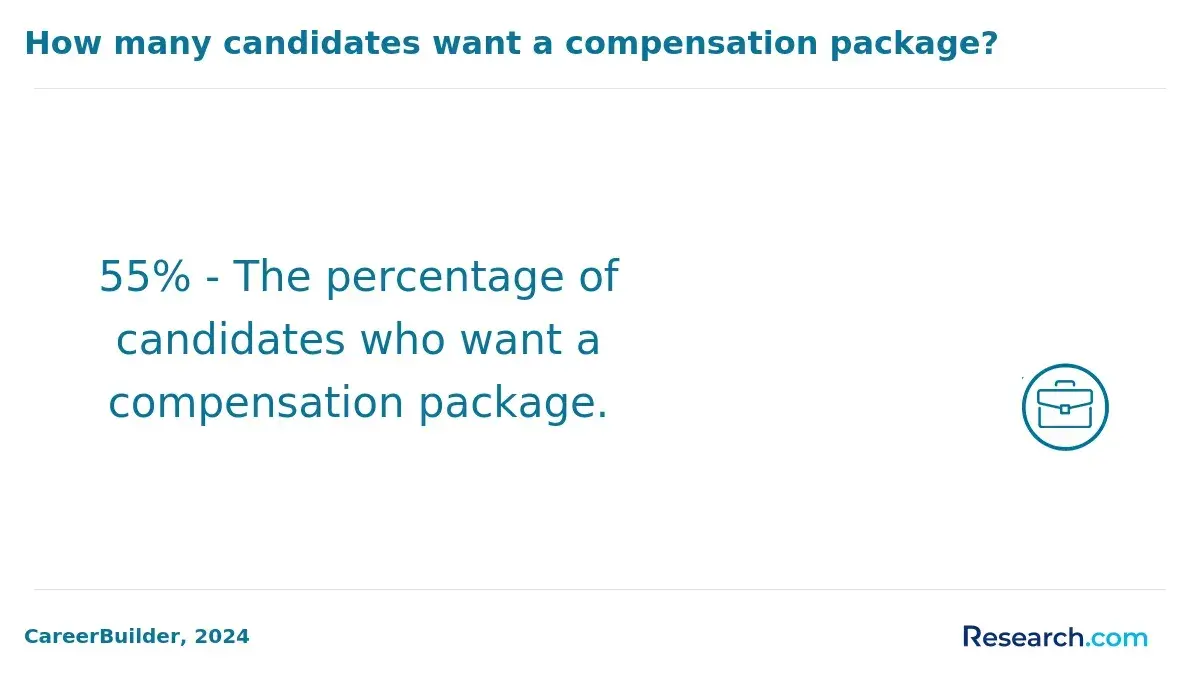
Before accepting an offer, compare the full compensation package. Benefits, remote or hybrid flexibility, overtime expectations, travel requirements, promotion pathways, and training support can matter as much as base pay.
What internships can you apply for to gain experience as a project coordinator?
Internships are one of the best ways to test whether project coordination fits you before committing to a long-term career path. A good internship lets you observe how projects are planned, how teams communicate, how deadlines are tracked, and how managers handle scope changes or delays.
When searching, use both broad and location-specific terms. If you are targeting Illinois, searches such as project coordinator internship Chicago IL or 2025 summer intern project coordinator Illinois can help you find local options. Also search for project management intern, operations intern, program coordinator intern, construction project intern, IT project intern, and business operations intern.
- Corporate settings: Companies like Capital One offer internships involving real projects that create tangible business impact. Interns may receive mentorship, collaborate across teams, and build skills in project planning, execution, and coordination.
- Nonprofit organizations: Internships with nonprofits such as the International Justice Mission may involve coordinating events, managing internal platforms, compiling reports, and supporting grant-funded or mission-focused work. These roles are useful for building organization and communication skills.
- Government agencies and construction firms: Opportunities with entities like McCarthy can provide hands-on exposure to projects from initiation through closure. Interns may learn about timelines, budgeting, site coordination, documentation, and team oversight.
- Industry-specific organizations: IT, healthcare, manufacturing, education, and consulting internships may emphasize documentation, task status monitoring, stakeholder updates, compliance, or software-based project tracking.
How to choose the right internship
- Look for real project exposure: The best internships involve status meetings, project plans, schedules, reports, or stakeholder communication—not only clerical work.
- Ask about tools: Find out whether interns use spreadsheets, project management platforms, dashboards, scheduling software, or collaboration systems.
- Prioritize mentorship: A supervisor who explains project decisions can teach more than a large organization with limited guidance.
- Match the industry to your goals: Construction, healthcare, IT, nonprofit, and corporate roles all use project coordination differently.
- Build a portfolio: Keep nonconfidential samples or summaries of schedules, reports, process improvements, or project contributions you helped create.
Academic credentials can complement internship experience, but most project coordinator roles value practical proof that you can organize work and communicate well. If you are considering long-term research, higher education administration, or senior leadership pathways, reviewing options such as most affordable online phd programs may be useful, but a doctorate is not a standard requirement for project coordinator roles.
How can you advance your career as a project coordinator?
Advancement from project coordinator to project manager or another leadership role requires more than doing assigned tasks well. You need to show that you understand why tasks matter, how risks affect outcomes, and how to help teams make better decisions. The fastest growth usually comes from taking on more ownership while building formal project management knowledge.
- Earn relevant certifications: Start with credentials that match your experience level, such as CAPM, and aim for PMP when you meet the requirements and are ready for broader project responsibility. Industry-specific credentials in healthcare, IT, construction, Agile, or Scrum can make your profile stronger when they align with the roles you want.
- Pursue further education strategically: Degrees in project management, business, operations, communications, information systems, or related disciplines can deepen your knowledge. Online and part-time study may allow you to continue working while learning. Prioritize courses in leadership, organizational design, systems thinking, budgeting, data analysis, and stakeholder management, not only software tools.
- Build a professional network: Join project management groups, attend conferences, participate in webinars, and seek mentors. Associations like PMI can help you meet experienced managers, learn employer expectations, and discover roles that are not always visible through job boards.
- Gain diverse, hands-on experience: Volunteer for cross-functional projects, process improvement efforts, system implementations, or initiatives with unclear requirements. These experiences show that you can handle ambiguity and coordinate across departments.
- Document measurable outcomes: Track improvements you helped support, such as better reporting, faster approvals, fewer missed deadlines, cleaner documentation, or smoother stakeholder communication. Advancement decisions often depend on evidence.
- Learn the business behind the project: Understand how your organization earns revenue, serves clients, controls costs, manages risk, and measures success. Coordinators who understand business context are better prepared for manager roles.
- Stay updated on industry trends: Learn how AI, data analytics, automation, agile methods, and collaborative tools affect project work. You do not need to chase every trend, but you should know which changes are affecting your industry.
A practical advancement plan is to ask your manager which project manager responsibilities you can begin practicing now. Examples include owning a small workstream, preparing a risk register, leading a recurring status meeting, drafting a project closeout summary, or coordinating a vendor handoff. These assignments help you build credibility before applying for the next title.
Where can you work as a project coordinator?
Project coordinators work anywhere organizations need to plan, track, and complete multi-step work. That includes private companies, public agencies, healthcare systems, construction firms, universities, nonprofits, energy companies, and consulting teams. If you are searching locally, project coordinator jobs in Baton Rouge LA may appear across several industries rather than under one single career category.
Industries hiring project coordinators in Louisiana and across the United States include:
- Major corporations: Companies such as Nike, Google, and General Electric regularly employ project coordinators to support product launches, internal initiatives, operations improvements, marketing campaigns, and cross-departmental projects.
- Healthcare systems: Large hospital networks like Kaiser Permanente and Mayo Clinic hire project coordinators to manage clinical trials, IT upgrades, compliance projects, facility expansions, and administrative improvement efforts.
- Government agencies: Federal, state, and local government offices—including the Department of Transportation and city planning departments—seek project coordinators for infrastructure, compliance, procurement, community development, and public service projects.
- Educational institutions: Universities and school districts need project coordinators to oversee curriculum rollouts, grant initiatives, campus construction, technology upgrades, and administrative improvements.
- Nonprofits: Organizations such as the American Red Cross and United Way use project coordinators to manage grant-funded programs, volunteer initiatives, donor projects, events, and community outreach efforts.
- Specialized industries: Manufacturing, energy, aerospace, engineering, design, and consulting firms regularly look for project coordinators to support technical service projects, power generation, process improvements, client work, and regulated workflows.
How to target the right workplace
- If you like structure: Consider government, healthcare, education, construction, or regulated industries where processes and documentation are central.
- If you like fast-changing work: Technology, consulting, marketing, and product-focused companies may offer more varied project cycles.
- If you want mission-driven work: Nonprofits, public agencies, and education organizations may be a better fit.
- If you want technical growth: Look at IT, engineering, energy, construction, manufacturing, or aerospace environments.
Many project coordinator jobs offer hybrid or remote options, especially in technology and design sectors. However, construction, healthcare facilities, government infrastructure, and operations-heavy roles may require more on-site work. If you are building the educational foundation for entry-level roles, comparing cheapest online college per credit hour programs can help you control costs while developing relevant business, communication, or project management skills.
What challenges will you encounter as a project coordinator?
Project coordination can be rewarding, but it is not a low-pressure administrative role. Coordinators often sit at the center of competing priorities. They may not have full authority over the team, yet they are still expected to keep information accurate, deadlines visible, and communication moving.
- High workload and tight deadlines: You may support several projects at once, each with different stakeholders, timelines, documents, and risks. Without strong prioritization, the work can become reactive and stressful.
- Limited authority: Coordinators often need updates from people who do not report to them. Success depends on influence, clarity, follow-through, and escalation—not formal power.
- Communication overload: Messages may come through email, meetings, chat platforms, spreadsheets, and project software. Important details can get lost unless you create a reliable tracking system.
- Emotional demands of team management: Coordinating teams from different cultures and across time zones requires patience, cultural sensitivity, and clear expectations to reduce misunderstandings.
- Competitive job market for better-paid roles: Employers may be selective for coordinator positions that lead to project manager responsibilities. Certifications, tool knowledge, and practical examples of project work can help you stand out.
- Rapid technological shifts: AI, data analytics, automation, and new collaboration tools are changing how teams plan and report work. Coordinators need to stay current without becoming distracted by every new platform.
- Regulatory compliance and ESG factors: Some projects involve legal requirements, environmental, social, and governance standards, privacy rules, safety expectations, or procurement procedures. Missing a compliance detail can create serious consequences.
The best way to manage these challenges is to build repeatable systems. Use clear meeting notes, decision logs, owner-and-deadline tracking, version control, and documented escalation paths. A coordinator who brings order to uncertainty becomes valuable quickly.
What tips do you need to know to excel as a project coordinator?
To excel as a project coordinator, focus on making work visible, decisions traceable, and responsibilities clear. Your value comes from reducing confusion. When people know what is due, who owns it, what changed, and what needs attention, the whole project runs better.
- Start every project with the outcome: Define the end goal, deliverables, success measures, deadlines, and major constraints before building a timeline.
- Work backward from key milestones: Create project timelines by identifying the final deadline, then mapping the tasks, dependencies, approvals, and handoffs needed to get there.
- Use visual management tools: Kanban boards, Gantt charts, dashboards, or milestone trackers can help teams see progress and spot bottlenecks before delays become serious.
- Keep communication in one reliable system: Consolidate updates where possible so decisions, files, owners, and deadlines do not disappear across multiple channels.
- Run purposeful meetings: Prepare agendas, define the goal of each meeting, invite only the necessary people, and send follow-up notes that list decisions, action items, owners, and due dates.
- Escalate early and professionally: Do not wait until a deadline is missed. Flag risks when there is still time to respond, and offer options instead of only identifying problems.
- Confirm assumptions: If a deadline, owner, budget figure, or deliverable is unclear, verify it. Many project issues begin with assumptions that no one checked.
- Protect documentation quality: Keep files organized, label versions clearly, and make sure the latest project information is easy to find.
- Build strong interpersonal habits: Practice clear writing, calm follow-up, active listening, time management, problem-solving, and attention to detail.
- Commit to continuous learning: Stay current with project management technologies, methodologies, AI-supported tools, and industry changes that affect how teams work.
A useful habit is to end each week by reviewing open tasks, upcoming deadlines, unresolved risks, and stakeholder questions. This simple routine helps you enter the next week prepared instead of reacting to surprises.
How do you know if becoming a project coordinator is the right career choice for you?
Becoming a project coordinator may be a strong fit if you enjoy organizing moving parts, helping teams stay accountable, and turning vague goals into structured action. It is especially suitable for people who like practical problem-solving, steady communication, and visible progress.
It may be less satisfying if you strongly dislike follow-up, documentation, meetings, shifting priorities, or working through other people to get results. Project coordinators often succeed by being consistent and persistent, not by working alone or avoiding conflict.
| You may be a good fit if... | You may want to reconsider if... |
| You naturally organize schedules, tasks, files, and group responsibilities. | You dislike tracking details or following up repeatedly. |
| You can stay calm when deadlines overlap or priorities change. | You become overwhelmed when several people need updates at once. |
| You communicate clearly in writing and conversation. | You prefer work with minimal communication or collaboration. |
| You enjoy being the person others rely on to keep work moving. | You want full creative freedom with little structure. |
| You are willing to learn project management software, spreadsheets, dashboards, and reporting tools. | You avoid new technology or process-based work. |
| You like improving systems and preventing problems before they happen. | You prefer solving issues only after they become urgent. |
Common indicators of a natural fit include enjoying group projects, event planning, student organization leadership, volunteer coordination, administrative support, operations work, or any role where others counted on you to keep tasks organized. Strong project coordinators are often the people who notice missing information, unclear deadlines, or communication gaps before anyone else does.
Before choosing this path, talk with project coordinators or project managers in industries that interest you. Ask what their day looks like, which tools they use, how much authority they have, and what creates the most stress. If you need a flexible and affordable education route while working, explore low cost online universities for working adults that can help you build relevant business, communication, and project management skills.
What Professionals Who Work as a Project Coordinator Say About Their Careers
- : "Choosing a career as a project coordinator has offered me remarkable job stability and competitive salary potential, especially in thriving industries like construction and IT. The demand for skilled coordinators continues to grow, which makes it a promising path for long-term career security. I'm grateful for the steady opportunities this role provides. — Mylo"
- : "Working as a project coordinator constantly challenges me to adapt and think creatively, since every project brings unique hurdles and opportunities. The dynamic nature of the work keeps me engaged and allows me to collaborate with diverse teams, which I find incredibly rewarding. It's been an exciting journey full of professional surprises. — Noel"
- : "What stands out most about being a project coordinator is the clear path for professional development and advancement. From training programs to leadership roles, the career trajectory encourages continuous learning and growth. This role has truly elevated my skills and opened doors to new responsibilities. — Rafael"
Other Things You Should Know About Becoming a Project Coordinator
In 2027, aspiring project coordinators typically require a bachelor's degree in business, management, or a related field. Skills in organization, communication, and proficiency in project management software are essential. Additional certifications like CAPM can further enhance employment prospects and career advancement.
In 2027, both experience and education play vital roles for aspiring project coordinators. While education provides a foundational understanding, hands-on experience is critical for practical skills development. Employers often seek candidates with a balance of both, valuing those who can demonstrate proven track records in managing projects effectively.
References
- Working as a project coordinator | Randstad Canada https://www.randstad.ca/job-seeker/job-profiles/project-coordinator/
- What is a Project Coordinator? - Roles, Skills, Tools, and Career Path | Operations Insights https://www.getguru.com/reference/project-coordinator
- Compare project coordinators and project managers | edX https://www.edx.org/resources/project-coordinator-vs-project-manager
- Essential Skills to Kickstart Your Project Coordinator Career - CornerStone Dynamics https://www.cornerstonedynamics.com/essential-skills-to-kickstart-your-project-coordinator-career/
- Project Coordinator (CPROC) - Sheridan CAPS https://caps.sheridancollege.ca/info/certificate-information/cproc/
- Common project challenges and how to manage them | ILX Group ILX EUR | ILX Group EU https://www.ilxgroup.com/eur/blog/common-project-challenges-and-how-to-manage-them-effectively
- 21 Project Coordinator Skills To Level Up Your Career [2025] https://www.simplilearn.com/project-coordinator-skills-article
- Project Coordinator Role in the PMO | PRINCE2 UK https://www.prince2.com/uk/blog/exploring-the-role-of-a-project-coordinator
- Project Coordinator Salary in Poland (2025) | TalentUp https://talentup.io/salary/project%20coordinator/poland
- Project Coordinator Career Paths and Strategies: A Comprehensive Guide https://www.sprintzeal.com/blog/career-path-for-project-coordinator


