
2027 Can You Get Into a Library Science Degree Master's Program with a Low GPA? Admission Chances & Workarounds

Co-Founder and Chief Data Scientist
A low undergraduate GPA can make a library science master’s application feel risky, but it does not automatically end your chances. Many Master of Library and Information Science programs review applicants holistically, especially when they can show recent academic improvement, relevant library or information work, strong recommendations, and a clear reason for pursuing the field. According to the American Library Association, about 35% of library science master's entrants have GPAs below 3.0, which shows that some programs make room for applicants whose strengths are not fully reflected in their transcript.
This guide explains how GPA is used in admissions, what can offset weaker grades, and how to choose programs where your application is likely to be read fairly. It is written for applicants with uneven transcripts, career changers, library workers without a strong academic record, and students deciding whether to apply now or strengthen their profile first.
Key Things to Know About Getting Into a Library Science Master's Program with a Low GPA
- Admissions committees consider professional experience and strong letters of recommendation to offset a low GPA, focusing on holistic review beyond grades alone.
- Completing relevant certifications or post-baccalaureate courses demonstrates academic improvement, boosting chances despite past GPA challenges in library science applications.
- Networking with faculty and aligning personal statements with program goals can significantly strengthen applications, as nearly 40% of accepted candidates highlight fit and motivation.
What Is the Minimum GPA for Library Science Master's Programs?
Most U.S. master's programs in library science commonly list a minimum GPA around 3.0 on a 4.0 scale. That number is usually a screening benchmark, not a promise of admission. Some schools apply it strictly, while others allow exceptions when an applicant has strong professional experience, recent coursework, or compelling recommendations.
The more important distinction is between the published minimum and the GPA of a typical admitted student. Competitive applicants often present GPAs closer to 3.3 to 3.5, especially at selective programs or schools with limited seats. If your GPA is below the stated minimum, you should not assume every program is closed to you, but you should apply strategically and contact admissions before submitting an application.
How to interpret GPA requirements
- Minimum GPA: The lowest GPA a program says it will normally consider. Applicants below this level may need conditional admission, an appeal, or additional evidence of readiness.
- Average admitted GPA: A better indicator of competitiveness. If your GPA is far below the average, the rest of your application must be especially strong.
- Recent academic performance: Programs may give extra weight to your final semesters, upper-level coursework, or classes completed after graduation.
- Program flexibility: Online, part-time, and professionally oriented programs may be more open to applicants with nontraditional academic histories, though standards still vary by institution.
If you are comparing library science with other graduate pathways, review admissions policies rather than relying on GPA alone. For example, applicants exploring technology-oriented fields may also compare requirements for degrees in ai, but the right choice should depend on your career goal, not only on which program appears easier to enter.
How Do Graduate Schools Evaluate a Low Undergraduate GPA?
Graduate schools rarely evaluate a low GPA in isolation. Admissions committees usually ask a more practical question: does the applicant show enough evidence to succeed in graduate-level reading, writing, research, collaboration, and professional practice? A weak transcript creates concern, but other parts of the application can reduce that concern if they are specific and credible.
When evaluating applicants with a low undergraduate GPA in library science admissions, committees often look closely at the following factors:
- Academic performance trends: A rising GPA in later semesters, stronger grades in upper-level courses, or success after returning to school can show maturity and improved study habits.
- Course relevance: Strong grades in writing-intensive, research, information science, education, history, technology, or social science courses may matter more than unrelated weak grades.
- Professional experience: Work in libraries, archives, museums, schools, records management, information services, customer support, digital collections, or community programs can demonstrate field readiness.
- Letters of recommendation: Strong letters should describe your judgment, reliability, communication skills, intellectual curiosity, and ability to complete demanding work.
- Statement of purpose: This is where you explain what changed, why the old GPA does not represent your current ability, and how the program fits your career plan.
- Standardized test scores: If a program accepts or requires the GRE, a strong score can provide additional evidence of academic preparation.
A common mistake is apologizing for a low GPA without giving admissions officers new evidence. A stronger approach is concise and forward-looking: name the issue, explain the context only if it matters, and then point to more recent proof of readiness. Applicants considering other advanced education routes can also compare admissions expectations in options such as the fastest edd program online, but library science applicants should focus first on programs aligned with information work, public service, archives, data, schools, or academic libraries.
Can Work Experience Compensate for a Low GPA in Library Science Graduate Programs?
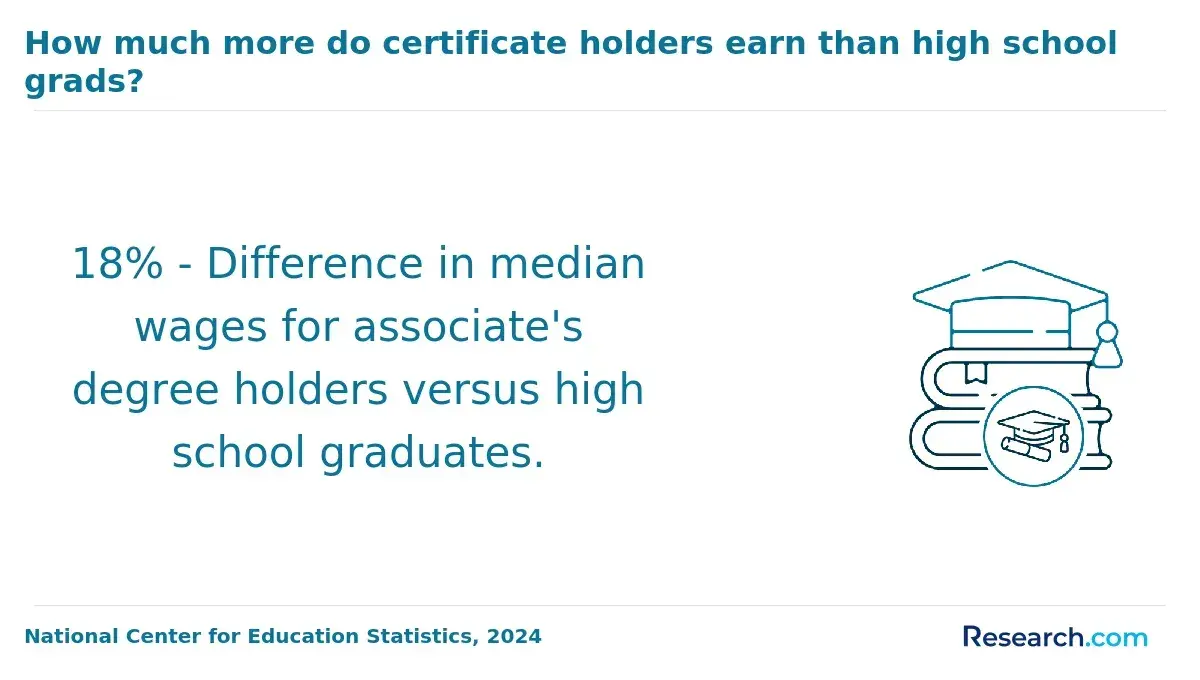
Yes, relevant work experience can help compensate for a low GPA, especially in programs that use holistic review. Research indicates that about 30% of applicants with low GPAs gain admission when they present substantial, relevant work experience. Experience is most persuasive when it shows skills that match graduate study and library science practice, not just general employment history.
Strong experience can improve an application in several ways:
- It demonstrates practical skills: Public service, cataloging support, circulation, reference assistance, digital archives, database work, instructional support, or records management can show that you understand the field beyond the classroom.
- It shows professional growth: Promotions, expanded responsibilities, project leadership, or long-term volunteer commitments can suggest reliability and persistence.
- It proves commitment: Sustained involvement in library-related roles signals that your interest is informed by real work, not just a general interest in books or research.
- It adds perspective: Applicants who have worked with patrons, students, researchers, community members, or digital systems often bring practical insight to graduate discussions.
- It supports stronger recommendations: Supervisors can provide detailed evidence of your professionalism, problem-solving, communication, and readiness for graduate study.
How to present work experience effectively
Do not simply list job titles. In your resume and statement, connect your work to the competencies library science programs value: organizing information, serving diverse users, managing technology, teaching information literacy, preserving materials, analyzing needs, and communicating clearly. If your GPA is weak, your professional record should make the admissions committee think, “This applicant has already been doing related work responsibly.”
One graduate of a library science master's program described feeling anxious because his low GPA made him believe “it would close every door.” He later found that his years as a library assistant helped admissions reviewers see his readiness. In interviews and application materials, he highlighted specific work with digital archives and user engagement. He said he felt “validated through real-world accomplishments,” which helped “balance out academic shortcomings.”
Do Certifications Improve Admission Chances for Low GPA Applicants?
Certifications can improve an application, but they work best as supporting evidence rather than a substitute for academic readiness. Research shows that over 40% of admissions officers view professional certifications as a favorable factor, especially when an applicant's GPA falls below the average requirements. The value of a certification depends on its relevance, rigor, and connection to your goals in library and information science.
For low-GPA applicants, a certification can signal that you are actively building current skills. It may be especially useful if it relates to digital archives, metadata, records management, instructional technology, research support, data organization, accessibility, youth services, or information systems. A short, unrelated credential is less persuasive than a focused credential that clearly supports your intended concentration.
When certifications help most
- You earned strong grades or evaluations: Completion alone is helpful, but documented performance is stronger.
- The credential fills a transcript gap: For example, it can show updated technology, writing, research, or data skills that your undergraduate record does not show.
- It connects to your statement of purpose: Explain how the certification prepared you for graduate work or clarified your career direction.
- It supports your professional experience: A certification paired with hands-on library, archive, or information work is more convincing than a credential with no applied context.
Applicants should avoid collecting credentials randomly. Choose one or two that make your profile more coherent. If you are also researching other fields or budget-conscious study formats, resources on online colleges for engineering may be useful for comparison, but a library science application should prioritize credentials that fit information work.
Can Taking Additional Undergraduate Courses Raise Your Admission Chances?
Yes, additional undergraduate coursework can raise your admission chances if it provides recent, relevant evidence that you can handle academic work. Research shows that about 60% of students who complete extra classes improve their GPA enough to positively influence graduate admissions decisions. The impact depends on what you take, how well you perform, and how the target program reviews post-degree coursework.
Additional classes are most useful when they correct a clear weakness in your application. For a library science applicant, that may mean writing-intensive courses, research methods, statistics, information technology, education, history, literature, social sciences, database fundamentals, or courses connected to archives and digital information.
- Grade replacement impact: Institutions differ in whether new grades replace old grades or are calculated separately. Ask each target school how it reviews repeated or post-baccalaureate coursework.
- Upper-level coursework: Advanced courses are more persuasive than introductory classes because they better reflect your ability to manage graduate-level expectations.
- Subject relevance: Courses tied to research, academic writing, information organization, technology, or user services strengthen your application more than unrelated electives.
- Recent academic performance: Recent strong grades can show that your current habits and circumstances are different from those reflected in your old transcript.
If you are deciding between applying now and taking more classes first, compare deadlines, cost, and the size of your GPA gap. One or two strong, relevant courses may be enough if your application is otherwise solid. If your GPA is far below program expectations, a more structured academic plan may be safer.
Students still comparing graduate fields may also review programs such as affordable online psychology masters, but the best additional coursework for library science should directly support admission to a library and information science curriculum.
What Is Conditional Admission for Library Science Master's Programs?
Conditional admission is a provisional acceptance offered to applicants who show promise but do not fully meet standard academic requirements, often because of a low GPA. Roughly 30-40% of graduate programs extend this provisional status to assess candidates' ability to succeed when given structured support. It gives students a chance to prove themselves through early graduate coursework, but it also comes with clear performance expectations.
Conditional admission can be a strong option if your application has real strengths but your transcript raises questions. It is not a shortcut. You must usually meet specific academic conditions to continue in the program.
- Academic performance requirements: Students may be required to earn and maintain a minimum GPA, often around 3.0, during initial coursework.
- Course completion conditions: Programs may require foundational or prerequisite courses before granting full admission.
- Time limits: The conditional period generally covers the first semester or the first year, after which the program reviews progress.
- Progress evaluation: Faculty or advisors determine whether the student has met the conditions for full admission or should be dismissed.
Questions to ask before accepting conditional admission
- What exact GPA or course grades are required to continue?
- How many credits must be completed before full admission is granted?
- Will conditional status affect financial aid, assistantships, or course registration?
- What support is available if you struggle in the first term?
- Will dismissed students have an appeal or reapplication option?
Conditional admission can be valuable for low-GPA applicants, but only if the terms are realistic. Read the offer carefully and make sure you can meet the requirements while balancing work, family, and financial obligations.
Are Online Library Science Master's Programs Easier to Get Into with a Low GPA?
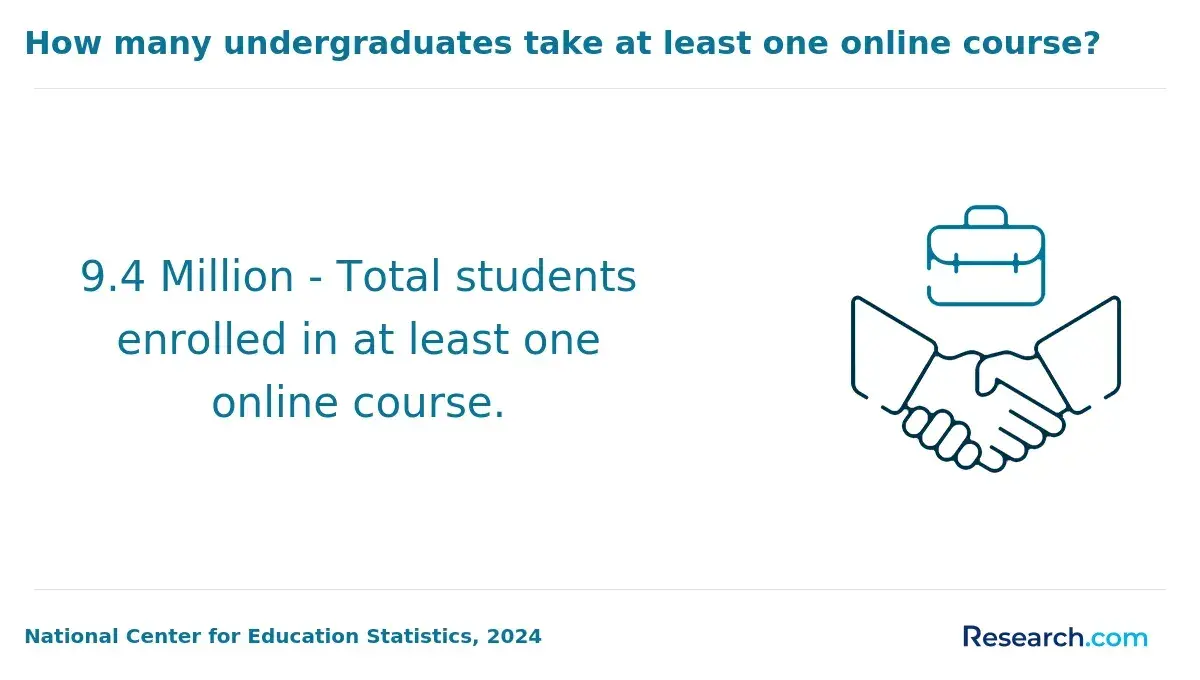
Online library science master's programs may be more accessible for some low-GPA applicants, but they are not automatically easier. Admissions standards vary by institution, accreditation status, faculty capacity, and applicant demand. While online graduate programs tend to have acceptance rates approximately 10-15% higher than on-campus equivalents, a low GPA still needs to be addressed with evidence of readiness.
The main advantage of online programs is often flexibility, not lower quality. Many online programs serve working adults, career changers, and applicants with substantial professional experience. That can help a low-GPA applicant if the program values work history, recommendations, and a clear statement of purpose.
- Admission standards: Some online programs review applications holistically and consider professional experience alongside GPA.
- Program selectivity: Highly regarded or specialized online programs may still enforce strict GPA thresholds.
- Applicant pool size: Larger applicant pools can sometimes allow more flexibility, but they can also increase competition.
- Experience requirements: Library, archive, school, technology, or information-service experience can make an online applicant more competitive.
- Fit and accreditation: Applicants should evaluate whether the program supports their intended career path and meets employer expectations.
If you need flexibility and want to compare cost-conscious options, researching masters in library science online programs can help you identify formats that fit your schedule while still allowing you to evaluate admissions standards carefully.
One professional admitted to an online library science master's program despite a low GPA said she expected her transcript to be the main obstacle. Instead, her volunteer work and detailed recommendations became central to her application. She recalled that admissions staff “seemed to value what I brought from my experience nearly as much as my academic record.” An interview also helped her demonstrate motivation, communication skills, and realistic expectations for graduate study.
Can a High GRE Score Offset a Low GPA for Library Science Master's Programs?
A high GRE score can help offset a low GPA when a library science master's program accepts or requires the test. Research indicates that around 30% of applicants with GPAs below 3.0 gained admission to library science master's programs when their GRE scores ranked in the 75th percentile or higher. The GRE is most useful when it gives admissions committees a current, standardized signal that you can manage graduate-level work.
That said, the GRE is not equally important everywhere. Some programs do not require it, some make it optional, and others may give it limited weight. Before spending time and money on test preparation, confirm whether your target programs will consider the score and whether a strong score could strengthen an application with a low GPA.
- Quantitative scores: Strong quantitative results can support your ability to handle research, assessment, data interpretation, and technology-related coursework.
- Verbal scores: High verbal reasoning scores can demonstrate reading comprehension and communication skills, both important in library and information science.
- Analytical writing: A strong writing score can help address concerns about graduate-level writing, especially if your transcript includes weak writing-intensive grades.
- Overall test performance: Balanced scores across sections suggest preparation, discipline, and academic readiness.
The GRE is most effective as part of a broader recovery story: recent coursework, better study habits, strong work experience, and recommendations that confirm your current ability. A high score alone may not overcome an unexplained pattern of weak academic performance.
What Is a Post-Baccalaureate Program for Low-GPA Students?
A post-baccalaureate program is additional study completed after earning a bachelor's degree, often used by students who need to strengthen their academic record before applying to graduate school. For low-GPA students interested in library science, a post-baccalaureate route can provide structured coursework, advising, and a clearer record of recent academic success.
Post-baccalaureate study is different from taking a single class casually. It is usually more intentional and may be designed to help students repair academic weaknesses, complete prerequisites, or prepare for graduate-level expectations.
- Academic enhancement: Students retake or complete new courses to show stronger academic performance and better preparation.
- Prerequisite completion: Programs can help applicants fill gaps in writing, research, technology, statistics, or other relevant areas.
- Research opportunities: Some options allow students to build research experience or create work samples that support a graduate application.
- Graduate preparation: Advising may focus on study skills, time management, application strategy, and selecting appropriate programs.
When a post-baccalaureate path makes sense
Consider this option if your GPA is well below program expectations, your low grades are recent, or you lack evidence that you can now perform at a higher academic level. It may be less necessary if you already have strong recent coursework, substantial library experience, and programs willing to review you holistically.
Students comparing very different graduate career tracks may also look at flexible options such as an online masters mft program, but a post-baccalaureate plan for library science should focus on courses and experiences that directly support admission to library and information science programs.
Does GPA Impact Starting Salary After a Library Science Master's Degree?
Undergraduate GPA usually has only a minor effect on starting salary after a master's degree in library science. Employers are more likely to consider the graduate credential, relevant experience, technical skills, public service ability, internships, and fit for the role. Research indicates that graduates with GPAs below 3.0 typically earn starting salaries within 5% of those with higher GPAs, with average salaries ranging from $45,000 to $55,000.
This does not mean grades never matter. A strong graduate GPA can help for internships, assistantships, competitive early-career roles, or doctoral study. But once you have completed the master's degree, hiring decisions usually focus on what you can do in a library, archive, school, nonprofit, government agency, academic setting, or information organization.
- Employer emphasis: Hiring managers often prioritize experience, communication, technology skills, and service orientation over undergraduate grades.
- Field of study: Library science is applied and professional, so practicums, projects, and job-related skills can carry significant weight.
- Professional experience: Internships, volunteer work, student employment, and related roles can improve employability and salary potential.
- Graduate degree credentials: Completing a master's degree from an appropriate library science program generally matters more than an old undergraduate GPA.
The practical takeaway is simple: use GPA strategy to get admitted, then focus on building a strong graduate record, portfolio, network, and work experience. Those factors are more likely to shape early career outcomes than your undergraduate transcript.
What Graduates Say About Getting Into a Library Science Degree Master's With a Low GPA
- : "When I applied to library science master's programs, I thought my low GPA would define the whole application. What helped was choosing schools that reviewed experience, recommendations, and personal statements seriously. I used my statement to explain my goals and show why I was ready for graduate work. The affordable tuition also made the decision feel more manageable. — Jason"
- : "My GPA made me hesitate, but volunteer work and strong recommendations gave admissions committees a fuller picture. Once I entered the program, I saw that commitment and consistency mattered every week. The degree opened specialized roles I had not considered before, and the value has been greater than the doubts I had at the beginning. — Camilo"
- : "As a working professional, I worried that my undergraduate record would limit my options. Several programs looked beyond the GPA and paid attention to relevant coursework, experience, and my reasons for entering the field. Earning the master's helped me move into leadership roles and proved that earlier academic struggles did not have to determine my future. — Alexander"
Other Things You Should Know About Library Science Degrees
Yes, a compelling personal statement can strengthen your application by showcasing passion, relevant skills, and experiences that align with the program. Highlighting unique experiences and future goals can provide context to your academic history and demonstrate your potential for success in 2027.
Work experience in the library field can be crucial for applicants with a low GPA. It demonstrates practical knowledge and commitment to the profession. Many programs value this experience, as it may compensate for academic weaknesses and highlight an applicant's potential to succeed in the field.
Yes, internships and volunteer experiences can bolster your application for a 2027 library science master's program. Practical experience demonstrates commitment and skills relevant to the field, which can offset a low GPA by showcasing real-world capabilities and dedication to the profession.
References
- 2025's Fastest Online Master’s Degrees & Accelerated Programs https://www.onlinemastersdegrees.org/features/fastest-online-masters-degrees/
- Program Information - Masters of Library Science, MLS https://www.ucmo.edu/academics/programs/masters-degrees/coe/educational-technology-and-library-science/library-science-and-info-svcs/master-of-library-science/library-science-program-information/index.php
- How should work experience affect decision to get an MLIS (or another similar specialized Master's)? https://academia.stackexchange.com/questions/104210/how-should-work-experience-affect-decision-to-get-an-mlis-or-another-similar-sp
- Library and Information Science Tuition and fees https://online.missouri.edu/degrees-programs/mu/education/library-and-information-science/mlis/financial
- Salary Expectations and Career Growth in Library Science https://www.librariancertification.com/salary-expectations-and-career-growth-in-library-science/
- M.S. in Library and Information Science https://www.liu.edu/post/academics/palmer-school-of-library-information-science/academic-programs/MS-Library-Information-Science
- Master of Library Science Degree (MLS) | Texas Woman's University https://twu.edu/slis/programs-admission-requirements/master-of-library-science-degree-mls/
- 2025's Most Affordable Library Science Degrees (MLIS) Online https://librarysciencedegreesonline.org/affordable-library-science-programs/
- Library and Information Science MLIS https://online.usm.edu/graduate/library-and-information-science-ms/
- Master of Library and Information Science, M.L.I.S. https://catalog.usm.edu/preview_program.php


