
2027 Is a Library Science Master's Degree Worth It? ROI, Salary & Career Impact

Co-Founder and Chief Data Scientist
A library science master’s degree can be a career requirement, a salary lever, or an expensive credential that does not match your goals. The right answer depends on the kind of work you want, the employers you plan to target, the program’s accreditation, and how much debt you would need to take on.
Recent data shows that the median annual salary for graduates is approximately $60,000, with some roles topping $90,000. At the same time, tuition, fees, living costs, and opportunity costs can reduce the financial upside, especially for students entering lower-paid public or nonprofit roles. Growth in information management jobs is projected at 5% through 2030, slower than average, so students should evaluate the degree as a targeted professional investment rather than a guaranteed path to rapid career growth.
This guide explains what a library science master’s degree may cost, what aid options can reduce the price, how salaries differ by role and sector, what employers look for, and when the degree is most likely to be worth it.
Key Things to Know About the Value of Library Science Master's Degree
- Admission often requires a bachelor's degree and may include work experience; programs balance theory with practical training and vary in length and delivery format.
- Median salaries for graduates range from $50,000 to $65,000 annually, with public librarianship and archival roles offering diverse income prospects.
- Long-term growth depends on networking, advanced certifications, and choosing programs with strong reputations and flexible options to maximize ROI.
How Much Does a Library Science Master's Degree Cost?
The cost of a library science master’s degree depends less on the name of the degree and more on four practical factors: residency status, public versus private institution, online versus campus delivery, and how long you take to finish. Students should compare total program cost, not just annual tuition, because fees, textbooks, technology, commuting, and living expenses can change the real price significantly.
As demand for library and information professionals grows with an estimated 7% salary increase over the next decade, cost control matters. A lower-cost accredited program can produce a stronger financial outcome than a higher-priced option if both meet employer expectations in your target field.
- Public in-state tuition: Public universities are usually the most affordable option for residents, generally ranging from $7,000 to $15,000 per year. Many programs take about two years, but part-time or extended enrollment can increase the total amount paid in fees.
- Public out-of-state tuition: Out-of-state students often pay between $15,000 and $30,000 annually. Some online programs charge the same or similar tuition regardless of residency, so students outside a state should check whether distance enrollment changes the rate.
- Private university tuition: Private institutions commonly charge from $20,000 up to $50,000 per year regardless of residency. A higher price may come with specialized coursework, stronger advising, or broader alumni networks, but students should verify that these benefits support their specific career plan.
- Online program costs: Online library science degrees typically cost between $10,000 and $40,000 total. They can reduce relocation, commuting, and housing costs, but they require reliable technology, strong time management, and proactive networking.
- Ancillary expenses: Textbooks may cost around $500 to $1,000 annually. Technology fees, software, professional association dues, conference travel, and living expenses can add more. Housing alone may add $12,000 to $20,000 yearly depending on location.
- Program length and format: Accelerated programs can reduce time in school and some indirect costs, but they may be difficult for students working full time. On-campus programs can offer stronger local networking, while online formats often make it easier to keep earning income while enrolled.
When comparing library science master’s degree tuition costs, calculate the full cost of attendance and the monthly loan payment you would face after graduation. Prospective students may also compare shorter options such as 1-year master's programs if speed and reduced time away from work are major priorities.
What Financial Aid and Scholarships Are Available for Library Science Master's Students?
Financial aid can make a library science master’s degree more affordable, but students should understand the difference between aid that lowers the price and aid that delays payment. Scholarships, grants, assistantships, and employer tuition benefits reduce out-of-pocket cost. Loans can help with access but increase the long-term cost of the degree.
According to the National Center for Education Statistics, graduate student borrowing remains a significant source of funding. That makes it especially important to compare aid packages before committing to a program.
- Federal graduate loans: Graduate students commonly use federal loan options to cover tuition and eligible education expenses. Borrowers should review interest accrual, origination fees, repayment timelines, and income-driven repayment eligibility before accepting the full amount offered.
- Institutional grants and scholarships: Universities may offer merit-based or need-based awards for library science students. Some require a minimum GPA, full-time enrollment, service commitments, or demonstrated financial need.
- Graduate assistantships: Some programs offer assistantships in libraries, archives, research centers, or academic departments. These may include tuition support, stipends, or hourly pay, but availability is limited and often competitive.
- External scholarships: Organizations such as the American Library Association offer scholarships focused on diversity, research, leadership, and professional goals. Applicants should track deadlines early because many awards close before admission decisions are finalized.
- Discipline-specific search tools: Resources such as the ALA Scholarship Database and Fastweb can help students identify library science scholarships. A detailed profile improves matching and reduces time spent applying for awards that do not fit.
- Employer tuition assistance: Students already working in libraries, schools, universities, museums, or information services should ask whether their employer offers tuition reimbursement or professional development support.
- Competitive application strategies: Strong recommendation letters, a focused statement of purpose, relevant work experience, and a clear career plan can improve scholarship odds. Generic applications are less persuasive in a competitive funding pool.
Students who are still exploring undergraduate options before graduate study may review easy online degrees as one way to think through earlier academic pathways. For the master’s degree itself, the best financial aid strategy is to apply broadly, compare net cost after aid, and avoid borrowing more than your expected career path can reasonably support.
What Is the Average Salary for Library Science Master's Degree Holders?
Library science master’s degree salaries vary by job title, employer type, geography, experience, and technical specialization. The degree can improve access to professional librarian, archival, digital curation, and information management roles, but it does not produce the same salary outcome for every graduate.
The most useful comparison is not “master’s versus no master’s” in the abstract. It is whether the degree helps you qualify for the roles you actually want and whether those roles pay enough to justify your program cost.
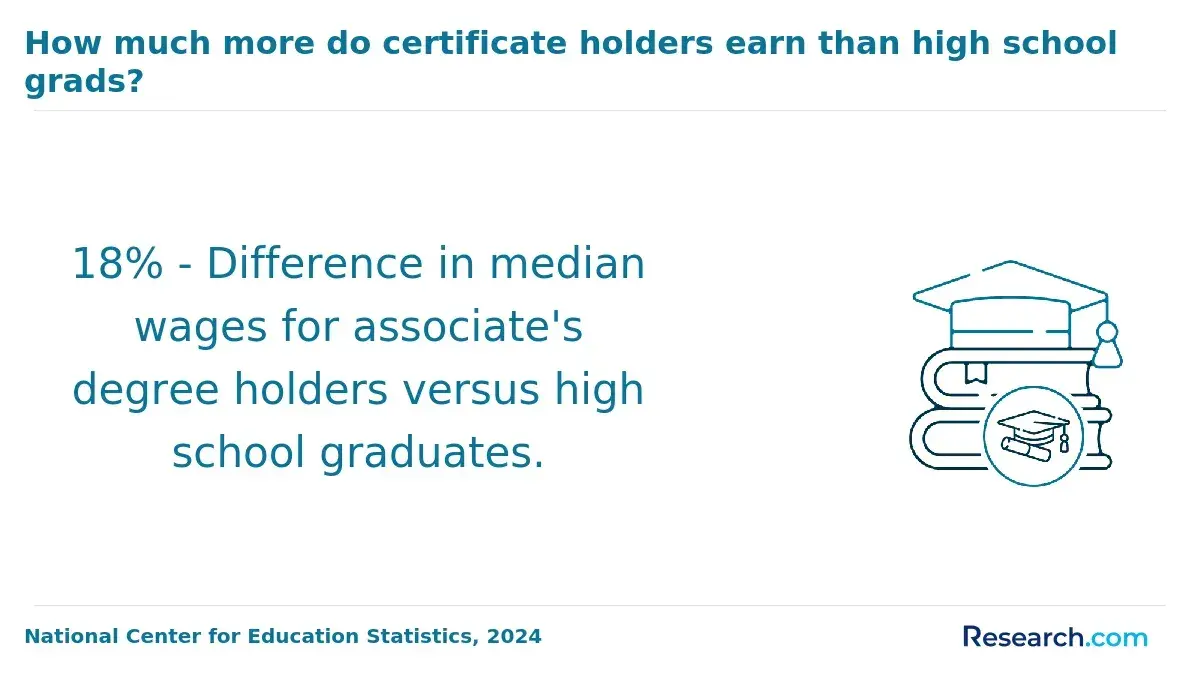
- Entry-level earnings: Graduates with a master’s in library science typically start between $45,000 and $55,000 annually. Bachelor’s degree holders in similar roles generally earn $35,000 to $43,000, so the graduate credential can create an early earnings advantage when the role requires or rewards it.
- Mid-career salary growth: Mid-level professionals with a master’s degree can expect salaries from $60,000 to $75,000. This may exceed bachelor’s-level peers by 10-20%, especially when the position includes supervisory, technology, research, or collection management responsibilities.
- Senior positions compensation: Senior-level roles often provide $80,000 to $95,000 or more for master’s holders, particularly in leadership or specialized jobs. Bachelor’s graduates seldom exceed $70,000 in comparable library-focused roles.
- Sector impact: Private sector employers usually offer the highest pay, followed by nonprofits. Public institutions may pay less but can offer stronger benefits, predictable schedules, pension systems, or greater job stability.
- Geographical differences: Metropolitan hubs such as California, New York, and Washington states tend to pay more because of demand and cost of living. Rural areas may offer lower wages but also lower living costs and less competition for some positions.
A recent graduate described the degree as valuable, but not only because of income. Balancing coursework with part-time work was difficult, yet the credential helped them compete for positions that were not available with a bachelor’s degree alone.
- : "“It wasn’t just about the salary. The degree gave me professional confidence, a stronger network, and access to roles I had not seriously considered before.”"
That experience reflects a common pattern: the salary benefit is strongest when students use the program to build applied skills, complete internships or practicum work, and target employers that explicitly value the credential.
How Does a Library Science Master's Degree Impact Long-Term Career Advancement?
A library science master’s degree can matter more over time than it does at the first job. Many professional library, archive, academic, and information management roles use the master’s degree as a screening credential for promotion, leadership, or specialized assignments. The long-term value is strongest for students who want to move beyond entry-level service roles into management, curation, systems, research, or institutional leadership.
- Promotion rates: Graduates with a master’s in library science often have stronger promotion prospects in academic libraries, public libraries, archives, and information management environments. Employers may view the degree as evidence of professional preparation for mid- and senior-level responsibilities.
- Leadership roles: Positions such as library director, branch manager, department head, archives manager, or information services manager often require both field knowledge and administrative judgment. A graduate program can help develop that mix.
- Professional credibility: The degree signals commitment to the profession and familiarity with information organization, user services, ethics, research methods, and technology. This can improve credibility with employers, faculty, community partners, and peer professionals.
- Industry preferences: In public, academic, school, and special library environments, the master’s degree is often essential or strongly preferred. In corporate knowledge management, data, research, and technology-related roles, it may be helpful but is not always mandatory.
- Expanded networks: Graduate programs can connect students with faculty, alumni, internship supervisors, and professional associations. These networks often matter for referrals, mentorship, and access to specialized openings.
- Continuing education opportunities: The master’s degree can support later doctoral study or credentials such as the Certified Archivist credential. Additional specialization can be useful for archives, digital preservation, metadata, data governance, or academic leadership.
Students who want to shorten the path to graduate education may also examine earlier academic options, including 2-year accelerated bachelor degrees, before applying to library and information science programs.
What Is the Return on Investment (ROI) of a Library Science Master's Degree?
The ROI of a library science master’s degree depends on the relationship between total cost and the additional income or career access the degree provides. A low-cost accredited program paired with a role that requires the credential can produce a reasonable return. A high-cost program followed by a lower-paid position may take much longer to justify financially.
Students should calculate ROI before enrolling, not after graduation. The most useful estimate includes tuition, fees, living costs, loan interest, forgone wages, and the salary difference between the jobs available before and after the degree.
- Total program cost: Public universities are generally more affordable than private institutions, but tuition is only one part of the cost. Include fees, books, technology, commuting, housing, and any required campus visits.
- Lifetime salary premium: A master’s degree in library science often leads to higher earnings than a bachelor’s degree alone, but the premium varies by sector. Academic libraries, public libraries, archives, and corporate information roles may reward the credential differently.
- Payback period: For library science graduates, typical payback periods range from four to seven years. The actual timeline depends on program cost, starting salary, raises, loan interest, and whether the student keeps working while enrolled.
- Opportunity cost: Full-time study may reduce income during enrollment. Part-time or online study can lower this cost if students can continue working, but it may extend the time to completion.
- Variation by career path: Specialized roles in academic or corporate settings often offer stronger salaries and better ROI. Public sector jobs may produce slower financial returns but can offer benefits, stability, and mission alignment.
- Use of online ROI calculators: ROI tools can help candidates test different scenarios by entering tuition, expected wages, borrowing amounts, and repayment assumptions. These tools are most useful when paired with real salary data from target employers and regions.
One graduate said the degree became financially manageable because he worked while studying and chose a program with strong career support. “I focused on programs with strong career support, which was crucial,” he explained.
- : "“Seeing incremental salary improvements after graduation confirmed my investment was worth it, even if the upfront cost felt high.”"
The main lesson is straightforward: ROI improves when students minimize borrowing, choose an accredited program, build marketable technical skills, and target roles where the master’s degree is required or clearly preferred.
What Are the Admission Requirements for a Library Science Master's Program?
Admission requirements for library science master’s programs usually measure whether applicants are ready for graduate-level reading, writing, research, technology use, and professional preparation. Requirements vary by school, but most applications combine academic records with essays, recommendations, and evidence of career fit.
- Undergraduate GPA benchmarks: Many programs set a minimum GPA requirement around 3.0 on a 4.0 scale. More selective schools may expect stronger performance, especially in writing-intensive, research-based, humanities, social science, education, technology, or information-related coursework.
- Standardized test expectations: The GRE may still be requested by some programs, but it has become less common as test waivers and test-optional policies have expanded. The GMAT is seldom relevant for library science applicants.
- Prerequisite coursework: Some programs recommend or require foundational work in research methods, information technology, statistics, humanities, education, or social sciences. Applicants without this background may need to complete bridge or introductory courses.
- Statement of purpose: This essay should explain why the applicant wants the degree, which populations or information environments they hope to serve, and why the specific program fits those goals. A vague statement can weaken an otherwise solid application.
- Letters of recommendation: Programs usually request two to three references from academic or professional sources. Strong letters should speak to writing ability, reliability, analytical thinking, service orientation, and readiness for graduate study.
- Relevant work or research experience: Experience in libraries, archives, museums, schools, research centers, records management, data work, or customer-facing information services can strengthen an application.
- Competitive differentiators: Applicants to top-tier programs often stand out through internships, published research, technology skills, multilingual ability, community service, leadership, or involvement in professional organizations related to library science.
Before applying, students should confirm whether the program’s accreditation, concentrations, practicum options, and career services match the roles they want after graduation.
What Is the Minimum GPA Requirement for a Library Science Master's Program?
The minimum GPA requirement for most library science master’s programs typically ranges from 3.0 to 3.5 on a 4.0 scale. More selective or highly ranked institutions often expect applicants to meet or exceed a 3.5 GPA, while less selective schools may consider applicants closer to 3.0.
GPA matters because it gives admissions committees a quick signal of academic readiness. However, it is rarely the only factor. Programs may also evaluate professional experience, writing quality, recommendations, technology skills, and career alignment.
- Typical GPA ranges: Accredited library science programs generally require a minimum GPA of 3.0, while more competitive programs may raise expectations to 3.5.
- Offsetting a low GPA: Relevant work experience, especially in libraries or related information environments, can help compensate for weaker grades. A focused personal statement can also explain academic growth or unusual circumstances.
- GRE scores: Some schools consider GRE scores, particularly verbal reasoning and analytical writing, when they want additional evidence of graduate readiness.
- Conditional admission: Certain programs offer conditional or probationary enrollment. This can allow students to begin coursework while proving they can meet graduate academic standards.
- Application strategies: Applicants with lower GPAs should highlight stronger recent coursework, secure detailed recommendation letters, explain career goals clearly, and apply to a balanced list of programs rather than only the most selective options.
Students should compare admissions flexibility alongside cost, accreditation, and outcomes. For those prioritizing price and access, resources on affordable graduate schools can support early financial planning.
Is an Online Library Science Master's Degree as Valuable as an In-Person Degree?
An online library science master’s degree can be as valuable as an in-person degree when it comes from a reputable, properly accredited program and provides the training, field experience, and career support required for your target roles. Employers usually care more about program quality, accreditation, skills, and experience than whether every course met on campus.
That said, format still matters. Online and in-person programs create different learning, networking, and scheduling trade-offs.
- Accreditation is the key factor: Employers focus heavily on whether the program meets recognized academic and professional standards. Accreditation is often more important than delivery format.
- Evolving acceptance after the pandemic: With remote education becoming widespread during COVID-19, skepticism about online degrees has markedly decreased. Many employers now regard online library science degrees from reputable schools as valid when the program has strong academic quality.
- Equivalent academic standards: Accredited online programs typically align closely with in-person curricula and faculty expectations. The major difference is how students interact with instructors, classmates, collections, and professional networks.
- Networking advantages differ: On-campus programs may offer more spontaneous networking, local internships, and face-to-face faculty access. Online students often need to be more deliberate about attending virtual events, contacting alumni, and arranging field experiences.
- Support services vary: Both formats may offer career counseling, mentorship, writing support, library access, and job placement assistance. Students should verify how these services work for online learners before enrolling.
- When online fits best: Online study can be ideal for working adults, caregivers, military-affiliated students, rural students, and career changers who cannot relocate. Students comparing flexible options may want to review an online mlis degree if affordability is a major decision factor.
- When in-person holds an edge: Campus programs may be better for students who want immersive academic communities, local placement pipelines, hands-on archival work, or regular access to specialized physical collections.
The best choice is the format that lets you complete the degree with strong performance, relevant experience, manageable debt, and access to the employers you want to reach.
What Jobs Can You Get With a Library Science Master's Degree?
A library science master’s degree can lead to traditional library careers and broader information roles. Some positions require the degree, especially in public, academic, and archival settings. Others do not require it but may value the research, organization, metadata, preservation, and user-service skills it develops.
- Archivist: Archivists preserve, organize, describe, and provide access to historical records and special collections. They work in museums, universities, government agencies, libraries, corporations, and cultural institutions. A master’s degree is commonly required, with compensation typically ranging from $50,000 to $70,000 based on experience and location.
- Library director: Library directors oversee staff, budgets, facilities, services, collections, technology, and community or campus partnerships. This leadership role usually requires a master’s degree, with salaries often between $60,000 and $100,000 depending on institution size and location.
- Data curator/information manager: These professionals manage digital assets, metadata, research data, records, and information governance. They are common in technology, healthcare, finance, higher education, and research environments. A master’s degree is not always required but can provide a competitive edge, with earnings from $70,000 to over $90,000.
- Knowledge manager: Knowledge managers improve how organizations capture, organize, share, and use internal information. They may work in corporations, nonprofits, consulting firms, or government agencies. Certifications such as Certified Knowledge Manager (CKM) can boost employability, with typical salaries between $65,000 and $90,000.
- Research analyst: Research analysts collect, evaluate, synthesize, and present information for think tanks, academic institutions, government agencies, advocacy groups, or private organizations. A master’s degree can improve prospects and usually correlates with salaries from $55,000 to $85,000.
- Digital librarian: Digital librarians manage electronic collections, databases, digital repositories, user access systems, and preservation workflows. They need information technology skills alongside library science training. Pay rates commonly fall between $50,000 and $75,000.
Students who want the strongest job options should use the degree to build a portfolio of applied work: metadata projects, digital exhibits, collection development plans, database work, user research, archival finding aids, or information policy projects.
How Do Employers and Industries Value a Library Science Master's Degree?
Employers value a library science master’s degree differently depending on the role. In traditional library and archival settings, the credential is often treated as a professional standard. In corporate, startup, and technology settings, employers may focus more on applied skills, tools, experience, and measurable outcomes.
- Sector-specific demand: Government agencies and large corporations may regard the master’s degree as essential for specialized information management roles. These employers often prioritize candidates with preparation in cataloging, metadata, records, digital curation, research, or information governance.
- Startup and nonprofit perspectives: Startups often weigh practical skills heavily and may value experience over formal credentials. Nonprofits may recognize the degree’s value for collections, community services, archives, or program leadership, but budget constraints can affect salaries and advancement.
- Disciplinary variation: In library and archival sciences, the master’s is often the terminal professional degree. In corporate knowledge management, analytics, or senior business leadership, employers may prefer doctorates or MBAs for some roles.
- Employer sentiment data: Surveys show about 70% of library and information management employers prioritize a master’s degree in hiring, though some sectors treat relevant experience as equally important.
- Communication strategies: Job seekers should connect the degree to employer needs. Resumes and interviews should emphasize outcomes such as improved access, better metadata, stronger research workflows, digital preservation, user training, compliance, or information retrieval.
This employer-by-employer variation is why students should not evaluate the degree only by title. They should study job postings in their target region and sector before enrolling. Students comparing other professional graduate pathways may also review an online construction management master's as a different example of a career-focused master’s investment.
Is a Library Science Master's Degree Worth It?
A library science master’s degree is worth it for students who need the credential for professional librarian, academic library, archival, digital curation, or information management roles and can complete the program at a manageable cost. It is less likely to be worth it for students who are unsure about the field, plan to enter roles that do not require the degree, or would need to borrow heavily for a low-paying career path.
- Worth it for traditional library careers: Public, academic, school, and special libraries often treat the degree as a baseline qualification. Surveys indicate that about 70% of employers in educational and public libraries deem the master’s essential.
- More conditional in private sector roles: Fewer than half of private sector information roles require it. In these settings, candidates may need to prove technical ability, business impact, data skills, or domain knowledge in addition to the degree.
- Employer type differences: Large corporations and government bodies may value the credential for structured information management, compliance, archives, research, and records roles. Startups may test adaptability and tool fluency. Nonprofits may value the degree for community-oriented or archival work but offer more modest compensation.
- Disciplinary variation: The master’s degree remains the standard terminal credential in core library and information science fields. Roles that intersect with data analytics, research leadership, or executive management may prefer candidates with doctorates or MBAs.
- Communicating value: Graduates should present the degree as evidence of applied skill, not just academic completion. Internships, capstone projects, digital portfolios, technology tools, and measurable service improvements help employers see practical value.
The degree is most defensible when three conditions are met: the program is accredited and respected by target employers, the total cost is reasonable compared with expected salary, and the student uses the program to gain experience directly tied to job postings.
What Graduates Say About Their Library Science Master's Degree
- : "Applying for admission to the library science master’s program was initially daunting, but the detailed guidance from official academic catalogs helped me understand the prerequisites clearly. Navigating the diverse job landscape after graduation opened my eyes to many non-traditional roles where library science skills are valuable. Relying on accrediting agencies gave me confidence that my degree met high professional standards, which employers respected. — Dianne"
- : "Reflecting on my journey, I found that thoroughly reviewing federal education resources made it easier to handle degree requirements and stay on track academically. The process of applying was smooth once I committed to researching each program’s unique offerings. After graduating, exploring different industries hiring library science professionals expanded my career horizon beyond what I initially imagined. — Brooke"
- : "As a professional, I appreciated how the official academic catalogs clarified program outcomes and requirements, which helped me manage my time effectively during the master’s program. Admission demands were competitive, yet manageable with the right preparation and understanding of what was expected. After the degree, I strategically relied on knowledge about accrediting bodies and employment trends to position myself successfully in the evolving library science job market. — Claudia"
Other Things You Should Know About Library Science Degrees
In 2027, key challenges include the high cost of tuition and the rapidly evolving library technology landscape. The risk of limited job growth in certain regions also poses a challenge, requiring graduates to remain adaptable and open to various information-related roles beyond traditional librarianship.
In 2027, the primary drawbacks of pursuing a Library Science master's degree include potential high education costs, fluctuating job market demand, and the need for ongoing digital skills development. Job opportunities may not always align with salary expectations post-graduation, impacting return on investment.
References
- Library Science Salary with Masters Degree - MLS, MLIS, MSLS https://www.mastersinlibraryscience.net/salary-outlook-masters-librarian-degree/
- What Can You Do With a Library Science Degree? https://librarysciencedegreesonline.org/what-can-you-do-with-a-library-science-degree/
- Online vs. In-Person Library Science Programs https://www.librariancertification.com/online-vs-in-person-library-science-programs/
- Financial Aid and Scholarships for Library Science Students - Master's in Library Science MLS & MLIS Programs Online https://www.mastersinlibraryscience.org/financial-aid-scholarships-mls-students/
- Library Professionals: Facts, Figures, and Union Membership — Department for Professional Employees, AFL-CIO https://www.dpeaflcio.org/factsheets/library-professionals-facts-and-figures
- Librarians: Salary, career path, job outlook, education and more - RaiseMe https://www.raise.me/careers/education-training-and-library/librarians/
- Is Grad School Worth It? A Comprehensive Return on Investment Analysis - FREOPP https://freopp.org/whitepapers/is-grad-school-worth-it-a-comprehensive-return-on-investment-analysis/
- Information and Library Science https://inside.southernct.edu/information-and-library-science/mlis
- Career Paths after Master of Library and Information Sciences (M. Lib. I. Sc.) https://www.lpu.in/blog/career-paths-after-master-of-library-and-information-sciences-m-lib-i-sc/


