
2027 How to Pay for a Library Science Master's Degree with Financial Aid

Co-Founder and Chief Data Scientist
Paying for a master’s degree in library science is often the deciding factor between enrolling, delaying, or choosing a different career path. Tuition, fees, living costs, and lost work hours can add up quickly, especially for students preparing for public library, academic library, archives, school media, digital curation, or information management roles.
According to the U. S. Bureau of Labor Statistics, demand for librarians is projected to grow 9% from 2022 to 2032, but only 35% of graduate students complete their degrees without significant debt. That gap makes funding strategy just as important as program selection.
This guide explains how to finance a library science master’s program using federal aid, scholarships, fellowships, assistantships, employer support, state programs, institutional grants, and repayment options. It is designed for prospective MLIS, MLS, and library science master’s students who want to compare funding sources, reduce borrowing, and make a realistic enrollment decision.
Key Benefits of Knowing How to Pay for a Library Science Master's Degree with Financial Aid
- Utilizing every major financial aid avenue, including federal aid, fellowships, and employer support, enables students to invest wisely in their professional futures and enhance career prospects.
- Accessing diverse funding options can significantly lessen financial burdens, reducing reliance on loans and helping manage expenses throughout the program.
- Developing a comprehensive financial strategy by combining scholarships, assistantships, and repayment plans makes earning a library science master's degree financially achievable and sustainable.
What Is a Library Science Master's Degree, and Why Does Funding It Matter?
A library science master’s degree is a graduate credential that prepares students to organize, manage, preserve, and provide access to information. Depending on the program, it may be called an MLIS, MLS, MIS, or a related degree title. Coursework commonly covers cataloging, digital libraries, archives, research methods, user services, metadata, information retrieval, collection development, and information ethics.
Funding matters because the degree is often required or strongly preferred for professional librarian and archivist roles, but the return on investment depends heavily on how much debt a student takes on. A lower-cost program, stronger aid package, or employer-supported plan can make the same credential far more financially sustainable.
- Typical program length: Most programs require 30 to 40 credit hours, usually combining core courses, electives, and a thesis, practicum, portfolio, or capstone project.
- Admission expectations: Applicants generally need a bachelor’s degree. Some programs may value library work, teaching, archives experience, technology skills, or relevant prerequisites, but requirements vary by institution.
- Cost range: Tuition can vary widely, commonly ranging from $15,000 to over $40,000 annually, before fees, books, technology expenses, transportation, and living costs.
- Debt risk: Average graduate student debt surpassed $66,000, so students should estimate total borrowing before committing to a program.
- Funding approach: The strongest plan usually combines several sources, such as FAFSA-based federal aid, institutional scholarships, fellowships, assistantships, employer tuition reimbursement, and awards from library associations.
Students comparing formats should look beyond the advertised tuition rate. Online programs may reduce commuting or relocation costs, while accelerated formats may shorten time in school but increase course intensity. Some students also compare specialized options such as one year graduate programs when timeline is a major factor.
A practical funding plan starts with three questions: how much will the full degree cost, how much aid does not require repayment, and how much debt is reasonable for the library science role you plan to pursue?
What Types of Financial Aid Are Available for Library Science Master's Students?
Library science master’s students can use several types of financial aid, but not all aid works the same way. The most valuable funding usually does not require repayment. Loans can fill gaps, but they should be used carefully because graduate borrowing can affect career flexibility after graduation.
- Grants: Grants are awards that generally do not need to be repaid. They may be based on financial need, academic merit, residency, service goals, or enrollment in a qualifying program.
- Scholarships: Scholarships are usually merit-, need-, background-, career-, or specialization-based. Library science students may find awards for archives, youth services, public librarianship, academic libraries, school library media, digital preservation, and service to underrepresented communities.
- Fellowships: Fellowships are competitive awards that may include tuition support, a stipend, or both. Some are tied to research, leadership development, public service, or a specific area of library and information science.
- Assistantships: Graduate assistantships provide paid work, professional experience, and sometimes tuition waivers or tuition remission. These are often among the strongest funding options because they combine financial support with relevant experience.
- Loans: Federal student loans must be repaid with interest. Graduate students often use loans after exhausting scholarships, grants, employer aid, and assistantships.
- Work-study programs: Federal work-study may provide part-time employment for eligible students with financial need. Jobs may be on campus or connected to public service.
- Employer support: Working students may qualify for tuition reimbursement, professional development funds, or negotiated support from a library, school, university, nonprofit, or government employer.
The best strategy is to apply broadly and early. A student might use a small association scholarship, a university grant, part-time employer reimbursement, and a modest federal loan together. Students focused on lowering total tuition should also compare the cheapest mlis degree online options alongside aid offers, since the lowest-debt path is often a combination of lower tuition and multiple funding sources.
Students considering related education careers may also compare scheduling and financing models in programs such as an online edd, but funding rules, credential outcomes, and career paths differ by degree.
How Does the FAFSA Process Work for Library Science Graduate Students?
The FAFSA is the main application for federal student aid. For library science graduate students, it is especially important because it can determine eligibility for federal loans, work-study, and some school-based aid. Even students who hope to avoid loans should usually complete it, because many universities use FAFSA information when awarding institutional aid.
- Graduate students are typically independent: Graduate applicants generally report their own financial information rather than parental income and assets. This can make the application simpler than the undergraduate FAFSA process.
- Timing matters: FAFSA applications become available on October 1 annually for the following academic year. Submitting early can improve access to limited state, institutional, and work-study funds.
- Federal aid is different for graduate students: Graduate students typically access federal direct loans and work-study through FAFSA rather than federal grants, so they should review loan terms before borrowing.
- Documents to gather: Students should prepare their Social Security number, tax returns, bank records, investment records, and other required financial information. Using available IRS data tools may reduce errors.
- Annual renewal is required: FAFSA is not a one-time step. Students must renew it each year and maintain satisfactory academic progress to keep receiving aid.
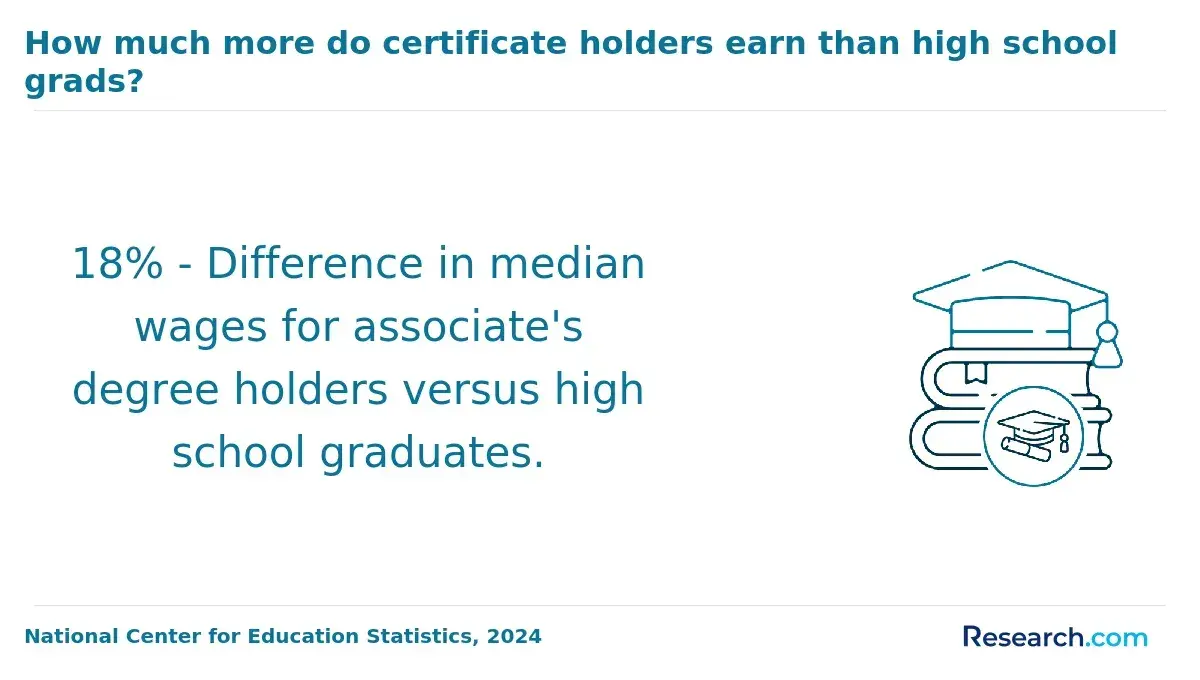
In 2021, about 53% of graduate students utilized federal student aid. That makes FAFSA a routine part of graduate financing, even for students who ultimately rely on scholarships, employer support, or assistantships.
A professional who completed a master’s degree in library science described the FAFSA process as both helpful and demanding. “Knowing I only had to report my own finances made the application feel less overwhelming,” he said, “but coordinating documents and meeting deadlines still required careful organization.” He also noted that early submission helped him access additional institutional aid that was not guaranteed later. “It gave me peace of mind to plan my budget, especially since loans were the main option.”
What Federal Loans Are Available for Financing a Library Science Master's Degree?
Federal loans are commonly used to finance library science master’s degrees, but they should be treated as gap funding rather than the first choice. Before borrowing, students should compare total program cost, expected aid, work income, living expenses, and likely repayment options after graduation.
- Direct Unsubsidized Loans: Graduate students may borrow up to $20,500 annually. These loans do not require financial need, but interest begins accumulating immediately. Payments may be deferred while enrolled, although unpaid interest can increase the total repayment cost.
- Graduate PLUS Loans: Graduate PLUS Loans can cover remaining cost of attendance after other aid is applied. They require a credit evaluation and typically carry higher interest rates and fees than Direct Unsubsidized Loans.
- Fixed interest and repayment choices: Federal graduate loans generally offer fixed interest rates and access to federal repayment options, including income-driven repayment plans for eligible borrowers.
- Disbursement timing: Loan funds are usually disbursed by academic term, such as semester or trimester. Students should budget for timing gaps between billing dates, living expenses, and refund availability.
- Borrow only what is necessary: Students should subtract scholarships, grants, assistantships, employer support, savings, and income before accepting loans. Accepting the full offered amount can lead to unnecessary debt.
A simple borrowing rule is to estimate the full cost of the degree before the first term begins. Include tuition, university fees, books, technology, commuting, housing, childcare, and any unpaid practicum time. Then compare that number with realistic funding sources and expected monthly repayment after graduation.
Students who want to understand cost control across other graduate fields may also review how accredited engineering schools online present tuition, fees, and online program expenses.
What Scholarships and Fellowships Exist Specifically for Library Science Master's Students?
Scholarships and fellowships are especially important for library science students because they reduce the amount that must be borrowed. Many awards are modest, but several small awards can meaningfully lower the final debt load.
- Library association scholarships: Professional organizations may offer awards for students pursuing librarianship, archives, school library media, youth services, public librarianship, academic librarianship, and information access.
- University and department awards: Library and information science departments often maintain scholarship funds for admitted or continuing students. Some require a separate application; others automatically consider applicants.
- Fellowships: Fellowships may support research, leadership, community service, digital preservation, public service, or work with specific populations. They may provide tuition support, a stipend, or professional development funding.
- Foundation and government support: Organizations such as the Institute of Museum and Library Services may support research, training, or workforce development opportunities connected to libraries, archives, and museums.
- Specialized awards: Students may find funding tied to diversity initiatives, rural library service, tribal libraries, disability access, children’s librarianship, archives, data management, or information technology.
Strong applications are specific. Instead of writing a generic essay about loving books, applicants should connect their goals to the award’s mission. A public library scholarship application, for example, should discuss community service, information access, digital literacy, or local engagement. An archives fellowship should emphasize preservation, metadata, historical materials, or records management.
One library science graduate said the process felt overwhelming at first because each award had different requirements. She improved her results by building a calendar, requesting recommendations early, and tailoring each statement to the funder’s priorities. “Submitting applications early made a real difference,” she said. The funding reduced her costs and introduced her to mentors and peers in the profession.
How Can Graduate Assistantships Help Pay for a Library Science Master's Degree?
Graduate assistantships can be one of the most valuable ways to fund a library science master’s degree because they may combine tuition support, a stipend, and relevant work experience. They are also competitive, so applicants should ask about them early and understand the workload before accepting.
- Teaching assistantships: Teaching assistants may support faculty by grading, leading discussions, helping with course materials, or assisting students. These roles can build communication and instructional skills, but they require careful time management.
- Research assistantships: Research assistants help faculty with literature reviews, data organization, digital projects, grant work, archives, metadata, or scholarly publications. These roles are especially useful for students interested in academic libraries, archives, or doctoral study.
- Administrative assistantships: Administrative roles may support a department, library unit, student services office, special collection, digital scholarship center, or outreach program. They can offer practical insight into higher education and library operations.
- Funding structure: Assistantships may include a stipend, hourly pay, tuition remission, tuition waivers, or a combination. The exact package varies by institution and department.
- Application process: Assistantships are often awarded by academic departments, not only by the central financial aid office. Students should contact program directors, admissions staff, and graduate coordinators directly.
Recent data from the National Center for Education Statistics indicates that nearly 30% of graduate students in education fields benefit from assistantships. For library science students, an assistantship can also strengthen a resume by adding supervised experience before graduation.
The trade-off is time. A demanding assistantship can reduce the number of courses a student can handle each term. Before accepting, ask how many hours are required, whether tuition support depends on full-time enrollment, whether summer funding is available, and whether the position can be renewed.
Are There Employer Tuition Reimbursement Options for Library Science Master's Programs?
Employer tuition reimbursement can substantially reduce the cost of a library science master’s program for working adults. It is most common when the degree supports the employee’s current job or a clearly related internal career path.
- IRS Section 127 tax treatment: Employers may provide up to $5,250 annually in tax-free tuition assistance. This can make employer support more valuable than the same amount of taxable income.
- Eligibility rules: Employers may require full-time status, a minimum tenure, manager approval, enrollment in an accredited institution, a minimum grade, or proof that the coursework relates to the job.
- Reimbursement timing: Some employers pay upfront, but many reimburse only after a course is completed. Students should confirm whether they must cover tuition first.
- Service commitments: Some policies require employees to remain with the organization for a set period after receiving reimbursement. Leaving early may trigger repayment.
- How to request support: A strong proposal should explain how the degree benefits the employer, such as improving records management, research support, digital asset organization, compliance, knowledge management, public programming, or user services.
Recent data from the National Center for Education Statistics reports that approximately 50% of graduate students receive some form of employer financial aid. Even if a formal reimbursement policy does not exist, students may ask about professional development funds, flexible scheduling, conference support, or partial tuition assistance.
Before enrolling, get the policy in writing. Confirm covered expenses, reimbursement caps, tax treatment, grade requirements, excluded fees, and whether online programs qualify.
What State-Based Financial Aid Opportunities Exist for Library Science Graduate Students?
State-based financial aid can help library science graduate students lower tuition or qualify for service-based funding, especially if they plan to work in public libraries, schools, government agencies, rural communities, or underserved areas within the state.
- State grants and scholarships: Some states provide graduate scholarships or grants tied to residency, financial need, academic progress, workforce priorities, or public service fields.
- Loan forgiveness programs: A state may offer loan forgiveness or repayment assistance for graduates who work in designated shortage areas, public institutions, schools, or underserved communities for a required period.
- In-state tuition: Residency rules can significantly affect cost. Students should confirm whether an online program charges in-state, out-of-state, or separate online tuition rates.
- Tuition equity policies: Certain states offer tuition equity or in-state rates to eligible students, including some international or immigrant applicants, depending on state rules.
- Workforce development incentives: Library science may be included in broader public service or education workforce initiatives, which can provide scholarships, stipends, or service-linked aid.
Because state-based funds are often limited, students should apply early and verify residency requirements before committing to a program. Recent trends show about 65% of states have increased funding support for graduate education in response to workforce demands, expanding potential resources for library science students.
Students searching for graduate scholarships and grants for library science in [State] should begin with the state higher education agency, state library agency, public library commission, and the financial aid office of the institution they plan to attend. Students comparing related public-service graduate degrees may also find useful funding examples in edd educational leadership programs, although eligibility rules differ by field and state.
How Do Institutional Grants and University Fellowships Factor Into Library Science Funding?
Institutional grants and university fellowships can be decisive when comparing library science master’s programs. Two schools with similar tuition can produce very different net costs if one offers stronger internal aid.
- Merit-based grants: Universities may award funding based on academic record, professional experience, leadership, service, or fit with program priorities.
- Need-based grants: Some institutions use FAFSA or internal financial forms to determine need-based graduate aid.
- Departmental fellowships: Library and information science departments may offer fellowships tied to research, archives, digital projects, teaching support, public service, or diversity initiatives.
- Tuition remission: Some awards cover part or all of tuition. Others provide a fixed amount that may not increase if tuition rises.
- Separate applications: Institutional aid may require additional essays, recommendation letters, interviews, or early admission deadlines.
Applicants should not assume the financial aid office knows every department-level opportunity. Contact the program director, graduate coordinator, admissions representative, and financial aid office. Ask whether aid is automatic, competitive, renewable, or limited to full-time students.
When comparing offers, look at the net cost rather than the headline award. A larger scholarship at a higher-cost school may still leave more out-of-pocket expense than a smaller award at a lower-cost program. Students studying funding models across disciplines may also compare how psyd psychology online programs present grants, fellowships, and assistantship expectations.
What Role Do Professional Associations Play in Funding a Library Science Master's Degree?
Professional associations support library science students through scholarships, grants, networking, mentorship, conferences, and early-career development. Their awards are often more targeted than general graduate scholarships, which can improve fit for applicants with clear library career goals.
- Scholarships and grants: Associations may fund students preparing for public librarianship, academic librarianship, archives, school libraries, youth services, technical services, digital preservation, or leadership roles.
- Conference travel support: Travel grants can help students attend conferences, present projects, meet employers, and build a professional network without absorbing the full cost.
- Research and project awards: Students working on specialized research, community projects, metadata work, archival projects, or information access initiatives may qualify for small grants or stipends.
- Mentorship-related support: Some organizations connect students with experienced librarians and may offer funding connected to professional development activities.
- Member-only opportunities: Some awards require student membership. Membership may also provide access to job boards, webinars, listservs, committees, and additional funding announcements.
To use associations strategically, create a list of national, state, regional, and specialization-specific organizations. Then track award deadlines, eligibility rules, required essays, recommendation letters, transcripts, and membership requirements. A tailored application that clearly explains the applicant’s service goals and library specialization is usually stronger than a broad personal statement.
How Can Income-Driven Repayment and Loan Forgiveness Programs Apply to Library Science Graduates?
Income-driven repayment and loan forgiveness programs can help library science graduates manage federal student loan debt, especially if they work in public service roles. These options do not make borrowing risk-free, but they can change the long-term affordability of a degree.
- Income-driven repayment plans: Programs such as SAVE, IBR, PAYE, and ICR base eligible federal loan payments on income and family size. This can help graduates in lower-paying or early-career roles keep payments more manageable.
- Public Service Loan Forgiveness: PSLF may forgive remaining eligible federal loan balances after 10 years of qualifying payments while working full-time for an eligible employer.
- Common qualifying employers: Government libraries, public libraries, public universities, nonprofit organizations, and some academic institutions may meet PSLF employment requirements, depending on employer status and program rules.
- Private loan limitation: Private student loans do not qualify for federal income-driven repayment or federal loan forgiveness. Borrowers considering private loans should understand that they may lose access to these protections.
- Planning requirement: Students should review federal loan rules, repayment plan eligibility, employment certification steps, and documentation requirements before relying on forgiveness.
Students pursuing library science careers should estimate repayment under more than one scenario: public service with PSLF eligibility, nonprofit or academic employment, private-sector information management, and part-time or interrupted employment. Federal Student Aid resources and school financial aid counselors can help students model repayment before they borrow.
What Graduates Say About Paying for a Library Science Master's Degree with Financial Aid
- Jessa: "Choosing a master's in library science was a strategic decision for me to transition from a general administrative role into a specialized career with greater impact. The program was affordable compared to other graduate degrees, making it a manageable investment over time. Since graduating, I've noticed a significant boost in my professional confidence and opportunities, particularly in digital archiving and information management."
- Camille: "Reflecting on my journey, pursuing a library science master's was driven by a passion to champion information accessibility and community education. The cost was definitely a factor, but scholarships helped make the program more accessible. This degree opened doors for me into public libraries and academic research centers, enriching my career in ways I hadn't anticipated."
- Lorraine: "From a professional standpoint, the master's degree in library science provided the credentials and practical knowledge necessary to advance in a competitive field. Although the tuition was a considerable expense, I viewed it as a long-term investment in my career growth. The specialized training allowed me to secure a leadership role in a major library system, enhancing both my job satisfaction and earning potential."
Other Things You Should Know About Library Science Degrees
To secure financial aid for a Library Science master's degree in 2027, complete the FAFSA, research scholarships and grants specific to library science, contact your school's financial aid office for institutional aid opportunities, and explore student loan options. Additionally, consider graduate assistantships for tuition waivers or stipends.
In 2027, students can explore federal student loans, scholarships, grants, and work-study programs as financial aid options for a Library Science master's degree. They should apply through the FAFSA and search for university-specific and external scholarships focused on library sciences.
Part-time and online library science students remain eligible for many forms of financial aid, including federal student loans and some scholarships, though the amount may be prorated based on enrollment status. Some grants and employer tuition assistance programs also support flexible enrollment formats. It is essential to verify with the financial aid office of the educational institution to understand how these options impact available funding.
References
- Graduate Student Loan Options for Master’s Degrees & Beyond | Edvisors https://www.edvisors.com/student-loans/graduate-student-loans/graduate-loan-options/
- Master of Library and Information Science - Wikipedia https://en.wikipedia.org/wiki/Master_of_Library_and_Information_Science
- Income-Driven Repayment Plan Loan Forgiveness - Student Loan Borrowers Assistance https://studentloanborrowerassistance.org/for-borrowers/dealing-with-student-loan-debt/loan-cancellation-forgiveness-bankruptcy/cancellation-forgiveness-options/idr-cancellation/
- Correlation found between investment in university libraries and grant awards https://www.sciencedaily.com/releases/2010/08/100809093649.htm
- How to Use FAFSA for Grad School in 2026? https://bold.org/blog/fafsa-for-graduate-school/
- Master of Library and Information Science | St. Catherine University https://www.stkate.edu/academics/academic-programs/gc-library-and-information-science
- Affordable Online Master's Degrees In Library Science | Gradschoolhub https://www.gradschoolhub.com/affordable/online/masters/library-science/
- Library and Information Science MLIS https://online.usm.edu/graduate/library-and-information-science-ms/
- How did you pay for your MLS degree? - library science careers | Ask MetaFilter https://ask.metafilter.com/182237/How-did-you-pay-for-your-MLS-degree
- Understanding the Master of Library Science (MLS) Degree https://www.librariancertification.com/understanding-the-master-of-library-science-mls-degree/


