2027 Career Paths with a Health Psychology Master's Degree Explained

Co-Founder and Chief Data Scientist
The career landscape for professionals with a health psychology master's degree is shifting toward a demand for specialized expertise that integrates leadership, analytical problem-solving, and industry-specific technical skills. Employers increasingly seek candidates capable of navigating regulatory frameworks, applying evidence-based behavioral interventions, and managing interdisciplinary projects involving clinical data systems and health informatics. Master's programs equip graduates for roles that extend beyond conventional therapeutic settings, including population health management, organizational wellness strategy, and compliance monitoring.
Notably, a 2024 National Center for Education Statistics report highlights a 15% rise in enrollment among adult learners in flexible graduate programs, reflecting a broader trend toward adaptable education paths that support ongoing career advancement. This article explores diverse career trajectories linked to a health psychology master's degree and aids in assessing their alignment with long-term professional objectives.
Key Things to Know About Career Paths With a Health Psychology Master's Degree
- The specialized knowledge in health psychology often limits immediate entry to general clinical roles, requiring strategic selection of internships or certifications to maximize interdisciplinary career mobility.
- Employers increasingly value candidates with experience in behavioral health integration, reflecting a workforce trend where health psychology skills enhance leadership potential in multidisciplinary medical settings.
- With online enrollment in health-related graduate programs up by over 20% since 2022 according to the National Center for Education Statistics, timing and cost efficiency influence working professionals' decisions to pursue advanced credentials without disrupting careers.
What Can You Do With a Health Psychology Master's Degree?
Choosing a master's degree in health psychology often involves balancing immediate employability against longer-term clinical or research ambitions. Many graduates enter roles that capitalize on the degree's interdisciplinary training but face varying thresholds to advance, especially without doctoral licensure. Understanding practical career implications helps clarify how this qualification aligns with diverse professional goals and labor market realities.
- Specialist Support Roles: Graduates frequently fill assistant or specialist positions supporting licensed psychologists or healthcare teams. These roles emphasize behavioral health interventions for chronic illness and lifestyle change but typically offer limited upward mobility without additional credentials or licensure.
- Health Promotion Leadership: Developing and managing community-level programs to mitigate risk factors like obesity or smoking taps into the master's training in behavior change. These positions reward skills in program design and evaluation, often offering stronger leadership potential compared to entry-level clinical support roles.
- Applied Research and Data Analysis: Master's holders can engage in frontline research dealing with public health challenges, health disparities, and intervention efficacy. While these roles may not confer clinical authority, they provide critical contributions within academic or government agencies, often serving as stepping stones toward doctoral study or research specialization.
- Integrated Care Coordination: Some professionals leverage the degree to become behavioral health consultants or care coordinators within interdisciplinary teams. These roles demand synthesis of psychological insights with medical practices, requiring strong communication skills and offering broader organizational influence beyond direct patient care.
- Clinical Licensure Pathway Tradeoffs: Remaining at the master's level restricts eligibility for independent psychological practice. Many use this degree as a foundation for doctoral-level programs, recognizing that advanced licensure significantly expands clinical responsibilities and earning potential but entails substantial additional time and financial investment.
- Compensation and Regional Variation: Salary ranges typically cluster between $50,000 and $75,000 annually in the U.S., reflecting differences in employer type and geographic location. Graduates should consider the tradeoff between immediate earnings and gaining experience necessary for higher-paying roles or more autonomous practice settings. Prospective students looking into more lucrative options can also consider most profitable college majors.
What Are the Highest-Paying Careers With a Health Psychology Master's Degree?
Compensation in careers linked to a master's degree in health psychology varies considerably based on specialization, leadership scope, and industry demands. Roles that integrate clinical expertise with organizational or research responsibilities tend to offer higher salaries, but this often comes with tradeoffs such as additional credentialing or experience requirements. For example, choosing a strictly research or program coordination role may limit clinical income potential but provide steadier access to high-paying positions without licensure.
- Clinical Health Psychologist: Positions in private practice or specialized medical centers represent one of the highest-paying paths, leveraging advanced clinical skills to manage chronic illness and behavioral health; these roles often require licensure and supervised practice, making initial salary growth gradual but substantial at senior levels.
- Health Psychology Researcher or Consultant: Employed within pharmaceutical companies, healthcare organizations, or government agencies, these professionals design studies and analyze patient behavior, commanding competitive pay especially when involved in grant-funded or public health initiatives where expertise influences program development.
- Public Health Program Manager: Combining psychology with health systems knowledge, these roles guide community-level interventions and policy advisory functions; salaries grow with leadership responsibility and location, reflecting the strategic organizational impact expected.
While master's degree holders excel in research, consulting, and program coordination, those seeking peak earnings in clinical settings must consider the investment in additional certification such as doctorates or licenses. Sector, geography, and experience heavily mediate earnings, with integrated healthcare teams and academic research settings typically offering the highest median compensation for health psychology specialists in 2024, according to the American Psychological Association.
Which Industries Hire Graduates With a Health Psychology Master's Degree?
Graduates with a health psychology master's degree are often integrated into roles where their specialized understanding of behavioral influences on health can directly affect service delivery and program outcomes. In healthcare settings, for example, they support multidisciplinary teams by designing patient-centered interventions that address chronic illness management, requiring both clinical acumen and interpersonal skills often under regulated supervision. Conversely, the public health sector leverages such expertise to develop scalable behavior-change campaigns, blending psychological theory with epidemiology to influence population health metrics-a process that demands proficiency in data interpretation and policy navigation rather than direct patient care. Corporate wellness roles, while fewer and more competitive, require an additional layer of business sense, as health psychologists contribute to cost-containment and productivity strategies that necessitate collaboration across human resources and occupational health disciplines, highlighting a tradeoff between clinical depth and interdisciplinary adaptability.
Industry demands for health psychology graduates vary notably depending on certification status, prior experience, and specialization. Those with credentials for clinical practice generally find broader opportunities and higher compensation in healthcare and mental health organizations but face intense requirements for licensure and ongoing supervision. In contrast, employment in academic research or pharmaceuticals typically values methodological rigor and data analysis skills over clinical credentials, offering a different path where influence is exerted through research design or patient adherence strategies rather than direct patient interaction. This differentiation influences long-term career trajectories-not just in advancement rate but in work environment culture and role autonomy. Choosing one sector often means forgoing others' advancement dynamics, making early decisions about specialization and credentialing critical to navigating employment landscapes thoughtfully.
One recent graduate reflected on their transition from an internship in a hospital to a role designing behavioral health programs for a nonprofit. Initially attracted to clinical practice, they encountered licensing barriers and found the public health position allowed more immediate involvement in program development and community engagement. However, they noticed the shift required adapting to less predictable outcomes and balancing statistical evaluation with outreach effectiveness-skills less emphasized during their academic training but crucial for success. This experience underscored the importance of flexibility and sector-specific expertise when choosing where to apply a health psychology master's degree.
What Is the Job Outlook for Careers Requiring a Health Psychology Master's Degree?
The job outlook for careers requiring a health psychology master's degree reflects nuanced demand shaped by healthcare's evolving priorities and workforce needs. Employment growth trends for health psychology master's graduates vary considerably by setting; while healthcare systems, rehabilitation centers, and public health agencies are expanding roles focused on behavioral intervention and wellness promotion, independent clinical practice remains largely contingent on doctoral credentials and licensure. Increasing chronic disease prevalence and integration of mental health in medical care drive demand for professionals adept in interdisciplinary collaboration and evidence-based health behavior change, with the U.S. Bureau of Labor Statistics projecting an 8% growth rate for related psychology roles through 2032. However, geographic markets and employer expectations influence opportunities substantially-candidates with practical experience and demonstrable skills in data interpretation will find better positioning, though salary growth may be moderate compared to doctoral-level practitioners.
Prospective graduates must weigh the constrained licensure pathways and employer recognition variability against the relative accessibility of applied roles. Master's holders often support clinical teams or serve education and prevention programs rather than pursuing independent practice-a tradeoff that can affect long-term career stability and salary leverage. Job seekers should also assess how evolving organizational needs and regulatory pressures prioritize preventive care and population health, creating specialized niches that favor master's qualifications. Those considering such careers might benefit from understanding related fields' workforce dynamics, such as is medical coding a dying career, to strategically navigate their choices within the broader health sector labor market.
What Entry-Level and Advanced Jobs Can You Get With a Health Psychology Master's Degree?
Holding a master's degree in health psychology positions graduates primarily for roles centered on applying behavioral science to health outcomes, but immediate access to advanced positions is often constrained by employer preferences for experience and additional certifications. Entry-level roles such as health educator, behavioral health specialist, or research assistant typically involve direct patient support, data management, and program implementation within hospitals, nonprofits, or public health entities. These roles generally offer moderate starting salaries, reflecting limited responsibility for strategic programming or clinical decision-making. For example, a recent graduate might begin in a community health agency focusing on wellness promotion before accruing the expertise necessary to influence program design.
Progressing to higher-level jobs such as health program coordinator, behavioral intervention specialist, or clinical researcher usually requires demonstrated competence, sector-specific knowledge, and often supplementary credentials beyond the master's degree. Advanced roles carry greater accountability, including supervision, funding acquisition, and policy development, with salaries accordingly rising to the $70,000-$90,000 range or more, depending on geographic and organizational factors.
Not all industries value health psychology qualifications equally; private healthcare providers and research institutions may demand more specialized skills or doctoral credentials for leadership positions. Consequently, graduates should anticipate a layered career trajectory where initial positions build practical experience essential for later advancement into management or specialized health behavior roles, with licensure restrictions further shaping the path in clinical contexts.
Can a Health Psychology Master's Degree Help You Change Careers?
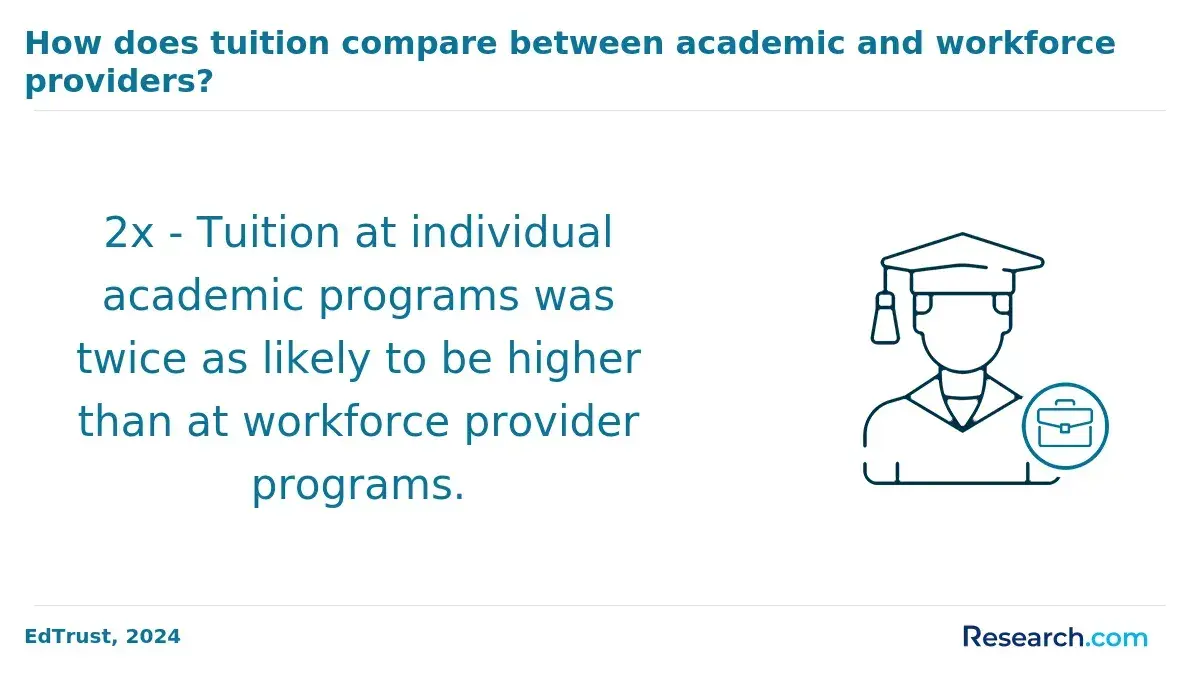
A health psychology master's degree functions as a strategic credential for career changers seeking to reposition themselves in health-related sectors, but its effectiveness hinges on integrating specialized competencies with existing experience. For those coming from unrelated fields, the program's focus on psychological and behavioral determinants of health helps fill critical knowledge gaps, enabling candidates to qualify for roles such as patient education, program development, or wellness coordination. Employers often recognize the degree as evidence of a credible foundation in evidence-based health behavior change, yet practical experience remains a decisive hiring factor, especially where licensure or clinical certification is required. Many health psychology master's programs include internships or practicum components that provide essential networking opportunities and applied learning, which are pivotal when overcoming employment gaps or shifting industries. Tuition for programs with rolling admissions typically ranges from $15,000 to $40,000, representing a notable investment that must be weighed against the likelihood of initial salary reductions or entry-level repositioning during the career transition.
Transitioning to new careers with a health psychology master's degree involves varied outcomes depending on prior work history, sector specialization, and labor-market demand. Professionals with backgrounds in counseling, social work, or healthcare administration often leverage this degree to qualify for leadership roles or research coordination, combining transferable skills with graduate-level training. However, highly regulated sectors, such as clinical practice or advanced research, generally require additional credentials beyond the master's level, limiting immediate mobility.
Those reentering the workforce can particularly benefit from the degree's applied components to build current competencies and restore professional networks. Sector demand fluctuates, underscoring the importance of assessing compatibility with evolving workforce needs. For career changers focused on pharmacological or interdisciplinary options, programs like online PharmD programs may be relevant alternatives that highlight the complexity of healthcare career transitions in the broader context of advanced health degrees.
What Leadership and Management Roles Can You Pursue With a Health Psychology Master's Degree?
Graduates with a master's degree in health psychology often find leadership roles require balancing clinical knowledge with organizational strategy and operational oversight. In healthcare institutions, these roles typically involve managing interdisciplinary teams, navigating complex regulatory environments, and overseeing program budgets and quality metrics. A behavioral health program manager, for instance, must coordinate between clinicians, policymakers, and administrative staff to implement evidence-based interventions effectively.
Leadership trajectories vary considerably; large organizations often differentiate sharply between technical roles and executive management, while smaller or startup environments expect leaders to wear multiple hats, encompassing both programmatic innovation and day-to-day administration. This divide highlights a key tradeoff: pursuing advanced specialization may limit opportunities for broad leadership, whereas embracing managerial responsibilities can mean stepping away from hands-on clinical work.
Leadership advancement in health psychology also depends heavily on competencies beyond technical expertise-skills like stakeholder engagement, strategic planning, and conflict resolution become critical for higher supervisory roles. Employers increasingly expect mastery of systems thinking and rigorous data analysis to guide wellness program decisions and demonstrate return on investment. Promotion eligibility and compensation growth often hinge on proven ability to handle complex team dynamics and regulatory compliance, reflecting the sector's growing emphasis on measurable outcomes and ethical leadership. Yet leadership structures and expectations differ significantly by sector, from direct service management in community health to executive strategy in corporate wellness, underscoring the importance of aligning career moves with one's preferred leadership style and industry demands.
One graduate recalled applying during a busy rolling admissions cycle, initially hesitant after a delayed interview schedule complicated by her full-time job. She weighed waiting for results against accepting another offer but ultimately pushed through, prioritizing programs that offered clear advancement opportunities in leadership and cross-sector management. Her experience underscored the importance of strategic timing and preparation in navigating admissions, especially for candidates balancing professional obligations and the need to secure programs aligned with long-term leadership goals.
What Skills Do Employers Expect From Graduates With a Health Psychology Master's Degree?
Employers hiring graduates with a health psychology master's degree prioritize technical expertise in psychometric assessments, behavioral interventions, and data analysis tools like SPSS or R, recognizing these skills as fundamental for evaluating patient outcomes and advancing evidence-based care. Analytical capabilities that integrate multidisciplinary research and interpret complex health data are especially crucial in clinical and organizational contexts where tailored interventions affect program effectiveness and health policy. Leadership and operational abilities-such as managing interdisciplinary teams and navigating regulatory frameworks-differentiate candidates on the job market, enabling them to lead projects that improve patient care pathways or design health promotion initiatives. The practical value of these skills is underscored by compensation trends: roles demanding strategic planning and systems thinking typically command salaries exceeding $75,000 annually, whereas entry-level positions focusing on technical tasks often fall below this mark, reflecting the direct link between advanced competencies and earning potential.
Communication skills, including cultural competence and motivational interviewing, are indispensable for engaging diverse populations and facilitating behavior change, which enhances client outcomes and organizational reputation. Graduate programs that integrate applied coursework, capstone projects, and internships tend to better prepare students for these challenges by providing experiential learning within healthcare environments. However, expectations vary widely by sector: healthcare systems often require proficiency with evolving technologies and compliance adherence, while academia or research settings emphasize longitudinal study design and ethics certification. Graduates lacking mastery in these areas may experience stalled career progression or limited ability to transition into specialized roles like clinical health psychology or health informatics. Overall, the capacity to translate specialized knowledge into practical, operational results remains the critical hiring criterion across health psychology employer landscapes.
Are Remote and Flexible Careers Available With a Health Psychology Master's Degree?
Remote and flexible careers within health psychology master's degree pathways tend to align closely with the nature of the role and industry-specific regulations. Positions centered on research and data analysis in healthcare organizations or academic settings offer the most consistent remote work potential, leveraging digital collaboration tools to facilitate project management and communication. In contrast, clinical or counseling roles often require hybrid arrangements, as licensing constraints and patient privacy protections necessitate occasional in-person sessions alongside telehealth consultations. Operational or supervisory positions show variability in flexibility, typically combining remote teamwork with mandatory on-site presence for compliance and training.
These dynamics mean that candidates pursuing remote health psychology career opportunities must weigh tradeoffs such as diminished in-person mentorship and potential visibility impacts on advancement, despite gains in work-life integration. Experience level also plays a crucial role, with entry-level professionals facing more on-site requirements due to supervision and hands-on training, while mid-career specialists enjoy greater remote autonomy. Importantly, many employers differentiate compensation by location and patient-facing intensity. A 2024 workforce survey highlights that two-thirds of surveyed health psychology-related employers incorporate some form of hybrid or remote models, underscoring shifting expectations yet persistent constraints. For those exploring diverse paths, it is worth comparing related frameworks like ADN to NP bridge programs, which also reflect evolving flexible job designs for health psychology graduates across clinical and research domains.
What Certifications or Licenses Complement a Health Psychology Master's Degree?
Licenses and certifications play distinctly strategic roles for professionals holding a health psychology master's degree, with tangible effects on career trajectories and earning potential. State licenses such as Licensed Professional Counselor or Licensed Psychologist are often mandatory for clinical roles that involve diagnosing or treating mental health disorders, effectively gatekeeping access to higher-compensation, direct-care positions.
For example, a master's graduate aiming to join a multidisciplinary integrated care team typically cannot bypass obtaining appropriate state licenses because these credentials legally authorize clinical intervention and compliance with reimbursement policies. In contrast, certifications-often voluntary-serve to demonstrate specialized competencies in areas like behavioral health coaching or biofeedback, appealing to employers who demand technical proficiency and adherence to evolving healthcare standards. These certifications can differentiate candidates in competitive health psychology sectors where advanced practice and leadership roles increasingly favor credential stacking.
The presence or absence of specific credentials varies considerably across industry sectors and regions, reflecting employer expectations and regulatory frameworks. Many professionals in public health or insurance agencies may prioritize certifications over licenses as proof of specialization without the legal practice scope, while clinical settings maintain rigid licensing requirements. For career changers, obtaining certifications provides a more accessible credentialing pathway to validate skills without re-entering lengthy academic training, thus broadening eligibility for niche jobs.
However, maintaining licenses or certifications involves ongoing continuing education and administrative duties that may impact workload and career planning. Research into state licenses required for health psychology master's careers also highlights that delaying licensure can drastically limit job options, reinforcing the need for early-career credential strategy. For those comparing credential pathways, exploring resources on easiest ABSN programs to get into offers insight into accelerated credentialing models that, while healthcare-adjacent, illustrate tradeoffs between speed, specialization, and professional recognition.
What Graduates Say About Career Opportunities With a Health Psychology Master's Degree
- Ivy: "Balancing a full-time job while pursuing my master's in health psychology was demanding, but I chose this path because I wanted a quicker transition into the workforce without pursuing a PhD. The program's emphasis on applied research helped me build a strong portfolio that ultimately landed me an internship at a wellness clinic, though I quickly learned that many employers valued hands-on experience more than just academic credentials alone."
- Hayden: "After considering the financial strain of switching careers, I selected a health psychology graduate program that offered evening classes and remote options to maintain my current job. Although I struggled with the workload, completing the program allowed me to develop client assessment skills that set me apart in a competitive job market; however, advancement without licensure remains limited in my current role, making further certification a near-future goal."
- Caleb: "I chose a health psychology master's to pivot from a clinical background into workplace wellness, despite worrying about the lack of formal licensure in this area. The internship I secured during the program was crucial, as it gave me direct experience that employers prioritized over my degree alone. Although salary growth has been slower than anticipated, the program provided strong networking opportunities that have been essential to navigating a niche, evolving field."
Other Things You Should Know About Health Psychology Degrees
In many practical settings, a master's degree alone may not fulfill certification or licensure requirements, especially for clinical or counseling roles. Students aiming for these positions must plan for additional credentials, such as licensed professional counselor (LPC) certifications, which involve supervised clinical hours beyond the degree. This extended pathway impacts time and financial investment and should influence whether a master's is pursued as a terminal degree or a step toward doctoral training or licensure.
Full-time programs often allow faster completion and more immersive learning, which can benefit job entry or transition speed but may require students to pause or limit employment. Part-time programs enable working professionals to continue earning and gain practical experience, though they extend program duration and may delay full-time career advancement. Candidates must weigh immediate earning needs and experience accumulation against the potential long-term advantage of quicker credential acquisition.
Employer expectations can differ widely by sector; for example, healthcare organizations may seek candidates with robust behavioral intervention skills, while research institutions emphasize statistical and theoretical expertise. Specialized training may provide a competitive edge in niche roles but reduce flexibility if career plans shift. Thus, a generalist curriculum with elective specialization often represents a safer choice for students uncertain about their exact career niche or anticipating diverse roles.
References
No references available.