2027 Career Paths with a Teaching Master's Degree Explained

Co-Founder and Chief Data Scientist
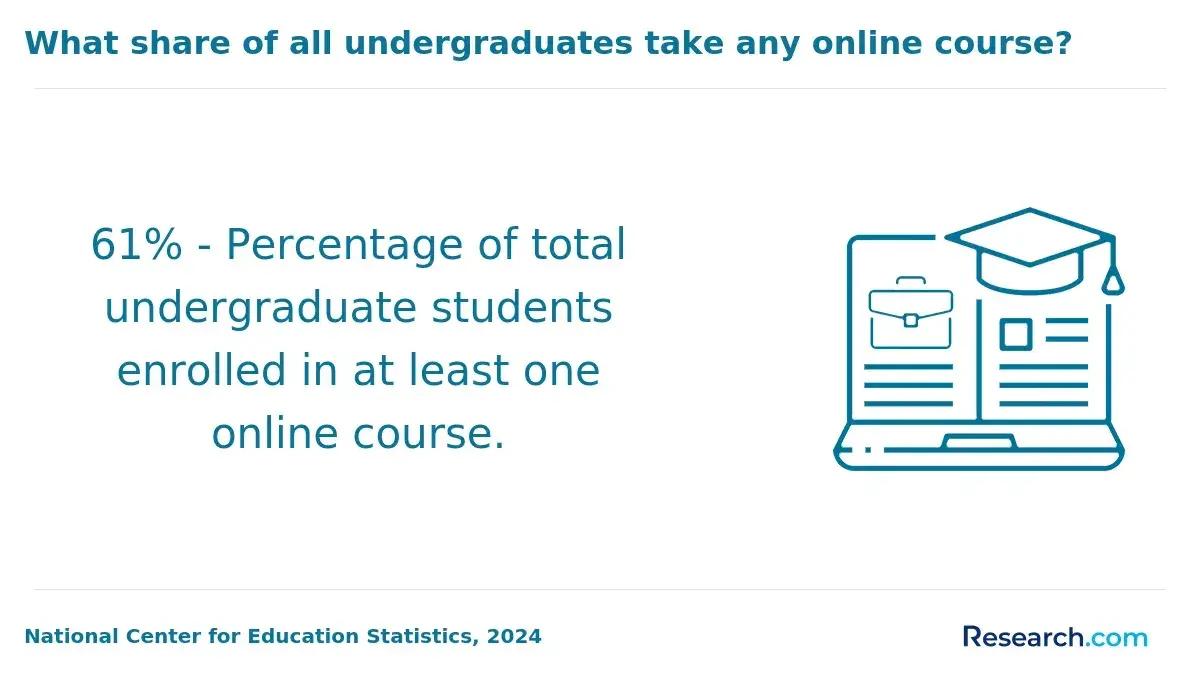
The career landscape for professionals with a teaching master's degree is shifting toward valuing advanced expertise in instructional design, educational technology, and leadership within diverse learning environments. Employers increasingly seek candidates who can manage data-driven assessment tools, navigate evolving regulatory standards, and lead cross-functional teams to enhance curriculum efficacy. Programs emphasize skills in research methodologies, policy analysis, and project management, positioning graduates for roles that extend beyond classroom instruction into administration, consultancy, and specialized interventions. According to the National Center for Education Statistics, enrollment in graduate teaching programs with flexible online options grew by 12% in 2023, underscoring evolving learner needs and career mobility strategies. This article explores varied career paths linked to a teaching master's degree and aids readers in assessing how these opportunities match their long-term professional objectives.
Key Things to Know About Career Paths With a Teaching Master's Degree
- Master's degrees in teaching often prioritize specialization areas, which can limit flexibility but sharpen expertise, affecting roles eligible for leadership or curriculum development, especially where district policies favor niche skills.
- Employers increasingly expect teaching master's holders to handle administrative duties alongside instruction, reflecting workforce trends toward combined educator-leadership roles that demand both classroom excellence and organizational agility.
- According to 2024 data from the National Center for Education Statistics, the rise in online teaching master's enrollment underscores cost and timing tradeoffs, with more adult learners balancing work-study but facing varied program quality and access challenges.
What Can You Do With a Teaching Master's Degree?
Obtaining a master's degree in teaching often signals a strategic shift toward roles demanding deeper expertise, leadership, or specialization beyond classroom instruction. For example, transitioning from a generalist teacher position to an instructional coordinator requires navigating organizational dynamics while leveraging curriculum design skills, which not all graduate programs equally prepare candidates for. This reality means that choosing how to apply a teaching master's degree should align with both one's professional goals and the evolving demands of K-12 and higher education sectors.
- Instructional Coordination: Graduates often move into roles designing and implementing curriculum standards and assessment tools. These positions require balancing administrative duties with hands-on pedagogical expertise, making prior classroom experience critical alongside the graduate credential.
- Educational Leadership: A teaching master's degree can serve as a stepping stone to administrative posts such as assistant principal or academic program director. Such roles emphasize managing staff, interpreting policy, and driving school improvement initiatives, which extends beyond direct teaching capabilities.
- Specialized Instruction: Advanced degrees facilitate entry into high-demand fields like special education or STEM teaching, where districts increasingly seek educators with both certification and graduate-level pedagogy. This specialization often leads to better job security and higher pay but may limit mobility outside the niche.
- Higher Education Roles: Many graduates pursue adjunct faculty or instructional specialist positions within teacher preparation programs. These roles blend practical classroom insight with research and mentorship but often come with less job stability and variable compensation compared to public K-12 roles.
- Education Consulting: Leveraging teaching expertise and graduate training, some professionals advise nonprofits or corporate clients on pedagogy and compliance with educational standards. This path rewards those with strong communication skills and offers flexible schedules but requires proactive networking and entrepreneurial initiative.
What Are the Highest-Paying Careers With a Teaching Master's Degree?
Compensation in teaching careers often reflects a blend of specialization, leadership roles, technical expertise, and the broader organizational impact of a given position. Graduates pursuing high salaries must typically navigate tradeoffs such as additional certifications, managerial responsibilities, or advanced interdisciplinary skills, which influence long-term career trajectories and employability in education-related sectors.
- Education Administrator: This role, which includes principals and instructional coordinators, ranks among the top-paying education careers due to strategic leadership and operational management demands. Median salaries exceed $100,000 depending on district size and experience, with employers valuing advanced degrees and proven administrative efficacy.
- Curriculum Developer and Instructional Designer: These professionals translate teaching expertise into educational programs for schools and corporate settings, commanding salaries typically between $70,000 and $110,000. Success here hinges on combining pedagogical knowledge with technical design skills, increasingly important in the growing e-learning market.
- Postsecondary Faculty and Academic Advisor: Postsecondary educators and advisors experience a diverse salary range often above $77,000, influenced by discipline, institutional type, and geographic location. Specialized subjects and administrative duties elevate earning potential but require advanced teaching credentials and scholarly engagement.
- Corporate Training and Development Specialist: Focused on employee education and leadership programming, these roles offer competitive salaries, often from $60,000 up to $120,000. Practical teaching experience integrated with corporate insight is essential, reflecting demand for adaptable educators beyond traditional classrooms.
While master's degrees improve access to higher-paying teaching-related roles, significant wage growth typically demands deliberate career moves toward specialized or leadership positions, alongside the acquisition of supplementary skills and credentials.
Which Industries Hire Graduates With a Teaching Master's Degree?
Graduates with a master's degree in teaching often find that their specialized skills in pedagogy, curriculum development, and learner assessment translate differently across industries, influencing both role expectations and compensation. In K-12 institutions, advanced credentials primarily open doors to leadership roles such as instructional coordinators or curriculum specialists where operational knowledge of education standards and compliance is critical. Postsecondary employers, including colleges and universities, value these graduates for their expertise in education theory and often expect them to contribute to program development and research, which typically commands higher salaries but may require additional academic qualifications or certifications. Meanwhile, corporate training departments seek teaching graduates capable of designing adult learning experiences aligned with strategic business goals, focusing heavily on practical communication skills and adaptability to varied learner needs, which differentiates this sector by offering competitive pay but less traditional teaching structure.
Nonprofits and government agencies leverage the pedagogical and cultural competency skills of teaching graduates to create outreach programs and manage educational equity initiatives, demanding flexibility and an ability to navigate diverse populations often underserved by conventional systems. These roles might involve grant writing and program evaluation, tasks less common in traditional classroom settings but crucial for organizational funding and impact measurement. The choice between these sectors involves tradeoffs, particularly regarding salary, role autonomy, and professional development pathways, which vary significantly depending on an individual's specialization and experience. For example, a candidate focused on adult education and technology integration might advance faster in corporate training, whereas those emphasizing community engagement may find nonprofits more aligned with their value-driven career goals.
One graduate shared how a decision to pursue a corporate training role after earning a master's in teaching left her initially conflicted; the structured environment contrasted sharply with her previous classroom experience, yet the emphasis on measurable outcomes and team collaboration challenged her to adapt her instructional approach. She noted, "The shift pushed me to think beyond lesson plans to business objectives, which wasn't easy but expanded how I apply teaching principles." Despite early hesitation, the role ultimately validated the versatility of her degree but underscored how sector choice demands thoughtful alignment with personal and professional priorities.
What Is the Job Outlook for Careers Requiring a Teaching Master's Degree?
The employment growth trends for teaching master's degree holders show a nuanced landscape shaped by subject specialization, regional demand, and shifting educational priorities. Demand is notably stronger in STEM, special education, and English language learning sectors, reflecting wider workforce shortages and policy emphasis on these areas. Conversely, competition intensifies in liberal arts fields, where openings are fewer. Geographic variability is significant, with expanding populations and investment trends in some states driving steady job creation, while other areas face contraction due to budget limitations and evolving schooling models like remote learning integration. Given the 8% projected growth for postsecondary teachers by the U.S. Bureau of Labor Statistics through 2032, those entering teaching careers with advanced degrees should consider how their chosen specialty and location influence prospects beyond broad occupational forecasts.
Understanding the job outlook for careers with a teaching master's degree requires recognizing how advanced credentials influence hiring and salary leverage in education. Employers increasingly seek candidates who can contribute beyond classroom teaching-such as curriculum development or educational leadership-though these roles may demand additional certifications or experience. For prospective students, weighing these practical demands against aspirational goals is crucial, especially where credential differentiation impacts long-term stability and advancement. Professionals must also assess opportunities within public versus private sectors and the implications of regional economic shifts. For example, exploring scholarships for accounting majors within broader educational funding options can provide financial support in navigating such career pathways.
What Entry-Level and Advanced Jobs Can You Get With a Teaching Master's Degree?
A master's degree in teaching often serves as a foundation for moving beyond entry-level positions, where the focus is primarily on direct classroom instruction or role-specific support like instructional coordination. Entry-level expectations generally center on delivering curriculum and managing student engagement, with median salaries around $62,000 as reported by the U.S. Bureau of Labor Statistics (2024). However, these roles may have limited decision-making authority and require gaining practical experience before advancing. Many educators find that specialization-such as in special education or educational technology-and acquiring additional certifications can accelerate progression toward more strategic positions, although the timeline varies greatly between districts and employers.
Advanced teaching-related roles typically encompass leadership and policy responsibilities, including curriculum development, school administration, or district-level management. These positions demand broader expertise in educational theory, staff supervision, and often significant operational oversight, with salaries ranging from $70,000 to over $100,000 depending on region and institution type. Importantly, not all sectors or schools equally recognize a master's degree for immediate leadership candidacy; therefore, professionals often move through mid-career roles such as academic advising or special education coordination to build necessary competencies. For students weighing this degree, understanding these nuances is critical: a master's degree supports career mobility and specialized pathways but does not guarantee swift advancement without complementary experience and credentials.
Can a Teaching Master's Degree Help You Change Careers?
A teaching master's degree can serve as a tactical career pivot, but its effectiveness hinges on how well a candidate's background and goals align with the specific demands of education-related sectors. Unlike generic graduate degrees, teaching master's programs provide structured expertise in pedagogy, curriculum design, and often licensure pathways, which are essential for roles in K-12 education, adult learning, or corporate training. Many employers require proof of classroom management or instructional skills that these degrees help cultivate via practicum or internship components-practical experience valued as highly as academic credentials. However, career change outcomes vary significantly depending on prior experience, choice of specialization, and the licensing hurdles in states or districts, meaning the degree alone rarely offsets a lack of hands-on experience. Professionals shifting to education technology, curriculum development, or counseling-related education roles leverage the degree to deepen niche expertise and meet certification standards that can accelerate access to leadership or consultant positions.
The tradeoffs in pursuing this pathway include the likelihood of salary realignment and entry-level repositioning, as many hiring managers place a premium on accumulated professional experience alongside graduate credentials. Networking and continuous professional development become critical supplements to maximize long-term employability and sector mobility. One point of data influencing decision-making is that teaching programs with rolling admissions typically range from $10,000 to $40,000 in tuition, framing a significant financial commitment relative to uncertain salary shifts. This investment needs to be weighed against alternative options, such as exploring an MBA in operations management online, which might offer broader transferable skills from a teaching master's degree for career shifts outside traditional education tracks.
What Leadership and Management Roles Can You Pursue With a Teaching Master's Degree?
A Teaching master's degree positions graduates to lead beyond classroom instruction by developing skills critical for organizational influence, strategic oversight, and operational management. In K-12 settings, leadership roles often begin with department coordination but quickly expand into complex responsibilities involving budgeting, policy compliance, and stakeholder engagement, especially at district levels. Advancement trajectories vary significantly: public school leaders navigate credential mandates and collective bargaining, while private or charter sectors demand adaptability and entrepreneurial skills. Outside traditional education, corporate and nonprofit leadership typically emphasize project management and instructional design expertise over formal accreditation, shifting the focus toward balancing program impact with resource constraints and multi-stakeholder communication.
These leadership opportunities come with tradeoffs that professionals must consider. Supervisory roles increase accountability not only for educational outcomes but also for financial stewardship and regulatory adherence. The transition from specialist to administrator often means less direct teaching and more coordination across teams and departments. Many employers expect advanced licensures or certifications as a prerequisite for promotion, linking credential progression to compensation growth. Moreover, the scope and pace of leadership advancement differ widely by sector; for example, corporate learning roles prioritize skills in managing cross-functional teams and adapting to rapid organizational change, contrasting with more hierarchical progression in public education.
One graduate recalled applying amid a rolling admissions cycle, facing uncertainty about acceptance timing that complicated their career planning. Balancing a current teaching schedule with preparation for expanded leadership responsibilities, they hesitated to commit without clarity on program start dates. Eventually admitted after several weeks, the delay underscored how strategic timing and readiness influence actual access to leadership pathways, beyond simply holding a master's degree.
What Skills Do Employers Expect From Graduates With a Teaching Master's Degree?
Employers hiring graduates with a master's degree in Teaching expect a sophisticated mix of technical, analytical, leadership, and interpersonal skills tailored to diverse educational environments. Proficiency with educational technology-such as learning management systems and adaptive software-is increasingly non-negotiable, enabling personalized instruction and continuous performance monitoring. Graduates who can interpret assessment data from multiple sources and translate these insights into strategic teaching adjustments add measurable value, especially in K-12 public systems where data-driven compliance directly impacts funding and staffing decisions. Leadership is similarly essential but varies by sector; private institutions often seek individuals who demonstrate innovation and the ability to drive school-wide initiatives, while nonprofits prioritize community engagement and cross-sector collaboration. These competencies are typically cultivated through applied research, practicum experiences, and coursework rooted in policy, analytics, and collaborative project management.
The implications for graduates are tangible: those lacking skills in data analysis or operational logistics often face bottlenecks in salary progression and role advancement, with reported median salaries for Teaching master's degree holders ranging from $50,000 to $75,000 depending on industry and geography, per recent labor analyses. Mastery of compliance requirements and individualized education plan implementation is critical in public education, where regulatory oversight is rigorous and directly influences job security. Conversely, leadership and strategic planning capabilities position graduates for administrative or management-track roles, which command higher compensation and broader organizational influence. Variation across employers means graduates must assess which skills best align with their target workforce; insufficient adaptability to evolving educational technologies or limited operational understanding can stall career growth or restrict eligibility for specialized positions like curriculum designer or instructional coach.
Are Remote and Flexible Careers Available With a Teaching Master's Degree?
Remote and flexible careers for teaching master's graduates are unevenly distributed across educational roles, shaped by core operational constraints and employer expectations. Jobs requiring direct student interaction and compliance with state licensing-such as K-12 classroom teaching-offer limited remote flexibility because of hands-on supervision and engagement demands. In contrast, fields like curriculum development, instructional coaching, and higher education teaching are more conducive to hybrid or fully remote work arrangements, relying on digital platforms for collaboration and asynchronous communication. Many education employers, especially public schools, still prioritize physical presence for accountability and community connection, whereas private institutions and edtech companies display greater adaptability. This stratification means professionals must weigh the benefits of flexibility against potential tradeoffs in visibility, career advancement, and networking opportunities within increasingly digital workflows.
The availability of remote job opportunities for teaching master's graduates varies by sector and role seniority. Entry-level professionals often confront fewer remote options due to supervision needs, while mid-career specialists and managerial consultants may secure hybrid or fully remote positions. Productivity expectations remain high in digital environments, frequently accompanied by increased collaboration demands and time-zone coordination challenges. Geographic compensation disparities also arise, with some remote educators facing wage adjustments based on employer location and local cost of living. Data from 2024 labor market trends indicates that hybrid teaching roles constitute a growing share of recent hiring cycles, particularly in adult education and professional training. For those considering flexible teaching careers, evaluating how these practical conditions align with personal goals is essential; some may also explore alternative graduate pathways, including cheapest online master's mechanical engineering, which may offer distinct remote or salary prospects.
What Certifications or Licenses Complement a Teaching Master's Degree?
Licenses remain the cornerstone credential for Teaching master's degree graduates seeking employment in public K-12 schools, reflecting regulatory and compliance requirements designed to safeguard educational standards. For example, a graduate with a master's degree who lacks state licensure will face immediate barriers to classroom entry despite their advanced training. This distinction marks the boundary between theoretical preparation and legal authorization to teach. By contrast, optional certifications such as special education endorsements or ESL credentials serve to diversify teaching roles and improve compensation potential. Employers frequently reward these supplements during hiring and performance reviews, especially in high-need districts or specialized programs where targeted expertise is essential.
In private or alternative educational settings, the necessity of state licenses may be relaxed, but certifications enhance professional credibility and leadership opportunities. Veteran educators often pursue national board certification or technology-focused credentials to signal advanced skills and qualify for administrative roles. However, maintaining multiple certifications can also increase workload demands and continuing education requirements, a tradeoff that educators must weigh. A Teaching master's degree provides valuable foundational knowledge, but combining it with the requisite licenses and strategic ALA-accredited schools recognized certifications intensifies career flexibility across regions and institutional types. Understanding where and when to invest effort in credentialing aligns directly with long-term career trajectories in the field of Teaching master's degree certification requirements.
What Graduates Say About Career Opportunities With a Teaching Master's Degree
- Tobias: "Balancing a full-time job alongside the teaching master's program was a serious challenge due to the workload and limited evenings for study. I chose this particular program because of its hybrid format, which let me complete internships remotely and build a portfolio I could present to schools. While I landed a role as an instructional assistant rather than a lead teacher initially, the real-world experience I gained through the practicum ultimately made me more competitive in subsequent hiring rounds."
- Rex: "Financial constraints pushed me to pick a faster-track teaching master's with a lower tuition cost, even though it meant fewer practicum hours. The decision was tough because many employers seemed to prioritize candidates who completed longer internships or who had multiple certifications. Despite this, I secured a teaching position in a charter school where they valued my adaptability and technology skills, but the salary growth has been slower without additional certifications."
- Arthur: "I was coming from a non-education background and needed to pivot careers quickly, so I targeted a program that offered strong support for first-time educators and included a job-placement component. The decision to focus on a program known for its partnerships with local schools paid off: I completed an intensive internship and got hired immediately after graduation. However, I quickly learned that without licensure, advancement opportunities are limited, so I'm planning to pursue additional credentials while working."
Other Things You Should Know About Teaching Degrees
Teaching master's programs frequently demand substantial time for lesson planning, practicum hours, and research projects, which can strain working professionals' schedules. Programs with part-time or hybrid models typically offer greater flexibility but extend the time to completion and may require sustained long-term commitment. Evaluating your capacity to manage the workload alongside job responsibilities and family commitments is crucial before enrolling to avoid burnout or compromised performance in either domain.
While acceptance of online degrees has grown, some school districts and educational institutions continue to prefer candidates from traditional, on-campus programs due to perceived rigor and networking opportunities. This preference can affect hiring, especially in competitive districts or leadership-track positions. For maximum employability in such areas, prioritizing traditional or hybrid formats with strong reputations may provide a strategic advantage despite the convenience of fully online options.
In 2027, individuals with a teaching master's degree can pursue diverse careers, such as curriculum developer, educational consultant, school administrator, instructional coordinator, corporate trainer, or higher education faculty. Their advanced knowledge opens up roles beyond traditional classroom teaching, offering various opportunities in educational leadership and specialized roles.
References
- How a Master’s in Education (M.Ed.) Can Boost International Teacher Salaries - Moreland University https://moreland.edu/resources/blog-insights/how-a-masters-in-education-med-can-boost-international-teacher-salaries
- Online master's degree guide: Programs, costs, and how to apply https://www.edx.org/resources/guide-to-online-masters-degrees
- What Jobs Can You Do with a Master's Degree of Education https://creditsforteachers.com/what-types-of-jobs-you-can-do-with-a-masters-degree-of-education/
- The 10 steps to choose a specialization or university career https://www.etitulo.com/en/the-10-steps-to-choose-specialization-or-university-career-n-10530-en
- Teacher Salary with a Master’s Degree https://www.educationdegree.com/articles/teacher-salary-with-masters-degree/
- 6 Tips to Select a Specialization in Education https://cudoo.com/blog/6-tips-to-select-a-specialization-in-education/
- Online Master’s Degrees That Pay: Top Fields for Solid Salaries https://www.onlinemastersdegrees.org/features/top-earning-masters-degrees/
- The 10 Highest Paying Jobs With a Teaching Degree [Quiz] https://www.umassglobal.edu/blog-news/highest-paying-jobs-with-a-teaching-degree
- 25 Highest Paying Jobs in Education https://www.topeducationdegrees.org/highest-paying-jobs-in-education/
- What are the Benefits of a Graduate Degree for Teachers? - Graduate Programs for Educators https://www.graduateprogram.org/blog/what-are-the-benefits-of-a-graduate-degree-for-teachers/