2027 What Is an Exercise Science Master's Degree? Definition, Curriculum & Career Paths

Co-Founder and Chief Data Scientist
Health and fitness sectors increasingly demand professionals who can interpret complex biomechanical data and design evidence-based interventions. A master's degree in exercise science addresses this need by integrating advanced physiology, kinesiology, and data analytics to optimize human performance and rehabilitation.
The rise in wearable technology and personalized medicine in 2024 has intensified employer expectations for specialists capable of navigating interdisciplinary knowledge and translating research into practice. Understanding the curriculum reveals how theoretical foundations, applied research, and clinical experience converge. This article examines what a exercise science master's degree entails and explores the career trajectories it supports within a shifting healthcare and sports landscape.
Key Benefits of Exercise Science Master's Degree
- Specialized coursework enhances biomechanics and physiology expertise, but the intensive lab and clinical hours can extend program duration, requiring candidates to balance longer commitments against career acceleration.
- Employers increasingly prioritize graduates with advanced data analysis skills in exercise science, reflecting the sector's shift toward evidence-based intervention and population health metrics, which shapes hiring preferences.
- Rising tuition costs, highlighted by a 2024 study showing average graduate education inflation surpassing 4%, affect accessibility, prompting potential students to carefully weigh financial investment against projected career trajectory benefits.
Who Should Pursue a Exercise Science Master's Degree?
Graduate education offers the most tangible value when pursued with defined strategic goals rather than as an automatic step after completing a bachelor's degree. The ideal candidate for an exercise science master's program is distinguished by specific career objectives, identified skill gaps, and the realities of evolving industry expectations.
Choosing to invest time and resources in this advanced degree should reflect a clear understanding of how it enhances professional opportunities, competitiveness, and readiness for specialized or leadership roles in health and fitness sectors.
- Working Healthcare Professionals Seeking Specialization: Physical therapists, athletic trainers, and fitness coaches often pursue advanced exercise science programs for career advancement to deepen their applied knowledge and gain credentials valued in rehabilitation, clinical exercise testing, or wellness program design. This degree supports transitioning into leadership, specialized clinical roles, or interdisciplinary teams that require evidence-based expertise aligned with long-term workforce growth projections.
- Career Changers from Related Scientific Backgrounds: Individuals with degrees in biology, kinesiology, or health sciences who aim to move into exercise science-related occupations find this master's degree addresses foundational clinical and research skills needed for entry or reorientation. The curriculum helps bridge gaps between theoretical knowledge and practical application, providing a pathway into roles including rehabilitation, corporate wellness programming, and sports performance consultation.
- Recent Graduates Seeking Differentiation and Research Exposure: Graduates who wish to pursue doctoral studies or research-oriented careers benefit from the degree's emphasis on scientific inquiry, data analysis, and critical evaluation of exercise interventions. Such preparation is vital for careers in academia or clinical research environments, where advanced methodological rigor and interdisciplinary understanding enhance employability and funding competitiveness.
- Aspiring Leaders in Emerging and Specialized Fields: The degree suits professionals targeting positions requiring integration of biomechanics, health promotion, and exercise prescription within complex healthcare or athletic systems. Its interdisciplinary nature facilitates navigating evolving sector demands, such as population-specific physical fitness program development, which aligns with an 11% projected job growth in exercise physiology and related occupations from 2022 to 2032, according to the U.S. Bureau of Labor Statistics.
Prospective students should carefully weigh how a exercise science master's degree fits into their career planning, particularly considering the diverse emphases across programs-from applied clinical practice to biomechanics or public health-oriented exercise programming.
For those comparing graduate paths, it is valuable to consider how the degree positions them relative to employer expectations around clinical competency, leadership readiness, and research capabilities.
In some cases, individuals may find parallel health-related advanced degrees more aligned with specific organizational requirements or licensure criteria. For example, those determined to pivot toward clinical roles involving patient care might also evaluate pathways to become a nurse practitioner as an alternative or complementary investment that offers broader clinical responsibilities and autonomy.
What Are the Core Courses in a Exercise Science Master's Curriculum?
Core courses in a exercise science master's program establish a critical foundation, equipping students with skills and knowledge that transcend specific specializations and career paths. While individual institutions may label or sequence them differently, most programs focus on a set of key disciplines designed to advance expertise in human movement, physiology, research, and applied practices.
These courses collectively enable graduates to navigate diverse professional environments, from clinical settings to sports performance and rehabilitation.
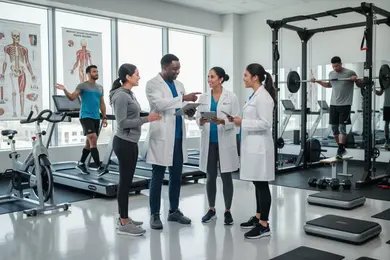
- Advanced Exercise Physiology: This course delves into metabolic processes and the body's cardiovascular and respiratory adaptations during exercise. It is fundamental for developing the ability to create evidence-based training programs and to interpret physiological responses across varied populations, which is essential for roles requiring nuanced understanding of physical health.
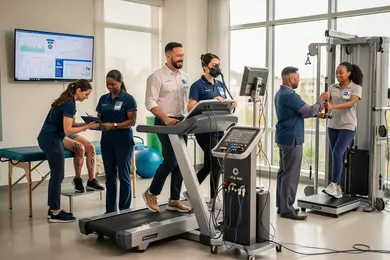
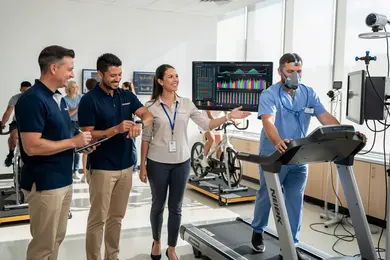
- Biomechanics: Focusing on the mechanics of human motion, biomechanics courses hone analytical skills related to movement efficiency and injury prevention. Integration of laboratory work with motion capture and analysis tools provides practical experience that supports careers where precise movement evaluation is critical.
- Research Methods and Statistics: Teaching experimental design and rigorous data analysis, this course cultivates critical thinking for assessing scientific evidence. Mastery in this area underpins evidence-based practice and offers a foundation for graduate research or clinical inquiry, aligning with increasing employer expectations for analytical aptitude.
- Motor Learning and Control: This subject explores how motor skills are acquired and refined, informing interventions in rehabilitation and athletic training. Understanding these mechanisms strengthens the ability to design targeted therapy or coaching strategies, an important competency in dynamic applied environments.
- Nutrition for Exercise Science: Addressing macronutrient metabolism and dietary strategies, this course links nutrition to performance and recovery. Knowledge in this realm is increasingly demanded by healthcare and fitness professionals aiming to deliver holistic client management.
A 2024 report from the National Center for Education Statistics reflects that a growing share of exercise science-related graduate programs are emphasizing research literacy and applied biomechanics, responding to employer calls for graduates who can integrate scientific findings into practical solutions. This trend reinforces the foundational importance of these core courses for career relevance across health, wellness, and performance sectors.
One recent graduate recalled navigating the admissions process for a master's program with rolling deadlines. Even after submitting materials early, the candidate faced weeks of uncertainty due to staggered decisions and required additional preparation for a prerequisite course. The hesitancy about whether to accept an initial offer or wait for other potential admissions added pressure.
Ultimately, the graduate's strategic choice to prioritize programs offering strong coursework in research methods and biomechanics paid off, underlining the value of course content alignment amid admission timing challenges.

What Specializations Are Available in Exercise Science Master's Programs?
Master's programs in exercise science commonly structure their curricula around multiple specialization tracks to help students target specific professional fields. While foundational courses provide a broad understanding of physiology, biomechanics, and research methods, these specializations sharpen technical skills and conceptual frameworks tailored to distinct career needs.
Selecting a specialization also influences employability by aligning graduates with industry expectations and credential requirements.
- Clinical Exercise Physiology: This specialization equips students with expertise in managing chronic diseases through exercise interventions, including advanced diagnostic and rehabilitative techniques. It prepares graduates for roles within healthcare environments like hospitals and outpatient clinics, where evidence-based protocol application and patient monitoring are critical. Due to the clinical focus, many employers expect additional certification, which can be a barrier but also a differentiator in healthcare systems prioritizing specialized exercise professionals.
- Sports Performance and Coaching: Emphasizing athletic enhancement and injury prevention, this track develops skills in biomechanics, nutrition, and sports psychology. Graduates often fill positions as strength and conditioning coaches or athletic trainers at collegiate and professional levels. Success in this field typically relies on extensive practical experience and networking, as technical knowledge alone may not suffice for competitive roles.
- Health Promotion and Wellness: Concentrating on population-level disease prevention and lifestyle management, this pathway integrates public health strategies with behavior change theories. Graduates find opportunities in corporate wellness programs, nonprofit initiatives, and community health settings. The specialization addresses a growing market as employers invest more in preventive health, yet it requires adaptability to diverse organizational and cultural contexts.
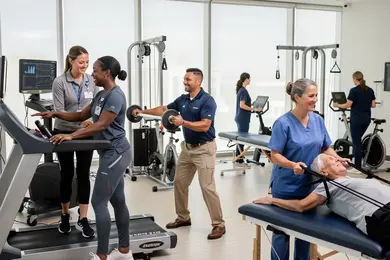
- Exercise and Rehabilitation Science: Bridging exercise science with rehabilitative care, this area focuses on injury recovery and functional mobility restoration. Students develop competencies relevant to supporting physical and occupational therapy services, positioning graduates for allied health roles that complement traditional rehabilitation disciplines. This specialization benefits those aiming to work in interdisciplinary clinical teams but may necessitate collaboration with licensed therapists.
Data from the U.S. Bureau of Labor Statistics (2024) highlights that healthcare-related exercise science roles, especially in rehabilitation and clinical contexts, are among the fastest-growing segments, reflecting increasing demand driven by aging populations and chronic disease prevalence. Thus, specialization choices profoundly impact labor market positioning by shaping skill applicability and professional recognition within diverse segments of the exercise science workforce.
How Long Does It Take to Complete a Exercise Science Master's Degree?
Completing a master's degree in exercise science typically takes between one and a half to three years, with full-time students often finishing closer to the two-year mark, according to recent data from the National Center for Education Statistics and higher education reports in 2024.
Part-time students, including many working professionals and career changers, generally require more time-often three to four years-due to balancing coursework with external responsibilities. This variability reflects the diversity in enrollment statuses and program pacing, making the average duration of an exercise science master's program sensitive to each student's unique circumstances and choices.
The length of study is heavily shaped by factors such as the number of credit hours students can take each semester and program design elements like whether a thesis or a research project is mandatory. Programs incorporating clinical internships or practicums usually demand additional scheduling flexibility because these experiences must be completed alongside coursework, often extending total time to degree.
Online and hybrid formats can alter timelines by offering scheduling adaptability, but they may also require greater self-regulation. Students who juggle work, family, or other commitments frequently experience prolonged completion times compared to those who can fully dedicate themselves to intensive, on-campus study.
Some students intentionally accelerate or prolong their studies based on career objectives or financial considerations. For instance, those aiming for rapid workforce entry may choose accelerated tracks if their academic history allows, while others may spread courses over more semesters to accommodate deeper experiential learning or practical internships.
Such strategic pacing impacts how their degree aligns with employer expectations in healthcare or fitness sectors, where relevant hands-on experience from practicum hours is increasingly valued.
Understanding these tradeoffs can help prospective students better navigate program offerings and their own professional ambitions, contrasting with shorter vocational programs like the LPN 6-month program which serve distinctly different career pathways.
Do Exercise Science Master's Programs Require Internships or Practicums?
Internship or practicum requirements in exercise science master's programs differ substantially based on the program's focus, institutional priorities, and alignment with professional standards. Programs with a clinical or applied emphasis are more likely to mandate these field experiences, often as a means to fulfill accreditation criteria or meet employer expectations for job-ready graduates.
Conversely, research-oriented degrees may offer internships as optional components or electives, emphasizing laboratory work or scholarly inquiry over direct hands-on practice. This variability reflects the underlying tension between training students for immediate workforce entry versus advancing academic or scientific expertise.
These experiential elements bridge classroom theory and actual practice by immersing students in clinical, fitness, or research environments where they can apply complex biomechanical, physiological, and nutritional concepts. Beyond technical skills, internships and practicums serve as critical sites for professional socialization, ethical decision-making, and interprofessional collaboration-attributes highly prized by employers.
Successfully navigating these placements also signals a candidate's readiness to contribute effectively from day one, reducing the onboarding burden for organizations and enhancing long-term career resilience. Still, the added time, effort, and logistical challenges involved can complicate planning for those balancing work, study, and life demands.
One graduate shared their experience during a rolling admissions cycle, expressing anxiety about whether the program would require a practicum placement in the first term or allow a later start. Preparing for different options meant lining up potential sites early, but confirmations didn't come until weeks after enrollment.
"The delay made it tough to finalize my schedule or secure commitments at local clinics," they explained, emphasizing how uncertainty around practicum timing can disrupt both academic and personal planning.
This experience underscores the need for candidates to navigate not just the learning itself but also the administrative and timing complexities inherent in experiential requirements.
What Skills Do Students Gain From a Exercise Science Master's Degree?
A master's degree in exercise science is structured to cultivate advanced, specialized skills that exceed undergraduate learning by integrating rigorous theoretical instruction with applied assignments and industry-relevant projects. This blended approach ensures students develop competencies essential for navigating complex, multidisciplinary professional environments.
The curriculum typically includes research-based training, practical experience, and critical analysis, all designed to enhance decision-making, program development, and client-centered care within diverse health and fitness contexts. Such skill development responds directly to employer demands for evidence-based, adaptable practitioners.
- Analytical and Quantitative Research Skills: Graduate programs emphasize proficiency in data collection and interpretation using advanced technologies like metabolic analyzers and electromyography. This skill is developed through hands-on lab work and independent research projects, preparing students to assess physical performance with precision. Employers value this competency for its role in evidence-based practice and its contribution to the development of scientifically validated interventions, which supports progression into research or policy advisory roles.
- Integrative Human Physiology and Biomechanics Expertise: Students engage deeply with human physiology, kinesiology, and biomechanics, foundational areas refined through extensive coursework and practical applications. This knowledge equips graduates to design targeted exercise protocols and innovate rehabilitation strategies. In workplace settings, thorough command of these topics enables effective troubleshooting of movement dysfunctions, supporting specialization in clinical, athletic, or wellness domains.
- Project Management and Program Implementation: Applied projects and clinical placements train students to manage individualized client plans, adapt interventions for varied populations, and collaborate with multidisciplinary teams. This experiential learning fosters organizational and leadership capabilities sought after by employers expecting turnkey practitioners capable of overseeing exercise regimens and coordinating care efficiently, vital for long-term advancement into supervisory or administrative positions.
- Scientific Communication and Research Literacy: Mastery in critically appraising studies, drafting reports, and presenting findings develops refined communication skills. This is achieved through coursework emphasizing scientific writing and presentations aimed at both professional and lay audiences. Clear translation of complex data is crucial in roles involving health promotion, policy development, and academic contributions, and enhances adaptability across clinical and corporate environments.
- Interpersonal and Motivational Competencies: Graduate training includes developing the interpersonal skills necessary for coaching, behavior modification, and client engagement. Through internships and practical interactions, students learn motivational techniques critical for facilitating sustained lifestyle changes, a quality highly rated by employers focusing on preventive health and wellness programs. These skills also underpin leadership potential and ethical practice essential in regulatory-compliant settings.
The advanced knowledge gained from exercise science graduate programs aligns with a labor market that increasingly prioritizes evidence-driven, multi-skilled practitioners. According to recent workforce analyses, demand for specialized exercise science roles in clinical and corporate wellness sectors continues to grow, highlighting the importance of a robust skill set built through graduate-level training.
Prospective students should appreciate that while these skills serve as a versatile foundation, long-term employability hinges on complementing them with certifications, networking, and real-world experience.
Additionally, prospective students unfamiliar with graduate healthcare education pathways may compare the exercise science master's trajectory with programs such as the easiest online RN to BSN program, noting differences in clinical scope, certification requirements, and workforce integration opportunities. This comparative perspective can inform strategic decisions about degree relevance and career applicability.
What Careers Can You Pursue With a Exercise Science Master's Degree?
A master's degree in exercise science allows access to a variety of applied and specialized career paths spanning healthcare, sports, research, and public health sectors. Outcomes largely depend on how graduates tailor their expertise through focused skills development, prior experience, and responsiveness to labor market trends.
The degree's versatility can support roles demanding both scientific rigor and practical implementation, although competition and credentialing requirements vary by field.
- Clinical Exercise Physiologist: This role centers on designing and executing rehabilitation programs for patients with chronic conditions such as cardiovascular disease or diabetes. Master's-level training equips graduates with advanced knowledge of pathophysiology and exercise prescription, essential for collaborating with multidisciplinary healthcare teams. Employment often requires certification and can lead to leadership within hospital systems or outpatient clinics.
- Strength and Conditioning Coach: Primarily found in collegiate or professional sports environments, this position applies biomechanics, nutrition, and individualized programming to optimize athlete performance and minimize injury risk. Employers prioritize candidates with a combination of scientific expertise and hands-on experience. Career progress often includes roles with larger athletic programs or transitions into sports medicine and athlete wellness management.
- Public Health Specialist or Wellness Program Manager: Professionals in this area develop and manage community health initiatives aimed at promoting physical activity and overall wellness. The graduate's ability to evaluate program effectiveness and influence health policy is critical. Roles exist within government agencies, nonprofits, and corporate wellness sectors, often with pathways into health policy or administration.
- Exercise Science Researcher: Graduates who pursue research contribute to advancing knowledge in human physiology, exercise interventions, and biomechanics. Success depends on quantitative analysis skills and clear communication of complex findings. These positions are typically located in academic institutions or private sector labs, with potential to progress toward principal investigator or program director roles.
- Academic Instructor or Doctoral Candidate: Some graduates transition into teaching or pursue further study leading to doctoral degrees. Instructors leverage advanced expertise to educate future professionals, while doctoral candidates focus on specialized research. These paths support long-term leadership opportunities within academia and can influence the evolution of exercise science as a discipline.
How Much Can You Earn With a Exercise Science Master's Degree?
Earning potential for graduates with a master's degree in exercise science fluctuates significantly depending on the professional context in which the degree is leveraged. Rather than a fixed salary range, variations arise from differences in industry sectors such as healthcare, sports performance, wellness, or rehabilitation, each presenting distinct market dynamics.
Geographic location further influences compensation due to regional labor demand, cost of living, and employer budgets. Additionally, job role specificity-from clinical exercise physiologists to program directors or strength coaches-shapes income expectations based on the scope of responsibility and technical expertise required.
Key factors driving compensation include the profitability and funding models of the employing organization, the scarcity of advanced skills or certifications in the candidate's profile, and the level of managerial or consultative duties entailed.
For example, healthcare institutions often offer higher wages due to specialized patient care needs, while commercial fitness roles may depend more on client volume and reputation. Technological integration and data-driven program design are increasing demand for exercise science professionals who can deliver measurable outcomes, thereby elevating the value of applied skills beyond traditional credentials.
Long-term salary progression typically correlates with ongoing professional development, accumulation of recognized certifications, and strategic specialization areas such as strength training or athletic nutrition. Early-career positions commonly see salaries ranging from $45,000 to $65,000 annually, with mid-career professionals earning between $75,000 and $90,000 as projected by labor market analyses including those from the U.S. Bureau of Labor Statistics and Lightcast.
However, stagnant earnings remain a risk in saturated markets without continuous adaptation to emerging industry trends and demonstrated impact in client or patient outcomes.
What Are the Disadvantages of Pursuing a Exercise Science Master's Degree?
While a exercise science master's degree can equip students with specialized expertise and enhance career opportunities, it comes with distinct trade-offs that merit careful consideration. The disadvantages of pursuing a exercise science master's degree often hinge on individual financial situations, professional goals, program design, and prevailing labor market expectations.
Prospective students should weigh these factors, recognizing that the degree's practical and economic value varies widely across sectors and regions.
One notable disadvantage is the limited immediate salary boost relative to investment. Data from the U.S. Bureau of Labor Statistics and Lightcast suggest that many roles in exercise science do not require a master's degree for entry or competitive compensation, which can diminish the short-term financial return on graduate study. This means that while the degree might deepen knowledge, it doesn't always translate to proportional income gains right after graduation.
High competition with certifications and experience-focused candidates also constrains opportunities. Employers often prioritize hands-on skills and recognized certifications, such as strength and conditioning credentials, over academic qualifications alone. This dynamic means master's degree holders frequently compete with bachelor's graduates who have accrued practical experience or specialized certifications, making job searches longer and less certain.
Geographic limitations for specialized career roles present another barrier. Certain markets demand exercise science expertise, but these are often region-specific and limited, forcing graduates to either relocate or accept positions outside their ideal niche. The limitations of exercise science graduate programs in addressing such geographic constraints can affect long-term career satisfaction and advancement.
Finally, the time and cost investment can significantly affect career momentum. Many programs require two or more years of full-time study at considerable tuition expense, alongside potential living costs and lost income. For those currently working or changing careers, the opportunity cost is substantial and should be balanced against realistic expectations of program outcomes and labor market realities.
- Limited Immediate Salary Boost: Many exercise science-related positions do not require a master's degree, limiting financial return despite advanced study.
- Competition With Certifications and Experience: Employers often value practical skills and certifications over graduate degrees, increasing competition.
- Geographic Career Constraints: Specialized roles may be limited to specific areas, creating relocation challenges or limiting opportunities.
- Significant Time and Financial Commitment: Graduate study requires a major investment that can delay workforce re-entry and accumulate debt.
Students considering this degree alongside other health science pathways might also examine related options, including how to be a nurse practitioner, which can offer different timeframes and labor market outcomes.
How Should Students Compare Exercise Science Master's Programs?
Not all exercise science master's programs deliver equivalent value or outcomes, despite sharing similar titles. Effective comparison should focus on how well each program matches your career goals, curriculum design, faculty expertise, experiential learning, and industry ties. These dimensions critically shape your practical skills, job readiness, and long-term professional trajectory.
When comparing exercise science master's programs by curriculum flexibility or other factors, consider these key measures:
- Accreditation and Academic Quality: Confirm that programs have regional or specialized accreditation ensuring curricula meet updated scientific and professional standards. Accreditation affects eligibility for certifications and licensure that many employers require in clinical or research roles.
- Curriculum Relevance and Practical Training: Evaluate if course offerings and hands-on experiences, such as internships or lab work, align with current labor market demands including biomechanics, exercise physiology, and data analytics. Programs lacking applied components may leave graduates underprepared.
- Career Outcomes and Employer Connections: Analyze graduate placement statistics, alumni career paths, and partnerships with healthcare or fitness organizations. Programs with established employer networks often facilitate smoother job transitions in specialized roles.
- Program Flexibility and Delivery Format: Consider part-time, hybrid, or online options, especially if balancing work or personal commitments. Keep in mind that some employers may prefer graduates from programs emphasizing intensive in-person training for skill validation.
- Cost Versus Return on Investment: Weigh tuition against access to faculty expertise, research opportunities, and career services. A less expensive program might suit foundational skill-building or career changers, whereas higher-priced options may offer broader resources leading to advanced opportunities.
For those also weighing alternatives beyond exercise science, resources like accredited easiest counseling degree programs can serve as comparative examples for evaluating program rigor and career relevance in graduate education.
What Graduates Say About Exercise Science Master's Degree
- Shmuel: "During my master's in exercise science, I realized how much employers weigh practical experience over formal credentials. Although licensure seemed like the natural next step, I found that internships and building a diverse portfolio really opened doors when I was applying for clinical roles. The program's curriculum was robust, but navigating hiring realities showed me that certifications and hands-on skills often mattered more in competitive job markets. I ended up taking a slightly unconventional path, focusing on gaining direct patient interaction and remote health coaching gigs."
- Shlomo: "The program gave me a good foundational knowledge, but what stood out afterward was the flexibility it offered in career direction. I appreciated the option to enter the workforce more quickly in wellness and rehabilitation specialties without the immediate pressure of licensure. I noticed that salary growth can be limited when you don't pursue formal certifications, so I'm cautiously planning to obtain them while continuing to work. What surprised me was the number of remote positions that became available, which helped me balance professional development with personal responsibilities."
- Santiago: "After graduating, I faced the reality that many advanced clinical roles required specific licensure I hadn't obtained during the program. This meant competing for more entry-level positions initially, which felt frustrating given my education. However, the broad curriculum did give me a solid base to pivot into related fields like corporate wellness and fitness consulting. Looking back, I think the program prepared me well in theory, though I had to supplement my credentials with certifications and real-world internships to stay competitive. Career progression has been pragmatic, more about gradual skill-building than fast advancement."
Other Things You Should Know About Exercise Science Degrees
The intensity of these programs varies, with some requiring full-time study and substantial hands-on hours, including labs and practicums, which can conflict with full-time employment.
Part-time or online options often reduce in-person training but might extend the time to completion and limit networking or mentorship opportunities. Working professionals must weigh convenience against the depth of skill acquisition, as lighter models risk less immersive learning that could affect clinical competency.
Employer perceptions typically favor accredited programs with established reputations and strong industry connections, which often correlate with better internship placements and job pipelines.
While degree content is important, brand recognition and affiliated clinical experiences can differentiate candidates in competitive job markets. Applicants should prioritize programs with proven graduate employment outcomes and relevant local or national partnerships rather than choosing solely on cost or convenience.
Not necessarily. While the degree can expand technical expertise, leadership positions often require additional skills in management, communication, and business, which some programs may not adequately cover. Candidates targeting leadership should assess whether the curriculum includes or can be supplemented with cross-disciplinary training in organizational dynamics.
Alternatively, combining the degree with professional certifications or business education may better position graduates for advanced roles.
References
- Top 20 Careers With a Master’s in Exercise Science | PLNU https://www.pointloma.edu/resources/health-sciences/top-20-careers-masters-exercise-science
- Master of Science (MS) in Exercise Science | Calvin University https://calvin.edu/majors-programs/ms-exercise-science
- Exercise Science (M.S.) https://www.esu.edu/academics/graduate-programs/ms-exercise-science.php
- MS in Exercise Science https://www.liu.edu/brooklyn/academics/school-of-health-professions/academic-programs/MS-exercise-science
- Exercise Science: The Field of the Future https://www.sxu.edu/academics/programs/master-science-exercise-science/exercise-science-field-of-the-future.html
- Exercise and Sport Science (M.S.) https://uscupstate.edu/programs/exercise-and-sport-science-masters/
- Exercise science: What exactly is it? https://www.scienceforsport.com/exercise-science/
- Master of Science in Exercise Science https://campus.kennesaw.edu/colleges-departments/wellstar/degrees-programs/graduate/master-exercise-science/index.php
- 50 Best Sports Science Masters Degree Programs (Campus) - Sports Management Degree Guide https://www.sports-management-degrees.com/best-masters-sports-science/
- Exercise Science Careers: Paths with Degrees https://www.fitnessmentors.com/exercise-science-careers/