2027 Cheapest Accelerated Exercise Science Degree Programs Online

Co-Founder and Chief Data Scientist
Choosing an accelerated online exercise science degree is a cost-and-time decision, not just a program search. The least expensive option is not always the best value if it delays graduation, limits transfer credit, lacks recognized accreditation, or does not support your career goal. For working adults, parents, career changers, military-affiliated students, and learners with previous college credit, the strongest programs combine low net cost, flexible pacing, clear credit policies, and credible academic oversight.
Exercise science can lead to roles connected to fitness, wellness, rehabilitation support, coaching, health promotion, and preparation for graduate study in related health fields. The return on investment depends on what you pay, how quickly you finish, and whether the credential is accepted by employers or future graduate programs. With a median salary of $51,000 for exercise physiologists, students should compare total program cost, not just advertised tuition.
This guide explains how to identify cheap accelerated exercise science degree programs online, what makes a program legitimate, how transfer credit and prior learning can shorten the timeline, and which financial aid options may reduce out-of-pocket costs.
Key Things to Know About the Cheapest Accelerated Exercise Science Degree Programs Online
- Accelerated online exercise science programs reduce time and tuition through flexible schedules, transfer credit acceptance, and fast-track formats-helping students finish degrees 25% faster on average.
- Compare program accreditation, total tuition, financial aid availability, and potential hidden fees to truly assess affordability and avoid unexpected costs in low-cost accelerated options.
- Verify transfer policies, pacing requirements, residency mandates, and career or licensure outcomes before enrolling to ensure program alignment with professional goals and licensing standards.
What Are the Cheapest Accelerated Exercise Science Degree Programs Online?
The cheapest accelerated online exercise science degree programs are usually found at accredited public universities, transfer-friendly degree-completion programs, and schools that let students move faster through short terms, year-round enrollment, or competency-based pacing. The best low-cost option is the one that reduces both tuition and the number of credits you still need to complete.
Online education has become a major pathway for adult learners; enrollment in fully online degree programs increased by over 30% in recent years. That growth has created more choices, but it has also made comparison shopping harder. Students should look beyond the advertised per-credit price and ask how many credits will transfer, whether fees are added each term, and whether the program has the flexibility to finish on an accelerated schedule.
Common low-cost program types
- Public university programs: State universities often provide the strongest balance of price, name recognition, and accreditation. In-state tuition can be especially cost-effective, and some public institutions now charge competitive online rates for distance learners.
- Degree-completion programs: These are often the most affordable route for students who already have an associate degree or substantial college credit. They focus on upper-division major requirements instead of making students repeat general education courses.
- Competency-based models: These programs allow students to advance by showing mastery rather than sitting through a fixed number of weeks. They can be cheaper for disciplined learners who can complete more coursework within each term.
- Transfer-friendly online programs: Schools with generous transfer policies can lower total cost more than schools with a lower per-credit rate but strict residency rules. A program that accepts more previous credits may save both time and money.
- Community college partnerships: Some students complete lower-division coursework through an affordable community college, then transfer into an online bachelor’s program for the exercise science major. This can be a practical way to control costs while earning a bachelor’s degree from a four-year institution.
Students should be careful not to compare unrelated credentials as if they lead to the same outcome. For example, short workforce programs may have lower upfront prices, but a credential focused on medical billing certification cost serves a different career path than an exercise science bachelor’s degree. The right comparison is total cost against the specific job, graduate school, or certification goal you are pursuing.
How Much Does an Accelerated Online Exercise Science Degree Cost?
The cost of an accelerated online exercise science degree depends on tuition model, transfer credit, school type, fees, and how quickly the student completes the program. A low per-credit rate can still become expensive if the school accepts few transfer credits or adds technology, course, lab, graduation, or assessment fees. For adult learners, the key number is total remaining cost to graduate.
Cost factors that matter most
- Public university tuition: State schools may offer accelerated online exercise science degrees at in-state tuition rates under $8,000 per year. These programs can be a strong value when they combine low tuition with regional accreditation and a clear path to graduation.
- Flat-rate tuition: Some competency-based institutions charge by term rather than by credit. Western Governors University's approximate $3,750 six-month term rate is an example of how this model can benefit students who complete courses quickly. The savings depend on pace; students who move slowly may not save as much.
- Total program pricing: Some fully online regional university pathways may fall between $10,000 and $15,000 total, especially when designed for students with transfer credit. Students should confirm whether that figure includes mandatory fees and whether it assumes full-time enrollment.
- Transfer credit savings: Transfer credit can be the largest cost reducer. A student who enters with completed general education courses, military credit, or an associate degree may need far fewer credits than a first-time college student.
- Acceleration and opportunity cost: Faster completion may reduce tuition terms and help students qualify sooner for promotions, certifications, or graduate school. However, taking too many courses at once can lead to withdrawals or failed classes, which raises cost.
When comparing programs, ask each school for a written degree audit before enrolling. The audit should show accepted transfer credits, remaining courses, estimated tuition, required fees, and the projected graduation timeline. Students comparing broader health-related management pathways may also want to review options for a degree in healthcare administration, which can have different career outcomes and cost structures.
Are Cheap Accelerated Exercise Science Degree Programs Accredited and Legitimate?
Cheap accelerated exercise science programs can be legitimate, but price alone does not prove value. Accreditation, state authorization, transparent policies, and employer recognition matter more than marketing claims. As online education enrollment surged nearly 20% over recent years, students have gained more flexible options, but they also need to screen programs carefully.
How to verify legitimacy
- Check institutional accreditation: Confirm that the college or university is accredited by an agency recognized by the U.S. Department of Education or CHEA. Accreditation affects federal financial aid eligibility, transferability of credits, and acceptance by many employers and graduate schools.
- Look for clear state authorization: Online programs should be authorized to serve students in your state. This is especially important for distance learners who enroll across state lines.
- Review program transparency: Legitimate schools should publish tuition, fees, admission requirements, transfer policies, academic calendars, and student support resources. Be cautious if a school avoids giving a written cost estimate or pressures you to enroll quickly.
- Ask about field-specific alignment: At the undergraduate level, specialized programmatic accreditation may not always be required, but affiliations or standards connected to organizations such as CAAHEP can signal alignment with health and exercise-related expectations.
- Compare nonprofit and for-profit models carefully: Nonprofit status does not automatically guarantee quality, and for-profit status does not automatically mean a program is poor. Still, students should pay close attention to graduation outcomes, debt levels, refund policies, and employer reputation.
A legitimate accelerated program should be able to explain exactly how online labs, assessments, internships, practicums, or applied projects work. Exercise science is an applied field, so students should understand how the program teaches movement science, anatomy, physiology, exercise testing, program design, and evidence-based practice in an online format.
- : "One graduate of an accelerated, budget-conscious online program said his main concern was whether employers and graduate schools would respect the degree. After verifying the school’s regional accreditation and reviewing its transfer policies, he felt more confident. The degree later helped him continue into graduate coursework because his credits were accepted without problems."
What Are the Fastest Online Exercise Science Degree Programs?
The fastest online exercise science degree programs are usually designed for students who already bring college credit, professional knowledge, or a strong ability to study independently. Adult learners make up nearly 40% of online students nationwide, so many programs now offer formats that reduce calendar time without requiring students to leave work or family responsibilities.
Formats that shorten completion time
- Competency-based education: Students progress by demonstrating mastery of course outcomes rather than waiting for a traditional semester to end. Motivated learners with prior knowledge may complete a degree in 12 to 18 months, but that pace requires consistent weekly work and strong self-management.
- Transfer-credit pathways: Students entering with an associate degree, military education, or previous college coursework may finish in about 18-24 months if the school accepts most of their credits and offers required major courses frequently.
- Eight-week terms: Short courses allow students to complete more classes across the year. This format can support faster progress, but each course moves quickly and may require steady participation from the first week.
- Year-round enrollment: Programs with multiple start dates and summer terms reduce waiting time between courses. This matters when a required class is offered only once or twice per year in a traditional calendar.
- Prior learning assessment: Students may earn credit for documented training, certifications, military learning, or professional experience. This can reduce the number of courses needed, but policies vary widely by institution.
The fastest program is not always the best program. Students should compare speed against accreditation, course availability, advising quality, and workload. A two years or less timeline can be realistic for some transfer students, but first-time college students may need longer. Cost-conscious applicants can also reduce upfront expenses by comparing online colleges no application fee before submitting multiple applications.
Which Online Exercise Science Degree Programs Are Best for Working Adults?
The best online exercise science degree programs for working adults combine flexible coursework, predictable scheduling, generous transfer policies, and strong academic support. Online enrollment for adult learners increased by over 15% in recent years, and many schools now design programs around students who cannot attend daytime classes or pause employment.
Features working adults should prioritize
- Asynchronous courses: These allow students to watch lectures, complete assignments, and participate in discussions on their own schedule. This is often the best format for shift workers, parents, and students with travel-heavy jobs.
- Clear weekly expectations: Flexibility does not mean light workload. Strong programs tell students how many assignments, labs, discussions, exams, or projects to expect each week so they can plan around work and family duties.
- Part-time and full-time options: Working adults may need to adjust course loads by term. A program that allows both full-time acceleration and part-time pacing can prevent burnout and reduce the risk of stopping out.
- Transfer-friendly degree plans: Returning students should look for programs that maximize previous coursework and provide a degree audit before enrollment. This is especially important for students with older credits from multiple schools.
- Accessible support services: Online advising, tutoring, library access, career coaching, and technical support should be available outside traditional business hours or through convenient online systems.
Working adults should also ask whether any courses require synchronous meetings, campus visits, proctored exams, internship hours, or local field experiences. These requirements may be manageable, but they should be known before enrollment.
- : "A working student who completed an online exercise science degree said the decisive factor was being able to study outside standard work hours. She also noted that transfer credits shortened the path and made the workload feel more manageable. The accelerated pace was demanding, but the ability to plan coursework around employment helped her stay enrolled through graduation."
What Flexible Scheduling Options Are Available in Accelerated Exercise Science Programs?
Accelerated exercise science programs can be flexible in several different ways: course timing, start dates, pacing, term length, and attendance format. Over 40% of online college students report flexibility as their main reason for enrollment, but students should define what kind of flexibility they actually need before choosing a program.
Common scheduling models
- Asynchronous coursework: Students complete lectures, assignments, quizzes, and discussions without logging in at a fixed class time. This is often the most practical format for students with unpredictable schedules.
- Synchronous evening or weekend sessions: Some programs include live online meetings outside normal work hours. These can improve interaction with instructors and classmates but may be difficult for students with rotating shifts.
- Competency-based pacing: Students advance as they demonstrate mastery. This can be ideal for disciplined learners with prior knowledge, but it requires strong time management because there may be fewer external deadlines.
- Rolling start dates: Programs with frequent entry points allow students to begin sooner instead of waiting for a fall or spring semester. This can reduce downtime, especially for students who already have transcripts ready for review.
- Condensed 8-week courses: Shorter terms can help students finish more credits per year. The trade-off is intensity: assignments, readings, labs, and exams arrive quickly.
Before enrolling, students should request a sample course schedule and ask how often required major courses are offered. An accelerated plan works only if the classes needed for graduation are available when the student needs them.
Which Accelerated Exercise Science Degree Programs Accept the Most Transfer Credits?
The accelerated exercise science programs that accept the most transfer credits are usually degree-completion programs, public universities with articulation agreements, military-friendly colleges, and schools with formal prior learning assessment policies. Approximately 38% of transfer students nationwide benefit from prior-learning assessments, making credit evaluation a major part of cost control.
Transfer policies that can reduce time to graduation
- Community college articulation agreements: These agreements map associate degree courses directly into bachelor’s degree requirements. They reduce uncertainty and help students avoid losing credits during transfer.
- High transfer-credit caps: Some schools allow students to transfer a large share of the bachelor’s degree requirements, while others require more credits to be completed at the enrolling institution. Students should ask about both the transfer maximum and the minimum residency requirement.
- Military credit evaluation: Military-friendly schools may award credit for documented training, occupations, and standardized exams such as CLEP and DSST. Students should submit all official military transcripts early for review.
- Prior learning assessment: Adult learners may receive credit for approved certifications, professional training, or portfolio-based evidence. These credits must still fit degree requirements, so students should confirm how they apply before counting on the savings.
- Course-by-course transcript review: The most useful schools provide a detailed evaluation showing which credits apply to general education, electives, prerequisites, and major requirements. A large number of accepted elective credits may not shorten the degree if key major courses are still missing.
Students should not rely only on an admissions conversation. Ask for a written transfer evaluation, confirm appeal options, and compare how different schools apply the same credits. The best transfer result is not simply the highest number of credits accepted; it is the highest number that applies directly toward graduation.
Can Prior Learning or Work Experience Reduce the Time and Cost of a Exercise Science Degree?
Yes. Prior learning, work experience, military training, professional certifications, and previous college coursework can reduce the time and cost of an exercise science degree when a school has formal policies for evaluating them. Approximately 70% of adult learners benefit from transfer credits or prior-learning assessments, but the amount awarded depends on the institution and the degree plan.
Ways prior learning may become college credit
- Transfer credits: Previously completed courses from accredited institutions may satisfy general education, elective, prerequisite, or major requirements. Students should submit every official transcript, even from schools attended years ago.
- Competency-based education: Students who already understand anatomy, physiology, wellness programming, fitness assessment, or related subjects may move faster by demonstrating mastery instead of spending a full term in each course.
- Credit-by-examination: Exams such as CLEP and DSST can help students earn credit for foundational subjects at a lower cost than taking full courses. Policies vary, so students should confirm which exams are accepted and what scores are required.
- Military training evaluations: Many colleges review military learning through recognized credit recommendations, including those associated with ACE. This can be especially useful for service members and veterans with health, fitness, leadership, or training experience.
- Portfolio or professional learning review: Some institutions allow students to document workplace learning, certifications, continuing education, or training programs. The evidence must match specific college-level outcomes.
The main limitation is fit. A school may award credit, but those credits may count only as electives if they do not align with the exercise science curriculum. Students should ask whether prior learning reduces required major courses, general education requirements, or only free electives. Learners comparing related health and wellness pathways may also evaluate whether a nutritional science degree online better matches their career direction.
What Financial Aid Options Are Available for Online Exercise Science Students?
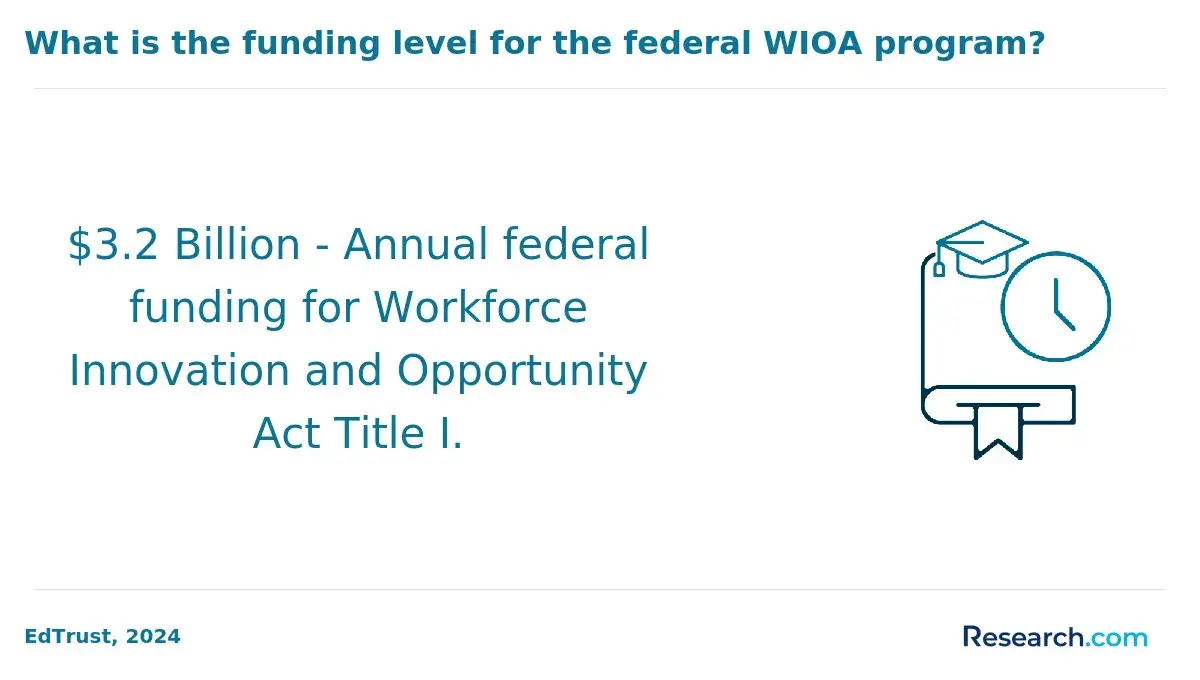
Online exercise science students may qualify for federal aid, institutional scholarships, employer tuition assistance, military education benefits, and payment plans, depending on the school and enrollment status. Even low-cost accelerated programs can strain a budget, and nearly 60% of online students rely on financial aid.
Financial aid sources to compare
- Federal grants and loans: Students attending eligible accredited institutions may be able to use federal financial aid. Grants can reduce out-of-pocket cost without repayment, while loans should be borrowed carefully based on realistic repayment capacity.
- Institutional scholarships: Some colleges offer scholarships for online learners, transfer students, adult students, military-affiliated students, or students in health-related majors. Ask whether scholarships apply to accelerated terms and whether they renew automatically.
- Employer tuition assistance: Working adults should check whether their employer reimburses tuition or pays schools directly. Some employers require a minimum grade, a work commitment after graduation, or approval before the course begins.
- Military education benefits: Active-duty service members, veterans, and eligible family members may be able to use GI Bill benefits, tuition assistance, or other military-connected funding for approved online programs.
- Transfer credits and accelerated formats: Aid lowers cost, but reducing the number of required credits can be just as important. Transfer credit, prior learning assessment, and year-round scheduling may reduce the total amount a student needs to finance.
Before borrowing, students should calculate the net cost after grants, scholarships, employer support, and transfer credit. They should also ask whether financial aid is disbursed differently in short terms or competency-based programs. Students researching flexible online degree models in other health fields may find useful comparisons in discussions of what is the easiest RN to BSN online program.
What Should Students Look for When Choosing an Affordable Accelerated Exercise Science Program?
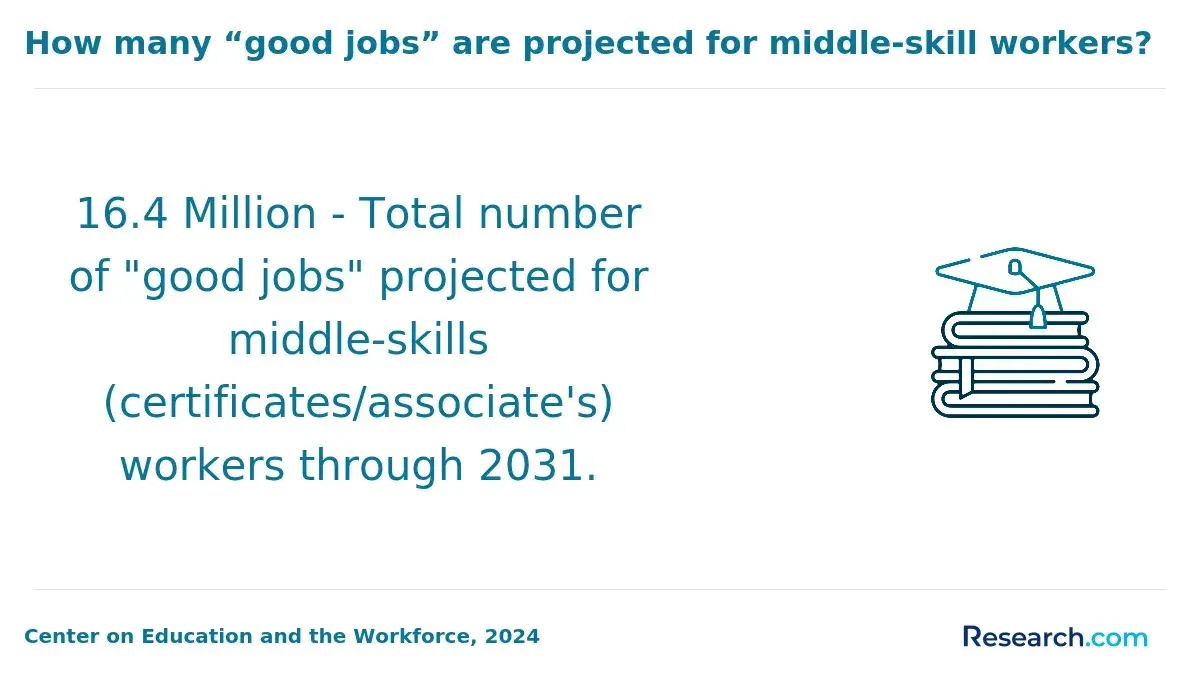
Students should choose an affordable accelerated exercise science program by comparing accreditation, total cost, transfer credit, schedule fit, academic support, and career alignment. Nearly 60% of online learners use transfer credits or accelerated options to reduce time and cost, but the best program is the one that helps the student graduate with a credible degree at a manageable price.
Decision checklist
- Accreditation: Verify institutional accreditation through recognized sources before applying. Accreditation affects financial aid, transfer options, graduate school eligibility, and employer confidence.
- Total cost to graduate: Compare tuition, fees, textbooks, technology charges, proctoring fees, graduation fees, and any required in-person experiences. Ask for a written estimate based on your transfer credits.
- Transfer and prior learning policy: Request a preliminary degree audit. A program with a higher tuition rate may cost less overall if it accepts more credits that apply directly to graduation.
- Course availability: Confirm that required exercise science courses are offered often enough to support acceleration. A fast calendar is less useful if major courses are unavailable when needed.
- Flexibility: Decide whether you need asynchronous courses, evening meetings, part-time pacing, or competency-based progression. Choose the format that matches your actual schedule, not an ideal version of it.
- Applied learning: Ask how online students complete labs, assessments, practicums, internships, or capstone projects. Exercise science programs should build practical skill, not only theoretical knowledge.
- Career and graduate school fit: Review whether the curriculum supports your target role or prepares you for further study. If you are still comparing pathways, reviewing the structure of a degree in exercise science can help you understand typical coursework and online program expectations.
- Student support: Look for online advising, tutoring, writing support, library access, technical help, and career services. These resources can be especially important in compressed terms.
Avoid choosing a program based only on the words “cheap” or “fast.” The safer approach is to compare net price, graduation timeline, credit acceptance, and credibility side by side before enrolling.
What Do Students Say About Cheap Accelerated Online Exercise Science Degree Programs?
- : "As a full-time employee, I valued the flexible schedule most. The lower tuition helped, but the real benefit was being able to complete coursework around my job. Finding financial aid options for online students also made the cost feel more manageable. — Arthur"
- : "Changing careers later in life was intimidating, so I needed a program that was affordable and direct. The accelerated coursework required focus, but the combination of reasonable tuition and online flexibility made the transition possible. Financial aid reduced the pressure while I adjusted to being a student again. — Roger"
- : "As a nontraditional student, affordability was my first concern. I found that some of the cheapest accelerated options still offered solid value when they had clear transfer policies and support for online learners. The pace was intense, but the flexibility helped me balance school with family responsibilities. — Miles"
Other Things You Should Know About Exercise Science Degrees
Graduates with an accelerated exercise science degree can pursue careers as fitness trainers, exercise physiologists, rehabilitation specialists, or wellness coaches. Many find roles in sports organizations, healthcare facilities, or corporate wellness programs.
Even accelerated online exercise science degrees typically integrate practical experiences-such as virtual labs, internships, or applied projects-to ensure students develop essential clinical and assessment skills. This hands-on training is critical for understanding human movement, exercise prescription, and injury prevention in real-world contexts.
While not always required, prior experience in health, fitness, or related fields can benefit students by enhancing their comprehension of course material and practical applications. It may also improve success in completing internships and clinical hours more efficiently within accelerated timelines.
Accelerated exercise science programs maintain rigor by condensing coursework into intensive terms that emphasize critical content and skills. They leverage focused curricula, frequent assessments, and interactive learning activities to ensure students gain depth of knowledge and practical competencies within reduced timeframes.
References
- Exercise Science Scholarship https://ru.edu/current-students/campus-resources/financial-information/scholarships/departmental-scholarships/exercise-science-scholarships/
- What Financial Aid Options Are Available for Online Education? - Lakewood University https://lakewood.edu/online-education-financial-aid-3/
- Top 15 Affordable Exercise Science Degree Online Programs https://www.sports-management-degrees.com/affordable-online-bachelors-sports-science/
- Public vs. Private Sector Jobs: Choosing a Career Path https://tsengcollege.csun.edu/blog/public-vs-private-sector-jobs-choosing-a-career-path
- Online Exercise Science Program https://stmary.edu/online-programs/exercise-science.html
- Accelerated Pathway (B.S. - M.S.) in Exercise Science https://www.esu.edu/academics/undergraduate-programs/bs-ms-exercise-science.php
- Financial Aid For Online Colleges https://www.affordablecollegesonline.org/financial-aid/financial-aid-for-online-colleges/
- Online Exercise Science Degrees: Top School Review https://www.edumed.org/online-schools/exercise-science-degrees/
- Exploring Careers in Health and Exercise Sciences: From Personal Training to Public Health - UNCF https://uncf.org/the-latest/improve-human-health-by-studying-public-health-and-nutrition
- Can I get financial aid for an online degree? | edX https://www.edx.org/resources/can-i-get-financial-aid-for-an-online-degree