2027 Exercise Science Internship Requirements: Hours, Placements, and Supervision

Co-Founder and Chief Data Scientist
Choosing an exercise science degree is not only about courses in anatomy, kinesiology, physiology, and biomechanics. For many students, the biggest planning issue is the internship: how many hours it takes, where it happens, who supervises it, and whether it fits around work, commuting, athletics, or family responsibilities.
Internships typically require between 300 and 500 hours, depending on accreditation standards, program level, and the type of placement. That commitment can affect when you graduate, how many courses you take at the same time, and whether you need a part-time or summer placement. According to the National Association of Colleges and Employers, over 70% of employers value internship experience as a key hiring factor in the health sciences field.
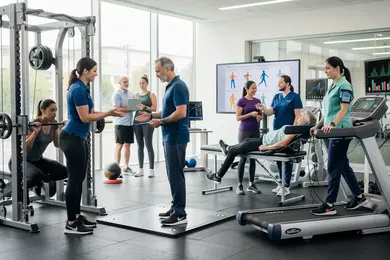
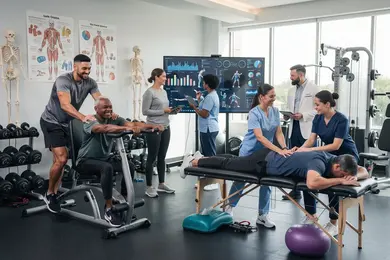
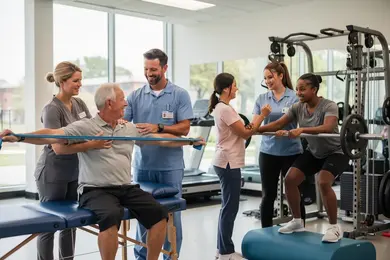
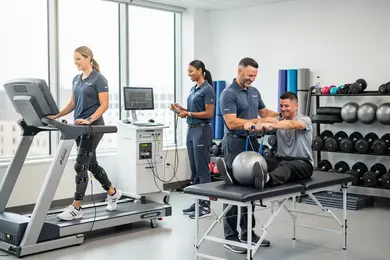
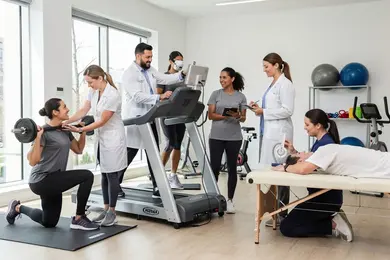
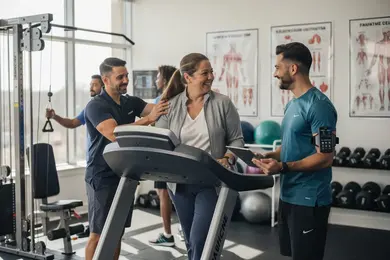
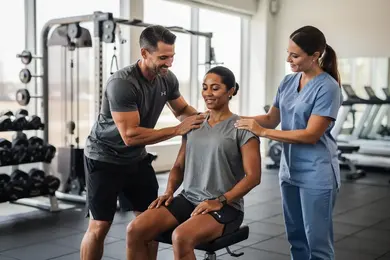
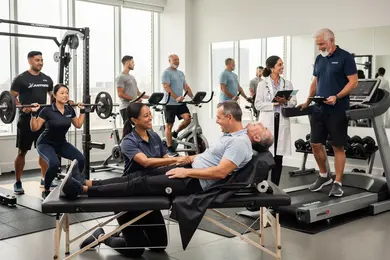
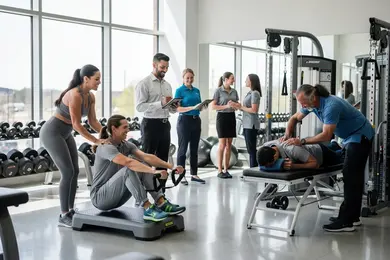
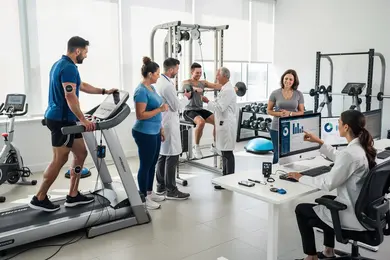
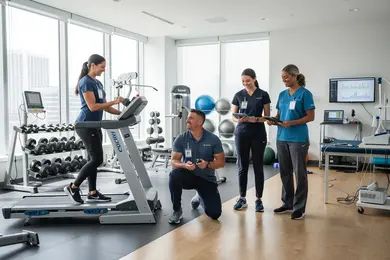
Exercise science internships commonly take place in clinical settings, fitness centers, rehabilitation facilities, wellness programs, and research environments. They are usually supervised by licensed or credentialed professionals who help students apply classroom knowledge to real clients, patients, athletes, or community health programs. This guide explains what to expect before, during, and after an exercise science internship so you can compare programs with fewer surprises.
Key Things to Know About Exercise Science Internship Requirements
- Internship hours typically range from 300 to 600, requiring careful scheduling to balance academic workload and part-time commitments over a semester or summer.
- Placement availability varies by region; competitive sites often require early applications, influencing students' internship location and experience quality.
- Supervision by qualified professionals with clear evaluation criteria ensures hands-on learning, accountability, and skill development critical for future employment.
Do All Exercise Science Degrees Require an Internship?
Not every exercise science degree requires an internship, but many do. Internships are especially common in bachelor's and graduate programs because they give students documented experience before entering fitness, wellness, rehabilitation, sports performance, or health-related roles. Approximately 75% of accredited exercise science programs require internships or practica to equip students with real-world skills before graduation.
The requirement depends on how the program is designed and what career outcomes it supports. A degree focused on pre-professional health pathways or clinical exercise science is more likely to require supervised fieldwork than a broad wellness or fitness management program with more elective flexibility.
- Program level: Bachelor's degree programs usually have more substantial fieldwork expectations than associate programs, which often emphasize foundational science and introductory professional skills.
- Accreditation and professional standards: Programs aligned with organizations such as CAAHEP or the National Strength and Conditioning Association may require internships, practica, or comparable field experiences to show that students can apply professional competencies.
- Career track: Rehabilitation, clinical exercise physiology, strength and conditioning, and athletic performance tracks commonly expect hands-on placement hours. General health promotion or fitness administration tracks may offer more choices.
- Alternative experiential learning: Some schools allow research projects, simulation labs, service learning, or capstone projects instead of a traditional internship. These options can be useful, but they may not carry the same hiring value as direct supervised experience with clients or patients.
Before enrolling, ask whether the internship is required, optional, or replaceable with another experience. Also confirm whether the school arranges placements or expects students to find their own. Students comparing allied health pathways should understand that experiential requirements vary by field; researching the shortest medical assistant program involves a different set of clinical and scheduling expectations than comparing exercise science internships.
What Requirements Must Be Met Before Starting an Exercise Science Internship?
Exercise science programs usually do not let students begin an internship immediately after enrollment. Schools set prerequisites to make sure interns can work safely, communicate professionally, and apply core scientific concepts in real settings. Research shows that 85% of internship programs require a minimum GPA of 2.7 or higher, emphasizing the importance of academic readiness.
Common requirements include academic, administrative, and site-specific steps. Missing one can delay placement, so students should review internship eligibility at least one term before they plan to start.
- Minimum GPA: Many programs require a cumulative GPA between 2.5 and 3.0. A GPA threshold helps programs confirm that students have a working grasp of the material they will use in the field.
- Completed coursework: Students are commonly expected to complete courses in human anatomy, physiology, kinesiology, exercise testing, nutrition, biomechanics, or related subjects before beginning fieldwork.
- Program approval: The internship office or faculty coordinator may require an application, transcript review, resume, learning goals, and sometimes letters of recommendation or a personal statement.
- Background checks and compliance documents: Sites involving healthcare, children, older adults, or vulnerable populations may require background screening. Some may also ask for immunization records, CPR certification, liability coverage, or site-specific training.
- Professional readiness: Programs may evaluate attendance, communication, conduct, and reliability before approving an internship because poor preparation can affect both the student and the university's relationship with the site.
The safest approach is to treat internship preparation like an admissions process within the degree. Keep copies of training certificates, update your resume early, and ask your advisor whether any requirements are unique to your intended site.

How Many Internship Hours Are Required for Exercise Science Degrees?
Exercise science internships typically require between 300 and 600 hours, though the exact number varies by school, credit value, program level, and accreditation expectations. Some programs connect internship credits to contact hours, often using a model where one credit equals about 45 hours of combined coursework and practical application.
The required hours matter because they shape your weekly schedule. A 300-hour internship spread across a semester feels very different from the same requirement completed intensively during the summer. Students should calculate the weekly time commitment before choosing a placement.
- Academic credit value: More internship credits usually mean more required hours. Ask whether meetings, journals, training modules, or faculty assignments count toward the total.
- Program level: Undergraduate internships often require fewer hours than master's or advanced certification programs. Graduate placements may expect more independent decision-making and more advanced client or patient interaction.
- Accreditation standards: Programs connected to CAATE, NSCA, or similar professional expectations may set stricter hour requirements to support consistent preparation across institutions.
- Placement format: Some students complete hours in a concentrated block, while others accumulate them across a semester or academic year. Full-time placements can speed completion but may leave little room for employment or heavy course loads.
- Site availability: A site may limit interns to certain shifts or client hours, which can extend the calendar time needed to finish the requirement.
When I spoke with a recent exercise science graduate about these expectations, he said the program required around 450 internship hours. Coordinating the facility's schedule with classes was difficult, but he felt the experience made classroom concepts more concrete. His main advice was to plan transportation, work hours, and academic deadlines before the internship begins, not after the first week feels overwhelming.
Where Do Exercise Science Students Complete Internships?
Exercise science students complete internships in settings that match their career goals, local availability, and program requirements. Nearly 40% of these internships occur in clinical or healthcare-related environments, reflecting strong demand for practical training in rehabilitation, health promotion, and medically informed fitness services.
The best placement is not always the most prestigious one. A strong internship should provide consistent supervision, meaningful responsibilities, exposure to the population you want to serve, and enough scheduled hours to complete requirements on time.
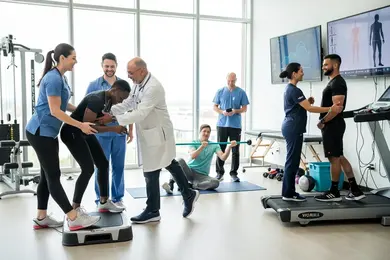
- Clinical and rehabilitation settings: Hospitals, sports medicine clinics, physical therapy offices, cardiac rehabilitation programs, and rehabilitation facilities can help students understand patient-centered care and interdisciplinary teamwork.
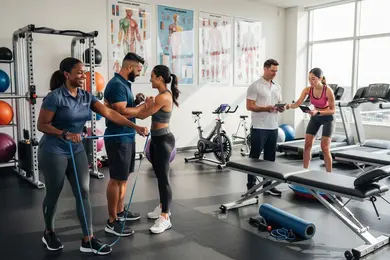
- Fitness and performance facilities: Private training centers, strength and conditioning programs, athletic departments, and commercial fitness centers often emphasize assessment, programming, coaching, and client communication.
- Corporate wellness programs: Students may help design employee wellness initiatives, support health screenings, assist with fitness challenges, or contribute to occupational health education.
- Government health agencies: Public health departments and community health programs can expose interns to prevention, population health, physical activity promotion, and underserved communities.
- Nonprofit organizations: Health education nonprofits and community fitness organizations may offer experience in outreach, program delivery, advocacy, and group-based wellness services.
- Research institutions: University labs and private research organizations may involve students in data collection, exercise physiology testing, biomechanics studies, or health outcomes research.
Students considering online study should ask early how local placements are approved, especially if they live far from campus. A flexible exercise science online degree can be practical for working adults, but the internship may still require an approved in-person, hybrid, or supervised local experience.
For students comparing adjacent healthcare paths, nursing online programs may also include experiential components, but their clinical expectations, supervision rules, and licensure implications differ from exercise science internships.
How Are Internship Placements Assigned in Exercise Science Programs?
Exercise science internship placements are usually assigned through a mix of student preference, faculty approval, site availability, and program partnerships. A recent survey found that about 60% of programs use a hybrid approach combining student choice and faculty guidance.
The placement process can be competitive, especially for clinical, sports performance, or high-profile athletic settings. Students who prepare early usually have more options and fewer scheduling conflicts.
- Faculty-guided matching: Advisors recommend placements based on a student's interests, completed coursework, professional goals, and readiness. This can be helpful when a student is unsure which setting fits best.
- Student-driven applications: Some programs give students an approved site list and require them to apply directly. The site may ask for a resume, interview, references, or statement of interest.
- Centralized placement systems: A school may use a formal system where students rank options and receive assignments based on availability, qualifications, and program priorities.
- Partnership-based assignments: Departments with long-standing employer relationships may reserve internship slots for qualified students. These placements can be more predictable but may still have eligibility requirements.
- Student-proposed sites: Some schools allow students to identify a new site, but the program must usually approve the supervisor, duties, safety conditions, and learning objectives before hours can count.
A current exercise science student described the process as both exciting and nerve-racking. She had to prepare documents, rank sites carefully, and wait for decisions from competitive placements. Faculty support helped her understand which options matched her career goals and which ones mainly looked impressive on paper. Her experience shows why students should treat placement selection as a career decision, not just a graduation requirement.

Are Virtual or Remote Internships Available?
Virtual and hybrid internships are available in some exercise science programs, but they are not appropriate for every learning outcome. Recent data indicates that about 60% of internship opportunities in health and fitness now incorporate virtual or hybrid formats, a notable increase over the last several years.
Remote options are most realistic when the work involves coaching support, wellness education, telehealth-related communication, program design, data review, research assistance, content development, or administrative work. They are less suitable when students must practice hands-on assessment, equipment use, emergency procedures, physical cueing, or in-person client interaction.
- Fully virtual placements: These may involve online wellness coaching, virtual assessments, exercise programming, research support, or digital health education under remote supervision.
- Hybrid placements: Students may complete planning, documentation, meetings, and reflection remotely while reporting in person for assessments, client sessions, lab work, or facility-based duties.
- In-person-only placements: Clinical rehabilitation, hands-on performance testing, and certain healthcare-adjacent settings may require physical presence because supervision and safety depend on direct observation.
Before accepting a remote internship, confirm that the program will count the hours, the site has an approved supervisor, and the work meets required competencies. A flexible format is useful only if it still builds the skills employers and graduate programs expect.
Are Part-Time Internships Allowed for Working Students?
Part-time internships are often allowed, but policies vary by school and placement site. A recent national survey found that nearly 60% of undergraduates balance employment while completing internships, which makes scheduling flexibility an important issue for many exercise science students.
A part-time format can make an internship manageable, but it may also extend the time needed to complete all required hours. Students should compare the weekly hour requirement with work shifts, course deadlines, commuting time, and site availability.
- Flexible weekly schedules: Some sites allow evening, weekend, or nonconsecutive weekday shifts. This can help working students maintain income while completing fieldwork.
- Longer completion timelines: Spreading hours across more weeks can reduce stress, but it may affect graduation timing if the internship must be finished within a specific term.
- Minimum weekly hour rules: Some programs require a certain number of hours per week so students receive consistent supervision and maintain continuity with clients or projects.
- Site-specific limitations: A clinic, lab, or athletic program may operate during fixed hours that do not align with a student's job schedule.
- Academic load planning: Students working during an internship may need to reduce course credits, avoid intensive lab courses in the same term, or use summer sessions strategically.
Working students should ask three questions before committing: how many hours must be completed each week, whether the site can document all hours accurately, and what happens if illness, work changes, or transportation issues interrupt the schedule.
What Supervision Is Required During an Exercise Science Internship?
Exercise science internships require supervision because students are applying academic knowledge in real professional environments. Strong supervision protects clients, helps students develop judgment, and gives the academic program evidence that internship hours meet learning goals. Studies show that 87% of interns who receive active mentorship report higher satisfaction and better career preparation.
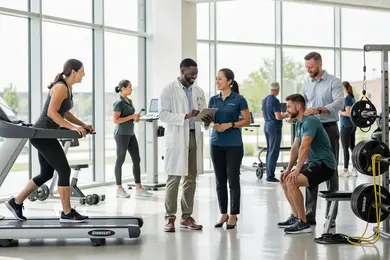
Supervision usually includes both an academic supervisor and a workplace mentor. The faculty member protects the educational quality of the experience, while the site supervisor guides daily work and evaluates professional performance.
- Faculty oversight: A faculty coordinator or internship director sets learning objectives, approves the site, monitors progress, and ensures the placement aligns with degree requirements.
- Workplace mentorship: A qualified professional, such as a certified trainer, exercise physiologist, physical therapist, wellness coordinator, or related supervisor, provides day-to-day direction.
- Defined duties: Students should receive responsibilities appropriate to their training level. They should not be used only for clerical work, cleaning, or unsupervised tasks outside the internship's learning objectives.
- Progress monitoring: Check-ins, logs, site visits, virtual meetings, and written updates help identify problems before they jeopardize hours or learning outcomes.
- Feedback and evaluation: Supervisors typically provide written and verbal feedback on professionalism, communication, technical skills, initiative, and readiness for entry-level work.
If supervision is weak, students should contact the faculty coordinator early. Waiting until the end of the internship can make it harder to correct problems, document hours, or demonstrate that required competencies were met. Students looking for flexible college entry points may also compare colleges with no application fee, but they should still verify internship support, placement approval, and supervision standards before enrolling.
How Are Exercise Science Internships Evaluated?
Exercise science internships are evaluated through a combination of site feedback, faculty assessment, documentation, and student reflection. Over 85% of accredited programs use multi-source assessment methods to capture the full scope of experiential learning outcomes.
Evaluation is not just a final grade. It is a record of whether the student showed professional behavior, completed required hours, applied evidence-based practice, communicated effectively, and met the competencies tied to the internship.
- Supervisor reviews: Site supervisors assess professionalism, dependability, initiative, communication, skill application, and ability to connect academic knowledge to real work.
- Hour logs: Students usually submit verified records showing dates, duties, and total completed hours. Inaccurate or incomplete logs can delay credit approval.
- Reflective assignments: Journals, essays, or discussion posts help faculty evaluate how well students understand their growth, challenges, ethical responsibilities, and career direction.
- Performance benchmarks: Programs may evaluate technical competencies such as exercise prescription, client interaction, assessment support, safety awareness, and professional documentation.
- Faculty assessments: Internship coordinators may conduct midterm and final reviews to make sure the placement remains aligned with academic objectives.
- Final products or presentations: Some programs require a portfolio, case study, project summary, or presentation demonstrating what the student learned.
Students should save examples of approved work when permitted by the site and privacy rules. These materials can help with job interviews, graduate school applications, or future certification preparation. Students interested in nutrition-focused career paths may also compare an online dietitian degree with exercise science options, since evaluation and supervised practice expectations can differ significantly.
What Challenges Do Exercise Science Students Face During Internships?
Exercise science internships can be rewarding, but they also create pressure. Studies show that approximately 60% of students report stress related to managing internship workloads alongside academic and personal demands. The most common problems involve time, money, expectations, and adjustment to professional environments.
- Time management: Required hours can collide with classes, labs, exams, athletics, work, and commuting. Students should map weekly obligations before committing to a site.
- Financial strain: Some internships are unpaid, and even paid opportunities may not cover transportation, parking, clothing, background checks, or lost work hours.
- Professional adjustment: Students may be comfortable with coursework but less prepared for workplace expectations such as punctuality, documentation, confidentiality, client rapport, and initiative.
- Mismatch with career goals: A placement that sounded appealing may not provide the type of experience a student expected. Clear learning objectives can reduce this risk.
- Supervision problems: Inconsistent feedback, unclear duties, or limited access to the site mentor can reduce the quality of the experience.
- Emotional stress: Working with clients, patients, athletes, or community members can be demanding, especially when students encounter injury, low motivation, setbacks, or sensitive health issues for the first time.
Students can reduce risk by asking detailed questions before placement begins: Who will supervise me? What will I do each week? How are hours tracked? What training will I receive? What should I do if the site cannot provide enough hours? Students considering healthcare advancement may explore the best RN to BSN programs, but nursing pathways involve different clinical, licensure, and degree requirements than exercise science internships.
What Graduates Say About Exercise Science Internship Requirements
- : "Completing my exercise science degree internship was a game-changer, especially with the varied placement options available, from clinical settings to athletic programs. The required hours felt demanding but gave me real-world exposure that textbooks simply can't provide. Having a seasoned professional supervise my work made me confident to pursue a career in rehabilitation coaching. — Arthur"
- : "Reflecting on my exercise science internship, I appreciate how structured and supervised it was, ensuring I developed both technical skills and professional judgment. The hands-on hours pushed me to apply theoretical knowledge in diverse environments, which was crucial as I transition into my role as a fitness specialist. This experience helped me realize the impact of evidence-based practice firsthand. — Roger"
- : "My exercise science internship stood out because of the depth of mentorship and the challenge of meeting internship hour requirements across multiple facilities. This thorough approach shaped my understanding of biomechanics and injury prevention in ways classroom learning never could. Thanks to that internship, I now feel well-prepared and enthusiastic about advancing my career as a performance analyst. — Miles"
Other Things You Should Know About Exercise Science Degrees
Yes, exercise science internships in 2027 typically require liability insurance to protect both the student and the host organization from potential legal claims. This is a standard part of the internship process to ensure a safe and responsible training environment.
Yes, many exercise science programs consider students' completed coursework and academic focus when determining internship placements. This alignment helps ensure that the internship provides relevant experience that complements the student's educational background and career goals.
Many exercise science internships require students to undergo background checks and health screenings before beginning their placement. These measures ensure the safety of both students and clients, especially when working in clinical or community health settings.
References
- Internship experiences in exercise and sports science: a comprehensive analysis of learning outcomes and professional development https://publicatt.unicatt.it/handle/10807/323498
- Sports & Exercise Science Internships | IES Abroad https://www.iesabroad.org/intern-abroad/fields/sports-exercise-science
- Sport & Exercise Science Remote Internships | Intern Abroad HQ https://www.internhq.com/remote-internships/sport-and-exercise-science/
- | NRR | Dove Medical Press https://www.dovepress.com/internship-challenges-encountered-by-nursing-students-a-qualitative-st-peer-reviewed-fulltext-article-NRR
- Top 5 Internship Challenges and How to Tackle Them https://resources.twc.edu/articles/top-5-internship-challenges-and-how-to-tackle-them
- Exercise Science Internship Information https://wou.edu/hexs/programs-and-degrees/exercise-science/internship-information/
- What to Do When You Graduate With an Exercise Science Degree https://precisionperformancept.com/graduate-exercise-science-next-steps/
- Internships | Research Institute of Sport & Exercise https://risesportsinstitute.org/internships/
- Exercise Science Internships Abroad - Training & Nutrition https://www.ceastudyabroad.com/job-description/exercise
- ExRx.net : ExRx.net Remote Internship Program https://exrx.net/People/Internship