2027 Can You Get Into an Exercise Science Program with a Low GPA? Admission Chances & Workarounds

Co-Founder and Chief Data Scientist
A low GPA does not automatically end your chances of getting into an exercise science program, but it does change the strategy. Many applicants are competing for programs that expect solid performance in anatomy, physiology, biology, statistics, and related science coursework, and many institutions report average admitted GPAs above 3.0. If your transcript is below that range, you need to show evidence that you can handle the academic and practical demands of the field.
This guide explains how exercise science admissions teams typically evaluate applicants with modest academic records, what minimum GPA thresholds often mean in practice, and which steps can make a low-GPA application more competitive. You will learn how prerequisite courses, professional experience, standardized tests, early applications, conditional admission, transfer pathways, scholarships, and advising can help strengthen your case without overstating what any single factor can do.
Key Things to Know About Admission Chances Into a Exercise Science Program with a Low GPA
- Highlight relevant professional experience like internships or certifications to counterbalance a low GPA; studies show 45% of exercise science programs value practical skills equally to academic records.
- Complete additional prerequisite or related coursework with strong grades at community colleges to demonstrate academic improvement and subject mastery.
- Submit a compelling personal statement explaining GPA challenges while emphasizing motivation, career goals, and commitment to exercise science.
What Is the Minimum GPA Required to Apply for a Exercise Science Program?
The minimum GPA required to apply for an exercise science program often starts around 2.5 on a 4.0 scale, but meeting the minimum does not always make an applicant competitive. In many programs, especially selective or research-focused options, the stronger applicant pool may be closer to 3.0 or higher.
Applicants should separate three different GPA concepts:
- Published minimum GPA: The lowest GPA the program will usually consider for application review, often around 2.5.
- Recommended GPA: The level at which applicants are more likely to look competitive, which may be near 3.0 or higher.
- Average admitted GPA: The typical GPA of students who were actually accepted, which can be higher than the stated minimum.
Some schools avoid a hard cutoff and instead publish a recommended range. Accepted students may commonly fall between 2.7 and 3.3, depending on the institution, applicant pool, and degree level. A GPA below the average is not the same as automatic rejection, but it usually means the rest of the application must provide stronger evidence of readiness.
Programs may also calculate GPA in different ways. Some review all undergraduate coursework, while others give special attention to prerequisite or science courses. A student with a weak cumulative GPA but strong recent grades in anatomy, physiology, biology, chemistry, statistics, or kinesiology may receive a more favorable review than the overall number suggests.
Recent academic disruptions, including grading policy changes during the COVID-19 pandemic, have also made some admissions committees more willing to consider context. That flexibility does not remove GPA expectations, but it may help applicants who can show improvement, strong recent coursework, or a clear explanation for earlier academic difficulty.
If your GPA is below a program’s typical range, do not apply blindly. Contact admissions, ask how they evaluate prerequisite grades and repeated courses, and compare several options before deciding where to spend application fees. Students considering a faster credential or a way to rebuild academic momentum may also compare a master's program online 1 year with traditional exercise science pathways.
How Do Admissions Committees Evaluate Exercise Science Program Applicants with Low GPAs?
Admissions committees usually treat GPA as one important signal, not the entire application. A low GPA raises questions about academic readiness, especially in science-heavy coursework, but committees also look for evidence that the applicant has improved, understands the field, and can succeed in a demanding program.
For low-GPA applicants, the strongest applications explain the transcript rather than ignoring it. The goal is to show that past grades do not reflect current ability.
- Coursework rigor: Committees look at whether applicants attempted relevant courses such as biology, anatomy, physiology, chemistry, biomechanics, statistics, nutrition, or kinesiology. Strong grades in difficult, field-related courses carry more weight than easy electives.
- Academic trends: An upward GPA pattern can help offset earlier weak semesters. Recent improvement is especially persuasive when it appears in science or prerequisite courses.
- Relevant experience: Work, internship, volunteer, coaching, rehabilitation, athletic training, or fitness experience can show sustained interest in the field and familiarity with real exercise science settings.
- Application quality: A focused personal statement and specific recommendation letters can explain motivation, maturity, and readiness better than a transcript alone.
- Fit with the program: Applicants who clearly connect their goals to the program’s curriculum, faculty expertise, clinical exposure, or research focus often make a stronger case.
According to the National Association of Colleges and Employers, about 60% of programs prioritize overall application quality over GPA alone. That does not mean GPA is unimportant; it means applicants with weaker grades need to build a complete, well-supported application instead of relying on one compensating factor.
A common mistake is submitting the same generic statement to every school. Low-GPA applicants should tailor each application by addressing the program’s prerequisites, explaining academic growth, and showing why the program is a realistic match. Students still exploring broader academic options may also compare the easiest online college degree pathways, but they should make sure any alternative still supports their career goals in health, fitness, rehabilitation, or performance.
Can Professional Experience Offset a GPA Below the Exercise Science Program's Minimum?
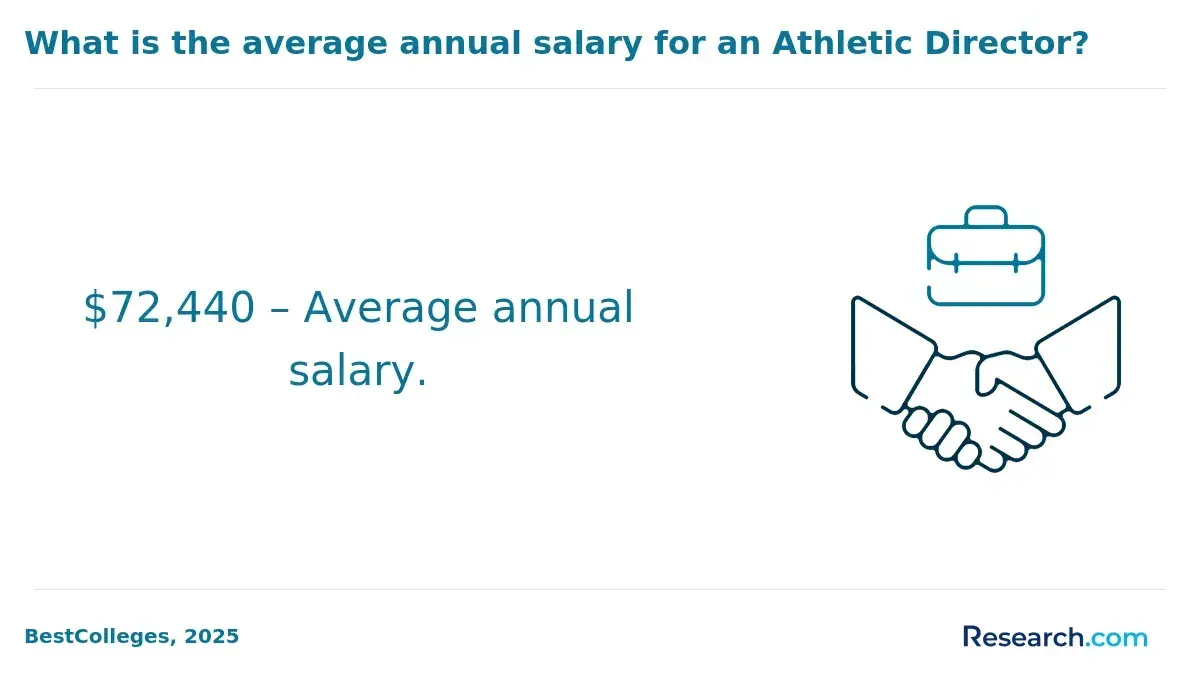
Professional experience can strengthen an exercise science application, but it may not override a formal minimum GPA at every institution. If a program uses the GPA cutoff as a strict eligibility rule, experience may not get the application reviewed. If the program uses holistic review, relevant experience can help show readiness, maturity, and commitment.
The most valuable experience is directly connected to the work exercise science students are preparing to do. Admissions teams are more likely to value experience that involves human movement, health behavior, athletic performance, rehabilitation support, fitness assessment, coaching, or client education.
- Leadership roles: Supervising fitness programs, leading athletic teams, training clients, or coordinating wellness initiatives can show responsibility, communication skills, and professionalism.
- Relevant industry experience: Work or internships in rehabilitation centers, gyms, sports teams, clinics, wellness programs, or strength and conditioning environments can demonstrate practical exposure to the field.
- Certifications and practical skills: Credentials in personal training, exercise instruction, CPR, first aid, or related areas can support the claim that the applicant is serious about applied exercise science.
- Documented outcomes: Applicants should describe what they did, who they served, what skills they used, and what they learned rather than simply listing job titles.
Research indicates that approximately 30% of exercise science programs weigh professional experience significantly when academic criteria are lacking. Applicants should treat experience as supporting evidence, not as a substitute for all academic preparation.
For students whose long-term plans include teaching, research, advanced clinical preparation, or leadership in the field, comparing graduate routes such as an online phd in exercise science can also clarify which academic credentials may eventually be needed.
Can Standardized Test Scores Help Offset a Low GPA for Exercise Science Admission?
Strong standardized test scores can help some low-GPA applicants, but only when the program accepts or requires those scores. Many admissions processes have changed their testing policies, so applicants should first confirm whether scores are required, optional, recommended, or not considered.
When test scores are reviewed, they can provide an additional academic signal. This is most useful when the scores are clearly stronger than the applicant’s GPA and align with the skills needed for exercise science coursework.
- Score thresholds: Meeting or exceeding minimum required scores can reassure a program that the applicant has the baseline academic ability to begin the curriculum.
- Subject relevance: Strong performance in science, math, analytical, or health-related sections is more useful than a high score in an unrelated area.
- Percentile rankings: Above-average percentile rankings can give admissions committees a standardized comparison point beyond the transcript.
- Consistency: Test scores are most persuasive when they support other evidence, such as strong prerequisite grades, recent improvement, or rigorous coursework.
Applicants should not assume that a high test score will erase a weak transcript. A better strategy is to combine strong scores with recent academic improvement, a clear personal statement, and recommendations that speak directly to readiness for science-based study.
If testing is optional, submit scores only when they strengthen the application. If scores are average or weak, the applicant may be better served by using limited time and money to complete prerequisites, retake key courses, or gain supervised experience in a relevant setting.
Can Completing Prerequisite Courses for a Exercise Science Program Improve Your Admission Chances with a Low GPA?
Yes. Completing prerequisite courses with strong grades is one of the most practical ways to improve admission chances with a low GPA. It gives admissions committees recent, relevant evidence that the applicant can handle the subjects that matter most in exercise science.
This approach is especially useful when the low GPA comes from older coursework, unrelated majors, personal disruptions, or weak early college performance. A strong recent record in prerequisite courses can help shift the review from “low GPA” to “improving applicant with relevant preparation.”
- Subject mastery: Courses such as biology, anatomy, physiology, statistics, nutrition, and kinesiology show whether the applicant is prepared for the academic foundation of the degree.
- GPA enhancement: Strong grades in targeted courses may improve the cumulative GPA or create a separate record of recent academic performance that programs can evaluate.
- Commitment and motivation: Completing prerequisites before admission shows that the applicant is willing to invest effort and address weaknesses directly.
- Better advising conversations: A transcript with recent prerequisite grades gives admissions advisors more concrete information when discussing eligibility and next steps.
Applicants should choose courses carefully. Before enrolling, confirm which prerequisites the target programs require, whether online or community college credits are accepted, and how repeated courses are calculated. Taking the wrong course can cost time and money without improving admission chances.
When discussing whether prerequisite completion improved her chances, one exercise science graduate described entering the process with anxiety about her low GPA. She enrolled in several community college courses covering core sciences and used the new grades to show a stronger academic pattern.
- : "It was challenging balancing work and study, but each course I completed strengthened my confidence and showed the admissions panel I was serious."
Although the program required about a 3.0 GPA, her strong grades in prerequisite classes helped reduce concerns about her earlier record. Her experience illustrates the main advantage of this route: it gives the admissions committee fresh evidence instead of asking them to overlook old grades.
Can Applying Early Improve Your Chances of Getting Into a Exercise Science Program If Your GPA Is Low?
Applying early can help low-GPA applicants, but it is not a shortcut around weak preparation. The benefit is strongest when the application is complete, polished, and supported by recent academic or professional evidence before the deadline.
Early timing may matter because some programs review applications before the full pool is assembled. If seats are still available, admissions committees may have more flexibility to consider applicants whose strengths are not captured by GPA alone.
- Increased available seats: Early applicants may be reviewed while more seats remain open, which can help in programs that admit on a rolling basis.
- More time for holistic review: A strong personal statement, detailed recommendation letters, and relevant experience may receive closer attention when files are not arriving in peak volume.
- Reduced competition at the start of the cycle: The early applicant pool may be smaller than the regular-deadline pool, depending on the program.
- More opportunity to fix problems: Applying early may leave time to submit missing documents, clarify transcript issues, or respond to admissions questions.
Research from the National Association of Colleges and Employers (NACE) finds that early applicants experience a 10-15% higher acceptance rate across health sciences programs. Exercise science-specific data is limited, so applicants should treat early submission as one advantage among several, not a guarantee.
The biggest mistake is applying early with a weak file simply to beat the deadline. If the personal statement is unfocused, recommendations are generic, or prerequisite grades are missing, early submission may not help. Students should apply early only when the application is already strong enough to represent them well. Those evaluating broader graduate options may also review online PhD programs without dissertation while confirming whether each path fits their academic and professional goals.
Can You Get Conditional Admission to a Exercise Science Program with a Low GPA?
Yes, some exercise science programs offer conditional admission to applicants who do not meet the standard GPA threshold but show enough potential to be considered. Conditional admission means the student is accepted with specific requirements that must be met before receiving full standing in the program.
This option is most common when the applicant is close to the GPA requirement, has strong recent grades, has completed important prerequisites, or brings relevant experience. It is less likely when the GPA is far below the minimum and there is no evidence of academic improvement.
- Bridge or prerequisite courses: Students may need to complete foundational courses before moving into the core curriculum. These courses help address gaps in science, math, or health-related preparation.
- Minimum grade requirements: Programs may require students to earn a certain grade, typically a "C" or higher, in initial coursework to remain enrolled or move to full admission.
- Probationary term: Students may be monitored during an initial term to confirm that they can manage the workload and meet academic expectations.
- Credit or registration limits: Some programs may limit the number or type of courses a conditionally admitted student can take until the conditions are satisfied.
Conditional admission can be a valuable second chance, but applicants should read the terms carefully. Ask what happens if the required grade is not met, whether financial aid applies during the conditional period, whether credits count toward the degree, and when full admission is granted.
Data indicate that health-related disciplines increasingly use flexible entry pathways to broaden access without compromising quality. Still, conditional admission is not automatic, and it should be treated as a structured opportunity to prove readiness.
Can Starting in a Related Field and Transferring to the Exercise Science Program Help Low-GPA Applicants?
Starting in a related field and transferring later can help low-GPA applicants, especially when direct admission is unlikely. This pathway gives students time to build a stronger college record in courses that overlap with exercise science.
Related fields may include health sciences, kinesiology, biology, public health, nutrition, sports studies, wellness, or general science programs. The best option is one that includes transferable courses required by the target exercise science program.
- Showcases academic ability: Strong grades in relevant courses can demonstrate that the applicant is more capable than the earlier GPA suggests.
- Enhances GPA relevance: Admissions committees may value recent performance in anatomy, physiology, biology, and kinesiology more than older unrelated coursework.
- Clarifies goals and preparedness: Studying a related field can help students decide whether exercise science is truly the right fit before transferring.
- Reduces wasted credits: Careful course planning can help students complete requirements that apply to both the current program and the intended exercise science degree.
Before choosing this route, students should speak with advisors at both institutions. Key questions include whether credits will transfer, whether there is a minimum transfer GPA, how repeated courses are treated, and whether the exercise science program has limited seats for internal or external transfers.
One graduate described being turned away from exercise science because of a low GPA and starting instead in a health sciences program. By focusing on anatomy and physiology, he rebuilt both his confidence and his transcript.
- : "It was frustrating at first, but seeing my grades improve and knowing the classes mattered made it worth the wait."
His experience shows why this pathway can work: it replaces an immediate rejection with a plan to produce better evidence. The trade-off is time. Students must be willing to delay direct entry into the major while building a stronger academic record.
Are There Scholarships for Exercise Science Program Applicants to Help Improve Their GPA?
Scholarships do not directly improve a GPA, but they can make it easier to pay for the courses, tutoring, summer study, or academic support needed to raise grades before applying. For low-GPA applicants, financial support is most useful when it removes barriers to retaking key courses or completing prerequisites.
Students should look beyond major-specific awards. Some funding may come from the college, department, continuing education office, financial aid office, community organizations, employers, or professional associations.
- Merit-recovery scholarships: These awards may support students who show potential for academic recovery despite earlier performance issues. They can help cover the cost of retaking prerequisite courses, which matters because many exercise science programs prefer applicants to have a cumulative GPA of 3.0 or higher according to standards like those from the National Strength and Conditioning Association (NSCA).
- Need-based grants: Need-based aid can help pay for tuition, books, transportation, tutoring, supplemental instruction, or workshops focused on study habits and time management.
- Funding for academic support programs: Some institutions offer scholarships or grants for summer, continuing education, or post-baccalaureate coursework that allows students to improve their academic profile before formal application.
- Employer support: Applicants already working in fitness, wellness, rehabilitation, or health settings may ask whether tuition assistance is available for job-related education.
When evaluating funding, students should confirm eligibility rules carefully. Some scholarships require a minimum GPA, full-time enrollment, financial need, a specific major, or enrollment at a particular institution. Others may be open to students taking prerequisite or continuing education courses.
Students interested in affordable options to strengthen their academic credentials may also consider no application fee accredited online colleges as one way to reduce upfront costs while building a stronger transcript.
Can Mentorship or Academic Advising Help Overcome GPA Barriers for Exercise Science Program Applicants?
Mentorship and academic advising can make a meaningful difference for low-GPA applicants because the problem is rarely just the GPA number. Applicants often need help choosing the right courses, explaining academic history, identifying realistic programs, and building a timeline that improves admission odds.
A good advisor can help students avoid expensive mistakes, such as retaking courses that will not count, applying to programs with strict cutoffs, or submitting an application before prerequisites are complete.
- Personalized study strategies: Mentors can help students identify why previous grades were weak and build better systems for reading, lab preparation, exam review, and time management.
- Targeted course selection: Advisors can recommend prerequisite and elective courses that strengthen the application and align with transfer or admission requirements.
- Academic accountability: Regular check-ins can help students stay on schedule, especially when balancing work, family, and coursework.
- Insight into admission expectations: Experienced advisors can explain whether a program uses strict GPA screening, holistic review, conditional admission, or post-baccalaureate coursework.
- Stronger application materials: Mentors can help applicants frame academic improvement honestly and select recommenders who can speak to current readiness.
Students should seek advising early, not after an application has already been denied. Bring transcripts, target program requirements, work experience, and a realistic timeline to the first meeting. The more specific the information, the more useful the advice will be.
For applicants exploring more complex academic routes, including online dual degree programs, advising is especially important because course sequencing, workload, and transferability can affect both admission and completion.
What Graduates Say About Getting Into a Exercise Science Program with a Low GPA
- : "Despite starting with a low GPA, I was determined to pursue an exercise science degree because of my passion for fitness. The program's cost was surprisingly manageable, especially considering the quality of education and resources provided. Since graduating, my career as a physical therapist has truly flourished, and I credit this degree for giving me the foundation I needed. — Nolan"
- : "Getting accepted into the exercise science program was challenging due to my initial low GPA, but persistence paid off. The average cost of attendance was a concern, yet I found scholarships that eased the burden significantly. Reflecting on my journey, this degree has been pivotal in advancing my role as a sports performance coach, opening doors I never imagined. — Dory"
- : "Though my undergraduate GPA was below the program's average, I was able to enroll in an exercise science degree by demonstrating real-world experience. The investment, roughly the average tuition cost, was worth every penny given the comprehensive curriculum. Professionally, this degree has elevated my status as a wellness consultant, allowing me to impact clients' lives more meaningfully. — Lynn"
Other Things You Should Know About Exercise Science Degrees
Recommendation letters in 2027 hold significant importance when applying to an exercise science program with a low GPA. They provide insight into your character, potential, and dedication, offering a holistic view of your capabilities beyond your academic performance.
Yes, relevant volunteer experiences and internships in exercise science or related health fields demonstrate practical commitment and skills. These experiences can compensate for a low GPA by providing evidence of your interest and capability in the field.
Admissions panels often value real-world involvement as it reflects motivation and readiness for the program.
Participating in extracurricular activities related to fitness, sports, or health sciences can demonstrate your commitment to the field and show practical experience, potentially offsetting a lower GPA. Activities like coaching, volunteering, or joining health-related clubs could make your application more competitive.
References
- Will my undergraduate GPA affect my graduate admissions? https://academia.stackexchange.com/questions/173425/will-my-undergraduate-gpa-affect-my-graduate-admissions
- Admissions Requirements | MS in Sports Management | UF https://sm.hhp.ufl.edu/admissions-requirements/
- Movement Science Degree, Exercise Science Concentration, B.S. https://www.westfield.ma.edu/academics/degrees/movement-science-degree-exercise-science-concentration-bs
- Bachelor of Science in Exercise Science https://www.lmunet.edu/academics/programs/undergraduate/bachelor-of-science-in-exercise-science
- Getting Into Harvard With a Low GPA: Is It Possible? - Nova Scholar https://www.novascholar.org/blog-posts/getting-into-harvard-with-a-low-gpa-is-it-possible
- Admissions Question: Low GPA, Great Everything Else - how screwed am I? - Pre-PA General Discussion - Physician Assistant Forum https://www.physicianassistantforum.com/topic/4415-admissions-question-low-gpa-great-everything-else-how-screwed-am-istats-inside/
- Programme of Study: Assessment of the Admissions Enrollment Processes - Physiopedia https://www.physio-pedia.com/Programme_of_Study:_Assessment_of_the_Admissions_Enrollment_Processes
- College admissions–how to get into college with a low GPA https://www.uopeople.edu/blog/how-to-get-into-college-with-a-low-gpa/