2027 What Prerequisites Do You Need for an Exercise Science Degree? Entry Requirements, Credits & Eligibility Rules

Co-Founder and Chief Data Scientist
Choosing an exercise science degree usually starts with a practical question: are you academically ready to be admitted, or will missing prerequisites delay your application? Requirements vary by college, degree level, and delivery format, so students often need to compare science, math, transfer, testing, technology, and experience expectations before they apply.
This matters because exercise science is not only a fitness-focused major. Most programs include anatomy, physiology, biomechanics, chemistry, research methods, statistics, and applied labs. Students who enter without the right preparation may need extra courses, may lose time to transfer-credit reviews, or may find that a target program requires stronger science readiness than general university admission does.
Studies show that nearly 35% of applicants are unprepared with key science or math prerequisites, impacting their admission chances. This guide explains the high school and college-level coursework commonly expected, how transfer credits are reviewed, when SAT or ACT scores matter, what online students need technically, and how international applicants can prepare a stronger application.
Key Things to Know About the Prerequisites for a Exercise Science Degree
- Applicants typically need foundational courses in biology, chemistry, and anatomy, ensuring strong scientific knowledge before entering an exercise science program.
- A minimum GPA of 2.5 to 3.0 is commonly required, reflecting academic readiness and competency in relevant subjects.
- Most programs demand completion of 60-90 college credits, alongside skills such as critical thinking, communication, and basic lab experience.
Do Exercise Science Programs Require Specific High School Prerequisites?
Many exercise science programs expect applicants to arrive with a solid high school foundation in science and math, even when the university does not list every subject as a strict admission requirement. The reason is simple: early college courses in anatomy, physiology, kinesiology, biomechanics, and nutrition move faster when students already understand basic biological and quantitative concepts.
For 2026 exercise science program entry requirements, students should pay close attention to the following high school subjects:
- Biology: Biology is the most important preparation area because exercise science depends on understanding body systems, cells, tissues, muscles, organs, and how the body responds to activity and stress.
- Chemistry: Chemistry helps students make sense of metabolism, energy production, hydration, muscle contraction, and other biochemical processes often introduced in exercise physiology and nutrition courses.
- Physics: Physics supports biomechanics and movement analysis. Students use concepts such as force, motion, leverage, velocity, and resistance when studying human movement and injury prevention.
- Mathematics: Algebra and introductory statistics are useful for lab calculations, research interpretation, exercise testing, and understanding data from fitness assessments.
- Physical Education: Physical education is not always required, but it can help students become familiar with training principles, movement terminology, fitness testing, and coaching environments.
Students comparing high school prerequisites for exercise science degree 2026 programs should not assume that general college admission is enough. A university may admit students broadly, while the exercise science department may expect specific science readiness before students can progress into major courses.
A practical way to prepare is to review the program’s first-year course plan. If the first semester includes biology, anatomy, chemistry, or statistics, taking stronger high school coursework in those areas can reduce the risk of placement delays or early academic difficulty. Students who want to strengthen their career options alongside the degree may also review certifications that can support higher-paying career paths in related health, fitness, and performance fields.
What College-Level Prerequisites Are Required Before Starting a Exercise Science Degree?
College-level prerequisites for an exercise science degree usually focus on foundational sciences, quantitative reasoning, and academic communication. These courses prepare students for upper-division work in areas such as exercise physiology, biomechanics, motor learning, sport performance, clinical exercise testing, and research methods.
Common college-level prerequisites before beginning or advancing in an exercise science degree in 2026 include:
- Biology and Human Anatomy: These courses introduce body structures and systems, including muscles, bones, nerves, circulation, and respiration. They are essential for understanding how movement, training, fatigue, and recovery affect the body.
- Chemistry and Physics: Chemistry supports topics such as metabolism and energy systems, while physics supports biomechanics, joint motion, force production, and movement efficiency.
- Statistics: Statistics helps students interpret research, evaluate fitness data, understand testing reliability, and make evidence-informed decisions rather than relying only on observation or intuition.
- Writing: Writing courses strengthen lab reports, research summaries, client documentation, professional communication, and graduate school preparation.
Many programs pair science prerequisites with labs. Lab work matters because exercise science is applied: students may need to measure heart rate, analyze movement, conduct fitness assessments, interpret results, and document findings accurately.
| Prerequisite area | Why it matters in exercise science | Common student mistake |
| Biology and anatomy | Builds the foundation for physiology, kinesiology, and movement science | Taking a general course that does not meet the department’s anatomy or lab requirement |
| Chemistry and physics | Supports metabolism, biomechanics, and exercise testing concepts | Assuming these courses are optional because the major sounds fitness-oriented |
| Statistics | Prepares students to interpret research and performance data | Delaying statistics until after research-heavy major courses begin |
| Writing | Supports reports, documentation, and professional communication | Underestimating how much writing is required in labs and internships |
Prospective students should verify the required college prerequisites for exercise science program admission directly with the department, not only the admissions office. According to the National Athletic Trainers' Association, meeting these requirements improves preparedness and success. Students planning to add credentials later can also compare online certification courses with strong earning potential after confirming how those credentials fit their career goals.
How Many Credits Can You Transfer Into a Exercise Science Degree?
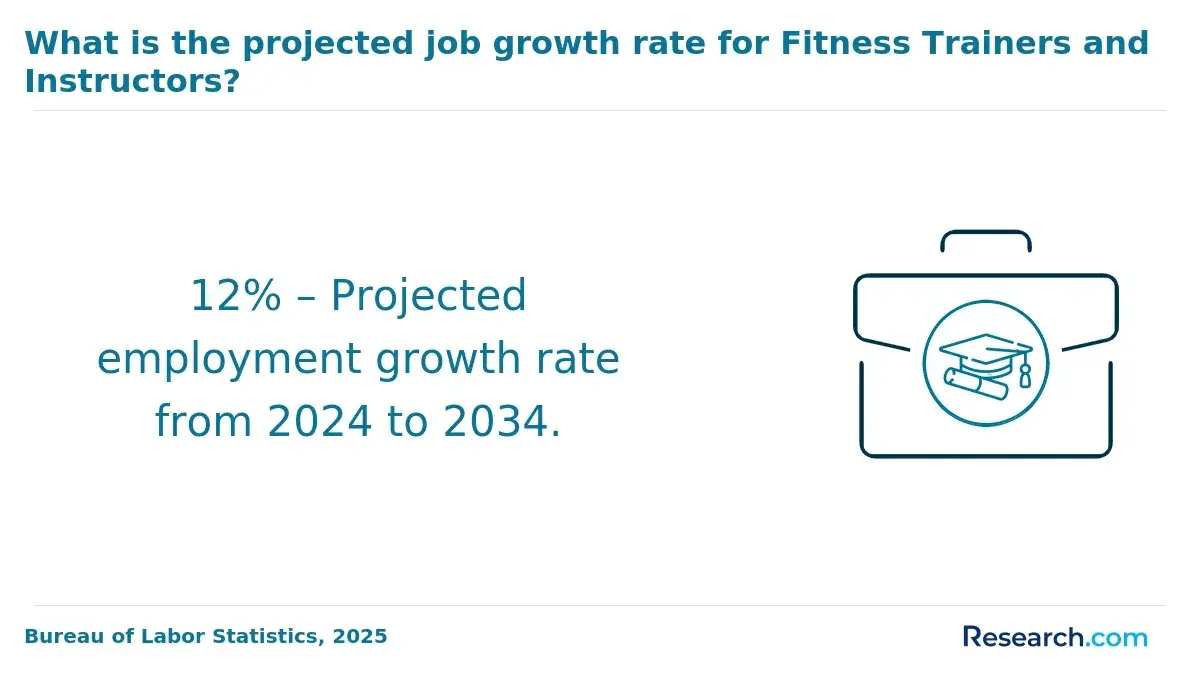
Students can often transfer a meaningful portion of prior college coursework into an exercise science degree, but the exact number depends on the institution, accreditation expectations, course equivalency, grades, and residency rules. In many cases, the number of transferable credits ranges from about 50% to 75% of the total required credits.
For a 120-credit bachelor's degree, that usually means around 60 to 90 semester credits may be considered for transfer. Considered does not always mean accepted. Exercise science departments often review science, lab, fitness, and kinesiology courses more carefully than general electives because these courses must match the program’s content and rigor.
Transfer reviews commonly consider the following factors:
- Accreditation of the prior institution: Courses usually need to come from accredited schools to be eligible for transfer.
- Course level: Undergraduate courses are more likely to transfer into an undergraduate exercise science program than noncredit, continuing education, or informal training.
- Minimum grade: Many programs require a C or higher for transferred coursework, especially for prerequisites and major courses.
- Course match: A course must align with the receiving program’s curriculum. A general wellness class may not replace anatomy, biomechanics, or exercise physiology.
- Residency requirement: Most institutions require students to complete a certain portion of credits at the school awarding the degree.
- Lab requirements: Science courses without labs may not satisfy prerequisites that require lab-based learning.
Articulation agreements between community colleges and universities can make transfer planning easier, but they do not remove the need for an official evaluation. Students should save syllabi, lab descriptions, course catalogs, and assignment details because departments may request them when deciding whether a class is equivalent.
A student in an exercise science degree program described the process this way: "Transferring credits felt overwhelming at first because I had to gather course descriptions and syllabi for the evaluation process. Some of my fitness courses didn't transfer, which was disappointing, but it pushed me to engage deeper with foundational classes at my new school."
She said the administrative steps were "challenging yet ultimately worth it," because accepted credits allowed her to keep moving toward the degree instead of starting over completely.
Do You Need SAT or ACT Scores to Get Into a Exercise Science Degree Program?
Most exercise science degree programs no longer require SAT or ACT scores for admission in 2026 because many colleges now use test-optional or test-blind policies. However, students should still check each school’s policy carefully because some competitive programs and highly selective public universities continue to request scores for admission review, placement, or merit-based scholarships.
According to a recent NACAC report, around 55% of schools offering exercise science degrees have removed or made testing optional for prospective students. That shift means applicants are often evaluated more heavily on academic preparation, especially high school GPA and coursework in biology, chemistry, physics, math, and other relevant subjects.
When standardized tests are optional, students should decide strategically whether to submit scores. A strong SAT or ACT score may help if it supports the rest of the application or improves scholarship eligibility. A weaker score may not add value if the program allows applicants to rely on GPA, rigorous coursework, essays, recommendations, and related experience instead.
| Admissions policy | What it means | What applicants should do |
| Test-required | SAT or ACT scores must be submitted | Plan testing early and confirm score deadlines |
| Test-optional | Scores may be submitted but are not mandatory | Submit only if scores strengthen the application or scholarship profile |
| Test-blind | Scores are not used in admission decisions | Focus on GPA, prerequisite coursework, essays, and experience |
Admissions committees increasingly use a broader review process. They may consider personal statements, letters of recommendation, relevant coursework, portfolios, volunteer work, or evidence of commitment to health, fitness, rehabilitation, coaching, or sports performance. For exercise science applicants, the strongest application usually shows both academic readiness and a clear understanding of the field.
What Essential Skills Do You Need Before Enrolling in a Exercise Science Degree Program?
Before enrolling in an exercise science degree program, students need more than an interest in fitness. The major combines human science, data interpretation, practical assessment, communication, and professional judgment. Students who build these skills early are better prepared for labs, internships, research assignments, and client-facing work.
Key skills for success include:
- Foundational Academic Abilities: Students should be comfortable with biology, chemistry, physics, and basic math because these subjects support anatomy, physiology, metabolism, biomechanics, and exercise testing.
- Technical Competencies: Familiarity with fitness assessment tools, spreadsheets, data entry, basic analysis software, and online learning platforms helps students manage labs and research assignments more efficiently.
- Analytical and Problem-Solving Skills: Exercise science students need to evaluate data, compare assessment results, identify limitations, and connect evidence to exercise programming or performance recommendations.
- Communication Skills: Clear speaking and writing are important when explaining exercise concepts, documenting findings, working on teams, and communicating with clients, coaches, faculty, or healthcare professionals.
- Field-Specific Readiness: Physical stamina, professionalism, safety awareness, and a commitment to healthy behavior help students participate fully in practical labs and supervised experiences.
These skills are especially important because many exercise science courses ask students to move between classroom theory and applied practice. A student may study cardiovascular physiology in one class, analyze fitness data in a lab, and then explain results in a written report or presentation.
One recent graduate described the transition as demanding: "Balancing science courses with hands-on practice was demanding." He said that complex subjects such as physiology felt overwhelming at first, but confidence with technical tools helped him keep pace. He also noted that communication skills were essential in group projects and internships, and that "my physical stamina also got tested during practical labs."
The lesson for future students is straightforward: do not wait until enrollment to build readiness. Review basic anatomy terms, practice reading scientific material, strengthen writing habits, and become comfortable using digital tools for data and communication.
Do You Need Professional Experience to Enter a Exercise Science Degree Program?
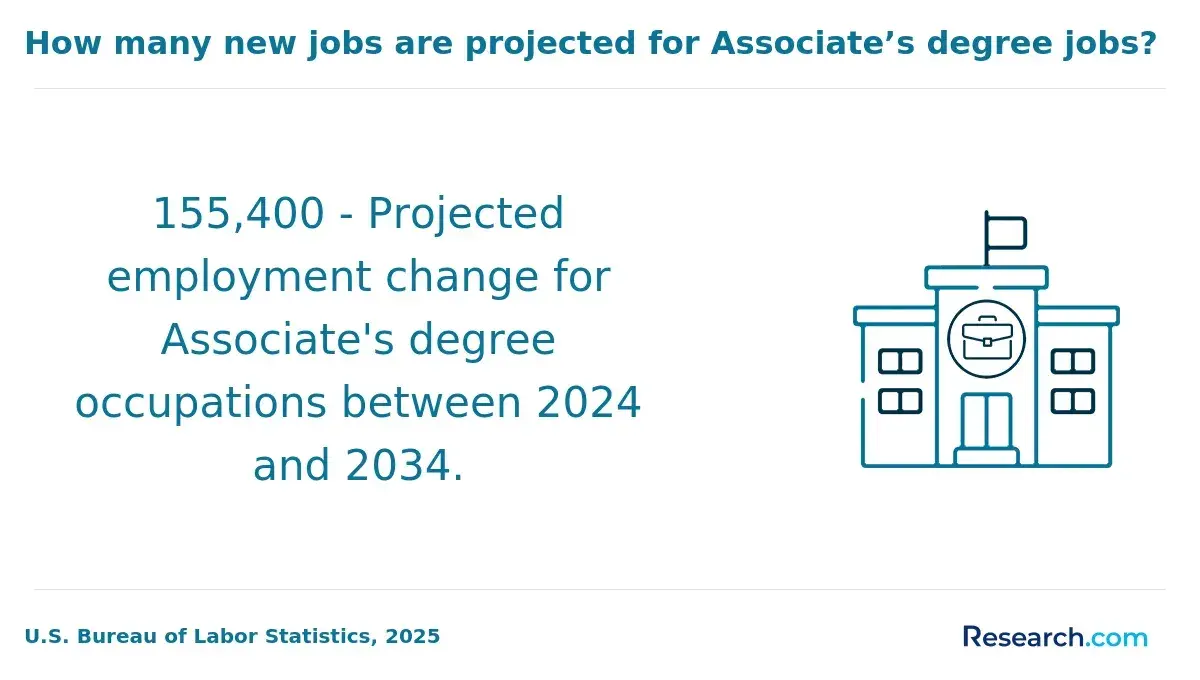
Most undergraduate exercise science programs do not require professional experience for admission. They typically focus on academic qualifications such as GPA, high school preparation, college prerequisites, and readiness for science-based coursework. However, related experience can strengthen an application, especially when a program is competitive or includes clinical, internship, athletic training, coaching, or rehabilitation pathways.
Graduate programs are more likely to expect relevant experience. Programs connected to physical therapy preparation, sports nutrition, clinical exercise physiology, strength and conditioning, or rehabilitation may prefer applicants who have worked, volunteered, shadowed, or interned in settings where exercise, health, or patient support is part of the role.
Useful experience may include:
- Personal training or fitness instruction
- Coaching youth, school, club, or community sports
- Volunteering in rehabilitation, wellness, or healthcare settings
- Working as a physical therapy aide or exercise technician
- Assisting with strength and conditioning programs
- Participating in research, lab work, or community health projects
Professional experience helps because it shows commitment and gives students a more realistic view of the field. It can also improve essays, interviews, and recommendation letters by giving applicants concrete examples of responsibility, communication, safety awareness, and motivation.
Applicants without experience should not assume they are unqualified. A strong academic record, completed prerequisites, clear career goals, and thoughtful application materials can still make a strong case. Many programs build practical experience into the curriculum through labs, practicums, internships, and supervised field placements.
What Tech Prerequisites Must You Meet Before Starting an Online Exercise Science Degree?
Online exercise science students need reliable technology because the coursework may include recorded demonstrations, live lectures, virtual labs, data analysis, discussion boards, proctored exams, and video-based skill assessment. Technical problems can quickly affect participation, especially in courses that require regular interaction or timed submissions.
Common technology prerequisites for an online exercise science degree in 2026 include:
- Computer Specifications: Students generally need a computer with enough processing power for streaming, simulations, video meetings, and data-heavy applications. A dual-core processor and 8GB RAM are commonly expected minimums.
- Reliable High-Speed Internet: A stable internet connection, often recommended at a minimum of 10 Mbps, supports live lectures, video demonstrations, virtual office hours, and assignment uploads.
- Software and Learning Platforms: Students may need access to Blackboard, Canvas, Moodle, statistics tools, virtual anatomy labs, video conferencing software, and specialized exercise science applications.
- Digital Literacy Skills: Students should know how to navigate online platforms, upload files, troubleshoot basic technical problems, use discussion forums, attend video meetings, and communicate professionally online.
Because exercise science relies on the practical understanding of biomechanics, physiology, assessment, and data metrics, online students should ask how each program handles labs and hands-on learning. Some programs use virtual simulations, at-home activity tracking, local field experiences, or hybrid requirements. Students comparing online degrees in exercise science should confirm whether any campus visits, proctored labs, internship placements, or special equipment are required before enrolling.
Cost-conscious students who are still completing general education or early prerequisites may also compare the most affordable online associate degree options before transferring into a bachelor’s pathway.
Meeting the technical prerequisites for exercise science programs in 2026 is not just a convenience issue. It affects whether students can participate fully, complete lab-related assignments, and keep pace in an online environment that increasingly uses digital tools and data analysis.
What Prerequisites Do International Students Need for Exercise Science Programs?
International students applying to exercise science programs usually need to meet the same academic expectations as domestic applicants, plus additional documentation requirements. Colleges must verify that prior coursework is equivalent to U.S. preparation, that records are authentic and translated when necessary, and that the student can complete English-language coursework successfully.
The most common prerequisites and application requirements for international students include:
- Academic Transcripts: Applicants must submit official transcripts from previous schools. If records are not in English, translated versions are typically required. Programs use these documents to confirm completion of relevant science and math coursework, including biology, anatomy, chemistry, or physics where applicable.
- Standardized Test Scores: Some programs may request SAT or ACT scores, although policies vary and some schools may waive testing for students with strong academic records. Program-specific science readiness may still be reviewed separately.
- English Language Proficiency: Because instruction is in English, international applicants commonly need TOEFL or IELTS results. This requirement helps confirm that students can understand lectures, complete readings, participate in discussions, and write assignments.
- Letters of Recommendation: Many programs ask for two or three recommendation letters from teachers, counselors, supervisors, or professionals who can speak to the student’s academic readiness, work habits, and interest in exercise science or related health fields.
- Personal Statement or Essay: A statement of purpose helps the program understand the applicant’s goals, motivation, preparation, and fit for exercise science study.
International students should begin the process early because transcript evaluation, translation, visa-related paperwork, English proficiency testing, and prerequisite review can take time. They should also ask whether previous science labs will be accepted, since lab equivalency can be difficult to determine across educational systems.
Since enrollment trends in Alabama and other U.S. states reveal increasing diversity, international students often look for programs with clear credit transfer policies and flexible eligibility rules. Students still comparing academic pathways can also review shorter degree options with strong earning potential as part of broader planning.
How Do Program-Specific Prerequisites Differ from General University Requirements?
General university admission requirements determine whether a student can enter the institution. Program-specific prerequisites determine whether a student can enter, progress in, or declare the exercise science major. Confusing the two can lead to delays, especially for students who are admitted to a university but not yet eligible for upper-division exercise science coursework.
General University Admission Requirements
- GPA Thresholds: Most universities require a minimum GPA, commonly between 2.5 and 3.0, to show basic academic readiness.
- English Language Proficiency: Non-native English speakers usually need proof that they can complete college-level coursework in English.
- General Education Coursework: Applicants may need broad preparation in subjects such as English, math, science, and social science, but these requirements are not always specific to exercise science.
Exercise Science Program-Specific Prerequisites
- Targeted Science and Math Courses: Exercise science programs often require biology, chemistry, anatomy, physiology, statistics, or related coursework with a minimum grade, frequently "C" or higher.
- Relevant Experience Documentation: Some programs may ask for evidence of internships, observation hours, portfolios, coaching experience, healthcare exposure, or fitness-related preparation.
- Extended Preparation Timeline: Students missing required science credits may need extra semesters or summer courses before they can start advanced major coursework.
Distinguishing exercise science program-specific admission requirements 2026 from general university prerequisites for exercise science degrees is essential for planning. A student can satisfy university admission rules and still be short on the anatomy, chemistry, statistics, or lab credits needed for the major.
About 60% of exercise science programs prioritize science prerequisites, whereas only 30% enforce rigorous minimum GPA requirements above 3.0, indicating a stronger content-based admission approach. This means departments may care less about an unusually high GPA and more about whether applicants have completed the right courses with acceptable grades.
| Requirement type | Main purpose | Why it matters to applicants |
| General university requirement | Confirms broad readiness for college admission | May get the student admitted to the institution |
| Exercise science prerequisite | Confirms readiness for the major’s science and applied coursework | May determine when the student can begin or advance in the major |
| Internship or field requirement | Confirms readiness for supervised professional practice | May affect graduation timing and placement eligibility |
Students interested in more hands-on alternatives can also compare options on a trade school careers list, especially if they want a faster or more technical route into health, fitness, or skilled service occupations.
Do You Need to Pay for Prerequisite Courses Before Applying to a Exercise Science Program?
Students generally need to pay for prerequisite courses before enrolling in an exercise science program, especially if those courses are required for admission, transfer, or progression into upper-division major classes. Prerequisites may be taken at the target university, a community college, or through an approved online provider, but students should confirm transferability before spending money.
Community colleges tend to offer more affordable options, with per-credit costs typically between $120 and $270. Four-year universities often charge over $400 per credit. Online courses may also be available at different price points, but affordability should not be the only factor. A low-cost course is not useful if the exercise science department will not accept it for prerequisite credit.
Before paying for a prerequisite course, students should ask the target program these questions:
- Will this specific course satisfy the prerequisite requirement?
- Is a lab required, and does the course include an approved lab?
- What minimum grade is needed for the course to count?
- Does the school accept online science labs for this requirement?
- Will the credit transfer as a major requirement or only as an elective?
- Is there an expiration policy for older science courses?
To manage expenses, many students use financial aid such as FAFSA when the coursework is eligible. Scholarships for pre-health, science, or transfer students may also help reduce costs. Taking approved prerequisites at a community college and transferring them later can lower total tuition, but students should get written confirmation whenever possible.
Free online materials and MOOCs can be useful for review, especially in anatomy, physiology, chemistry, or statistics, but they usually do not count as formal prerequisites for admission unless the program explicitly accepts them for credit.
What Graduates Say About the Prerequisites for Their Exercise Science Degree
- : "Getting into the exercise science program required careful planning to complete all prerequisite courses, but it was well worth the effort. The overall cost was reasonable compared to other health-related degrees, allowing me to focus on my studies without overwhelming debt. Now, as a fitness specialist, the knowledge I gained has been instrumental in advancing my career and helping clients achieve their goals. —Elijah"
- : "Reflecting on my journey, meeting the prerequisites for the exercise science degree was a challenge, but it built a strong foundation for success. While the cost was a significant consideration, I found the investment justified by the comprehensive curriculum and practical experience offered. This degree has opened doors in the rehabilitation field, making the financial and academic effort truly rewarding. —Viggo"
- : "I approached the exercise science program with a clear plan to fulfill all necessary prerequisites, which eased my admission process. Considering the average attendance cost, I appreciated the program's affordability and value. Professionally, this degree has been pivotal, equipping me with the skills and credibility needed to excel as a sports therapist. —Jean Marc"
Other Things You Should Know About Exercise Science Degrees
Physical fitness requirements for an Exercise Science degree in 2027 vary by institution. However, most programs do not mandate specific fitness levels for admission. Instead, they emphasize academic prerequisites like biology and anatomy courses, and may require participation in practical fitness assessments as part of the curriculum.
Some universities require standardized tests like the SAT or ACT for admission to an Exercise Science degree in 2027. These exams help assess a student's readiness for college-level coursework and are considered along with high school GPA and other admission criteria.
References
- Exercise Science - Master of Arts Degree Online https://www.tntech.edu/education/exercise-science/masters.php
- Bachelor's Degree (BS) in Kinesiology - Exercise Science / Strength & Conditioning https://academics.uky.edu/programs/bachelors/kinesiology-exercise-science-strength-conditioning
- Exercise Science, B.S. https://vermontstate.edu/academic-programs/exercise-science-bs/
- Exercise Science (Athletic Therapy, Kinesiology & Clinical Physiology) BSc Degree Program | Undergraduate Admissions - Apply Here - Concordia University https://www.concordia.ca/academics/undergraduate/exercise-science.html
- 2025-2026 Undergraduate Catalog - Exercise Science, Allied Health Professions Sequence Course Requirements | Illinois State https://illinoisstate.edu/catalog/undergraduate/kinesiology-recreation/exercise-science-allied-health-professions-course-requirements/
- Exercise Science | Bachelor's Degree | Ferris State University https://www.ferris.edu/health-professions/exercise-science-bachelors-degree/homepage.htm
- Bachelor of Science in Exercise and Sport Science https://education.wayne.edu/exercise-sport-science/bs
- 3+2 Early Assurance Exercise Science Athletic Training Program https://www.walsh.edu/es-at-early-assurance-criteria.html
- Admission to Exercise Science Program ~ Kinesiology ~ CHBS https://www.jmu.edu/chbs/kinesiology/es/admission.shtml