
2027 How to Become a Chief Information Security Officer: Education, Salary, and Job Outlook

Co-Founder and Chief Data Scientist
A chief information security officer is not simply the most senior technical expert in a security department. The CISO is the executive accountable for translating cyber risk into business decisions: what to protect first, how much to invest, which regulations matter, how to respond to incidents, and how to keep the organization operating when threats escalate.
This career is best suited for experienced cybersecurity and technology professionals who want to lead teams, influence executives, and take responsibility for organization-wide risk. The path is demanding because it requires technical depth, business judgment, communication skill, and the ability to make high-stakes decisions with incomplete information.
This guide explains the credentials, skills, career steps, salary expectations, internships, advancement strategies, work settings, challenges, and fit factors involved in becoming a CISO. Use it to evaluate whether this role matches your strengths and to plan the next practical step in your cybersecurity leadership career.
What are the benefits of becoming a chief information security officer?
- The chief information security officer (CISO) role is projected to grow by 33% through 2025, reflecting high demand for cybersecurity leadership in organizations.
- Average salaries for CISOs exceed $165,000 annually, rewarding expertise in protecting critical digital assets and managing cyber risks.
- Pursuing a CISO career offers the chance to lead strategic security initiatives, drive innovation, and play a vital role in organizational success.
What credentials do you need to become a chief information security officer?
Most CISO roles require a strong mix of formal education, security certifications, and years of progressively responsible cybersecurity experience. There is no single required license for all CISOs, but employers usually expect proof that you can manage enterprise risk, lead security teams, and advise senior executives.
A bachelor's degree in computer science, information technology, cybersecurity, information systems, or a related field is the common starting point. This degree helps build the technical foundation needed to understand networks, systems, software, data protection, and security operations.
Many CISOs also hold a master's degree in cybersecurity, information assurance, information systems, or business administration. A graduate degree is not always mandatory, but it can strengthen your qualifications for executive roles, especially when the program includes risk management, governance, compliance, finance, and leadership. Professionals who need a flexible option may consider a 12 month master's degree online, provided the program fits their career goals, schedule, and employer expectations.
Certifications are especially important because they signal applied knowledge and professional credibility. The most relevant options include:
- Certified Information Systems Security Professional (CISSP): Often viewed as a senior-level credential for professionals who understand broad security domains, including risk management, asset security, identity management, and security operations.
- Certified Information Security Manager (CISM): Useful for professionals moving from hands-on security work into management, governance, and enterprise security program leadership.
- Certified Chief Information Security Officer (CCISO): Designed for executive cybersecurity leadership, with emphasis on governance, risk, controls, finance, and strategic security management.
- CompTIA certifications: Security+, CySA+, and Network+ can help earlier-career professionals build core technical knowledge before pursuing senior certifications.
These certifications typically require five to seven years of hands-on cybersecurity experience. Requirements vary by credential, so candidates should review eligibility rules, exam domains, continuing education obligations, and renewal costs before committing.
In regulated industries such as finance and healthcare, employers may also value experience with audits, privacy laws, compliance programs, third-party risk, and formal control frameworks. The strongest CISO candidates can show not only that they understand cybersecurity, but that they can apply it in a business, legal, and operational context.
What skills do you need to have as a chief information security officer?
A CISO needs enough technical knowledge to challenge assumptions, evaluate risk, and make sound decisions, but technical ability alone is not enough. The role also requires executive communication, budget ownership, policy judgment, crisis leadership, and the ability to build trust across the organization.
The most important CISO skills include:
- Advanced cybersecurity knowledge: A CISO must understand threat actors, attack methods, security controls, identity and access management, endpoint protection, network defense, application security, and data protection.
- Technical proficiency: Knowledge of Linux, networking, cloud infrastructure, virtualization, logs, and system architecture helps a CISO evaluate technical recommendations and identify weak points in the security environment.
- Compliance expertise: Familiarity with frameworks such as NIST, ISO, SANS, and COBIT helps align security programs with governance, audit, and regulatory expectations.
- Secure development practices: Experience with Secure SDLC, DevSecOps, and automation is increasingly valuable because security must be built into software delivery rather than added after release.
- Governance and compliance leadership: CISOs create policies, define standards, assign accountability, and ensure that security requirements are followed across departments.
- Enterprise architecture design: A CISO should understand how security architecture supports business operations, from identity systems and cloud platforms to data flows and third-party integrations.
- Incident and vulnerability management: Security leaders must know how to prioritize vulnerabilities, manage response plans, coordinate investigations, and reduce the business impact of security events.
- Communication skills: CISOs regularly explain technical risks to boards, executives, legal teams, auditors, and employees. Clear, non-alarmist communication is essential.
- Strategic and financial management: The role includes budget planning, vendor evaluation, contract review, staffing decisions, and trade-offs between risk reduction and cost.
- Team leadership: Effective CISOs recruit, mentor, retain, and coordinate security professionals while building a culture where security is part of everyday decision-making.
One common mistake is treating the CISO path as a purely technical promotion. Senior security leaders must be comfortable saying no when risk is unacceptable, but they must also know when to offer practical alternatives that keep the business moving.
What is the typical career progression for a chief information security officer?
Most CISOs reach the role after years of experience in cybersecurity, IT, risk, or technology leadership. The path is rarely identical from one person to another, but successful candidates usually demonstrate increasing responsibility for systems, people, budgets, risk decisions, and executive reporting.
Common routes include:
- The Technical Specialist: Many CISOs begin as security analysts, network administrators, systems engineers, security engineers, or incident response professionals. Entry-level and early-career roles help build hands-on credibility. After 2-3 years, professionals may move into roles such as senior security analyst, security engineer, security architect, or cloud security specialist. From there, they can advance into security manager, director of security operations, director of information security, or similar leadership positions before pursuing a CISO role.
- The IT Leader Transition: Some professionals move into the CISO role from senior IT positions such as CIO, CTO, or IT Director. This route can work well for leaders who already understand enterprise technology, budgets, vendor management, operations, and executive decision-making. The key gap to close is usually deeper cybersecurity governance, threat management, and regulatory risk experience.
- The Advanced Degree Advantage: A master's degree in cybersecurity, information security, or an MBA with a security focus can support advancement when paired with practical experience. The degree alone is not a shortcut to the CISO level, but it can help professionals build stronger skills in strategy, finance, risk, and leadership.
Promotion to CISO typically depends on evidence of readiness, not just job title progression. Employers look for leaders who have handled incidents, built or improved security programs, worked with auditors and regulators, managed teams, influenced executives, and made decisions under pressure.
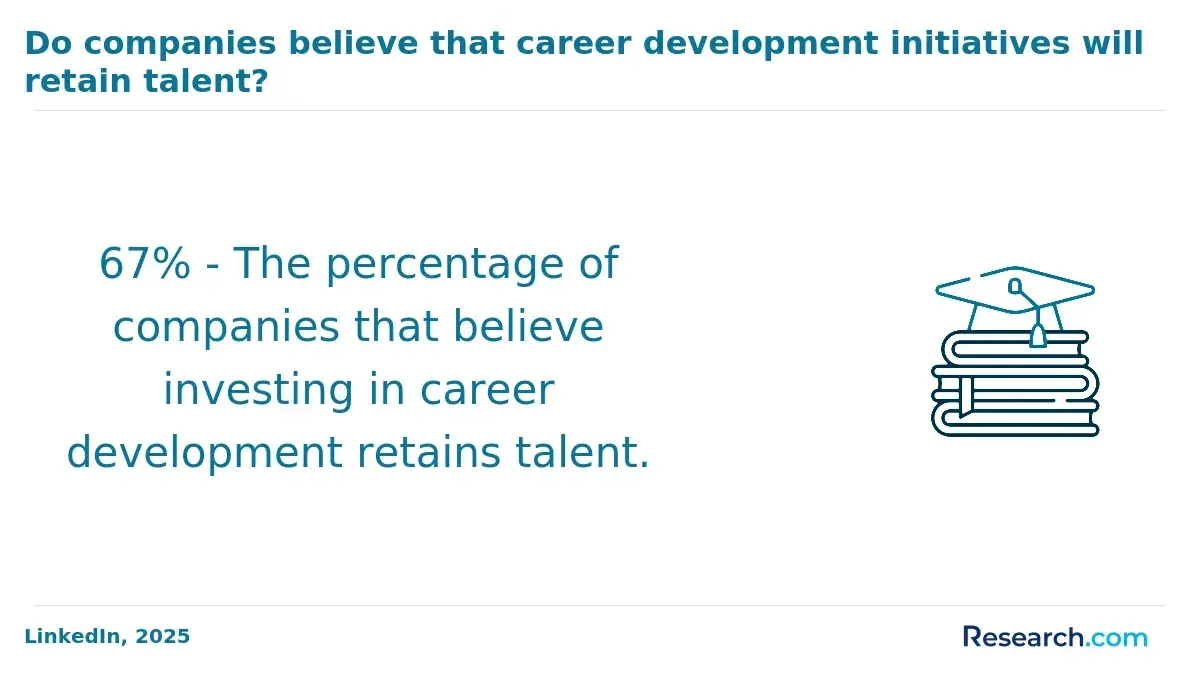
The demand for CISOs is rising sharply amid a global cybersecurity talent shortage. The field is expected to grow rapidly, creating opportunities for professionals who can combine technical judgment with business leadership.
How much can you earn as a chief information security officer?
CISO compensation is high because the role carries substantial responsibility. A security failure can affect revenue, operations, customer trust, legal exposure, and executive reputation. Pay varies widely by organization size, industry, location, reporting structure, and the complexity of the security environment.
In the United States, the average CISO salary ranges from $182,000 to $384,000 annually. Top earners at large companies or in high-demand sectors can make as much as $585,000. A majority of CISOs report incomes between $248,000 and $457,000.
Several factors can influence where a CISO falls within those ranges:
- Experience level: CISOs with a record of leading security programs, managing major incidents, and working with boards or executive teams often command higher compensation.
- Industry: Finance, healthcare, technology, and other data-sensitive or heavily regulated sectors may offer stronger pay because the risk environment is more complex.
- Company size and scope: A CISO responsible for global operations, multiple business units, cloud environments, mergers, or large security teams may earn more than one leading a smaller program.
- Education and certifications: Advanced degrees and credentials such as CISSP, CISM, or CCISO can strengthen a candidate's profile, especially when supported by relevant leadership experience.
- Business impact: Employers pay more for CISOs who can reduce risk without slowing innovation, communicate clearly with executives, and align security investment with business priorities.
Professionals starting much earlier in their education may compare affordable entry points, including easiest online associates degree options, before moving into bachelor's-level, graduate-level, and certification-based cybersecurity training. However, reaching CISO-level compensation requires far more than an initial degree; it requires years of proven technical and leadership performance.
What internships can you apply for to gain experience as a chief information security officer?
There are no true “CISO internships” for beginners because the CISO is an executive position. However, internships in security operations, risk, compliance, privacy, cloud security, and incident response can build the foundation needed for a long-term path toward cybersecurity leadership.
Useful internship settings include:
- Corporations offering information security internships: These roles may expose interns to security tools, risk frameworks such as NIST CSF and ISO27001, vulnerability management, incident response, access control, and security awareness programs. Corporate internships are especially useful for learning how security supports business operations.
- Nonprofit organizations and healthcare providers: Interns may work with privacy, data loss prevention, policy documentation, and compliance requirements such as HIPAA and PCI-DSS. These environments can help students understand how security protects sensitive personal data.
- Government agencies: Cybersecurity offices may offer experience in risk assessments, vulnerability management, policy development, and public-sector security operations. For example, the Office of the Chief Cybersecurity Officer in New York State provides interns with opportunities to work alongside experts confronting emerging threats in the public sector.
- Academic institutions: Universities often need support for IT security, research data protection, security architecture, identity management, and DevSecOps. These internships can be valuable for students interested in protecting complex, open, and research-intensive environments.
When comparing internships, look beyond the title. Strong opportunities should include exposure to real security workflows, mentorship from experienced professionals, documentation or reporting responsibilities, and chances to understand how risk decisions are made.
To strengthen your preparation, combine practical experience with a degree path that supports cybersecurity, computer science, information systems, or technology leadership. Students comparing options may review top earning bachelor degrees while considering long-term fit, curriculum quality, accreditation, and career outcomes.
How can you advance your career as a chief information security officer?
Career advancement for a CISO is not limited to earning a higher title. It can mean leading a larger security program, moving into a more regulated industry, joining an executive committee, advising boards, becoming a virtual CISO, consulting, or moving into broader technology and risk leadership.
Key advancement strategies include:
- Continuing Education: A master's degree in cybersecurity, information assurance, risk management, or business administration can help deepen your understanding of enterprise strategy, governance, finance, and organizational leadership. Choose programs that match your career target rather than relying on degree name alone.
- Certification Programs: Credentials such as CISSP, CISM, or CCISO can reinforce credibility and show commitment to the profession. They are most powerful when paired with measurable accomplishments, such as improving incident response, reducing audit findings, or building a security program from the ground up.
- Networking: Professional associations, conferences, peer groups, and executive forums can help CISOs benchmark practices, learn from incidents, identify hiring opportunities, and stay current with emerging threats. Networking is also valuable for professionals considering board advisory work or consulting.
- Mentorship: Learning from senior technology, legal, risk, and business leaders can improve executive judgment. Mentoring others also strengthens your leadership reputation and helps build a more capable security organization.
To keep advancing, document business outcomes rather than only technical activities. For example, track improvements in risk visibility, response times, audit readiness, policy adoption, vendor risk management, and security awareness. Executive career growth depends on showing how security decisions protect the organization.
Where can you work as a chief information security officer?
CISOs work in almost every sector because nearly every organization depends on digital systems, data, vendors, and online services. The responsibilities vary by setting: some CISOs focus heavily on regulatory compliance, while others focus on product security, cloud infrastructure, public-sector systems, patient privacy, or global enterprise risk.
Common workplaces include:
- Major corporations: Companies like Google, JPMorgan Chase, and Microsoft employ CISOs to protect large digital environments, manage global security strategies, and coordinate risk across many teams and locations.
- Healthcare sector: Organizations such as Mayo Clinic and Kaiser Permanente rely on CISOs to protect sensitive patient information, support privacy requirements, and maintain secure clinical and administrative systems.
- Government agencies: Departments including the Department of Homeland Security, FBI, and state IT offices hire CISOs to help defend public infrastructure, sensitive systems, and national security interests.
- Nonprofits and international organizations: The American Red Cross and UNICEF need CISOs to secure donor data, protect operations, and maintain trust with the communities they serve.
- Educational institutions: Large public universities like the University of California system and private colleges need security leaders to protect student records, research data, identity systems, and campus networks. Students planning for relevant degree programs may compare schools that accept FAFSA as part of their college search.
- Cybersecurity consulting firms and start-ups: Companies such as Palo Alto Networks and CrowdStrike may offer CISO, advisory, or security leadership roles where professionals influence product strategy, client security programs, or industry practices.
Industry choice matters. A CISO in healthcare may spend more time on privacy and operational resilience, while a CISO in financial services may face heavier regulatory scrutiny. A CISO in a start-up may need to build policies, controls, and teams from the beginning, while a CISO in a large enterprise may spend more time on governance, reporting, and cross-functional coordination.
What challenges will you encounter as a chief information security officer?
The CISO role is influential, but it is also high pressure. Security leaders are expected to reduce risk, support business goals, respond quickly to threats, meet regulatory expectations, and justify investments to executives who may not have technical backgrounds.
- Heavy Workload: CISOs must defend organizations against increasingly frequent cyber threats, with over three-quarters anticipating significant attacks within the next year. The work often includes after-hours escalation, incident review, board preparation, vendor meetings, audit demands, and staffing decisions.
- Emotional Resilience: Many CISOs experience burnout because they carry responsibility for preventing incidents that could damage finances, operations, customer trust, and reputation. The pressure can be intense even when security teams perform well.
- Changing Regulations: Data privacy laws, reporting obligations, industry standards, and contractual security requirements continue to evolve. CISOs must coordinate with legal, compliance, privacy, and business teams to avoid gaps.
- Rapid Industry Evolution: AI, cloud technology, remote work, automation, and new software delivery models change the attack surface. CISOs must keep learning while avoiding rushed adoption of tools that do not solve the organization's actual risks.
- High Competition: CISO roles require a rare combination of technical credibility, business insight, executive presence, and leadership maturity. Candidates must prove that they can influence decision-makers, not just manage technology.
- Human Factors: Insider risks and employee mistakes are the top vulnerabilities, which means security awareness, access control, culture, and clear processes are as important as technical defenses.
A practical way to manage these challenges is to define priorities clearly. CISOs who try to solve every problem at once can overwhelm their teams and lose executive support. Strong leaders focus on the highest business risks, communicate trade-offs honestly, and build security programs that improve over time.
What tips do you need to know to excel as a chief information security officer?
Excelling as a CISO requires more than reacting to threats. The best security leaders create repeatable systems for identifying risk, making decisions, measuring progress, and building trust with the business.
- Communicate in business terms. Executives need to understand impact, likelihood, cost, timing, and options. Avoid presenting every issue as a technical emergency.
- Develop emotional intelligence. Security decisions often create friction. A strong CISO can challenge risky behavior while maintaining productive relationships with IT, legal, finance, operations, and business units.
- Align security with business objectives. Security plans should support revenue, continuity, customer trust, innovation, and regulatory readiness. If a control slows the business, offer a safer path forward rather than only blocking the activity.
- Master regulatory compliance. This is especially important in environments dealing with critical infrastructure, sensitive data, or strict reporting obligations. Compliance does not guarantee security, but poor compliance can create legal and financial exposure.
- Build a strong professional network. Peer relationships can help you compare practices, learn from incidents, identify talent, and understand how other organizations handle emerging risks.
- Commit to continuous learning. The threat landscape changes quickly, including advances such as artificial intelligence and quantum computing. CISOs need enough awareness to separate real risks from hype.
- Use meaningful metrics. Track measures such as Time-to-Detect, Time-to-Respond, and Mean Time to Containment to evaluate incident response efficiency. Pair operational metrics with business-focused reporting so leaders understand why the numbers matter.
- Invest in your team. A CISO cannot personally control every risk. Hiring, training, delegation, succession planning, and psychological safety are essential for sustainable performance.
One of the most valuable habits is documenting decisions. When risks are accepted, deferred, or funded, record the rationale, owner, timeline, and expected business impact. This creates accountability and helps security become part of governance rather than an isolated technical function.
How do you know if becoming a chief information security officer is the right career choice for you?
Becoming a CISO can be a strong career choice if you enjoy cybersecurity, leadership, risk analysis, and high-impact decision-making. It is less suitable for professionals who prefer individual technical work, predictable schedules, or roles with limited organizational conflict.
Consider the role a good fit if these statements describe you:
- You are genuinely interested in cybersecurity. The work requires sustained curiosity about threats, controls, systems, people, and risk. Without that interest, the pace of change can become exhausting.
- You can lead through influence. CISOs often need cooperation from departments they do not directly manage. Communication, persuasion, and credibility are essential.
- You think strategically. The role requires balancing security needs with business priorities, budgets, deadlines, and operational realities.
- You are resilient under pressure. Incidents, audits, executive questions, and emerging threats can create intense periods of work. A CISO needs calm judgment when the stakes are high.
- You are committed to lifelong learning. Technology, attacks, regulations, and business models change constantly. Staying current is part of the job.
- You want to influence business outcomes. CISOs help protect trust, continuity, revenue, data, and reputation. The work is meaningful because it connects technical risk to organizational success.
The lifestyle of a CISO can involve long hours, urgent incidents, and high accountability. In return, the role can offer career stability, competitive compensation, executive influence, and the opportunity to shape how an organization manages digital trust.
If you are still planning your education, look for programs that combine cybersecurity, computer science, business, ethics, risk, and communication. Some students may consider dual degree universities that connect technical training with leadership or management preparation.
What Professionals Who Work as a Chief Information Security Officer Say About Their Careers
- Miller: "Working as a Chief Information Security Officer has provided me with incredible job stability. With cyber threats constantly evolving, the demand for experienced professionals in this role is only growing, which has translated into a strong salary potential and long-term career security."
- Emery: "The unique challenges in cybersecurity keep my daily work engaging and dynamic. Each company faces different risks, giving me the chance to develop tailored strategies and continually expand my technical and leadership skills. It's a role that pushes me to grow both professionally and personally."
- Gabriel: "Being a Chief Information Security Officer means having access to extensive professional development opportunities, ranging from certifications to conferences worldwide. This position has allowed me to build a vast network and explore diverse sectors, making my career progression both exciting and rewarding."
Other Things You Should Know About Becoming a Chief Information Security Officer
In 2027, a Chief Information Security Officer should possess skills in cybersecurity management, risk assessment, leadership, and strategic planning. Proficiency in incident response and knowledge of regulatory compliance are also crucial to effectively safeguard an organization’s information assets.
The job outlook for Chief Information Security Officers in 2027 is highly favorable due to increasing cybersecurity threats. As organizations prioritize data protection, the demand for experienced security leadership continues to rise, offering numerous opportunities for advancement and competitive salaries.
Aspiring Chief Information Security Officers in 2027 should consider pursuing a bachelor's degree in computer science, information technology, or cybersecurity. Advanced degrees such as a master's in information security or business administration can enhance career prospects. Additionally, industry certifications like CISSP or CISM are highly recommended.
References
- How to Become a CISO: 3 Career Paths and the Traits… | BeyondTrust https://www.beyondtrust.com/blog/entry/how-to-become-ciso
- The Chief Information Security Officer's Role Explained | Huntress https://www.huntress.com/cybersecurity-101/topic/the-chief-information-security-officers-guide-to-cybersecurity-leadership
- Skills required for Chief Information Security Officer and how to assess them https://www.adaface.com/blog/skills-required-for-chief-information-security-officer/
- What are the main CISO challenges? - Trustpair https://trustpair.com/blog/the-top-8-ciso-challenges/
- Chief Information Security Officer (CISO) | BBS https://www.bbs.unibo.eu/chief-information-security-officer-ciso-2/
- Chief information security officer - Government Digital and Data Profession Capability Framework https://ddat-capability-framework.service.gov.uk/role/chief-information-security-officer


