2027 Career Paths with an Engineering Management Master's Degree Explained

Co-Founder and Chief Data Scientist
The career landscape for professionals with an engineering management master's degree is shifting as industries prioritize advanced technical knowledge combined with leadership and strategic decision-making skills. Employers now favor candidates who can navigate complex project management software, compliance with regulatory standards, and cross-disciplinary collaboration to drive innovation and efficiency. Programs in engineering management cultivate expertise in data-informed decision processes, quality assurance systems, and resource optimization, positioning graduates for roles that integrate technical oversight with business objectives. According to the National Center for Education Statistics, enrollment in graduate engineering programs rose notably in 2024, signaling growing demand from mid-career professionals seeking flexible, outcome-focused education. This article explores various career trajectories afforded by an engineering management master's degree and assists readers in assessing how these align with their professional ambitions and industry contexts.
Key Things to Know About Career Paths With a Engineering Management Master's Degree
- A master's in engineering management often shifts focus from pure technical skill to leadership capacity, but this tradeoff can limit immediate deep technical roles, requiring professionals to balance managerial ambitions with technical upkeep.
- Employers increasingly value engineering management graduates who combine project oversight with strategic decision-making, reflecting a workforce demand for leaders who align engineering goals with business objectives.
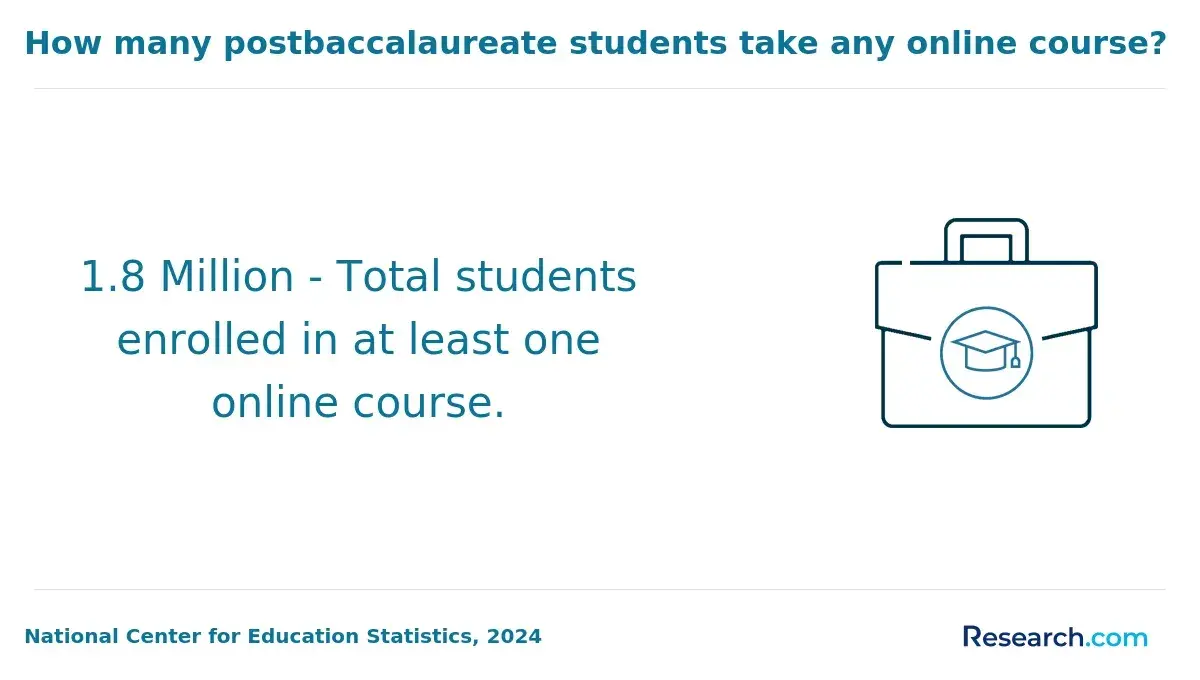
- The rise of flexible online engineering management programs, highlighted by a 2024 report from the National Center for Education Statistics, improves access for working adults but may extend time-to-degree, influencing enrollment timing and career interruption decisions.
What Can You Do With a Engineering Management Master's Degree?
The career trajectories opened by an engineering management master's degree are shaped by an evolving demand for professionals who can integrate technical prowess with strategic oversight. Choosing a path within this specialty often involves balancing one's desire for leadership responsibilities against the industry-specific expertise required to stay competitive in sectors where engineering outcomes directly impact business performance. This creates a distinctive dynamic where graduates must consider whether to deepen their technical domain knowledge or focus on broad managerial capacities to maximize long-term employability and compensation.
- Engineering Manager Roles: These positions emphasize leadership of engineering teams and project portfolios, requiring an ability to translate complex technical tasks into achievable milestones. The degree prepares graduates to negotiate resource constraints and stakeholder priorities, making it a key qualification for promotion beyond senior engineer roles.
- Project Management Specialization: Graduates frequently pivot to project manager roles, leveraging skills in scheduling, budgeting, and risk mitigation. However, success here often depends on experience with specific methodologies like Agile or Lean, which may not be fully covered in all programs, necessitating additional certification or training.
- Product Management Opportunities: Combining engineering insight with market strategy, product management roles demand a nuanced understanding of customer needs and competitive positioning. An engineering management master's can provide an edge but typically requires supplementing with business acumen and cross-functional collaboration experience.
- Operations Leadership: This career path capitalizes on proficiency in optimizing production workflows, supply chains, and quality assurance processes. The degree's interdisciplinary approach is valuable here, but candidates must often demonstrate prior operational roles or continuous improvement project leadership to gain traction.
- Consulting and Entrepreneurship: The dual expertise in technology and management opens pathways to advising firms on process innovation or launching startups focused on technology delivery. While the degree sets a foundation, practical business experience and networking play outsized roles in this less structured route.
- Cross-Industry Demand: A degree in engineering management widens eligibility across sectors such as manufacturing, aerospace, and IT, providing flexibility but also requiring adaptation to different regulatory and technical cultures. This breadth can be advantageous but may dilute specialization unless carefully navigated.
Given the diverse roles available for holders of an engineering management master's degree, evaluating the tradeoffs between deep technical skill development and leadership preparation is crucial. Depending on one's career stage, industry of interest, and local labor market conditions, the degree may serve as a direct stepping stone to managerial roles or a credential supporting a gradual transition. For professionals exploring options, considering a program within the context of online 1 year masters programs can offer flexibility to balance ongoing employment with skill acquisition, a practical consideration for many career changers or working engineers assessing high-paying jobs with engineering management master's credentials.
What Are the Highest-Paying Careers With a Engineering Management Master's Degree?
Compensation in engineering management careers depends heavily on a mix of leadership responsibility, technical specialization, industry sector, and the ability to integrate engineering functions with broader business objectives. Professionals who successfully navigate this nexus often find themselves in roles with substantial financial rewards, though this comes with tradeoffs such as increased accountability for project outcomes and team performance. For example, choosing a position in aerospace may offer higher salaries but demands keeping pace with stringent regulations and innovation cycles, whereas a role in product development might prioritize market timing and customer alignment.
- Project Engineering Manager: Oversees complex technical projects, balancing engineering challenges with budget and timeline management. This role commands high pay due to its responsibility for successful delivery, risk mitigation, and cross-functional coordination.
- Operations Manager: Focuses on optimizing production processes and supply chain efficiency in engineering-intensive companies. Salary levels reflect the direct impact on operational cost savings and organizational productivity, particularly in manufacturing or technology sectors.
- Product Development Manager: Leads the lifecycle of engineering products from conception to market launch, requiring both technical expertise and strategic market insight. Compensation often includes bonuses and stock options tied to commercial success, making this one of the highest-paying tracks.
According to 2024 U.S. Bureau of Labor Statistics data, median salaries for engineering managers typically exceed $150,000 annually, with senior roles reaching above $180,000. However, employer demand increasingly favors candidates who bring strong leadership and financial acumen alongside technical skills. Hence, graduates should weigh the requirement to develop interpersonal and project management abilities against the trajectory of traditional engineering roles.
Which Industries Hire Graduates With a Engineering Management Master's Degree?
Engineering management graduates occupy critical roles where technical acumen intersects with organizational leadership, but the industry-specific applications of their expertise differ significantly. In manufacturing, these professionals often focus on optimizing production workflows, ensuring quality assurance, and managing supply chains that increasingly integrate automation and advanced analytics. This sector favors candidates who combine hands-on engineering knowledge with skills in lean processes and vendor coordination, positioning them for operational leadership but within structures where advancement may hinge on specialized certifications or experience with Industry 4.0 technologies. Conversely, technology and software sectors prioritize agile project management, cross-functional team collaboration, and alignment of development roadmaps with business strategy-areas where engineering management graduates act as bridges between developers and corporate leadership, though the pace of innovation and continual skill upgrades can create intense pressure to remain current with rapidly evolving tools and methodologies.
The construction and energy industries present contrasting prospects that illustrate how sector demands shape career trajectories for engineering management graduates. Construction roles often require navigating regulatory compliance, risk mitigation, and cost control on large-scale projects, rewarding professionals who excel in contractual and stakeholder management but limiting volatility inherent in long project cycles and geographic constraints. Meanwhile, the energy sector, particularly renewables, places a premium on integrating technical systems with environmental and social governance objectives, demanding a blend of engineering insight and sustainability leadership uncommon in other fields. These divergent contexts influence compensation patterns and job stability, making it essential for graduates to weigh the tradeoffs-such as a more predictable but slower-paced career in construction versus the dynamic but sometimes uncertain terrain of emerging energy technologies.
One engineering management graduate reflected on navigating early career decisions: choosing between a manufacturing firm offering a clear advancement ladder rooted in process optimization and a startup in renewable energy that promised broader strategic involvement but less defined role boundaries. The ambiguity of the startup environment prompted initial hesitation, underscoring how graduates must balance desire for impactful leadership with practical considerations like organizational maturity and industry volatility. Early supervisors advised focusing on transferable skills and gaining exposure to different industry challenges before committing to a specific path, a perspective that helped the graduate strategically sequence career moves rather than rush into a single specialization prematurely.
What Is the Job Outlook for Careers Requiring a Engineering Management Master's Degree?
The job outlook for careers requiring a master's degree in engineering management reflects steady expansion fueled by complex industry demands and evolving organizational structures. Industries such as technology, manufacturing, and renewable energy increasingly prioritize those who can blend technical knowledge with strategic leadership, creating durable demand for these professionals. Unlike entry-level technical roles, positions in engineering management often depend heavily on demonstrable leadership skills and cross-functional experience, making the degree a valuable differentiator rather than a sole qualifier. Regional variability and sector-specific trends mean that while some markets, especially those advancing automation and sustainability goals, show rapid growth, others may offer more limited openings. For working professionals weighing career paths, understanding these nuances within the engineering management job outlook in the United States is critical to navigating competitive and shifting employment landscapes.
Career growth opportunities with an engineering management master's degree often track with both tenure and specialization, particularly as firms seek leaders who can integrate engineering and business strategy amid digital transformation pressures. Median salaries in senior roles frequently exceed $150,000, highlighting the financial upside paired with managerial responsibilities. Yet, competition remains stiff, and advancing typically requires coupling the degree with real-world project and team leadership experience. Candidates who adapt to sector-specific demands-such as project management in infrastructure or operations leadership in tech-tend to see the most stable trajectories. Prospective students can gain additional insight into aligning their credentials with employer expectations by reviewing curated data on the best online accounting program as a comparative example of how specialized online education platforms serve working adults in professional fields.
What Entry-Level and Advanced Jobs Can You Get With a Engineering Management Master's Degree?
Holding a master's degree in engineering management frequently accelerates movement beyond typical entry-level roles, which often focus on coordinating project tasks, managing small teams, and balancing technical and administrative demands. However, whether graduates immediately access mid- or senior-level roles depends heavily on prior experience, industry norms, and sector-specific needs. For example, a recent graduate in manufacturing might begin as a project engineer, applying core engineering principles while honing leadership skills, whereas candidates with substantial technical expertise or certifications may bypass junior positions in favor of managerial roles. Employers in heavily regulated or technology-driven industries often expect a blend of hands-on experience and proven strategic decision-making before entrusting graduates with leadership responsibilities.
Advanced positions such as senior engineering manager, director, or chief technology officer demand broader oversight capabilities, including guiding cross-functional teams, shaping organizational strategy, and driving innovation initiatives that align with business objectives. Compensation differentials reflect this shift: senior managers in engineering-related fields earn notably higher salaries-about 30% more than entry-level counterparts, according to 2024 data from the National Society of Professional Engineers-underscoring the financial benefits of progressing through leadership ranks. Graduates must recognize that specialization choices, sector dynamics, and certification acquisition significantly influence their trajectory, with some industries offering greater role flexibility and others valuing specific credentials. Understanding these nuances enables professionals to strategically navigate their careers, balancing immediate employability with long-term leadership aspirations and competitive positioning in a growing, yet selective, managerial workforce.
Can a Engineering Management Master's Degree Help You Change Careers?
An engineering management master's degree can be a viable pathway for career changers, but its effectiveness hinges on how well candidates leverage transferable skills and adapt to employer expectations. Professionals aiming to pivot from roles such as manufacturing engineering to project management in technology benefit from the program's focus on leadership, operations, and financial acumen - competencies valued across sectors. Yet, successful repositioning often demands more than academic credentials; candidates typically face tradeoffs including entry-level repositioning with accompanying salary resets and the need for supplemental technical certifications or licensing in regulated fields. For example, some programs with rolling admissions charge tuition ranging widely, reflecting varied investment levels needed to access targeted coursework and applied experiences. These programs often embed practical internships or capstone projects, which serve as critical avenues for real-world exposure and networking, often outweighing theoretical knowledge alone in hiring decisions. This dynamic is central to understanding how an engineering management master's degree for career changers functions in the labor market.
Career transitions enabled by an engineering management master's degree vary by individual background and industry context. Those entering highly regulated sectors or specialized technical roles face persistent barriers, despite degree credentials, due to employer preference for hands-on experience or established domain expertise. Meanwhile, re-entrants and those with nontraditional backgrounds gain access to industry through practicum components that can compensate for experience gaps. However, recruiters often weigh industry-specific experience higher than graduate education alone, underscoring the need for strategic networking and credential supplementation. Candidates should also consider long-term professional mobility, since initial salary and seniority may reset during transitions. For those interested in integrated leadership and management pathways that avoid standardized testing hurdles, it is worth comparing other graduate options such as the top MBA programs that don t require GMAT or GRE, to evaluate fit alongside engineering management as part of a comprehensive career strategy involving skill application, credentialing, and leverage of practical experience.
What Leadership and Management Roles Can You Pursue With a Engineering Management Master's Degree?
Holding a master's degree in engineering management often positions professionals for leadership roles that extend beyond technical execution to encompass strategic and organizational influence. Unlike purely technical paths, these roles demand oversight of cross-functional teams, budget management, and alignment of engineering goals with corporate strategy. Leadership responsibilities vary significantly by industry; for example, in manufacturing, managers may focus on regulatory compliance and process optimization, while in technology sectors, agile project delivery and innovation become priorities. Decisions to pursue these roles require weighing the tradeoff between deep technical specialization and developing skills in people management, financial acumen, and stakeholder communication. A growing segment of employers now expects candidates for mid- to senior-level management to demonstrate these combined competencies, reflecting the expanded scope and accountability of engineering leadership positions.
The variation in leadership pathways is also shaped by organizational size and sector-specific demands. Smaller firms might require hands-on technical problem-solving alongside managerial duties, whereas larger corporations often separate these functions, emphasizing strategic oversight and cross-department coordination. Positions in regulated industries such as aerospace or pharmaceuticals typically demand advanced expertise in compliance and risk management, adding complexity to leadership roles. This diversity affects promotion timelines, compensation growth, and expectations for supervisory authority. According to a 2024 industry workforce report, professionals with an engineering management master's degree have a notably higher likelihood of securing roles with budgetary responsibility and multi-team leadership compared to those with purely technical graduate degrees, underscoring the degree's relevance for operational and strategic advancement.
One graduate recalled applying late in a rolling admissions cycle, unsure if waiting for other decisions would jeopardize their chances; balancing job responsibilities while preparing application materials was a challenge. They ultimately submitted by a self-imposed deadline, feeling relieved when accepted because the program's flexible start date accommodated their work schedule. This experience shaped their appreciation for the practical timing considerations prospective students must navigate when seeking leadership roles tied to advanced credentials in engineering management.
What Skills Do Employers Expect From Graduates With a Engineering Management Master's Degree?
Employers hiring graduates with a master's degree in engineering management expect a nuanced integration of technical proficiency and managerial expertise that aligns tightly with operational realities. Beyond foundational communication and leadership skills, they prioritize candidates who master advanced project management frameworks and methodologies such as Lean Six Sigma or systems engineering-tools critical for streamlining processes and boosting efficiency in industries like aerospace and manufacturing. This capability to optimize workflows directly impacts a candidate's ability to contribute substantially to cost reduction and productivity improvements, which correlates with the salary premium observed in engineering management roles, where median earnings range approximately 15-25% above traditional engineering positions, according to recent workforce surveys from 2024.
Analytical rigor is another essential competency, particularly involving data-driven decision-making, quantitative modeling, and risk assessment. Engineering management programs typically cultivate these skills through coursework that simulates real-world challenges in optimization and forecasting. Employers also value operational acumen encompassing supply chain logistics, regulatory compliance (e.g., ISO, FDA), and resource allocation-areas where failure to meet standards can severely limit leadership potential in highly regulated sectors. Interpersonal abilities such as negotiation and conflict resolution are increasingly important for bridging engineers, product teams, and executive stakeholders. Notably, these expectations vary by industry and seniority level; entry roles stress technical and operational foundations, while senior roles demand strategic planning and financial oversight. Graduates lacking in these areas often face restricted career mobility or slower progression despite possessing strong technical credentials.
Are Remote and Flexible Careers Available With a Engineering Management Master's Degree?
Remote and flexible careers connected to an engineering management master's degree depend heavily on the nature of the role and industry context. Positions centered on digital collaboration, project oversight, and strategic planning often afford hybrid or fully remote arrangements, especially in technology or software development sectors where cloud platforms and virtual workflows dominate. Conversely, roles requiring operational supervision, onsite engineering, or compliance with strict safety and security protocols-common in manufacturing, aerospace, or energy-typically demand physical presence. Employees in these fields face tradeoffs between geographic mobility and the hands-on responsibilities their positions compel, influencing the practical value of flexible work options linked to an engineering management master's degree.
Employer preferences and organizational cultures further shape these opportunities, as many companies weigh remote work against team cohesion, productivity, and leadership visibility. Mid-level professionals often encounter closer onsite supervision, while senior managers or consultants may leverage experience and trust to negotiate flexible schedules. According to recent enrollment data, a growing share of programs offer part-time and evening formats to accommodate working students balancing professional demands and education at once. Those seeking flexible career opportunities with an engineering management master's degree must also consider how digital collaboration skills mesh with employer expectations in roles varying widely by industry and operational scope. For career changers and working professionals assessing the degree's practical value, understanding these dynamics is vital. For broader context on distance learning trends in related fields, a masters in library science online program illustrates how remote education aligns with evolving workforce needs.
What Certifications or Licenses Complement a Engineering Management Master's Degree?
Licenses and certifications distinctly impact the career paths of graduates with a master's degree in engineering management by aligning technical authority with recognized expertise. For example, the Professional Engineer (PE) license is often legally required in civil and structural engineering sectors, where regulatory oversight and the ability to approve engineering plans directly affect project approval and leadership eligibility. This licensure acts as a gatekeeper for senior roles demanding official technical sign-off and compliance assurance. In contrast, certifications such as the Project Management Professional (PMP) or Certified Engineering Manager (CEM) serve as industry-preferred validations of one's ability to lead complex projects and optimize operations, influencing hiring decisions and salary levels in companies prioritizing formalized project management frameworks. The differentiation between licensure and certification reflects operational priorities: regulatory compliance versus managerial competency, both crucial yet valued differently depending on the employer and sector.
Beyond mandatory credentials, optional certifications like Lean Six Sigma or Agile methodologies can strategically differentiate a candidate by signaling specialized skills relevant to niche fields within engineering management. Their significance varies by industry, geographic location, and career stage, with early-career professionals building foundational credentials and experienced managers pursuing advanced ones to maintain competitive advantage. Without proper licensing or certification, professionals often encounter barriers to advancement or role eligibility, as many employers link credentials to employability and access to higher compensation tiers. This dynamic is evident not only in engineering but across other fields, including jobs with animals, highlighting the cross-sector importance of recognized credentials in workforce mobility and salary potential.
What Graduates Say About Career Opportunities With a Engineering Management Master's Degree
- Azai: "Balancing a full-time job while completing my engineering management master's was a constant challenge. I chose this program because of its flexible online schedule, which allowed me to keep working but slowed down my graduation timeline. The practical project management skills I gained landed me a remote internship that boosted my portfolio, though I noted that for senior leadership roles, employers strongly preferred candidates with professional certifications beyond the degree."
- Russell: "After switching from a pure engineering role, I pursued engineering management to accelerate my move into management positions, but financial constraints meant I had to pick a program that didn't require on-campus residency. This decision paid off as I secured a mid-level role faster than expected. However, I found that advancement without a PE license was limited in some companies, so I'm now debating whether to invest time and money into that to break past the current plateau."
- Christian: "The workload during the engineering management program was intense, and I had to pause my career progression for a year to focus fully on studies. This was a tough decision but necessary to complete the program successfully. Post-graduation, the practical leadership training helped me land a job where I lead cross-functional teams, though competition was fierce with many candidates emphasizing their internship experiences rather than just academic credentials."
Other Things You Should Know About Engineering Management Degrees
Balancing technical depth and managerial skills in an engineering management master's degree heavily influences career trajectory. Programs skewed toward technical content suit those aiming to maintain credibility with engineering teams and tackle complex project challenges, but may limit leadership breadth. Conversely, heavily managerial programs can better prepare graduates for executive oversight and resource allocation but may undermine hands-on problem-solving acumen valued by some employers. Prospective students should prioritize curriculum alignment with their desired professional focus to avoid skill mismatches that can slow career advancement or limit role options.
In 2027, graduates with an Engineering Management Master's Degree can pursue roles such as project manager, operations manager, product manager, and director of engineering. These positions leverage both technical and managerial skills, bridging the gap between engineering expertise and business strategy.
Generalist engineering management degrees afford broad leadership concepts but may fall short of specialized industry nuances such as biotech regulatory standards or software development lifecycles. This gap can necessitate supplemental training or experience post-graduation to fully satisfy employer expectations in niche sectors. Applicants targeting highly specialized fields should consider programs offering targeted electives or industry partnerships to more directly bolster their relevance and employability in those areas.
Prestigious programs carry brand recognition that can open doors, yet may emphasize theoretical frameworks over applied leadership and operational realism crucial in engineering settings. Practical curriculum and project-based learning often yield more immediate workplace impact and career momentum despite less institutional recognition. When choosing a program, prospective students should prioritize evidence of graduate employability, employer satisfaction, and skill application outcomes over reputation alone, especially when managing opportunity costs and career timing.
References
- Why is a Master’s in Engineering Management Worth It? https://online.uottawa.ca/blog/why-is-a-masters-engineering-management-worth-it
- Top Engineering Management Specializations & Careers https://collegepond.com/engineering-management-specializations/
- Best Certifications for Engineers to Advance Your Career https://www.nescoresource.com/resources/how-to-advance-your-engineering-career
- What are the job opportunities after a Master’s in Engineering Management in the USA? https://mentr-me.com/question/what-are-the-job-opportunities-after-a-masters-in-enginee
- Job Market Trends for Engineering Management Graduates in Germany | BSBI https://www.berlinsbi.com/blog/job-market-trends-for-engineering-management-graduates-in-germany
- Master’s in Engineering Management: A Blueprint for Career Growth https://engineeringmanagement.org/masters-in-engineering-management/
- Online Master’s Degrees That Pay: Top Fields for Solid Salaries https://www.onlinemastersdegrees.org/features/top-earning-masters-degrees/
- Masters in Engineering Management Requirements: Everything You Need to Know https://authory.com/ErinCates/a/Masters-in-Engineering-Management-Requirements-Everything-You-Need-to-Know-a042e88d7bca1448f933a87eb4d386d43
- Top 10 Highest Paying Jobs in Mechanical Engineering | CADD https://caddcentre.com/blog/top-10-high-paying-jobs-in-mechanical-engineering/
- Study Engineering Management - Is it Great for Your Career? - AECC https://www.aeccglobal.com.ph/blog/study-engineering-management-top-jobs-and-benefits