2027 Cheapest Online Geosciences Bachelor's Degrees That Pay Well: Tuition, Duration, and Earnings

Co-Founder and Chief Data Scientist
Many working adults seek affordable online bachelor's degrees in geosciences to transition into high-demand STEM roles without incurring excessive debt. However, finding programs that combine low tuition with strong post-graduation salaries proves challenging. According to recent data, graduates from accredited online geosciences programs earn a median annual salary 15% higher than those with general science degrees. This article outlines the cheapest online geosciences bachelor's degrees that offer competitive earning potential, detailing tuition costs, program duration, and career prospects to guide prospective students toward cost-effective, flexible education pathways in this field.
Key Benefits of the Cheapest Online Geosciences Bachelor's Degree That Pays Well
- Affordable tuition and robust financial aid options significantly reduce student debt, making online geosciences bachelor's degrees accessible to diverse learners nationwide.
- Flexible scheduling and accelerated courses accommodate working professionals, enabling faster skill acquisition without sacrificing employment or personal commitments.
- Graduates benefit from strong earnings potential, with median salaries exceeding $65,000 annually, supported by accreditation and global networking opportunities enhancing career prospects.
What Are the Most Affordable Accredited Online Geosciences Bachelor's Degree Programs Available Today?
Accreditation signals that an online geosciences bachelor's degree program meets established quality benchmarks, crucial for securing federal financial aid, transferring credits, and earning employer recognition. Regional accreditation is a key indicator of institutional credibility, while specialized accreditations like ABET further affirm program excellence in STEM fields. For those seeking the most affordable accredited online geosciences bachelor's degree programs, tuition rates and transfer flexibility vary widely across institutions.
- Fort Hays State University: This regionally accredited school offers one of the lowest online tuition rates at around $218 per credit hour. It is praised for flexible scheduling and generous transfer credit policies that benefit cost-conscious students.
- American Public University System: Accredited by the Higher Learning Commission, it charges approximately $285 per credit hour. The school supports financial aid and accepts up to 90 transfer credits, helping accelerate degree completion and reduce overall cost.
- University of North Dakota: UND's accredited online bachelor's program in earth system science costs about $450 per credit hour. Its interdisciplinary curriculum and strong career support help graduates enter the workforce competitively.
- Southern Arkansas University: Offering tuition near $203 per credit hour, this accredited program balances affordability with access to experienced faculty and interactive virtual labs focused on skill development.
- Missouri University of Science and Technology: Known for STEM rigor, this program costs around $307 per credit hour and features research opportunities that can enhance graduate earnings potential.
The lowest-cost programs typically stand out due to their lower per-credit tuition and more flexible transfer policies, while mid-range options often invest in specialized coursework, advanced technology platforms, or expanded career services. Prospective students looking into top accredited online geosciences bachelor's degrees with low tuition should also consider financial aid availability and real-world salary outcomes for graduates when selecting a program. For those interested in related fields or graduate options, exploring slp programs online can offer additional affordable paths in healthcare education.
How Does Tuition Cost for Online Geosciences Bachelor's Programs Compare Across Public and Private Universities?
Tuition costs for online Geosciences bachelor's programs show notable differences between public and private nonprofit universities, influenced by institutional funding and program structure. An informed tuition cost comparison for online geosciences bachelor programs can guide prospective students toward affordable online Geosciences degrees at public versus private universities that best fit their needs.
- Public University Rates: Public universities typically offer lower tuition per credit, ranging from about $300 to $500 for in-state online students. Out-of-state students often face fees nearly double the in-state rates, which substantially increases the total program cost.
- Private University Pricing: Private nonprofit institutions usually charge a consistent tuition rate between $400 and $700 per credit regardless of residency. Despite higher per-credit costs, these schools often include added value services such as personalized advising and career support.
- Total Program Costs: State subsidies make public universities more affordable overall for in-state learners, with total costs typically between $18,000 and $30,000. However, some private universities can provide competitive or even lower total expenses, especially if their degree requirements are fewer or more flexible.
- Price Drivers: Variations in tuition are driven by state funding availability, institutional size, and delivery methods. Public institutions benefit from state appropriations, whereas private universities invest heavily in course development and faculty salaries, relying mostly on tuition revenue.
- Financial Aid Impact: Both types of institutions offer financial aid, but private universities sometimes award more merit-based scholarships. This can reduce the net price significantly, making private options financially viable for many students.
- Flexible Formats Affect Costs: Some private schools offer accelerated or competency-based learning models, allowing degree completion in fewer credits or shorter timeframes. These options may lower total tuition even with higher per-credit prices, contrasting with the often more rigid credit requirements at public schools. Such models resemble those seen in some accelerated msw programs.
Careful consideration of tuition, program length, financial aid, and flexibility can help students maximize value and select an accredited online Geosciences bachelor's degree program aligned with career goals and finances.
2026 Update: Hidden Online Geosciences Program Costs to Verify Before Enrolling
This 2026 update adds a closer look at non-tuition expenses that can affect the real affordability of an online geosciences bachelor’s degree, especially for students comparing low-cost programs.
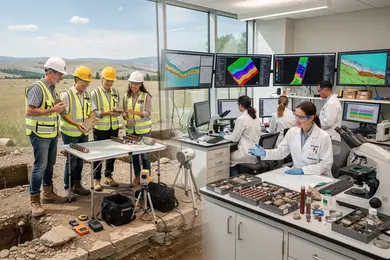
- Whether the program requires in-person fieldwork, field camp, or campus-based lab sessions
- Estimated travel, lodging, and meal costs for required field or lab components
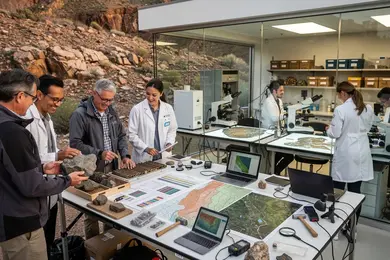
- Fees for lab kits, rock and mineral samples, mapping tools, or safety equipment
- Required software access, such as GIS, remote sensing, or data analysis platforms
- Technology requirements for online labs, including computer specifications and webcams
- Extra charges for proctored exams, online course delivery, graduation, or transcript processing
Checking these costs before enrolling helps students compare programs more accurately and avoid choosing a degree that appears cheap upfront but becomes more expensive over time.
What Is the Typical Duration of an Online Geosciences Bachelor's Degree, and How Can Students Graduate Faster?
Most online geosciences bachelor's programs require about 120 credit hours, generally completed in four years of full-time study. This timeline is similar to traditional on-campus offerings, encompassing general education, core geoscience classes, and electives. However, several pathways exist to accelerate the process while managing expenses and personal commitments.
- Accelerated Terms: Many universities offer eight-week course sessions instead of the usual 16-week semesters. This approach lets students complete more courses annually by participating in multiple condensed terms, effectively shortening time to degree.
- Continuous Enrollment: Taking advantage of summer and winter quarters enables students to avoid breaks in study, keeping progress steady and reducing total completion time.
- Competency-Based Models: Some schools implement education formats where advancement depends on demonstrated knowledge rather than fixed schedules. This flexibility benefits learners with prior experience or strong motivation to finish sooner.
- Institution Examples: Online geosciences tracks at Western Governors University and Southern New Hampshire University highlight these accelerated formats. Western Governors University, for example, reports an average completion time near three years due to its competency-based design.
Completing a degree faster not only decreases tuition costs but also lowers opportunity costs like lost earnings and delayed career growth. Prospective students should also consider transfer policies and financial aid options when planning their academic path.
A professional who enrolled in an online geosciences bachelor's to change careers shared that balancing studies with work was initially overwhelming. He described feeling intimidated by the online format but found that breaking courses into smaller, manageable segments helped maintain momentum. "It wasn't easy at first, but having flexible term options gave me control over my pace," he reflected. Navigating transfer credits and financial aid applications added complexity, yet overcoming these challenges reinforced his commitment to finishing efficiently.
Which Online Geosciences Bachelor's Programs Offer the Best Earning Potential After Graduation?
Career earnings for online geosciences bachelor's graduates vary significantly by specialization. Data from the U.S. Bureau of Labor Statistics reveals that fields like petroleum geology and mining geology consistently report median salaries exceeding $90,000 annually. These concentrations benefit from robust industry demand, especially in energy and natural resources sectors, which offer strong job stability and growth prospects.
Many of the top accredited online geosciences programs with highest graduate salaries align their curricula with these high-paying industries. Institution-specific outcomes data, including information from IPEDS and college career centers, show graduates focusing on environmental consulting, energy resources, or geospatial analysis often secure gainful employment within six months post-graduation.
- Specialization Earnings: Concentrations in petroleum and environmental geoscience typically yield the best paying online geosciences bachelor's degrees in the US due to market demand.
- Industry Alignment: Programs targeting sectors like energy and mining increase graduate job placement and long-term salary growth by matching skills to field needs.
- Graduate Success Rates: Many affordable online degrees demonstrate high employment rates shortly after graduation, indicating valuable accreditation and relevant coursework.
- Cost Efficiency: Flexible transfer credit policies and financial aid opportunities help reduce tuition cost barriers while allowing access to lucrative career paths.
- Future-Proof Skills: Studies emphasize programs offering expertise in geospatial technology or environmental consulting support sustained earning potential amid evolving market demands.
For individuals comparing costs and outcomes, examining strategies used by the cheapest online master's degree in criminal justice programs may provide useful insights into balancing affordability with career value.
What Financial Aid and Scholarship Opportunities Are Available for Online Geosciences Bachelor's Students?
Federal Pell Grants remain a vital funding source for many online geosciences students, offering need-based aid that does not require repayment. Completing the FAFSA promptly is essential, as nearly 30 million recipients secured an average award of around $5,600 recently, according to the College Board. Subsidized federal loans also provide support, with the government covering interest during enrollment to ease repayment burdens.
Many institutions extend scholarships for academic excellence or financial need, accessible to both on-campus and online learners. Additionally, several states offer grants aimed at residents in STEM programs, potentially lowering tuition costs significantly. Specialized scholarships from professional organizations like the American Geophysical Union help geosciences students by recognizing merit and supporting career growth.
Students should prioritize grants and scholarships-free funds-before considering borrowing. Timely application submissions and strategic planning enhance aid opportunities, reducing reliance on loans and long-term debt.
- Federal Pell Grants: Need-based, no-repay funding available annually through FAFSA to eligible geosciences students, crucial for offsetting costs.
- Subsidized Loans: Government-paid interest during enrollment makes these loans more affordable for students financing their education.
- Institutional Scholarships: Merit- and need-based awards offered by colleges, supporting both online and traditional geosciences students.
- State-Based Grants: Targeted funding for residents pursuing STEM fields, potentially reducing tuition at qualifying institutions.
- Professional Scholarships: Grants from geoscience organizations that provide financial aid and foster networking and academic advancement.
A professional who built her career following an online geosciences bachelor's program recalled feeling overwhelmed initially by the financial aid process. She described spending late nights navigating FAFSA forms and scouring scholarship databases. "It was challenging to keep track of deadlines and requirements, but staying organized made a huge difference," she reflected. Gaining scholarships specific to her field not only eased her financial load but also connected her with mentors and peers who proved invaluable during her studies and early career. Her experience underscores the importance of persistence and early action when seeking funding for online geosciences education.
How Many Transfer Credits Can Online Geosciences Bachelor's Programs Accept, and From Which Institutions?
Transfer credit policies among online Geosciences bachelor's programs can significantly affect both tuition expenses and the length of study. Some institutions permit students to transfer as many as 90 credits, which can notably decrease the time to degree completion and overall cost. Schools such as Thomas Edison State University and Fort Hays State University stand out for their extensive acceptance criteria, including credits earned through CLEP exams and military training recognized via the American Council on Education (ACE).
Programs commonly accept transfer credits from accredited community colleges, regionally accredited universities, and certain international institutions, though requirements vary regarding credit types and the timeframe in which credits were earned. Many universities require a minimum grade for accepted courses, although some offer more flexible policies. Military-affiliated applicants often gain added benefit from institutions that apply military experience toward degree credit, easing academic and financial challenges.
It is crucial for prospective students to conduct a detailed evaluation of their academic transcripts and prior credentials before submitting applications. Utilizing transfer advising services provided by target schools helps clarify how many credits will be credited, avoiding lost progress and redundant coursework. According to the National Center for Education Statistics, nearly 40% of undergraduate students use transfer credits, underscoring the growing importance of clear and adaptable transfer policies in online education.
- Credit Limits Vary: Some programs allow up to 90 transfer credits, while others set lower limits to maintain core curriculum standards, impacting cost savings and graduation speed.
- Source of Credits: Transfer credits often come from regionally accredited colleges, CLEP exams, and military training verified by ACE, benefiting diverse student backgrounds.
- Institutional Policies: Each university has distinct transfer agreements and acceptance criteria, making it essential to research program-specific rules carefully.
- Pre-Application Audit: Evaluating existing credits with institutional advisors before applying maximizes transferability and reduces unnecessary coursework.
- Transfer Trend: With nearly 40% of undergraduates transferring credits, online programs increasingly accommodate flexible credit transfer to attract a wider range of students.
What Accreditation Should an Online Geosciences Bachelor's Program Have to Ensure Quality and Employer Recognition?
Accreditation plays a crucial role in determining the quality and recognition of online geosciences bachelor's programs. Regional accreditation is regarded as the highest standard in U.S. higher education, granted by six main bodies including the Higher Learning Commission (HLC), Southern Association of Colleges and Schools Commission on Colleges (SACSCOC), and New England Commission of Higher Education (NECHE). These agencies enforce strict standards on faculty qualifications, curriculum, and student outcomes, making degrees from regionally accredited schools highly valued by employers and graduate programs.
Some geosciences programs may also receive programmatic accreditation from specialized organizations focused on earth or environmental sciences, which can enhance curriculum relevance but do not replace the importance of regional accreditation.
National accreditation is often associated with vocational or for-profit institutions and typically lacks the prestige of regional accreditation. Students who choose nationally accredited or non-accredited programs risk facing difficulties transferring credits and gaining employment recognition. According to a report by the National Center for Education Statistics, over 90% of reputable online degrees awarded today stem from regionally accredited institutions.
Prospective students should always verify a program's accreditation status through the U.S. Department of Education's accreditation database to avoid enrolling in disreputable schools.
- Regional Accreditation Importance: Regional accrediting bodies such as HLC, SACSCOC, and NECHE ensure that geosciences programs meet rigorous academic and institutional quality standards embraced by employers and graduate schools.
- Specialized Accrediting Bodies: Additional programmatic accreditation from geosciences-focused organizations can supplement regional accreditation by validating curriculum relevance and industry alignment.
- Risks of National Accreditation: Degrees from nationally accredited or unaccredited institutions may face challenges in credit transferability and lack employer recognition, which can limit career opportunities.
- Verification Tools: The U.S. Department of Education's accreditation database provides a reliable resource for confirming a program's legitimate accreditation status before enrollment.
- Accreditation Trends: More than 90% of online degrees today are awarded by regionally accredited schools, reflecting strong market trust and educational quality.
What Are the Admission Requirements for the Cheapest Online Geosciences Bachelor's Programs?
Admission requirements for the cheapest online geosciences bachelor's programs in the US generally include a high school diploma or GED and a minimum GPA ranging from 2.0 to 3.0, depending on the institution's selectivity. While some programs require standardized test scores such as the SAT or ACT, many affordable online degrees have embraced test-optional policies, making them more accessible to non-traditional and returning students. Flexible transfer credit policies for affordable online geosciences bachelor's degrees often complement these open-admission programs, allowing smoother credit acceptance from previous coursework.
Open-admission or rolling-admission policies commonly found at lower-cost schools simplify entry by waiving rigid GPA and test score thresholds, promoting inclusivity. In contrast, selective programs typically have stricter admissions criteria but provide enhanced academic support services, including tutoring and career counseling, and are often more recognized by employers. Prospective students should weigh these trade-offs relative to their goals and preparation.
Applicants who do not meet minimum requirements can improve their chances by focusing on relevant work experience, securing strong letters of recommendation, enrolling in prerequisite courses such as foundational math or science, and crafting a compelling personal statement expressing commitment and motivation. This approach is particularly helpful given the competitive nature of some online geosciences programs.
Students interested in related fields might also explore options like a clinical psychology online degree, which shares some admissions flexibility and program accessibility features.
- Minimum Academic Qualifications: Most programs require a high school diploma or GED with a minimum GPA around 2.0 to 3.0; standardized tests may be optional depending on the school.
- Open vs. Selective Admission: Open-admission programs allow easier entry and flexibility, while selective ones offer more academic resources and stronger employer recognition.
- Prerequisite Coursework: Some programs ask for foundational courses in math or science to ensure readiness for geosciences content.
- Test-Optional Policies: Many low-cost programs do not require SAT/ACT scores, reducing barriers for non-traditional or returning students.
- Application Strengthening Tips: Highlight relevant experience, secure strong recommendations, and write a clear personal statement to improve acceptance chances if minimum requirements aren't met.
What Concentrations or Specializations Are Available Within Affordable Online Geosciences Bachelor's Degree Programs?
Affordable online geosciences degree specializations in the United States often incorporate diverse concentration options that align academic training with evolving industry needs. These tracks empower students to target career goals in sectors with steady job growth and competitive salaries, as reported by the U.S. Bureau of Labor Statistics (BLS). Choosing a specialization involves balancing personal interest with labor market realities and potential credential requirements.
- Environmental Geoscience: This concentration emphasizes the study of earth processes and human-environment interactions. Graduates are well-positioned for roles in environmental consulting, conservation, and regulatory agencies. Median salaries hover around $65,000, with certifications such as the Certified Environmental Professional (CEP) enhancing employability.
- Hydrogeology: Focused on groundwater resources management and contamination analysis, hydrogeology prepares students for careers in government and private sectors. Median incomes often exceed $70,000, and licensure as a Professional Geologist (PG) is sometimes required.
- Petroleum Geology: Concentrating on fossil fuel exploration and extraction, this specialization offers entry into the energy sector with average salaries above $80,000 annually. Industry certifications can add value but are not always mandatory.
- Geospatial Analysis: Highlighting GIS and remote sensing, this emerging field supports careers in urban planning and disaster management. Salaries average near $60,000, and GIS certifications complement the degree to improve employment prospects.
- Mineral and Mining Geology: This path addresses mineral exploration and mine development, suited for extraction industries. Salary ranges typically span from $60,000 to $75,000, sometimes requiring state licensure or professional certification.
Prospective students seeking best online geosciences concentration options for career advancement should also consider how financial aid and transfer policies vary across programs. Combining a targeted degree with credentials found in easy certifications that pay well can further enhance career opportunities.
Can Students Earn College Credit Through CLEP, DSST, or Prior Learning Assessments in Online Geosciences Bachelor's Programs?
Programs utilizing CLEP, DSST, and Prior Learning Assessment (PLA) offer students the opportunity to earn college credit by demonstrating their existing knowledge, significantly reducing both the time and cost needed to complete a geosciences degree online. The most cost-effective programs often accept a substantial number of PLA credits, sometimes ranging from 30 to 45, through assessments like military experience, workplace training, and standardized exams.
The American Council on Education (ACE) provides a trusted system for recommending credits earned through military service and professional development, easing credit transfer and recognition. Students interested in these credit options must prepare thorough documentation, including exam scores, course outlines, certificates, or official transcripts, and submit these to their institution's registrar or PLA office for review. This process helps maximize the value of prior learning toward degree requirements.
- Credit by Examination: CLEP and DSST tests evaluate knowledge in various subjects, enabling students to bypass introductory courses and save on tuition.
- Generous PLA Policies: Leading affordable programs accept extensive PLA credits, sometimes up to 45, accelerating degree completion.
- ACE Recommendations: Credits from military and workplace learning evaluated by ACE ensure smooth acceptance across many colleges.
- Documentation Required: Students must gather detailed proof such as syllabi, certificates, and exam results for their credit assessments.
- Reduced Costs and Time: Utilizing these credit options can lower tuition expenses and shorten the path to earning a geosciences bachelor's degree.
What Is the Return on Investment (ROI) of Earning a Cheap Online Geosciences Bachelor's Degree?
Return on investment (ROI) in higher education measures the financial gain relative to the total cost of earning a degree. To calculate ROI for geosciences bachelor's degrees, one must compare all expenses-including tuition, fees, and additional costs-with projected lifetime earnings in geosciences-related jobs. Data from the Georgetown University Center on Education and the Workforce and Payscale highlight how graduates in this field often achieve higher-than-average salaries, making low-cost online programs particularly valuable.
These affordable degrees generally enable graduates to recover costs within 10 years and see continued earning growth over 20 years, surpassing the ROI of many other bachelor's degrees. By focusing on accredited programs with flexible credit transfer and available financial aid, students can enhance their ROI while minimizing debt and accelerating completion times.
- ROI Definition: ROI in education evaluates how effectively the total cost of a degree translates into increased earning potential over a career.
- Calculation Approach: Calculate all degree-related expenses and compare these with median geosciences salaries from trusted sources like Georgetown and Payscale for accuracy.
- Long-Term Earnings: Low-cost online programs usually allow graduates to recoup their investment within a decade, with salary growth maintaining a strong financial return at 20 years.
- Comparative Advantage: Geosciences degrees often outperform average bachelor's ROI due to specialized skills and workforce demand.
- Financial Strategy: Choosing programs with low tuition, credit transfer options, and financial aid can further improve ROI by reducing debt burden and time to degree completion.
What Graduates Say About Earning the Cheapest Online Geosciences Bachelor's Degree That Pays Well
- Ellie: "Choosing the online geosciences bachelor's degree program was a game-changer for me because it allowed me to balance work and study without relocating. The affordable tuition helped me avoid massive student debt, which was a huge relief. Since graduating, I've been able to step confidently into a role in environmental consulting that I love."
- Quentin: "I was initially drawn to the online geosciences bachelor's degree program because of its rigorous curriculum and flexible pacing. Reflecting on the cost, investing in this degree felt worthwhile given the career opportunities it opened, especially in natural resource management. Completing the program significantly boosted my professional qualifications and credibility in the field."
- Jace: "From a professional standpoint, the online geosciences bachelor's degree program helped me gain critical skills while working full-time. The program's cost was competitive compared to traditional education options, which made it accessible. Pursuing this degree directly contributed to my recent promotion within the energy sector, proving its value in advancing my career."
Other Things You Should Know About Geosciences Degrees
In 2027, graduates with an online Geosciences Bachelor’s degree can expect to earn an average annual salary ranging from $50,000 to $70,000. Earnings vary based on location, experience, and specific roles, with positions like environmental consultant or geospatial analyst often paying in the higher range.
Yes, some fully online geosciences bachelor's programs offer a flat tuition rate regardless of a student's residency status. These programs are often public universities aiming to expand access nationwide or private institutions with uniform pricing. This policy can substantially reduce costs for out-of-state students, making quality geosciences education affordable without regional tuition increases.
The cost per credit hour for online geosciences bachelor's degrees often ranges from below $250 to over $500, depending on the institution's funding model and location. On average, the most affordable programs charge less than the national average of approximately $350 per credit hour for comparable STEM degrees. Prospective students should consider these figures alongside tuition flexibility and available financial aid when choosing a program.
References
- The Geological Society - Degree Accreditation https://www.geolsoc.org.uk/education-and-resources/universities/university-degree-accreditation/
- 2026's Best Online Geology Degrees to Consider https://www.findbestdegrees.com/online-geology-degree/
- Best Online Geoscience Courses and Programs | edX https://www.edx.org/learn/geosciences
- Bachelor's Degree Programme Geosciences https://www.tugraz.at/en/studying-and-teaching/degree-and-certificate-programmes/bachelors-degree-programmes/geosciences
- Undergraduate Scholarship https://aipg.org/page/UndergraduateScholarship
- Prior Learning Assessment https://lynx.nhti.edu/academics/academic-policies/prior-learning-assessment/
- Geoscience https://www.csc.edu/academics/geoscience/
- The Value of Undergraduate Geoscience Courses and Programs https://nagt.org/nagt/policy/ps-valuegeo.html
- Scholarships - SEG https://seg.org/programs/student-programs/scholarships/
- Cost of an Online Degree: Calculate the Cost of Your Higher Education https://www.edumed.org/articles/cost-of-an-online-degree/