2027 Chemistry Degree Programs for Career Changers

Co-Founder and Chief Data Scientist
Mid-career professionals often face uncertainty when considering a shift into the sciences, especially chemistry, due to concerns about outdated skills and academic readiness. Approximately 40% of adult learners pursuing chemistry degrees report balancing full-time work while completing coursework, highlighting the challenge of reentry into rigorous scientific study. Despite these hurdles, the demand for skilled chemists is rising, with projected employment growth of 7% over the next decade.
This article explores chemistry degree programs tailored for career changers, offering insights into flexible pathways and support structures designed to help adults transition confidently and efficiently into new scientific careers.
Key Things to Know About Chemistry Degree Programs for Career Changers
- Many chemistry degree programs offer flexible scheduling with evening, weekend, or asynchronous online classes tailored to working adults balancing jobs and family commitments.
- Hybrid and fully online formats are increasingly common, enabling career changers to study without relocating, while maintaining practical lab components through local partnerships.
- Programs often emphasize employer relevance, aligning curricula with industry needs and offering accelerated tracks; 67% of graduates report improved job prospects within 12 months.
What chemistry programs accept career changers?
Chemistry programs that cater to working adults or professionals shifting careers focus on flexibility and relevant skill development. These programs often provide adaptable prerequisites and practical curricula that enable students to build foundational knowledge while accommodating existing commitments.
Recent data from the National Center for Education Statistics shows that over 40% of graduate students are aged 30 or older, underscoring a notable trend of adults pursuing advanced degrees to facilitate career changes.
- Post-Baccalaureate Chemistry Programs: Designed for individuals holding degrees in other fields, these programs offer flexible course sequences and part-time study options. They help career changers gain essential Chemistry knowledge without starting from scratch.
- Master's Degree in Chemistry: Many such programs welcome students with diverse academic backgrounds, allowing transfer of prior skills and focusing on applied topics. Evening and weekend classes often make it easier for working professionals to attend.
- Accelerated Bachelor's to Master's Programs: These integrated pathways reduce total time by combining undergraduate and graduate coursework. They enable career changers to complete degrees efficiently while advancing their expertise.
- Online or Hybrid Chemistry Degrees: Flexible formats like these combine virtual lectures and occasional in-person labs, helping adult learners juggle work, study, and personal responsibilities effectively.
Those searching for flexible chemistry programs for nontraditional students may find these options particularly suitable. For individuals also interested in behavioral sciences, exploring a BCBA degree might provide additional career pathways alongside Chemistry.
What chemistry specializations are best for career changers?
Selecting the right chemistry specialization is essential for career changers because it leverages existing skills and accelerates integration into new fields. Employment of chemists is projected to grow 4% through 2032, reflecting steady opportunities for qualified professionals.
Below are four top specializations ideal for career changers looking to navigate midcareer transitions effectively.
- Analytical Chemistry: Focuses on problem-solving and data interpretation, making it highly accessible to professionals from fields such as engineering and data science. Its emphasis on precision and measurement offers versatile skills that transfer well across industries.
- Environmental Chemistry: Well-suited for those passionate about sustainability with opportunities in regulatory agencies, conservation efforts, or public health sectors. This specialization allows career changers to contribute to environmental solutions while building on existing knowledge.
- Pharmaceutical Chemistry: Ideal for individuals with backgrounds in biology or healthcare, concentrating on drug development and testing. It combines scientific rigor with real-world application in medicine, aiding in smooth career mobility.
- Materials Chemistry: Bridges chemistry and engineering, appealing to those interested in innovation, manufacturing, or technology development. This specialization offers diverse roles in industries focused on new materials and product design.
For professionals exploring career shifts beyond chemistry, pursuing a counseling degree online can also be a complementary path worth considering. These fields represent some of the top chemistry degree tracks for midcareer professionals aiming to maximize their career adaptability in the United States.
What are the admission requirements for career changers applying to a chemistry program?
Admission requirements for career changers applying to a chemistry program often address the unique challenges faced by nontraditional students balancing work, family, and study commitments. Nearly 40% of undergraduates in the U.S. are nontraditional students, reflecting growing demand for flexible admissions pathways. Below are common prerequisites tailored to support career changers transitioning into chemistry degrees.
- Prerequisite Coursework: Completion of fundamental science courses such as biology, physics, and introductory chemistry is typically required to build essential knowledge. Programs may offer bridge courses to help those without a traditional science background meet these expectations.
- Academic Records: Submission of transcripts from prior degrees or certifications demonstrates academic achievement and readiness. Many programs consider transferable skills from previous careers when evaluating applications.
- Standardized Tests: Some programs waive standardized testing for adult learners or accept alternative assessments, recognizing different professional and educational backgrounds.
- Personal Statement: A clear explanation of motivation for the career change and long-term goals helps admissions committees understand an applicant's commitment and fit.
- Letters of Recommendation: These may be flexible, allowing professional or academic references that highlight transferable skills and relevant experience.
Flexible scheduling options such as evening, weekend, or online classes support working professionals pursuing chemistry degrees. Adult learners might also benefit from alternative admissions pathways, including portfolio assessments, to accommodate diverse educational histories.
For those exploring other fields while managing multiple responsibilities, consider programs like an online psychology degree that also emphasize flexible formats and adult learner engagement.
What is the coursework for a chemistry degree for career changers?
For career changers, grasping the structure and focus of chemistry coursework is essential to effectively plan how to incorporate this new field into an existing professional path. Knowing what the curriculum involves can help manage time and take advantage of program features designed for adult learners. Here are the main components typically found in a chemistry degree program:
- Foundational Chemistry: This section covers basic principles such as atomic structure, chemical bonding, and stoichiometry, creating a necessary base before moving into more specialized topics. Programs often offer flexible pacing options to support diverse student backgrounds.
- Organic Chemistry: Focused on carbon-based compounds and their reactions, these courses emphasize practical applications relevant to various science industries, with some programs incorporating online labs or hybrid models to accommodate working students.
- Analytical Chemistry: Students learn quantitative methods and instrumentation vital for chemical analysis. Coursework is often designed to balance theory with hands-on practice, sometimes through virtual simulations.
- Physical Chemistry: Integrating math and physics concepts, this area explains chemical behaviors at a theoretical level. Calculus prerequisites may apply, but many programs provide supplemental resources to ease the transition.
- Biochemistry: This area links chemistry to biological systems, opening pathways to fields like pharmaceuticals. Elective options allow learners to tailor studies to align with their career aims.
- Laboratory Experience: Practical labs are a core component, teaching experimental techniques and safety. Flexible scheduling and remote lab alternatives often accommodate adult students balancing work.
A professional who recently earned an online chemistry degree shared his experience, highlighting the mix of challenges and supports. "Balancing a full-time job with the lab assignments was tough," he recalled, "but the asynchronous lectures let me study late at night when I had more energy."
He appreciated the availability of virtual labs especially during times when in-person sessions were impossible."I felt a bit overwhelmed initially, especially with physical chemistry, but having access to tutors and discussion forums made a difference." He concluded, "This program felt tailored for someone like me changing careers. It gave structure without being rigid."
What chemistry program formats are available for career changers?
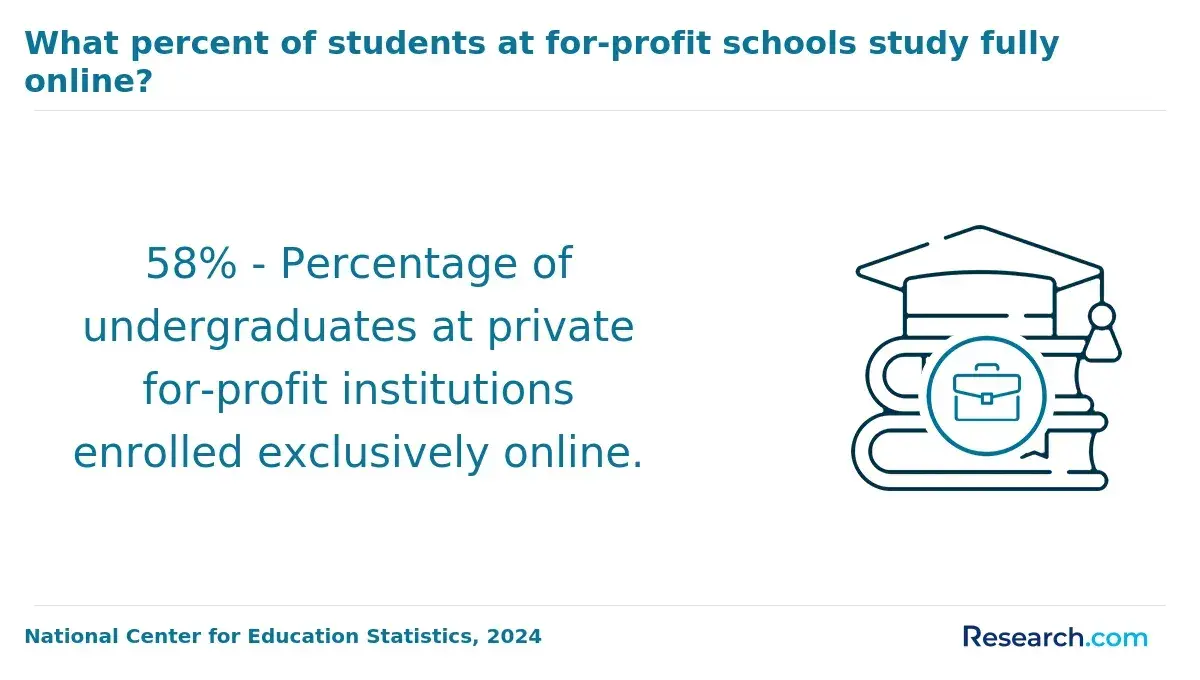
Flexible program formats are essential for career changers balancing education with work and personal obligations. Recent data from the National Center for Education Statistics shows adult enrollment in online courses increased by over 40%, highlighting the growing preference for adaptable learning options. Below are the primary chemistry program formats designed to meet these needs.
- Traditional On-Campus: Offers a structured setting with in-person lectures and lab sessions, best suited for those who can attend classes regularly. It provides direct interaction but may pose scheduling difficulties for full-time workers.
- Fully Online: Enables students to complete most coursework remotely, maximizing flexibility. While lab work may involve brief campus visits or virtual simulations, this format is ideal for professionals requiring a remote study option.
- Hybrid Programs: Combine online classes with occasional on-site labs or seminars. This approach balances hands-on experience with flexible scheduling, catering well to adults who seek both convenience and practical engagement.
- Evening and Weekend Classes: Designed for working professionals, these courses occur outside of standard hours. They allow students to maintain employment while progressing through their degree without conflicts.
What skills do career changers gain in a chemistry program?
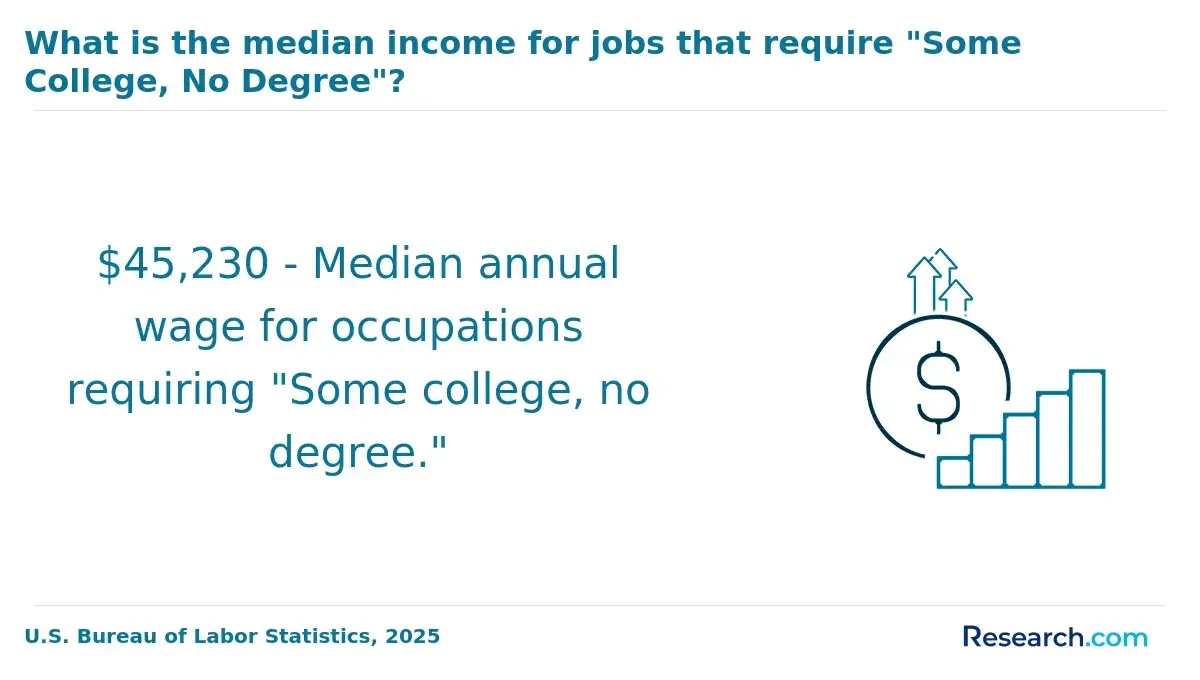
As career changers reenter the workforce or shift industries, developing transferable skills is critical; recent data shows that 87% of employers prioritize these skills over direct job experience when hiring mid-career professionals. Gaining practical abilities through a chemistry program equips adult learners to confidently navigate new career paths. Here are five essential skills commonly acquired:
- Analytical Thinking: Chemistry training sharpens the ability to interpret complex data and approach problems systematically, a strength that applies broadly from quality assurance to innovative research roles.
- Laboratory Techniques: Hands-on experience with scientific instruments and experimental protocols readies graduates for technically demanding positions in sectors such as pharmaceuticals and environmental monitoring.
- Attention to Detail: Precision in measurements and documentation fosters dependability, a key asset in fields requiring strict regulatory adherence and manufacturing accuracy.
- Scientific Communication: Developing skills for clear reporting and presenting results enhances effectiveness in technical writing, education, and team collaboration.
- Project Management: Organizing and executing experiments cultivates time management and coordination abilities, which are transferable to managing complex tasks across many industries.
When asked about her experience, a career changer who completed a chemistry degree reflected on the challenge of balancing studies with a full-time job and family commitments. She emphasized how the persistence required to master difficult concepts and laboratory work strengthened her resilience and adaptability.
"Completing the program wasn't just about acquiring knowledge," she explained. "It was about learning how to break down complicated problems and communicate findings clearly under pressure." This blend of technical expertise and personal growth gave her the confidence to transition smoothly into a new profession, demonstrating how the skills gained extend well beyond the classroom.
How much does a chemistry degree cost for career changers?
Career changers must carefully evaluate the total cost of earning a chemistry degree, given the significant financial and time commitments involved. Graduate borrowers now carry an average student debt of about $71,000, highlighting the need to plan expenses strategically. Below are the main cost components to consider when pursuing affordable chemistry programs for adult learners.
- Tuition and Fees: These vary widely, with public institutions generally charging lower rates than private ones. Yearly tuition for full-time study typically ranges from $10,000 to $30,000. Part-time or flexible schedules may extend completion time but allow working professionals to balance income with education expenses.
- Textbooks and Lab Materials: Required materials can add several hundred to over a thousand dollars annually. Lab supplies often represent a recurring expense that might be higher in science-intensive programs like chemistry.
- Living Expenses: Costs such as housing, food, and transportation impact the overall budget, especially for those attending in-person classes. Online or hybrid courses can reduce these expenses significantly for career changers who want to stay local or continue working.
- Employer Tuition Assistance: Many professionals benefit from employer reimbursement programs, which can substantially lower out-of-pocket costs and enable steady income while studying.
- Cost-Saving Options: Pathways such as online courses, in-state tuition discounts, and accelerated programs make earning a chemistry degree more affordable. Prospective students should also explore federal student loans and scholarships designed for adult learners.
Career changers interested in science fields should also review the best degrees to make money to understand how a chemistry degree can lead to lucrative opportunities and a rewarding career transition.
How does a chemistry curriculum support career transitions?
Curriculum design is especially important for career changers because it must offer both depth and flexibility, accommodating learners who often balance studies with existing professional or personal responsibilities. A well-crafted chemistry curriculum enables students to build essential skills while adapting to their unique pace and goals. The following features illustrate how a chemistry curriculum supports career transitions:
- Applied Learning: Chemistry programs emphasize hands-on laboratory work and real-world problem solving, allowing students to develop practical expertise that directly applies to new career paths.
- Transferable Skills: Critical thinking, data analysis, and scientific communication are cultivated throughout coursework, equipping students with versatile skills valuable in multiple industries during their career transition.
- Flexible Pacing: Course structures often accommodate working adults with part-time options and online components, enabling learners to progress according to their own schedules without sacrificing quality.
- Interdisciplinary Projects: Integrating chemistry with fields such as biology, engineering, and technology broadens perspectives and prepares students for diverse roles beyond traditional laboratory positions.
- Industry Relevance: Exposure to current technologies and methodologies ensures that students graduate with competencies aligned to workforce demands, making the transition smoother and more confident.
These elements collectively address both the academic and practical needs of career changers, making a chemistry degree a strategic choice. Many students interested in career transitions also explore online degrees that pay well, allowing them to maximize their investment in education while targeting fields with strong employment prospects.
What careers can career changers pursue with a chemistry?
For professionals considering a career shift into chemistry, recognizing potential job paths enables strategic planning and skill alignment. The U.S. Bureau of Labor Statistics projects a 5% growth in chemistry-related roles from 2022 to 2032, underscoring consistent demand across multiple industries. Here are some common careers suited for those with a background in chemistry:
- Analytical Chemist: Conduct comprehensive chemical testing and quality assurance, drawing on problem-solving abilities honed in previous professions to maintain accuracy and regulatory standards.
- Pharmaceutical Researcher: Engage in the creation and evaluation of new medications, utilizing laboratory techniques and critical analysis skills to drive innovation within healthcare.
- Environmental Scientist: Analyze ecological data and design programs for sustainability, leveraging expertise in data interpretation and project coordination from prior experience.
- Chemical Technician: Assist with laboratory experiments and upkeep of scientific apparatus, applying technical know-how and meticulous attention to detail developed in earlier roles.
- Science Educator: Deliver chemistry instruction across educational settings, relying on communication strengths and mentorship capabilities to support student learning and development.
What is the average salary after earning a chemistry degree as a career changer?
Salary expectations play a crucial role for professionals shifting careers, as income potential influences both financial security and motivation during the transition. Research from Georgetown University's Center on Education and the Workforce shows reskilled workers often see a median salary growth of about 16% compared to their former roles. Below are typical salary insights for those earning a chemistry degree.
- Entry-Level Salaries: Starting pay for chemistry graduates generally falls between $50,000 and $65,000 annually, reflecting initial stages of expertise development.
- Experienced Chemists: Individuals with significant experience, especially in pharmaceutical or chemical manufacturing sectors, can expect earnings ranging from $70,000 to $90,000 per year.
- Research and Development Roles: Specialized positions in R&D may offer salaries exceeding $100,000 after accumulating several years of relevant experience and skills.
- Location and Demand: Geographic factors and the current market demand for chemistry professionals strongly affect salary levels across different regions.
- Advanced Credentials: Holding professional certifications, graduate degrees, or industry-specific expertise can notably increase compensation opportunities beyond typical salary brackets.
What Graduates Say About Their Chemistry Degrees for Career Changers
- Austin: "Changing careers to pursue a chemistry degree was intimidating at first, especially considering the average cost of attendance hovers around $30,000 per year. However, investing in this education opened numerous doors I hadn't anticipated, allowing me to transition confidently into pharmaceutical research. It feels empowering to have made such a pivotal change that aligns with both my passion and professional goals."
- Dave: "I spent years in a different field before deciding that a career in chemistry was my true calling, and the financial aspect was a real concern. The cost was significant, but scholarships and financial aid made it manageable. Reflecting on the journey, completing my chemistry degree was transformative, equipping me with the skills and credibility needed to thrive in a highly technical industry."
- Mitchell: "Professionally, the decision to switch to chemistry was strategic, given the demand for experts in environmental science. The tuition fees were substantial, but I viewed them as an investment in long-term career growth. Successfully earning my degree gave me a competitive edge and greatly expanded my opportunities in consulting. "
Other Things You Should Know About Chemistry Degrees
Accreditation is crucial for 2027 chemistry degree programs for career changers. It ensures the program meets high educational standards, which can be vital for future employment and further education. Accredited programs often provide up-to-date curriculum that aligns with industry needs, enhancing career prospects for those switching fields.
Career changers pursuing a chemistry degree in 2027 often face challenges such as adapting to rigorous coursework, balancing studies with personal responsibilities, and bridging gaps in foundational science knowledge. Additionally, they may encounter difficulties transitioning from their previous careers to academic life, requiring strong time management and study skills.
References
- Career decisions https://www.rsc.org/funding-and-support/careers/career-support/career-decisions
- What Can You Do With a Chemistry Degree? https://willamette.edu/academics/college/chemistry/career-options
- What jobs can I do with a chemistry qualification? | RSC Education https://edu.rsc.org/future-in-chemistry/career-options/what-jobs-can-i-do
- Online Chemistry Undergraduate Tutors Spires | Maximising Your Chemistry Potential: Achieving Your Goals And Ambitions https://spires.co/online-chemistry-tutors/undergraduate/maximising-your-chemistry-potential-achieving-your-goals-and-ambitions
- Future Undergraduate Students https://www.chem.queensu.ca/undergraduate/future-undergraduate-students
- Graduating with a degree in Chemistry? Here are some career paths to consider. https://ckgroup.co.uk/candidate/career-zone/job-hunting-advice/graduating-with-a-degree-in-chemistry-here-are-some-career-paths-to-consider/
- From Lab Bench to Breakthroughs: Career Pathways for Chemists in Life Sciences https://www.hyperec.com/blog/from-lab-bench-to-breakthroughs-career-pathways-for-chemists-in-life-sciences/
- Transitions Program - The Chemical Institute of Canada https://www.cheminst.ca/conference/canadian-chemistry-conference-and-exhibition-csc-2024/program/transitions-program/
- Chemistry Degree Programs https://www.academicinfo.net/chem
- The State of Jobs in Analytical Chemistry: A Deep-Dive into the Latest Trends in Salaries, Jobs, and Career Growth in Chromatography | LCGC International https://www.chromatographyonline.com/view/the-state-of-jobs-in-analytical-chemistry-a-deep-dive-into-the-latest-trends-in-salaries-jobs-and-career-growth-in-chromatography