2027 Communication Disorders Degree Master's Programs You Can Start Without Meeting All Requirements

Co-Founder and Chief Data Scientist
A master’s in communication disorders is often the required academic step for people preparing for advanced work in speech-language pathology, audiology-related fields, clinical support, research, or communication sciences. The difficult part is that many applicants discover they are missing something: prerequisite coursework, observation hours, a stronger GPA, test scores, or a directly related undergraduate major.
That does not always mean you have to stop and start over. Some programs use conditional admission, bridge coursework, prerequisite plans, or holistic review to let qualified students begin the path while completing missing requirements. These options can be especially useful for career changers, working professionals, and applicants from psychology, education, linguistics, healthcare, or human services backgrounds.
This guide explains which communication disorders master’s programs may allow flexible entry, what requirements still matter, how conditional admission works, and what risks to check before enrolling. It also covers financial aid, online program legitimacy, low-GPA strategies, and what happens if you do not complete the conditions on time.
Key Benefits of Communication Disorders Degree Master's Programs You Can Start Without Meeting All Requirements
- Programs with flexible admissions offer conditional acceptance, enabling students to enroll while completing prerequisite coursework.
- Students may fulfill missing requirements during the program, reducing delays and streamlining progress toward their degree.
- These pathways provide faster access to graduate training, benefiting motivated applicants who lack traditional credentials but demonstrate potential.
What Communication Disorders Degree Master's Programs You Can Start Without Meeting All Requirements?
You may be able to start certain communication disorders master’s programs without meeting every traditional requirement, but “without all requirements” usually means conditional, provisional, bridge, or prerequisite-based admission—not admission with no standards. Programs still evaluate academic readiness, professional fit, and the likelihood that you can complete missing coursework before clinical training begins.
Nationwide, these options have grown by approximately 25% over the past five years, reflecting a shift toward broader access for students who have strong potential but nontraditional academic backgrounds.
- Speech-language pathology programs: Some programs allow provisional admission for students who need undergraduate leveling courses before moving fully into clinical graduate coursework. This is common for applicants whose bachelor’s degree is outside communication sciences and disorders.
- Auditory and hearing sciences tracks: These tracks may allow students to begin academic coursework while completing clinical observation hours or foundational hearing science requirements.
- Communication sciences research tracks: Research-focused options may prioritize academic writing, methodology, statistics, and faculty research fit while delaying certain clinical expectations until later in the plan of study.
- Augmentative and alternative communication (AAC) pathways: AAC-focused coursework may be accessible to students with backgrounds in education, assistive technology, disability services, or rehabilitation, even if they have not completed every clinical prerequisite.
- Multicultural communication disorders tracks: These programs may support students who are still completing cultural competency, language-related, or foundational communication disorders requirements while beginning graduate-level study.
The best candidates for these flexible pathways are usually students who can explain their academic gaps clearly and show a practical plan for closing them. If you are comparing timelines, it can also help to review broader resources on quick online degrees that can lead to strong career outcomes, but communication disorders programs should be evaluated carefully because clinical preparation, accreditation, and licensure requirements can limit how fast you can realistically finish.
What Are the Typical Admission Requirements for a Communication Disorders Master's Degree?
Typical admission requirements for a communication disorders master’s degree include a bachelor’s degree, prerequisite coursework, a minimum GPA, recommendation letters, a personal statement, and sometimes GRE scores. About 40% of programs consider multiple evaluation factors beyond traditional test scores, which means a weaker area may be balanced by strong preparation elsewhere.
Requirements vary by school, but most programs use the following criteria to decide whether applicants are ready for graduate-level academic and clinical training.
- Undergraduate degree: Many programs prefer or require a bachelor’s degree in communication disorders, speech-language pathology, audiology, communication sciences, or a closely related field. Applicants from other majors may need leveling courses in areas such as anatomy, linguistics, language development, phonetics, psychology, or hearing science.
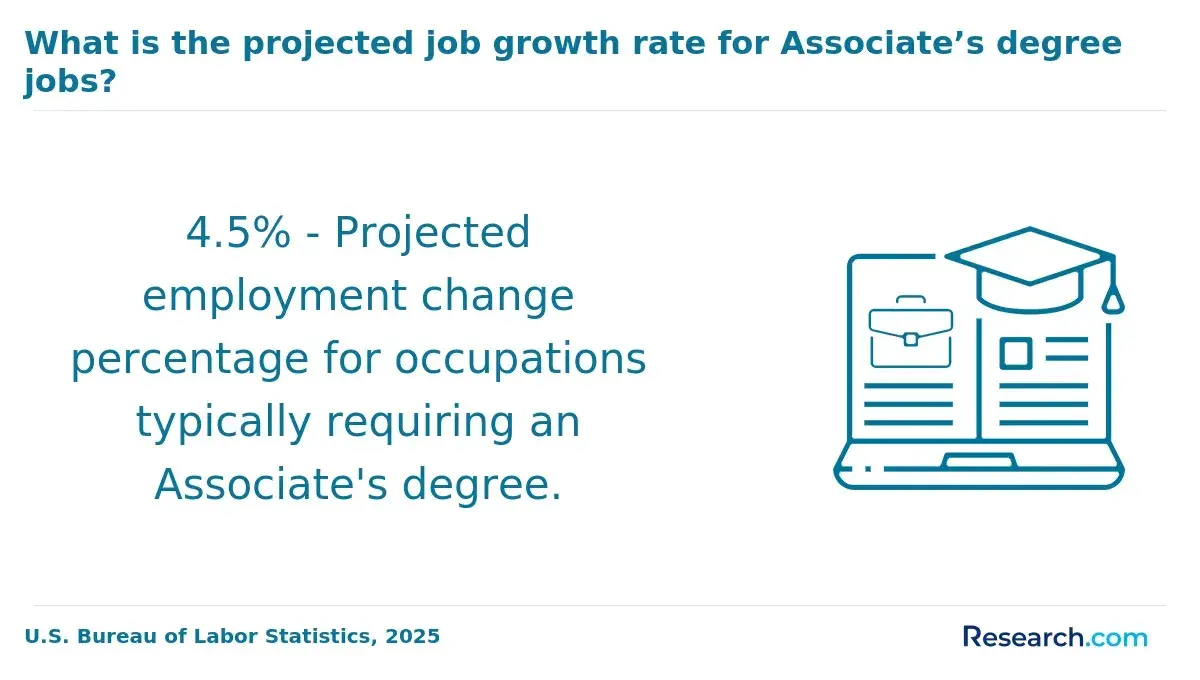
- GPA expectations: Many programs expect a minimum undergraduate GPA, typically around 3.0 on a 4.0 scale. A lower GPA does not automatically end your options, but it usually means you need stronger evidence of readiness, such as recent A-level prerequisite work or relevant professional experience.
- Standardized test scores: Some programs formerly required the GRE, while others now waive it or make it optional. The GMAT is generally less relevant for communication disorders than for business programs, but always check the specific admissions page.
- Recommendation letters: Programs commonly request two or three letters from faculty members, supervisors, clinicians, or employers who can address your academic ability, communication skills, professionalism, and readiness for graduate study.
- Personal statement: A strong statement should explain why you are pursuing communication disorders, what population or setting interests you, how your experience prepared you, and how you plan to address any missing requirements.
- Clinical observation or experience: Some programs ask for documented observation hours or related exposure. Others allow students to complete these hours after admission but before practicum placement.
If you are planning a longer academic path, a master’s degree may later support doctoral study, research, teaching, or leadership roles. Students comparing future options may also want to review affordable online doctorate programs, but doctoral admission and professional licensure requirements should be reviewed separately from master’s admission standards.
Can You Get Into a Communication Disorders Master's Program Without the GRE or GMAT?
Yes, you can get into many communication disorders master’s programs without the GRE or GMAT if the program is test-optional, test-blind, or offers a waiver. Over 70% of graduate programs have adopted test-optional or test-waiver policies recently, so standardized tests are no longer the central requirement they once were for many applicants.
However, no-test admission does not mean easier admission. When test scores are absent, programs often look more closely at your GPA, prerequisite grades, writing quality, recommendations, clinical exposure, and fit with the program.
- Test-optional policies: These programs let you decide whether GRE scores strengthen your application. If your scores are average or below average, you may be better off focusing on coursework, experience, and recommendations.
- Test-waiver policies: Some schools waive testing for applicants who meet conditions such as a strong GPA, previous graduate coursework, professional experience, or completion of specific prerequisite courses.
- Professional experience: Work in schools, clinics, early intervention, special education, rehabilitation, healthcare, or communication support roles can help show readiness, especially when it connects clearly to your goals.
- GPA-based review: A strong undergraduate GPA or strong recent grades in communication disorders prerequisites can reduce the need for standardized test evidence.
- Holistic review: Admissions committees may weigh your personal statement, recommendation letters, transcript trend, volunteer work, research experience, and life experience alongside academic metrics.
If you apply without test scores, make the rest of your application specific. Do not simply say you are passionate about helping people communicate. Explain what you have observed, what skills you have built, what populations interest you, and why this program’s format and requirements match your preparation.
Can You Get Into a Communication Disorders Master's Program With a Low GPA?
You may be able to get into a communication disorders master’s program with a low GPA, but you need to be strategic. GPA remains important because the curriculum is demanding and often tied to clinical progression. Still, about 40% of related graduate programs offer holistic reviews or conditional admission pathways for applicants who do not meet the standard GPA threshold.
The key question is not only “Is my GPA too low?” but “Can I prove I am academically ready now?” Programs may be more open to applicants whose lower GPA came from earlier academic struggles but who later completed strong prerequisite or post-baccalaureate coursework.
- Conditional admission: Some schools admit students provisionally and require them to earn specific grades in the first term or complete additional coursework before full standing is granted.
- Strong prerequisite performance: High grades in recent courses such as phonetics, anatomy and physiology of speech and hearing, language development, audiology, and statistics can help offset a weaker cumulative GPA.
- Professional experience: Relevant experience in schools, clinics, special education, healthcare, behavioral services, or disability support can demonstrate maturity and commitment.
- Recommendation letters: Letters should address your current readiness, not simply your character. The strongest recommenders can explain why your GPA does not reflect your present ability.
- Clear explanation of academic context: If illness, family responsibilities, work demands, military service, or other circumstances affected your grades, explain briefly and professionally. Focus on what changed and how you now manage academic demands.
- Additional coursework before applying: Taking upper-level or prerequisite courses and earning strong grades can be one of the most direct ways to rebuild an academic record.
Applicants still completing their undergraduate education should protect their GPA early and choose a financially sustainable path when possible. For students comparing lower-cost undergraduate options, this guide to the most affordable online bachelor’s degrees may be useful before planning for graduate study.
Can You Start a Communication Disorders Master's Program Without Completing Prerequisite Courses?
Yes, some communication disorders master’s programs allow students to start before completing all prerequisite courses, but this usually comes with strict conditions. Around 40% of these programs offer options such as bridge courses or concurrent enrollment. The missing prerequisites must typically be completed before advanced clinical coursework, practicum, or full admission status.
This option can save time for career changers, but it can also create a heavy workload. Before accepting an offer, ask the program which courses are missing, when they must be completed, whether they count toward graduate credits, and whether failing to complete them affects financial aid or progression.
- Provisional admission: Students are admitted with a written plan for completing missing prerequisites within a specific timeframe. This path requires close advising and careful scheduling.
- Bridge or leveling courses: These courses fill foundational gaps in communication sciences and disorders. They may be required before full graduate standing or before clinical placement.
- Concurrent enrollment: Students take prerequisite and graduate-level courses during the same term. This can shorten the timeline but may be difficult for students working full time.
- Professional experience substitution: In limited cases, relevant work may satisfy certain readiness expectations, but formal coursework is still commonly required for licensure-aligned programs.
- Competency-based review: Some institutions may review portfolios, prior coursework, or assessments to determine whether a requirement has already been met.
Before choosing this route, request a written degree plan. Verbal assurances are not enough. You need to know the exact courses, sequence, grades required, deadlines, and consequences if a class is not available when you need it.
What Are Bridge Programs for Communication Disorders Master's Degrees?
Bridge programs for communication disorders master’s degrees are structured pathways for students who do not have all the undergraduate preparation normally expected for graduate study. They are often designed for career changers or students whose bachelor’s degree is in another field.
A bridge program may be offered before the master’s degree, during the first part of the master’s plan, or as a combined conditional admission route. Its purpose is to make sure students have the foundation needed for advanced coursework and clinical training.
- Preparatory coursework: Bridge courses commonly cover speech and hearing anatomy, phonetics, language development, audiology basics, speech science, hearing science, and normal communication development.
- Conditional admission connection: Some programs admit students provisionally and move them into full standing after they complete bridge requirements with the required grades.
- Skill development: Bridge programs may introduce clinical observation, documentation, research literacy, professional ethics, and academic writing expectations.
- Curriculum alignment: The strongest bridge programs are clearly mapped to the master’s curriculum, so students know how each course supports later clinical and academic requirements.
- Timeline efficiency: A well-designed bridge pathway may reduce delays compared with taking disconnected prerequisite courses at multiple institutions.
| Bridge option | Best for | Main caution |
| Pre-master’s leveling sequence | Applicants missing several foundational courses | May add time before official graduate enrollment |
| Conditional admission with bridge courses | Students admitted while completing missing requirements | Progress depends on meeting grade and deadline conditions |
| Concurrent bridge and graduate coursework | Highly organized students with fewer missing courses | Workload can be intense, especially for working adults |
When comparing bridge programs, ask whether the courses are graduate or undergraduate level, whether credits apply to the degree, whether the program is tied to an accredited graduate pathway, and whether completing the bridge guarantees full admission or only makes you eligible to continue.
Are Online Communication Disorders Master's Programs With Flexible Entry Legitimate?
Online communication disorders master’s programs with flexible entry can be legitimate, but flexibility should never replace accreditation, clinical quality, faculty expertise, and clear licensure alignment. A program may be online and still rigorous; it may also be flexible and still selective. The concern is not the online format itself but whether the program can actually prepare students for the professional outcomes they want.
- Accreditation: Credible programs typically hold appropriate institutional accreditation and, where relevant, programmatic accreditation from recognized organizations such as the Council on Academic Accreditation in Audiology and Speech-Language Pathology (CAA). Accreditation is especially important for students seeking certification or licensure pathways.
- Licensure alignment: Students should verify whether the program meets education requirements in the state where they plan to work. Online programs may enroll students nationwide, but state licensing rules can differ.
- Clinical placement support: For clinically oriented programs, ask how practicum placements are arranged, who approves sites, what supervision is required, and whether the school helps students secure placements near their location.
- Faculty qualifications: Faculty should have relevant academic credentials, clinical experience, research expertise, or professional credentials in communication disorders, speech-language pathology, audiology, or related areas.
- Curriculum quality: The curriculum should cover foundational science, assessment, intervention, ethics, research, multicultural practice, and clinical preparation where applicable.
- Student support: Online students need advising, technical support, academic support, career guidance, and clear communication about deadlines and progression requirements.
Warning signs include vague accreditation language, unclear clinical placement policies, pressure-based admissions tactics, no published faculty information, unrealistic completion promises, or failure to explain licensure limitations. Before enrolling, ask for written documentation about accreditation, clinical requirements, total cost, transfer credit, and the conditions attached to flexible admission.
Can Conditional Admission Students Receive Financial Aid for Communication Disorders Master's Programs?
Conditional admission students may receive financial aid for communication disorders master’s programs, but eligibility depends on enrollment status, institutional policy, accreditation, program classification, and whether the student is taking degree-applicable coursework. Nearly 56% of graduate students receive some form of financial aid, including federal aid, so it is important to confirm eligibility before accepting a conditional offer.
- Enrollment status: Students generally need to be enrolled at least half-time for many forms of federal financial aid. If you are taking only one prerequisite course or a non-degree leveling course, you may not meet the requirement.
- Degree-seeking status: Some aid is available only to students officially admitted to a degree program. Conditional admission may qualify at one school but not another, depending on how the institution classifies the student.
- Accreditation: Federal aid eligibility generally depends on attendance at an eligible accredited institution. Programmatic accreditation can also matter for long-term professional goals.
- FAFSA timing: Students should complete the Free Application for Federal Student Aid (FAFSA) accurately and by the relevant deadlines. Conditional admission does not remove the need to file on time.
- Satisfactory academic progress: Schools may require conditional students to meet grade, credit, and completion standards to keep aid. Missing a prerequisite deadline can affect both enrollment and aid eligibility.
- Institutional aid rules: Scholarships, assistantships, and tuition discounts may have stricter requirements than federal aid. Some may be unavailable until full admission is granted.
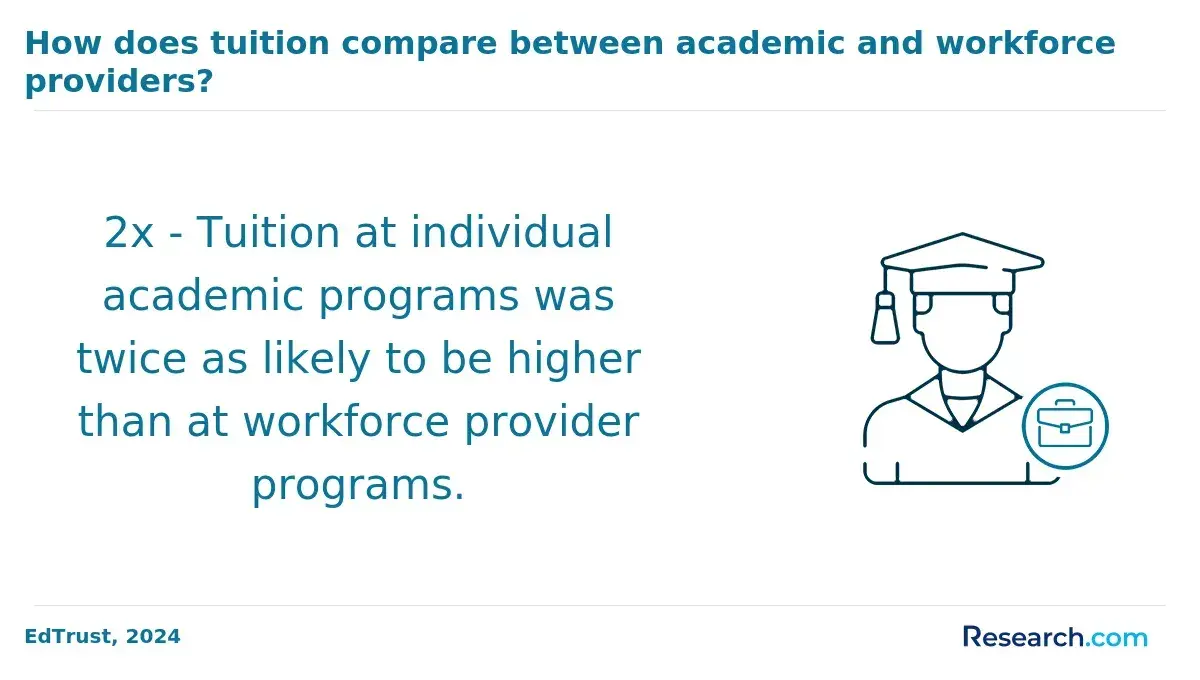
Before enrolling, ask the financial aid office whether your conditional status qualifies for federal loans, institutional aid, assistantships, and scholarships. Also ask whether prerequisite or bridge courses are billed at undergraduate or graduate tuition rates. Cost-conscious students comparing online options may want to review affordable online master’s programs as well as most affordable online slp programs when evaluating total degree cost.
How to Improve the Chances of Getting Into a Communication Disorders Master's Program Without Meeting All Requirements?
To improve your chances of getting into a communication disorders master’s program without meeting all requirements, you need to show two things: that you understand the gaps in your record and that you have a realistic plan to close them. Around 20% of enrolled students gain acceptance through flexible or conditional pathways, but those pathways still reward preparation, clarity, and evidence of readiness.
- Contact admissions before applying: Ask whether the program considers applicants with missing prerequisites, low GPA concerns, no GRE scores, or unrelated undergraduate majors. Do not guess based on general graduate school policies.
- Complete key prerequisite courses early: If possible, take missing foundational courses at an accredited institution before or during the application cycle. Strong recent grades can strengthen your file more than a general promise to improve.
- Highlight relevant professional experience: Emphasize work in clinics, schools, special education, early childhood programs, rehabilitation, behavioral health, disability services, tutoring, or language support. Connect the experience directly to communication disorders.
- Secure targeted recommendation letters: Choose recommenders who can discuss your academic ability, professionalism, communication skills, reliability, and readiness for clinical or research training.
- Write a specific personal statement: Explain why you are pursuing the field, what you have done to prepare, why you are missing certain requirements, and how you will handle the demands of a conditional or bridge pathway.
- Address GPA issues with evidence: If your GPA is low, point to recent strong coursework, changed circumstances, or documented growth. Avoid excuses; focus on current readiness.
- Build field exposure: Observation, volunteering, shadowing, aide work, research assistance, or professional workshops can help confirm your interest and give you stronger material for your application.
- Apply selectively: Target programs that explicitly mention conditional admission, leveling coursework, bridge tracks, holistic review, or non-CSD applicant pathways.
Applicants considering adjacent graduate study while preparing for communication disorders may also review options such as a data science master’s online, especially if they are interested in research, analytics, health technology, or language-related data applications. Still, if your goal is clinical communication disorders practice, confirm that any alternative degree supports—not replaces—the required professional pathway.
The strongest applications are honest and organized. Make it easy for the admissions committee to see what you have completed, what remains, and why you are likely to succeed if admitted conditionally.
What Happens If You Don't Complete Communication Disorders Master's Conditional Admission Requirements on Time?
If you do not complete conditional admission requirements on time, you may lose full admission eligibility, face academic restrictions, delay graduation, or be dismissed from the program. Conditional admission is not a suggestion; it is a formal agreement between you and the school.
- Academic probation: Students who miss grade, course, or deadline requirements may be placed on probation. This status can limit progression and may require an improvement plan.
- Blocked progression: You may be prevented from enrolling in advanced courses, clinical practicum, internships, or research requirements until the condition is satisfied.
- Loss of enrollment privileges: Some programs withdraw students from courses or dismiss them if conditional requirements are not completed within the stated timeframe.
- Graduation delays: Missing a prerequisite deadline can push back course sequencing, practicum eligibility, and graduation, especially when courses are offered only once per year.
- Additional coursework: Programs may require remedial or repeated coursework if you do not meet the required grade or competency standard.
- Financial aid impact: Failure to meet conditions may affect scholarships, assistantships, federal aid eligibility, or satisfactory academic progress status.
Before the first term begins, keep a copy of your conditional admission letter and degree plan. Confirm the required courses, minimum grades, deadlines, and appeal process. If you fall behind, contact your advisor immediately rather than waiting until the deadline passes.
What Graduates Say About Communication Disorders Degree Master's Programs You Can Start Without Meeting All Requirements
- Mia: "When I first applied, I was missing a couple of prerequisite courses in communication disorders, so the conditional admission was a real lifesaver. The program's cost was a bit daunting at first, but the flexible payment options made it manageable. Pursuing this degree has reinvigorated my career, allowing me to work confidently with diverse clients, which is incredibly fulfilling."
- Hailey: "Initially, I struggled to meet the GPA requirements, so conditional acceptance gave me the chance I needed to prove myself. The tuition was higher than I expected, but the investment truly paid off as I landed a specialized role that wouldn't have been possible otherwise. Looking back, the experience taught me resilience and opened doors I hadn't imagined before."
- Beatriz: "I couldn't complete all the required volunteer hours prior to applying, which led to my conditional admission. While the cost of the communication disorders master's program was substantial, the career growth and increased earning potential have made every dollar worthwhile. This degree has positioned me as a knowledgeable professional in the field and boosted my confidence when collaborating with other clinicians."
Other Things You Should Know About Communication Disorders Degrees
Yes, some programs offer alternative pathways or post-master's certificate options that allow students to fulfill clinical and academic requirements after graduation. These pathways may extend the timeline for full licensure but provide opportunities for those who did not meet all standard prerequisites before starting the program.
In 2027, communication disorders graduate programs often assess professional experience by examining a candidate's work history, related skills, and accomplishments in the field. This practical experience can sometimes compensate for missing prerequisites, providing a pathway to admission by demonstrating a candidate's capability and commitment to the discipline.
References
- Non-Background Master of Science in Speech-Language Pathology (Bridge Program) (MSSLP) https://catalog.samford.edu/preview_program.php
- SLP Master's Pre-Requisite Courses https://www.nymc.edu/shsp/programs/speech-language-pathology/admissions/pre-requisites/
- University of Montevallo https://bulletin.montevallo.edu/preview_program.php
- Tuition and Financial Aid https://speech.emerson.edu/admissions/tuition-financial-aid/
- MA Program https://www.calstatela.edu/hhs/comd/ma-program
- Graduate Admission Requirements https://catalog.maryville.edu/content.php
- Communication Disorders Graduate Application Process - School of Graduate and Professional Studies https://grad.southernct.edu/communication-disorders-graduate-application-process/
- Online Master’s in Speech-Language Pathology Programs No GRE Required or GRE Waiver https://www.onlineeducation.com/healthcare/faqs/gre-requirements-online-masters-in-speech-pathology-programs
- MS Speech Language Pathology https://www.bridgew.edu/academics/programs-graduate/speech-language-pathology
- Online Master’s in Communication Disorders Programs – Including Speech Pathology in 2025 https://www.mastersincommunications.org/online-communication-disorders/