
2027 Counselor Education Degree Careers That Do Not Require Graduate School

Co-Founder and Chief Data Scientist
A recent graduate with a counselor education degree finds that while some roles in the field, such as behavioral health technician or rehabilitation assistant, are accessible immediately after earning their bachelor's, many counseling careers demand graduate education and licensure. Data shows that nearly 60% of counseling-related positions require at least a master's degree to meet employer standards. Understanding which career paths offer strong potential without graduate school is crucial.
This article explores those options, helping readers navigate the varying educational demands in counselor education professions.
Key Things to Know About the Counselor Education Careers That Do Not Require Graduate School
- Several counselor education careers allow immediate workforce entry with a bachelor's degree, bypassing graduate school while maintaining solid employment prospects.
- Employer expectations often prioritize practical skills, certifications, and hands-on experience over advanced degrees for many entry-level counseling positions.
- Internships and real-world experience are crucial, frequently outweighing academic credentials in hiring decisions, supporting meaningful long-term career development opportunities.
What Career Paths Can You Pursue with a Counselor Education Degree Without Graduate School?
Many holders of a counselor education degree find opportunities to enter the workforce directly after completing their bachelor's, though the availability varies based on role type and current industry demand. Studies show that nearly 40% of graduates in education-related fields begin working immediately, highlighting the practical value of an undergraduate degree in this area. This reflects a strong trend toward hiring for entry-level counselor education jobs without graduate degree requirements.
Several accessible career paths leverage the broad skills gained through counselor education programs. Below are some common options that do not require further graduate study:
- Youth Program Coordinator: These positions make use of knowledge about adolescent development and group dynamics, which are core components of counselor education curricula. They are often entry points for bachelor's-level candidates to organize and manage educational or recreational programs.
- Behavioral Health Technician: This role supports licensed mental health professionals and values foundational counseling knowledge over advanced clinical licensure. It is an accessible non-licensed counseling career option ideal for recent graduates.
- Case Manager Assistant: Bachelor's degree holders in counselor education are frequently employed by social service agencies to assist with client coordination. Their training in communication and resource navigation fits well with the responsibilities of these roles.
- Rehabilitation Aide: Working within rehabilitation centers, these aides apply motivational techniques and client support skills taught during undergraduate study. These jobs often do not require additional certifications beyond a bachelor's degree.
- Academic Advisor: Many higher education institutions hire counselor education graduates to provide academic support, utilizing interpersonal and developmental skills. These roles prioritize bachelor's-level education complemented by counseling knowledge.
For those researching their options, understanding the range of roles available without graduate school supports informed career planning in counselor education. More detailed information on the top degrees for the future can also guide decision-making toward sustainable careers.
What Are the Highest-Paying Jobs for Counselor Education Degree Graduates Without a Graduate Degree?
Some of the highest-paying careers for counselor education graduates are accessible without pursuing graduate school, particularly in roles where employers prioritize a bachelor's degree combined with strong interpersonal skills. According to the U.S. Bureau of Labor Statistics, median annual wages for educational and vocational counselors at the bachelor's level can reach up to $60,000 or more, depending on experience and location. This highlights substantial earning potential without advanced education.
Several positions offer competitive salaries due to demand, responsibility level, and the strategic impact they have within organizations. Consider these options:
- School Counseling Assistants: These professionals support licensed counselors by implementing student programs and addressing academic and social challenges. Their specialized role in educational settings and contribution to student success result in higher pay.
- Human Resources Assistants: Counselor education graduates excel in HR roles by managing recruitment, employee relations, and training, where strong communication skills are crucial. Employers often provide competitive wages to retain staff who enhance workplace efficiency.
- Case Managers: Employed across social service agencies and healthcare, case managers coordinate resources and client services. The complexity and responsibility attached to these roles drive better compensation, even with only a bachelor's degree.
- Behavioral Health Technicians: Working alongside licensed mental health practitioners, these technicians support therapeutic interventions and monitor patient progress. Growth in the healthcare sector fuels demand and competitive pay rates.
Such roles command stronger earnings by combining specialized skills, the importance of effective communication, and significant organizational or client impact for counselor education graduates without graduate degrees.
What Skills Do You Gain from a Counselor Education Degree That Employers Value?
Counselor education degree programs provide students with a broad set of transferable skills that are highly sought after by employers, especially for jobs that do not demand graduate-level qualifications. A 2023 survey by the National Association of Colleges and Employers found that over 90% of employers prioritize interpersonal and problem-solving abilities when hiring recent bachelor's degree graduates. These programs help build crucial competencies that enhance workplace effectiveness and adaptability.
Below are several valuable skills developed through counselor education degrees that prepare graduates for success in entry-level roles:
- Effective Communication: Students cultivate strong listening and verbal expression abilities, enabling them to tailor messages to diverse audiences. These skills support collaboration and customer interaction in a variety of professional settings.
- Empathy and Emotional Intelligence: Training fosters a deep understanding of others' feelings, which promotes conflict resolution and positive work relationships. Employers value this for maintaining supportive and productive environments.
- Critical Thinking and Problem-Solving: Through case studies and practical exercises, students learn to analyze complex situations and generate thoughtful solutions. This capability aids decision-making and improves operational processes.
- Organizational and Time Management: Managing projects and balancing responsibilities teaches prioritization and deadline adherence. Such traits boost reliability and independence in any workplace.
- Cultural Competence: Exposure to diverse perspectives enhances sensitivity and inclusiveness, skills essential for today's global workforce and effective service delivery.
A counselor education degree graduate shared how applying empathy and communication skills early in their career helped them navigate challenging client interactions, stating that these skills "made difficult conversations more manageable" and ultimately built trust with colleagues and clients despite initial anxieties.
What Entry-Level Jobs Can Counselor Education Graduates Get with No Experience?
Nearly 60% of counselor education graduates secure entry-level counselor education job opportunities within six months of earning their degree, even without prior professional experience. Employers frequently create roles that welcome those fresh from bachelor's programs, allowing them to begin their careers without graduate school or a prior job history. These positions often emphasize foundational skills and eagerness to learn over extensive experience.
Several entry-level positions in counselor education offer accessible pathways for new graduates, including:
- Behavioral Health Technician: These jobs typically serve as foundational roles within healthcare settings, offering supervised assistance to patients. Employers prioritize educational background and interpersonal skills, making this role ideal for graduates seeking beginner jobs for counselor education majors.
- Case Management Assistant: Assisting licensed counselors by coordinating resources, this entry-level position focuses on organizational skills over hands-on experience. It fits well within hiring pathways for counselor education bachelor holders aiming to build relevant work experience.
- Community Outreach Worker: Often found in nonprofit environments, this role emphasizes client engagement and communication. It provides early career counselor education job openings that leverage strong people skills and willingness to develop professionally.
- School Support Staff: Roles like paraprofessionals or school aides enable graduates to gain direct interaction with students, requiring only a relevant bachelor's degree. These positions reflect employer expectations for counselor education entry-level roles in educational settings.
Graduates exploring counselor education bachelor's degree career options may also find value in related fields, such as a library science degree, which can complement early career opportunities in supportive educational and community roles.
What Certifications and Short Courses Can Boost Counselor Education Careers Without Graduate School?
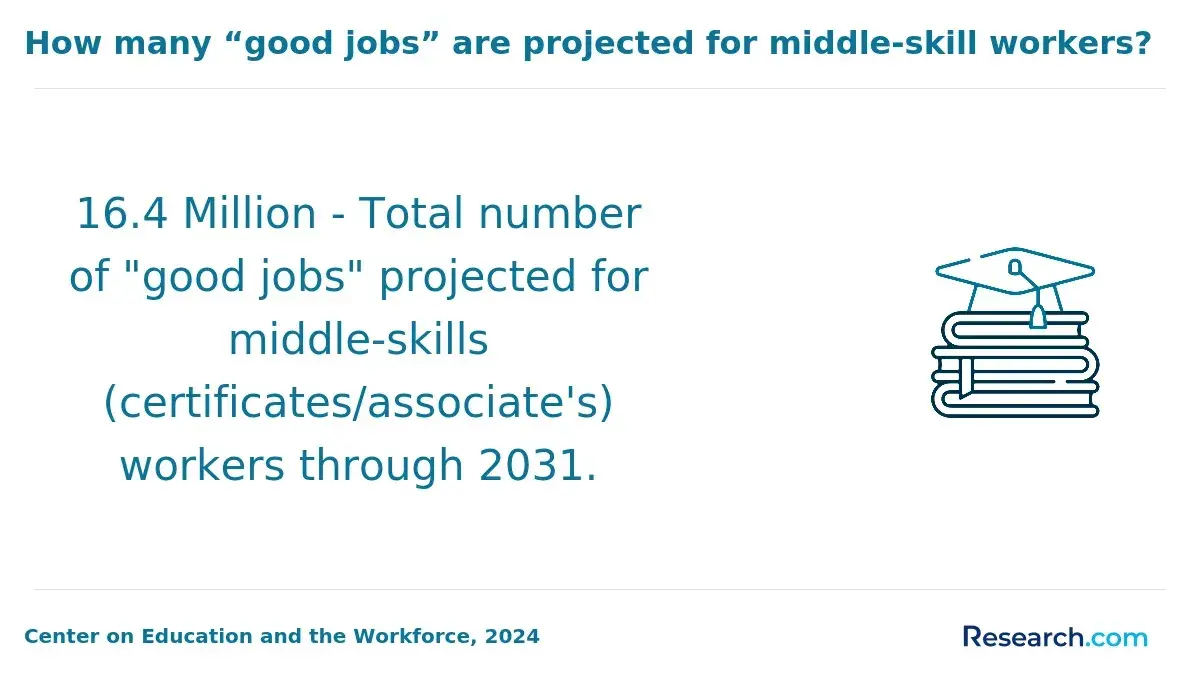
Certifications and short courses provide counselor education graduates an effective way to enhance their employability without needing graduate degrees. These targeted credentials equip individuals with practical skills and specialized knowledge that employers increasingly seek. In fact, recent studies show that 68% of education-related employers prioritize candidates with certifications or short-term training when hiring.
The following are some noteworthy certifications and short courses that can strengthen career prospects for counselor education majors:
- Certified Peer Support Specialist: This credential develops expertise in peer counseling and mental health advocacy, preparing graduates for roles that emphasize community-based support and educational settings.
- Trauma-Informed Care Training: These courses teach how to identify and effectively respond to trauma, enabling graduates to create supportive environments for vulnerable populations.
- Conflict Resolution Certification: Focusing on mediation strategies and communication skills, this certification helps professionals manage disputes and improve collaboration within schools and social programs.
- Behavioral Health Technician Certificate: Providing practical training for assisting individuals with behavioral health challenges, this certificate expands opportunities in clinical and educational support roles.
- Mindfulness and Stress Reduction Programs: These programs train graduates in mindfulness techniques that foster emotional resilience and well-being in diverse counseling contexts.
A professional with a counselor education degree shared that pursuing a trauma-informed care course significantly impacted their career. Initially hesitant due to balancing work and study, they found the training practical and engaging, offering immediate skills applicable in their current role. They emphasized how earning this credential opened doors to new responsibilities and increased their confidence when working with clients facing complex emotional challenges, illustrating the real-world benefits of such certifications beyond traditional academic paths.
Which Industries Hire Counselor Education Graduates Without Graduate Degrees?
Job opportunities for counselor education graduates without advanced degrees vary widely across industries. Some sectors, driven by substantial hiring needs and workforce shortages, are particularly welcoming to those holding only a bachelor's degree. For instance, about 35% of counselors and related professionals work within social assistance and community service fields, highlighting significant employment in roles accessible without graduate education.
The following industries commonly provide more entry-level chances for these graduates:
- Social Assistance and Community Services: This field depends on a large workforce to support diverse populations, including families and vulnerable groups, often filling roles suitable for bachelor's degree holders.
- Rehabilitation Services: Rehabilitation agencies require personnel to help clients with daily tasks and social integration, offering flexible hiring options that do not always necessitate graduate degrees.
- Behavioral Health Support: Organizations in this sector frequently hire bachelor's-level staff for case management, outreach, and peer support, thanks to constant demand from large client bases.
- Human Services and Nonprofits: Nonprofits focused on mental health and community welfare regularly engage bachelor's graduates in program delivery and client support roles, valuing practical skills over advanced credentials.
- Educational Support Services: Schools and educational nonprofits often recruit bachelor's degree holders for mentoring and youth assistance positions, which are structured to include those without graduate education.
What Freelance, Remote, and Non-Traditional Careers Are Available for Counselor Education Graduates?
Non-traditional career structures offer counselor education graduates pathways that minimize reliance on formal workplace hierarchies and regional limitations. Through digital platforms and independent work models, graduates can access professional opportunities that accommodate flexible schedules and diverse geographic locations. Notably, around 37% of workers with education-related degrees participate in remote work, reflecting a significant shift toward flexible employment.
Several remote, freelance, and non-traditional career options expand possibilities for those holding a counselor education degree:
- Distributed Work Systems: Organizations operating entirely remotely allow graduates to engage in administrative or support roles without geographic restrictions, benefiting from asynchronous communication and a wider recruitment pool.
- Digital-First Labor Markets: Online platforms connect counselor education graduates to clients seeking workshops, curriculum advice, or coaching, enabling them to offer services worldwide without the need for physical presence.
- Project-Based Independent Work: Freelance opportunities such as grant writing, content creation, and program evaluation allow professionals to pick assignments that suit their skills and schedule, eliminating long-term commitments and relocation needs.
- Telecoaching and Virtual Mentoring: Graduates can provide career coaching or goal-setting guidance remotely, leveraging technology to build relationships beyond local communities even without advanced clinical credentials.
- Content Creation and Social Media Engagement: By developing blogs, podcasts, or social channels focused on counseling education topics, graduates can create monetizable digital assets that offer flexible, location-independent career paths.
How Can You Build a Career Without Graduate School Using a Counselor Education Degree?
Counselor Education graduates can begin building careers without graduate school by entering the workforce directly after completing a bachelor's degree. Entry-level roles such as youth program coordinators, case management assistants, and educational support staff provide essential exposure to workplace environments. These positions help develop practical skills while offering early career momentum shaped by hands-on experience and professional networking. According to the National Center for Education Statistics, approximately 65% of bachelor's degree holders in education-related fields find employment within a year without pursuing graduate-level study, supporting many in launching a career in counselor education without further academic credentials.
Long-term career development for those with a counselor education degree typically involves progression within organizations by expanding responsibilities and evolving roles over time. Rather than relying on additional formal education, career growth often happens through demonstrated leadership, practical experience, and professional engagement in program coordination or supervisory positions. This pathway varies across sectors, allowing graduates to tailor their development to opportunities in schools, nonprofits, or social services. Those interested in related fields might also explore an online cybersecurity degree as a complementary skillset to enhance career options in community and organizational settings.
What Are the Pros and Cons of Skipping Graduate School for Counselor Education Careers?
Skipping graduate school is a common pathway for many entering counselor education careers, allowing earlier workforce entry but also influencing long-term professional growth depending on chosen directions. Data shows bachelor's degree holders in counselor education jobs can enter the workforce faster, though earnings and advancement may differ compared to those with advanced degrees.
Considering the advantages of bachelor's-level counselor education jobs and career opportunities without graduate degree in counselor education, the following points outline important pros and cons:
- Early Workforce Entry: Skipping graduate school allows quicker access to jobs, reducing opportunity costs and enabling practical experience accumulation sooner.
- Limited Advancement: Many higher-paying roles-especially in large institutional employers or specialized clinical settings-require a master's degree or licensure, limiting career growth without graduate education.
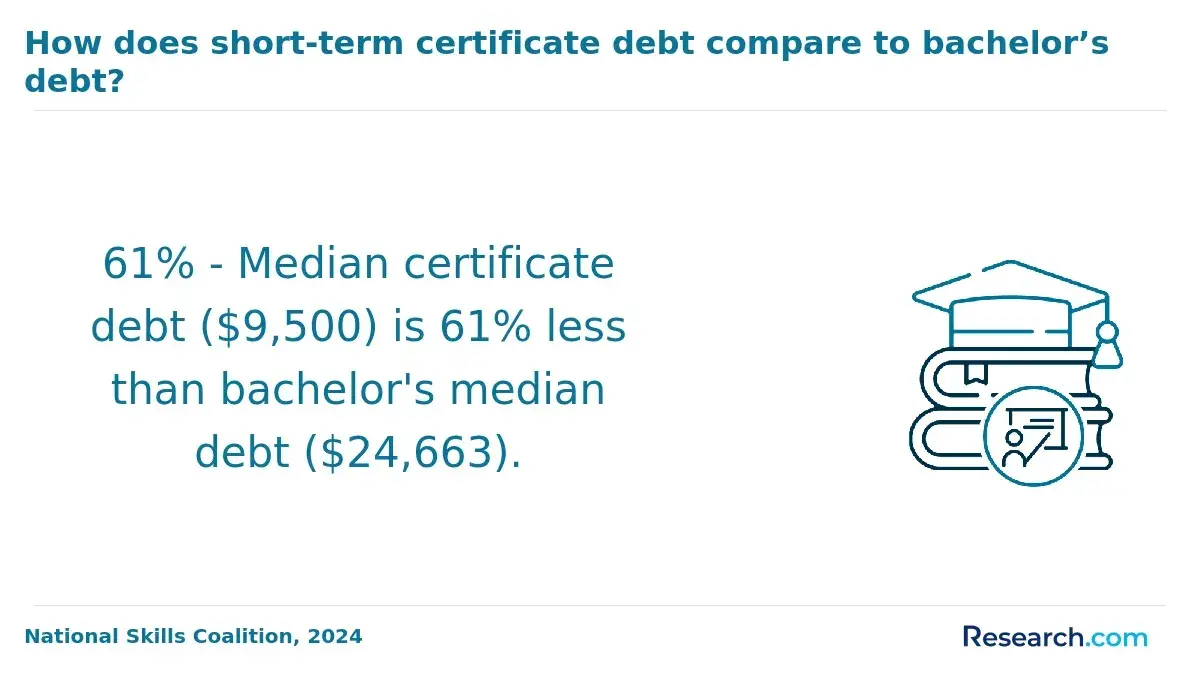
- Cost Savings: Avoiding graduate tuition and fees can reduce student debt significantly, making shorter training paths appealing for some candidates.
- Selective Employers: Certain organizations, including public school systems and research institutes, have strict requirements favoring candidates with advanced credentials, impacting job accessibility for bachelor's holders.
- Flexible Career Exploration: Entering the field early permits exploration of diverse roles in community programs or support positions that value bachelor-level qualifications.
For those interested in supportive roles outside traditional graduate pathways, programs like the admin assistant degree can further boost administrative skills and employment prospects in related environments.
What Are the Real-World Career Outcomes and Job Market Trends for Counselor Education Graduates?
Graduates with a counselor education bachelor degree often find diverse employment opportunities, although job market outcomes vary widely. Workforce demand in related fields remains steady with many graduates securing roles in support and administrative capacities. Recent labor data shows that bachelor's-level counselor education employment rates hover near average compared to other social science fields, reflecting consistent placement but with variation depending on location and sector. This distribution highlights the importance of aligning career goals with demand trends within the overall job market outlook for counselor education graduates.
Career trajectories for counselor education graduates without graduate school differ significantly based on sector and market conditions rather than following a uniform path. Opportunities are available across education, health services, and social assistance, but salaries and job security fluctuate according to regional and economic factors. Success often depends on the ability to adapt skills to meet evolving employer needs, as labor dynamics influence the accessibility and compensation of roles. Prospective professionals may also explore accelerated speech pathology programs online for expanded career prospects within related disciplines.
What Graduates Say About Counselor Education Careers Even Without Pursuing Graduate School
- Nelly: "Graduating with a counselor education degree opened doors I hadn't anticipated. Although I chose not to pursue graduate school, the practical skills I gained immediately translated into meaningful early career roles in community outreach and support services. I'm grateful for how the program emphasized real-world application, allowing me to confidently navigate my first job opportunities."
- Kerrie: "Reflecting on my time in counselor education, I realize how well it prepared me for the workforce without the need for further graduate study. The comprehensive curriculum developed my communication and crisis intervention skills, which employers highly valued. Starting my career straight out of undergrad felt challenging at times, but the degree truly equipped me to handle professional environments effectively."
- Hannah: "Choosing not to attend graduate school was a personal decision, but my counselor education degree still proved invaluable in launching my career. The internship experiences and coursework built a solid foundation that employers recognized, helping me secure roles in educational and nonprofit settings. I appreciate how the degree balanced theory and practice, making the transition to work smoother than I expected."
Other Things You Should Know About Counselor Education Degrees
Yes, advancement is possible through gaining relevant work experience, earning certifications, and developing specialized skills within the field. While some leadership or clinical roles require graduate degrees, many supervisory and administrative positions in education or social services accept candidates with a bachelor's degree and proven expertise.
Certain roles such as behavioral aides, peer support specialists, or case management assistants allow professionals to work closely with clients under supervision. These positions enable meaningful client interaction while adhering to licensure regulations, which typically mandate graduate education for independent counseling practice.
Networking is critical for discovering job opportunities, mentorship, and professional development. Engaging with local education organizations, community groups, and online forums helps build connections that can lead to roles in program coordination, advocacy, or support services without necessitating an advanced degree.
Graduates may face challenges like limited advancement opportunities in clinical counseling roles, less competitive salaries compared to master's degree holders, and restricted access to specialized positions. Additionally, navigating licensure requirements can be complex without advanced credentials, impacting their career progression in the field.
References
- 14 Skills Needed to be a Counsellor - ICI https://icieducation.co.uk/blog/14-skills-needed-to-be-a-counsellor/
- How to Become a Counsellor https://oxbridgehomelearning.uk/career-guides/how-to-become-a-counsellor/
- Artwork of a gum leaf symbolising ‘welcome’ and acknowledging diverse countries, environments, communities, cultures, beliefs, and history. https://www.seek.com.au/counselling-no-experience-jobs
- Counselor Degrees & Careers | How To Become A Counselor https://www.learnhowtobecome.org/counselor/
- 5 jobs you can do with a Ph.D. in Counselor Education - Insight Digital Magazine https://www.thechicagoschool.edu/insight/career-development/5-jobs-you-can-do-with-a-ph-d-in-counselor-education/
- Alternative Careers for Counselors Who Are Burnt Out [2025 Update] — The Bad Therapist https://www.thebadtherapist.coach/blog/alternative-careers-for-counselors
- Is a master's degree in counseling worth it? | edX https://www.edx.org/resources/is-a-masters-in-counseling-worth-it
- Fastest Way To Become A Therapist Or Licensed Counselor https://www.psychology.org/careers/fastest-way-to-become-counselor/
- lifecoachtraining.us.com: Verifying that you are not a robot... https://lifecoachtraining.us.com/how-to-become-a-career-counselor/jobs/skills-and-requirements/
- Remote Counselor Jobs in Europe | Working Nomads https://www.workingnomads.com/remote-counselor-jobs-europe


