
2027 Most Valuable Skills You Build in a Counselor Education Degree and Which Careers Use Them Most

Co-Founder and Chief Data Scientist
Which skills gained during a counselor education degree truly shape career success? For many prospective and current learners, understanding how core competencies like active listening, ethical reasoning, and crisis intervention translate into diverse professional roles is critical.
Amid evolving healthcare and social service demands, 19% of counselors report using advanced assessment and treatment planning daily, highlighting the need for practical, adaptable skills.
This article explores the most valuable skills cultivated through counselor education programs and identifies the careers that rely on them most, helping students connect their academic training to real-world employment opportunities.
Key Benefits of the Most Valuable Skills You Build in a Counselor Education Degree
- Developing strong interpersonal and active listening skills enhances career readiness by improving client rapport and therapeutic outcomes across mental health and social services.
- Critical thinking and ethical decision-making cultivated in counselor education foster adaptability, applicable in education, healthcare, and human resources sectors.
- Ongoing professional development encouraged in counselor education supports long-term growth, with many graduates advancing into leadership roles or specialized counseling fields.
What Are the Core Skills Taught in Counselor Education Programs?
Skill development in counselor education programs aims to prepare students for effective practice across diverse professional environments.
These programs equip learners to handle complex human behaviors and meet varied client needs with confidence. A 2022 report found that about 85% of graduates felt well-prepared in practical counseling skills, highlighting the value of these essential counselor education program competencies for career success.
The core counseling skills developed in counselor education programs include:
- Active Listening: This skill enables counselors to fully focus on clients' communication, enhancing trust and openness. It involves understanding and responding thoughtfully to verbal and nonverbal cues, which is vital for building rapport and guiding sessions effectively.
- Empathy: Empathy allows counselors to genuinely connect with clients' experiences and emotions, fostering a supportive environment. This understanding promotes client growth by validating feelings and encouraging honest expression.
- Ethical Reasoning: Counselors learn to apply professional ethical standards to navigate complex moral dilemmas. This skill ensures clients' welfare and confidentiality are protected, maintaining professionalism in all interactions.
- Assessment and Evaluation: The ability to gather, interpret, and utilize client information is key for informed treatment planning. Counselors develop proficiency in evaluating progress and adjusting approaches to meet evolving client needs.
- Communication Skills: Clear, culturally sensitive communication supports collaboration with clients and colleagues alike. This skill helps counselors provide feedback and convey understanding, which is essential for effective counseling relationships.
Many who pursue counselor education also explore options for fast degrees online to complement their career goals and skill sets.
What Technical Skills Are Taught in Counselor Education Programs?
Counselor education programs develop a broad spectrum of technical competencies essential for translating academic theories into effective counseling practices.
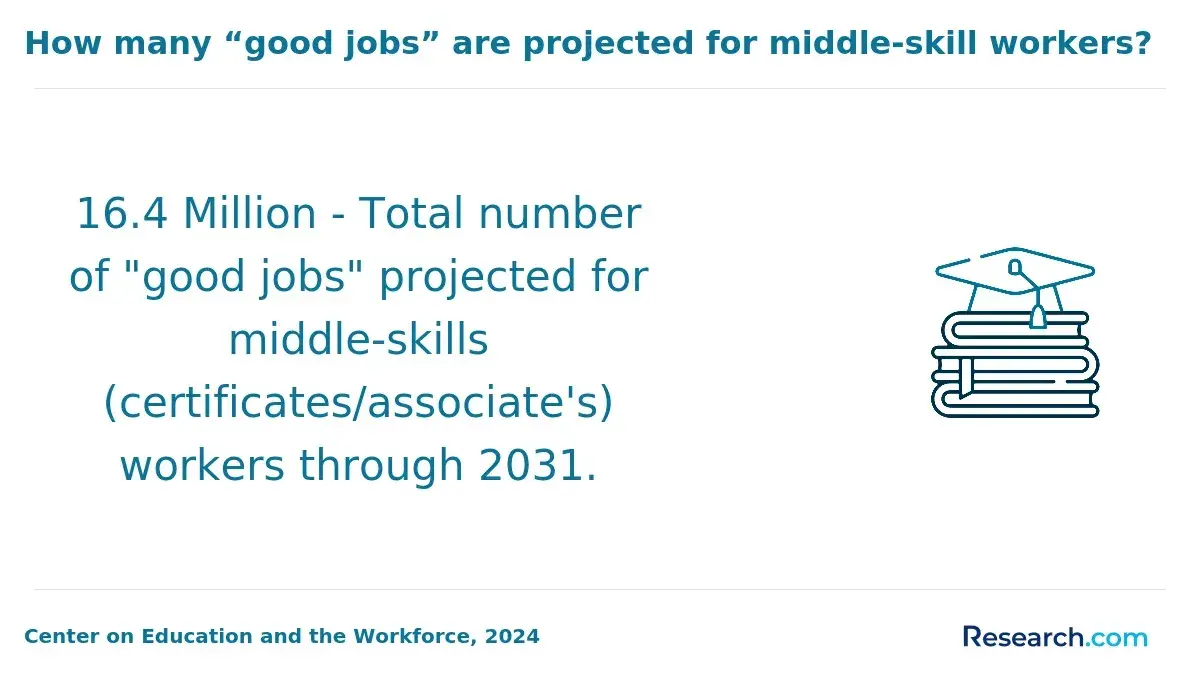
These practical skills are crucial for career readiness, particularly as about 72% of middle-skill jobs in healthcare and counseling-related fields demand digital literacy and data competency. Gaining mastery of these skills prepares students to meet evolving professional and technological standards.
Key technical skills taught in counselor education programs include the following:
- Psychological Assessment: Students learn to administer and interpret standardized diagnostic tools, enabling accurate evaluation of cognitive, emotional, and behavioral conditions. This skill is vital for integrating academic knowledge with client assessment and treatment.
- Research Design and Analysis: Training covers qualitative and quantitative research methods, statistical analysis, and the use of relevant software. These skills empower students to contribute to evidence-based practices and data-driven decision-making.
- Technology Integration: Mastery of digital record-keeping systems, electronic health records (EHR), and telehealth platforms is emphasized to ensure effective documentation, client confidentiality, and remote counseling delivery.
- Clinical Documentation and Planning: Students develop expertise in creating comprehensive treatment plans, progress notes, and coordination documents that comply with legal and professional standards.
- Ethical and Privacy Compliance: Emphasis is placed on secure technology use and adherence to privacy regulations such as HIPAA, ensuring ethical management of client information in digital environments.
Prospective students interested in integrating counseling skills with advanced digital literacy might also explore programs like a masters of library science online, which complement these technical skill sets in managing information and research resources effectively.
These technical skills developed through counselor education programs are foundational for students seeking to apply counselor education practical skills for career readiness in diverse settings.
What Soft Skills Do Counselor Education Students Develop?
Counselor education programs foster essential interpersonal and behavioral skills that enhance both academic achievement and career readiness.
According to a 2023 survey by the National Association of Colleges and Employers, 92% of employers value strong communication abilities when recruiting recent graduates. These programs specifically cultivate soft skills that are vital in professional and collaborative environments.
The following highlights some of the core soft skills counselor education students develop:
- Active Listening: Students are trained to listen carefully and respond with intention, which is crucial for understanding others and building trust in group settings and professional relationships.
- Empathy: Developing empathy enables students to genuinely relate to others' experiences and emotions, strengthening connections and promoting compassionate interactions.
- Emotional Intelligence: Programs encourage awareness and management of one's emotions alongside recognizing the feelings of others, supporting balanced communication and teamwork.
- Effective Communication: Clear verbal and nonverbal expression is practiced, helping students articulate ideas, participate in discussions, and provide constructive feedback confidently.
- Collaboration: Working with diverse peers on projects, students learn to respect varying viewpoints and contribute meaningfully to shared objectives.
- Problem-Solving: Critical thinking and creativity are emphasized to help students address challenges thoughtfully, finding solutions that benefit clients and academic work.
When asked about the skills developed, a counselor education degree graduate reflected on the complexity of building genuine empathy and communication. He shared how early on, he struggled to balance his impulses to solve problems quickly with the need to fully understand a client's perspective.
"It was challenging to truly listen without jumping to conclusions," he explained, "but over time, practicing patience and attentiveness helped me become more effective. Those moments when clients felt heard made me realize how transformative these skills are." This experience deepened his appreciation for how counselor education not only teaches tools but also shapes personal growth and relational awareness.
What Transferable Skills Come From a Counselor Education Degree?
More than 70% of employers value transferable skills like communication and problem-solving to ensure workforce adaptability across diverse sectors.
This growing demand highlights how counselor education degree skills apply to various careers, offering graduates flexibility in multiple professional fields.
Key transferable skills developed through a counselor education degree include:
- Effective Communication: Mastery of active listening, empathetic engagement, and clear expression allows graduates to navigate complex interpersonal situations and foster cooperation in any organizational setting.
- Critical Thinking: The ability to analyze situations thoughtfully and devise strategic solutions prepares students to tackle challenges and adapt in dynamic environments.
- Cultural Competence: Developing sensitivity to diverse perspectives enables graduates to promote inclusivity and respect, skills essential in today's globalized workplaces.
- Ethical Judgment: Understanding frameworks for responsible decision-making equips students to act with integrity across industries that demand moral accountability.
- Leadership and Collaboration: Experience with group dynamics and supervision cultivates skills in guiding teams and working cooperatively, valuable in both management and community-focused roles.
For those interested, related fields such as game design degrees also emphasize transferable competencies that enable career mobility.
What Counselor Education Skills Are Most in Demand Today?
Recent data from the National Board for Certified Counselors highlights that more than 70% of employers emphasize advanced interpersonal and cultural skills when selecting new graduates in the counseling field.
Such demand underscores the evolving competency needs in this profession to meet diverse client requirements effectively.
Below are key skills highly valued in counselor education today.
- Empathic Communication: Mastering the art of active listening and genuine understanding is crucial for building trust with clients. This skill facilitates strong therapeutic connections that support positive client outcomes.
- Multicultural Competence: The ability to navigate and respect diverse cultural backgrounds ensures counselors provide relevant and sensitive care. This competence is increasingly important in diverse communities and inclusive academic settings.
- Ethical Decision-Making: Counselors must apply ethical guidelines thoughtfully to handle complex, confidential situations with integrity. Maintaining this balance is vital to uphold professional standards and client safety.
- Assessment Skills: Proficiency in utilizing psychological tools and frameworks allows for accurate evaluation of client needs. This capacity directs personalized intervention plans and enhances effectiveness.
A counselor education professional shared that navigating ethical dilemmas in real-world scenarios often tested her resolve but ultimately reinforced her commitment to principled practice.
She recounted moments when balancing client confidentiality with legal obligations required careful judgment and emotional strength. Such experiences deepened her appreciation for the training's depth in equipping counselors to face unpredictable challenges while maintaining a client-centered focus.
What Skills Do Employers Expect From Entry-Level Counselor Education Graduates?
Employers hiring entry-level counselor education graduates focus heavily on foundational skills that ensure readiness for professional environments.
Surveys reveal that more than 70% of employers prioritize interpersonal and ethical abilities when selecting candidates for counseling roles. This highlights the importance of both practical knowledge and strong relational skills.
The following core competencies are commonly sought after by employers:
- Communication Skills: Effective verbal and written communication is vital for expressing empathy, understanding client concerns, and collaborating within diverse teams. Early professionals must show an ability to listen attentively and convey information clearly across different settings.
- Ethical Standards: Maintaining confidentiality and demonstrating integrity are key expectations. Graduates should consistently apply ethical guidelines to foster trust and uphold professional responsibility in all client interactions.
- Cultural Awareness: Sensitivity to diverse populations is essential. Counselors must respect and adapt to clients' cultural backgrounds, ensuring that interventions are relevant and supportive of individual differences.
- Assessment and Treatment Planning: Competence in conducting thorough assessments and creating appropriate intervention plans is highly valued. These abilities enable entry-level counselors to meet client needs within formal therapeutic frameworks.
- Critical Thinking and Problem Solving: The capability to analyze complex scenarios and make sound decisions helps new counselors address challenges effectively. Flexibility and careful judgment are crucial for navigating professional situations successfully.
What Careers Require the Skills Learned in Counselor Education Programs?
Employers increasingly seek candidates with strong interpersonal and emotional intelligence skills, and studies show graduates with counselor education competencies have a 22% higher employability rate. These skills are versatile and essential across many professions involving human interaction and support.
Below are key career paths where skills learned in counselor education programs are highly valued.
- Mental Health Counseling: Professionals in this field utilize active listening, empathy, and crisis intervention to support clients with emotional and behavioral challenges. Counselor education equips graduates to provide therapy and promote personal growth effectively.
- School Counseling: School counselors help students manage academic, social, and career-related issues. Skills such as developmental support and ethical decision-making are crucial to addressing student needs and managing crises in educational settings.
- Healthcare and Social Work: In these settings, counselor education skills enhance patient care coordination and mental wellness understanding. Professionals contribute to better treatment outcomes by integrating psychosocial support.
- Human Resources and Organizational Development: Counselor-trained individuals improve workplace environments through effective communication, conflict resolution, and group facilitation. These skills foster employee well-being and organizational effectiveness.
- Community Outreach and Nonprofits: Skills gained from counselor education help design programs that address social challenges and build resilience among vulnerable groups. These roles often require a deep understanding of social dynamics and empathetic engagement.
Which Counselor Education Skills Lead to Higher Salaries?
Certain counselor education skills are strongly linked to higher earning potential as employers value competencies that improve client outcomes and program effectiveness. These advanced skills often lead to measurable salary increases across various career paths within the counseling profession.
Key counselor education skills that command higher salaries include:
- Clinical Assessment: Proficiency in clinical assessment and diagnosis, especially using standardized mental health tools, can provide a 10% to 20% salary premium. This expertise enhances treatment planning and compliance, often qualifying counselors for better-paying roles in private practice or health care settings.
- Trauma-Informed Care: Specializing in trauma and crisis interventions typically results in $5,000 to $12,000 more annually. This skill is increasingly sought after in school counseling, social services, and therapy centers focusing on trauma-sensitive approaches.
- Leadership and Supervision: Counselors who lead programs or supervise practitioners often see a 15% to 25% salary increase. Employers recognize the value of managerial responsibility combined with enhanced program effectiveness these skills bring.
- Multicultural Competence: Strong cultural responsiveness can boost salaries by 8% to 15%. Organizations value this ability to serve diverse populations effectively, reflecting in compensation advantages.
- Evidence-Based Interventions: Skills in therapies like cognitive-behavioral therapy (CBT) and motivational interviewing are linked to pay increases ranging from $4,000 to $10,000 annually. These approaches improve treatment outcomes, raising counselor demand in clinical and rehabilitative settings.
Prospective students interested in enhancing earnings through counselor education should also consider related programs like business administration courses online, which complement leadership skills. Developing the highest paying counselor education degree skills opens doors to career advancement and improved compensation.
How Do Internships Help Develop Counselor Education Skills?
Internships play a vital role in developing practical counselor education skills by providing real-world exposure that bridges the gap between theory and practice. Through hands-on experiences in schools, clinics, or community agencies, students reinforce academic learning and apply counseling concepts directly in varied settings.
Approximately 70% of counselor education graduates who participate in internships report significant skill improvement and enhanced readiness for professional roles, underscoring the practical experience benefits of counselor education internships.
This immersion allows students to engage in authentic client interactions and ethical decision-making processes that deepen their understanding of effective counseling methods.
Beyond exposure, internships support skill refinement by involving students in structured tasks and supervised experiences that encourage critical reflection and development. Under professional guidance, students enhance essential counselor education skills such as communication, empathy, cultural competence, and crisis intervention.
This real-world practice fosters confidence and hones the abilities required to navigate complex counseling situations. For those exploring related career paths, understanding jobs I can get with a masters in forensic psychology also highlights the diverse opportunities where these core skills are invaluable.
How Do You List Counselor Education Skills on a Resume?
Presenting counselor education skills clearly on a resume is crucial for showcasing your qualifications and aligning them with what employers seek. A well-structured skills section enables hiring managers to quickly recognize your strengths and how they relate to the position.
To optimize this part of your resume, consider the following best practices:
- Organize by Relevance: Group related skills together under headings like "Core Competencies" or "Relevant Skills" to create a focused and logical layout that simplifies review.
- Use Specific Terminology: Replace vague expressions with precise terms such as "crisis intervention" or "ethical decision-making" to demonstrate a solid grasp of your training and its practical impact.
- Balance Hard and Soft Skills: Combine interpersonal attributes like empathy with technical abilities such as program development, providing a well-rounded picture of your expertise.
- Maintain Conciseness: Use brief phrases or keywords instead of lengthy descriptions to enhance readability, particularly on mobile devices.
- Avoid Redundancies: Eliminate overlapping terms to keep the skills section streamlined and focused, making it easier for recruiters to assess your qualifications.
What Graduates Say About the Most Valuable Skills You Build in a Counselor Education Degree
- Davis : "Completing my counselor education degree has been an empowering journey, especially in developing crucial communication and empathy skills. I found that the master's level pushed me to refine clinical techniques and ethical decision-making, which are vital in private practice and community counseling. The real challenge was learning to balance professional boundaries with genuine care, but that balance now defines my career success. "
- Charleigh: "Reflecting on my time in counselor education, I appreciate how the diverse coursework builds foundational skills differently at each degree level. The bachelor's program introduced me to broad counseling theories, while the doctoral studies emphasized research and leadership in educational settings. These skills have been indispensable in my role as a school counselor, where adaptability and evidence-based approaches are everyday necessities."
- April : "My experience in counselor education deeply shaped my abilities to assess client needs and develop personalized treatment plans, skills that are especially honed at the graduate level. One of the toughest aspects was mastering the art of active listening and cultural competence, which have proven essential in careers ranging from addiction counseling to mental health advocacy. This degree truly transformed my professional outlook and effectiveness."
Other Things You Should Know About Counselor Education Degrees
Counselor education programs hone advanced communication techniques that are essential for effective client interaction, conflict resolution, and group facilitation. These refined communication skills are widely used not only in counseling roles but also in careers like social work, human resources, and education. Professionals in these fields rely on clear, empathetic dialogue to support client needs and collaborate with colleagues.
Ethical decision-making is a core component of counselor education training, preparing graduates to navigate complex moral dilemmas in professional settings. This skill is crucial in careers such as clinical counseling, school counseling, and mental health advocacy, where maintaining confidentiality and professional integrity is vital. It ensures that practitioners provide responsible and trustworthy support to those they serve.
Counselor education programs emphasize cultural competence and sensitivity, training students to work effectively with diverse populations. This preparation is critical for careers in community counseling, social services, and educational settings, where understanding different cultural backgrounds and experiences enhances client engagement and fosters inclusive support environments.
References
- Helping Students Cultivate Soft Skills https://www.ncda.org/aws/NCDA/page_template/show_detail/7010
- The Most In-Demand Specializations for Counselors in 2025 https://agentsofchangeprep.com/blog/the-most-in-demand-specializations-for-counselors-in-2025/
- How Do I Transfer My Counselling Skills? - A Comprehensive Guide for Counsellors https://www.thecounsellorsguide.co.uk/how-do-i-transfer-counselling-skills.html
- How to Become a School Counselor: Education & Certification https://online.uwa.edu/news/how-to-become-a-counselor/
- Learning to Teach: Teaching Internships in Counselor Education and Supervision - The Professional Counselor https://tpcjournal.nbcc.org/learning-to-teach-teaching-internships-in-counselor-education-and-supervision/
- The 5 Highest Paying Careers in Counseling | CCU Online https://www.ccu.edu/blogs/cags/2014/12/the-5-highest-paying-careers-in-counseling/


