
2027 Different Types of Counselor Education Degrees and Their Salaries

Co-Founder and Chief Data Scientist
The demand for skilled professionals in counselor education continues to rise as mental health awareness and support services expand nationwide. According to the Bureau of Labor Statistics, employment in counseling-related fields is projected to grow significantly over the next decade, reflecting both increasing need and investment in mental health care. Selecting the right educational path in counselor education plays a critical role in career advancement and salary potential.
This article offers a detailed guide to the various types of counselor education degrees and outlines the earning expectations associated with each, providing essential information for prospective students and graduates planning their professional futures.
Key Points About Different Types of Counselor Education Degrees and Their Salaries
- Individuals with a master's degree in counselor education typically earn a median annual salary of around $48,000 to $58,000, reflecting the higher qualification requirements for professional counseling positions compared to those holding only a bachelor's or associate degree.
- Bachelor's degree holders in counselor education often find entry-level roles in social services or support positions, with average salaries generally ranging from $35,000 to $45,000, but they face limited licensure opportunities which can cap long-term earning potential and career advancement.
- While an associate degree may provide foundational knowledge and lead to roles such as counseling assistants or paraprofessionals, these positions usually offer lower wages, commonly in the $25,000 to $35,000 range, and have less stability and growth potential within the counseling field.
What Are the Different Types of Counselor Education Degrees Available?
Understanding the different types and levels of counselor education degrees is crucial for students to select the best program that aligns with their career goals and educational backgrounds. Each degree option offers specialized training that shapes the knowledge and skills necessary for distinct roles within counseling professions. Below is an overview of the main types of counselor education degrees and what makes each unique, providing a clear foundation to help guide your decision.
The diversity of counselor education programs means students can also explore accelerated online programs for working adults that fit their schedules while gaining relevant credentials.
- Bachelor of Arts or Science in Psychology/Human Services: This undergraduate degree provides foundational knowledge in psychological principles, human development, and basic counseling techniques. Coursework often includes theories of personality, developmental psychology, and introductory social science research.
- Master of Arts (MA) in Counseling: MA programs emphasize social sciences and humanities with a focus on theoretical, cultural, and ethical aspects of counseling. Key subjects include counseling theories, ethics, and multicultural counseling with attention to client advocacy.
- Master of Science (MS) in Counseling: The MS degree adopts a more analytical approach, highlighting research methods, assessment, and evidence-based interventions. Students learn to critically evaluate counseling practices and outcomes.
- Master of Education (MEd) in Counseling: Designed primarily for educators, this degree focuses on learning theories, educational policy, and student development. Coursework often covers counseling within school contexts and advocacy for student well-being.
- Master of Social Work (MSW) with Counseling Concentration: This degree integrates clinical counseling with social work principles, focusing on social welfare policy and advanced clinical practices applicable in community and family settings.
- Doctor of Philosophy (PhD) or Doctor of Psychology (PsyD) in Counselor Education: Doctoral programs emphasize advanced research, teaching, supervision, and clinical practice. PhD studies lean toward research and program evaluation, while PsyD focuses on clinical application and leadership in counseling.
What Specializations Are Available in Counselor Education Degrees?
Specialization is a critical factor when choosing a counselor education degree because it aligns your academic training with specific career goals and licensure requirements. Selecting the right focus ensures that your education prepares you for the professional setting and population you intend to serve.
Below are some common counselor education specializations that provide distinct skills and career paths:
- Clinical Mental Health Counseling: This specialization equips students to assess, diagnose, and treat individuals facing a variety of emotional and mental health challenges. Key skills include psychotherapy, crisis intervention, and case management, leading graduates to roles in community agencies, hospitals, and private practice.
- School Counseling: Focused on supporting students' academic and social development, this specialization trains counselors to work in K-12 educational settings. Skills include academic planning and behavioral support, with professionals collaborating closely with educators and families.
- Marriage, Couple, and Family Counseling: This track emphasizes therapeutic techniques for couples and families navigating relational difficulties. Coursework covers family systems, conflict resolution, and communication, preparing graduates for licensure as marriage and family therapists in private practice or agencies.
- Substance Abuse and Addiction Counseling: Tailored for those seeking to help individuals with addiction issues, this specialization offers expertise in addiction assessment, prevention, and recovery support. Career opportunities include treatment centers and community health organizations.
- Rehabilitation Counseling: This area focuses on aiding individuals with disabilities to gain independence and vocational skills. Counselors develop competencies in advocacy and case management, often working in rehabilitation agencies or government programs.
- Career Counseling: Designed to assist clients with educational and career decision-making, this specialization combines counseling skills with labor market knowledge. Graduates work in schools, colleges, or workforce agencies guiding career transitions.
For students exploring various options, considering some of the easiest online degrees to get can help balance specialization choice with accessible program formats, allowing greater flexibility in pursuing counselor education.
How Long Does It Take to Complete Each Type of Counselor Education Degree?
Understanding the duration of counselor education programs is crucial for students to effectively plan their academic journey and align it with their career goals. Program length varies depending on the degree level, enrollment status, and delivery format, which can impact when graduates enter the workforce.
Below is an overview of the main types of Counselor Education degrees and their typical completion times to help prospective students make informed decisions.
- Associate Degree in Counselor Education: Typically requires about 2 years of full-time study. Part-time enrollment or concurrent work commitments can extend this timeline, but some schools offer accelerated courses and online formats that may shorten completion.
- Bachelor's Degree in Counselor Education: Usually takes 4 years to complete with full-time study. Transfer credits from community colleges and summer classes can reduce the time needed. Many institutions provide online or hybrid options for greater flexibility.
- Master's in Counselor Education: Often takes 2 to 3 years, depending on whether students attend full- or part-time. Some programs offer accelerated tracks lasting around 18 months, especially online, while internships and practicum requirements may lengthen completion.
- Doctorate in Counselor Education: Completion time varies widely, generally ranging from 3 to 7 years including dissertation work and supervised practice. Part-time study, research scope, and program format (online or on-campus) influence duration significantly.
Are There Accelerated Counselor Education Degree Programs?
Accelerated counselor education degree programs are designed to significantly shorten the traditional timeline required to become a licensed counselor. While standard master's degrees often take two years or longer, these accelerated paths can be completed in as little as 18 months. This faster completion is achieved through various strategies such as condensed coursework, year-round enrollment schedules, and the strategic acceptance of transfer credits.
Some schools even offer dual-degree options combining undergraduate psychology and graduate counselor education credentials, allowing students to reduce the total credit hours required and finish in about six years instead of the usual seven or more. Many accelerated programs also offer online formats, which add flexibility for students managing work or personal commitments alongside their studies.
It is important to note, however, that accelerated counselor education programs maintain the same level of academic rigor as traditional routes. They require intensive time commitment, with demanding coursework and clinical field placements like practicums and internships that cannot be waived. Eligibility requirements often include a minimum GPA of 3.0 and letters of recommendation. Some programs provide bridge courses for those lacking prior experience in counseling to help meet prerequisites. Due to the high intensity, experts often advise students working full-time to consider part-time or traditional options instead.
Accreditation by the Council for Accreditation of Counseling and Related Educational Programs (CACREP) is a key factor to verify program quality and professional credibility in these accelerated formats.
When I spoke with a graduate of an accelerated counselor education degree program, he shared that the experience was both challenging and rewarding. He described the pace as "relentless but incredibly focused," with every week packed full of lectures, assignments, and clinical hours. "You don't get much downtime, and balancing life outside school means you have to be extremely organized," he explained. Despite the intense workload, he appreciated how the condensed schedule kept him motivated and on track to start his counseling career sooner.
Completing the required internships while managing accelerated coursework felt overwhelming at times, but he emphasized that the support from faculty and peers made a significant difference. Reflecting on the journey, he said, "It wasn't easy, but finishing faster allowed me to begin working and gaining real-world experience when many of my friends were still in class." His story highlights how accelerated counselor education programs can be a viable, efficient path for individuals ready to commit fully to their professional goals.
Are Online Counselor Education Degrees as Credible as Traditional Ones?
Both traditional and online counselor education degree programs uphold rigorous academic standards by following the requirements set by the Council for Accreditation of Counseling and Related Educational Programs (CACREP), the leading accrediting agency in the field. Regardless of format, CACREP-accredited programs design curricula to ensure graduates are prepared for professional practice and licensure, focusing on core competencies like counseling theory, ethics, assessment, and supervised clinical experience.
While traditional programs typically emphasize face-to-face interaction through in-person lectures, online programs leverage technology such as video interfaces, podcasts, and interactive discussion forums to engage students and facilitate learning. Research shows that student outcomes-including performance on standardized exams like the Counselor Preparation Comprehensive Exam-do not significantly differ between online and on-campus formats, indicating both pathways effectively prepare students for careers in counseling.
Recent trends demonstrate growing employer acceptance of online counselor education degrees, especially those earned from reputable and accredited institutions. The increasing number of fully online CACREP-accredited programs, now nearing 40, reflects this shift, mirroring broader trends in graduate education. Employers in the counseling field tend to prioritize a degree's accreditation and alignment with state licensure requirements over whether the program was completed online or in person.
Ultimately, the credibility of a counselor education degree is influenced more by the institution's reputation and accreditation status than by the delivery format itself. Given the strong job outlook for mental health counselors, with almost 48,900 openings expected annually over the next decade, prospective students can confidently pursue either traditional or online programs that meet their personal learning preferences and professional goals.
How Much Does Each Type of Counselor Education Degree Typically Cost?
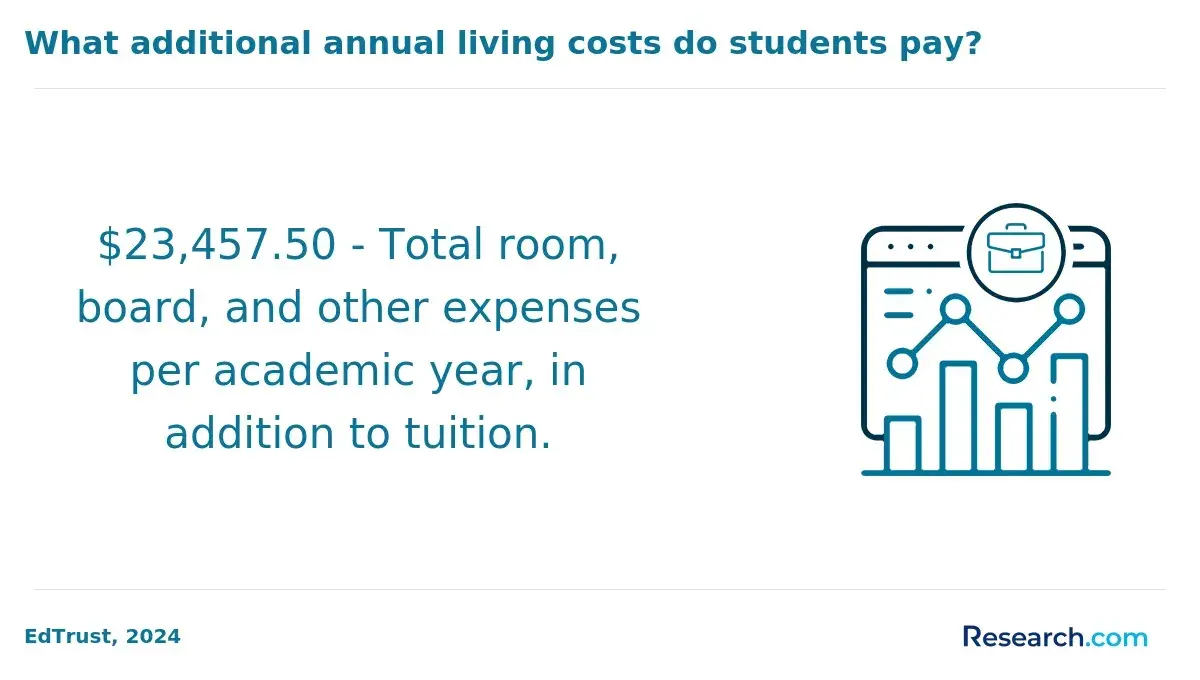
Understanding tuition differences across counselor education degree levels is essential for effective budgeting and long-term financial planning. Tuition costs can vary significantly depending on degree type, institution, and delivery format, so a clear grasp of typical expenses helps prospective students make informed decisions. Below is an overview outlining the typical tuition ranges for each counselor education degree type.
- Associate Degree in Counselor Education: Tuition for associate degree programs generally ranges from $7,000 to $20,000 total at public community colleges, making this the most affordable pathway into the counseling field. Costs tend to be higher at private institutions. Many students reduce expenses through federal Pell Grants, state scholarships, and institutional aid options.
- Bachelor's Degree in Counselor Education: Public universities typically charge between $9,000 and $24,000 annually for in-state students, while private schools average around $54,501 per year. Online degree options may offer lower tuition rates. Key cost factors include residency status, public versus private institution, and program delivery method, with financial aid including federal loans and work-study being widely accessible.
- Master's in Counselor Education: Tuition costs at public universities usually range from $19,000 to $30,000, and some accredited online programs offer rates between $9,500 and $20,000. Private universities may charge $60,000 or more for master's programs. Factors such as residency, program length (often around 60 credits), and school type influence cost. Financial aid opportunities comprise graduate assistantships, scholarships, federal student loans, and employer tuition benefits.
- Doctorate in Counselor Education: Doctoral programs require 60 to 120 post-master's credits, with tuition spanning $36,000 to $144,000 at public institutions and often exceeding $100,000 at private universities. Variation in tuition reflects credit load, program reputation, and research funding availability. Many doctoral candidates offset expenses through assistantships, fellowships, and research grants.
I recently spoke with a graduate of a counselor education degree program who reflected on her experience managing tuition costs. She shared that while the upfront expense felt daunting, strategically applying for scholarships and securing a graduate assistantship made a significant difference.
"The financial aid helped make the program accessible without digging too deeply into loans," she said, noting how the investment translated into job opportunities with solid salary growth. Her advice to prospective students was to explore all funding avenues early and factor in long-term career benefits when considering cost. Ultimately, she found the financial commitment rewarding as it opened doors to meaningful work in counseling and professional advancement.
What Jobs Can You Get with Each Type of Counselor Education Degree?
The level of a counselor education degree significantly influences career opportunities, professional responsibilities, and earning potential. Higher degrees typically open doors to advanced clinical, supervisory, research, or academic roles, while lower-level degrees prepare graduates for supportive or assistant positions. Below is an overview of common jobs associated with each counselor education degree type.
- Associate Degree in Counselor Education: Graduates usually work as behavioral health technicians or community case workers. They support licensed counselors by assisting clients with daily activities and connecting individuals to community resources in environments such as mental health clinics, rehabilitation centers, or social service agencies.
- Bachelor's Degree in Counselor Education: With this degree, individuals often serve as rehabilitation counselors (typically in assistant roles), case managers, or community outreach workers. They help clients access services, manage care plans, and provide vocational support, mainly within nonprofit organizations or government agencies. In fact, in New Mexico, rehabilitation counselors at this level earn between $44,119 and $55,269 annually. This degree type is among the most lucrative bachelor degrees, reflecting its solid career prospects.
- Master's Degree in Counselor Education: Holding a master's degree qualifies graduates to become licensed professional counselors, school counselors, career counselors, or substance abuse counselors. These professionals independently provide therapy, crisis intervention, and guidance in schools, private practices, hospitals, and community agencies. According to national data, school counselors earn an average salary of $55,573, academic counselors $54,844, and chemical dependency counselors $48,228 per year.
- Ph.D. or Ed.D. in Counselor Education: Doctoral graduates qualify for leadership positions such as mental health supervisors, clinical directors, higher education faculty, researchers, and department administrators. They often oversee counseling programs, supervise practicum students, develop curricula, and direct research efforts. Their roles can also include school counseling director or coordinator, influencing training standards and policy development.
How Do Salaries Differ by Counselor Education Degree Type?
Degree level in counselor education often has a significant impact on earning potential, with advanced degrees generally leading to higher salaries and more career opportunities. Understanding these differences can help students choose the most appropriate educational path for their goals and ensure informed career planning. The following bullet points outline typical salary ranges for each degree type and key factors affecting pay.
- Associate Degree in Counselor Education: Entry-level roles with an associate degree, such as counseling assistants or paraprofessionals, usually offer annual salaries between $36,000 and $56,000. These positions are mainly limited to support functions and rarely lead to professional counselor licensure. Salary depends heavily on job setting and geographic location, with further education generally required for advancement.
- Bachelor's Degree in Counselor Education: Those holding a bachelor's degree can expect starting salaries from $52,000 to $76,000 in positions like case managers or behavioral health technicians. Although some states allow limited practice at this level, most professional counseling jobs require a master's degree. Higher salaries and career advancement typically depend on graduate studies.
- Master's Degree in Counselor Education: A master's degree is the standard credential for licensure as a professional counselor. Typical starting salaries range from $55,000 to $82,000, with median wages at about $65,140 for school and career counselors and $59,190 for mental health counselors. Location, specialty, and work environment all influence pay, and experience or additional certifications can raise earning potential significantly.
- Doctorate (PhD or EdD) in Counselor Education: Doctoral graduates generally pursue academic, administrative, or advanced clinical roles, with salaries starting around $75,000 and exceeding $100,000 in some cases. Entry-level assistant professors earn between $65,000 and $85,000, while senior professionals in leadership or consulting roles can make up to $120,000. The highest salaries are often found in university administration, program directorships, and private consulting.
When comparing programs, it can be helpful to explore options at top online universities, which provide flexible paths to advance counselor education degrees and potentially increase earning potential over time.
Is There High Demand for Counselor Education Degree Holders in the Job Market?
There is a high demand for counselor education degree holders in the U.S. job market, driven by several key factors. Emerging technologies such as telehealth and digital counseling platforms have expanded access to mental health services, allowing counselors to work remotely and creating new career paths. Workforce needs continue to rise due to increasing mental health challenges, substance use disorders, and greater societal focus on mental wellness.
Additionally, state and federal policies now mandate counseling services in schools and encourage their use as alternatives to incarceration, boosting job openings. Regional differences also shape demand: while urban and suburban areas typically offer more positions, rural regions often face shortages, presenting unique opportunities for graduates willing to work outside metropolitan centers. Those considering how to enter this field might explore online colleges that are accredited nationally to find flexible and reputable pathways to counselor education degrees.
The outlook for counselor education degree holders is strong, with projected growth rates exceeding the average for many occupations. Mental health counseling is expected to grow by 19% from 2025 to 2033, with nearly 49,000 annual job openings, while school counseling growth ranges from 4% to 13% depending on location and specific role.
Salary prospects are competitive as well: school counselors have a median annual wage around $65,140, and postsecondary counselor educators with doctoral degrees can earn about $84,000. For students and graduates pursuing careers in this field, ongoing specialization, technological adaptability, and openness to working in underserved areas can further enhance employment opportunities and readiness for evolving labor market needs.
What Factors Should You Consider When Picking a Type of Counselor Education Degree?
Choosing the right counselor education degree level is a crucial decision that directly influences your career trajectory, earning potential, and personal fulfillment. Aligning your educational path with your professional goals and life situation ensures your investment yields the greatest long-term benefit. To make an informed choice, consider evaluating the following key factors:
- Career Goals: Determine the types of counseling roles you want to pursue. Clinical counseling and independent practice usually require a master's degree and state licensure, while entry-level positions in schools or community programs may accept a bachelor's degree. Doctoral degrees are often necessary for university teaching, research, or leadership positions.
- Time Commitment: Understand that degree programs vary in length-bachelor's degrees typically take four years, master's degrees require an additional 2 to 3 years, and doctoral programs can extend 5 to 7 years beyond the bachelor's. Also, factor in the supervised clinical hours needed for licensure, which often range from 2,000 to 4,000 hours.
- Salary Expectations: Recognize that your degree level affects your earning potential. For example, mental health counselors with master's degrees had a median salary of $59,190 as of May 2024, while doctoral-level professionals in academia or leadership roles generally command higher pay.
- Licensure and Accreditation: Most states require a master's degree from an accredited program, such as those certified by CACREP, to qualify for licensure. Accreditation impacts eligibility for internships, job opportunities, and admission to doctoral programs.
- Specialization and Work Environment: Explore specializations like school counseling, clinical mental health, or rehabilitation counseling. Consider which populations you want to serve and the settings-such as schools, hospitals, or private practice-that align with your interests and degree choice.
- Cost and Location: Evaluate tuition and program location against your budget and future earning potential. If on-campus attendance is necessary, proximity can impact your lifestyle and financial considerations.
What Counselor Education Graduates Say About Their Degree and Salary
- Jayla: "Completing my master's in counselor education was transformative both personally and professionally. The program offered in-depth training that prepared me to confidently support students navigating academic and emotional challenges. Since graduating, I've secured a role as a high school counselor, where I apply evidence-based techniques daily to foster resilience and growth among young people. The supportive community and real-world practicums truly set this degree apart, helping me build meaningful relationships that benefit both me and my students."
- Vivian: "Finishing my doctorate in counselor education expanded my perspective on mental health and educational systems, allowing me to take on leadership roles that influence policy and program development. The academic rigor challenged me to think critically about systemic barriers and how counseling can drive positive societal changes. This degree opened doors to teaching future counselors and conducting vital research that shapes best practices. It's been rewarding to contribute to the betterment of communities on multiple levels. "
- Jeremy: "As someone who pursued a specialist degree in counselor education, I found the perfect balance between advanced clinical skills and practical application that propelled my career forward in school counseling. The focused curriculum helped me tackle real challenges, from crisis intervention to multicultural counseling, preparing me to address diverse student populations effectively. Personally, this journey deepened my empathy and passion for youth advocacy, enabling me to make a tangible difference in students' lives every day. "
Other Things You Should Know About Counselor Education Degree Programs & Salaries
In 2027, certifications such as National Certified Counselor (NCC), Certified Clinical Mental Health Counselor (CCMHC), and others can lead to salary increases. These certifications demonstrate expertise, often resulting in higher pay due to enhanced skills and qualifications.
In 2027, counseling settings significantly impact salary levels. Counselors in private practice typically earn more than those in schools or community agencies. The demand for specialized counseling services, like rehabilitation or mental health, can also result in higher salaries due to their specific, needed expertise.
References
- A Comparative Analysis of Traditional and Online Counselor Training Program Delivery and Instruction - The Professional Counselor https://tpcjournal.nbcc.org/a-comparative-analysis-of-traditional-and-online-counselor-training-program-delivery-and-instruction/
- How to Choose the Right Counseling Degree | The Graduate School of Education and Human Development | The George Washington University https://gsehd.gwu.edu/choose-right-counseling-degree
- School and Career Counselors and Advisors : Occupational Outlook Handbook: : U.S. Bureau of Labor Statistics https://www.bls.gov/ooh/community-and-social-service/school-and-career-counselors.htm
- Different types of counseling degrees and specializations https://online.marquette.edu/counseling/blog/different-types-of-counseling-degrees-and-specializations
- How to Choose the Right Online Master’s in Counseling Program - Counseling Degrees Online https://www.counselingdegreesonline.org/faq/how-to-choose-right-online-masters-counseling-program
- How Long is a Master's in Counseling Program? Clinical, Mental Health, MFT https://www.onlineeducation.com/counseling/faqs/how-long-is-a-masters-in-counseling-program
- Counselor Education Masters Degree or Education Specialist from the Clemson University College of Education https://www.clemson.edu/education/academics/masters/counselor-education.html
- Types of counseling degrees and how to choose - Degreechoices.com https://www.degreechoices.com/blog/types-of-counseling-degrees/
- How Long Does It Take to Become a Licensed Counselor? https://onlinecounselingprograms.com/become-a-counselor/how-long-does-it-take/
- Counselor Education | Penn State College of Education https://ed.psu.edu/academics/departments/department-educational-psychology-counseling-and-special-education/counselor-education


