2027 Does an Animal Science Degree Require Internships or Clinical Hours?

Co-Founder and Chief Data Scientist
Prospective animal science students often face uncertainty about whether their degree requires internships or clinical hours. This uncertainty complicates planning around time, expenses, and career readiness. According to the National Association of Colleges and Employers, over 65% of animal science graduates secure employment faster after completing hands-on internships or clinical experiences.
These practical components are increasingly emphasized by programs to meet workforce demands in veterinary, agricultural, and research fields. This article clarifies internship and clinical hour requirements in animal science degrees and explores how these obligations impact academic schedules and professional opportunities, guiding students toward informed decisions about their education path.
Key Things to Know About Animal Science Degree Internships or Clinical Hours
- Hands-on internship or clinical hours are often mandatory for animal science degrees to ensure practical experience, enhancing skills necessary for graduation and professional licensure in veterinary and care roles.
- Online programs typically arrange local internships or supervised clinical placements, while campus-based programs integrate these hours directly through affiliated labs or farms, affecting scheduling flexibility.
- Practical requirements increase time commitments but improve career readiness; graduates with completed internships report 20% higher employment rates within six months post-graduation in animal-related fields.
Does an Animal Science Degree Require Internships or Clinical Hours?
An animal science degree does not universally require internships or clinical hours, though many programs include these experiences as either mandatory or highly recommended. Requirements vary significantly depending on the institution and specific focus of the degree, such as production, genetics, or veterinary-related tracks.
Internships and clinical hours serve to provide real-world exposure and practical skills beyond academic theory. In particular, clinical hours tend to be required mainly for veterinary technology or pre-veterinary students, while internships may be part of broader animal science degree internship requirements that support hands-on learning.
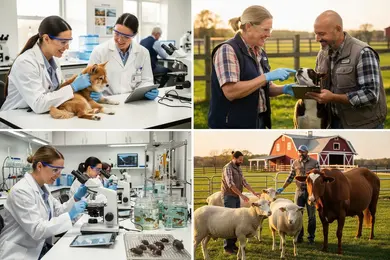
These internships typically take place during the junior or senior years and involve placements in environments like farms, clinics, research labs, or animal nutrition firms, offering hundreds of hours of supervised work experience. Such practical training enhances skill development in animal handling, data collection, and research, supporting career readiness and networking opportunities.
Students should consider these commitments carefully when selecting a program, as some also use cooperative education models for academic credit. For those interested in related fields, exploring the best online pharmacy programs may provide additional professional options.
Are Internships Paid or Unpaid in Animal Science Programs?
Internships in animal science programs vary between paid and unpaid, depending greatly on the employer, location, and specific program. This distinction is important for students when planning program costs and career trajectories.
Recent data shows that approximately 40% of animal science internships offer some form of compensation, though this can differ widely based on region and employer type. The key points to consider about animal science internship compensation include:
- Payment Structure: Many internships affiliated with academic institutions or nonprofit organizations tend to be unpaid or provide modest stipends, while commercial or industry-sponsored internships often pay hourly wages or salaries, especially for roles requiring technical skills or labor-intensive work.
- Influencing Factors: Whether an internship is paid often depends on budget availability, the nature of the duties, and if the position is full-time or part-time.
- Value of Unpaid Internships: Even unpaid internships can offer valuable hands-on experience, professional networking opportunities, and may count toward academic credit, all crucial for career development in animal science.
Those exploring related accelerated pathways can consider programs offering a medical assistant certification for rapid entry into healthcare professions.
What Is the Difference Between Internships or Clinical Hours in Animal Science Degree Levels?
Recognizing how internships and clinical hours differ across animal science degree levels is essential for students planning their educational and professional trajectories. These experiential requirements influence not just time commitments but also preparedness for specialized career paths. A clear understanding helps students align their expectations with program demands and future goals.
The distinctions become evident when considering typical experiential expectations by degree level:
- Associate and Bachelor's degrees: Internships generally offer broad industry exposure with moderate supervision. These experiences last from a few weeks to several months, focusing on practical skills in settings like farms or research environments. Internships at this level emphasize networking and real-world applications rather than intensive clinical work, which aligns closely with common animal science degree internship requirements.
- Master's and Doctoral programs: These levels often mandate clinical hours that are longer and more structured. Students engage in detailed hands-on animal care, diagnosis, and treatment under strict professional supervision. Clinical hours are vital for building advanced expertise and frequently meet licensing or certification criteria needed for specialized animal health careers.
For students also interested in complementary healthcare fields, investigating options such as a low cost medical coding and billing online program can provide valuable administrative skills that complement clinical expertise.
How Do Accelerated Animal Science Programs Handle Internships or Clinical Hours?
Accelerated animal science programs incorporate internships or clinical hours by weaving practical experience directly into their condensed curricula. These programs require students to engage in internships concurrently with coursework each term, often including summer or intersession clinical opportunities to meet hands-on requirements without extending graduation timelines.
The intensity of the schedule means students must commit to frequent, sometimes irregular hours-early mornings, evenings, or weekends-to fulfill both academic and experiential components. Clear scheduling and partnerships with local farms, veterinary clinics, and research centers support these demanding program structures.
Balancing fast-paced studies with clinical hours demands strong time management and program support. To ensure graduates meet professional standards, accelerated animal science tracks mandate that clinical experiences align with state licensure or industry readiness criteria, often involving supervised practice and evaluations.
Nearly 40% of students in these accelerated tracks participate in internships or clinical placements, underscoring the emphasis on real-world preparation. Programs also encourage reflective assignments and ongoing assessments to deepen students' learning beyond hands-on tasks.
A graduate of an accelerated animal science degree shared that managing the workload was "a real juggling act." He described days starting before dawn for clinical duties, followed by intense lectures and labs, noting it "felt like running a marathon in months rather than years."
Although challenging, he emphasized that frequent check-ins with advisors and well-structured timelines helped him stay on track. "The stress was high, but seeing progress each week made the effort worthwhile," he recalled, highlighting that the immersive experience built confidence essential for his career start.
Are Internship Requirements the Same for Online and On-Campus Animal Science Degrees?
Internship and clinical hour requirements for online and on-campus animal science programs generally do not differ, as both formats maintain similar expectations to ensure professional competence. Students are typically required to complete several hundred hours of hands-on experience, supporting consistent learning outcomes and aligning with industry standards.
Online education in agricultural fields, including animal science, has expanded by over 20% annually, reflecting increased demand for flexible experiential opportunities.
Despite comparable requirements, the way students fulfill internships varies in practice. Online learners often have more freedom to choose placements close to home, avoiding relocation, and can set schedules that better fit personal commitments.
Supervision for online internships may rely more on remote communication with faculty or local experts, whereas on-campus programs usually provide closer, on-site oversight, creating differences in daily interaction and support during the experiential phase.
How Do Animal Science Degree Specialization Choices Affect Internship Requirements?
Specialization choices play a significant role in shaping internship and clinical hour requirements in animal science degree programs. Different tracks, such as veterinary science, animal nutrition, or animal behavior, each have unique demands shaped by industry expectations and workforce needs.
Research indicates that nearly 75% of animal science students in specialized tracks participate in internships, underlining the field's emphasis on hands-on experience.
For instance, veterinary-focused students often have stringent clinical hour mandates involving time in clinics or hospitals, while those in animal nutrition might complete internships in research labs or feed companies with less intensive clinical obligations. This variety in specialization directly impacts the nature and setting of practical training required.
The variation in internship requirements influences students' scheduling flexibility, workload, and career preparation. Programs with heavy clinical hours may extend degree duration or require summer internships, limiting opportunities for part-time work during study periods.
These differing demands also ensure that students gain specific practical skills aligned with their professional goals in animal science, strengthening their job readiness.
Prospective students interested in related fields may want to explore the cheapest online nursing programs as alternative routes to healthcare careers.
Can Work Experience Replace Internship Requirements in a Animal Science Degree?
Work experience can sometimes replace internship requirements in an animal science degree, especially for students balancing studies with professional commitments. This option is common among those who have relevant roles or extensive hands-on experience in the field, offering a practical alternative to traditional internships.
Whether prior work qualifies depends on the relevance to animal science, duration of employment, and confirmation from employers that duties align with academic goals and program standards.
Programs tend to be more flexible with mid-career students or those pursuing applied specializations, where accumulated knowledge may surpass what a short internship provides. In contrast, many institutions maintain strict internship or clinical hour mandates for entry-level students to ensure standardized hands-on training.
Because requirements vary by institution and degree level, students should proactively consult with academic advisors to determine if their experience can qualify as an internship substitute.
I spoke with a graduate of an animal science degree who shared her experience navigating this decision. Working on a large-scale dairy farm for several years before enrolling, she initially worried whether her job would count toward internship credit.
After detailed discussions with her program advisor and submitting employer verification, much of her work was accepted, allowing her to focus on advanced coursework. She described the process as "challenging but rewarding" and felt her real-world experience enriched her studies, making it a valuable complement rather than just a requirement to fulfill.
How Long Do Internships or Clinical Rotations Last in a Animal Science Degree?
The length of internships or clinical rotations in an animal science degree plays a crucial role in shaping practical skills and managing academic schedules. Industry data shows that about 75% of students undertake internships lasting at least eight weeks, highlighting the value placed on real-world experience.
Below are common timelines for these experiential learning components, reflecting various program structures and career focuses:
- Short-term internships: Typically lasting 4 to 6 weeks, these internships often take place during summer breaks. They provide concentrated exposure to different aspects of animal science, ideal for students seeking quick yet meaningful hands-on opportunities.
- Semester-long internships or clinical rotations: Spanning approximately 12 to 16 weeks, these longer commitments align with academic semesters. They allow students to deeply engage with daily operations and gain comprehensive insights, which is especially important for those pursuing clinical or veterinary-related careers.
- Extended, part-time rotations: Distributed over an entire academic year, these rotations offer flexibility to balance coursework and fieldwork. Programs incorporating this model often respond to accreditation requirements or cater to specialization areas such as livestock management, where seasonal timing influences scheduling.
Does Completing Internships Improve Job Placement After a Animal Science Degree?
Job placement outcomes are a critical concern for prospective students because they directly influence the return on investment of their education. According to a study by the National Association of Colleges and Employers, over 60% of employers prefer candidates with relevant internship experience.
Below are key ways internships enhance employment prospects after graduation:
- Employer preferences: Hiring managers in the animal science field often prioritize candidates who have proven practical experience. Completing internships allows students to demonstrate their ability to apply academic knowledge in real-world settings, making them more competitive job applicants.
- Professional networking: Internships offer valuable opportunities to build connections with industry professionals. These relationships can lead to job referrals, recommendations, and greater visibility within the animal science community.
- Skill development: Practical experience gained through internships improves essential skills such as animal care, research methodologies, and data analysis. This skill enrichment strengthens a graduate's résumé and overall readiness for the workforce.
- Conversion into full-time roles: Many internships function as trial periods where students can transition into full-time positions if they perform well. This pathway provides a smoother transition from academic study to employment.
For those exploring other fields or seeking flexible options, programs like the cheapest RN to BSN online highlight the importance of practical learning for career advancement in nursing.
Do Employers Pay More for Animal Science Graduates With Hands-On Experience?
Practical experience like internships or clinical rotations often leads to higher starting salaries for animal science graduates, with some studies showing increases of up to 10%. This reflects employers' confidence in candidates who have demonstrated real-world skills and reduced training needs.
Several key factors explain why hands-on experience can enhance earning potential:
- Employer Value: Practical experience signals familiarity with essential industry practices such as animal handling, lab techniques, and veterinary procedures. This makes candidates more immediately effective, particularly in sectors like livestock management and research.
- Negotiation Advantage: Graduates with clinical hours or internships typically have stronger leverage during salary discussions because they bring proven competencies and lower onboarding costs, which employers appreciate.
- Industry Expectations: As experiential learning increasingly becomes a standard component of animal science programs, employers often expect candidates to have some hands-on training to be job-ready, especially in competitive markets.
- Program and Specialization Differences: The impact of practical experience on salary can vary depending on the animal science specialization. For example, veterinary technology and animal health roles may emphasize clinical hours more than animal nutrition or genetics. Additionally, accelerated or online programs might incorporate fewer in-person hours, which can influence both the readiness and immediate salary offers.
What Graduates Say About Their Animal Science Degree Internships or Clinical Hours
- Missy: "Completing the internship for my online animal science degree was an amazing hands-on opportunity that perfectly complemented my coursework. Despite concerns about cost, the internship fees were quite reasonable compared to in-person programs, making it accessible without sacrificing quality. This experience was pivotal in landing my first job as a veterinary technician, and I couldn't be more grateful for how it shaped my career path. "
- Rae: "Reflecting on my animal science degree internship, I appreciate how the online format allowed me to balance work and study without incurring high costs. The internship's expenses were manageable and clearly communicated, which helped me plan financially. Professionally, the practical skills I gained through this requirement enhanced my confidence and credibility when applying for research assistant positions. "
- Lorelei: "The internship affiliated with my animal science degree was a crucial stepping stone in my professional development. Although the cost added to my overall program investment, it provided a real-world application that textbooks simply can't match. As a result, I transitioned smoothly into a career in animal nutrition consulting, proving the internship's value was well worth the price. "
Other Things You Should Know About Animal Science Degrees
Many animal science programs allow internships completed abroad to count toward degree requirements if they are approved by the academic institution. These experiences can provide valuable exposure to different animal care practices and research techniques globally. Students should consult their academic advisors to ensure proper credit transfer and alignment with program goals.
In 2027, animal science students often find internships with veterinary clinics, zoos, research laboratories, agricultural companies, and animal shelters. Each setting provides different experiences, helping students gain practical knowledge and skills relevant to their career paths in animal science.
References
- Why Internships Matter in Veterinary Science | Career Plan B https://careerplanb.co/why-internships-matter-in-veterinary-science-and-how-they-shape-careers/
- How do internships help prepare you for vet school? - Loop Abroad https://www.loopabroad.com/blog/how-do-internships-help-prepare-you-for-vet-school/
- Is animal science the degree for you? https://www.berry.edu/articles/blog/2022/is-animal-science-the-degree-for-you
- Making the Most of Your Animal Science Degree https://unity.edu/distance-education-blogs/animal-science-internships/
- Internship Opportunities https://ansc.umd.edu/undergraduate/current-students/internships/internship-opportunities
- Training Opportunities https://www.vet.upenn.edu/student-life/training-opportunities/
- Internships https://stlzoo.org/employment/internships
- Veterinary internships and externships | American Veterinary Medical Association https://www.avma.org/education/veterinary-internships-and-externships
- Animal Science Internships Abroad - Animal Health & Care https://www.ceastudyabroad.com/job-description/animal-sciences
- Veterinary Internships/Externships - Friendship Hospital for Animals https://friendshiphospital.com/veterinary-community/veterinaryinternships-externships/