
2027 Does an Online Environmental Science Master's Degree Qualify You for Licensure?

Co-Founder and Chief Data Scientist
Consider a professional who earned an online environmental science master's degree aiming to become a licensed environmental consultant. Despite program completion, they discover their state's licensing board mandates in-person practicum hours and specific accreditation that not all online programs meet. According to recent data, 35% of online environmental science master's programs lack accreditation recognized by key certification bodies, complicating licensure paths. This article clarifies the nuances of licensure eligibility related to online programs, examining accreditation, supervised practice requirements, exam prerequisites, and interstate portability. It guides prospective students through critical criteria to ensure their degree supports licensure in their target jurisdiction.
Key Benefits of Qualifying for Online Environmental Science Master's Degree Licensure
- Online environmental science master's degrees from accredited institutions often satisfy state board licensure prerequisites, including core coursework and supervised practicum hours essential for certification.
- The flexibility of online programs supports working professionals, career changers, and re-entrants by allowing study without geographic or schedule constraints, facilitating licensure progress alongside employment.
- Graduates must verify state-specific licensure requirements, as eligibility for exams and credential recognition can vary, impacting interstate practice and professional advancement opportunities.
What Is a Environmental Science Master's Degree, and What Forms Does It Take Online?
Prospective students and career changers exploring an online environmental science master's degree must understand how the degree type and program format affect licensure eligibility. Knowing these factors helps ensure the degree meets specific state board and credentialing agency requirements. Here are key considerations:
- Degree Types: Online environmental science master's degree programs typically offer either a Master of Science (M.S.) or a Master of Arts (M.A.). The M.S. often emphasizes technical research and scientific methodology, while the M.A. may focus on policy, management, or interdisciplinary approaches. Professional variants provide targeted credentials for applied environmental management or sustainability roles.
- Online Delivery Models: Programs use either synchronous (live, scheduled sessions) or asynchronous (self-paced study) formats. Some adopt cohort models, where students progress together, while others allow independent pacing. Asynchronous formats are common for flexibility, particularly appealing to working professionals.
- Common Program Formats: Most online environmental science degrees are asynchronous to accommodate diverse schedules, although some require live seminars or labs. Institutions balance program rigor with accessibility, ensuring students complete required experiential components for licensure eligibility.
- Licensure Considerations: The type of master's degree-academic or professional-directly impacts eligibility for licensure. Students must verify that coursework and supervised practical experiences align with state and national standards to avoid licensure challenges.
- Importance of Accreditation: Accredited programs, typically regionally accredited and sometimes additionally by relevant environmental professional agencies, are more likely to fulfill licensing requirements. Confirming accreditation helps prevent future licensure denial.
Additionally, students looking to add credentials related to environmental science may explore BCBA certification programs, which follow similar rigorous online standards.
Do State Licensing Boards Recognize Online Environmental Science Degrees for Licensure Purposes?
Licensure requirements for environmental science degrees earned online vary significantly across states, making it vital for prospective students to research how their credentials will be recognized. Since state licensing boards govern professional practice, policies on online environmental science degree licensure acceptance by state boards can impact career trajectories and educational decisions.
- State-Level Variability: Each state licensing board sets its own standards, resulting in diverse treatment of online degrees. Some states, like California and Texas, explicitly endorse accredited online programs, while others, such as New York, evaluate applications individually without predefined rules.
- Accreditation Requirements: Most states require degrees from regionally accredited institutions, focusing more on accreditation than on whether the coursework was completed online or on-campus. This standard remains a key determinant in licensure eligibility.
- Practical Experience and Examinations: Licensing often demands supervised fieldwork or practicum hours alongside passing state-specific exams. Online students must arrange approved local hands-on experiences to meet these requirements.
- Interstate Licensure Portability: Because licensure standards differ, holding a license in one state does not guarantee automatic recognition in another. Prospective students should consider how an online degree affects future mobility in their profession.
- Recommended Action for Students: Due to the complexity and variation in policies, contacting the relevant state licensing board before enrolling in any online program is essential. A 2023 survey found that 65% of environmental science licensure applicants with online degrees underwent additional verification steps compared to traditional degree holders.
For those exploring educational options, considering affordable doctoral programs may provide further pathways for advancement in the environmental science field.
What Supervised Clinical or Practicum Hours Are Required for Environmental Science Licensure After an Online Degree?
Nearly three-quarters of state licensing boards require applicants to complete supervised clinical or practicum hours as part of environmental science licensure. This requirement verifies practical experience beyond academic coursework, which online environmental science master's students must navigate carefully to ensure their distance education leads to licensure eligibility.
- Field Placement Coordination: Online programs frequently partner with local agencies or employers to arrange field placements, allowing students to fulfill hands-on hours close to home. These collaborations help remote learners avoid traveling to campus for their supervised experiences.
- Residency Requirements: Most states mandate that supervised hours be completed within the applicant's state of residence, rather than the state where the university is located. A few boards may accept hours from other states if those align with their standards, so checking specific state policies is essential.
- Documentation and Approval: Graduates must keep accurate, detailed records of their supervised hours and submit them for board approval. Incomplete or inconsistent documentation frequently causes delays or denial of licensure applications.
- Differentiating Practicum and Internship: Some programs define practica as compulsory supervised experiences embedded within courses, while internships may be optional or extra. Both can typically count toward licensure if supervised properly and documented thoroughly.
A professional who completed an online environmental science master's program with transfer credits shared that coordinating supervised hours was a challenging but manageable step. He noted, "Finding a local placement that accepted online students took persistence and clear communication," and added that tracking supervisor signatures and submitting progress reports required constant attention to detail. He emphasized that while the program helped facilitate placements, the process demanded proactive effort and patience to ensure all documentation met the licensing board's standards without setbacks.
What Examinations Must Environmental Science Graduates Pass to Obtain Licensure?
Graduates seeking professional licensure after completing an online environmental science master's program must often pass specific national or state board exams, depending on jurisdictional requirements. Eligibility to take these exams generally requires that programs meet high accreditation standards and include supervised practicum or fieldwork hours, which can be fulfilled via well-structured online curricula. Alignment of course content with exam subject areas is crucial for exam preparedness, and reputable distance programs typically cover the scientific, regulatory, and technical domains examined. Prospective candidates should verify environmental science licensure exam requirements directly with credentialing bodies, as rules vary widely, especially for state board exams for environmental science graduates. According to the National Association of Environmental Professionals, approximately 65% of environmental scientists pursue certifications or licenses for career advancement.
- Certified Environmental Scientist (CES) Exam: Administered by the National Association of Environmental Professionals, this certification assesses expertise in environmental regulations, science, and ethics. Graduates of accredited online programs are generally eligible if they satisfy experience and educational prerequisites.
- State-Specific Environmental Professional Licenses: Various states require passing local exams or board reviews related to environmental compliance. Requirements fluctuate widely, so graduates must confirm eligibility policies for online degree holders with respective state agencies.
- Registered Environmental Manager (REM) Exam: Provided by the National Registry of Environmental Professionals, this exam targets applied management skills and regulatory knowledge. Many online graduates qualify if their coursework includes practicums and verified field experience.
- Environmental Engineer Fundamentals and Professional Engineer (FE and PE) Exams: Environmental scientists with engineering credentials must often pass these for licensure. Online graduates from ABET-accredited programs are typically permitted to sit for these examinations under similar conditions as traditional students.
Students should also consider program quality, which can impact eligibility and readiness for these licensure exams, including those who are comparing engineering degrees online. Confirming requirements early minimizes risks of ineligibility following degree completion.
What Is the Minimum GPA Requirement for Environmental Science Master's Programs That Lead to Licensure?
For applicants to online environmental science master's programs that lead to licensure, academic performance is a critical factor in gaining admission and meeting professional standards. Recent data shows about 75% of accredited programs require a minimum GPA of 3.0 or higher, emphasizing the importance of maintaining solid grades throughout graduate studies.
- Typical GPA Thresholds: Most programs maintain a 3.0 GPA minimum on a 4.0 scale for admission. While some programs may consider candidates with slightly lower GPAs if they show exceptional experience or research, this flexibility is rare, especially for licensure-linked degrees.
- Online vs. On-Campus: Accreditation agencies enforce consistent GPA requirements regardless of delivery format. This means online students face the same academic standards as their on-campus counterparts, ensuring equal rigor and fairness in admissions.
- Licensing Board Standards: Licensing authorities generally do not impose specific GPA cutoffs. Instead, they rely on educational institutions to uphold academic criteria. However, boards may scrutinize transcript details to verify that the academic record meets licensure prerequisites.
- Licensure Exam Eligibility: Some states or boards mandate a minimum cumulative GPA for exam qualification. Applicants should confirm whether their program's GPA policies align with these licensing requirements to avoid challenges in exam eligibility.
- State-Specific Policies: Since licensure rules vary widely by state, prospective students must consult state licensing boards to determine if GPA impacts licensure decisions, ensuring their chosen program supports their professional goals.
A professional who transitioned careers through an online environmental science master's degree recalled the stress of maintaining a strong GPA to secure licensure eligibility. She shared, "I was careful to track my grades because I knew the program's accreditation was key, but I also checked state board requirements early on to make sure no surprises awaited at licensure." Her experience underscores the importance of proactive research and academic diligence, demonstrating how meeting GPA standards can smooth the path toward successful licensure and professional practice.
How Do Online Environmental Science Programs Fulfill the Residency or In-Person Requirements Tied to Licensure?
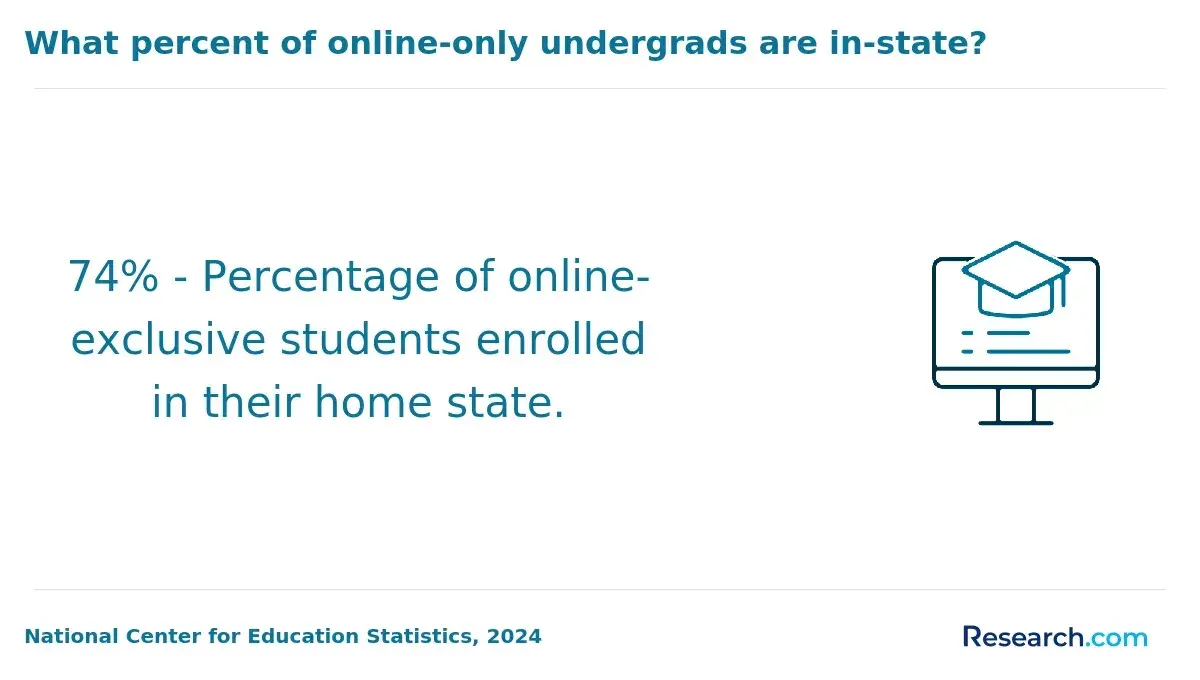
With online enrollments in environmental science master's programs increasing by over 25% recently, many prospective students need clarity on how residency requirements impact licensure eligibility. These mandates are particularly significant because some boards demand hands-on experience that cannot be fully completed online. Key considerations in this area include:
- Residency Requirements: Certain licensing authorities require candidates to participate in in-person training, such as fieldwork or supervised practicums, to demonstrate practical skills essential for professional competence.
- Fulfillment Methods: Online programs often meet these mandates by offering short, intensive residencies on campus, creating hybrid models that combine online study with local practical experiences, or partnering with approved organizations where students complete required training.
- Evaluation Process: When reviewing licensure applications, boards assess whether the degree's residency components meet state-specific standards, sometimes necessitating additional documentation or verification of practicum hours.
- Regulatory Updates: Some accrediting bodies temporarily eased residency rules during the height of remote learning but have largely reinstated these requirements, underlining the continuing importance of hands-on experience for environmental science professionals.
How Does Interstate Licensure Portability Work for Online Environmental Science Graduates?
For students pursuing an online environmental science master's degree, understanding licensure portability is critical, especially if they study in one state but plan to work in another. As of recent data, only about 35% of states participate in formal licensure reciprocity agreements in environmental-related fields, highlighting the importance of evaluating licensure transferability upfront.
- Licensure Portability Defined: Portability is the ability to transfer a professional license from one state to another without repeating the initial licensing requirements. This process depends heavily on state board policies and the degree's recognition across jurisdictions.
- Interstate Compacts and Agreements: Environmental science frequently lacks comprehensive interstate compacts facilitating license transfers. Some states may offer endorsements or reciprocity on a case-by-case basis, but such agreements are not uniformly established for online degree holders.
- Challenges for Online Graduates: Boards may scrutinize online credentials more closely due to variations in accreditation or practicum standards. Additional documentation, supervised hours, or supplemental exams are often required if the curriculum does not align with the destination state's regulations.
- Evaluating State Requirements: Candidates should research the policies of both their program's state and the state where they intend to practice. Key factors include accreditation standards, supervised practicum hour requirements, and examination prerequisites.
- Actionable Steps: Prospective students are advised to contact relevant state licensing boards before enrolling, verify program accreditation, and inquire about reciprocity and interstate acceptance. Consulting alumni or professional organizations can clarify potential portability challenges.
What Are the Common Reasons Online Environmental Science Graduates Are Denied Licensure?
Prospective students pursuing an online environmental science master's degree should carefully consider several critical factors that commonly lead to licensure application denials in the United States. These issues are especially relevant since licensing boards have strict requirements that can disproportionately affect graduates of online programs.
- Accreditation Deficiencies: Many state licensing boards require degrees from programs accredited by recognized agencies. Online environmental science degrees lacking regional or specialized accreditation often face rejection, as boards must verify the educational quality to approve licensure.
- Insufficient Documentation of Supervised Hours: Licensure often demands a specific number of supervised practicum or fieldwork hours. Graduates of online programs sometimes have difficulty providing adequate verification or must complete these experiences independently, delaying or blocking licensure approval.
- Coursework Misalignment: Boards expect curricula to include subjects critical to environmental science practice. Programs that miss essential topics or practical training components can result in licensing application denials, affecting online environmental science degree holders more frequently.
- Background Check Issues: Some states mandate criminal background checks. Negative findings or incomplete disclosures may lead to denial regardless of academic qualifications, complicating licensure for some applicants.
- Appeals and Corrective Steps: Graduates denied licensure can often appeal by submitting additional evidence, completing supplementary coursework, or fulfilling supervised experience requirements. Early identification and resolution of deficiencies help reduce licensing delays.
Researching program accreditation, licensing requirements, and practicum arrangements before enrolling in any online environmental science master's degree is essential. This reduces the risk of licensure hurdles after graduation for any licensing application denials for online environmental science degree holders. For those exploring other fields of study, reviewing options like an online library science degree can provide perspective on accreditation and licensure issues that vary widely by discipline and state.
What Technology and Simulation Requirements Must Online Environmental Science Programs Meet to Support Licensure-Track Students?
Prospective students pursuing an online environmental science master's degree with licensure goals should carefully evaluate the technology requirements for online environmental science licensure programs to ensure practical training meets professional standards. Recent data shows master's degree holders in environmental science earn a median annual salary near $70,000, illustrating the importance of choosing programs that support hands-on learning through technology.
- Advanced Simulation Labs: Programs must offer access to virtual simulation labs replicating essential fieldwork and laboratory experiments. Accrediting bodies require these simulation tools for licensure-track environmental science students to provide realistic, interactive experiences that develop skills comparable to those gained in person.
- Telepresence and Remote Tools: Many online programs integrate telepresence technology and remote sensors to enable real-time environmental monitoring and data collection. Licensing boards evaluate whether these tools prepare students for the increasingly digital infrastructure in professional environmental science roles.
- Supervised Practicum Technology: To satisfy supervised practicum hour requirements, video supervision and digital reporting platforms allow licensed professionals to oversee student work remotely, ensuring alignment with state-specific licensure standards.
- Accreditation and Licensing Review: Accrediting agencies conduct technology audits and review student outcomes to confirm online programs meet experiential learning criteria. Licensing boards verify that practical training complies with jurisdictional licensure requirements.
- Student Assessment and Inquiries: Before enrolling, students should ask admissions about virtual lab availability, supervision methods, and technical support. Emerging pilot programs are also developing standardized simulation metrics to improve interstate licensure portability, emphasizing the need to assess a program's commitment to evolving technology standards.
For those also exploring related fields, a strong foundation online degree, such as a construction management bachelor degree, demonstrates how digital infrastructure supports professional education at scale.
What Continuing Education Requirements Must Licensed Environmental Science Professionals Meet After Earning Their License?
Continuing education (CE) is a mandatory requirement for most states to maintain licensure in environmental science, with professionals typically needing to complete 20 to 40 hours every cycle, which spans one to three years. These ongoing learning demands ensure practitioners remain up to date with evolving practices and regulations.
- State Board Requirements: Each state board sets minimum CE hours and topic mandates often including ethics and new environmental laws, helping license holders stay aligned with current professional standards.
- Online CE Access: Increasingly, professionals can fulfill CE obligations through accredited online courses, providing flexibility and wider availability. However, verifying that each state's board recognizes the specific online offerings remains crucial before enrollment.
- Role of Professional Associations: Groups such as the National Association of Environmental Professionals (NAEP) establish CE frameworks and approve providers, coordinating with state boards to make sure CE credits meet licensing criteria.
- Specialized and Ethics CE: Many states mandate additional coursework focused on ethics or niche areas like hazardous waste handling. Environmental science graduates should address these specialized requirements early in their career plans to avoid licensing gaps.
- Proactive Planning: Consistent tracking of earned CE credits and choosing state-approved, accredited programs helps prevent renewal delays or denials due to insufficient continuing education compliance.
How Should Prospective Students Evaluate Whether a Specific Online Environmental Science Program Will Qualify Them for Licensure in Their State?
Prospective students pursuing an online environmental science master's degree must carefully verify the program's licensure eligibility to ensure it supports their professional goals. Nearly half of students fail to confirm this alignment beforehand, risking delays in licensure and employment.
- Check Accreditation: Confirm the program is accredited by agencies recognized by the U.S. Department of Education or the Council for Higher Education Accreditation, as this validates the curriculum meets standards essential for licensure.
- Contact State Board: Access your state's environmental or natural resources board website to examine specific licensing requirements, including degree criteria, coursework, and exams needed for certification.
- Review Curriculum: Compare the program's courses and practicum offerings to your state board's mandated subjects and required field hours to ensure the degree fulfills all licensure prerequisites.
- Confirm Practicum Arrangements: Verify that the program provides supervised internships or practicum experiences with sufficient clock hours recognized by your state for licensure eligibility.
- Utilize Public Information: Rely on detailed licensure guidelines published by state boards and official program disclosures to perform a thorough evaluation prior to enrolment.
- Consult Advisers and Professionals: Engage with program representatives for clarification on licensure-related policies and speak with current licensed environmental science practitioners to understand practical licensure nuances and workforce expectations.
Taking these steps before enrolling reduces the risk of pursuing a degree that falls short of state licensing demands. Investing effort in early due diligence far outweighs the challenges of addressing licensure gaps after graduation, facilitating smoother career progression and compliance with continuing education requirements.
What Graduates Say About Qualifying for Online Environmental Science Master's Degree Licensure
- Mordechai: "Choosing an online environmental science master's degree was a strategic decision for me, balancing work and study without sacrificing career progress. I took great care to verify that my program met all the licensure requirements, including accreditation and state approval, which simplified my path to professional certification. Earning this degree online not only expanded my knowledge but also opened doors to new licensure opportunities that would have been difficult to achieve otherwise."
- Casen: "Reflecting on my journey, the decision to pursue an online environmental science master's program stemmed from its flexibility and reputation. I thoroughly researched the licensure criteria, confirming the curriculum covered the essential competencies needed for certification. This preparation was pivotal; the degree bolstered my qualifications and gave me the confidence to excel as a licensed environmental professional."
- Walker: "From a professional standpoint, enrolling in an online environmental science master's program was the logical next step to meeting licensure requirements while maintaining my current job. The detailed process of validating program eligibility involved consultations with advisors and verifying credit transfers to ensure compliance. Ultimately, this degree has been a critical factor in advancing my career and achieving licensure in a competitive field."
Other Things You Should Know About Environmental Science Degrees
Accreditation ensures that an online environmental science master's program meets established academic and professional standards. Most state licensing boards and credentialing organizations require degrees from accredited institutions as a baseline for licensure eligibility. Attending an unaccredited program can result in difficulties or outright denial when applying for licensure, making it essential to verify accreditation before enrolling.
Prospective students should ask if the program meets the academic prerequisites for professional licensure in their state or jurisdiction. Inquire about supervised practicum or fieldwork requirements and how these are managed for online students. It is also important to ask whether graduates have historically qualified to sit for licensure exams and if the program maintains relationships with employers and licensing boards.
In 2027, employers and credentialing bodies generally recognize accredited online environmental science master's degrees as valid for licensure. Accreditation ensures that the program meets specific educational standards, providing assurance of quality comparable to traditional degrees. Students should verify their program's accreditation status to confirm licensure eligibility.
References
- Mandatory Certification Disclosure for U.S. States and Territories https://www.albany.edu/online/mandatory-certification-disclosure-us-states-and-territories
- EPI Handbook - Board for Global EHS Credentialing https://gobgc.org/updated-epi-handbook/
- B.Sc. in Environmental Science https://www.sci.cuhk.edu.hk/academic/undergraduate-studies/programmes-offered/ensc/
- 10 Best Online Schools for Transferring Graduate School Credits https://www.geteducated.com/elearning-education-blog/4-critical-questions-to-ask-when-transferring-masters-programs/
- Join-Board Certified Environmental Scientist https://www.aaees.org/bces
- Facilitating Mobility of Educational Personnel https://www.nasdtec.net/page/Interstate
- Professional Licensure Disclosures https://online.uoregon.edu/professional-licensure-disclosures
- Licensure Portability 101 https://plus.aamft.org/licensure-portability-101/
- How to Become an Environmental Scientist | University of Phoenix https://www.phoenix.edu/articles/environmental-science/how-to-become-an-environmental-scientist.html


