2027 Online Environmental Science Degree Programs Costs: Tuition & Fees

Co-Founder and Chief Data Scientist
Choosing to pursue an online Environmental Science degree involves carefully considering the cost of tuition and associated fees. Higher education expenses can significantly impact a student's financial plans, especially given the range of prices across institutions. Understanding these costs early helps students budget effectively and avoid unexpected financial challenges.
The article will explore typical tuition ranges for online Environmental Science programs, break down fees beyond tuition, compare affordability across schools, and examine available financial aid options tailored to this field.
Key Points About Online Environmental Science Degree Costs
- Average tuition for an online Environmental Science degree ranges from $15,000 to $40,000, varying by institution type, program length, and residency status.
- Factors influencing cost include accreditation, faculty expertise, lab access, and technology fees tied to virtual fieldwork and research tools.
- Investing in this degree can lead to careers addressing climate change and sustainability, often offering strong job growth and environmental policy impact.
What Is the average cost of an online environmental science degree?
The average cost for an online Environmental Science bachelor's degree in 2025 typically ranges from $28,000 to $59,000 for the full 120-credit curriculum. Tuition varies widely based on factors like residency, school type, and financial aid eligibility. Some public universities offer much lower rates, making them a budget-friendly choice for many students.
Costs differ depending on whether you pursue an associate or bachelor's degree and which institution you choose. Community colleges usually charge around $3,564 per year for associate degrees.
For bachelor's programs, public universities often have annual tuition between $12,570 and $19,374, whereas private schools average about $45,920 per year. Per-credit fees also vary, with universities like Arizona charging $525 per credit and Oregon State $350 per credit (quarter credits). Some affordable colleges, such as Northwest Indian College, provide the full program for as little as $6,600.
When compared to other STEM fields, online Environmental Science degrees tend to be similarly priced or slightly less expensive. This is partly due to fewer required laboratory sessions and reduced use of physical campus facilities. However, it is important to confirm whether published tuition rates are per credit or for the entire program, as this greatly impacts the overall cost.
What is typically included in the tuition for an online environmental science degree?
Tuition for an online Environmental Science degree generally finances the core services and digital resources necessary for distance learning. These costs enable students to engage with coursework effectively and access academic support remotely.
Most programs bundle several key features within their tuition to ensure a comprehensive educational experience. Below are the common inclusions you can expect when enrolling in such a degree.
- Virtual classrooms and learning platforms: Access to interactive online classes and course management systems.
- Academic advising: Digital support and guidance tailored to online students' academic progress.
- Library resources: Availability of extensive online databases, journals, and e-books for research.
- Technical support: Assistance with online tools and software needed to complete assignments.
- Tutoring services: Remote academic help to reinforce difficult concepts and improve understanding.
- Instructional materials: Coverage of e-books, scientific articles, and specialized software like GIS applications.
While tuition covers many essentials, some costs are typically excluded. These may include lab kits for hands-on experiments, fees for proctored exams, specialized field equipment, and expenses related to any required in-person residencies.
Unlike on-campus students, online learners usually do not pay for optional services such as health or athletic fees and generally cannot access those facilities.
Overall, tuition is focused on enabling remote instruction and academic support but expect to budget separately for practical tools and any travel associated with field activities.
What factors influence the cost of pursuing an online environmental science degree?
The factors affecting online environmental science degree tuition vary widely, impacting your total financial commitment. Understanding these elements can help you better navigate the online environmental science program cost breakdown and select the best fit for your needs and budget.
- Type of School: Public universities usually offer lower tuition rates for in-state students, while private institutions charge higher, uniform rates regardless of residency. For instance, Montana State University's online master's program costs about $9,623 for Montana residents, compared to over $62,000 at private schools like Johns Hopkins.
- Residency Status: Tuition rates differ significantly between in-state and out-of-state students at public institutions. East Carolina University, for example, charges $10,134 for in-state and $35,702 for out-of-state tuition, creating a substantial cost difference.
- Credit-Hour Requirements and Program Length: Bachelor's programs typically require 120 to 180 credits, with per-credit costs ranging between $250 and $420. Master's degrees often come with a set total price, but longer programs can increase overall expenses.
- Technology Fees and Course Materials: Additional fees such as technology surcharges and costs for textbooks, software, or remote lab supplies may add hundreds of dollars to the total tuition bill in online settings.
- Student Support and Faculty Quality: Programs with strong advising, career services, faculty credentials, and school reputation often charge more, but these features can enhance the educational experience and future job prospects.
Before committing, review all program details and consider specialized course or fieldwork fees unique to Environmental Science. For those interested, exploring options for quick college degrees can also be beneficial in managing time and cost.
Are online environmental science programs cheaper than traditional programs?
Online Environmental Science degree programs typically present a more affordable option compared to traditional on-campus programs when evaluating tuition and fees for the 2025 academic year. Understanding the online environmental science degree cost comparison helps prospective students budget wisely for their education.
For example, some of the most affordable online bachelor's degrees charge as low as $6,600 per year at Northwest Indian College. Other well-regarded online programs, like Oregon State University, set tuition between $11,760 and $12,840 annually for undergraduate studies.
Graduate programs online usually cost between $16,950 and $17,460 for master's degrees at institutions such as the University of Florida and Oregon State University. These rates contrast with traditional on-campus options, where additional fees for activities, athletics, health, and transportation commonly increase total expenses.
On-campus degrees also often include costs for housing and commuting, which are avoided with online study. The average tuition for online vs traditional environmental science programs reveals that online students benefit from fewer mandatory fees and more flexible learning formats.
For those seeking reliability and accessibility, exploring a college with open admission offering online options can be a practical route to degree completion.
Are there in-state and out-of-state tuition for online environmental science programs?
Tuition costs for online Environmental Science degrees vary across institutions but generally follow clear patterns. Understanding how residency affects pricing can help prospective students budget effectively.
Many public universities charge a uniform tuition rate to all online students, regardless of whether they live in-state or out-of-state. This flat-rate approach is common for fully online bachelor's and master's programs in Environmental Science. However, if the curriculum includes on-campus or hybrid courses, some schools may still differentiate tuition based on residency.
In certain regions, agreements like the Midwest Student Exchange Program enable out-of-state students to access discounted tuition rates at participating public universities. Meanwhile, private institutions usually maintain a consistent tuition fee for all students, whether online or on-campus. Prospective students should always verify current tuition policies directly from the school, as these details can shift over time and exceptions may apply.
Which schools offer the most affordable environmental science degree programs?
Choosing from affordable online environmental science degree programs can help students balance quality education and cost effectively. These programs often offer the flexibility needed by working professionals and are suitable for those seeking a cheaper environmental science bachelor's degree online. Several accredited universities provide competitive tuition rates for fully online degrees in this field.
Below are three notable examples of institutions offering affordable online Environmental Science degrees with practical and customizable learning options to meet diverse student needs.
- University of West Alabama: This university offers a fully online BA/BS in Environmental Science at approximately $325 per credit hour. The program requires 123 credit hours and features course lengths ranging from 8 to 16 weeks, providing a flexible and budget-friendly choice.
- Oregon State University: Offering a BS in Environmental Sciences online for $271 per quarter credit, OSU requires 180 quarter credits. The program includes various minors such as environmental conservation and resource economics, with courses taught entirely by OSU faculty.
- American Public University: Known for a BS in Environmental Science priced at $350 per credit, this university allows transfer of up to 90 credits to reduce costs. The practical, career-focused curriculum and flat-rate pricing on some programs make it notably affordable.
Other universities like the University of Arizona ($525 per credit) and University of Phoenix ($398 per credit) also provide 100% online Environmental Science degrees. For students curious about broader cost considerations, resources such as how much does an online associate's degree cost can offer valuable insights into affordable pathways in higher education.
Which schools offer the most expensive environmental science degree programs?
The most expensive online Environmental Science degree programs in the United States reflect a combination of academic rigor, faculty expertise, and extensive student resources. These programs often come with a high price tag that corresponds to their reputation and the value they offer.
When considering the highest tuition environmental science online degrees, it's important to evaluate both costs and opportunities provided by these institutions.
Several well-known universities stand out for their costly online Environmental Science degrees. Below are three examples of these programs, showcasing their distinctive features alongside their tuition rates:
- The New School: This private university charges approximately $56,386 per year for its online Environmental Science program. Its pricing reflects an advanced curriculum, specialized faculty, and robust student services that support academic excellence.
- University of Utah: With online tuition around $29,837 annually, the program emphasizes research and access to cutting-edge campus facilities, even for remote learners.
- Arizona State University Online: Costing about $24,780 per year, this bachelor's degree program offers a comprehensive curriculum, renowned faculty, and strong career services to support student success.
Another notable mention is the SUNY College of Environmental Science and Forestry, where tuition is approximately $21,036 annually. This college specializes in environmental science disciplines with faculty actively engaged in research.
Prospective students interested in exploring the best ranked online universities will find these programs among the most expensive online environmental science degree programs available. When weighing their options, students should consider both cost and the professional networks these schools offer.
How long does it take to see a return on an online environmental science degree?
Environmental Science graduates commonly see a median annual salary around $76,480, making the field a viable option for return on investment (ROI) considerations. This salary level supports financial recovery from education costs within a reasonable timeframe for many students.
The typical ROI period for an online Environmental Science degree spans from four to six years, influenced by factors such as starting salary and tuition expenses. For example, attending an affordable program like Northwest Indian College, which charges about $6,600 per year, can lead to quicker financial payback compared to more expensive institutions. Students with little to no debt can expect faster recovery, whereas those with higher loan balances might face longer payback intervals.
Job market demand significantly impacts ROI; the Bureau of Labor Statistics anticipates an 11 percent growth in environmental science roles through 2024. Geographic factors and career growth also matter, as top earners, often federal employees, make over $130,000 annually.
Additional credentials from bodies like the National Registry of Environmental Professionals may enhance career advancement and salary potential, further improving ROI prospects over time.
Are online environmental science students eligible for financial aid?
Online Environmental Science students at accredited U.S. institutions are generally eligible for financial aid programs, including federal, state, and institutional funding. Eligibility primarily depends on enrollment in a degree-granting program and completing the Free Application for Federal Student Aid (FAFSA).
Students pursuing an online environmental science degree can access similar aid options as those attending on campus, provided the program is accredited and meets federal guidelines.
Financial aid for online environmental science degree students encompasses a variety of funding sources, tailored to help reduce tuition and related expenses. These options include federal grants, scholarships, and employer assistance programs.
Federal grants for online environmental science students are often among the most accessible forms of support and can significantly offset educational costs.
- Federal Student Aid: Includes Pell Grants, federal student loans, and work-study programs. Pell Grants can cover a substantial portion, sometimes the full tuition, especially for students with high financial need, while loans must be repaid with interest.
- State Grants: Certain states provide additional grant funding for residents enrolled in eligible online programs, supplementing federal aid and lowering out-of-pocket expenses.
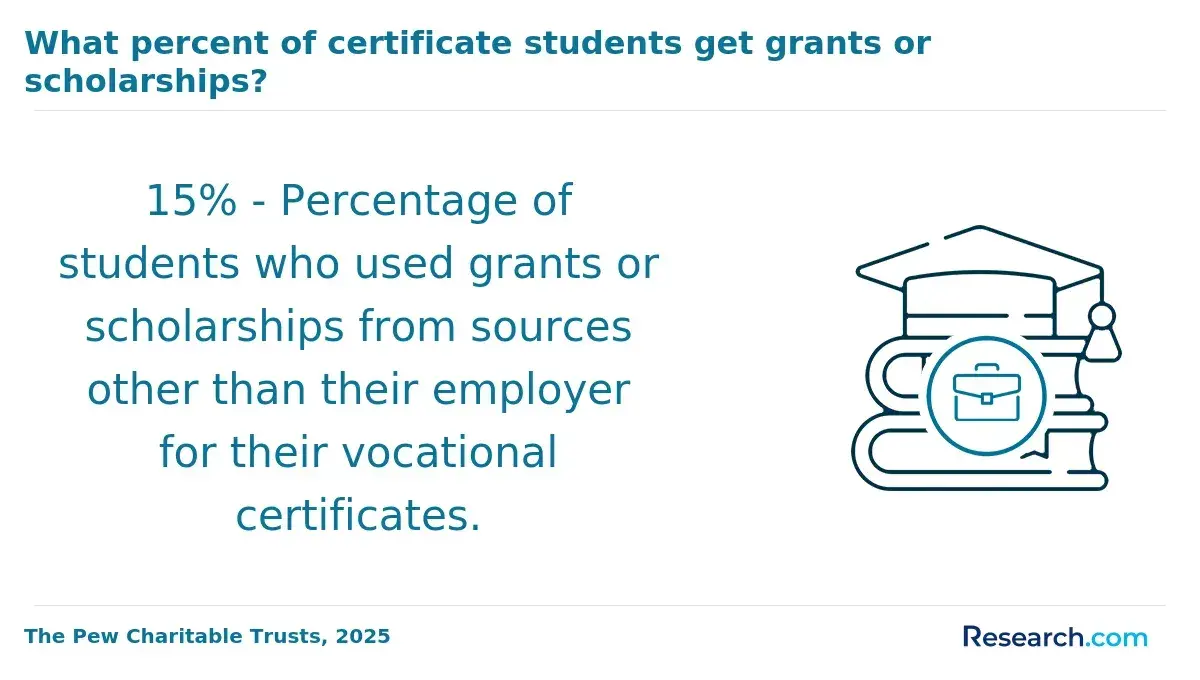
- Scholarships: Universities and private organizations frequently award scholarships specifically for Environmental Science majors based on academic achievement, career goals, or community involvement.
Additional support may come from employer tuition assistance or military benefits available to veterans and active-duty personnel. Grants and scholarships do not require repayment, making them particularly valuable compared to loans.
Students can also explore options for job certifications that pay well to supplement their environmental science knowledge and career prospects.
Are online environmental science program costs expected to increase in the coming years?
Pursuing an online degree in Environmental Science offers flexibility but comes with varying tuition costs. Understanding these expenses helps prospective students plan their education budget effectively.
Currently, tuition fees for online Environmental Science programs range widely depending on the institution's type and location. Public universities generally offer lower rates, especially for in-state students, while private institutions tend to charge higher tuition.
Fees can fluctuate from around $10,000 to upwards of $30,000 per year, influenced by factors such as program length, accreditation, and included resources.
Looking ahead, tuition costs are expected to follow a modest upward trend, reflecting overall increases in higher education expenses. However, many schools are introducing more affordable online options to attract students.
Financial aid, scholarships, and employer tuition assistance remain valuable tools in offsetting costs. Staying informed about these trends enables students to make well-informed decisions when selecting an online Environmental Science degree program.
What Students Say About The Cost of Pursuing Online Environmental Science Programs
- Ryker: "Pursuing my online Environmental Science degree was an incredible investment. With the average cost being much lower than traditional programs, I could focus on building a career in sustainability without the stress of overwhelming debt. This degree truly opened doors for me in the green energy sector, making every dollar spent worthwhile. "
- Eden: "When I started my Environmental Science program online, I was concerned about the cost, but it turned out to be quite affordable compared to on-campus options. The knowledge I've gained has reshaped my perspective on global environmental challenges, and the return on investment feels very rewarding as I prepare for a future in conservation. It's been a worthwhile commitment both financially and personally. "
- Benjamin: "Completing my Environmental Science degree online was a strategic decision, especially considering the reasonable tuition rates compared to in-person programs. This approach allowed me to balance work and study while advancing my expertise in environmental policy. The cost was manageable, and the professional growth I've experienced affirms that every dollar invested was a step toward a sustainable career."
Other Things You Should Know About Environmental Science Degree Program Costs
Students enrolled in online environmental science degree programs in 2027 can apply for federal financial aid, scholarships specific to environmental studies, and grants offered by institutions. It's important to fill out the FAFSA to determine eligibility for these financial resources.
In 2027, online environmental science degree programs may include fees such as technology fees, course materials, and proctoring charges. Prospective students should review each program's detailed tuition breakdown to ensure all costs are understood beyond the base tuition.
References
- Environmental Science Degree Online https://www.snhu.edu/online-degrees/bachelors/bs-in-environmental-science
- Is environmental science a good degree? - FutureLearn https://www.futurelearn.com/info/blog/is-environmental-science-degree-good
- Tuition and Fees | Johns Hopkins Advanced Academic Programs https://advanced.jhu.edu/admissions-aid/tuition-fees/
- Environmental Science Track Tuition and Fees - Soil, Water, and Ecosystem Sciences Department - SWES ONLINE - University of Florida, Institute of Food and Agricultural Sciences https://soils.ifas.ufl.edu/sws-online/ms-environmental-science-track/tuition-and-fees/environmental-science-track-tuition-and-fees/
- Environmental Sciences (B.S.) – Oregon State Online https://ecampus.oregonstate.edu/online-degrees/undergraduate/es/
- Professional Medical Billing and Coding Program https://threeriverscollegefoundation.org/academics/workforce-community-education/workforce-education-2/allied-health-2/medical-billing-and-coding/
- Online Medical Billing and Coding Training https://www.volstate.edu/workforce/online/medical-billing-coding-training