
2027 Part-Time vs. Full-Time Environmental Science Degree Programs

Co-Founder and Chief Data Scientist
Choosing between part-time and full-time environmental science degree programs can be challenging, especially for students juggling work, finances, and academic ambitions. Nearly 40% of environmental science students opt for flexible learning options, highlighting a growing trend toward balancing career and education. Understanding workload differences and time commitments is crucial for making the right choice.
This article will clarify how part-time and full-time programs differ in course intensity, duration, and career impact. By exploring these factors, prospective students can confidently select the format that aligns best with their personal and professional goals.
Key Benefits of Part-Time vs. Full-Time Environmental Science Degree Programs
- Part-time programs allow students to maintain employment, enhancing practical environmental science experience and improving job prospects during and after study.
- Students benefit financially by spreading tuition costs over a longer period, reducing debt accumulation compared to full-time enrollment.
- The flexible scheduling in part-time study supports better work-life balance, helping students manage family responsibilities alongside academic progress.
How Are Part-Time Environmental Science Programs Structured Compared to Full-Time Programs?
Choosing between part-time and full-time study formats requires understanding how each program's structure impacts scheduling, learning pace, and academic experience. Differences in course load and flexibility can significantly influence a student's ability to balance education with other responsibilities.
Part-Time Program
- Course Load: Typically requires 6 to 9 credit hours per semester, allowing for a lighter academic workload.
- Weekly Time Commitment: Students usually dedicate 15 to 25 hours per week to classes, labs, and study.
- Scheduling Flexibility: Offers evening, weekend, and asynchronous online classes to accommodate work and personal obligations.
- Learning Format: Often uses hybrid models combining in-person and remote instruction to reduce geographic and time constraints.
Full-Time Program
- Course Load: Involves enrolling in 12 to 18 credit hours each semester for a more intensive study load.
- Weekly Time Commitment: Requires approximately 40 hours per week including lectures, labs, and study time.
- Scheduling Flexibility: Generally operates on a fixed daytime schedule with less flexibility for outside commitments.
- Learning Format: Primarily designed for students who can devote extensive weekday hours to academic work.
The choice of part-time versus full-time environmental science degree structure should reflect personal availability and learning preferences, particularly given how program format influences academic pace. Prospective students keen on balancing education with employment may find part-time programs more suitable. For those interested in exploring the most in demand college majors, understanding these structural differences in environmental science programs can help align education with career goals. Comparing environmental science program duration and format comparison is a useful approach to selecting the right path.
How Long Does It Take to Earn a Part-Time vs Full-Time Environmental Science Degree?
Understanding the duration of an environmental science degree is crucial for planning your academic and career path effectively. Completion times vary significantly between part-time and full-time students due to differences in course load and flexibility.
The typical full-time environmental science program length is around four years, assuming enrollment in 12 to 15 credit hours per semester. This schedule often includes summer courses, which can help students graduate sooner. In contrast, part-time environmental science degree duration usually extends to six to eight years as students take fewer credits per semester, commonly six to nine, allowing them to balance studies with work or family commitments.
- Course Load: Full-time students take more credits each semester, accelerating degree completion, while part-time students progress at a slower pace due to fewer credits.
- Program Structure: Variations such as cohort models or accelerated terms can impact how quickly students finish, providing options for faster completion.
- Transfer Credits: Prior college credits can shorten time to degree by fulfilling core requirements upfront.
- Flexible Formats: Availability of online or hybrid courses supports pacing adjustments, helping students tailor duration to their needs.
For those seeking flexible options, exploring an easiest online degree could offer alternative pathways to accelerate or balance study durations.
Are Admission Requirements Different for Part-Time vs Full-Time Environmental Science Programs?
Admission requirements for part-time and full-time environmental science programs differ in several respects, reflecting the distinct needs and profiles of their students. Part-time programs tend to offer more flexibility, especially for working professionals, while full-time programs emphasize academic preparedness and rigorous enrollment standards.
- GPA and Academic Records: Full-time environmental science program entry criteria generally demand a minimum GPA around 2.5 to 3.0, with some programs imposing higher thresholds due to competitive admission. Part-time programs often maintain similar GPA requirements but may be slightly more lenient in consideration of professional experience.
- Prerequisite Coursework: Full-time applicants typically must complete foundational courses in biology, chemistry, and mathematics before starting. In contrast, part-time environmental science programs may allow some prerequisite coursework to be taken concurrently, supporting students who balance work and study.
- Professional Experience: This is more heavily weighted in part-time admission requirements for part-time environmental science programs, as many applicants bring relevant job experience that can offset lower academic metrics. Full-time programs generally prioritize academic readiness over work experience.
- Standardized Tests: Many full-time programs require GRE scores, although policies are evolving and some are waiving this requirement. Part-time programs often waive standardized tests to lower barriers for working adults.
- Supporting Documents: Both formats ask for letters of recommendation and personal statements, but part-time programs encourage emphasizing professional goals and work history.
About 60% of part-time environmental science students possess relevant employment experience, making admissions more flexible for this group. Those seeking an online or flexible doctorate path may also explore options through cheap online phd programs, which accommodate diverse scheduling needs.
Breakdown of Private Fully Online For-profit Schools

How Do Tuition Fees Differ for Part-Time vs Full-Time Environmental Science Programs?
Tuition costs for environmental science degrees vary significantly between part-time and full-time enrollment due to differences in billing structures and financial aid access. Part-time students typically pay per credit hour, which allows for scheduling flexibility but can accumulate higher expenses over a longer period. Full-time students, on the other hand, often face a fixed semester fee that lowers the cost per credit but demands a steadier financial commitment upfront.
- Per-Credit Tuition: Part-time students are charged individually for each credit, often at rates around $350 per credit hour at public institutions. This pay-as-you-go model suits those balancing other responsibilities but may increase total costs if the program duration extends.
- Overall Cost: Full-time students generally pay a flat fee per semester, averaging about $10,500 annually, which can make the total tuition more predictable and potentially less expensive per credit compared to part-time enrollment.
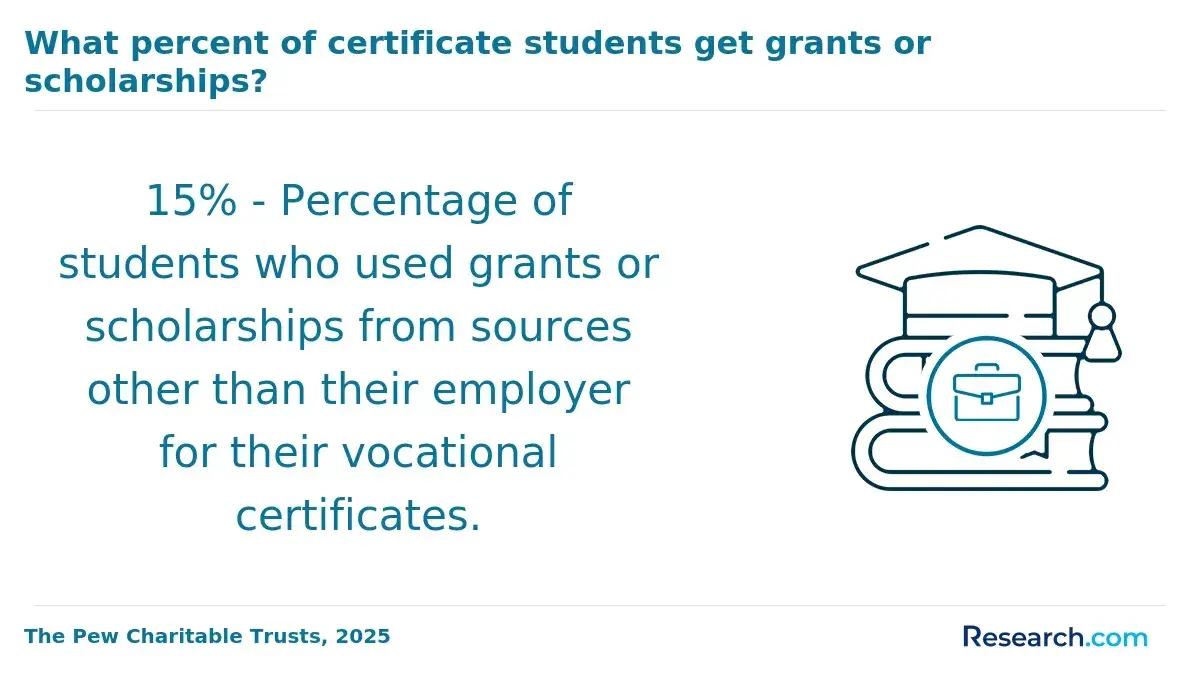
- Financial Aid: Full-time enrollment usually unlocks more comprehensive federal aid, including grants and scholarships, while part-time students often face restrictions, reducing their aid options and affecting out-of-pocket expenses.
- Additional Fees: Both groups encounter fees like lab and technology charges; however, full-time students often pay these as flat rates, whereas part-time fees might be prorated, influencing final costs differently depending on the institution.
When I spoke with a graduate of a part-time environmental science degree program, she shared that managing tuition was a constant balancing act. "Paying per credit helped me avoid large upfront costs, but stretching the program over several years meant the total tuition added up more than I expected," she said. She also reflected on the challenge of limited financial aid as a part-time student but appreciated the flexibility to study while working full-time. "It wasn't easy juggling expenses and commitments, but the pay-as-you-go approach allowed me to adjust my course load based on my finances at the time," she noted, emphasizing that understanding these financial trade-offs early is crucial for anyone considering part-time study.
Which Environmental Science Degree Program Format Offers More Online or Hybrid Course Options?
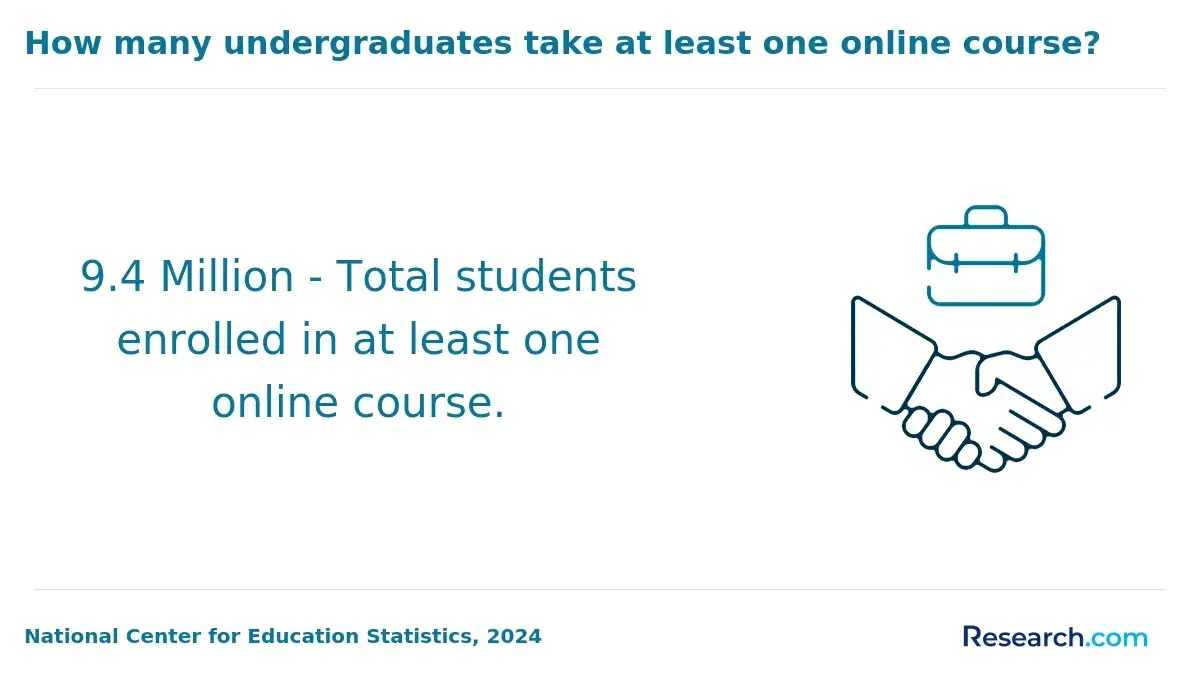
Part-time environmental science degree programs generally provide more online and hybrid course options than full-time formats. This is because they are structured to accommodate working adults balancing education with other responsibilities. Below is an overview of how these two formats differ in course delivery:
- Part-time flexibility: These programs often emphasize asynchronous online classes and hybrid models that combine occasional campus visits with remote learning. They cater to professionals needing flexible schedules, including evening or weekend options.
- Full-time structure: Full-time programs tend to focus on traditional campus-based learning featuring lab work, field exercises, and group projects. Though some online components exist, attendance requirements remain higher to satisfy accreditation and hands-on experience standards.
- Student demographics: Part-time students are frequently older, employed individuals seeking career growth, driving demand for more accessible course formats. In contrast, full-time students are generally younger and more available for fixed schedules and in-person sessions.
- Institutional adaptation: Universities design curricula accordingly, offering extensive online and hybrid options for part-time students while providing more campus-centric classes with set timetables for full-time cohorts.
Can Environmental Science Students Switch Between Part-Time and Full-Time Enrollment?
Most institutions permit students to switch between part-time and full-time enrollment in environmental science degree programs, though this process is typically guided by formal policies. Students usually must inform the registrar or an academic advisor and receive approval based on their academic performance. Before making a change, students should evaluate how it affects financial aid, course availability, and their expected graduation date. Full-time enrollment often retains eligibility for scholarships and federal aid, while part-time status may limit these opportunities. Additionally, moving to full-time study can speed up completion but demands greater time commitment.
Switching enrollment status often requires good academic standing and sometimes is limited to specific periods, such as add/drop windows. Academic advising plays an essential role, assisting students in planning course loads to avoid delays. Changes can impact financial aid eligibility, with some awards contingent on full-time status. Course offerings might also vary each term, influencing a smooth transition and timeline for graduation.
A graduate I spoke with shared his experience transitioning from part-time to full-time environmental science study. He recalled feeling anxious about managing a heavier course load but appreciated the structured advising support during the switch. "It was challenging balancing my work and school initially, but shifting to full-time helped me finish faster and gain momentum," he reflected. His story highlights how students can successfully navigate enrollment changes with proper planning and support.
How Do Online, Hybrid, and Campus Environmental Science Program Delivery Formats Affect Part-time vs. full-time learning?
Delivery format significantly shapes students' learning experience in environmental science, with varying levels of flexibility for part-time and full-time study. Understanding how online, hybrid, and campus options influence scheduling and workload is essential for making an informed decision.
- Scheduling Flexibility: Online programs offer the highest flexibility, enabling part-time students to access materials anytime, accommodating work and family demands. Full-time online students often progress faster due to consistent study habits. Hybrid formats require partial on-campus attendance, limiting scheduling freedom compared to fully online options but still offering more flexibility than traditional campus programs.
- Workload Management: Full-time campus learners face structured schedules with fixed class times and deadlines. Part-time students usually take fewer courses per term, extending degree completion time but easing workload. Online courses provide asynchronous pacing, demanding strong time management, especially for part-time students balancing jobs.
- Accessibility and Resources: Campus programs grant direct access to laboratories and faculty, benefiting full-time students with more on-site time. Part-time campus learners may face limited facility access outside scheduled hours. Hybrid and online formats broaden access nationwide, although virtual labs may not fully replace hands-on experiences, important considerations for online hybrid campus environmental science program comparison.
- Learning Pace and Retention: Data indicates part-time students in online environmental science programs often take 50% longer to graduate than full-time students. Full-time campus students benefit from cohort-based progression and peer engagement, improving retention. Hybrid students balance self-paced online learning with scheduled in-person sessions, gaining mixed advantages.
- Student Support Services: Full-time on-campus students generally enjoy wider access to tutoring, advising, and career counseling. Virtual support tools in online and hybrid formats help bridge gaps, but part-time students may struggle to match support availability with their schedules. Institutions now increasingly provide 24/7 online chat and digital resources to alleviate these challenges.
For prospective students weighing options, exploring the cheapest online universities that accept fafsa can provide affordable access to flexible environmental science programs suited to either part-time or full-time study preferences.
Do Employers Prefer Full-Time Environmental Science Degrees Over Part-Time Degrees?
Employers' preference for full-time environmental science degrees over part-time degrees often depends on how they perceive the rigor and time management skills associated with each format. Full-time programs are generally seen as more intensive, allowing students to fully immerse themselves in coursework and hands-on experiences within a condensed period. This can be a significant advantage in competitive hiring situations where focused learning and the ability to manage demanding schedules are critical. However, many employers also recognize the strong organizational skills and practical knowledge part-time students develop by balancing work, family, and study commitments simultaneously. Thus, employer preference for full-time environmental science degrees is nuanced and often balanced by the value of relevant professional experience.
Industry-specific preferences further influence whether a part-time versus full-time environmental science degree holds more weight. For example, environmental consulting firms may lean toward full-time graduates for tackling complex projects that require dedicated study immersion, while government and nonprofit organizations often appreciate the work experience that part-time students bring alongside their academic credentials. Trends indicate growing acceptance of flexible learning modes, particularly as remote and hybrid models become more widespread. Ultimately, completing a degree with a combination of solid recommendations, internships, and practical projects can outweigh the study format. For those exploring options, understanding how these factors play into career readiness in environmental science is crucial, especially when comparing pathways similar to those found in highest paying trade school jobs.
Is a Part-Time or Full-Time Environmental Science Degree More Worth It for ROI?
Return on investment (ROI) plays a vital role in selecting between part-time and full-time environmental science degree programs by weighing financial benefits against costs and time commitment. Factors like tuition expenses, program duration, income lost during study, and earning potential after graduation all influence which option offers a better financial outcome.
Full-time programs demand higher upfront tuition and often require students to pause employment, increasing immediate costs. However, they typically enable faster degree completion and earlier entry into the workforce, which can lead to greater salary growth. On the other hand, part-time options allow students to continue earning while studying, spreading costs over time but extending the period before fully benefiting from career advancements.
- Total cost: Full-time programs usually require a larger upfront investment, whereas part-time spreads payments over a longer time, reducing immediate financial strain.
- Opportunity cost: Full-time students often sacrifice current income for accelerated study, while part-time learners maintain earnings but delay full workforce participation.
- Salary potential: Graduates from full-time programs typically start with 10-20% higher salaries reflecting earlier career progress.
- Career growth: Faster completion with full-time study generally offers quicker access to advancement opportunities.
- Long-term benefits: Part-time students gain work experience during studies but may experience slower financial gains overall.
How Do You Decide Between a Part-Time and Full-Time Environmental Science Degree Program?
Selecting the appropriate format for an environmental science degree is essential to align academic ambitions, career targets, and personal life. The choice between part-time and full-time study shapes how effectively students can manage their responsibilities and progress.
- Time availability: Full-time programs generally require 12-15 credit hours per semester, demanding significant weekly commitment. Part-time options offer fewer credits and more manageable schedules, ideal for those balancing work or family.
- Financial resources: Full-time students may access greater financial aid and scholarships, while part-time study allows students to maintain a steady income through employment.
- Career goals: Those desiring quicker entry into environmental science careers benefit from full-time study, whereas working professionals seeking skill enhancement often prefer part-time flexibility.
- Learning style and flexibility: Part-time programs often provide evening or online classes suited for adult learners, while full-time programs can offer more immersive and research-focused experiences.
- Program duration: Part-time students may take up to twice as long to graduate, which is important when considering long-term plans and time investment.
What Graduates Say About Their Part-Time vs. Full-Time Environmental Science Degree
- Ryker: "Pursuing my full-time environmental science degree was an eye-opening experience that deepened my passion for sustainability. Although the average cost was a significant investment, the hands-on learning and networking opportunities made it worthwhile, leading directly to a rewarding role in conservation. I'm grateful I chose this path to launch my career. "
- Eden: "Balancing work and family while studying part-time in environmental science was challenging but fulfilling. The flexibility helped me manage expenses, as the total cost was more manageable over time. This degree has opened doors for me in environmental consulting and reshaped how I approach ecological issues personally. "
- Benjamin: "Completing my full-time environmental science program gave me a professional edge with up-to-date knowledge and practical skills. Although the cost fit within the average range of similar degrees, the value is clear in the confidence I now have to engage in policy development and research projects. It was a strategic and rewarding investment. "
Other Things You Should Know About Environmental Science Degrees
Part-time environmental science programs in 2027 typically span three to six years, offering flexibility around work or other commitments. Full-time programs generally last two to four years, demanding a higher weekly study commitment but allowing quicker graduation.
Financial aid eligibility can differ between part-time and full-time students. Many federal and institutional scholarships or grants require at least half-time enrollment, which some part-time students may not meet. Students should review specific financial aid policies and consult their school's financial aid office to understand the options available when choosing part-time study.
Internships are important in environmental science for gaining practical experience, and both part-time and full-time students are typically eligible. However, full-time students may find it easier to secure internships with demanding schedules due to greater availability. Part-time students might need to coordinate internships around work or class commitments, but many programs provide flexible options to accommodate this.
References
- Frequently Asked Questions for the Environmental Sciences Graduate Program | Office of Graduate Education https://graduate.oregonstate.edu/environmental-sciences-graduate-program-esgp/frequently-asked-questions-environmental-sciences
- Environmental Scientists and Specialists https://www.bls.gov/ooh/life-physical-and-social-science/environmental-scientists-and-specialists.htm
- Wroclaw University of Environmental and Life Sciences https://study.gov.pl/university/wroclaw-university-environmental-and-life-sciences
- Best of 2025: Environmental Science Online Master’s Programs https://www.onlinemastersdegrees.org/best-programs/environmental-science/
- BSc (Hons) Environmental Science | Find a course | University of Stirling https://www.stir.ac.uk/courses/ug/environmental-science-bsc/
- Cost of Attendance https://environment.yale.edu/admissions/masters/funding-your-degree/cost
- About the Program https://www.torontomu.ca/environmental-applied-science-management/about/
- Tuition fees and costs - Environmental Management (Earth Sciences) https://www.uva.nl/shared-content/programmas/en/masters/earth-sciences-environmental-management/tuition-fees-and-costs/tuition-fee.html
- How Much Do Environmental Graduate Programs Cost? https://www.cjbnetwork.com/articles/how-much-do-environmental-graduate-programs-cost
- Bachelor of Environmental Science and Master of Environmental Science https://www.uwa.edu.au/study/courses/bachelor-of-environmental-science-and-master-of-environmental-science


