2027 Does an Online Medical Assisting Degree Qualify You for Licensure?

Co-Founder and Chief Data Scientist
How can students verify if an online medical assisting degree meets the stringent requirements for professional licensure? With over 700,000 medical assistants employed nationwide, understanding licensing eligibility is crucial for career planning.
Many states require not only a degree from an accredited program but also supervised clinical training and successful passing of certification exams. Prospective learners must carefully assess program accreditation, state-specific mandates, and internship opportunities before enrollment.
This article explores the qualifications needed for licensure in medical assisting and explains how online degree programs align with these standards, aiming to guide students toward informed educational choices.
Key Things to Know About Online Medical Assisting Degree Licensure Qualifications
- Accreditation by organizations like ABHES or CAAHEP ensures an online medical assisting degree meets educational standards required for licensure in many states.
- Licensure eligibility varies significantly by state, with some requiring approval of the online program by state boards or additional certification exams.
- Completion of clinical, practicum, or supervised experience is often mandatory, ensuring graduates gain hands-on skills necessary for professional medical assisting licensure.
Does an Online Medical Assisting Degree Qualify You for Licensure?
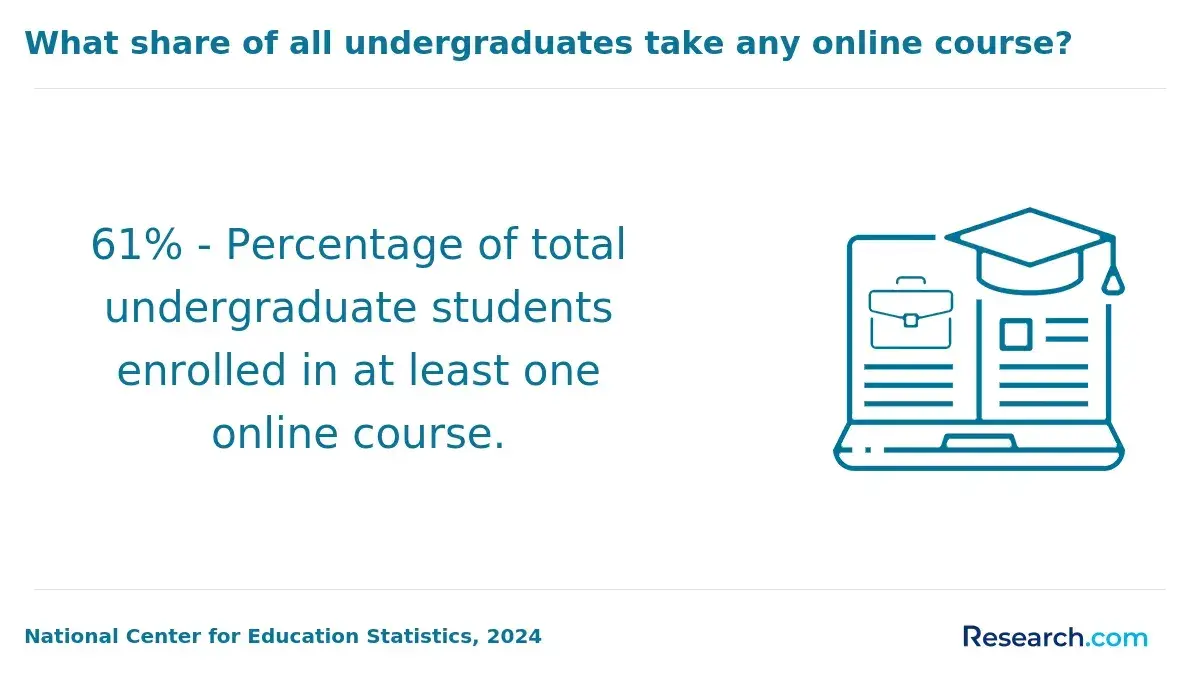
Online education has significantly expanded its reach in licensure-track fields, with distance learning programs seeing notable growth. Data from recent years shows that enrollment in online courses rose by more than 30% between 2015 and 2019, reflecting a shift toward remote learning options for career-focused education.
This trend includes medical assisting degrees offered online, which raises important questions about how these programs align with professional licensure requirements. Exploring the connection between online medical assisting degree licensure requirements and program design highlights what students need to consider.
Whether an online medical assisting degree qualifies for licensure depends largely on institutional recognition and program structure, including the incorporation of essential practical components.
Programs meeting established educational standards usually provide both comprehensive coursework and supervised clinical experiences necessary to satisfy state licensing for online medical assisting programs. Accreditation by reputable agencies and alignment with licensure criteria ensure graduates are eligible for certification and licensure processes.
For those interested in expedited training, investigating recommended accelerated medical assistant programs can also be worthwhile.
Which Medical Assisting Careers Require Professional Licensure?
Licensure is essential in certain medical assisting careers to ensure practitioners meet strict education, competency, and ethical standards that safeguard patient safety. According to the U.S. Bureau of Labor Statistics, nearly 20% of healthcare occupations require state licensure to legally practice, underscoring the role of regulation in healthcare quality.
Below are several medical assisting careers that commonly require professional licensure before individuals can provide services.
- Licensed Practical/Vocational Nurse: LPNs and LVNs provide direct patient care, administer medications, and monitor vital signs. Their work demands oversight through licensure to confirm clinical competence and protect patients from unsafe practices.
- Medical Laboratory Technician: These technicians conduct diagnostic tests requiring precise knowledge and safety adherence. Licensure ensures accuracy in testing and reduces risks of diagnostic errors that could harm patients.
- Phlebotomist: Responsible for drawing blood samples, phlebotomists must be licensed or certified to ensure they follow proper procedures, minimizing risks like infection or injury during blood collection.
- Radiologic Technologist: Performing medical imaging, these technologists work with radiation and specialized equipment. Licensure guarantees they possess the technical skills necessary to operate safely and protect patients from radiation exposure.
A medical assisting degree graduate shared that navigating the licensure process was a significant milestone in his career journey. He described initial anxiety over meeting all the requirements but emphasized that passing competency evaluations and submitting documentation brought a rewarding sense of professional validation.
"It wasn't just about getting certified," he noted, "it was knowing I was officially trusted to provide safe and effective care." His experience highlights how licensure shapes both personal confidence and public trust in the healthcare field.
What Accreditation Is Required for Medical Assisting Licensure?
Accreditation is essential for determining if an online medical assisting program qualifies graduates for professional licensure. Programs with recognized accreditation typically yield higher pass rates on certification exams, with data showing that graduates from CAAHEP-accredited schools achieve a Certified Medical Assistant exam pass rate over 80%.
Below are key accreditations that impact licensure eligibility and program credibility.
- Commission on Accreditation of Allied Health Education Programs (CAAHEP): Known as a primary accreditor for medical assisting degrees, CAAHEP accreditation is often required or highly recommended by certifying bodies like the American Association of Medical Assistants, ensuring adherence to rigorous educational and competency standards.
- Accrediting Bureau of Health Education Schools (ABHES): ABHES accredits private institutions offering medical assisting programs and guarantees that curricula meet national benchmarks, which many major certification organizations recognize when considering licensure eligibility.
- Distance Education Accrediting Commission (DEAC): Specializing in online and distance education, DEAC accreditation affirms that remote medical assisting programs maintain quality academic content and effective delivery methods, supporting graduate licensure acceptance.
- Regional Accreditors such as Middle States Commission on Higher Education (MSCHE): Although not specific to medical assisting, regional accreditation adds institutional credibility, often benefiting students by satisfying licensure and certification prerequisites through recognized educational standards.
Do Licensure Requirements Vary by State for Medical Assisting Careers?
State regulations significantly influence whether graduates of online and traditional medical assisting programs qualify for licensure. Approximately 40% of U.S. states have unique mandates impacting medical assisting licensure eligibility by state, creating complex barriers for those seeking certification or registration. This variability affects how educational credentials from different program formats are recognized. The following details highlight these differences.
Licensure requirements vary widely and determine which programs meet approval based on their instructional methods and curriculum. While some states accept accredited online medical assisting degrees, others require coursework to be completed in person or impose additional state-specific qualifications.
These distinctions directly affect eligibility to work professionally within each state and illustrate that medical assisting licensure requirements are not uniform nationwide. Prospective students should carefully evaluate how these differences align with their career goals.
For those considering educational investment, understanding these factors is as important as knowing the average cost of DNP program, since both influence long-term professional opportunities and planning.
What Online Courses Are Required for Medical Assisting Licensure?
Online medical assisting degree programs are carefully designed to fulfill the educational standards required for professional licensure. As of recent studies, nearly 40% of healthcare certificate and degree programs incorporate online learning, reflecting the growing accessibility these programs offer. Below is an overview of typical coursework categories essential for meeting licensure prerequisites.
- Foundational Theory: Courses in anatomy, physiology, and medical terminology provide a crucial understanding of the human body and the language of healthcare, which are necessary for accurate communication and clinical decision-making.
- Applied Clinical Practice: Training in skills such as phlebotomy, EKG administration, and patient care techniques equips students with hands-on abilities important for everyday medical assisting tasks.
- Healthcare Ethics and Legal Responsibilities: Instruction on healthcare laws, patient confidentiality, and professional conduct ensures that students are prepared to navigate the ethical and regulatory demands tied to licensure.
- Research Methods and Evidence-Based Practice: Exposure to research principles and critical appraisal fosters the capacity to apply the latest best practices in clinical settings.
When I spoke with a professional holding a medical assisting degree, she emphasized how challenging yet rewarding it was to complete the online coursework that met licensure requirements.
"Balancing clinical skills with theory in an online format felt intense initially," she shared, "but the flexibility allowed me to absorb material at my own pace."
She found that the thorough preparation in ethical and practical areas gave her strong confidence when transitioning into her professional role, highlighting the importance of well-rounded coursework for licensure readiness.
Do Online Medical Assisting Programs Require Internships for Licensure?
Many online medical assisting programs that align with licensure requirements include practical experience components such as internships or clinical practicums to prepare students for professional roles. Studies show that over 70% of students in hybrid or fully online allied health fields engage in some form of hands-on training, highlighting the strong emphasis on experiential learning despite remote coursework.
These internships allow students to apply classroom knowledge in real healthcare environments, fostering the skills needed for licensure and employment. This practical experience is often a necessary step within accredited online programs.
The specifics of internship obligations depend on the individual program's design and the licensure standards it targets. Some programs facilitate placements through partnerships with local healthcare providers, while others permit students to independently arrange internships subject to approval.
The primary purpose of these internships is to provide applied training, ensuring students develop clinical and administrative competencies under supervision. Rather than being a mere procedural requirement, practical experience is essential for demonstrating readiness in real-world medical assisting tasks and fulfilling licensure criteria.
How Do Licensing Exams Work for Online Medical Assisting Graduates?
Licensing exams serve as a standardized measure of competency for both online and traditional Medical Assisting graduates, ensuring that all candidates meet essential professional standards. According to the American Association of Medical Assistants (AAMA), first-time takers from accredited programs, including online courses, have an average pass rate near 70%.
This demonstrates the effectiveness of online education in preparing students for certification. Below are key factors that influence how these licensing exams operate for online graduates.
- Eligibility Requirements: Graduates must confirm they have completed an approved Medical Assisting program, which can be fully online, to qualify for exam registration. Meeting these criteria ensures candidates are recognized as having adequate foundational knowledge.
- Exam Content: The exams typically cover clinical procedures, administrative duties, anatomy, medical terminology, and patient care. This range reflects the comprehensive skill set necessary for professional practice.
- Preparation Expectations: Online graduates are advised to engage in thorough study using available resources to understand both theoretical concepts and practical applications. Success rates often hinge on diligent exam preparation.
- Testing Administration: To maintain integrity, exams are usually conducted at authorized testing centers across the country. Candidates generally attend in person, as fully remote proctoring is not yet common for these certifications.
How Do You Verify an Online Medical Assisting Program's Licensure Status?
Verifying the licensure status of an online medical assisting program is essential for students to ensure their education meets the requirements for professional certification or licensure. Nearly 40% of applicants face delays or denials because they attended non-accredited or unapproved programs, highlighting the need for careful verification. Below are key methods to confirm a program's licensure alignment.
- Official Program Disclosures: Review the information schools provide about licensure eligibility and approvals. Legitimate programs clearly disclose their accreditation and recognition status on their websites or admissions materials, helping students confirm compliance with licensing standards.
- Institutional Recognition: Check whether the school is recognized by state education authorities or regional accrediting bodies. Institutions with established accreditation increase the likelihood that their medical assisting programs qualify for licensure pathways.
- Licensing Board Requirements: Consult your state licensing board's general guidelines. These boards often list approved programs or provide criteria to determine eligibility for licensure based on educational background and can be found on official sites for each state.
- Program Outcomes: Examine data such as certification exam pass rates and employment statistics. Transparent programs sharing these results offer insight into whether graduates successfully meet professional licensure and career goals.
For students exploring further education in healthcare, researching related fields can help. For instance, those interested in advanced nursing degrees might explore options via a reliable source like nursing PhD programs. Careful verification using these strategies ensures you select an online medical assisting program that aligns with licensure requirements and supports your career objectives.
What Challenges Do Online Medical Assisting Students Face With Licensure?
Online learners pursuing medical assisting degrees often encounter complex licensure pathways due to differing state requirements for medical assisting licensure and varying employer standards.
Approximately 60% of online medical assisting graduates experience delays or difficulties in obtaining professional licensure. These challenges underline the need for careful program selection and understanding of licensure criteria. Key hurdles faced by students include the following:
- Varied Program Expectations: State and employer requirements for licensure differ significantly, making it difficult to ensure an online program meets all necessary standards. This inconsistency creates uncertainty about whether a degree will qualify for licensure in a particular jurisdiction.
- Documentation Requirements: Licensure applications demand detailed proof of coursework, clinical hours, and program accreditation. Online students may struggle to gather and submit this documentation, especially when programs lack clear guidance tailored for licensure purposes.
- Program Alignment: Some online programs may not fully cover the professional competencies or practical experiences expected by credentialing bodies. Graduates could find themselves ineligible for licensure despite completing an online degree.
- Eligibility Pathways: Online learners often have limited access to advisors familiar with licensure mandates, complicating the process of understanding and meeting eligibility requirements.
Choosing a program that aligns with both educational and licensure standards-such as accredited offerings in health fields-is essential. Students interested in expanding their options might explore related pathways like a health information management degree online, which can complement medical assisting qualifications while also navigating licensure complexities.
Are Online Medical Assisting Degrees Respected in Licensed Professions?
In recent years, the perception of online education within licensed professions has improved significantly, especially for programs that maintain rigorous standards. A recent survey by the Society for Human Resource Management found that nearly 65% of employers consider online degrees from reputable schools as credible as traditional ones.
This shift reflects growing confidence in the quality and outcomes of remote learning. As a result, discussions around online medical assisting degree acceptance by licensed employers have become increasingly favorable.
Respect for online medical assisting degrees in licensed fields largely depends on the program's quality, demonstrated competency, and learning outcomes rather than the format of study. Licensed professions prioritize graduates' ability to perform their duties safely and effectively, so when an online program meets these core expectations, it gains professional recognition similar to on-campus equivalents.
This trend aligns with broader shifts in healthcare education, valuing skills and performance over where a degree is earned. Prospective students may also explore related pathways such as the ADN to NP options when considering online credentials and their role in advancing healthcare careers.
What Graduates Say About Online Medical Assisting Degree Licensure Qualifications
- Bryson: "Choosing an online medical assisting degree was a practical decision for me, especially since I needed flexibility around my work schedule. I discovered that many states do accept online medical assisting programs as qualifying education for licensure, but it's crucial to verify state-specific requirements before enrolling. Getting licensed has definitely opened more doors and elevated my standing with employers, making the effort well worth it."
- Tripp: "Reflecting back, pursuing licensure with my online medical assisting degree was both challenging and rewarding. It's important for students to confirm that their program is accredited and recognized for licensure eligibility, as not all online programs hold the same weight. Now that I'm licensed, I feel more confident in my skills and professional credibility, which has positively impacted my career growth and patient interactions."
- Joshua: "Professionalism mattered most to me, so I researched thoroughly before committing to an online medical assisting degree. Licensing requirements vary by state, and while an online degree can qualify you, additional certification or exams might be necessary. Achieving licensure gave me a competitive edge and the reassurance that I'm meeting industry standards, which has been instrumental in advancing my career."
Other Things You Should Know About Medical Assisting Degrees
Many online medical assisting programs include a required clinical externship or practicum component to provide hands-on experience. This in-person clinical training is essential for meeting licensure or certification requirements in most states, as purely online coursework alone typically does not fulfill clinical experience mandates.
Yes, accredited online medical assisting degree programs often cover the knowledge areas tested in national certification exams such as the CMA (AAMA) or RMA. However, passing these exams is a separate process that requires meeting eligibility criteria and applying through the certifying organizations.
Graduates with an online medical assisting degree may encounter state-specific licensure and certification requirements, varying across regions. It's crucial to check the regulations of the state where you plan to work, as some may have stricter criteria or require additional certifications beyond the degree itself.
Students should check with the state's medical board or relevant healthcare regulatory agency to confirm educational standards. Additionally, verifying program accreditation and the inclusion of supervised clinical training helps ensure the program qualifies for licensure prerequisites.
References
- Requirements for Registration and Certification as a Registered Medical Assistant https://arma-cert.org/requirements/
- Online Medical Assistant Certification | CCMA https://advclinical.org/program/online-medical-assistant-certification/
- Certification https://www.aama-ntl.org/certification
- Verify Certification Status https://www.americanalliedhealth.com/verify
- Medical Assistant License and Certification Requirements by State https://www.healthjob.org/guide/medical-assistant-license-and-certification-requirements-by-state
- Discover The Top Online Medical Assistant Programs Of 2025 https://www.accreditedschoolsonline.org/healthcare/medical-assistant/
- Can I Get a Medical Degree Completely Online | Hybrid Medical Assistant Programs https://www.pcihealth.edu/medical-assistant-hybrid/hybrid-online-medical-assisting/can-i-get-a-medical-degree-completely-online/
- The Complete Guide to Accredited Medical Assistant Programs https://www.stepful.com/post/accredited-medical-assistant-programs
- Medical Assistant Certification | CCMA https://www.nhanow.com/certification/nha-certifications/certified-clinical-medical-assistant-(ccma)
- Alternative Career Options for Medical Assistants | MA Specialties https://www.eaglegatecollege.edu/blog/what-other-jobs-can-a-medical-assistant-apply-for/