2027 Education Internship Requirements: Hours, Placements, and Supervision

Co-Founder and Chief Data Scientist
Entering an education internship often surprises students with its structured demands, especially regarding required hours and supervision standards. Nearly 80% of education degree programs mandate a minimum of 100 to 200 hours in real classroom settings, which many find challenging to schedule alongside coursework.
Internships typically involve placements in diverse environments, such as public schools or community centers, under the guidance of experienced mentors. Understanding these core components reduces uncertainty and better prepares students for their professional roles.
This article explores the essential education internship requirements—hours, placements, and supervision—to clarify expectations and support academic planning.
Key Things to Know About Education Internship Requirements
- Education internship hours typically range from 100 to 300, requiring careful academic scheduling to balance coursework and field experience within one to two semesters.
- Placement often depends on site availability and partnerships, with competitive processes that can affect internship location and practical exposure opportunities.
- Supervision standards mandate qualified mentors and regular evaluations, ensuring internships meet learning objectives and provide constructive feedback for professional growth.
Do All Education Degrees Require an Internship?
Internships are a foundational element in many education degree programs because they allow students to gain direct, supervised experience in classroom settings. This helps bridge academic theory with real-world teaching practices.
Approximately 80% of accredited teacher preparation programs in the U.S. require some form of internship or student teaching prior to graduation, reflecting their importance in training competent educators.
The necessity of internships, however, varies depending on several program-related factors:
- Program Type: Traditional bachelor's and master's degrees aimed at teacher certification typically mandate internships to meet both state licensing requirements and accreditation standards. These degrees prioritize hands-on student teaching experiences to prepare candidates for classroom responsibilities.
- Accreditation Standards: Many education programs adhere to guidelines set by bodies such as the Council for the Accreditation of Educator Preparation (CAEP), which often require practical internships as essential components of the curriculum, especially for certification routes.
- Specialization Tracks: Degrees focusing on special education, early childhood education, or specific subject areas usually include internships to ensure students develop the necessary pedagogical skills and classroom management strategies tailored to their specialty.
- Alternative Experiential Learning: Some education majors with non-certification focuses or careers in educational policy and research might not require formal internships. Instead, these programs offer practicums, research projects, or community fieldwork as valuable, though different, applied learning experiences.
- Program Objectives and Regulations: Variability in internship requirements also arises from differing program goals and state regulations. Prospective students should review program curricula carefully, as internship necessity can hinge on whether the degree targets teaching certification or other professional education roles.
Those interested in broader management or educational leadership roles might also consider exploring most affordable online MBA programs that integrate educational administration training without compulsory internships.
What Requirements Must Be Met Before Starting a Education Internship?
Education internship programs establish prerequisites to ensure students are academically and professionally prepared to thrive in classroom settings. According to the National Center for Education Statistics, around 85% of accredited teacher preparation programs require students to meet specific academic benchmarks before placement.
The following are some of the most common eligibility criteria candidates must satisfy before beginning an internship:
- Minimum GPA: Most programs require a cumulative grade point average between 2.5 and 3.0 to confirm academic competence and mastery of essential teaching content.
- Prerequisite Coursework: Candidates must complete foundational courses such as child development, educational psychology, and instructional methods to provide a solid theoretical background for practical teaching experiences.
- Application Approval: Submission of an application packet typically includes letters of recommendation, a statement of purpose, and sometimes an interview to assess motivation, professionalism, and suitability for the internship.
- Background Checks: Successful completion of a criminal background check, including fingerprinting in some cases, ensures student safety and compliance with state and institutional policies regarding working with minors.
How Many Internship Hours Are Required for Education Degrees?
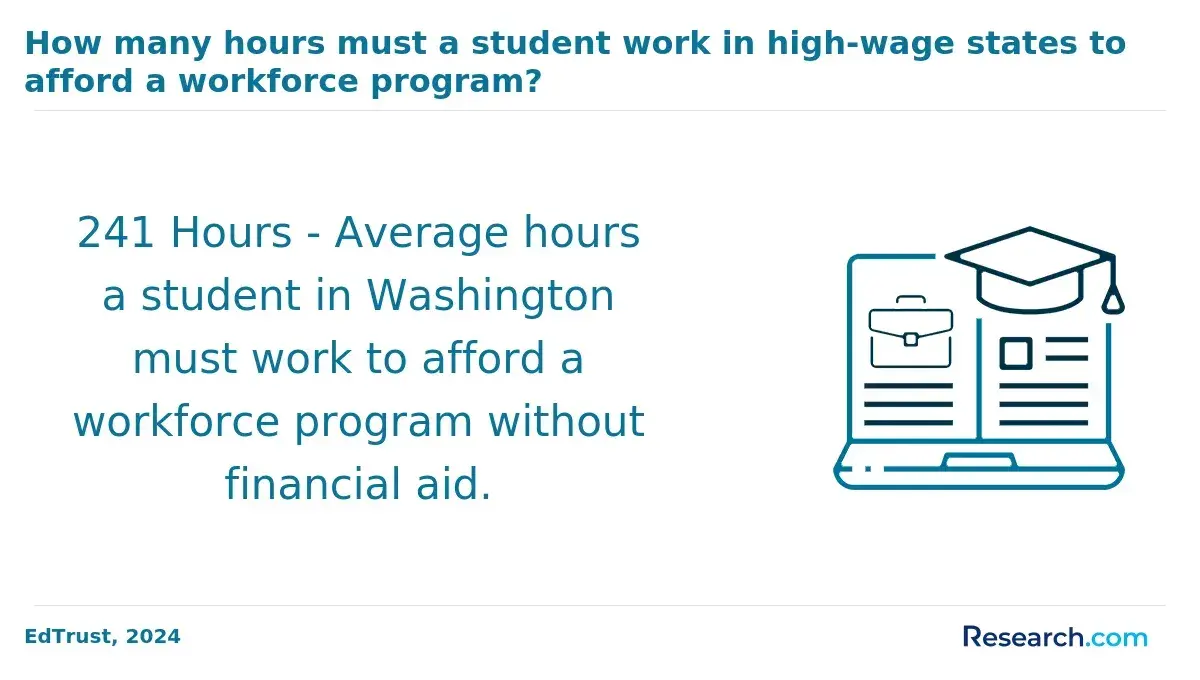
Internship hours are a fundamental requirement in education degree programs, designed to ensure students gain hands-on experience before entering the profession. Typically, these hours range broadly, often reflecting the credit system where one semester credit equals roughly 45 to 60 fieldwork hours.
Several important factors influence the specific hour requirements across various programs and institutions:
- Academic Credit Equivalency: Internship hours often correlate with academic credits, with each credit usually representing 45-60 hours of supervised fieldwork. This means a practicum course worth three credits might require about 135 to 180 hours of internship time.
- Program Level: Undergraduate education students generally complete between 100 and 300 internship hours, while graduate students are expected to fulfill a higher range, usually from 200 up to 600 hours, reflecting the greater depth of professional training involved.
- Accreditation Standards: Professional accreditation bodies like the Council for the Accreditation of Educator Preparation (CAEP) set minimum requirements for practical training hours. These standards help ensure programs maintain quality and prepare students effectively for licensure or certification.
- Enrollment Status: Students attending full-time may complete required internship hours within a single academic year, whereas part-time students often spread their hours across a longer period, allowing more flexibility but a prolonged timeline.
A graduate of an education degree shared how challenging managing internship hours can be alongside coursework and personal commitments. He recalled, "Balancing classroom responsibilities with over 200 hours of hands-on experience felt overwhelming at times, especially when placements demanded full school days."
Despite the stress, he emphasized the value of those hours, noting how direct interaction with students and educators provided insight that no textbook could replace. He described the process as "a demanding but essential step in feeling truly prepared for a teaching career."
Where Do Education Students Complete Internships?
Internship placement environments play a crucial role in providing experiential learning that prepares education students for diverse career paths. A 2022 National Education Association study highlights that about 40% of education internships happen outside traditional classroom settings.
Common internship settings include the following:
- School Districts: Internships in local schools offer direct engagement with classroom teaching and administrative tasks. These placements allow students to observe and participate in day-to-day school operations, linking theory to practice through education internship placement options in local schools.
- Corporate Organizations: Many companies focus on training and workforce development, providing internships where students contribute to educational programming and staff training initiatives.
- Government Agencies: Agencies involved in educational policy, community outreach, and program implementation offer opportunities for students to understand how education systems function at broader levels.
- Nonprofit Organizations: Dedicated to educational reform or youth services, nonprofits allow students to engage in advocacy, program design, and resource development to support underserved populations.
- Research Institutions: These settings enable education students to participate in data analysis and evaluation of teaching methods or outcomes, supporting evidence-based improvements, especially beneficial for those interested in roles integrating research or curriculum development.
For those interested in further academic progress, pursuing an online masters psychology degree can complement education career goals.
How Are Internship Placements Assigned in Education Programs?
Internship placement procedures in education programs are designed to balance student interests with institutional partnerships and practical requirements. These processes ensure students gain relevant experience aligned with their academic goals. A study found that approximately 75% of education students receive placements through structured matching systems that consider multiple factors.
Here are some common methods used to assign internship placements:
- Faculty-Guided Matching: Education faculty or advisors often play a key role by recommending placements tailored to a student's specialization and career goals, leveraging their knowledge of partner schools and supervisors.
- Student-Driven Applications: Some programs allow students to apply directly to schools or organizations, encouraging initiative and alignment with personal preferences, which requires proactive communication and interviews.
- Centralized Placement Systems: Many institutions operate formal systems that collect student preferences and available positions, using algorithms or committees to match students efficiently while balancing site capacity and fairness.
- Partnership-Based Assignments: Established collaborations with local districts or agencies often streamline placements, with programs reserving slots based on mutual agreements and historical demand patterns.
When I asked a current education degree student about her experience with internship placement, she described it as both exciting and nerve-wracking. "I submitted my top three preferences and had a short interview," she shared.
"Though I was a bit anxious waiting to hear back, I appreciated how the coordinator ensured each placement fit my learning needs."
She also noted that unexpectedly, the process helped her become more confident in communicating with potential mentors. "It felt less like a random assignment and more like a stepping stone tailored to my professional growth."
Are Virtual or Remote Internships Available?
Remote work's expansion has significantly influenced internship experiences, with about 70% of internships now offering virtual or hybrid options across various sectors. This trend, fueled by technological progress and shifts necessitated by the pandemic, has transformed how students engage with professional environments.
Virtual internships have become especially prominent in education programs, providing alternative pathways for fulfilling practical requirements. The following outlines how these formats are integrated and what students might expect.
Virtual internships in education utilize tools such as video conferencing and cloud-based platforms to facilitate communication and task completion, enabling students to participate from diverse locations. These arrangements enhance flexibility, allowing students to balance internships with other commitments while connecting with a broader range of employers beyond their immediate region.
However, the availability of remote formats varies according to each program's specific guidelines, with some maintaining in-person mandates for certain hours and others adopting fully remote or blended models to accommodate different learning objectives.
Are Part-Time Internships Allowed for Working Students?
Many education students in the U.S. juggle paid employment while pursuing their degrees, making part-time internship options essential. According to recent data, nearly 43% of full-time undergraduates hold part-time jobs, underscoring the need for flexible internships that accommodate working students.
Here are several factors education programs consider when offering part-time internship opportunities:
- Scheduling Flexibility: Programs often allow interns to distribute required hours over extended weeks or set fewer weekly hours, enabling students to balance work and academic commitments.
- Employer Accommodations: Internship supervisors may be willing to coordinate schedules that respect an intern's preexisting job responsibilities to maintain work-study balance.
- Academic Workload Balance: Part-time internships provide practical experience without overwhelming students' coursework, reducing the risk of burnout during busy semesters.
- Program-Specific Restrictions: While many programs offer flexible options, some accredited education programs enforce minimum weekly hour requirements that can limit part-time possibilities.
What Supervision Is Required During a Education Internship?
Supervision is a vital component of education internships, supporting student learning and ensuring professional accountability. Studies show that 85% of interns report mentorship significantly boosts their confidence and instructional skills, emphasizing the role of effective supervision.
Below are key elements commonly found in supervision requirements for education internships in the United States:
- Faculty Oversight: Academic supervisors guide interns to meet university standards and learning objectives, providing pedagogical support that aligns theory with practice.
- Workplace Mentors: Experienced mentors at the internship site offer hands-on instruction and model classroom management strategies, grounding interns in real-world teaching.
- Progress Monitoring: Regular observations and scheduled meetings track intern performance, highlighting areas for improvement and reinforcing positive teaching behaviors.
- Performance Feedback: Constructive feedback from both faculty and mentors encourages reflection on lesson planning, student engagement, and assessment methods, fostering professional growth.
For students exploring affordable masters degrees, understanding effective methods for supervising student teachers during education internships can guide informed decisions and promote successful teaching careers.
How Are Education Internships Evaluated?
Evaluation of education internships is crucial for ensuring that student teaching performance assessment methods are effective and meaningful. Research from the Association for Experiential Education shows that well-assessed internships boost student retention and professional readiness by more than 30%.
The following methods are commonly used to assess students during their internships:
- Supervisor Reviews: These provide direct observations and feedback on a student's practical teaching abilities, classroom management, and professional conduct. Supervisors offer real-time insights that highlight strengths and areas needing improvement.
- Reflective Assignments: Interns complete written reflections analyzing their experiences and challenges. This encourages critical self-analysis and helps faculty gauge how deeply students engage with teaching theory and apply it in the classroom.
- Performance Benchmarks: Clear rubrics quantify aspects such as lesson planning, instructional delivery, and student engagement. These benchmarks standardize assessment criteria across different internship sites, ensuring fairness and transparency.
- Faculty Assessments: Faculty review student reflections and lesson plans, and may conduct site visits. Their evaluations integrate academic frameworks with observations from the field to offer a comprehensive perspective.
- Holistic Outcomes: Evaluations combining these methods measure both the practical skills and the theoretical understanding essential for successful teaching careers. Such thorough assessment prepares interns for the challenges of the classroom and aligns with best practices in education internship evaluation criteria.
Students interested in pathways beyond traditional degrees may explore jobs that only require a certificate, which sometimes include internship components with similar evaluation standards.
What Challenges Do Education Students Face During Internships?
Internships offer essential hands-on experience in education but can be particularly demanding. Nearly 60% of education interns report moderate to high stress due to workload and time management pressures. Below are some common challenges faced during the internship phase:
- Balancing Schedules: Managing simultaneous coursework and internship duties often leads to time conflicts, making it difficult for students to meet all requirements efficiently while maintaining academic performance.
- Professional Expectations: Adapting to workplace norms, including communication and comportment, challenges many students as they navigate the transition from theory to practice, with supervision and feedback issues in education internships adding to the complexity.
- Transportation and Finances: Many internships demand commuting, which can be costly and time-consuming. Students often face financial strain, especially when placements are unpaid or require travel across multiple sites.
- Classroom Management: New interns must quickly develop practical teaching skills despite limited prior experience, balancing lesson delivery with classroom dynamics under close observation.
For those exploring options, comparing programs for the cheapest mechanical engineering degree online can offer insights into managing cost and workload effectively alongside education commitments.
What Graduates Say About Education Internship Requirements
- Eiden: "Completing over 120 internship hours across diverse school settings truly opened my eyes to the realities of teaching. The supervised internships provided invaluable feedback from experienced educators that helped me refine my instructional strategies. Looking back, these hands-on experiences were crucial in shaping my confidence and competence as a professional educator."
- Yusuf: "Reflecting on my education degree internship, I appreciated the structured support from supervisors who guided each placement thoughtfully. Each setting introduced unique challenges that pushed me to adapt and grow both personally and professionally. Indeed, those internships laid a solid foundation that continually influences my approach to classroom leadership today."
- Vincent: "The internship component demanded rigorous commitment, balancing theory with practice in real classrooms. Being carefully observed and mentored during these placements was instrumental in developing my classroom management skills. Ultimately, the internship experience became a pivotal stepping stone in launching my career in education."
Other Things You Should Know About Education Degrees
In 2027, education internships may include placements in special education settings. These internships offer valuable experiences for students interested in this specialty, aligning with the broader educational goal of inclusivity. Check specific program guidelines to confirm eligibility and available opportunities within special education.
While the total required hours vary by program, most education internships last a full semester or an equivalent period to allow for sufficient practical experience. This duration helps students develop classroom management skills and build relationships with students and faculty mentors.
Yes, many education programs ask interns to keep detailed records or reflective journals of their daily activities and observations. These documents support the learning process, provide evidence of completed hours, and are often reviewed by supervisors to monitor progress.
Yes, students are typically required to complete background checks and obtain clearance to work with minors before starting their internships. These measures ensure the safety of students and comply with school district policies and state regulations.
References
- EDUC Alliance – Open your world of European education https://www.educalliance.eu/calls/educ-internship-offers
- Education Internships https://www.worldendeavors.com/intern-abroad/education-social-sciences/education/
- Remote Internships for College Students: A Guide https://joinhandshake.com/blog/students/remote-internships-for-college-students-a-guide/
- Education & Teaching Internships Abroad | For Students & Grads https://www.internhq.com/fields/education/
- 12 Education Internships for College Students https://www.lumiere-education.com/post/education-internships-for-college-students
- Global Classrooms: Top 5 Cities for Education Internships Abroad https://blog.aifsabroad.com/2025/02/13/top-cities-education-internships/
- Do Most Degree Fields Require an Internship? - Top Ten Online Colleges https://www.top10onlinecolleges.org/faq/do-most-degree-fields-require-an-internship/
- What to Expect During a Graduate School Internship - Graduate Programs for Educators https://www.graduateprogram.org/blog/what-to-expect-during-a-graduate-school-internship/
- Types of Internships for Education Majors | Career Advice & Interview Tips | WayUp Guide https://www.wayup.com/guide/internships-education-majors/
- Top 5 Internship Challenges and How to Tackle Them https://resources.twc.edu/articles/top-5-internship-challenges-and-how-to-tackle-them