
2027 Is Demand for Education Degree Graduates Growing or Declining?

Co-Founder and Chief Data Scientist
Many students face uncertainty when deciding whether to pursue a degree in education due to concerns about job availability and career stability. Recent labor projections indicate that employment for kindergarten and elementary school teachers is expected to grow by 7% from 2022 to 2032, faster than the average for all occupations. This growth reflects ongoing demand for qualified teachers despite shifts in educational policy and funding.
This article will analyze current trends affecting employment opportunities for education degree graduates and provide insights to help prospective students make informed decisions about their career paths in the education sector.
Key Things to Know About the Demand for Education Degree Graduates
- The demand for education degree graduates remains stable, with schools seeking qualified teachers to address student population growth in certain regions despite overall teacher shortages.
- Projected job growth for education-related roles is expected at 5% through 2032, slightly slower than average but consistent in special education and STEM fields.
- Specializing in areas like special education or educational technology enhances career opportunities as schools adopt innovative teaching methods and inclusive practices.
What Factors Are Driving Demand for Education Degree Professionals?
Evaluating the forces shaping workforce demand allows prospective students to better understand the long-term value and stability of an education degree in today's evolving job market. Several key drivers contribute to the increasing need for education professionals across various roles.
- Industry Growth: Expanding communities and the ongoing effort to improve education systems boost demand for qualified teachers and administrators. Population growth in many U.S. regions continues to create sustained employment opportunities.
- Technological Advancement: The rise of digital tools and online learning platforms compels educators to develop new skills, opening pathways in tech-enhanced teaching roles and instructional design. This shift emphasizes the importance of regional accreditation importance for education degree programs that prepare graduates for these emerging challenges.
- Regulatory and Policy Changes: Modifications in education standards, funding, and certification requirements affect staffing needs. Professionals who can navigate these evolving guidelines remain essential to schools and districts.
- Demographic Shifts: Growing cultural and linguistic diversity among students calls for educators trained in bilingual and inclusive education, increasing demand for versatile teaching professionals.
- Employer Skill Requirements: Emphasis on soft skills such as communication and adaptability favors education degree holders who develop these attributes, enhancing job security. Prospective students may also consider pursuing accredited online mba programs to complement their education credentials.
Quality education degree accreditation standards in the United States remain critical, as they influence the credibility and recognition of programs while impacting graduates' employment prospects.
Which Education Occupations Are Seeing the Highest Growth Rates?
Employment growth rates serve as vital signals for students exploring education career paths, indicating where future job opportunities may arise. The U.S. Bureau of Labor Statistics projects an overall 5% employment growth from 2021 to 2031, underscoring an expanding labor market. Within this broader context, several education occupations stand out with particularly strong growth prospects.
- Special Education Teachers: Expected to grow by 10%, this occupation benefits from increasing awareness and inclusion policies supporting students with disabilities. A bachelor's degree in education is typically required, with specialized training in special education preferred.
- Postsecondary Education Administrators: With a projected 9% growth rate, these roles are influenced by rising college enrollments and changing regulatory frameworks. Advanced degrees in education administration or related fields are commonly required.
- Instructional Coordinators: Projected to grow 7%, driven by the adoption of digital learning tools and curriculum innovation. A master's degree in education or instructional design often enhances employability.
- Preschool Teachers: Growth is expected at 8% due to increasing demand for early childhood education programs that support developmental milestones. Many positions require at least an associate degree, though a bachelor's is often preferred.
- Secondary School Teachers: Demonstrating moderate growth of 4%, these educators maintain steady demand aligned with enrollment in public and private high schools. A bachelor's degree in education with appropriate state certification is necessary.
Prospective students interested in the fastest growing education careers in the United States should also consider regional variations reflected in the highest demand education jobs by state. Selecting a program that balances affordability and accreditation can be essential; for example, those exploring counseling within educational settings can review the cheapest cacrep-accredited programs online to identify viable pathways supporting upward mobility in education-related professions.
Which Industries Hire the Most Education Degree Graduates?
Knowing which industries most actively hire education degree graduates helps students evaluate career prospects and anticipate job consistency in their chosen field. Several key sectors consistently seek professionals with education expertise to fulfill diverse instructional and developmental needs.
- Public K-12 Schools: This sector remains the largest employer of education graduates, requiring teachers and special education professionals to address varied student learning needs and comply with state educational standards.
- Higher Education: Colleges and universities employ education graduates as faculty members, academic advisors, and researchers who contribute to advancing teaching methodologies and educational scholarship.
- Private and Charter Schools: These schools often prioritize educators skilled in tailored teaching approaches, serving specific student populations with specialized curricula and learning environments.
- Educational Publishing and Curriculum Development: Graduates find roles designing instructional materials and digital learning tools, applying expertise to create content that supports effective teaching strategies and learner engagement.
- Corporate Training: This growing field hires education graduates to develop and lead workforce training programs aimed at enhancing employee skills, professional growth, and organizational success.
How Do Education Job Opportunities Vary by State or Region?
Geographic factors play a significant role in shaping job prospects for education degree holders, as local demographics and economic conditions directly affect demand for educators. Several regional elements influence where and how education professionals find opportunities.
- High-Demand States: Areas with rising populations and growing numbers of school-age children, such as California, Texas, and Florida, typically present more teaching vacancies and education specialist roles due to expanding enrollment.
- Regional Industry Concentration: Urban centers often host more specialized education positions, including in secondary and alternative education settings, benefiting from larger institutional networks and resources compared to many rural locations.
- Urban vs. Rural Settings: While rural districts may grapple with limited funding and resources, they can offer a less crowded job market and unique opportunities to make significant community impacts for education graduates.
- Cost-of-Living Factors: States with lower living expenses might have fewer openings but offer a more affordable lifestyle that can balance salary limitations, making these areas attractive for long-term career sustainability.
- Remote and Hybrid Work Trends: Increasing integration of education technology has expanded remote roles, especially in tutoring, curriculum design, and program development, providing flexible options beyond traditional classroom settings.
Location also influences the competitiveness of the job market as well as prospects for professional development, making it critical for education graduates to evaluate regional labor dynamics carefully when choosing where to pursue employment.
How Does Degree Level Affect Employability in Education Fields?
The level of education attained, such as a bachelor's, master's, or doctorate degree, significantly influences job prospects, opportunities for career progression, and professional competitiveness in education fields. This hierarchy of degrees shapes how individuals meet the evolving demands of the education sector.
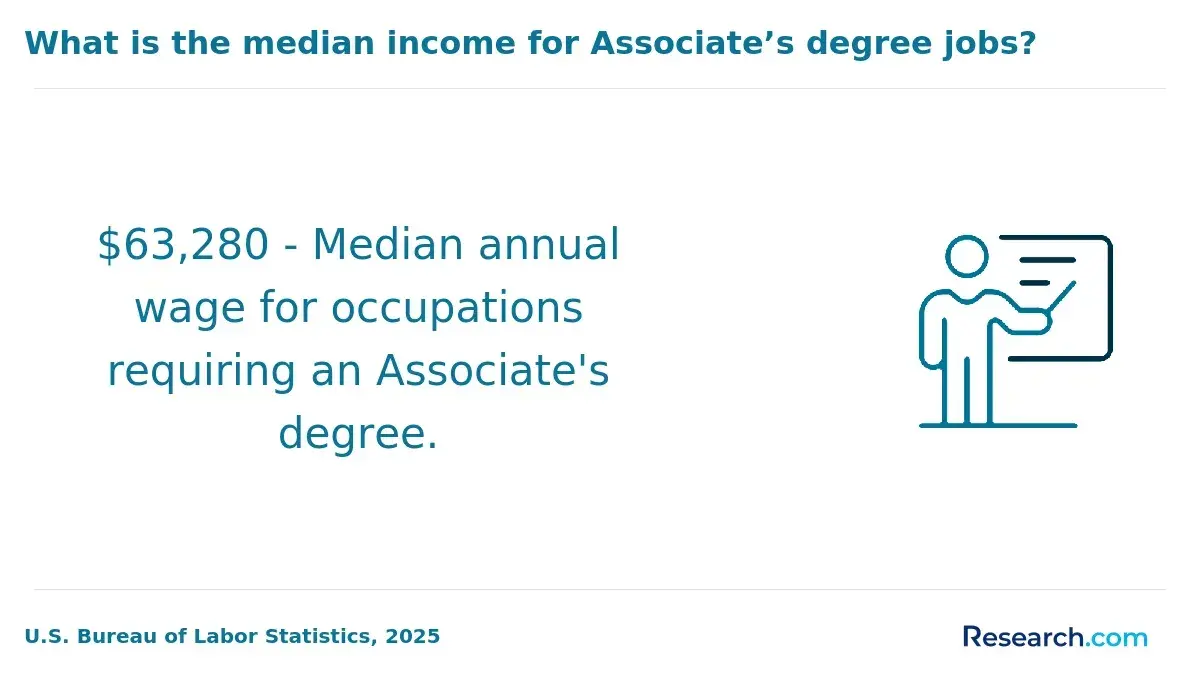
- Associate Degree: This level generally prepares candidates for support roles like teaching assistants or paraprofessionals. While employability is steady, positions are mostly entry-level and limited in scope within the education field's job market demand.
- Bachelor's Degree: Often the minimum credential for K-12 teaching positions, a bachelor's degree opens pathways to instructional and administrative assistant roles. Job prospects are moderate to strong, reflecting its status as a foundational education degree level with solid employability.
- Master's Degree: Favored for specialized roles and leadership posts, this degree enhances eligibility for counseling, curriculum development, and administration. Research shows employment rates are roughly 10% higher for master's holders, reinforcing its impact on higher education degree impact on education employability. For those seeking affordable options, exploring cheap psychology masters programs can be beneficial.
- Doctorate Degree: Essential for careers in higher education teaching, research, and senior leadership, the doctorate offers the strongest job security and long-term growth. This level boosts competitiveness for top academic and administrative roles, reflecting its high value in the education labor market.
What Skills Are Employers Seeking in Education Graduates?
Recognizing the skills most valued by employers is vital for education graduates seeking to thrive and stand out in today's job market. These competencies enable professionals to tackle educational challenges effectively and support student achievement. Below are several key skills that schools and districts actively look for in candidates.
- Communication Skills: Mastery of both spoken and written communication is essential for fostering student participation, collaborating with peers, and engaging parents in meaningful dialogue.
- Classroom Management: The capability to create and sustain a structured, positive atmosphere helps maintain student focus and encourages productive learning environments.
- Technological Proficiency: Familiarity with educational technologies and digital tools enhances lesson delivery and equips students with skills needed for an increasingly digital world.
- Cultural Competency: Awareness and respect for diverse cultural backgrounds allow educators to adapt their methods and cultivate an inclusive classroom community.
- Critical Thinking: The ability to swiftly analyze problems and adjust instructional strategies is crucial for responding to the dynamic nature of teaching.
When speaking with a graduate of an education degree program, he emphasized that beyond technical skills, resilience and adaptability were equally pivotal in his early career. "Facing unpredictable challenges, like sudden changes in student needs or school policies, tested my ability to stay calm and rethink my approach," he shared. He reflected on how mentorship and reflective practice helped him grow, stating, "Employers value not just what you know, but how you learn and respond under pressure." This perspective highlights the blend of interpersonal and practical capabilities essential for success in education roles today.
How Does Job Demand Affect Education Graduate Salaries?
Fluctuations in job demand play a crucial role in shaping starting salaries, wage growth, and long-term earning potential for education graduates. For example, the U.S. Bureau of Labor Statistics reported that the median annual wage for kindergarten and elementary school teachers was $61,350, though actual salaries vary widely based on local demand. These variations reflect how supply and demand dynamics affect the financial prospects of new educators.
Key factors illustrating the impact of job demand on education graduate salaries include:
- Starting Salaries: Regions or specialties facing teacher shortages often offer higher starting salaries to attract qualified candidates quickly. This urgency boosts initial compensation packages, giving new graduates an advantage in high-demand areas.
- Wage Growth: Sustained demand for teachers tends to encourage stronger wage growth over time. Areas with ongoing shortages provide more opportunities for salary increases tied to experience, advanced certifications, and career longevity.
- Job Security: When demand weakens due to factors like budget cuts or declining student enrollment, job insecurity rises. This instability can hinder salary negotiations, limit promotions, and suppress overall wage growth.
- Bargaining Power: Education graduates gain greater bargaining power when supply is limited relative to demand. This dynamic often results in not only higher pay but also enhanced benefits and working conditions in shortage areas.
How Is AI Changing Demand for Education Professionals?
Advancements in artificial intelligence are reshaping workforce demands within education fields, with nearly half of U.S. institutions now using AI tools to improve teaching and operations. This growing integration is shifting how education professionals are employed and the skills they need.
The primary impacts of AI on the education workforce include:
- Automation of Routine Tasks: AI handles repetitive administrative duties like grading and attendance, allowing educators to dedicate more time to personalized student engagement. This easing of mundane tasks supports job stability by emphasizing human-centered teaching roles.
- Emergence of Specialized Roles: New positions are appearing that focus on developing AI-powered curricula and learning analytics. These roles require a blend of educational expertise and technological knowledge, broadening career paths in education.
- Changing Skill Requirements: Educators now need proficiency in digital tools alongside traditional pedagogical skills. Hiring increasingly favors candidates comfortable with integrating AI into their teaching and assessment methods.
- Shifting Hiring Trends: Institutions prioritize professionals who embrace continual learning and adaptability, viewing AI as a complement rather than a competitor to education, which sustains long-term prospects for graduates.
When I spoke with a recent graduate of an education degree program about how AI is influencing demand, she reflected on her early career challenges. "Adapting to AI tools was initially overwhelming," she said, recalling the steep learning curve. However, she quickly realized that mastering these systems made her more confident and effective in the classroom. She emphasized, "Rather than replacing me, AI became a resource that strengthened my teaching and opened doors to new responsibilities I hadn't considered before." Her experience highlights how embracing AI can enhance job satisfaction and career growth in education.
Is Education Considered a Stable Long-Term Career?
Long-term career stability is crucial for students and professionals considering education paths because it influences financial security and job satisfaction over time. Examining key factors helps clarify the future employment prospects for education graduates. Below are several important reasons contributing to stability in this field.
- Long-Term Employment Trends: Data from government labor statistics often show steady growth or maintenance in teaching and education-related roles. The persistent need in K-12 and higher education sectors supports sustainable job opportunities for those with education degrees.
- Industry Reliance: Various industries and communities depend on education professionals to facilitate learning and skill development. Schools, government programs, and private organizations require trained educators, making these roles more resilient to economic downturns than many other occupations.
- Adaptability to Change: The education sector evolves with online learning, digital tools, and hybrid instruction models. Educators who continuously reskill and embrace new teaching methods can enhance their job security in this shifting landscape.
- Advancement and Reskilling: Opportunities to move into administration, curriculum design, or specialized instruction bolster career longevity. Many districts offer programs for continued education, though limited salary growth in some areas may affect long-term satisfaction. Nevertheless, the intrinsic societal value of education often balances these challenges.
For those exploring the field's financial outlook, consulting rankings of highest paying degrees can provide additional insight into salary potential relative to other disciplines.
Is a Education Degree Worth It Given the Current Job Demand?
Demand for education degree graduates across the United States shows a generally stable to modestly positive trajectory, with employment growth projected to align closely with the average for all occupations. Labor market data points to consistent needs in both public and private schools, particularly in areas like special education, bilingual education, and STEM-related subjects. Hiring activity varies regionally, often being stronger in underserved or rapidly expanding districts, although factors such as budget constraints and teacher retention challenges can impact job stability. This employment outlook for education graduates suggests a steady demand that continues to support the value of an education degree in today's job market.
Whether pursuing an education degree is worth it depends significantly on degree level, specialization, and alignment with current industry demands. Higher degree levels, such as master's degrees or professional certifications, tend to improve employment prospects and salary potential, especially when focused on in-demand fields like educational technology or special education. Candidates who strategically pursue skills aligned with market needs can expect better outcomes. For those considering further study options, resources such as 1 year masters programs online provide flexible pathways to enhance qualifications and competitiveness within the evolving education sector.
What Graduates Say About the Demand for Their Education Degree
- Taylor: "Choosing to pursue an education degree was a turning point in my life. The investment paid off quickly, allowing me to transition into a fulfilling teaching career where I can truly make a difference. Every day, I see the impact of my studies reflected in the growth of my students. "
- Cruz: "Reflecting on my decision to earn a degree in education, I realize it was as much about personal growth as professional advancement. The return on investment has been substantial, giving me both stability and deep job satisfaction. It's been rewarding to see how my skills translate into meaningful classroom experiences. "
- Luka: "Earning an education degree has been foundational to my career development as an educator and mentor. The knowledge and expertise I gained have opened doors to leadership roles, proving its value well beyond the initial cost. This path has affirmed my commitment to lifelong learning and service. "
Other Things You Should Know About Education Degrees
Beyond traditional schools, education degree graduates in 2027 increasingly find opportunities in educational technology firms, corporate training environments, and community education programs. These alternative career paths offer the potential to leverage teaching skills in dynamic and innovative settings.
In 2027, changes in educational policies, such as new curriculum standards or funding shifts, can significantly affect the demand for education degree graduates. Policies emphasizing STEM education or online learning may increase demand for specialized skills, influencing the type and number of graduates needed.
References
- Ten things you need to know about higher education today https://oecdedutoday.com/higher-education-trends-2019/
- The Impact of AI on Teachers https://blog.aihm.education/the-impact-of-ai-on-teachers
- Top 10 jobs for higher ed majors and who’s hiring https://joinhandshake.com/blog/students/top-jobs-for-higher-ed-majors/
- Alma Career – A better world of work for everyone https://www.almacareer.com/blog/how-does-a-university-degree-influence-pay
- The Most In-Demand School Jobs | ProCare Therapy https://www.procaretherapy.com/blog/the-most-in-demand-school-jobs/
- Is a university degree still relevant in today’s job market? - UK Recruiter https://ukrecruiter.co.uk/2022/03/31/is-a-university-degree-still-relevant-in-todays-job-market/
- The demand for college graduates is growing. Let's meet the demand – without all the student debt. - Making Waves Education Foundation https://making-waves.org/demand-first-gen-college-grads-growing-solutions-without-student-loan-debt/
- The value of advanced education in a competitive job market - Keele University - Study online https://online.keele.ac.uk/the-value-of-advanced-education-in-a-competitive-job-market/
- Higher education trends: implications for university leaders https://oes.edu.au/higher-education-trends/
- Credentialism and degree inflation - Wikipedia https://en.wikipedia.org/wiki/Credentialism_and_degree_inflation


