
2027 Admission Requirements for Education Degree Programs

Co-Founder and Chief Data Scientist
Competition for education degree programs continues to intensify as more students pursue careers in teaching and educational leadership. Recent data reveals that acceptance rates for these programs have become increasingly selective, reflecting higher academic standards and evolving professional demands. Navigating this complex admission landscape requires a clear understanding of key requirements that admission committees prioritize.
This article provides a detailed overview of the essential factors applicants need to consider when preparing their applications for education degree programs, ensuring they are well equipped to meet the expectations of today's competitive academic environment.
Key Benefits of Education Degree Programs
- Understanding admission requirements helps aspiring educators identify programs suited to their academic background, noting that competitive education programs may have acceptance rates around 40% or lower, reflecting the demand for qualified teachers in both primary and secondary education.
- Awareness of prerequisites such as foundational coursework in psychology, communication, and child development, as well as observation or volunteer teaching hours, allows applicants to strategically plan their studies and gain relevant classroom experience before applying.
- Knowing standardized testing and GPA expectations supports candidates in strengthening their applications, as many education programs require a minimum GPA of 3.0 and passing scores on entrance exams like the Praxis Core or equivalent assessments to ensure academic and professional readiness.
What GPA Do You Need to Get Into a Education Program?
GPA remains a crucial factor in college admissions as it reflects a student's academic readiness and ability to persist through rigorous coursework. Requirements for education programs vary widely depending on the institution, program level, and competitiveness, making it important for applicants to understand these differences. Below are typical GPA expectations and key factors to consider when preparing your application for education degree programs.
- Minimum GPA requirements: Many undergraduate education programs require a minimum cumulative GPA around 2.5, although some set higher standards at 2.8 or even 3.0. For example, Indiana University and Anne's College typically require a 2.5 minimum, while Sacred Heart University expects a 2.8, reflecting variations in education program GPA requirements in the United States.
- Competitive GPA range: Graduate and flagship programs tend to expect higher GPAs; a 3.0 is often the baseline, with some requiring this GPA specifically in the last 60 undergraduate credits or a completed master's degree. Hunter College illustrates this by mandating a 3.0 for undergraduate and a 3.5 for graduate education applicants.
- Conditional or flexible admissions: Some online or less competitive programs may admit students with lower GPAs on a conditional basis, often requiring additional documentation like recommendation letters or personal statements. Schools like Walden University and Liberty University Online use this approach, balancing academic metrics with holistic review strategies.
- Coursework-specific GPA: Beyond overall GPA, certain prerequisite courses may demand minimum grades, such as a "C" or better in math or English for undergraduates or a "B-" for graduate coursework. This ensures candidates possess foundational knowledge critical for success in teacher preparation.
- Tips for strengthening applications: Applicants with lower GPAs can enhance their prospects by excelling in required courses, submitting persuasive personal statements, and providing strong letters of recommendation. Additionally, some may pursue extra degrees or certificates to meet minimum GPA for education degree programs and improve credentials. Exploring certifications that pay well may also complement an application and prepare candidates for a competitive job market.
What Prior Education Is Required for a Education Program?
Prior education plays a crucial role in determining eligibility for education degree programs across the United States, with institutions tailoring requirements according to whether the program is undergraduate, graduate, or professional. These prerequisites help ensure that students possess the foundational knowledge necessary for success in their chosen level of study.
Below is a summary of common educational prerequisites reflecting the minimum education requirements for education degree programs:
- High School Diploma or Equivalent: Entry into associate or bachelor's education programs generally requires a high school diploma or GED with a minimum GPA around 2.0 to 2.5. Some programs also expect completion of college preparatory coursework in subjects like English, math, or science to prepare students for higher education demands.
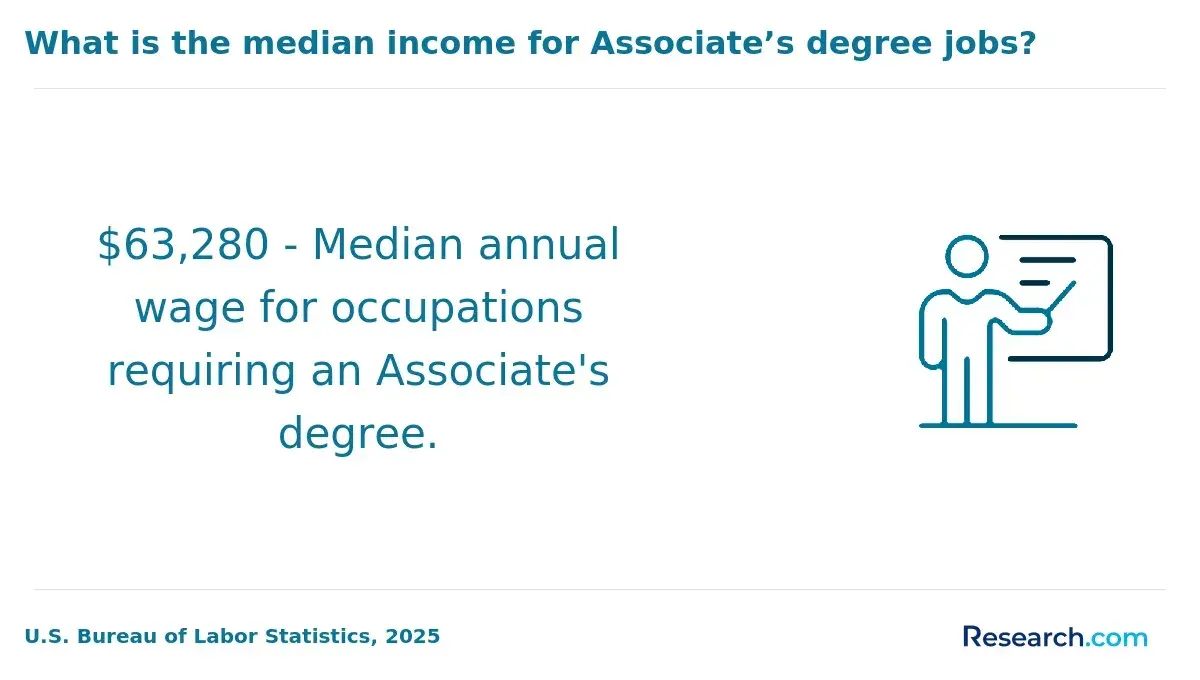
- Associate's Degree Pathways: A two-year associate's degree provides foundational education and practical experience but usually does not meet full teaching licensure requirements. Credits earned often transfer toward a bachelor's degree, offering a stepwise approach for advancing education credentials.
- Undergraduate Prerequisites: Admission to bachelor's in education programs typically involves a completed high school education with a minimum GPA of about 2.5 or higher. Additional prerequisites might include standardized test scores such as the ACT or SAT, college-level coursework, and supervised teaching hours. These prerequisites for bachelor's in education programs aim to assess academic preparedness and commitment.
- Graduate-Level Expectations: Master's education programs require applicants to hold an accredited bachelor's degree, often favoring those with an education background or related field. A minimum undergraduate GPA around 3.0, letters of recommendation, and sometimes scores from exams like the GRE or MAT are usually expected. Bridge courses are commonly offered to applicants transitioning from other academic disciplines.
- Alternative and Bridge Options: For career changers or those without traditional education degrees, many programs provide foundational or bridge coursework to meet admission requirements for advanced study or credentialing pathways.
- Professional Experience Requirements: Certain master's or professional programs prefer or require prior teaching experience or a teaching license, especially for specialized or leadership tracks, underscoring practical skills alongside academic credentials.
Students seeking flexible entry points into these programs might explore options tailored for diverse learners, including degree programs for older adults online, which can provide alternative pathways to meet academic and career goals.
Do Education Programs Require GRE, GMAT, or Other Standardized Tests?
Standardized tests such as the GRE and GMAT have traditionally played a significant role in graduate admissions by providing a common measure of academic readiness and analytical skills. However, evolving perspectives on accessibility, equity, and the overall admission process have prompted many education programs to reconsider or eliminate these test requirements. This shift reflects broader changes in higher education aimed at increasing inclusivity and reducing barriers for applicants.
Below is a summary of current expectations regarding standardized tests for education degree programs in the U.S.:
- Widespread Test Waivers: Numerous universities, including leading institutions like Stanford, Harvard, and MIT, have waived GRE or GMAT requirements for most education-related graduate programs for the 2025 admissions cycle. This change is motivated by efforts to enhance accessibility and encourage a more diverse applicant pool.
- Program-Specific Variability: Requirements vary widely depending on the department and degree specialization. While some education programs no longer require standardized tests at all, others may still ask for GRE scores or offer waivers based on academic or professional credentials.
- Alternative Admissions Criteria: With test requirements becoming optional or eliminated, there is greater emphasis on undergraduate GPA, letters of recommendation, relevant professional experience, and personal statements. Some schools waive standardized tests altogether for applicants with GPAs above certain thresholds, such as 3.2 or higher.
- No Universal Policy: Each university and even its individual departments set their own testing policies. Prospective applicants should carefully review program websites to determine if the GRE or GMAT is required, optional, or waived for their specific education degree.
- Equity and Accessibility Concerns: The move away from standardized testing is partly driven by concerns over fairness and the financial burden of test fees $220 for each GRE attempt-and preparation costs, which can disproportionately affect underrepresented applicants.
What Materials Do You Need to Submit for Education Admission?
College and graduate admissions for education degree programs typically require applicants to submit multiple documents that demonstrate their academic readiness, relevant experience, and potential fit for the program. Requirements can vary significantly depending on the institution, program level, and whether the degree is pursued online or on-campus.
Below is a summary of the most common application materials requested for education admission:
- Official Transcripts: Schools require transcripts from all postsecondary institutions attended to verify academic achievement and degree completion. Admissions committees often look for a minimum GPA, which is commonly around 3.0 for graduate programs, but some may consider applicants with lower GPAs if other parts of the application are strong.
- Test Scores: Standardized test scores such as the GRE, CBEST, or CSET may be required, especially for teaching credential programs. Some online programs waive these requirements or accept proof of test registration to allow initial application review.
- Personal Statement or Statement of Intent: This essay allows applicants to explain their interest in education, career goals, and how they align with the program's mission. Tailoring the statement to each school's values and objectives is highly recommended.
- Résumé or Curriculum Vitae: A current résumé highlights educational background, professional experience, and volunteer work relevant to teaching or leadership. This document helps admission committees assess the applicant's skills and community involvement.
- Letters of Recommendation: Most programs request two to three letters from academic or professional references who can speak to the applicant's abilities, character, and potential as an educator. Online programs often accept electronic submissions, while some on-campus programs may require physical copies.
What Are the Admission Requirements for International Students Applying to Education Programs?
International students applying to education degree programs in the United States must navigate additional admission requirements beyond their academic qualifications. These include language proficiency verification and thorough document evaluations, which together ensure that students are prepared for U.S.-based coursework and comply with institutional and federal visa regulations.
To help international applicants understand what is expected, below is a summary of key admission requirements they should prepare for:
- English Proficiency Proof: Most U.S. education programs require internationally educated students whose first language is not English to submit official scores from recognized exams such as the TOEFL, IELTS, PTE, or Duolingo English Test. Expectations generally vary, with on-campus programs typically demanding higher test scores compared to some online-only programs that may accept a broader range of results or lower thresholds. Applicants should verify specific program requirements early and plan ample time for exam preparation.
- Credential Evaluation: Universities require a formal assessment of transcripts from non-U.S. institutions by specialized agencies like World Education Services (WES) or Educational Credential Evaluators (ECE). Graduate-level education programs especially often request detailed course-by-course evaluations to ensure academic equivalency. Beginning this process well in advance is advisable since credential evaluations can take several weeks.
- Financial Documentation: To receive visa-related paperwork, applicants must prove they have sufficient funds to cover tuition and living expenses, usually for at least one academic year. This involves providing bank statements, affidavits of support, or official scholarship letters. Because annual costs often exceed $30,000, early preparation is vital to meet deadlines smoothly.
- Visa-Related Forms: After admission, international students must complete immigration documents such as the I-20 form to apply for an F-1 visa. This process includes submitting a valid passport copy, paying the SEVIS fee, and scheduling a consular interview. Accurate and timely completion of these steps is mandatory to secure lawful entry into the United States.
Do You Need Professional Experience to Get Into a Education Program?
Professional experience can significantly influence admission decisions for education programs, especially at the graduate level, where schools increasingly value applicants with relevant backgrounds and practical skills. While some programs list work experience as recommended rather than required, others make it a core admission criterion that can determine eligibility. Understanding how work history impacts admissions can help applicants better prepare their applications.
Below are key factors highlighting how professional experience plays a role in admission decisions for both online and on-campus education programs:
- Minimum Experience Requirements: Many graduate education programs require a set amount of professional experience, typically ranging from one to five years in teaching or educational roles. For instance, some doctoral programs expect multiple years of full-time educational work, which demonstrates readiness for advanced study and leadership responsibilities.
- Experience as a Competitive Edge: Even if not mandatory, having relevant work experience can enhance an application's strength. Admissions committees often favor candidates with practical classroom or administrative experience, as it suggests preparedness for complex coursework and fieldwork.
- Documentation and Presentation: Applicants usually present their experience through resumes, personal statements, and recommendation letters. Effective applications clearly connect work history to teaching philosophy and skill development, helping admissions officers understand the candidate's potential.
- Flexibility and Exceptions: Some programs treat professional experience as recommended rather than required, offering flexibility for candidates with strong academic records or other qualifications. Nonetheless, the most competitive programs typically admit those with solid educational backgrounds.
- Online vs. On-Campus Programs: Online education programs may sometimes have more flexible experience requirements, but reputable institutions generally uphold standards comparable to campus-based programs. Applicants should check specific program criteria carefully.
Do Education Programs Have Different Admission Requirements by Concentration?
Many universities in the United States tailor their education program admission requirements by concentration or specialization area. Although core requirements such as GPA minimums and standardized test scores generally remain consistent, concentrations with research-heavy, technical, or leadership focuses often include additional prerequisites, coursework, or professional experience. These variations ensure applicants are well prepared for the specific demands of their chosen path.
Below are some of the key ways admission requirements differ by concentration within education programs:
- Technical or Quantitative Tracks: Concentrations such as educational technology or assessment frequently require prior coursework in statistics, computer science, or instructional design. Applicants must often demonstrate technical proficiency through transcripts or professional experience, and online applicants may need to provide digital portfolios that highlight relevant skills.
- Leadership and School Administration: Programs focusing on educational leadership generally expect candidates to possess several years of full-time teaching experience and sometimes a valid teaching license. Application materials often include letters of recommendation emphasizing leadership potential, a detailed resume, and occasionally an interview or a statement of leadership philosophy.
- Research-Intensive Specializations: Tracks like higher education teaching or curriculum development tend to demand evidence of research experience, such as academic writing samples or publications. Graduate Record Examination (GRE) or Miller Analogies Test (MAT) scores may be weighted more heavily, and applicants might need to outline research interests aligned with faculty expertise.
- Subject or Grade-Level Specializations: Concentrations in early childhood or secondary education often require completion of specific undergraduate courses, such as child development or content-area methods, alongside practicum experience. Higher GPA thresholds may apply for particularly competitive tracks.
- Online vs. On-Campus Tracks: Applicants to online education programs, especially international students, may need to follow extra documentation or verification procedures. Some fully online concentrations limit eligibility for F-1 or J-1 visas and require agreement to program-specific disclosures. Prospective students seeking flexible routes might explore accelerated online associate degree programs as foundational options.
Are Admission Requirements the Same for Online and On-Campus Education Programs?
Most universities in the United States align their admission standards for online and on-campus education programs to maintain a consistent level of academic quality across both formats. However, some variations arise from differences in student demographics, program delivery methods, and experiential learning components required for certification. This balance helps ensure that degrees hold equal credibility regardless of the learning mode chosen.
Below are key similarities and differences in admission requirements for online education program admission requirements versus on-campus education degree entry criteria:
- Core Academic Standards: Both online and on-campus programs generally require applicants to meet similar minimum GPA thresholds and submit official transcripts. Universities do not usually lower academic expectations for online students, maintaining equal rigor to preserve degree value.
- Standardized Test Policies: Online programs, especially at the graduate level, increasingly waive standardized tests such as the GRE or GMAT to accommodate working professionals. On-campus programs may still require or recommend these exams more often.
- Professional Experience Expectations: Online pathways often favor applicants with relevant work or life experience, while on-campus programs may focus more on recent academic performance and place less emphasis on prior professional background.
- Interview and Essay Requirements: Both formats commonly ask for personal statements or essays. However, online programs may also include virtual interviews or request extra information regarding self-motivation and time management, qualities essential for success in remote learning.
- Experiential Learning Components: Field placements or student teaching requirements can differ due to logistics. Online students might need to verify access to local approved sites for experiential learning, whereas on-campus students generally complete these through university partnerships nearby.
Prospective students considering education degrees should explore how these factors align with their situation. For those balancing work and studies, online routes may offer more flexible admission criteria. Additionally, reviewing options related to quick college degrees that pay well can provide insights into efficient paths within education and other fields.
Can You Apply for Financial Aid Before Being Accepted into a Education Program?
Most financial aid applications, particularly the Free Application for Federal Student Aid (FAFSA), can be submitted before you are formally accepted into an education program. This early submission is highly recommended because it helps students understand potential funding options, estimate their out-of-pocket college costs, and avoid missing important deadlines set by federal, state, or institutional aid programs. Applying early is especially important since some aid, such as state grants and work-study opportunities, is awarded on a first-come, first-served basis.
For those interested in more specialized pathways, exploring dual degree universities may offer additional advantages and financial support avenues. This proactive approach aligns well with Massachusetts financial aid eligibility requirements for education students, ensuring applicants meet priority deadlines and gain a clearer financial picture before admission decisions are finalized.
However, there are important limitations to keep in mind when you apply for financial aid before education program acceptance. Certain scholarships and grants require proof of admission before any funds can be awarded, so final aid eligibility depends on verified enrollment at the institution. To maximize opportunities, applicants can list up to ten schools on their FAFSA, allowing multiple institutions to prepare potential aid offers as admissions decisions come through.
Staying organized and syncing financial aid deadlines with your admission applications is critical, which includes checking in regularly with financial aid and admissions offices. This coordination ensures that all requirements are met timely and that you remain eligible for the best possible support throughout the process.
When Should You Start Applying to Education Programs?
Timing is one of the most important factors in the education application process because many programs have firm deadlines and limited seats. Starting early not only increases your chances of acceptance but also improves your eligibility for merit-based financial aid, as many institutions award scholarships on a first-come, first-served basis. In fact, nearly 40% of colleges fill more than half their incoming classes through early action or early decision rounds.
Understanding when to begin preparing your applications is essential for both online and on-campus education programs. Ideally, you should start the process 6 to 9 months before the earliest deadline. This period allows you to thoroughly research programs that best align with your career goals and academic background. Since deadlines vary widely-some master's programs close applications as early as November for spring admission, while others may have fall deadlines in January or later-it's important to confirm specific dates for each program you are considering.
Planning key milestones around these deadlines is crucial. Begin drafting your personal statement and résumé early, request transcripts, and reach out to recommenders well in advance, as gathering these materials can take several weeks. At the same time, complete the Free Application for Federal Student Aid (FAFSA) and explore program-specific scholarships, because some financial aid deadlines may come before final admissions deadlines. Early preparation also allows time to review your application materials carefully and complete any required standardized tests.
Starting early provides greater flexibility, enhances your chances of admission and financial aid, and significantly reduces stress throughout the competitive application period.
Here's What Graduates of Education Programs Have to Say About Their Degree
- Vernon: "Completing my education degree opened doors I never imagined possible. The program's strong focus on hands-on learning prepared me to confidently enter the classroom day one, and I now thrive in a stable career where I can make a real difference in my students' lives. The sense of fulfillment I get from contributing to my community's future is unmatched. If you're passionate about education and eager to grow professionally, this degree is a powerful foundation. "
- Jem: "Reflecting on my journey through the education degree program, I realize it was as much about personal growth as it was about academic achievement. The challenges I faced taught resilience, empathy, and adaptability-qualities that help me connect deeply with diverse learners. This degree equipped me not only with knowledge but also with a profound sense of responsibility to uplift and empower youth in my neighborhood. "
- Josie: "As a professional educator, earning my education degree was pivotal in advancing my career and expanding my leadership opportunities. The comprehensive curriculum covered innovative teaching strategies and educational technology, enabling me to stay current and effective in a rapidly evolving field. It's rewarding to see how my formal training translates into real improvements in student engagement and outcomes. "
Other Things You Should Know About Education Degree Programs
In 2027, many education degree programs no longer require standardized test scores like the SAT or ACT due to the growing test-optional trend. However, some institutions still use these scores as part of the holistic review process, so it's advisable to verify specific requirements with your chosen schools.
In 2027, many education degree programs continue to require foundational coursework in psychology, mathematics, or child development. However, some programs have shifted to competency-based assessments that may allow students to bypass certain prerequisites if they demonstrate necessary skills.
References
- Doctor of Education in Educational Innovation with a Concentration in a Teaching and Curriculum Area https://catalog.augusta.edu/preview_program.php
- GPA Forgiveness - Teacher Education Advising and Licensure https://teal.charlotte.edu/graduate-certificate-in-teaching/gpa-forgiveness/
- Uniex - For You: A List of Essential Documents for University Applications https://uniex.tech/blogs/For-you-a-list-of-essential-documents-for-university-applications
- Guide to Applying to Education School https://www.educationdegree.com/articles/applying-to-education-school/
- Documents for admission https://www.tue.nl/en/education/become-a-tue-student/admission-and-enrollment/documents-for-admission
- When Should You Start Applying for Colleges? | Tiffin University https://www.tiffin.edu/news/when-should-you-start-applying-for-colleges-a-timeline-for-juniors-and-seniors/
- GRE and GMAT https://www.lse.ac.uk/study-at-lse/Graduate/Prospective-students/Entry-requirements/GRE-and-GMAT
- Bachelor of Education Degree (Here's What To Expect) https://www.alleducationschools.com/teaching-degrees/bachelors-in-education/
- What GPA Do You Need to Get Into Grad School? How to Get In https://www.listening.com/blog/what-gpa-do-you-need-to-get-into-grad-school/


