2027 English Degree Completion Programs for Working Adults

Co-Founder and Chief Data Scientist
Balancing full-time work with returning to school for an english degree can feel overwhelming-especially when navigating complex accreditation standards, credit transfer policies, and rigid scheduling. Many working adults struggle to find programs that recognize prior learning or offer flexible formats tailored to their lifestyle. Research shows that graduates from accredited english degree completion programs earn on average 15% higher salaries than those without degrees, highlighting the tangible career benefits. This article explores how to distinguish high-quality completion programs from generic options-examining structure, costs, and credential value-to help readers align their educational choices with their professional goals and financial realities.
Key Things to Know About English Degree Completion Programs for Working Adults
- Maximizing credit for prior learning-especially military and ACE-certified training-can reduce time to degree, with some programs granting up to 50% credit for validated experience.
- Identifying programs recognized by employers and licensure bodies ensures credentials meet industry standards-key for mid-career professionals seeking promotions.
- Working adults benefit from targeted financial aid options, including employer tuition reimbursement and specialized grants, which offset increasing tuition costs affecting over 65% of postsecondary enrollees.
What Are English Degree Completion Programs, and Who Are They Designed For?
English degree completion programs offer a focused pathway for adults who have earned some college credits but not a bachelor's degree, enabling them to efficiently finish their degree with accelerated pacing and flexible scheduling. Distinct from traditional four-year and graduate programs, these completion programs emphasize credit-for-prior-learning policies-converting military training, professional experience, and academic credits into progress toward degree requirements. This structure caters specifically to working adults balancing career and family demands.
Primary audiences include adults who left college without completing a degree, military veterans with ACE-credited coursework, mid-career professionals seeking credential-gated promotions, and career changers entering the English field. The National Student Clearinghouse and the American Association of State Colleges and Universities report that degree completion programs have expanded significantly to serve these nontraditional students. Additionally, Lumina Foundation research highlights the growing importance of adult learner-focused program designs.
- Target Audiences: Adults with prior credits, veterans with military training evaluated for college credit, professionals aiming for advancement, and career changers seeking relevant credentials.
- Flexible Scheduling: Evening, weekend, and online classes accommodate full-time employment, supporting online english degree completion for adult learners.
- Accelerated Pacing: Shortened terms and bundled courses facilitate faster degree completion.
- Credit Transfer and Prior Learning: Policies allow recognition of military service, certifications, and other learning assessments to reduce redundant coursework.
- Accreditation and Recognition: These programs meet regional accreditation standards and hold credibility with employers and licensure bodies.
- Support Services: Tailored advising, financial aid, and career counseling address the unique needs of working adults.
By aligning program features with adult learners' realities, English degree completion programs offer a credible route to academic credentials and career mobility without sacrificing work or family responsibilities. Those exploring options should also consider resources on masters degrees that may complement their goals.
How Do English Degree Completion Programs Differ From Traditional On-Campus Degree Programs?
English degree completion programs for working adults offer distinct advantages over traditional campus-based degrees by prioritizing flexible scheduling in english degree completion programs and credit transfer policies for working adult learners. These programs typically feature evening, weekend, online, and hybrid course formats, allowing students to balance education with professional and personal commitments, unlike traditional programs that follow a rigid weekday schedule.
- Scheduling Formats: Completion programs accommodate nontraditional timetables through diverse delivery modes, including asynchronous coursework, enabling students to study outside of fixed class times-an option rarely available in traditional settings.
- Pacing Options: Students can often choose accelerated cohorts or self-paced progression to fit their life's pace, contrasting with the full-time, semester-based enrollment required by traditional degrees.
- Residency Requirements: Many completion programs minimize or waive on-campus residency, relying heavily on online or hybrid models, whereas traditional degrees mandate frequent physical attendance.
- Structural Accommodations: These programs include rolling or multiple start dates per year and offer streamlined academic advising focused on optimizing credit transfer and degree planning tailored for adult learners.
- Credit Transfer Flexibility: Completion programs emphasize accepting prior learning credits-including military and ACE-accredited training-with more lenient policies than traditional programs that may require a larger proportion of credits earned directly.
Data from the National Center for Education Statistics and IPEDS reveal steady growth in enrollment for English degree completion programs over the past decade, reflecting growing demand among adults seeking credentials without disrupting their careers or family lives. Though the credential earned-typically a Bachelor of Arts or Bachelor of Science in English-is the same, the completion pathway's design substantially reduces conflicts with employment and caregiving obligations.
Prospective students should evaluate programs based on how well they maximize credit for prior learning, their recognition by employers and licensure bodies, availability of financial aid suited to working adults, and objective quality indicators. Those interested in efficient degree completion might also explore accelerated MSW programs online as a comparative example of flexible, accelerated offerings in graduate education.
What Prior Credits and Experiences Count Toward a English Degree Completion Program?
English degree completion programs often recognize a range of prior learning and academic credits to accelerate graduation for working adults. Transfer credits from regionally accredited colleges usually count-especially coursework tied to the English major or general education-but institutions differ widely in how many they accept. Military training credits evaluated by the American Council on Education (ACE) are frequently honored, enabling veterans to leverage valuable service-based education. Professional certifications and workplace learning may also translate to college credit through Prior Learning Assessment (PLA), which CAEL research finds can reduce degree time by up to a year, yielding substantial savings. Tests like CLEP and DSST offer additional credit-by-examination options for foundational subjects, often covering electives or gen ed requirements. However, transfer policies are not uniform-credits from nationally accredited or nontraditional sources might be restricted, and some schools impose arbitrary limits on transfer credits. The American Association of Collegiate Registrars and Admissions Officers (AACRAO) advocates against such caps without valid academic reasons to ensure equitable credit recognition.
Before enrolling, it is essential to request official transcripts from all previous institutions and secure a pre-enrollment credit evaluation. This step clarifies which credits will transfer and identifies the most efficient path to degree completion. Pay close attention to programs that reject ACE-recommended military credits or cap transfers without clear policies, as these practices can unnecessarily prolong study time and increase cost.
One professional who successfully graduated with an English degree recalled the challenge of gathering transcripts from multiple states and military service branches, describing it as "a maze that tested my patience." He emphasized that the credit evaluation process was "worth every effort" because it revealed unexpected credit from training and prior coursework that accelerated his timeline significantly. "Knowing what counted-and advocating when some credits initially got denied-made all the difference in finishing without wasted semesters," he noted, underscoring the importance of persistence in navigating credit transfers.
What Is the Minimum GPA Requirement for English Degree Completion Programs?
English degree completion programs for working adults generally require a minimum cumulative GPA-commonly between 2.0 and 2.5 on a 4.0 scale-from previous college coursework to qualify for direct admission. However, some programs offer conditional acceptance to students with lower GPAs by providing academic support plans, such as tutoring or mandatory workshops, to enhance student success. Others use open admission policies that waive GPA standards when applicants demonstrate significant professional experience or military training through ACE credit.
Many adult-serving institutions-especially those accredited by regional bodies like the Higher Learning Commission-employ holistic admissions processes. These consider not only GPA but also years of professional experience, strength of letters of recommendation, and personal statements. This approach balances academic criteria with real-world expertise, giving a fuller picture of readiness.
Returning adults concerned about low prior GPAs may find benefit in academic forgiveness or fresh-start policies. These options reset GPA calculations after specified periods of non-enrollment, offering a second academic chance without past performance weighing heavily. To clarify eligibility and avoid undue effort, prospective students should request a formal pre-admission academic evaluation from each program under consideration.
Such evaluations help adults understand the minimum GPA for english degree programs and assess fit before committing to applications. Navigating GPA requirements is part of broader program decisions that also include evaluating cost and flexibility, especially for working professionals. Exploring reputable options can be instrumental in successful degree completion.
- GPA Thresholds: Typically 2.0 to 2.5 cumulative GPA required for direct admission.
- Conditional Admission: Acceptance with academic support plans if below GPA cutoff.
- Open Admission: Possible with documented professional or ACE credit experience.
- Holistic Review: Combines GPA, experience, recommendations, and essays.
- Academic Forgiveness: GPA reset after extended absence from college.
- Pre-admission Evaluation: Formal review clarifies admission chances.
For adults considering related fields, program costs and delivery modes matter greatly-especially when studying psychology degree online or similar degree completion paths-so informed comparisons are crucial.
How Are English Degree Completion Programs Structured Around Full-Time Work Schedules?
English degree completion programs design their schedules to fit the realities of full-time employment-offering evening cohorts, weekend intensives, fully asynchronous online courses, and hybrid models that blend online and occasional in-person classes. Students typically enroll in 6 to 9 credits per term, a manageable load that helps balance academic progress with demanding work and family responsibilities. Many programs use a cohort model, where learners move through courses together as a fixed group, providing reliable scheduling, peer accountability, and mutual support. This structure enables students to plan months ahead, easing the juggling of professional and personal commitments.
Data from the National Student Clearinghouse Research Center shows that cohort-based completion programs yield higher persistence and graduation rates among working adults compared to traditional part-time enrollment. The predictability and community inherent in cohorts foster consistent momentum that reduces dropout risk.
When considering program fit, prospective students should inquire about policies for class cancellations and opportunities to make up sessions missed due to work conflicts. It's also wise to confirm whether a dedicated student success advisor is available to help navigate scheduling challenges and ensure academic continuity.
- Scheduling Flexibility: Multiple formats-night, weekend, online, hybrid-cater to full-time workers' calendars.
- Cohort Model Benefits: Group progress boosts accountability and reliable pacing crucial for balancing life demands.
- Credit Load: 6 to 9 credits per term balances steady advancement with workload manageability.
- Outcomes: Research confirms higher retention and graduation rates for cohort students versus traditional part-time enrollees.
- Student Support: Advisors assist with scheduling conflicts and provide options for missed classes.
A professional who built her career after earning her English degree reflected on the experience-she recalled the initial anxiety of fitting class times around a full-time job and family, describing course evening and weekend options as "a lifeline." The cohort model created "a built-in support system" that helped her stay motivated despite occasional work crises. She emphasized how having a dedicated advisor "made all the difference" when unexpected shifts at work threatened to derail her progress. "Knowing there was always someone to turn to took a huge weight off my shoulders," she said, highlighting that the program's structure didn't just accommodate her schedule but actively supported her persistence.
Is Online or Hybrid Delivery Available for English Degree Completion Programs?
In 2023, about 65% of adult learners enrolling in English degree completion programs chose fully online formats, while roughly 25% selected hybrid delivery, combining online instruction with limited in-person sessions. The surge in remote learning capabilities-spurred by the COVID-19 pandemic-has positioned many institutions to offer robust digital programs across various fields, including English.
Delivery methods generally fall into three categories:
- Synchronous Online: Real-time video classes foster live interaction with instructors and classmates, ideal for learners who benefit from scheduled sessions but require dependable internet and fixed availability.
- Asynchronous Online: Recorded materials and flexible deadlines allow learners to study at their convenience, suiting adults juggling work and family demands-though success here depends on strong discipline and time management.
- Hybrid Models: These combine online coursework with mandatory on-campus intensives, offering opportunities for networking and hands-on learning, best for those living near campus and seeking occasional face-to-face engagement.
Quality indicators to assess include:
- Faculty Credentials: Instructors should hold terminal degrees and experience teaching adult learners online.
- Student-to-Faculty Ratios: Lower ratios generally indicate enhanced personalized attention.
- Academic Support Services: Access to online tutoring, writing centers, and digital libraries is vital.
- Accreditation: Programs must have recognition equivalent to their on-campus counterparts.
Prospective students should consult enrollment advisors about the proportion of synchronous versus asynchronous content, availability of technical support, and flexibility for professional obligations. This helps align program format with individual learning preferences and life circumstances, key factors for successful degree completion.
How Long Does It Take to Complete a English Degree Completion Program?
Completion times for English degree completion programs fluctuate significantly depending on prior academic credits, course load, and program requirements. Students entering with approximately 60 prior credits-often equivalent to an associate degree-typically finish in about two to three years while studying part-time. Those transferring 90 or more credits may complete within one to two years if maintaining steady enrollment. For students with formally assessed prior learning-such as military veterans with ACE-credited training-the remaining coursework can shrink substantially, sometimes cutting overall completion time by half.
- Credit Transfer: The acceptance of previously earned credits, including those awarded through prior learning assessment (PLA), is critical. Maximizing credit for past learning helps shorten the time to degree and lowers tuition expenses.
- Enrollment Pace: Part-time study suits many working adults balancing career and family, while accelerated terms or full-time enrollment can speed up graduation for those able to commit more time.
- Program Requirements: Components like internships, capstones, or field experiences often entail fixed durations that cannot be compressed, preserving minimum time thresholds irrespective of transferred credits.
- Financial Implications: Quicker graduation results in lower overall tuition and reduced opportunity costs from deferred earnings, making accelerated completion a financially impactful choice-not just a personal preference.
- Realistic Timelines: Prospective students should obtain written average time-to-degree statistics aligned with their credit profiles instead of relying on touted minimums, which generally favor highly credit-advantaged students under ideal conditions.
What Accreditation Should a English Degree Completion Program Hold?
Regional Accreditation: This is the most widely trusted form of institutional accreditation for English degree completion programs-granted by agencies such as the Higher Learning Commission (HLC), the Middle States Commission on Higher Education, and the Southern Association of Colleges and Schools Commission on Colleges (SACSCOC). Employers, graduate schools, and the federal student aid system predominantly recognize regionally accredited English degree completion programs as the gold standard. This ensures degrees hold value in the job market and qualify graduates for further study and federal financial aid, crucial for working adults balancing career advancement with education.
National Accreditation: Institutions accredited by bodies like the Distance Education Accrediting Commission (DEAC) typically receive national accreditation. While these programs may offer flexible scheduling tailored to working adults, national accreditation usually carries less prestige and often limits credit transferability to regionally accredited institutions. This restriction can hinder future educational or professional opportunities and must factor into decisions about English degree accreditation standards for working adults.
Programmatic Accreditation: Unlike fields such as engineering (ABET), business (AACSB, ACBSP), or social work (CSWE), English programs generally lack specialized programmatic accreditation. Therefore, institutional accreditation remains pivotal in assessing program quality. For English degree holders, this impacts professional licensure eligibility, hiring outcomes, and graduate school admissions more than any program-specific accreditation.
Quality Concerns: Beware of degree completion programs offered by institutions holding only national accreditation or relying on unrecognized accrediting bodies. Completing such programs risks damaging your professional reputation and wasting financial resources-employers and licensing boards may not accept these credentials.
Verification: Use the U.S. Department of Education's Database of Accredited Postsecondary Institutions and Programs (DAPIP) to independently confirm a program's accreditation status instead of relying on marketing claims. This verification protects your investment and aligns your studies with career goals.
Working adults seeking affordable, flexible degree options should also consider reliable resources like human resources master's programs online for further educational paths that balance cost, quality, and career outcomes.
How Much Do English Degree Completion Programs Cost, and What Financial Aid Is Available?
English degree completion programs present varied costs depending on institution type and fees. Public regional universities often charge $250 to $400 per credit hour for in-state students, while private nonprofit schools average between $500 and $800 per credit. For-profit institutions frequently exceed $900 per credit. Additional expenses include mandatory fees averaging $100 to $300 per term, technology and material costs around $200 annually, and residency or intensive session fees ranging from $500 to $1,500. These figures shape the cost of English degree completion programs for working adults considering their investment.
- Financial Aid: Multiple aid options support adult English degree students. Pell Grants are accessible to eligible part-time learners, although award amounts decline with reduced credit loads. Employer tuition reimbursement can cover substantial costs-sometimes all tuition when coursework aligns with job requirements. Military-affiliated students may utilize GI Bill or MyCAA benefits, which significantly offset expenses for veterans and military spouses. Institutions often offer scholarships specifically for non-traditional adult enrollees.
- FAFSA Guidance: Adult learners generally file FAFSA as independent students, ensuring aid reflects their real financial situation-enhancing eligibility for federal support.
- Tax Advantages: Those paying out-of-pocket can benefit from the Lifetime Learning Credit-offering up to $2,000 in annual tax credits-or use the employer-provided educational assistance exclusion under IRS Section 127 to exclude up to $5,250 of tuition from taxable income. Consulting a tax professional tailored to individual income and filing status is advisable.
- Total Cost Comparison: Evaluating programs involves considering transferred credits that reduce tuition, employer reimbursement eligibility, and net tuition after aid. Because many working adults bring substantial prior college credit and employment benefits, sticker prices often misrepresent actual out-of-pocket costs-making analysis essential when selecting programs.
For those exploring pathways in higher education, including career changers entering the English field, reviewing program quality is imperative. Key factors include how to maximize credit for prior learning, identifying employer- and licensure-recognized programs, and comparing scheduling options suitable for busy lives. This approach aligns with what one finds in the top MSW online programs, illustrating the value of thorough program review and cost assessment.
What Career Outcomes Can Working Adults Expect After Completing a English Degree?
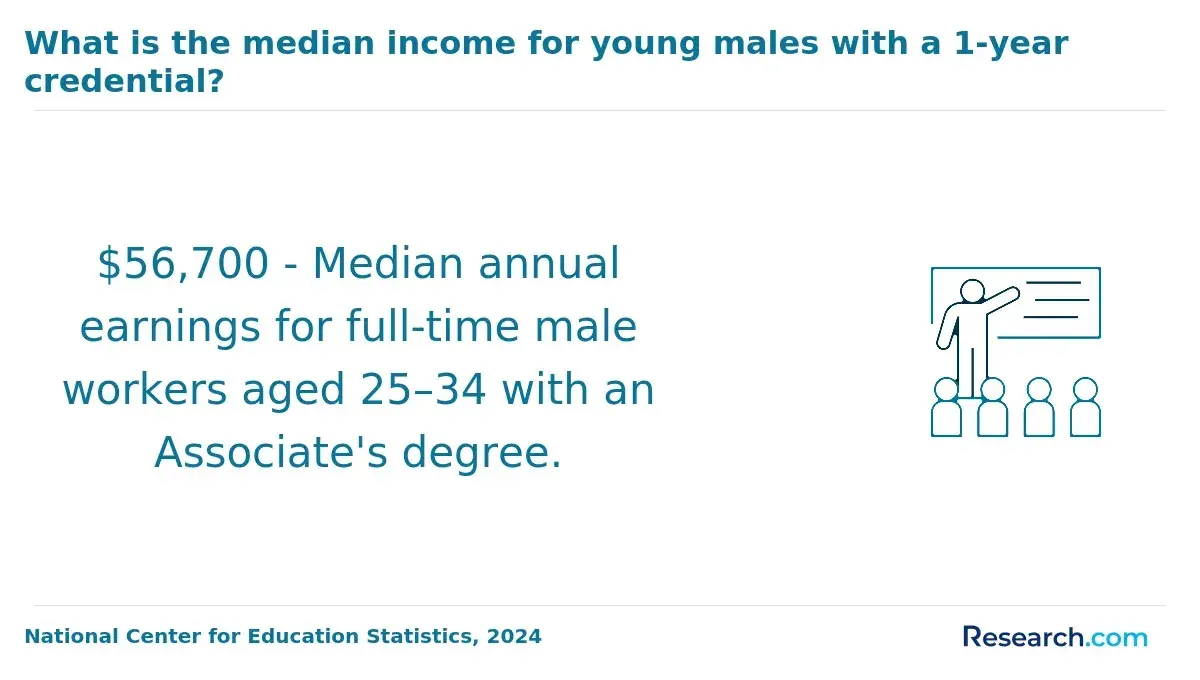
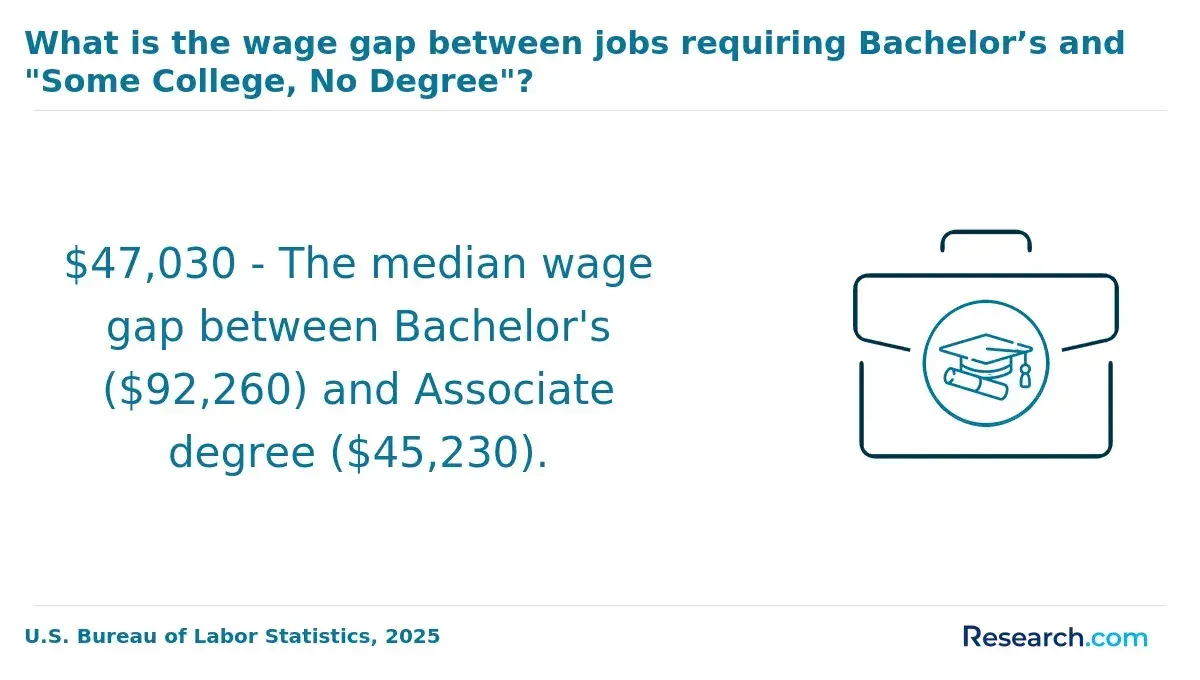
Adults who complete a bachelor's degree in English frequently experience a tangible earnings increase-typically between 15% and 25%-compared to those with some college but no degree. This salary premium corresponds with greater access to advanced roles in fields like content strategy, editing, and communications, where degree completion often serves as a prerequisite for promotion or supervisory responsibilities.
Unlike recent graduates entering the job market without prior professional experience, working adults finishing their degree often leverage years of employment to pursue higher-level positions immediately. Their combined academic credentials and workplace expertise position them to avoid entry-level roles, enabling a faster track to leadership and specialized opportunities.
- Advancement: A completed degree unlocks access to positions that require specific credentials, including managerial and niche communications jobs.
- Promotion Eligibility: Employers typically recognize bachelor's degree holders as candidates for internal advancement, which improves earning potential and employment stability.
- Salary Premium: Research from institutional and labor market data indicates average annual income boosts exceeding $10,000 for degree completers versus non-degree holders.
- Career Flexibility: The English degree opens doors to graduate study and licensed professions with mandatory credential requirements.
- Experience Integration: Combining prior work experience with degree completion makes candidates highly competitive for roles demanding both intellectual and practical skills.
Students targeting careers involving licensure, management, or advanced academics should verify that their chosen program meets relevant credential standards. Ensuring enrollment in an accredited completion program aligned with employer and licensing criteria is vital to maximizing long-term career benefits and validating the credential's value.
How Do Employers View a English Degree Completed Through a Completion Program?
Surveys from organizations like the Society for Human Resource Management (SHRM) and the National Association of Colleges and Employers (NACE) indicate that employers concentrate on the accreditation status of the school awarding the degree rather than the method used to complete it or the share earned through prior learning assessments (PLA). This means degrees earned via completion programs carry the same value as those obtained through traditional study if the institution is properly accredited.
Diploma Uniformity: Typically, diplomas from accredited schools do not differentiate between completion program graduates and those from conventional paths. This allows candidates to present their bachelor's in English simply as a degree from a recognized institution without confusion.
Resume and Interview Approach: It's advisable to list the accredited degree straightforwardly on applications. When discussing education during interviews, emphasizing how the program accommodated adult learners and highlighted practical skill development can provide valuable context without focusing on the completion format.
Employer Scrutiny: Some sectors, including federal government positions governed by Office of Personnel Management (OPM) standards and licensed professions overseen by state boards, may examine degree completion pathways more carefully. Individuals targeting such fields should confirm credential acceptance with respective boards or HR departments prior to enrollment.
Private Sector Perspective: Most private employers value relevant experience, proven skills, and professional references over the mode of degree completion. An English degree earned through a completion program thus functions as a legitimate credential that bolsters qualifications rather than diminishing them.
What Graduates Say About English Degree Completion Programs for Working Adults
- Callen: "Completing my online english degree while working full-time taught me how vital flexible scheduling formats are-night and weekend classes allowed me to balance work and study without feeling overwhelmed. The program's strict accreditation standards gave me confidence that my degree would be valued by employers, which made the investment worthwhile. Additionally, clear credit transfer policies meant I could apply my previous academic work without restarting from scratch-an essential feature for busy adults. These structural features made all the difference for my success."
- Koen: "I chose an online english degree program after deeply considering cost considerations and career outcomes-opting for a quality degree that didn't break the bank but still opened doors in the publishing and education sectors. What stood out was the program's emphasis on relevant skills and real-world assignments, which boosted my job prospects significantly. The blend of respected accreditation and manageable overall costs reassured me that the degree was both a credible and smart financial choice for career growth."
- Owen: "Reflecting on my journey, I realize how essential the structural elements of a completion program are-especially for working adults like me. The seamless credit transfer policies saved me time and money by recognizing my prior college courses, while robust accreditation ensured that the degree held weight when I transitioned careers. The career outcomes post-graduation-such as increased salary potential and advancement opportunities-confirmed that this was not just any degree, but a strategic move aligned with my long-term professional goals."
Other Things You Should Know About English Degrees
English degree completion programs commonly provide tailored support services to accommodate the unique needs of working adults. These often include academic advising that helps students plan coursework and balance studies with professional responsibilities, tutoring for writing and research skills, and career counseling focused on English-related fields. Many programs also offer technical support for online learning platforms and flexible access to resources outside traditional hours.
Yes-credits earned in an English degree completion program often transfer toward a graduate degree, especially if the undergraduate program is regionally accredited. Working adults should verify transfer policies with prospective graduate schools beforehand to confirm which credits will count. Completing an accredited bachelor's degree in English typically strengthens applications for graduate programs in literature, creative writing, education, or communication.
In 2027, English degree completion programs often provide working adults with various support services, including academic advising, career counseling, flexible scheduling, online learning platforms, and tutoring. These resources are tailored to help students balance their studies with work commitments and personal responsibilities effectively.
Military veterans can leverage education benefits such as the GI Bill to enroll in English degree completion programs. Many schools have dedicated veteran support offices that assist with benefits paperwork and credit evaluation-including ACE credits for military training. This support helps veterans efficiently complete their degrees while minimizing out-of-pocket costs.
References
- OAB-UK Standards https://oxfordab.co.uk/international-accreditation-standards/
- Check if your university or college can award a degree https://www.gov.uk/check-university-award-degree
- How employers see your online degree https://www.calcoast.edu/news/truth-about-how-employers-view-your-online-degree
- How Fast Can You Get a Bachelor's Degree in English When Studying Full-Time Online? https://www.theclassroom.com/fast-can-bachelors-degree-english-studying-fulltime-online-3679.html
- What Jobs Do People With an English Degree End Up Doing? https://englishandmedia.co.uk/projects/what-jobs-do-people-with-an-english-degree-end-up-doing/
- Everything You Wanted to Know About Degree Completion Programs for Adults https://explore.neumann.edu/everything-you-wanted-to-know-about-degree-completion-programs-for-adults
- Best Online English Degree Programs https://www.affordablecollegesonline.org/degrees/english-and-humanities-programs/
- What Can You Do With an English Degree? 12+ Jobs (2026) | Extern https://www.extern.com/post/english-degree-jobs-career-guide
- Finish the degree you started (without starting over) https://news.newmanu.edu/finish-the-degree-you-started-without-starting-over/
- English Path Certifications & Accreditations Worldwide https://www.englishpath.com/accreditation/