2027 Entry-Level Jobs With a Political Science Degree

Co-Founder and Chief Data Scientist
What entry-level careers can a political science degree holder realistically pursue in today's competitive job market? With nearly 10% of graduates entering roles in government, nonprofits, or policy analysis, the demand for foundational skills like research, communication, and critical thinking remains steady. Recent graduates and career changers often ask how to navigate job opportunities that align with their degree yet require practical experience.
Beginner roles such as legislative assistant, public affairs coordinator, or data analyst provide essential career stepping stones. This article explores common entry-level jobs for political science graduates and offers guidance on how to gain a foothold in this evolving field.
Key Benefits of Entry-Level Jobs With a Political Science Degree
- Entry-level jobs offer practical experience, enabling political science graduates to apply theoretical knowledge and develop critical analytical and communication skills valued by employers.
- These roles often serve as stepping stones, providing clear pathways for career advancement and long-term professional growth within government, nonprofits, and private sectors.
- Early positions help graduates build professional networks and enhance their resumes, crucial for standing out in a competitive job market where 35% seek related experience.
What entry-level jobs can you get with a political science degree?
Nearly 55% of political science graduates secure employment within a year of finishing their degree, often stepping into roles that develop essential research and communication skills. These positions serve as strong entry points for those seeking the best entry-level political science careers for recent graduates.
Below are some common beginner-level job options that help build professional experience.
- Legislative Assistant: Supports lawmakers by researching policy issues, preparing briefs, and managing constituent communications. This role deepens understanding of legislative procedures and sharpens skills in policy analysis and stakeholder engagement, crucial for growth in government or advocacy sectors.
- Research Analyst: Works with think tanks, non-profits, or consulting firms to gather data and analyze political trends. This job enhances critical thinking and data interpretation abilities, forming a solid base for advanced analytical or advisory positions.
- Public Affairs Assistant: Manages media relations, drafts press releases, and supports public outreach campaigns. It develops communication skills and facilitates professional networking, which are important for careers in communications, public relations, or political consultancy.
- Policy Assistant: Focuses on developing and evaluating policy proposals by monitoring legislative activities and coordinating with stakeholders. This role fosters a deeper understanding of policy formulation and offers a clear pathway to policy-making careers.
- Campaign Staffer: Provides hands-on experience in political campaigns through organizing events, voter outreach, and volunteer management. This position builds organizational and leadership skills that are valuable in future political operative or managerial roles.
For those interested in further qualifications that complement these entry-level paths, exploring options like BCBA certification online can be an additional asset in related fields.
Which industries hire the most political science graduates?
Political science graduates find career opportunities across diverse sectors, leveraging skills in analysis, research, and communication. Data from the National Association of Colleges and Employers (NACE) shows that nearly 30% of these graduates begin their careers in government roles, highlighting the strong alignment between the degree and public sector work.
The following outlines the main industries that commonly hire political science degree holders.
- Government: This sector is the leading employer of political science graduates, offering roles in public policy analysis, legislative support, and diplomatic service. Graduates work at local, state, and federal levels, contributing to policy development that impacts public welfare and governance.
- Nonprofit Organizations: Political science graduates are valued in nonprofits for their knowledge of political systems and social issues. Positions typically include advocacy, program coordination, and grant writing, where they navigate complex social and political challenges to support various causes.
- Legal Industry: Many graduates enter legal fields as paralegals, legal assistants, or policy advisors. These roles involve working with legislation, performing legal research, and assisting in litigation, especially for those pursuing further law studies.
- Media and Communications: Graduates bring expertise in politics and government to journalism, public relations, and communication strategy roles, enabling accurate reporting and effective messaging on current affairs.
- Business and Consulting: This industry employs political science graduates for government relations, regulatory compliance, and strategic planning, benefiting from their policy interpretation and stakeholder engagement skills.
When asked about the industries hiring political science graduates, a political science degree graduate shared his experience navigating early career decisions. He noted, "It was challenging to identify where my skills fit best. I initially targeted government roles but also explored nonprofits, which were rewarding but competitive."
He emphasized the importance of persistence and flexibility, explaining that making connections and gaining varied experience were critical steps in securing a position. "Understanding different sectors helped me see the broad applicability of my degree," he added, reflecting on the variety and adaptability required in today's job market.
Which entry-level political science jobs pay the highest salaries?
Salaries for entry-level roles in political science vary widely depending on job responsibilities and the sector. Positions demanding specialized expertise or direct policy involvement generally provide higher starting pay.
Below are some of the best-paying entry-level jobs available to political science graduates.
- Policy Analyst: These professionals assess policy issues and analyze data to guide government bodies or private firms. Entry salaries usually fall between $50,000 and $65,000, reflecting the importance of strong analytical skills and their impact on decision-making.
- Legislative Assistant: Working closely with elected officials, legislative assistants support bill drafting, research, and communications. Starting pay typically ranges from $45,000 to $60,000 due to the need for detailed legislative knowledge and effective information management.
- Political Consultant: Focused on campaign strategies and advocacy efforts, political consultants earn around $45,000 to $55,000 initially. Their strategic role during election cycles and policy promotion justifies the competitive salaries.
- Public Relations Specialist: These individuals handle political communications and help shape public opinion. Entry-level compensation generally spans $42,000 to $58,000, driven by the demand for media skills and persuasive communication.
- Intelligence Analyst: Often employed by government agencies or contractors, intelligence analysts command starting salaries near $50,000 to $65,000 due to the sensitive nature and specialized training required for their work.
What skills do employers look for in entry-level political science graduates?
Employers evaluating entry-level political science graduate skills look beyond academics to key practical abilities. A 2022 study by the National Association of Colleges and Employers found that 80% of employers consider critical thinking and analytical skills crucial for social science hires.
Below are the primary competencies that candidates should demonstrate.
- Analytical Thinking: The ability to dissect complex political information and assess policy outcomes is essential. This skill supports effective problem-solving and informed decision-making in initial job responsibilities.
- Communication Skills: Clear written and oral communication is vital for drafting reports, presenting ideas, and engaging diverse stakeholders. Strong communication fosters collaboration and advocacy in political science environments.
- Research Proficiency: Candidates must competently gather, evaluate, and synthesize data from various sources. Mastery of both qualitative and quantitative methods strengthens evidence-based project support.
- Attention to Detail: Precision in documentation and compliance reduces errors and increases the accuracy of analyses, improving overall work quality.
- Interpersonal Skills: Building professional relationships and teamwork capabilities are highly valued for navigating workplace dynamics within political science roles.
Entry-level political science graduate skills employers value focus on combining these abilities to meet workplace demands effectively. For students exploring career options, understanding these essential qualifications for political science entry-level jobs can shape better preparation. Those wanting to diversify their education might also consider paths like an accelerated psychology degree, which complements analytical and research skills.
Do employers hire political science graduates with no internships?
Employers often favor candidates who have completed internships because these experiences provide practical insight and demonstrate the ability to apply classroom knowledge in professional settings. For political science graduates, internships can serve as a vital link between academic work and career readiness.
Research shows that about 60% of graduates with at least one internship secure a job related to their field within six months of finishing school, underscoring the value of such experience. However, hiring decisions are multifaceted and not solely reliant on internship history.
Graduates without internship experience can still attract employer interest by highlighting strong academic records, relevant coursework, or meaningful research projects. Transferable skills such as critical thinking, communication, and data analysis are also highly regarded, and can compensate for the lack of hands-on experience.
Since priorities differ across employers and job roles, demonstrating a well-rounded portfolio through leadership activities or volunteer work connected to government or community issues may increase a candidate's appeal. Ultimately, the importance placed on internships varies, and political science graduates can succeed by showcasing their overall qualifications and potential.
What certifications help entry-level political science graduates get hired?
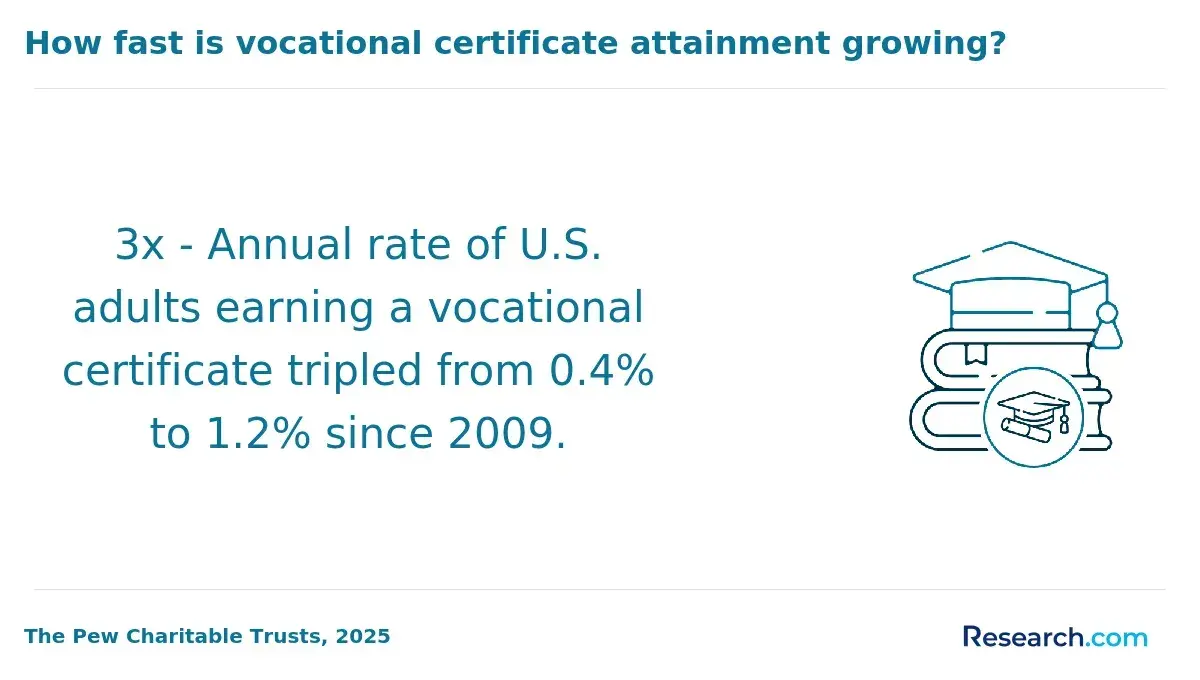
Certifications play a crucial role in enhancing the appeal of a political science degree by confirming specialized skills that complement academic learning. Research shows candidates with relevant certifications are about 25% more likely to secure interviews, underscoring their value in the job market.
Below are key certifications that boost early employment chances for political science graduates.
- Certified Public Manager (CPM): This certification highlights leadership and management abilities tailored to public sector environments. Employers appreciate CPM holders for their capability to effectively oversee government functions, making it a strong asset for entry-level public administration roles.
- Certified Associate in Project Management (CAPM): Ideal for newcomers, this credential verifies basic project management knowledge. Given that political organizations often manage complex initiatives, this certification signals readiness to contribute to strategic planning and coordination.
- Governmental Ethics Certification: Validating knowledge of ethical guidelines and compliance in government settings, this credential assures employers that candidates can maintain integrity in sensitive political work, enhancing trustworthiness at the outset of a career.
- Data Analysis Certification: Certificates like Microsoft Excel Specialist or Data Analytics Fundamentals demonstrate proficiency in handling quantitative data. This skill is increasingly vital for roles involving policy research and evidence-based decisions within political science.
- Legislative Assistant Certification: Focused on legislative procedures, bill drafting, and constituent relations, this certification prepares graduates to effectively support lawmakers and legislative offices in entry-level positions.
When discussing what certifications help entry-level political science graduates get hired, a professional with this background shared her experience: "Navigating the job market felt overwhelming initially, especially balancing academic knowledge with practical skills. Earning a data analysis certification was a game-changer-it gave me confidence to apply for policy analyst roles and showed employers I could contribute immediately.
I remember feeling reassured during interviews when I could reference specific certifications that matched the position's requirements. It wasn't just about having a degree; the certifications made me stand out and eased my transition into a career." This perspective shows how targeted credentials can bridge the gap between education and employment in political science fields.
How can students prepare for entry-level political science jobs while in college?
Early preparation significantly boosts employability for students pursuing political science degrees, with surveys showing that 78% of hiring managers prefer candidates who demonstrate pertinent practical skills and project experience. Building career readiness before graduation creates a competitive advantage.
Below are effective strategies to help students prepare for entry-level political science jobs.
- Gain Practical Experience: Participate in research projects or volunteer with campus organizations to deepen your understanding of political systems and policy analysis. Collaborating with faculty on academic work sharpens critical thinking and analytical abilities essential for many roles.
- Develop Technical & Soft Skills: Learn data analysis tools like Excel or basic statistical software to strengthen research capabilities. Enhance communication skills by joining public speaking clubs or contributing to student publications to improve clarity and persuasion.
- Utilize Campus Resources: Attend career services workshops focused on resume building and interview techniques tailored for political science students. Networking events and guest lectures connect you with professionals in government, nonprofits, and advocacy sectors.
- Broaden Perspectives: Engage in interdisciplinary courses and study groups to apply political science concepts in diverse contexts. This approach fosters adaptability and problem-solving skills valued by employers.
Intentional, early efforts transform academic knowledge into applicable skills, positioning political science students for success in entry-level positions.
How competitive is the entry-level job market for political science graduates?
The entry-level job market for political science graduates in the United States is notably competitive, reflecting a balance between steady demand and a crowded candidate pool. According to data from the National Association of Colleges and Employers (NACE), about 60% of political science graduates find employment within six months of graduation.
This suggests solid opportunities but also highlights the challenges many face when entering this field. Understanding these dynamics helps clarify how competitive entry-level political science jobs competitiveness in the United States truly is.
Several factors influence the job market difficulty for recent political science graduates. The sheer number of students earning degrees annually means many applicants target similar positions, such as legislative assistants, policy analysts, and public affairs specialists. Employers expect candidates to demonstrate not only strong academic records but also relevant skills like research, critical thinking, and written communication.
Additionally, the variety of roles across sectors-from government and nonprofits to private firms-requires applicants to tailor their approaches carefully. Some specialized jobs, including those linked to niche policy research, may offer fewer openings but less competition.
Graduates who differentiate themselves through targeted skills and experiences improve their chances of success in this environment. For those exploring alternative paths, becoming a video game designer is an example of an emerging career distinct from traditional political science fields.
The rise of remote work has greatly increased opportunities for entry-level professionals with a political science degree. A report by the U.S. Bureau of Labor Statistics shows remote work among early-career employees surged by nearly 75% between 2019 and 2023. This growth enables recent graduates to explore diverse roles from home, expanding access to government, nonprofit, advocacy, and research sectors.
Below are several remote entry-level political science jobs suited for recent graduates.
- Policy Research Assistant: This role focuses on gathering and analyzing policy data for think tanks or advocacy groups. Remote tasks often include literature reviews, drafting briefs, and contributing to reports that shape public policy debates.
- Legislative Correspondent: Supporting elected officials or legislative offices, these professionals handle constituent communications and summarize legislative updates. Working from home provides flexibility while aiding the legislative process.
- Digital Advocacy Coordinator: Nonprofits seek staff to manage online campaigns, social media outreach, and petitions. This remote job cultivates skills in public engagement and political messaging, ideal for work from home careers for political science graduates.
- Research Analyst Assistant: Assisting senior researchers, this position entails data collection, statistical analysis, and report writing. Remote environments suit this role as it demands independent, project-based research abilities.
- Communications Assistant: Managing press releases, coordinating virtual events, and maintaining digital content for political organizations are key tasks. Remote options help graduates develop strong communication skills applicable across sectors.
For those interested in broadening their skill set, combining a political science degree with additional training is beneficial. Exploring hospitality management courses online can provide versatile skills that complement public service and advocacy work.
How quickly can political science graduates get promoted?
The speed at which political science graduates earn promotions varies significantly depending on their individual performance, accrued experience, and the organizational hierarchy of their employer. Entry-level positions like legislative aides, policy analysts, or research assistants generally see promotion opportunities emerging within two to five years.
A 2022 report by the American Political Science Association found that approximately 45% of early-career political science professionals received their first promotion within three years. These factors combine to shape typical career advancement speed with a political science degree.
Promotion timelines are influenced by the development of essential skills such as analytical reasoning, communication abilities, and project management expertise. Consistently exceeding job expectations and taking on more challenging responsibilities often accelerates advancement. Organizations with flatter structures may present slower promotion velocities due to limited management layers, unlike larger institutions that provide clearer paths of progression.
Moreover, career growth can be impacted by the breadth of duties assigned and how effectively individuals navigate political dynamics within their workplace. For those exploring career options related to political science, understanding what jobs can you get with an AI degree may offer additional insights into how interdisciplinary skills affect promotion prospects.
What Graduates Say About Entry-Level Jobs With a Political Science Degree
- Derrick: "Starting my career in political science, I found that applying for remote entry-level roles greatly expanded my opportunities beyond geographical limits. I prioritized positions that offered strong mentorship and a clear path for advancement, which made the initial experience both enriching and strategic. Early roles have proven crucial in developing practical skills that directly influenced my current career trajectory."
- Arjun: "Choosing an entry-level political science job required me to balance my passion for policy analysis with practical considerations like work environment and organizational culture. Opting for a hybrid role allowed me to maintain productivity and flexibility while engaging directly with my team. These early decisions have shaped my understanding of the sector's dynamics and opened doors to impactful projects."
- Elias: "Applying for onsite positions in political science taught me the value of networking and firsthand interaction within government or nonprofit settings. I considered the mission alignment and potential for skill-building the most important factors when selecting my first job. Reflecting back, the hands-on experience I gained has been foundational for advancing into more specialized areas of the field."
Other Things You Should Know About Political Science Degrees
Entry-level roles in political science often lead to careers in government, non-profits, or research institutions. Advancement paths may include roles such as policy analyst, legislative assistant, or campaign strategist. Success often requires gaining experience, pursuing further education, or obtaining professional certifications.
While not always mandatory, internships are highly recommended for political science students seeking entry-level positions. Internships provide valuable hands-on experience and help build a professional network. Many employers prefer candidates who have demonstrated real-world experience related to politics, policy, or public administration.
Location plays a significant role, as many entry-level political science positions are concentrated in political hubs like Washington, D.C., state capitals, and large urban centers. These areas offer more opportunities due to the presence of government institutions, lobbying firms, and nonprofit organizations. However, remote or local options may exist depending on the sector.
References
- Graduate Placement: How What You Need to Know About First-Time Job Market Placements May Be Changing and Why - https://politicalsciencenow.com/graduate-placement-how-what-you-need-to-know-about-first-time-job-market-placements-may-be-changing-and-why/
- Advice for undergraduates interested in US policy - Emerging Technology Policy Careers https://emergingtechpolicy.org/pathways/undergraduate-advice/
- Political Science Careers and Benefits https://www.brookdalecc.edu/academic-institutes-and-departments/business-social-sciences/political-science/political-science-careers-and-benefits/
- Policy Analyst Certifications: Best Credentials to Advance Your Career | Teal https://www.tealhq.com/career-paths/policy-analyst-certifications
- Political Science Certification - Global Academy of Finance & Management https://www.gafm.com/page/ACPA
- Political Science Degree Jobs: 12+ Career Paths (2026) | Extern https://www.extern.com/post/political-science-degree-jobs-career-guide
- What opportunities are there after studying political science? https://www.esce.fr/en/faq-all-the-answers-to-your-questions/what-opportunities-are-there-after-studying-political-science/
- canada political science remote Jobs – 215 Openings This Week | Workopolis https://www.workopolis.com/search
- Remote Entry Level Political Jobs | Working Nomads https://www.workingnomads.com/remote-entry-level-political-jobs