
2027 Which Political Science Degree Careers Offer the Best Return Without Graduate School?

Co-Founder and Chief Data Scientist
Is a bachelor's degree in political science enough to secure a career with solid earnings and growth potential? With tuition costs rising sharply-averaging over $10,000 annually for in-state public universities-many graduates face mounting debt. Not all political science careers require graduate degrees to achieve competitive salaries; in fact, some entry-level roles offer promising compensation and advancement opportunities.
According to the U. S. Bureau of Labor Statistics, employment for social scientists, including political science graduates, is projected to grow 6% through 2032, reflecting steady demand. This article explores the best political science degree careers that provide strong returns without the need for graduate school.
Key Benefits of Political Science Degree Careers That Offer the Best Return Without Graduate School
- Political science careers often offer strong early salary growth, enhancing long-term return on investment by enabling graduates to build wealth without further schooling.
- Stable job demand and career advancement prospects in government and nonprofit sectors provide financial security for bachelor's degree holders.
- Entry requirements without graduate education allow faster workforce entry, reducing debt and increasing earning years compared to professions requiring advanced degrees.
Which Political Science Careers Offer the Best Return Without Graduate School?
Evaluating the return on investment for political science career paths is essential for students seeking financial stability without extended education. The U.S. Bureau of Labor Statistics reports median wages between $60,000 and $80,000 for many political science jobs requiring only a bachelor's degree. Below are some of the best-paying political science jobs without graduate degrees that combine salary, career longevity, and advancement opportunities.
- Legislative Assistant: This role involves supporting lawmakers by drafting legislation, conducting research, and maintaining communication with constituents. Legislative assistants benefit from steady employment in government and advocacy settings, providing consistent return without graduate school.
- Political Campaign Manager: Political campaign managers oversee fundraising, strategy, and media coordination for election efforts. Their deep knowledge of political systems often leads to senior positions in consulting or nonprofit organizations, making it a strong political science career path with highest return on investment.
- Public Relations Specialist: Combining political insight and communication skills, public relations specialists influence public opinion across government, nonprofit, and corporate sectors. This versatility supports lasting career growth without requiring advanced degrees.
- Policy Analyst (Entry Level): Many entry-level policy analyst roles in think tanks and government bodies are accessible with a bachelor's degree. These positions offer valuable experience and potential advancement, reflecting solid returns without graduate education.
What Are the Highest-Paying Political Science Jobs Without a Master's Degree?
Evaluating earning potential without pursuing a graduate degree is essential for political science graduates eager to enter the workforce quickly and maximize their financial return. The median annual wage for political scientists is about $125,000, though this often reflects those with advanced degrees. For bachelor's degree holders, targeting careers with competitive salaries that don't require graduate education is a practical approach. Here are some of the highest-paying political science jobs accessible with an undergraduate degree.
- Legislative Assistant: These professionals support elected officials by researching legislation, drafting bills, and engaging with constituents. Salaries typically range from $50,000 to $85,000 annually. This role offers a solid entry point with opportunities to influence policymaking directly without additional schooling.
- Public Relations Specialist: Employed by government agencies, nonprofits, or campaigns, public relations specialists manage communications and media strategies. Their typical salary is between $60,000 and $90,000 per year, benefiting from the broad applicability of communication skills across sectors.
- Political Campaign Manager: Overseeing the planning and execution of political campaigns, these individuals earn from $55,000 up to $100,000 annually. The role demands strong leadership and strategic thinking, especially valuable during election periods.
- Policy Analyst: Some entry-level positions allow those with a bachelor's degree to collect and interpret data to support policy formulation. Salaries usually fall between $65,000 and $95,000, reflecting the analytical skill set that drives policy insights.
- Market Research Analyst: While not exclusive to political science, many graduates apply their analytical expertise here, earning about $60,000 to $90,000 yearly. The crossover nature of this role enhances its earning potential for political science graduates.
Which Industries Offer High Salaries Without Graduate School?
Industry selection significantly impacts earning potential for political science graduates without advanced degrees, with wage differences between sectors often exceeding tens of thousands of dollars annually. Certain fields are especially known for offering robust salaries to bachelor's degree holders, emphasizing strategic skill application over graduate qualifications. Below are key industries where political science graduates can secure strong compensation.
- Government Sector: This industry offers stable pay combined with benefits like pensions and healthcare. Salaries typically range from $50,000 to more than $90,000 annually, driven by the value of policy expertise and regulatory knowledge essential for various public agencies.
- Consulting Services: Management, scientific, and technical consulting firms pay well due to their need for analytical and strategic insight. Political science graduates often earn over $70,000 by shaping policy advice and providing specialized research.
- Financial and Insurance: The sector's focus on compliance and risk management results in lucrative packages. Many professionals hit six-figure salaries mid-career, reflecting demand for regulatory understanding and analytical skills.
- Information Industry: Including media, publishing, and broadcasting, this field rewards communication and content strategy expertise. Salaries typically approach or exceed $60,000, varying with organizational scale and role complexity.
- Nonprofit Organizations: Advocacy and policy-focused nonprofits offer competitive pay based on funding and scope, with typical salaries between $50,000 and $75,000, supporting meaningful work aligned with political science skills.
When I spoke with a political science graduate about which industries provide strong salaries without graduate education, he described the process as both challenging and rewarding. Navigating job markets without advanced degrees required persistence and adaptability, especially in sectors where experience and networking often weigh heavily. He recalled feeling uncertain early on but found that leveraging practical skills and maintaining a focus on strategic industries helped open well-compensated opportunities. "It wasn't just about the degree," he explained, "but how I applied what I learned to real-world problems that mattered to employers." Despite initial hurdles, his experience showed that thoughtful industry targeting can yield excellent financial outcomes.
What Entry-Level Political Science Jobs Have the Best Growth Potential?
Choosing entry-level jobs with strong advancement prospects is essential for political science graduates aiming to build a rewarding career without immediate graduate study. The U.S. Bureau of Labor Statistics projects a 7% growth in policy analyst roles over the next decade, indicating steady opportunities for promotion. Below are several promising entry-level positions that foster career development and skill enhancement.
- Legislative Assistant: Supporting lawmakers by researching policies and drafting briefs, this role sharpens analytical and communication abilities while offering firsthand experience of the legislative process. It often leads to senior advisory or policy analyst jobs.
- Public Affairs Specialist: Focused on managing public relations and government engagement, this position builds expertise in strategic communication and stakeholder relations, paving the way for leadership roles in government relations or public policy divisions.
- Political Campaign Staffer: Working on campaigns hones skills in project management, outreach, and grassroots organizing. Many influential political consultants start here, progressing to key advisory and strategy roles.
- Research Assistant: Employed in think tanks or policy institutes, this role develops data analysis and report-writing skills crucial for specialized analyst positions or careers in research organizations and government.
For students seeking flexible options, exploring accelerated online degrees can provide an efficient pathway into these dynamic career paths.
What Skills Increase Salary Without a Master's Degree?
Enhancing specific skills can substantially boost salary prospects for political science bachelor's degree holders, especially as employers prioritize skill-based hiring. Recent data shows candidates with in-demand skills may earn wages up to 20% higher than those without. Below are several high-impact skills that can elevate earning potential without the need for graduate education.
- Analytical Thinking: Being able to critically assess information and recognize patterns empowers political science professionals to solve complex issues and influence strategic decisions, making them more competitive for higher-paying roles.
- Effective Communication: Clear and persuasive verbal and written communication helps convey ideas convincingly to varied audiences, leading to leadership roles and negotiation opportunities that typically come with better pay.
- Data Literacy: Skill in interpreting and presenting data allows graduates to support arguments with solid evidence, enhancing their versatility and appeal in data-driven environments that reward this capability financially.
- Project Management: Efficiently organizing tasks, deadlines, and resources showcases reliability and leadership, often resulting in greater responsibilities and compensation increases.
- Networking and Interpersonal Skills: Cultivating strong professional relationships facilitates access to opportunities and collaborations, which can directly translate into improved salary and career growth.
When I spoke with a professional holding a political science degree, she emphasized how mastering interpersonal communication and patience played a crucial role during her early career. Faced with stalled advancement initially, she consciously focused on building connections and managing multiple projects effectively, which gradually opened doors to promotions and salary raises. "It wasn't about rushing into another degree," she noted, "but about proving value through relationships and consistent results." Her experience highlights how practical skill development-beyond formal education-can drive meaningful income growth.
What Certifications Can Replace a Master's Degree in Political Science Fields?
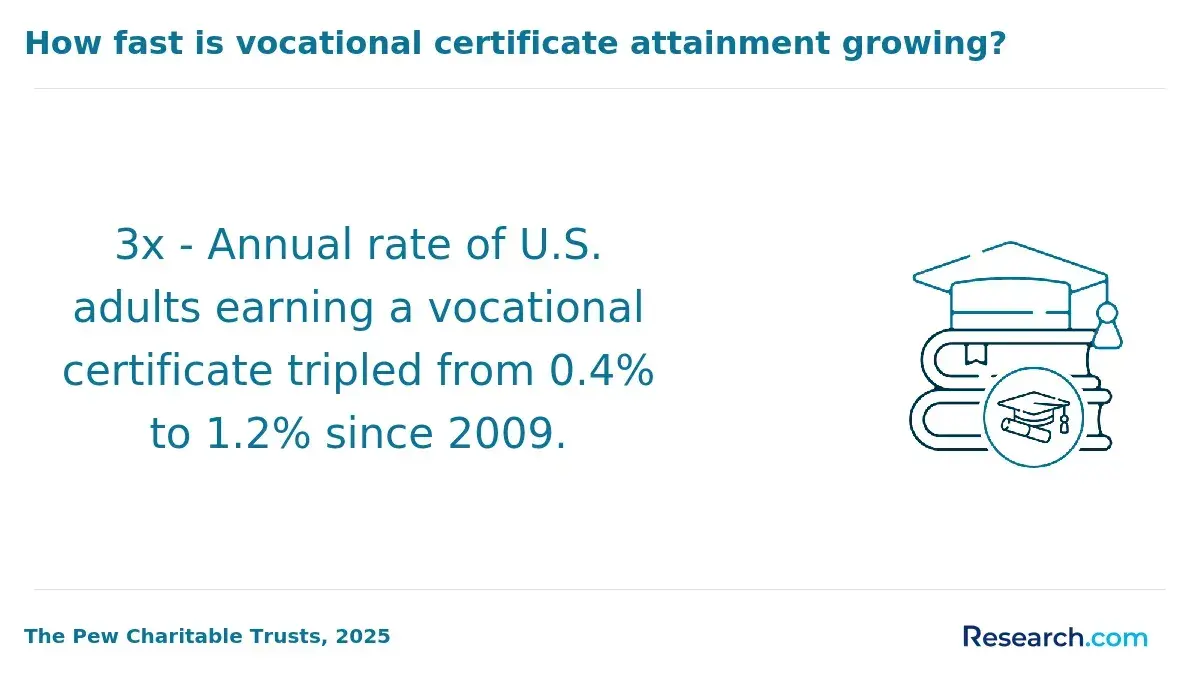
Certifications serve as practical alternatives to a master's degree in political science by boosting professional credibility and expanding career opportunities. Research from the Pew Research Center in 2023 found that individuals with recognized certifications experienced a 15% salary increase on average compared to their uncertified peers. The following certifications are especially valuable for political science graduates seeking to strengthen their qualifications without additional graduate study.
- Certified Government Financial Manager (CGFM): This credential, offered by the Association of Government Accountants, validates expertise in government accounting, auditing, and financial reporting, making it advantageous for careers involving public budgeting and fiscal oversight.
- Project Management Professional (PMP): Awarded by the Project Management Institute, PMP certification confirms the ability to effectively lead and manage projects, which is essential for organizing policy initiatives and administrative programs.
- Data Analytics Certification: Examples like the Microsoft Certified Data Analyst equip political science graduates with skills to analyze and present data clearly, enhancing their ability to support data-driven decision-making in policy environments.
- Certified Professional Public Buyer (CPPB): Provided by the Universal Public Procurement Certification Council, this certification strengthens credentials for managing government contracts and ensuring procurement compliance within public sector roles.
- Policy Analysis Certificate: Available from various providers, this certification hones critical research and evaluation skills crucial for assessing legislation and public programs, complementing political science expertise.
Each of these certifications not only enhances job prospects but also can increase earning potential by showcasing specialized skills that employers prioritize.
Can Experience Replace a Graduate Degree for Career Growth?
Professional experience plays a crucial role in advancing careers within political science, often substituting for advanced degrees. Employers frequently prioritize demonstrated skills, on-the-job learning, and proven performance as stronger indicators of potential than formal credentials alone.
Roles in policy analysis, political consulting, or legislative assistance especially benefit from practical knowledge gained through hands-on experience. This approach allows candidates to build a network, develop industry-specific competencies, and deliver tangible results that graduate programs may not fully provide.
However, relying solely on experience has its limitations. Entry into senior or specialized roles can be slower without a graduate degree, which is commonly required in areas like international relations or political research. Certain sectors maintain explicit credential prerequisites for promotion, making advanced education essential for long-term career flexibility.
Experience is most valuable in environments that emphasize adaptability, practical results, and relationship-building, and political science graduates should balance their practical exposure with continued learning, including opportunities such as MBA online programs, to maximize career advancement and long-term opportunities.
What Are the Downsides of Not Pursuing a Graduate Degree?
Many political science professionals weigh the trade-offs of entering the workforce directly after a bachelor's degree versus pursuing graduate education. Data from the Bureau of Labor Statistics indicates that those with a master's or higher degree earn a median annual salary of about $136,000 compared to roughly $80,000 for bachelor's degree holders. Understanding the potential limitations of not continuing graduate study can help clarify challenges in career advancement and salary growth.
- Slower Career Advancement: Without a graduate degree, political science graduates often experience slower progression into specialized or senior positions. Entry-level roles typically do not require advanced credentials, but leadership and policy-making jobs tend to favor those with graduate-level education.
- Reduced Specialized Expertise: Graduate programs offer deeper theoretical knowledge and research skills essential for cutting-edge policy analysis. Professionals holding only a bachelor's degree may face limitations in accessing this advanced expertise and participating in high-level consultancy roles.
- Competitive Hiring Disadvantages: Many federal government and international institutions prefer or require graduate degrees for key positions. This preference places bachelor's degree holders at a distinct disadvantage despite relevant experience, restricting eligibility for some prestigious roles and fellowships.
- Lower Salary Potential: The impact of lacking advanced credentials on salary growth in the US political science job market is significant. Candidates with graduate degrees tend to secure higher-paying opportunities, reflecting their specialized skills and qualifications.
- Fewer Academic and Fellowship Options: Graduate studies often open doors to policy fellow positions and academic roles, which typically require advanced degrees. Forgoing graduate education may limit these career avenues despite the benefit of entering the workforce earlier.
For those considering further education alternatives, exploring specialized training such as master of social work programs may provide relevant skills applicable to policy and community engagement sectors.
How Can You Maximize ROI With a Political Science Degree?
Return on investment (ROI) in education compares the time and cost of earning a degree with the financial rewards and career progress it enables. For political science graduates, the median early-career salary is about $57,000, emphasizing the need for strategies that strengthen long-term returns. To maximize ROI with a political science degree, consider these targeted approaches.
- Secure Strategic Internships: Engaging in internships with government agencies, think tanks, or advocacy groups provides practical experience and networking opportunities. These connections can lead to higher-paying roles and faster career advancement without additional schooling.
- Specialize in High-Value Areas: Concentrating on skills such as policy analysis, data interpretation, or international relations enhances your marketability. Specialized expertise often opens doors to better-compensated positions and career growth.
- Enhance Communication and Analytical Skills: Developing strong writing, critical thinking, and problem-solving abilities is crucial. Employers seek candidates with these skills, increasing eligibility for roles with greater responsibility and salary potential.
- Focus on Lucrative Sectors: Prioritizing jobs in government, consulting, or corporate public affairs can offer more robust salary growth and upward mobility. These sectors tend to value political science graduates highly.
- Capitalize on Early Career Leadership: Pursuing roles involving project management or leadership responsibilities accelerates promotions and salary increases. Taking initiative early can markedly improve your career trajectory without graduate education.
These strategies represent effective ways to boost ROI for political science graduates seeking best career advancement strategies for political science graduates without graduate school. For students considering continued education, exploring options such as an online masters human resources program might provide additional mid-career advantages.
When Is Graduate School Worth It for Political Science Careers?
Choosing to attend graduate school in political science depends largely on one's career goals, industry standards, and expected return on investment. Data from the U.S. Bureau of Labor Statistics reveals that professionals with a master's degree in social sciences often earn around 20% more than those with only a bachelor's degree. This earning differential highlights the financial advantages that can come with advanced education. Exploring when to pursue a political science master's degree helps clarify which paths benefit most from further study.
Graduate school benefits for political science careers are most notable in roles requiring specialized expertise, such as policy analysts, political consultants, or academic researchers. Leadership positions within government agencies or nonprofit organizations frequently demand advanced degrees to demonstrate in-depth knowledge. Additionally, regulated professions or highly research-focused fields generally require graduate education as a standard credential. For those seeking alternatives, strong career growth can still be found in areas like campaign management or legislative assistance without graduate study, while interested students may explore options like online SLP programs for related fields.
What Graduates Say About Political Science Degree Careers That Offer the Best Return Without Graduate School
- Derrick: "Choosing not to pursue a graduate degree in political science was a strategic decision for me. Instead, I focused on gaining practical experience through internships and networking, which led me to a rewarding job in government relations. The versatility of my degree allowed me to adapt quickly and advance professionally without the added time and expense of grad school."
- Arjun: "Reflecting on my career path, my political science degree was invaluable even without a graduate degree. I took extra steps to develop strong analytical and communication skills, which opened doors in policy analysis and nonprofit sectors. This hands-on approach proved that a graduate school isn't the only path to success in this field."
- Elias: "My political science degree directly impacted my career in public administration, proving that graduate school is not always necessary. By leveraging internships and targeted certifications, I maximized my undergraduate education. This strategy gave me the confidence and skills to excel as a professional in the public sector early on."
Other Things You Should Know About Political Science Degrees
Yes, internships and volunteering are crucial for gaining practical experience and networking in the political science field. They provide hands-on exposure to real-world issues, which enhances a graduate's resume and can lead to job offers. Employers often look for candidates who have demonstrated initiative and understanding through such activities.
Strong communication skills are essential for political science graduates as they frequently work on policy analysis, advocacy, or public outreach. Being able to clearly explain complex ideas to diverse audiences can increase job opportunities and career advancement potential. Written and verbal communication competence is often a decisive factor for hiring managers.
Regional job markets can significantly affect employment prospects for political science graduates without graduate degrees. Larger metropolitan areas and political hubs often offer more varied and higher-paying positions. Conversely, rural or less populated regions may have fewer opportunities, sometimes requiring flexibility or relocation for an ideal career path.
References
- Political Science Degrees Must End: Responses & Feedback https://www.maximumnewyork.com/p/political-science-degrees-must-end-2
- How to make the best of a Political Science degree? - College Majors - College Confidential Forums https://talk.collegeconfidential.com/t/how-to-make-the-best-of-a-political-science-degree/1903449
- Why should you choose a master's degree in political science? - ESCE https://www.esce.fr/en/faq-all-the-answers-to-your-questions/why-do-a-masters-degree-in-political-science/
- 4 Ways to Maximize the ROI on Your College Degree https://www.educationandcareernews.com/college-affordability/4-ways-to-maximize-the-roi-on-your-college-degree/
- Top 7 Highest Paying Political Science Degree Jobs https://www.greatvaluecolleges.net/highest-paying-political-science-degree-jobs/
- 8 Entry Level Jobs for Political Science Students https://joinhandshake.com/blog/students/8-entry-level-political-science-jobs-to-look-for-on-handshake/
- Don’t study political science | The Daily Campus https://dailycampus.com/2023/04/18/dont-study-political-science/
- Three Ways to Maximize ROI for your College Degree - Capital University College https://capitalcollege.ae/three-ways-to-maximize-roi-for-your-college-degree/
- ROI Of College Majors By Early And Mid-Career Salaries | Bankrate https://www.bankrate.com/loans/student-loans/roi-mid-career-by-major/
- Political Science Degree Jobs: 12+ Career Paths (2026) | Extern https://www.extern.com/post/political-science-degree-jobs-career-guide


