
2027 Political Science Degree Programs With No GRE or GMAT Requirements

Co-Founder and Chief Data Scientist
Applying to graduate school in political science should not depend on whether you can afford months of test preparation or another exam fee. Many applicants are already proving their readiness through research papers, public-sector work, policy experience, military service, advocacy, or strong undergraduate performance. For them, a GRE or GMAT requirement can be more of an access barrier than a useful measure of potential.
Approximately 40% of political science programs have removed these standardized test requirements to increase applicant diversity and reduce barriers. The change also reflects growing skepticism about whether GRE and GMAT scores strongly predict success in political science, a field that depends heavily on writing, analysis, research design, and evidence-based argument.
This guide explains what “no GRE or GMAT required” means, which political science programs are most likely to use test-free admissions, what schools review instead, how waivers work, and what to consider before choosing a program. It also covers accreditation, cost, graduation time, employer perception, salary comparisons, and graduate perspectives so you can make a practical, informed decision.
Key Benefits of Political Science Degree Programs with No GRE or GMAT Requirements
- Standardized tests are expensive, often costing hundreds of dollars for registration, prep materials, and score reports. .
- Programs without test requirements typically place greater weight on your professional experience, research interests, and writing quality.
- Without the "testing hurdle," you can move directly from the application phase to the classroom.
What Does "No GRE or GMAT Required" Mean for a Political Science Degree?
For a political science degree, “no GRE or GMAT required” usually means applicants can be considered for admission without submitting standardized test scores. The program reviews the rest of the application instead of using one exam as a gatekeeping requirement. In some cases, scores are not accepted at all; in others, they are optional and may be submitted only if the applicant believes they strengthen the file.
This policy is part of a wider shift toward holistic admissions. About 75% of graduate programs nationwide have dropped these testing requirements, and some programs report about a 30% rise in applicants after eliminating GRE or GMAT submissions. For political science applicants, that can mean a broader pool of candidates, including working adults, first-generation graduate students, career changers, and applicants with strong writing or policy experience but limited time for test preparation.
What admissions committees review instead
- Academic record: Transcripts and undergraduate GPA help schools judge whether applicants can handle graduate-level reading, writing, theory, and methods coursework.
- Writing and research ability: Statements of purpose, writing samples, research papers, and policy memos often reveal more about political science readiness than a standardized test score.
- Professional or civic experience: Work in government, campaigns, public policy, nonprofits, advocacy, international affairs, law-adjacent roles, or research settings can strengthen an application.
- Recommendations: Faculty members, supervisors, or professional mentors can describe the applicant’s analytical ability, discipline, communication skills, and preparedness.
- Fit with the program: Schools look for applicants whose goals match the department’s strengths, such as comparative politics, American politics, political theory, public policy, international relations, or quantitative methods.
Applicants should still read each admissions page carefully. “No GRE or GMAT required” does not always mean the same thing everywhere. A program may be test-blind, test-optional, or waiver-based. Standardized scores may also remain relevant for certain competitive fellowships or funding decisions, even when they are not required for admission.
Students comparing graduate pathways outside political science may also review an EDD degree if they are interested in fast-track doctoral options in education-related fields.
What Types of Political Science Programs Have No GRE or GMAT Requirements?
No-test admissions policies appear across several kinds of political science and political science-adjacent programs. The most common pattern is practical: programs designed for working adults, public-sector professionals, and applied career paths are often less likely to rely on standardized exams than traditional research-heavy programs.
That does not mean every online, professional, or interdisciplinary program waives testing. Policies vary by institution, degree level, funding structure, and selectivity. Applicants should verify requirements directly with the department or graduate admissions office before applying.
Programs more likely to waive GRE or GMAT requirements
- Online or hybrid programs: These programs often serve students who are balancing school with employment, family responsibilities, military service, or public-sector work. Because access and flexibility are central to the model, many online political science degrees no test required use transcripts, essays, recommendations, and resumes instead of exam scores.
- Professional or applied degrees: Programs focused on policy analysis, public administration, international affairs, civic leadership, or government practice may give more weight to work history, leadership, and applied writing than to GRE or GMAT performance.
- Mid-career and public service tracks: Applicants with experience in public agencies, elected offices, nonprofits, campaigns, diplomacy, defense, or community organizations may be evaluated on professional achievement and readiness for advanced study.
- Interdisciplinary programs: Degrees that combine political science with public policy, data analysis, security studies, legal studies, economics, sociology, or global affairs may use holistic review because applicants come from varied academic and professional backgrounds.
- Test-optional master’s programs: Some political science master’s programs let applicants decide whether to submit scores. This can benefit candidates with strong academic records or relevant experience while still allowing applicants with strong test results to include them.
How to compare programs with different testing policies
- Check whether the policy is test-optional or test-blind: Test-optional means scores may be considered if submitted. Test-blind means scores are not used.
- Ask about funding requirements: Some assistantships, scholarships, or fellowships may still request scores even when admission does not.
- Review the curriculum: A waived test requirement does not tell you whether the program is theory-heavy, methods-heavy, policy-focused, or career-oriented.
- Look at outcomes: Consider internship access, alumni roles, faculty expertise, research opportunities, and career services.
Students researching flexible degree formats in other fields may find useful comparisons in guides to the fastest online psychology degree programs.
What Do Schools Look at Instead of GRE or GMAT for Political Science Admissions?
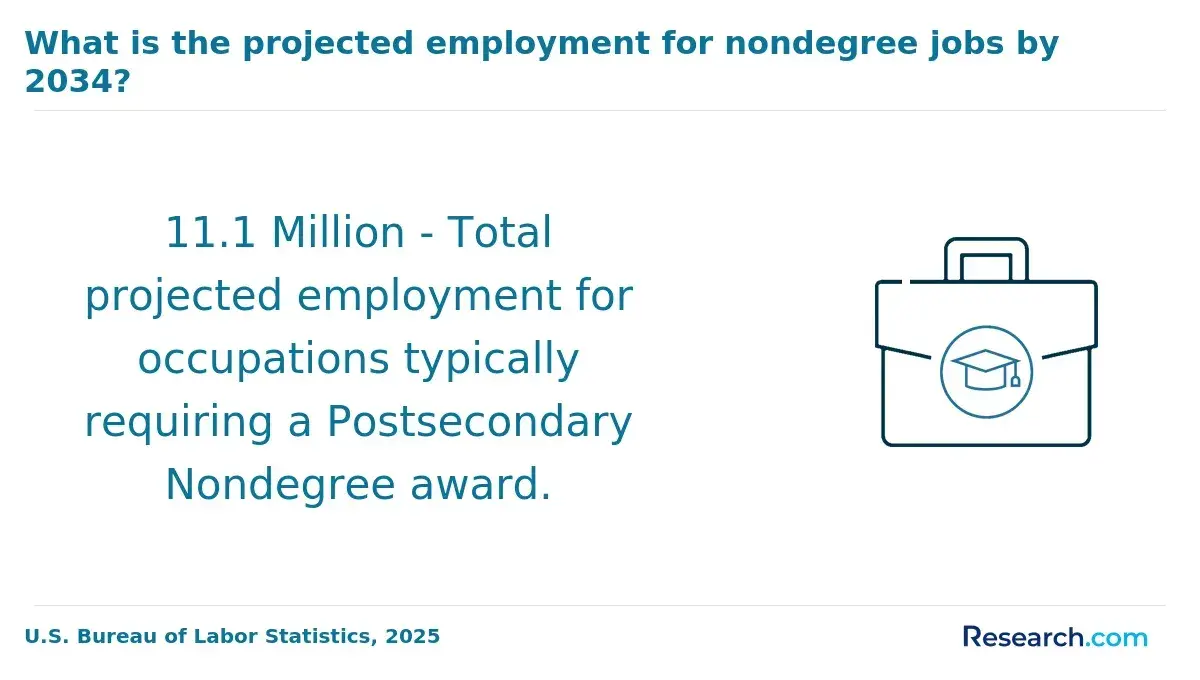
Political science departments that waive GRE or GMAT requirements still need evidence that applicants can succeed in graduate study. Nearly 70% of graduate programs now use test-optional admissions policies, and many of these programs rely on a more complete review of academic preparation, writing ability, professional experience, and fit.
The strongest applications usually show three things: the applicant can do advanced analytical work, understands why political science is the right field, and has goals that match the program’s strengths.
Common application factors
- Undergraduate GPA: A strong GPA, especially in political science, public policy, economics, history, sociology, statistics, international relations, or related coursework, can show academic consistency. Admissions committees may also look for improvement over time or strong grades in upper-division courses.
- Personal statement: The statement should explain the applicant’s interests, career goals, research questions, and reasons for choosing that specific program. Generic statements are a common mistake; the best essays connect the applicant’s background to the department’s faculty, curriculum, or concentrations.
- Letters of recommendation: Strong letters come from people who can evaluate the applicant’s writing, research, judgment, leadership, or policy-related work. A detailed letter from a professor or supervisor is usually more useful than a brief letter from a well-known person who barely knows the applicant.
- Relevant experience: Internships, campaign work, government service, nonprofit roles, military experience, research assistantships, legislative work, advocacy, journalism, or data analysis can help show readiness for applied or research-focused political science study.
- Writing sample: Many political science programs care deeply about analytical writing. A strong paper should have a clear argument, evidence, organization, and proper citation practices.
- Interview performance: When interviews are used, schools may assess communication skills, maturity, preparation, and ability to discuss political science topics thoughtfully.
How to strengthen an application without test scores
- Choose a focused writing sample: Submit work that shows argumentation and evidence, not just opinion.
- Explain gaps honestly: If your GPA has weak areas, address them briefly and point to later improvement, professional accomplishments, or relevant coursework.
- Tailor each statement: Name specific program features only when they genuinely connect to your goals.
- Show methods readiness: If the program includes quantitative or research methods, highlight statistics, research design, data analysis, or methods coursework when applicable.
- Use the resume strategically: Emphasize responsibilities, outcomes, policy exposure, leadership, and writing or research tasks.
Applicants considering broader professional development options may also compare political science pathways with an executive MBA, especially if their goals involve leadership, management, or strategy.
Who Qualifies for GRE or GMAT Waivers in Political Science Programs?
A GRE or GMAT waiver is different from a program that never requires testing. In a waiver-based program, the exam may be listed as a standard requirement, but certain applicants can request an exemption. Schools grant waivers when the rest of the application provides enough evidence of academic readiness or professional competence.
Policies vary, and applicants should not assume they qualify automatically. Some schools require a separate waiver form, documentation, a minimum GPA, a resume, or prior graduate transcripts. Others review waiver eligibility as part of the application.
Applicants who commonly qualify
- High-achieving undergraduates: Students with strong GPAs, typically above 3.5, from accredited universities may qualify because their academic records already show graduate-level potential.
- Seasoned professionals: Applicants with substantial experience in public policy, government, campaigns, international affairs, defense, nonprofit leadership, law-related work, or research may be able to demonstrate readiness through career accomplishments.
- Advanced degree holders: Applicants who already earned master’s or doctoral degrees from recognized institutions may be exempt because they have completed graduate-level work before.
- Military service members: Veterans and active-duty service members may qualify when their leadership, discipline, analytical responsibilities, or specialized training align with program expectations.
- Affiliated program students: Some universities maintain agreements for graduates of partner institutions, honors programs, accelerated pathways, or accredited rigorous curricula.
How to request a waiver effectively
- Read the policy before applying: Do not rely on general statements from third-party sites. Confirm the exact rule on the program’s admissions page.
- Submit evidence, not just a request: Include transcripts, a resume, prior graduate coursework, publications, research projects, policy work, or professional achievements when allowed.
- Ask early: Waiver review can affect deadlines, funding eligibility, and whether your application is considered complete.
- Clarify funding implications: A waiver for admission may not apply to scholarships, fellowships, or assistantships.
One recent graduate of an online political science program that did not require the GRE or GMAT described the policy as a better match for his strengths. He said he worried standardized tests would not reflect his abilities, while his years of policy work and academic writing did. Fewer testing hurdles allowed him to focus on the parts of the application that showed how he would contribute to the program.
Are Course Requirements the Same in No-GRE or GMAT Political Science Programs?
In most cases, no-GRE or no-GMAT admissions policies do not change the curriculum. The testing rule affects how students are admitted, not what they must learn after enrollment. A credible political science program should still require rigorous coursework, substantial reading and writing, research methods, and clear academic performance standards.
The better question is not whether a program required the GRE or GMAT. It is whether the curriculum matches your goals and whether the school has the academic support, faculty expertise, and course structure you need to finish successfully.
How course expectations typically compare
- Curriculum alignment: Programs with and without test requirements commonly cover core areas such as political theory, comparative politics, American politics, international relations, public policy, and quantitative analysis, depending on the degree focus.
- Learning outcomes: Students are still expected to develop critical thinking, research design, policy evaluation, analytical writing, evidence-based argument, and methodological literacy.
- Faculty oversight: Faculty members supervise coursework, research projects, theses, capstones, and independent studies regardless of the admissions testing policy.
- Assessment methods: Students may be evaluated through research papers, exams, presentations, policy briefs, data projects, thesis work, or capstone assignments.
- Admissions vs. academics: Removing a test requirement is intended to change access to admission. It does not mean the program lowers grading standards, course expectations, or graduation requirements.
Questions to ask before enrolling
- What methods training is required? Political science programs vary widely in how much statistics, data analysis, or formal modeling they expect.
- Is there a thesis, capstone, internship, or comprehensive exam? These requirements can affect workload, graduation timeline, and career preparation.
- How often are required courses offered? Limited course rotation can slow progress, especially for part-time or online students.
- Are prerequisites required? Applicants without prior political science or statistics coursework may need foundation courses.
- What support exists for writing and research? Advising, library support, methods tutoring, and faculty mentorship can matter more than the admissions test policy.
Are No-GRE or GMAT Political Science Programs Accredited?
Yes, no-GRE or no-GMAT political science programs can be accredited. Accreditation is not based on whether a program requires standardized admissions tests. It is based on institutional quality, governance, faculty qualifications, student support, academic policies, financial stability, and educational standards.
This distinction matters because a test-free admissions policy is not a sign of weak academic quality by itself. Many accredited institutions have adopted no-test or test-optional admissions while continuing to use the same faculty review, curriculum standards, and degree requirements as other graduate programs.
What accreditation to check
- Institutional accreditation: Most political science degrees are covered by the college or university’s institutional accreditation. This is the primary accreditation students should verify.
- Program-level recognition: Political science programs may not always have a separate specialized accreditor, so institutional accreditation is often the key quality marker.
- Official verification: Prospective students can confirm accreditation through databases maintained by the U.S. Department of Education or the Council for Higher Education Accreditation (CHEA).
Why accreditation matters
- Financial aid: Institutional accreditation can affect eligibility for federal financial aid.
- Credit transfer: Other schools are more likely to recognize credits from accredited institutions, though transfer is never guaranteed.
- Employer confidence: Employers generally care more about institutional legitimacy, reputation, skills, and experience than about whether the program required the GRE or GMAT.
- Future study: Accreditation can matter if you later apply to another graduate program, professional school, or doctoral program.
Before applying, confirm the school’s accreditation status directly through official sources, not only through advertising pages. Also check whether the program is housed in a political science department, public policy school, government department, or interdisciplinary unit, because that can shape curriculum and career preparation.
Does Waiving the GRE or GMAT Reduce the Total Cost of a Political Science Degree?
Waiving the GRE or GMAT can reduce the cost of applying, but it usually does not change the largest cost of the degree: tuition. GRE or GMAT fees typically range from $205 to $275, excluding additional preparation costs that often reach several hundred dollars. Avoiding those expenses can help, especially for applicants applying to multiple programs or balancing school with work.
However, applicants should separate application savings from total degree cost. A no-test program may still be expensive, and a test-required program may offer stronger funding. The least expensive path is not always the one with the fewest admissions requirements.
Costs affected by test waivers
- Testing and preparation savings: Applicants can avoid registration fees, study guides, prep courses, retake costs, and the time commitment of exam preparation.
- Application timeline: Without testing, applicants may complete files sooner and avoid delaying enrollment while waiting for exam dates or scores.
- Opportunity cost: Working professionals may save time that would otherwise be spent preparing for an exam instead of earning income, completing prerequisites, or strengthening application materials.
Costs that usually remain unchanged
- Tuition and mandatory fees: These remain the main driver of total cost and usually do not depend on whether the program requires GRE or GMAT scores.
- Books, technology, and materials: Online and on-campus students may still need software, databases, textbooks, or research materials.
- Living and commuting costs: Housing, transportation, childcare, and reduced work hours can matter as much as tuition for some students.
- Financial aid considerations: Some scholarship and assistantship opportunities require standardized test scores, so skipping the exam may limit eligibility for certain awards.
- Long-term return: Program reputation, internship access, alumni networks, and career outcomes can influence the financial value of the degree over time.
A graduate of a political science program with no GRE or GMAT requirement described the policy as helpful but not a complete financial solution. She said that not preparing for the tests saved time and money, which she redirected toward coursework and a part-time job. She also noted a trade-off: some scholarships still requested test scores, so she had to look more carefully for funding. Her experience shows the practical reality: waiving the exam can lower upfront costs, but tuition and living expenses still require careful planning.
Does Removing the GRE or GMAT From Political Science Programs Affect Graduation Time?
Removing the GRE or GMAT generally affects the admissions process more than the time it takes to graduate. Many political science master's programs typically require two to three years for completion, and that timeline is usually determined by credit requirements, course sequencing, enrollment status, and whether the student completes a thesis, capstone, internship, or comprehensive exam.
A no-test policy may help applicants start sooner because they do not have to schedule, prepare for, and submit exam scores. Once enrolled, however, progress depends on academic planning and program structure.
Factors that influence time to graduation
- Admissions readiness: Applicants with strong undergraduate preparation, clear goals, and complete application materials may avoid delays before enrollment.
- Course sequencing: Required courses may be offered only in certain terms. If a student misses a prerequisite or required methods course, graduation can be delayed.
- Enrollment status: Full-time students usually progress faster than part-time students. Working professionals may need a slower pace to manage job and family responsibilities.
- Program format: Online or hybrid programs can make scheduling easier, but flexibility can also lead some students to extend their timeline if they reduce course loads.
- Academic support: Advising, mentoring, writing support, and methods help can prevent small academic issues from becoming graduation delays.
- Final project requirements: A thesis, capstone, internship, or comprehensive exam can affect completion time, especially if approvals, research access, or faculty supervision are involved.
How to avoid unnecessary delays
- Request a degree plan before enrolling: Ask how many terms are needed at full-time and part-time pace.
- Check course rotation: Confirm when required courses are offered and whether summer courses are available.
- Ask about transfer or prerequisite policies: Prior coursework may help in some cases, but missing prerequisites may add time.
- Plan early for thesis or capstone work: Identify deadlines, faculty supervision requirements, and proposal processes.
Overall, the no GRE policies on political science graduation timeline are usually indirect. The policy may simplify entry, but completion speed depends on curriculum design, scheduling, support, and the student’s available time.
Do Employers Care If a Political Science Program Doesn't Require GRE or GMAT?
Most employers do not focus on whether a political science program required the GRE or GMAT. They are more likely to care about the institution’s credibility, the relevance of the degree, the applicant’s experience, and the skills the candidate can demonstrate. This is especially true in fields such as government analysis, public policy, advocacy, nonprofit work, campaigns, consulting, research, communications, and public affairs.
The question is understandable because admissions policies have changed quickly. Over 900 U.S. graduate schools adopted test-optional policies by 2023, so employers are increasingly familiar with degrees from programs that do not require standardized exams.
What employers usually evaluate instead
- Skill emphasis: Employers often value writing, research, policy analysis, data interpretation, communication, project management, and critical thinking more than admissions test history.
- Program reputation: Accreditation, institutional reputation, faculty expertise, and alumni presence may carry more weight than the GRE or GMAT policy.
- Professional achievements: Internships, work experience, campaign roles, government service, publications, research projects, and leadership experience can make a candidate more competitive.
- Applied evidence: Writing samples, policy memos, data projects, capstones, and portfolios can show what the applicant can actually do.
- Network and placement: Programs with strong internship connections, alumni networks, and career support can improve job access regardless of testing requirements.
When the policy might matter
- Highly selective academic pathways: If you plan to apply later to a PhD program, some departments may still look closely at quantitative preparation, research experience, and academic writing. The absence of GRE scores is usually less important than evidence of research readiness.
- Quantitative roles: For jobs involving data analysis, polling, statistics, or policy evaluation, employers may want proof of methods skills through coursework, projects, or software experience.
- Unfamiliar employers: A hiring manager may not know the admissions policy at all. In most cases, it will not appear on your diploma or transcript.
The impact of no GRE GMAT requirement on political science job prospects is generally neutral to positive when the program is accredited and the student builds marketable experience. Students who want flexible graduate formats may also compare options such as 1 year master's programs online, many of which use test-optional admissions.
How Does Salary Compare for No-GRE vs GRE Political Science Degrees?
Salary differences between no-GRE and GRE political science degrees are difficult to attribute to testing policy alone. Data shows that graduates from GRE-mandatory programs report about 10% higher starting salaries on average compared to those from no-GRE programs. That difference may reflect program selectivity, institutional reputation, location, student work experience, employer networks, or the types of jobs graduates pursue—not simply whether an entrance exam was required.
Applicants should treat the GRE policy as one factor, not a salary predictor. A no-GRE program with strong faculty, relevant coursework, internships, and career support may be a better career fit than a test-required program that does not align with the student’s goals.
Factors that often influence salary more than test requirements
- Program reputation: Highly recognized schools may provide stronger employer visibility, alumni networks, and recruiting access.
- Work experience: Internships, public-sector work, campaign experience, research roles, policy analysis, or military experience can substantially affect starting pay.
- Skill development: Training in quantitative methods, statistics, survey research, program evaluation, geospatial analysis, writing, and policy analysis can improve competitiveness for higher-paying roles.
- Industry demand: Salaries vary by sector. Consulting, government, corporate strategy, and data-focused roles may pay differently than academia, nonprofits, or advocacy organizations.
- Regional variations: Pay often differs by location, with metropolitan areas typically offering more salary opportunities than rural regions.
- Degree level and specialization: A master’s degree focused on applied policy, international affairs, data analysis, or public administration may lead to different outcomes than a general political science degree.
How to assess salary potential before choosing a program
- Ask for career outcomes: Request recent placement information, common job titles, internship sites, and employer partners.
- Review alumni paths: Look at where graduates work and whether their roles match your goals.
- Compare curriculum to job postings: If target jobs ask for data analysis, policy writing, budgeting, or software skills, make sure the program teaches them.
- Consider total return: A lower-cost program may offer a stronger return if it leads to relevant employment without excessive debt.
What Graduates Say About Their Political Science Degree Program with No GRE or GMAT Requirements
- : "Enrolling in a political science degree program without the hurdle of GRE or GMAT exams made higher education accessible for me. Considering the average cost was quite reasonable compared to traditional routes, I could focus on learning without financial strain. Graduating with this degree has opened doors in public policy work that I previously thought were out of reach. — Conrad"
- : "I chose a political science degree program with no GRE or GMAT requirements mainly because it allowed me to avoid the stress and expense of those tests. The overall cost was manageable, which made balancing work and studies much easier. Reflecting on my career progress, this degree has been instrumental in securing a position in government analysis. — Walker"
- : "Deciding to pursue a political science degree without GRE or GMAT prerequisites was a strategic move influenced by both cost and convenience. The reduced barriers meant I could invest more time in internships and practical experience. Professionally, graduating from such a program has directly contributed to my advancement as a corporate strategist. — Joseph"
Other Things You Should Know About Political Science Degrees
Graduates of 2027 political science programs without GRE or GMAT can pursue careers in public policy, government agencies, non-profit organizations, international relations, and political consulting. These programs prepare students for roles in policy analysis, campaign management, and diplomatic services, leveraging skills in critical thinking and strategic communication.
In 2027, political science programs without GRE or GMAT requirements focus on undergraduate GPA, letters of recommendation, personal statements, and relevant experience. These components offer a holistic view of an applicant's potential and readiness for graduate studies in political science.
References
- Universities Waiving GRE/GMAT for Fall/Spring 2026 | YMGrad https://ymgrad.com/article/gre-waived-universities-2026
- 122+ No GRE Required MPA Programs (Online & NASPAA) https://mastersinpublicadministration.org/mpa-programs-no-gre/
- The 25 MBA Programs That Don't Require GMAT (or GRE) https://www.joinleland.com/library/a/mba-programs-that-don-t-require-gmat-or-gre
- Switch Website https://www.grad.ubc.ca/prospective-students/graduate-degree-programs/master-of-arts-political-science
- Graduate Schools with No GRE Requirement During Covid-19 https://bestaccreditedcolleges.org/articles/grad-schools-without-gre-requirement.html
- Frequently Asked Questions https://www.polisci.txst.edu/graduate-programs/master-of-arts-in-political-science/prospective-students/faq.html
- Master of Arts in Political Science | Department of Political Science https://www.unr.edu/political-science/graduate/master-of-arts
- Colleges with Strong Political Science Programs https://toptieradmissions.com/strong-political-science/


