
2027 What Job Postings Reveal About Political Science Careers: Skills, Degrees, and Experience Employers Want

Co-Founder and Chief Data Scientist
A recent graduate skims multiple job postings for political science roles, seeking clarity on the exact skills and qualifications to prioritize. With nearly 20% of political science bachelor's degree holders employed in various public policy or research positions within a year of graduation, understanding employer demands is crucial. Job titles like policy analyst, legislative assistant, or research coordinator often list varied but specific requirements on degrees, analytical abilities, and experience levels. This article examines these job postings to reveal the core competencies, degree expectations, and professional backgrounds employers value, providing guidance to better align career preparation with market realities.
Key Things to Know About Skills, Degrees, and Experience Employers Want
- Job postings emphasize analytical, research, and communication skills, with 72% requiring proficiency in data interpretation and policy analysis.
- Employers commonly expect at least a bachelor's degree in political science or related fields, with 45% preferring candidates with 2-5 years of professional experience.
- Analyzing job ads reveals real-world hiring standards, helping candidates align academic preparation with employer expectations and enhance targeted career readiness.
What Do Job Postings Say About Political Science Careers?
Job postings provide an accurate reflection of what employers expect in political science careers, highlighting a blend of educational credentials, skills, and experience. Roughly 65% of listings specify a bachelor's degree as the minimum qualification, often favoring candidates with advanced degrees tailored to the role.
Analytical and research abilities are frequently emphasized, signaling the need to interpret data and develop clear reports. Experience matters as well, with around half of postings requesting practical work history in areas such as policy analysis or advocacy.
Patterns in employer expectations show a consistent demand for strong foundational knowledge combined with adaptive skills across various roles. While qualifications remain stable, the specific emphasis can vary-policy analysts tend to require specialized knowledge, whereas government relations roles highlight networking and strategic communication.
Increasingly, technical competencies like project management and data visualization are valued, reflecting an evolution toward interdisciplinary expertise in the field.
What Skills Are Most Requested in Political Science Job Postings?
Job postings in political science consistently highlight a set of critical skills that employers value for effectiveness in this analytical and research-driven field. Notably, over 70% of listings emphasize data analysis, reflecting the growing demand for quantitative expertise alongside traditional social science strengths. These trends provide insight into the core competencies most sought after in political science careers.
Below are some of the most frequently requested skills in political science job postings:
- Critical Thinking: This skill is at the heart of political science roles, as it involves evaluating evidence, analyzing political systems, and drawing well-reasoned conclusions. Employers value candidates who can apply this ability to support decision-making and policy development effectively.
- Data Analysis: With the increased availability of large datasets, proficiency in statistical tools and quantitative methods has become essential. These skills enable professionals to interpret voting trends, public opinion, and economic data, informing robust policy assessments.
- Effective Communication: Both written and oral communication skills are paramount for conveying complex political information clearly and persuasively. Professionals must tailor their messaging to different audiences, including policymakers and the public, to maximize impact.
- Research Proficiency: Combining qualitative and quantitative methodologies, strong research skills ensure rigorous data collection and evaluation. This foundational ability supports evidence-based recommendations and strategic initiatives.
- Project Management: Coordinating research activities, managing timelines, and fostering collaboration are crucial for executing political science projects successfully. Employers look for candidates who can lead and organize such efforts efficiently.
- Interpersonal Skills: Networking, negotiating, and working effectively with diverse interdisciplinary teams are key to building relationships and advancing political science initiatives.
Students interested in developing these skills should consider the range of options available in a program in college that emphasizes hands-on experience and real-world applications. Gaining these essential skills for political science job postings enhances a candidate's qualifications and readiness for competitive roles.
What Degrees Do Employers Require for Political Science Careers?
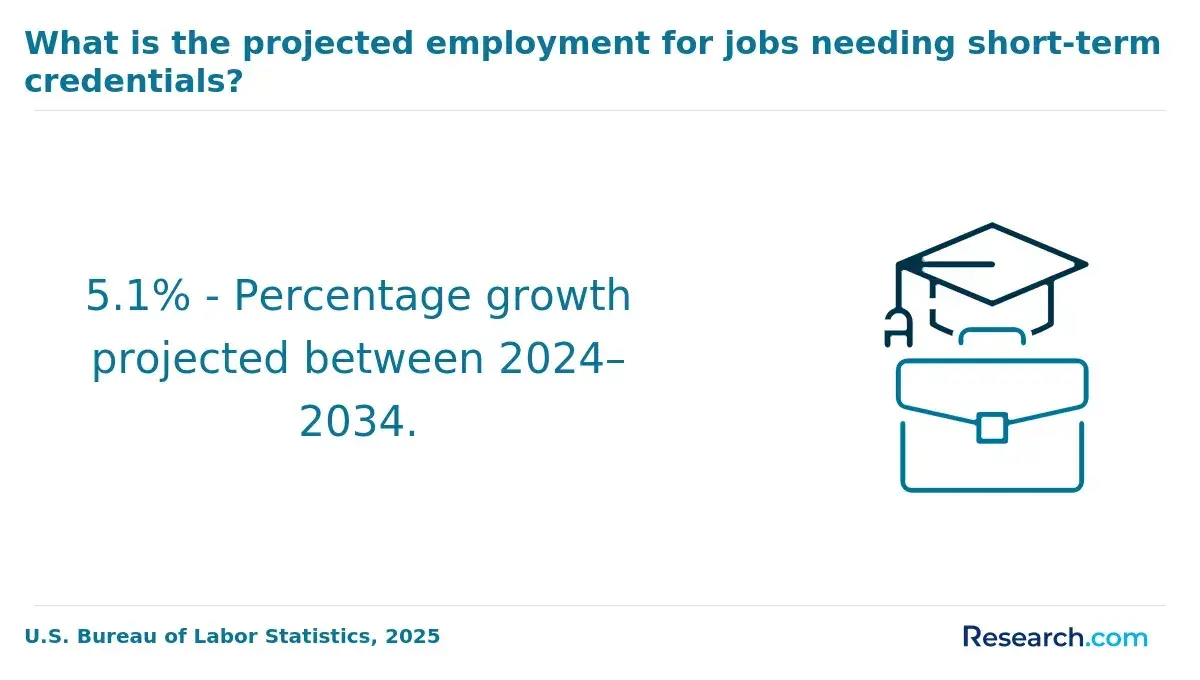
Job advertisements for political science roles typically emphasize educational qualifications, with degree requirements shifting based on the complexity of the position and the sector involved. Around 75% of listings call for at least a bachelor's degree, underscoring its role as a baseline for entry into the field. More specialized or senior roles usually demand higher academic credentials to meet the demands of policy analysis, research, or academic work.
Below are common degree-related patterns found in political science employment postings:
- Bachelor's Degree Baseline: Most entry-level openings specify a bachelor's degree in political science or related fields such as international relations or public policy. This establishes a foundational understanding necessary for a variety of government, nonprofit, and private sector roles.
- Advanced Degree Preference: Positions focusing on research, policy development, or academia often require a master's or doctoral degree. These advanced credentials demonstrate deeper expertise and familiarity with complex theoretical and methodological approaches.
- Industry Variations: Government agencies and think tanks tend to emphasize graduate degrees given their analytical focus, while consulting firms and campaign groups may accept related degrees combined with relevant experience. Flexibility exists when practical skills complement formal education.
- Degree Flexibility: In some cases, degrees in fields like economics, communication, or law are considered acceptable, particularly if paired with political experience or specific job-related competencies. This reflects a broader view of qualifications tailored to the role's demands.
How Much Experience Do Political Science Job Postings Require?
Political science job postings often list experience requirements tailored to the position's level and specialization. Employers typically rely on these criteria to filter candidates suited for distinct responsibilities within the field. Experience remains a crucial factor when evaluating applicants for various political science roles.
Below are common patterns found in political science job postings regarding experience expectations.
- Entry-Level Positions usually seek candidates with minimal to no professional experience, prioritizing recent graduates or those with internships and relevant project involvement. These roles often emphasize foundational knowledge and willingness to learn on the job, such as research assistantships or policy internships.
- Mid-Level Roles often require three to five years of relevant experience, highlighting candidates with a solid record in areas like legislative research or policy analysis. Employers expect independent contributions and demonstrated practical skills in these positions.
- Advanced Roles typically demand more than five to seven years of experience, emphasizing leadership, expertise, and a proven history of managing projects or publishing work. Senior analysts and research managers fall into this category, requiring deep familiarity with political science methodologies.
- Sector-Specific Experience is frequently preferred, with emphasis on candidates who have worked in government agencies, think tanks, or nonprofit organizations. This specialized background supports understanding complex political or regulatory environments.
Some political science students pursue accelerated degrees to meet experience demands faster; options like 1 year MSW programs online no BSW can complement their qualifications in related fields.
What Industries Hire Fresh Graduates With No Experience?
Several sectors show a clear preference for hiring political science graduates with minimal or no prior work experience. Entry-level job listings often focus on transferable skills like analysis, communication, and critical thinking rather than lengthy resumes. A 2022 report from the National Association of Colleges and Employers found that nearly 45% of employers in public and nonprofit fields are willing to consider candidates with less than one year of experience.
The following outlines key industries that commonly recruit fresh political science graduates.
- Public Administration Government agencies frequently seek recent graduates for roles such as policy aides or legislative assistants where analytical skills and clear communication outweigh experience.
- Nonprofit Sector Organizations involved in advocacy and community service often prioritize a passion for social issues and basic organizational abilities when hiring entry-level staff.
- Consulting Firms Firms focused on public affairs and government relations usually offer internships or junior positions designed for graduates who demonstrate strong critical thinking and regulatory understanding.
- Research Institutions Think tanks and similar organizations frequently recruit fresh graduates as research assistants or junior fellows to support policy analysis and data compilation projects.
Which Industries Require More Experience or Skills?
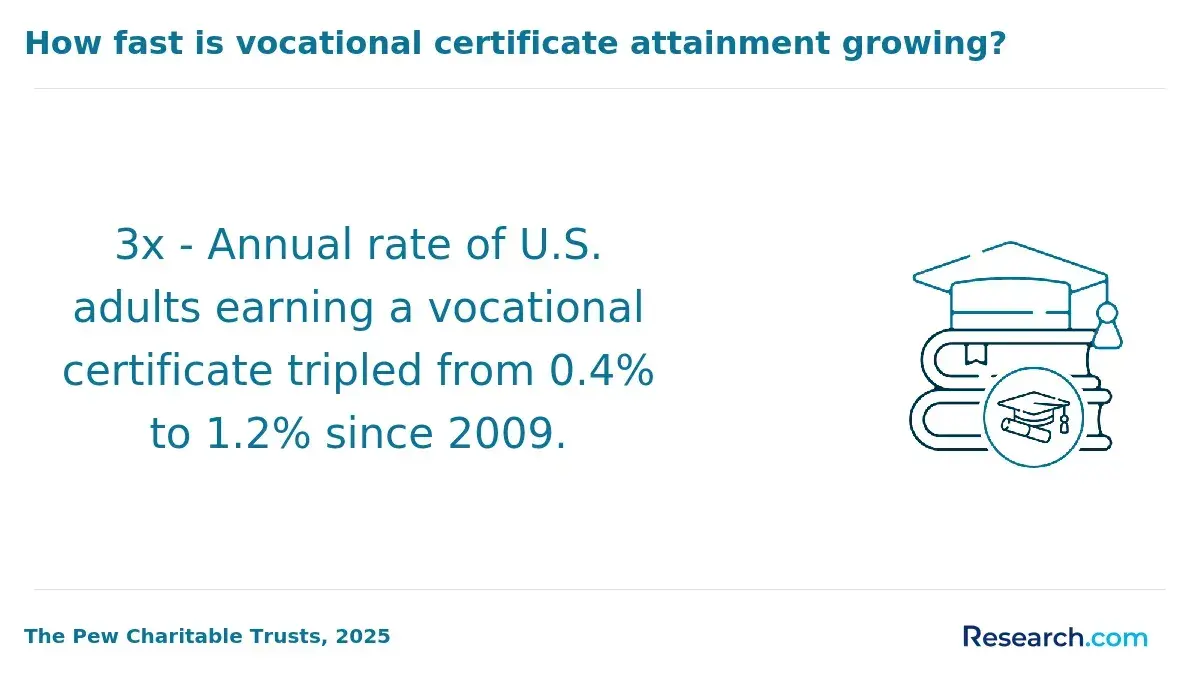
Certain industries demonstrate greater selectivity when hiring political science graduates, often demanding extensive experience, specialized credentials, or advanced skill sets. Job postings in these sectors reveal a preference for candidates with deep expertise and proven capabilities. For example, about 60% of job listings in government and research fields seek applicants with five or more years of relevant experience or comparable educational and professional qualifications.
The following industries typically require higher levels of experience and advanced competencies from political science professionals:
- Government Agencies Often looking for individuals with several years of experience in policy-making, regulatory affairs, or compliance. These positions demand an ability to manage complex bureaucratic processes and contribute to intricate legislative or administrative initiatives.
- Think Tanks and Research Institutions Frequently prefer candidates with graduate degrees, such as master's or PhDs, accompanied by strong research and analytical skills. Experience with statistical tools, qualitative methodologies, and published academic work is commonly emphasized.
- International Organizations Require specialized knowledge in areas like international law, global governance, or human rights. Candidates usually need certifications or training in international relations and proven experience working in diverse cultural or multinational environments.
- Private Sector Consulting While slightly less stringent on years of experience, these roles prioritize strategic analysis, data interpretation, and effective communication skills tied to political contexts. Previous involvement in political campaigns or advisory functions can be important.
Which Credentials Are Most Valuable for Political Science Careers?
Employers in political science careers rely heavily on academic credentials and certifications to gauge a candidate's preparedness and expertise. These qualifications often serve as key indicators of both foundational knowledge and specialized skills, influencing hiring decisions across various sectors.
Job postings frequently highlight credentials that demonstrate a blend of theoretical understanding and practical experience. The following credentials are commonly valued by employers in political science roles:
- Bachelor's Degree: Serving as the baseline qualification, a bachelor's degree in political science or a related field establishes essential knowledge of government systems, political theory, and research methods.
- Advanced Degrees: A master's or doctoral degree signals deeper specialization and analytical capabilities, especially for positions demanding expertise in international relations, public administration, or academic research.
- Certifications: Credentials in areas such as data analysis, statistics, or project management reflect technical proficiency and the ability to handle quantitative and organizational tasks valued by employers.
- Fellowships and Internships: Practical experiences through fellowships or internships provide applied knowledge and networking opportunities, assuring employers of a candidate's ability to operate effectively within complex political environments.
These credentials collectively offer measurable evidence of the skills and knowledge that employers seek when hiring for political science positions.
Are Salaries Negotiable Based on Experience?
Salary levels in political science-related job postings often reflect the candidate's experience, education, and the complexity of the role. Employers typically offer salary ranges rather than fixed figures to allow for compensation adjustments based on a candidate's professional background. Data shows that political science professionals with five or more years of experience can earn salaries 20% to 30% higher than those with less experience, highlighting how pay increases with political science experience.
Advanced degrees beyond a bachelor's, such as a master's or doctorate, also contribute to broader salary ranges and higher potential earnings.
Experience influences salary flexibility significantly, with senior roles offering more room for negotiation compared to entry-level positions. Employers often use salary bands to accommodate differences in skills and expertise, factoring in sector, geographic location, and organizational budgets.
Job postings reveal that while a baseline salary is established, many allow negotiation to reflect a candidate's unique qualifications and achievements, illustrating the trend of negotiable salaries for political science roles. For those exploring further education options to boost their prospects, a cheapest online master's degree can be a practical pathway.
How Can You Match Your Resume to Job Descriptions?
Job postings provide crucial guidance for candidates seeking political science careers by revealing specific skills, qualifications, and experiences employers prioritize. Research shows resumes that closely align with these postings have a 40% higher chance of passing applicant tracking systems (ATS), validating the importance of tailoring applications effectively. This targeted approach is especially useful for those aiming to highlight key skills and qualifications for political science career resumes.
Here are strategies to better match your resume to job descriptions in political science:
- Interpret Job Posting Language: Look for frequently used keywords like policy analysis, stakeholder engagement, or legislative research and incorporate them to demonstrate relevance.
- Highlight Relevant Experience: Focus on academic projects, internships, or roles that directly reflect the responsibilities mentioned, emphasizing experience that matches the employer's needs.
- Align Terminology: Use the exact phrases found in job postings rather than broad terms. For example, if "legislative research" is specified, use that rather than general terms like "research activities."
- Prioritize Required Qualifications: Ensure degrees, certifications, and competencies highlighted in postings appear prominently to capture recruiter attention quickly.
- Showcase Specialized Knowledge: For candidates interested in emerging sectors, mentioning credentials such as a blockchain masters degree can set your resume apart in interdisciplinary political science roles.
By applying these techniques, candidates craft resumes that reflect a nuanced understanding of political science job requirements, increasing their chances of advancing beyond automated screenings and securing roles ranging from policy advisory to research analysis.
What Should You Look for When Analyzing Job Ads?
Job advertisements in political science careers offer valuable insight into what employers prioritize in candidates. Analyzing these postings helps clarify the specific demands of each role, making it easier to understand qualifications and expectations. A 2023 Political Science Association report found that 68% of job ads explicitly require both educational credentials and defined skill sets for applicant selection.
When breaking down these ads, focus on several critical aspects:
- Key Responsibilities: Job descriptions outline essential duties and clarify the role's area of specialization, whether in policy research, public administration, or analysis.
- Educational Qualifications: Listings often specify required degrees such as bachelor's or master's programs, highlighting preferred academic backgrounds or certifications important for the position.
- Experience Requirements: Employers may seek candidates with varying experience, from entry-level graduates to professionals with multiple years in political science or related fields.
- Core Skills: Highlighted proficiencies include data analysis, statistical software expertise, effective communication, and knowledge of legislative processes-skills central to many roles.
- Additional Considerations: Some postings emphasize internships or professional roles to gauge practical preparedness and commitment.
For those concerned about eligibility, exploring online graduate programs that accept 2.0 GPA can provide alternative pathways to meet educational requirements.
What Graduates Say About Skills, Degrees, and Experience Employers Want
- Derrick: "As a recent graduate, I found that carefully analyzing job postings was crucial to landing my first role in political science. It helped me identify which skills to highlight and where I needed further development. Matching my credentials to the requirements listed gave me confidence throughout the application process."
- Arjun: "Over the years, I have come to rely heavily on job ads to advance my political science career. They provide a window into industry trends and required expertise, allowing me to tailor my experience and pursue relevant certifications. This approach has enabled me to align my professional growth with market demands effectively."
- Elias: "Having worked in political science for several years, I recognize how impactful job postings are in shaping career trajectories. They not only reveal shifting priorities within organizations but also highlight emerging opportunities. Staying attentive to these ads has been essential for navigating my path and positioning myself strategically."
Other Things You Should Know About Political Science Degrees
Employers often prioritize candidates who demonstrate interdisciplinary skills that complement political science knowledge, such as data analysis, research methodologies, and communication. Job postings frequently highlight the need for proficiency in statistics, public policy analysis, or legal frameworks, reflecting the field's broad applicability. Such skills enhance a candidate's ability to adapt across sectors like government, non-profits, and consulting.
Yes, many political science job postings specify internships or related practical experience as a key qualification. Employers value hands-on experience that shows familiarity with policy development, campaign work, or legislative processes. This experience signals an applicant's readiness to contribute effectively to workplace projects and understand real-world political environments.
Communication skills are consistently underscored in political science job postings, often cited alongside technical and research abilities. Employers seek candidates who can clearly articulate complex political concepts, draft concise reports, and present findings to diverse audiences. Strong written and oral communication are fundamental for roles in advocacy, public relations, and legislative assistance.
References
- Careers in Political Science https://chss.wwu.edu/political-science/careers-political-science
- Negotiating on Salary? https://www.poliscirumors.com/topic/negotiating-on-salary
- Political Scientist Career https://www.mymajors.com/career/political-scientists/skills/
- Political Science Degree Jobs: 12+ Career Paths (2026) | Extern https://www.extern.com/post/political-science-degree-jobs-career-guide
- where to look for academic job postings in political science – Anna A. Meier https://annameier.net/where-to-look-for-academic-job-postings-in-political-science/
- What Can I Do With a Political Science Degree? https://www.belmont.edu/stories/articles/2024/what-can-i-do-with-a-political-science-degree.html
- Managing the academic job market https://chrisblattman.com/blog/2022/04/16/managing-the-academic-job-market/
- 20 most popular jobs upon graduation for students majoring in political science or international relations - College Recruiter https://www.collegerecruiter.com/blog/2025/11/24/20-most-popular-jobs-upon-graduation-for-students-majoring-in-political-science-or-international-relations
- 8 Entry Level Jobs for Political Science Students https://joinhandshake.com/blog/students/8-entry-level-political-science-jobs-to-look-for-on-handshake/
- How to Align Your Resume with Job Descriptions - Après https://apresgroup.com/how-to-align-your-resume-with-job-descriptions/


