2027 Entry-Level Jobs With an Emergency Management Degree

Co-Founder and Chief Data Scientist
What jobs are available with an Emergency Management degree for recent graduates eager to enter a competitive job market? Entry-level careers often include roles such as emergency planning assistant, disaster response coordinator, and risk assessment analyst, each offering foundational experience in public safety and crisis management. The U.S. Bureau of Labor Statistics projects a 6% growth in emergency management employment through 2031, reflecting steady demand.
Understanding these beginner roles helps graduates navigate the job landscape and leverage their degree effectively. This article explores entry-level jobs with an Emergency Management degree and unveils opportunities new graduates can pursue.
Key Benefits of Entry-Level Jobs With an Emergency Management Degree
- Entry-level jobs provide hands-on experience and help graduates develop essential emergency management skills through real-world scenarios and practical training.
- These roles offer clear pathways for career advancement, fostering long-term professional growth in the expanding emergency management industry.
- Graduates build valuable professional networks and strengthen their resumes early, improving job prospects in a competitive employment landscape.
What Entry-Level Jobs Can You Get With an Emergency Management Degree?
Nearly 70% of graduates with an emergency management degree secure employment within their first year, showing strong demand for entry-level emergency management careers in the United States. These beginner-level roles offer practical experience and skill development, providing a solid foundation for future advancement.
Below are several common positions for graduates starting their careers.
- Emergency Management Assistant: Supporting senior managers, these assistants help develop disaster preparedness plans, coordinate training sessions, and maintain emergency response records. This role builds crucial organizational and communication skills for managing complex emergency scenarios.
- Public Safety Analyst: Analysts examine data from emergency incidents to identify trends and recommend improvements to safety protocols. This position enhances analytical abilities and helps graduates contribute to community safety planning.
- Disaster Response Technician: Technicians actively participate in emergency operations by setting up shelters, distributing aid, and assisting evacuations. Hands-on experience in this role strengthens practical knowledge of on-the-ground response efforts.
- Risk Management Assistant: These assistants evaluate hazards and help design strategies to reduce risks in communities or organizations. The job hones skills in preventive planning and risk assessment critical for emergency management careers.
- Grant or Program Assistant: Focused on supporting funding applications and managing safety programs, these roles develop expertise in resource coordination and program administration, essential for advancing in this field.
Those looking to explore further career opportunities with a degree in this area should consider exploring the top degrees in demand for the future, which provide valuable insights into emerging job markets and employment trends.
Which Industries Hire the Most Emergency Management Graduates?
Graduates holding an emergency management degree find employment across diverse sectors, each valuing their expertise in planning, response, and recovery. The growing demand for such professionals is reflected in a 14% projected increase in employment for emergency management specialists through 2033, surpassing the average growth rate for all occupations.
Below are some of the main industries that hire the most emergency management graduates.
- Public Sector: Federal, state, and local government agencies are among the largest employers. These organizations recruit emergency management graduates for roles like emergency planners and disaster response coordinators. Government positions focus on protecting communities through hazard mitigation and emergency response coordination.
- Healthcare and Public Health: Hospitals, health departments, and agencies such as the Centers for Disease Control and Prevention (CDC) employ graduates to manage health emergencies including pandemics and bioterrorism. Key roles include crisis communication specialists and continuity planners ensuring medical surge capacities.
- Private Sector: Industries such as insurance, utilities, and corporate risk management hire emergency management graduates to create risk assessments and business continuity plans. Roles often involve developing recovery strategies to minimize operational disruptions after disasters.
- Nonprofit and Humanitarian Organizations: These agencies engage graduates for disaster relief planning, community outreach, and recovery programs. The work involves collaboration with affected populations and government partners to provide effective assistance.
When asked about which industries hire the most emergency management graduates, a recent graduate shared, "Navigating the transition from classroom theory to real-world application was challenging. In my role within a public health organization, the initial pressure of coordinating emergency drills and communication plans was intense, but it underscored the impact this work can have on community resilience."
"The unpredictability requires constant learning and adaptability, but knowing you're contributing to real-world preparedness makes it rewarding." This firsthand experience highlights the meaningful roles emergency management graduates play across sectors that face complex emergencies.
Which Entry-Level Emergency Management Jobs Pay the Highest Salaries?
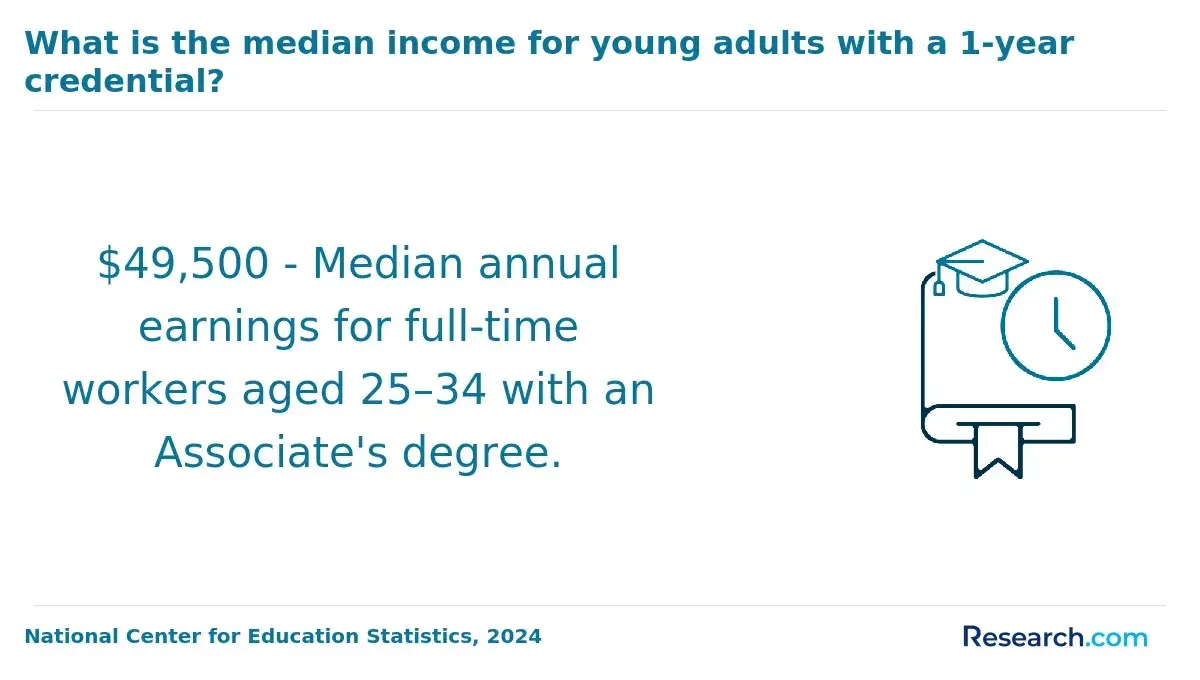
Salaries for entry-level jobs in emergency management differ widely based on the role and sector involved. Some positions command higher pay due to specialized duties and the importance of their responsibilities. Below are several of the better-paying options for recent graduates entering the field.
- Emergency Preparedness Specialist: These professionals create and enforce strategies to handle disasters, both natural and man-made. Earning between $45,000 and $60,000 annually, their expertise in risk evaluation and communication accounts for their stronger starting salaries compared to less technical roles.
- Disaster Recovery Coordinator: Focused on organizing resources and logistics post-disaster, coordinators earn roughly $43,000 to $58,000. Managing recovery efforts demands a high level of coordination, which supports their relatively higher compensation.
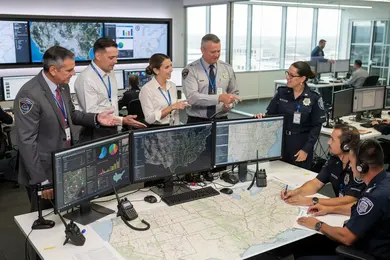
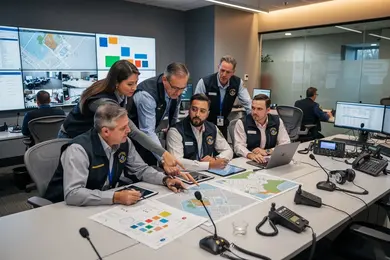
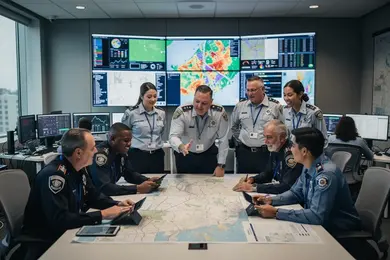
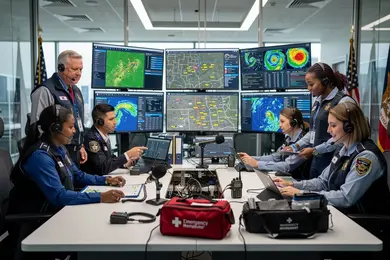
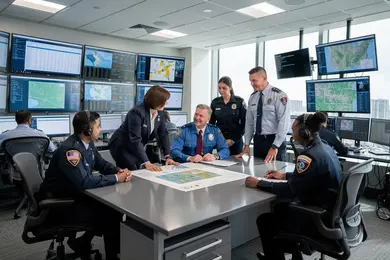
- Emergency Operations Center Staff: With salaries ranging from $40,000 to $55,000, these workers oversee real-time incident monitoring and facilitate interagency communication. The rapid decision-making and stressful environment contribute to attractive entry-level pay.
- Public Health Emergency Responder: Earning from $42,000 to $57,000, this role merges emergency management with healthcare by addressing public health crises. The specialized knowledge required elevates their beginning salary within the field.
What Skills Do Employers Look for in Entry-Level Emergency Management Graduates?
Employers hiring entry-level emergency management graduates value skills that extend beyond academic achievements. A 2022 survey by the International Association of Emergency Managers found that 68% of employers consider interpersonal abilities equally important as technical knowledge. This underscores the necessity for graduates to showcase practical competencies alongside their degrees.
- Communication: Clear and effective communication is vital for coordinating with diverse groups such as first responders, government officials, and the public during emergencies. Entry-level professionals must relay critical information accurately to ensure timely and organized responses.
- Problem-Solving and Critical Thinking: Graduates need to analyze complex situations quickly, predict potential obstacles, and create strategic solutions under pressure. These skills support risk assessment and resource management in dynamic emergency environments.
- Attention to Detail: Precision in following protocols, managing documentation, and executing emergency plans minimizes errors that could compromise response efforts. Employers seek candidates who consistently demonstrate meticulousness.
- Teamwork and Collaboration: Successful emergency management often relies on cooperation among agencies and stakeholders. The ability to work effectively in diverse teams enhances efficiency in disaster response and recovery operations.
Entry-level emergency management graduate skills employers seek also align with hands-on experiences and foundational knowledge gained through critical certifications and internship experience for emergency management careers. Students looking to strengthen their qualifications may explore an online business administration degree to complement core emergency management training and broaden their skill set.
Do Employers Hire Emergency Management Graduates With No Internships?
Employers often show a preference for emergency management graduates who have completed internships, as practical experience is a strong indicator of a candidate's readiness for real-world challenges. Industry data reveals that about 65% of entry-level hires in emergency management had some internship or relevant work experience before being employed.
This preference stems from internships offering direct exposure to emergency response procedures, organizational operations, and teamwork in high-pressure situations. Despite this, hiring practices can vary considerably depending on the specific employer and job role.
Graduates without internship experience are still considered viable candidates if they demonstrate strong academic performance and relevant skills. Employers frequently assess candidates on their ability to showcase transferable skills like communication, problem-solving, and leadership, which might be developed through projects or extracurricular activities.
Furthermore, involvement in simulation exercises, capstone projects, or research tied to emergency management can help support an applicant's qualifications. Ultimately, hiring decisions take into account a range of factors beyond internships, including education, demonstrated enthusiasm, and the unique demands of each position.
What Certifications Help Entry-Level Emergency Management Graduates Get Hired?
Certifications can significantly enhance an emergency management degree by verifying specialized skills and improving a graduate's appeal to employers. Research indicates that individuals holding professional certifications are about 20% more likely to secure jobs early in their careers.
Below are several key certifications that can boost employability for entry-level emergency management professionals.
- Certified Emergency Manager (CEM): This credential from the International Association of Emergency Managers validates comprehensive knowledge of emergency management principles and professional standards. It signals preparedness to handle practical duties and is highly regarded by organizations seeking capable entry-level staff.
- FEMA Professional Development Series (PDS): A federal program covering essential topics like preparedness and response, the PDS provides foundational training aligned with government expectations. It strengthens understanding of emergency protocols valuable for early career positions.
- National Incident Management System (NIMS) Certification: NIMS certification proves familiarity with standardized incident command structures and coordination methods, skills that employers prefer for seamless collaboration during emergency responses.
- Hazardous Materials (HazMat) Awareness Certification: This certification confirms the holder's ability to identify hazardous substances safely, a critical competency in many emergency scenarios that helps improve safety outcomes.
- Community Emergency Response Team (CERT) Training: CERT training equips candidates with hands-on skills in disaster preparedness and basic response, showcasing practical readiness and commitment to community resilience.
When speaking with a professional holding an emergency management degree about certifications, she highlighted how earning the NIMS certification was a turning point in her job search. She described feeling uncertain at first about where to direct her efforts, but after completing NIMS, she noticed increased callbacks from employers impressed by her familiarity with national response frameworks.
"It helped me stand out beyond just my degree," she explained. The process required dedication to understanding incident management structures, but the boost in confidence and visibility made it worthwhile, demonstrating how targeted certifications can open doors in this competitive field.
How Can Students Prepare for Entry-Level Emergency Management Jobs While in College?
Early preparation during college significantly boosts employability for students pursuing entry-level emergency management jobs. A survey by the National Association of Colleges and Employers found that 80% of employers prefer candidates who have acquired practical skills and relevant experience before graduation.
Below are key strategies to help students build career readiness in emergency management.
- Building Practical Experience: Joining campus emergency response teams or volunteering in community disaster preparedness programs provides hands-on exposure. This involvement cultivates a real-world understanding of emergency operations that employers value.
- Developing Technical Skills: Learning to use geographic information systems (GIS) and emergency notification software enhances technical competence. Such skills are critical for effective response coordination and resource management during crises.
- Enhancing Soft Skills: Communication, teamwork, and problem-solving are essential in emergency scenarios. Practicing these through group projects or leadership roles prepares students to handle high-pressure situations successfully.
- Engaging in Academic Projects: Participating in simulations and case studies fosters decision-making and risk assessment abilities. These academic exercises build familiarity with practical challenges faced in emergency management roles.
- Utilizing Campus Resources: Career services, workshops, and networking events connect students with industry professionals and provide guidance on resume building and interview techniques, improving job readiness.
How Competitive Is the Entry-Level Job Market for Emergency Management Graduates?
The entry-level job market for emergency management graduates shows moderate competitiveness, with steady employment demand balanced by a growing number of qualified candidates. The U.S. Bureau of Labor Statistics projects a 6% growth in emergency management roles from 2022 to 2032, exceeding the average growth rate for all occupations.
This trend highlights ongoing hiring opportunities, though the competition remains significant as many graduates aim to start their careers in this sector. Exploring the hiring trends in emergency management entry-level positions reveals several factors shaping this competitive landscape.
Competition in the entry-level job market largely stems from the high volume of applicants holding relevant degrees and some experience. Employers often seek candidates who demonstrate academic excellence, practical skills, and a strong commitment to public safety and crisis response.
Expectations vary across roles and sectors; for example, some agencies prioritize specialized technical skills or local knowledge related to specific hazards, creating uneven competition. Additionally, networking and professional involvement enhance candidate visibility, making it easier to secure positions.
Prospective graduates may also consider pursuing advanced education options, such as the cheapest online doctorate in organizational leadership, to strengthen their qualifications in a competitive job market.
What Remote Entry-Level Jobs Can You Get With an Emergency Management Degree?
The rise of remote work has created growing opportunities for entry-level professionals with an emergency management degree. Labor market data shows remote job postings for early-career emergency management roles increased by more than 75% from 2020 to 2023, underscoring a shift toward flexible arrangements.
Below are common remote-friendly roles for recent graduates exploring remote entry-level emergency management jobs.
- Disaster Recovery Coordinator: This role focuses on developing and implementing plans for recovery following emergencies. Remote work involves coordinating virtually with multiple agencies, managing documentation, and supporting community resilience efforts.
- Emergency Management Analyst: Entry-level analysts review data on risk assessment and emergency response. Responsibilities include preparing reports, attending virtual meetings, and monitoring safety compliance to strengthen analytical skills.
- Public Information Assistant: These professionals handle communication by drafting emergency alerts and social media posts. Remote work ensures the timely dissemination of safety messages, enhancing public awareness during crises.
- Grant Coordinator: This position supports funding efforts by identifying grant opportunities and assisting with applications. Remote communication primarily happens via email and video calls to manage timelines and documentation.
- Risk Communications Specialist: Specialists craft clear messages about potential hazards and emergency procedures. Remote collaboration with agencies shapes accessible information to improve preparedness initiatives.
For individuals interested in broadening skills beyond emergency management, a strong option is pursuing an accelerated business program, which complements remote disaster response careers for entry-level graduates by enhancing administrative and leadership capabilities.
How Quickly Can Emergency Management Graduates Get Promoted?
The speed at which emergency management graduates receive promotions depends largely on factors like individual performance, prior experience, and an organization's hierarchy. The entry-level emergency management promotion timeline usually ranges from two to four years, as professionals take on more responsibilities.
A survey found that around 35% of public sector employees in this field were promoted within three years. Understanding these patterns helps clarify typical career advancement speed for emergency management graduates entering the workforce.
Promotion timelines are influenced by continuous skill development, reliability in the workplace, and the complexity of roles handled. Employees who excel in problem-solving and leadership often progress faster, though the pace varies by employer and job duties.
Larger organizations may have more defined but lengthier promotion processes, whereas smaller agencies might offer quicker, albeit fewer, advancement opportunities. Graduates aiming for early career progress should focus on gaining experience and demonstrating consistent value within their roles, which can also complement an online math bachelor's degree for enhanced analytical skills.
What Graduates Say About Entry-Level Jobs With an Emergency Management Degree
- Raul: "Applying for entry-level positions in emergency management taught me the importance of flexibility-many opportunities are onsite, but I found hybrid roles that really balanced my need for collaboration and remote work. When choosing my first job, I prioritized agencies that offered strong mentorship programs, which made a huge difference in my early career development. These initial roles aren't just about responding to crises; they truly paved the way for me to build vital skills and advance professionally."
- Elisha: "Starting as a recent graduate, I was surprised to see how much the impact of an entry-level emergency management job extends beyond day-to-day tasks. I focused on positions with local governments because I wanted hands-on experience with community preparedness. The on-location nature of these jobs allowed me to build lasting relationships, and those connections have already opened doors for promotions."
- Michael: "My approach was to target remote emergency management opportunities initially, to gain varied perspectives from different regions. Choosing a role that emphasized data analysis and disaster planning helped me understand the broad scope of emergency management early on. I've found that these foundational experiences are crucial-they informed my career trajectory and have made every subsequent step more strategic."
Other Things You Should Know About Emergency Management Degrees
While a bachelor's degree in emergency management is sufficient for many entry-level roles, obtaining a master's degree can enhance career advancement opportunities. Specialized training or certifications in areas like homeland security, public health preparedness, or hazard mitigation may also increase competitiveness in the job market, but are not mandatory for most beginner positions.
New graduates are typically expected to assist with risk assessments, develop emergency response plans, and coordinate training exercises. They may also manage data collection for disaster events and support communication between agencies during incidents. Entry-level roles often involve teamwork and collaboration with various stakeholders to ensure community safety and resilience.
Geographic location can significantly influence job availability due to varying disaster risks and funding levels across regions. Areas prone to natural disasters, such as hurricanes, wildfires, or earthquakes, often have more positions in emergency management. Metropolitan areas may offer diverse opportunities, while rural locations might have fewer roles but broader responsibilities.
References
- The Top 4 Skills for Emergency Managers of the Future - Me, Myself & Disaster - Australia's Leading Disaster Podcast https://memyselfdisaster.com/the-top-4-skills-for-emergency-managers-of-the-future/
- How to Become an Emergency Management Specialist https://www.publichealthdegrees.org/careers/emergency-management-specialist/
- Emergency Managers: Everything You Need to Know https://www.nrep.org/blog/emergency-manager-career-guide
- Key Certifications in Emergency Management — Emergency Management Alliance of Indiana https://www.emaindiana.org/blog/key-certifications
- Seven Jobs You Can Do with a Degree in Emergency Management and Homeland Security https://www.albany.edu/graduate/news/2025-seven-jobs-you-can-do-degree-emergency-management-and-homeland-security
- From EHS Intern to EHS Manager: Entry-Level to Management Timeline https://ehscareers.com/employer-blog/ehs-intern-to-ehs-manager-entry-level-to-management-timeline/
- Become an Emergency Management Specialist: Career Path Guide | Skills U https://skillsu.com/role/emergency-management-specialist
- What You Should Know About Emergency Management Degrees https://www.govtech.com/em/disaster/Emergency-Management-Degrees-Careers.html
- USAJOBS connects job seekers with federal jobs across the United States and around the world as the official employment site for the federal government https://www.usajobs.gov/Search/
- Taking an Emergency Management Career Path: What You Should Know | tulane https://sopa.tulane.edu/blog/taking-emergency-management-career-path-what-you-should-know