
2027 Environmental Science Degree Programs for Career Changers

Co-Founder and Chief Data Scientist
Many working professionals face uncertainty when considering a shift to environmental science due to concerns about the time and cost of reeducation. Adult learners often juggle family and job responsibilities, making traditional degree paths daunting. The U.S. Bureau of Labor Statistics projects a 5% growth in environmental science jobs through 2031, with nearly 30% of these roles open to candidates holding non-traditional degrees or certifications.
Understanding how to navigate degree programs tailored for career changers can empower adults to transition smoothly. This article explores degree options, flexible formats, and career outcomes to guide prospective students in making informed decisions.
Key Things to Know About Environmental Science Degree Programs for Career Changers
- Many environmental science programs offer online or hybrid formats with flexible scheduling, accommodating the busy lives of working adults and enabling smoother career transitions.
- Accelerated pacing options are increasingly common, allowing career changers to complete degrees faster and enter the workforce promptly amid growing industry demand.
- Employer partnerships and targeted support services enhance practical training and networking, improving job placement rates for adults switching to environmental science careers.
What Environmental Science Programs Accept Career Changers?
Environmental science programs designed for career changers often provide flexible prerequisites and practical curricula that accommodate working professionals seeking a new direction. More than 40% of graduate students are adult learners or career changers, highlighting the increasing trend of mid-career transitions through education.
- Accelerated Master's Degree: These programs allow candidates from various academic backgrounds to complete their degrees rapidly by waiving some foundational courses. This approach lets students focus on applied research and skills relevant to real-world environmental challenges.
- Online or Hybrid Degree Programs: Offering flexibility in scheduling, these programs help professionals balance employment and study. They often feature asynchronous classes and projects that enable the transfer of skills from previous careers.
- Post-Bachelor Certificate Programs: Tailored for students holding degrees in other fields, these certificates provide targeted training in core environmental science competencies without the commitment of a full degree. This format appeals to those seeking a swift pivot into the field.
- Continuing Education and Professional Development Programs: Non-degree options that enhance expertise and support gradual career shifts, these programs often align closely with industry demands and include valuable networking opportunities.
Students interested in flexible environmental science degree programs for career changers may also find parallels in other fields, such as masters in social work online, which similarly offer adaptable pathways for adult learners.
What Environmental Science Specializations Are Best for Career Changers?
Selecting the right environmental science specialization is key for career changers to align existing skills with evolving job market demands and ensure smoother transitions. The U.S. Bureau of Labor Statistics projects environmental science jobs to grow 8% from 2022 to 2032, indicating solid demand for specialized expertise.
Below are four top specializations well suited for career changers.
- Environmental Policy and Management: This specialization leverages communication, analysis, and leadership skills, making it accessible to professionals from business, law, or public administration backgrounds. It provides strong career mobility through roles shaping environmental regulations and strategies.
- Ecological Restoration: Ideal for those with experience in biology, agriculture, or landscaping, this hands-on field focuses on restoring ecosystems and natural habitats. It offers practical opportunities for career changers interested in active environmental work.
- Environmental Data Analysis: Suited for individuals with quantitative skills such as statistics or IT, this specialization uses data to solve environmental challenges and guide policy decisions. It taps into transferable analytical capabilities and growing demand for data-driven solutions.
- Renewable Energy and Sustainability: Designed for candidates with engineering or project management experience, this path emphasizes sustainable solutions and green technologies. It offers expanding career options in the renewable energy sector.
Each specialization enhances potential career mobility by capitalizing on transferable skills, making these strategic options for professionals pursuing environmental science career change specializations. For those exploring further education, numerous CACREP-accredited online counseling programs may also support related career development goals.
What Are the Admission Requirements for Career Changers Applying to a Environmental Science Program?
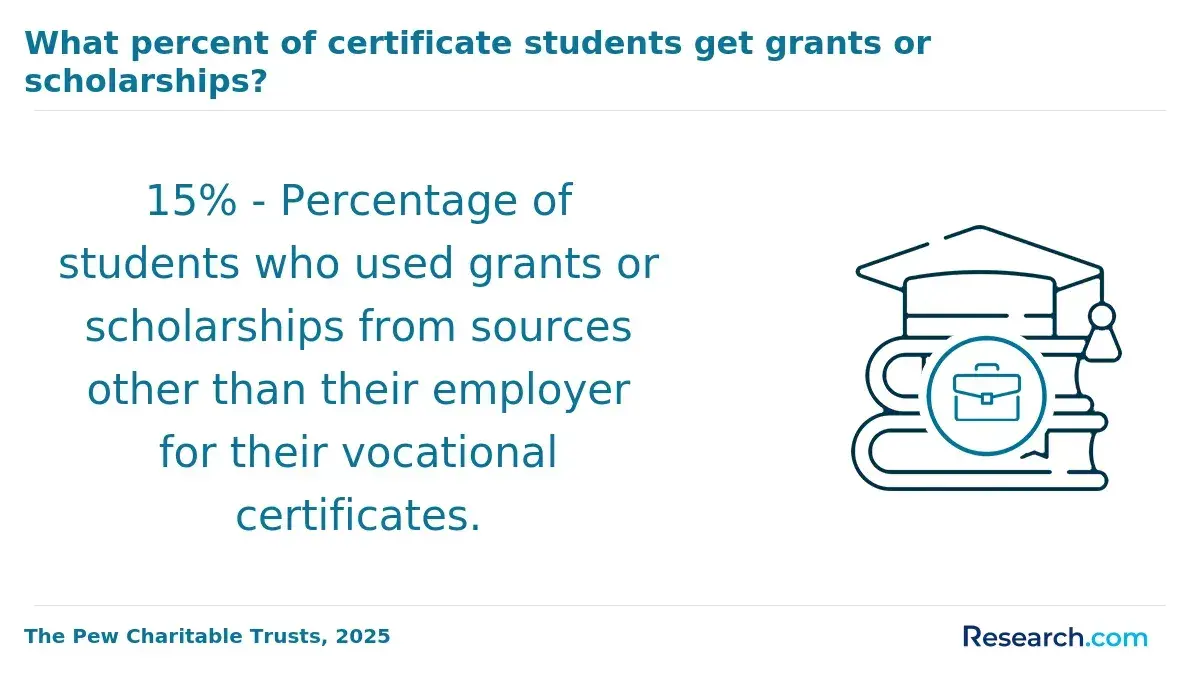
Career changers pursuing an environmental science program often navigate diverse academic and professional backgrounds, making it vital to understand admission criteria. Nearly 39% of undergraduate students in the U.S. are adult learners, reflecting the growing opportunities for nontraditional admissions pathways.
Below are key requirements commonly requested to assess eligibility and plan for any necessary preparations.
- Application Form: A detailed form collects personal and educational information to initiate the admissions process, ensuring candidates meet baseline criteria suitable for nontraditional students.
- Official Transcripts: Previous academic records are required to evaluate prior education, including prerequisite courses or relevant science and math experience, a typical criterion for environmental science degree admission.
- Standardized Tests: Some programs request scores; however, many waive these for adult learners recognizing their professional experience and academic history.
- Letters of Recommendation: Support from supervisors or academic mentors highlights transferable skills and the applicant's commitment to the new field.
- Personal Statement: Candidates explain their motivation for a career shift and future goals, aiding admissions staff in understanding their unique backgrounds.
- Relevant Experience Proof: Demonstrating prior learning, such as portfolio reviews or work in environmental or related fields, can substitute some academic prerequisites, offering flexible entry routes.
Many programs accommodate working professionals by offering part-time, evening, or online classes, which is essential for a smooth transition. Those interested may also explore a library science degree as an example of a flexible graduate study path that shares similar considerations for adult learners navigating nontraditional admissions.
What Is the Coursework for a Environmental Science Degree for Career Changers?
For those switching careers, knowing the content of environmental science coursework is vital to ensure prior knowledge meshes well with fresh scientific concepts. This clarity allows adult learners to prepare effectively for the academic and practical demands ahead.
The coursework usually focuses on several key areas, each supporting flexibility and real-world application.
- Foundational Science: Core classes in biology, chemistry, physics, and earth sciences build the essential scientific understanding needed to analyze complex environmental systems.
- Environmental Policy and Ethics: These courses delve into regulations, laws, and ethical issues impacting environmental work, helping students grasp frameworks they will encounter professionally.
- Data Analysis and Research Methods: Instruction covers statistical techniques, GIS (Geographic Information Systems), and environmental data gathering to ensure competence in handling practical data challenges.
- Fieldwork and Laboratory Experience: Hands-on sessions provide opportunities to apply theory through experiments, sampling, and field observations, enhancing experiential learning.
- Specialized Topics: Depending on the program, students can explore areas like renewable energy, conservation, or environmental risk assessment, allowing coursework to align with individual career goals.
A professional who completed an online environmental science degree shared that balancing coursework while managing a full-time job was challenging yet rewarding. He mentioned, "I often felt overwhelmed juggling assignments with family commitments, but the program's flexible scheduling made it possible."
He also appreciated how projects simulated real situations: "Applying theory to actual environmental data helped me feel ready for what lies ahead." Reflecting on the journey, he noted the importance of accessible academic support, saying, "Having tutors and advisors just an email away was a game changer for me."
What Environmental Science Program Formats Are Available for Career Changers?
With over 40% of U.S. postsecondary students aged 25 or older, flexible environmental science programs are essential for career changers balancing education with work and personal commitments. Such adaptable formats allow learners to acquire new expertise without sacrificing professional responsibilities or family time.
Below are common program structures designed for these needs.
- Online Programs: Fully virtual courses provide maximum flexibility, enabling students to study from any location and often at their own pace. This format suits those juggling jobs or family duties seeking a convenient learning schedule.
- Evening and Weekend Classes: Tailored for working professionals, these programs offer in-person or hybrid sessions during non-traditional hours to fit around daytime employment.
- Part-Time Enrollment: Allows students to extend their coursework over a longer duration, reducing weekly time demands and helping balance education with other life priorities.
- Hybrid Programs: Combine online lectures with hands-on labs or fieldwork, giving students practical experience while maintaining remote learning flexibility.
What Skills Do Career Changers Gain in a Environmental Science Program?
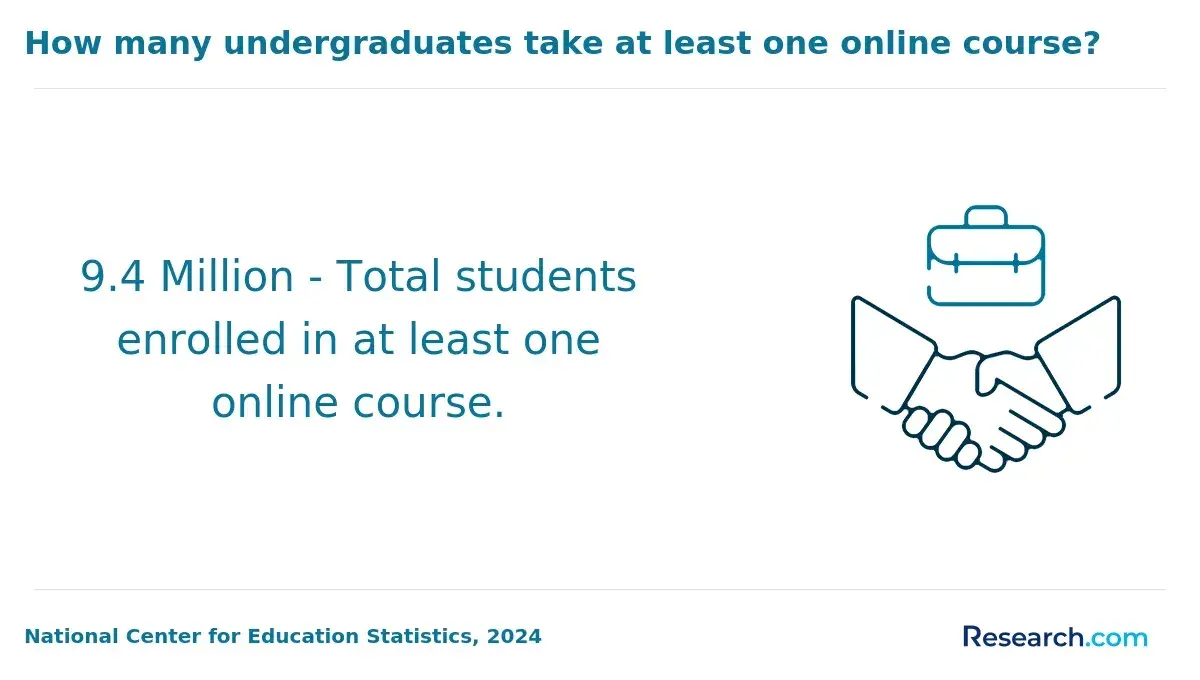
For career changers, building new skills is vital as 87% of workers globally need to reskill by 2025 to stay competitive amid shifting job markets. Acquiring versatile, practical skills through an environmental science degree can smooth the transition into more sustainable and impactful work.
Below are five essential skills developed in such programs that support this shift.
- Data Analysis: This skill helps professionals interpret complex environmental datasets, informing effective decisions in areas like research and policy. Proficiency here opens doors to roles requiring analytical thinking and evidence-based strategies.
- Problem-Solving: Environmental science challenges demand creative and adaptable solutions. Training in this area empowers career changers to tackle pressing ecological issues while thriving in diverse work environments.
- Communication: Clear communication skills enable graduates to translate technical topics into accessible language, fostering cooperation among stakeholders and enhancing public outreach initiatives.
- GIS and Spatial Technology: Hands-on experience with Geographic Information Systems equips students to manage and analyze spatial data, a capability important in urban development, resource management, and environmental consulting.
- Project Management: Learning to coordinate resources, deadlines, and teams ensures graduates are prepared to lead initiatives across different sectors efficiently and effectively.
A career changer who completed her environmental science degree shared how these skills made a tangible difference in her journey. Initially overwhelmed by the steep learning curve of technical tools and scientific concepts, she found that the program's combination of hands-on projects and collaborative learning boosted her confidence gradually.
"The problem-solving exercises pushed me to think beyond my previous experience," she said, "and developing communication skills helped me explain complex topics to colleagues from non-scientific backgrounds." Her experience managing project timelines in class translated directly into better handling of real-world workflows after graduation.
Reflecting on her growth, she noted, "It wasn't just about acquiring knowledge but transforming the way I approach challenges and solutions in my new career."
How Much Does a Environmental Science Degree Cost for Career Changers?
Budgeting for an environmental science degree is especially important for career changers who must balance educational costs with ongoing financial obligations. Graduate students in the U.S. carry an average debt load of around $66,000, making it critical to assess all expenses tied to returning to school.
Below are key cost components to consider before enrolling.
- Tuition and Fees: This is typically the largest expense, varying from $10,000 to $30,000 annually at public universities for in-state students, while private institutions often charge over $40,000 per year. Many affordable environmental science programs for working professionals offer part-time or online options to spread out costs and maintain income.
- Textbooks and Materials: Specialized textbooks and equipment required for courses can add several hundred to more than a thousand dollars per term. Digital resources and rentals may provide some savings.
- Laboratory and Fieldwork Costs: Practical components often require fees for lab access, field trips, or safety gear, which can fluctuate widely depending on the program's focus and delivery method.
- Flexible Payment and Employer Support: Career changers should explore tuition reimbursement, employer tuition assistance, or payment plans that reduce upfront expenses. Accelerated or competency-based formats may also shorten completion time and lower overall costs. Many adult learners find value in programs like those highlighted in an accelerated bachelors degree online.
- Financial Aid and Scholarships: Grants, scholarships, and loans specifically targeting adult learners can ease budgetary strain. Researching these options is crucial for managing the total cost of attendance.
How Does a Environmental Science Curriculum Support Career Transitions?
Curriculum design is especially important for career changers because it provides a structured yet flexible pathway that meets diverse prior experiences and accelerates proficiency in essential areas. This careful design enables learners to efficiently gain the knowledge and skills needed for a smooth transition into environmental roles.
Below are key ways an environmental science curriculum supports career transitions.
- Applied Learning: Incorporates hands-on opportunities such as labs and fieldwork to build practical experience that is immediately relevant in professional settings.
- Transferable Skills: Develops critical competencies including data analysis, communication, and project management, which are valuable across many industries and enhance career adaptability.
- Flexible Pacing: Offers part-time and online formats tailored to working professionals, allowing students to balance education with existing responsibilities and make steady progress.
- Real-World Projects: Integrates case studies and projects addressing current environmental challenges, connecting theoretical knowledge with practical solutions applicable in new careers.
- Interdisciplinary Coursework: Broadens understanding through courses in science, policy, and technology, equipping learners to navigate complex issues in the environmental sector.
An environmental science curriculum facilitates career transitions by emphasizing skills and knowledge applicable in various roles, ensuring adult learners can confidently embrace new opportunities. Career changers especially benefit from key skills gained from environmental science degree programs for career changers, enabling them to excel in unfamiliar industries.
Those exploring educational options can also consider online colleges that accept FAFSA, which provide flexible and affordable pathways to earning an environmental science degree, making career advancement accessible.
What Careers Can Career Changers Pursue With a Environmental Science?
Recognizing potential career outcomes helps career changers align their environmental science degree with future opportunities. Employment in environmental science and related areas is expected to increase by 8% through 2032, signifying strong growth in this sector.
Below are five common roles suited to graduates transitioning into this field.
- Environmental Consultant: Analyze environmental impacts and regulatory compliance, using communication and analytical skills to guide clients on sustainable solutions. Project management or advisory experience enhances effectiveness in this role.
- Natural Resource Manager: Manage conservation initiatives and land use policies, applying leadership and organizational talents to safeguard ecosystems. Prior experience in resource or team management supports this transition.
- Environmental Educator: Create and deliver educational programs to raise awareness about environmental issues, capitalizing on outreach, teaching, or public speaking backgrounds. This position suits those adept at engaging diverse audiences.
- Wildlife Biologist: Conduct field research and monitor animal populations, utilizing scientific knowledge and data analysis skills. Candidates with research or laboratory experience find this role well aligned with their expertise.
- Environmental Health Specialist: Assess environmental factors affecting community health, leveraging understanding of regulations, risk assessment, and safety protocols. This career benefits from experience in health, safety, or compliance sectors.
What Is the Average Salary After Earning a Environmental Science Degree as a Career Changer?
Salary expectations play a key role for professionals shifting careers, as financial outcomes influence decisions about further education. Data shows reskilled workers often enjoy an average 16% salary boost after completing a degree program, signaling clear economic incentives.
Below are important salary considerations for those entering environmental science fields.
- Entry-Level Salaries: Starting roles usually pay between $45,000 and $60,000 per year. Compensation tends to be modest initially but provides room for growth as skills develop.
- Mid-Career Earnings: Professionals with five to ten years' experience typically see salaries in the range of $60,000 to $85,000, reflecting accumulated expertise and responsibilities.
- Specialized Positions: Roles in niches such as environmental consulting or regulatory compliance often command higher pay due to industry demand and specialized knowledge.
- Location Impact: Geographic region influences wages significantly; urban centers and industrial hubs generally offer increased compensation packages compared to rural areas.
- Transferable Experience: Candidates with prior work history in related scientific or technical domains may negotiate starting salaries above typical entry-level figures, leveraging cross-industry skills.
What Graduates Say About Their Environmental Science Degrees for Career Changers
- Riley: "Changing careers was daunting, but enrolling in an environmental science degree program truly transformed my outlook. Although the average cost hovered around $35,000, I saw it as an investment in a future where I could make a tangible difference. Now, working in sustainability consulting, I feel my education gave me the credibility and skills I needed to succeed confidently. "
- Eddie: "Reflecting on my journey, transitioning to environmental science felt like a leap into the unknown, especially considering the financial commitment of about $30,000 for the degree. However, completing the program opened doors I never thought possible, enabling me to contribute meaningfully to conservation projects. The experience was invaluable and justified every dollar spent."
- Beatrice: "Pursuing an environmental science degree mid-career was a calculated decision shaped by both passion and practicality. With tuition costs between $25,000 and $40,000, I had to balance budget and ambition carefully. Ultimately, finishing the program allowed me to pivot professionally into environmental policy, where I now influence decisions at a higher level. This degree was the key catalyst for my career evolution."
Other Things You Should Know About Environmental Science Degrees
In 2027, Environmental Science degree programs are increasingly accommodating diverse professional backgrounds by offering flexible course structures, evening or online classes, and recognizing transferable skills from previous careers. Some programs provide personalized academic advising to seamlessly integrate past experiences with environmental science studies, thereby facilitating a smoother transition for career changers.
Most accredited environmental science programs recognize the unique needs of adult learners and career changers by offering dedicated support services. These may include flexible scheduling, career counseling, tutoring, and networking opportunities specifically designed to ease the transition. Access to internships and industry partnerships is often emphasized to help career changers gain practical experience.
Yes, prior degrees or relevant work experience can often reduce the time needed to complete an Environmental Science degree. Many programs offer credit for prior learning or work experience, allowing career changers to complete their degrees more quickly in recognition of their existing expertise and skills.
References
- How to Become an Environmental Scientist | University of Phoenix https://www.phoenix.edu/articles/environmental-science/how-to-become-an-environmental-scientist.html
- Changing the World Through Environmental STEM Careers - Stem Fellowship https://live.stemfellowship.org/changing-the-world-through-environmental-stem-careers/
- How to Find Entry Level Jobs with an Environmental Science Degree https://facs.com/blog/how-to-find-entry-level-jobs-with-an-environmental-science-degree/
- Is a degree in environmental science worth it? | edX https://www.edx.org/resources/is-a-degree-in-environmental-science-worth-it
- Changing career - Green Careers Hub https://www.greencareershub.com/developing-your-career/careers-advice/changing-career/
- What skills do you need to succeed in environmental careers? | ECO Canada https://eco.ca/blog/essential-skills-for-environmental-jobs/
- 16 Innovative Environmental Science Careers https://www.collegeadvisor.com/resources/environmental-science-careers/
- Essentials Skills to Succeed in an Environmental Career https://unity.edu/distance-education-blogs/essentials-skills-to-succeed-in-an-environmental-career/
- Environmental studies: A career changing the world https://www.cmich.edu/blog/all-things-higher-ed/environmental-studies-a-career-changing-the-world
- What do I do with an Environmental Science degree? https://cas.umw.edu/ees/environmental-science-program/career-opportunities/


